
Fable Understood Something About Power That Most Open-World RPGs Forget
For the longest time, Halo: Combat Evolved was the only game that mattered on my Xbox. Every other title felt like a mere footnote by comparison. Then arrived Fable, a fantasy RPG from Lionhead Studios that promised the kind of unfettered agency that felt revolutionary. You could marry, purchase property, expand your waistline with an excess of pies, or pass gas on demand. To a 15-year-old in 2004, this felt like groundbreaking wizardry.
Everyone fondly recalls the absurdity of punting chickens, the visceral transformation into a horned villain through wicked deeds, and the rush of being heralded as a hero by adoring villagers. Yet, looking back, the moment that remains etched in my memory is the jarring, unexpected cruelty of the game’s final decision—a choice that set a precedent for the bold, morally gray storytelling the series is now famous for.
At the heart of Fable‘s allure is an artifact of immense power: the Sword of Aeons.
The journey begins as a classic fairy tale. Your home in Oakvale is razed by bandits commanded by the enigmatic Jack of Blades. You witness your father’s murder, the disappearance of your mother, and the tragic blinding of your sister, Theresa. Ultimately, you are taken in by the Heroes’ Guild, groomed to become one of the legendary protectors of Albion.
Fable unfolds as a coming-of-age odyssey cloaked in the guise of a fantasy celebrity simulator. In Albion, Heroes are not merely noble knights; they are mercenary icons. The populace celebrates your arrival, children dog your footsteps, and every strange impulse you act upon is met with a unique reaction.
Beneath the veneer of quirky British humor lies a deeply serious inquiry into the nature of power. What are we truly willing to sacrifice to grasp it? To what depths might we sink to ensure it remains ours?
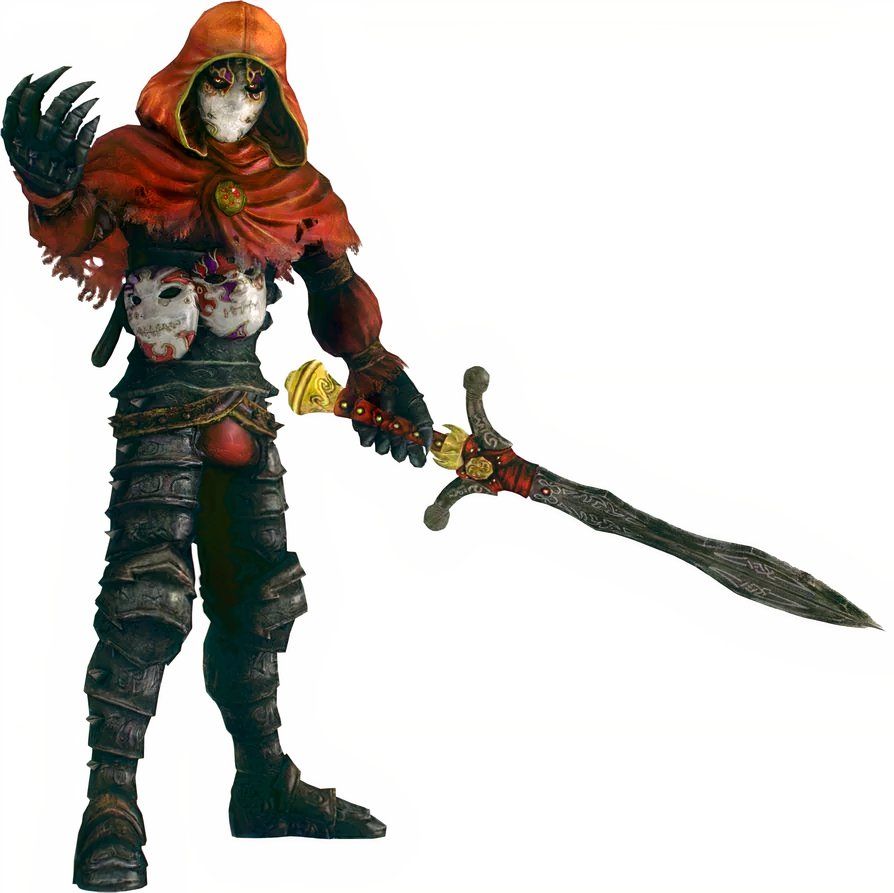
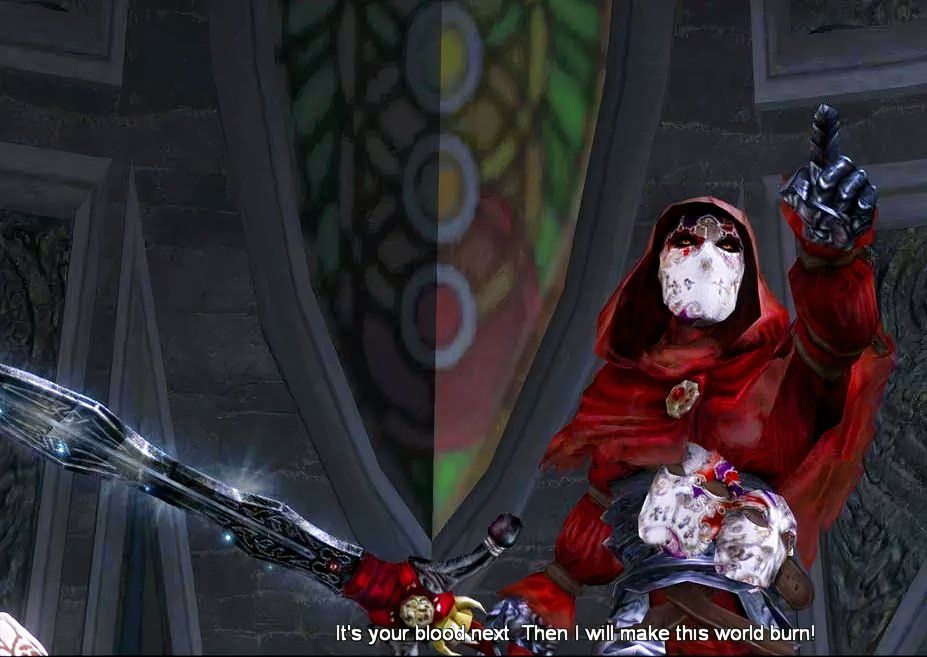
The Sword of Aeons is a relic tethered to a primordial, destructive force. Throughout the adventure, Jack of Blades pulls the strings of fate to claim this weapon. It is positioned as the ultimate reward—the legendary treasure we are conditioned to covet. It helps, of course, that Jack is a chillingly otherworldly antagonist, clad in a tattered red cloak and a porcelain mask that hides a malevolent gaze, with two additional masks eerily strapped to his waist.
Midway through the campaign, the game sheds its whimsical skin during a gladiatorial arena event. After defeating your childhood rival and friend, Whisper, Jack presents you with a choice: execute her for a payout of 10,000 gold. It is the moment the game pivots from a lighthearted romp into something far more somber.
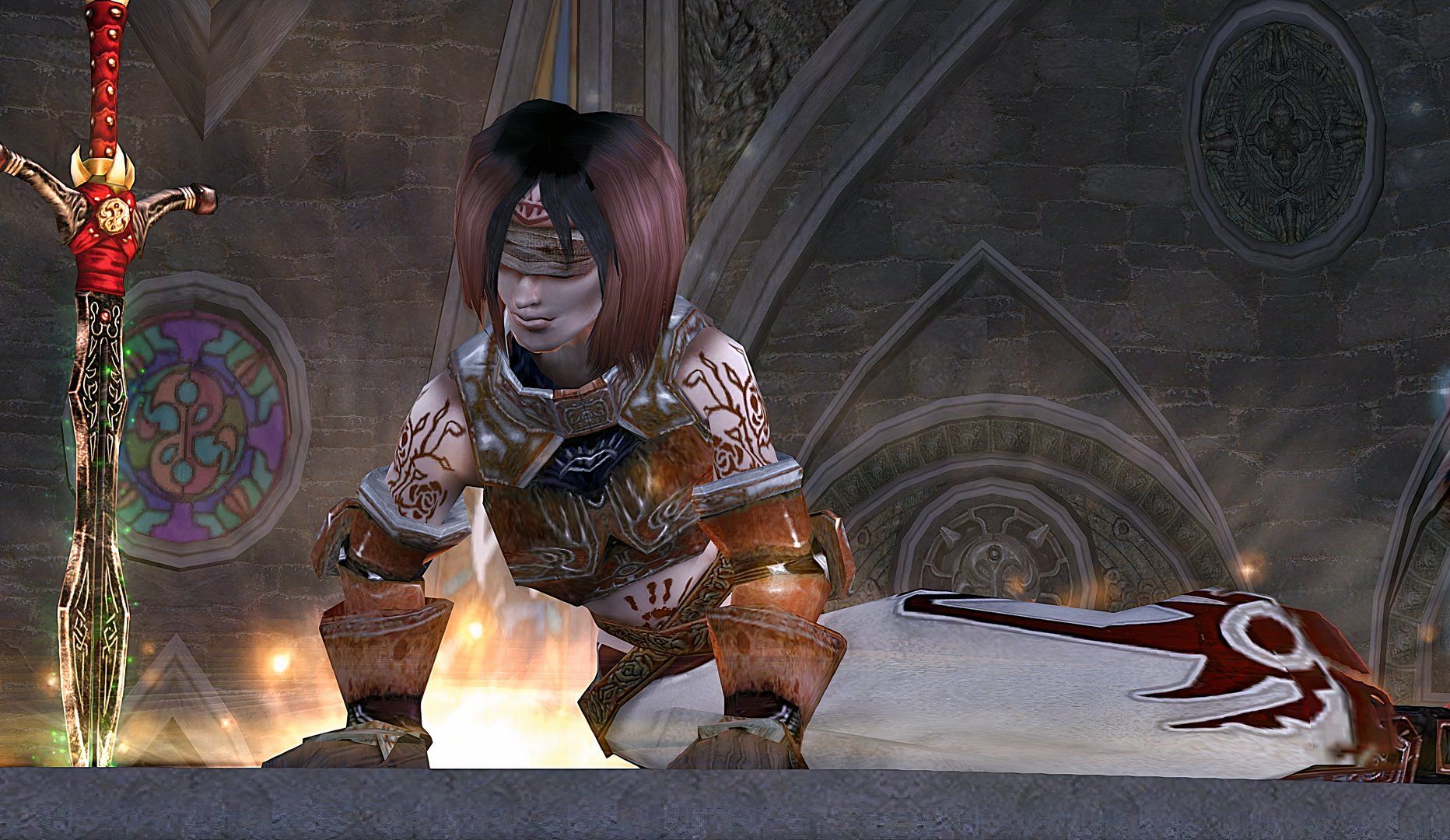
This serves as a precursor to the grand finale—a moment that remains one of the most daring narrative gambits of the original Xbox era. Upon defeating Jack, the Sword of Aeons is yours to claim. However, to unlock its full potential, you must sacrifice your blind sister. The game offers no vague, sanitized dialogue trees; you are simply presented with the blade, your sister, and the choice: strike her down or cast the cursed weapon into the abyss.
RPG design usually conditions us to hunt for the best gear regardless of the ethical cost. The Sword of Aeons stands as the apex of this conditioning. While other late-game weapons like the Solus Greatsword offer impressive stats, the Sword of Aeons boasts a staggering base damage of 550, dangling pure, unadulterated strength in front of the player.
I nearly killed Whisper for that initial gold—she was, after all, quite grating. But the Sword of Aeons presented a much deeper moral dilemma. Having played as a beacon of virtue throughout my journey, being forced to abandon that identity for the ultimate prize felt like a gut-punch. It was an astonishingly cruel design choice that felt genuinely weighty to my 15-year-old self.
I eventually succumbed, choosing the sword and reveling in its destructive power for a few minutes. I hadn’t wanted to harm Theresa, but the blade was simply too alluring. I traded my moral standing for godlike strength, and for a brief moment, it felt worth it. Then, the world felt hollow. I was hollow. I reset my save and fought Jack once more to make the righteous choice. Fable weaponized the very reward loop that fuels RPGs, daring the player to care more about stats than their own conscience.
Fable 2 escalated this emotional turmoil during its own finale. Standing atop the Spire, you are presented with three stark outcomes: resurrect the many innocents who perished in the Spire’s construction, restore your family and faithful dog to life, or claim a fortune in gold. Regardless of your victory, the game forces you to accept a profound loss, testing whether you value utilitarian justice or personal attachment.
I chose to save my dog, and I still feel the sting of that selfishness years later. That tension is the true soul of Fable—the way it pauses its power-fantasy antics to demand a piece of your integrity. While Fable 3 diluted this impact with overly political stakes, I have high hopes that the upcoming entry will return to form. I want the classic Albion charm and the biting wit, but if developer Playground Games wants to honor the series’ legacy, they must realize that Fable is more than just jokes and side activities. Bring back the heartbreak. Bring back the difficult choices. Bring back the Sword of Aeons.
Source: Polygon
Related articles
 New Denuvo Hacker Claims First DRM Bypass Success
 Valve Adds Hero Baba and Bench to Deadlock as Game Sets New Steam Record
 What Time Does Marvel Rivals Season 10.5 Release in Your Time Zone?
 Report Suggests Resident Evil Requiem DLC Plot Leaked Alongside Remakes of Resident Evil and RE Veronica
 Exclusive Riftbound Radiance Reveal – Ziggs, the Explosive
 Creator of Garry’s Mod Successor Admits Rough Launch and Responds to s&box Criticism
 The Detective Is Already Dead Season 2 Gets New Poster Ahead of Premiere
 Former Activision CEO Bobby Kotick Joins Skydance Board of Directors