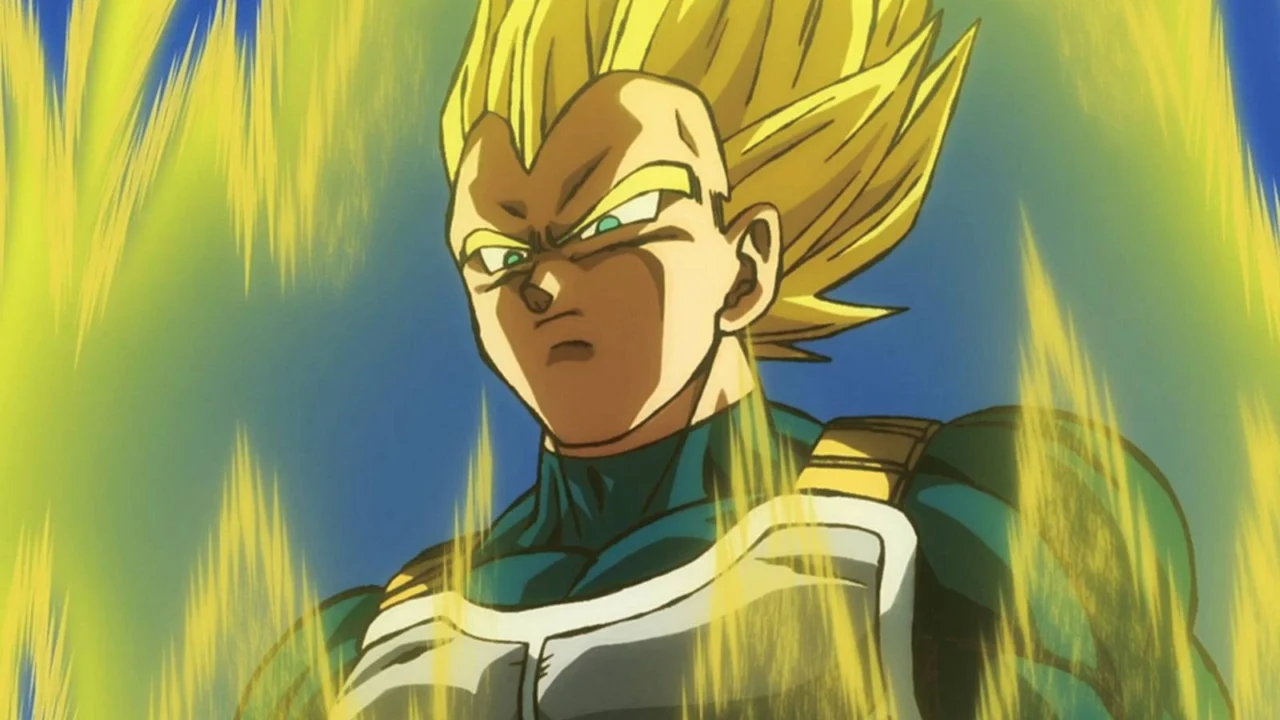
Christopher Sabat Shares the Moment He Realized Vegeta’s Global Impact

It is nearly impossible to find a Dragon Ball enthusiast from the 1990s whose life wasn’t altered by the franchise. For many, it served as a gateway to the vast world of anime and manga; for others, it provided the archetypal heroes they strived to emulate or the raw motivation needed to pursue physical fitness. The late, visionary Akira Toriyama fundamentally reshaped the shonen landscape, leaving an indelible mark on successors like One Piece, Naruto, and Bleach.
Personally, Dragon Ball Z was a cornerstone of my upbringing. While discussing the franchise’s 40th-anniversary milestone with Christopher Sabat, I was struck by his admission that he rarely paused to contemplate his legacy as the Prince of All Saiyans.
There was a time when English dub actors worked in relative obscurity. Sabat—the voice behind legendary figures such as All Might in My Hero Academia and Yu Yu Hakusho’s Kuwabara—entered the Dragon Ball universe with little fanfare. Now synonymous with iconic roles like Vegeta, Piccolo, and Yamcha, he confessed to having zero knowledge of the series prior to his casting. It took years after the conclusion of the original run for Sabat to truly internalize the cultural weight the English dub carried for fans.
In his conversation with Polygon, Sabat recounted three “pivotal milestones” that finally cemented his understanding of his influence on both the global anime community and the soul of Vegeta himself.
The Android Saga Revival and the Chaos of SDCC
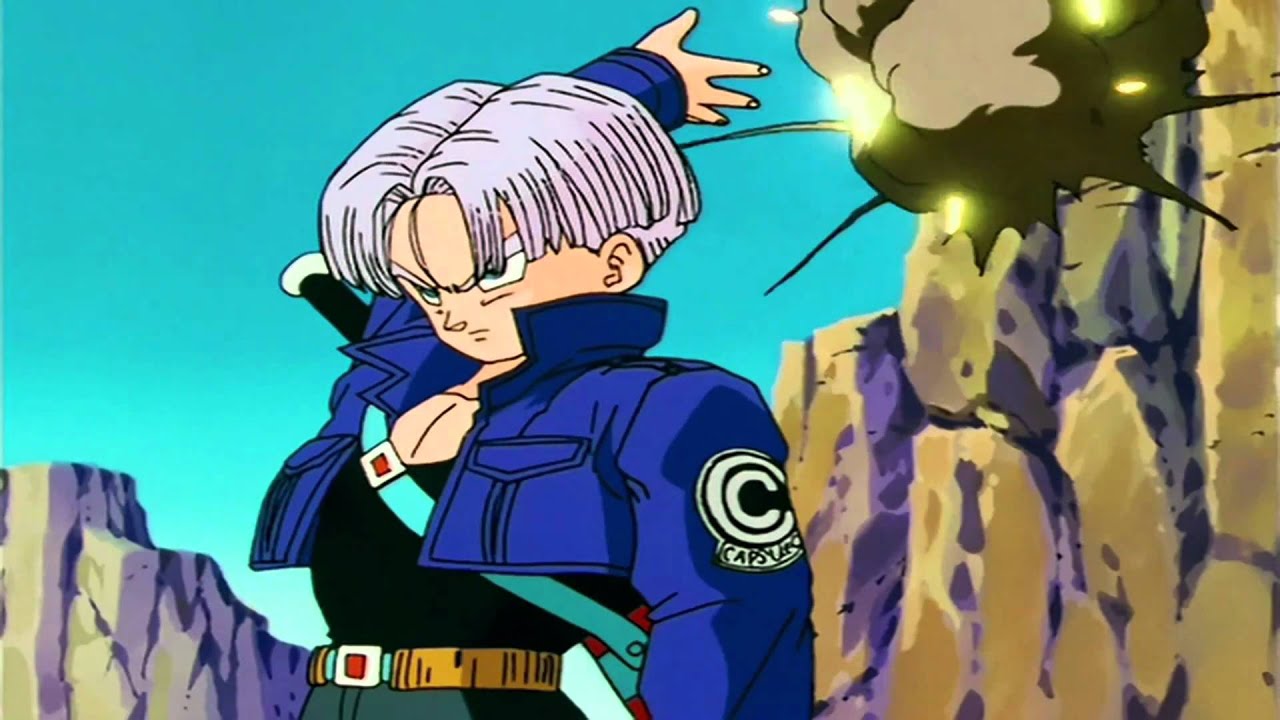
Christopher Sabat: One of the most exhilarating moments was witnessing the Dragon Ball Z premiere when the series finally returned from its extended hiatus. That was incredible. Shortly after, we attended our very first San Diego Comic-Con. Having no frame of reference, we arrived to find a literal sea of people. Funimation had secured a tiny booth, completely underestimating the need for crowd management or line security.
We found ourselves in hot water with the fire marshal almost immediately. Fortunately, our neighboring exhibitors were gracious enough to let our massive queue spill into their space.
The scale of it was a total shock. Yet, even then, I viewed myself simply as the “English audio track” on a disc. I didn’t have the epiphany of “I am Vegeta.” I poured my heart into the performance, but I hadn’t yet accepted that, to the fans, my voice and the character were one and the same.
“Beatlemania” in Australia

The second turning point occurred during our inaugural convention trip to Australia around 2002. By that time, I was accustomed to domestic shows, but the Australian fanbase was on another level of intensity. Their passion was visceral.
When the elevator doors opened at the signing area, we were met with absolute bedlam. It felt like a scene straight out of A Hard Day’s Night. The crowd went berserk. That was the moment I realized, “Okay, this isn’t just a niche hobby. This show is a global phenomenon.”
The ‘Battle of Gods’ Revelation

The most profound moment—the one that instilled a true sense of stewardship over Vegeta—was the theatrical premiere of Dragon Ball Z: Battle of Gods. Numerous executives and creatives from Toei Animation and Shueisha had flown in from Japan for the event.
I distinctly remember a conversation with a member of the production staff. They told me, “In the United States, you are Vegeta. We admire your work, and to these fans, your voice is the definitive one.” That was the first time I received such high-level, formal validation.
Up until that point, I had been treated well, but that endorsement changed my perspective. I realized I wasn’t just an alternative language setting; I was part of the character’s legacy. We did this work because we loved it, alongside colleagues who became my closest friends—people like Sean Schemmel, Eric Vale, and Sonny Strait. We never set out to be “important”; we just set out to tell a story we cared about.
Source: Polygon
Related articles
 GTA IV Gets Experimental Android Port
 New Edition of Battlestar Galactica: The Board Game in Development, With Cylons Returning
 Chitose Is in the Ramune Bottle Anime Creators Publish Creditless Opening and Ending
 3 Final Fantasy Games Worth Playing If You Loved FF Resonance
 The 20 Most-Played Steam Next Fest Demos Include Mischievous Students and Farting Hippos
 Fans Release Unofficial Android Ports of Burnout 3: Takedown and Burnout Revenge
 Cult Shooter Black Gets Fan-Made Android Port
 Steam Officially Launches Calendar Feature to Recommend New Games Directly