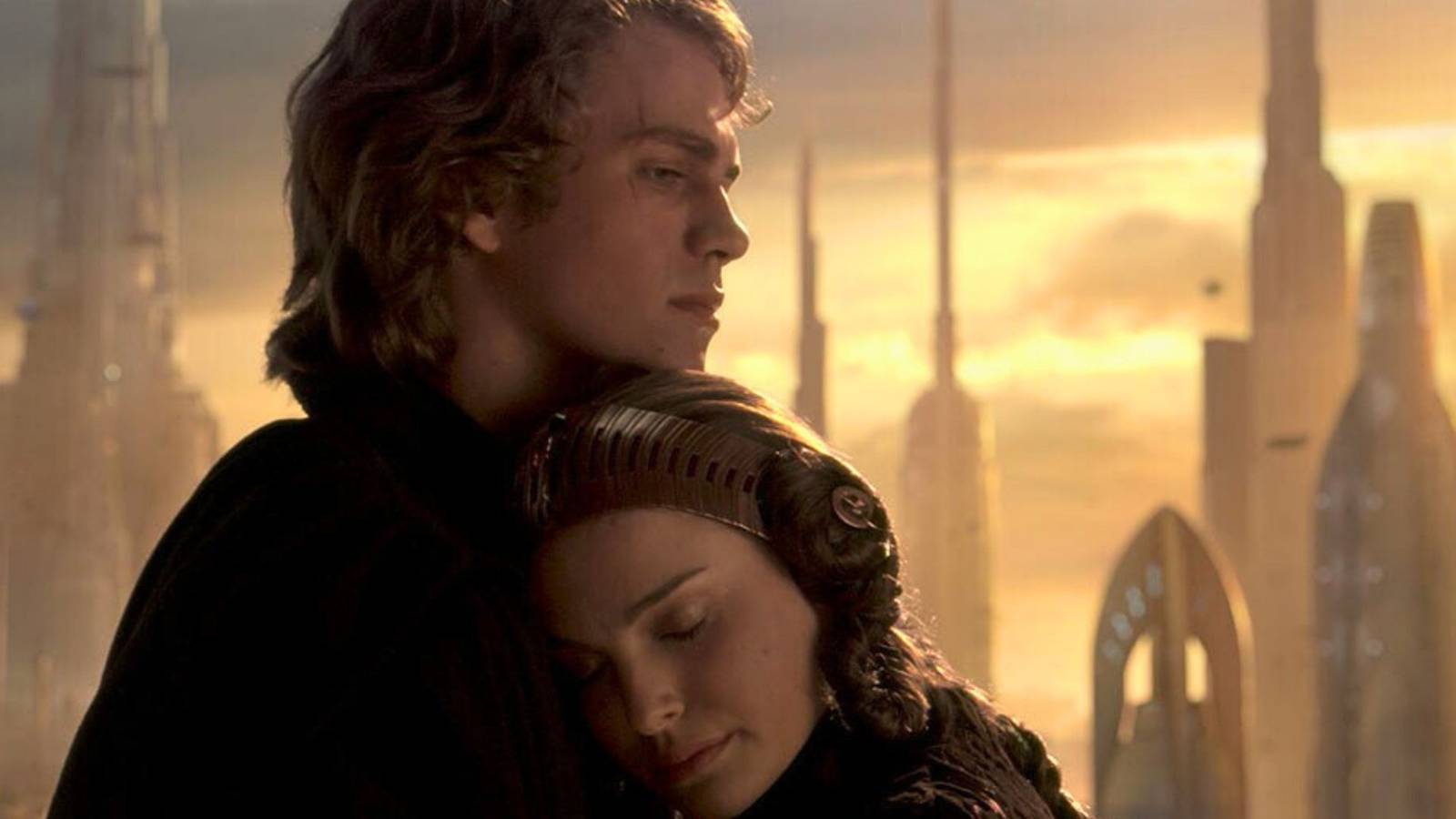
Anakin and Padmé’s awkward romance is the best part of the Star Wars prequels

 |
Polygon Spicy Takes Cookout Fireworks, flame wars, and our boldest perspectives over the holiday weekend. |
| Spice things up→ | |
Let’s be honest: the Star Wars prequels are not “good” cinema in the traditional sense. They are, in fact, some of the most bewildering and structurally flawed blockbusters to ever hit the silver screen.
However, viewing the prequels strictly as pop-culture artifacts allows us to appreciate their profound impact on a specific generation of fans—myself included. While the internet has spent decades dissecting the trilogy’s failures—from the grating presence of Jar Jar Binks and the clunky, overly digital aesthetic to the famously stiff dialogue—I am here to champion its most maligned element: the tragic romance between Anakin Skywalker and Padmé Amidala, a narrative thread often cited as the ultimate example of George Lucas’s creative misfires.
Image: DisneyThe performances of Hayden Christensen and Natalie Portman have long been treated as fodder for mockery. Critics famously hammered the “wooden” delivery and “painful” script, creating a toxic atmosphere that nearly derailed both actors’ careers. As Portman lamented in a 2014 interview with New York Magazine, the backlash was so severe that she struggled to find work despite starring in the decade’s most profitable franchise.
While that criticism holds weight, I applaud Lucas for his uncompromising commitment to melodrama. He tracked the couple’s trajectory with a singular focus, following their bond from its innocent inception to its catastrophic demise, which ultimately fueled Anakin’s descent into the Dark Side.
Image: DisneyFrom a structural standpoint, centering the prequels on a romance makes perfect sense. Lucas successfully utilized the peripheral love story of Han and Leia to ground the original trilogy; applying that same logic to the parents of the franchise’s central heroes was a logical, if ambitious, evolution.
Their history is deeply intertwined. Meeting as children in The Phantom Menace, their dynamic carries an inherent tension. While the age gap remains a point of contention, Portman’s presence across the series serves as an emotional anchor. She remains the rare constant—the person who truly knew the boy beneath the mantle of the Chosen One.
Attack of the Clones acts as the heart of this romance, leaning into classical tropes: the forbidden nature of their love, the duty-bound bodyguard dynamic, and the heavy burden of their secrets. While some lines—like the infamous monologue on sand—are notoriously cringeworthy, they are punctuated by moments of genuine chemistry, beautifully captured against the backdrop of Naboo’s Mediterranean-inspired villas.
Anakin’s obsession with Padmé is the engine of the film, and when they face certain death in the Geonosis arena, her confession of love feels earned despite the high-melodrama dialogue. This emotional intensity is elevated further by John Williams’ legendary, sweeping score, Across the Stars, which captures the tragedy of their doomed affection.
Ultimately, the Anakin-Padmé arc is the backbone of Revenge of the Sith—arguably the best film in the series. Anakin’s transformation into Darth Vader feels earned because it is rooted in his desperate, tragic attempts to save the person he loves. Without the heavy lifting done in Attack of the Clones, the tragedy of the third film would lose much of its narrative weight.
You may dislike the melodramatic tone, but there is undeniable merit in the sheer boldness of Lucas’s vision. In an era where modern Star Wars has largely shied away from messy, complex romance, the prequels stand as a testament to the power of a director’s singular, unwavering focus. Lucas approached this love story with the same grand, operatic intensity he applied to galactic politics and the Force, offering a reminder that a franchise is only as strong as its emotional core.
Source: Polygon
Related articles
 Rockstar Reveals GTA VI Completion Time
 GTA VI to Feature Hundreds of Thousands of Animations, Surpassing Red Dead Redemption 2
 Nearly 20 Years Later, Arkane Founder Understands Why Valve Canceled Ravenholm Game
 Roguelike Shooter Armatus from Godfall Developers to Launch in January
 Squadron 42 Delayed to Avoid Competing with Grand Theft Auto VI
 Rockstar Urges Players Not to Jump to Conclusions About Grand Theft Auto VI Amid Leaks
 10 Minutes of Gameplay Shown for RPG Sea of Remnants Featuring Turn-Based and Naval Battles
 Modern Warfare Actor Barry Sloane Reacts to New Captain Price Meme