20 Years On: How the First Wallace and Gromit Film Nearly Bankrupted Aardman

As a Brit who spends time online, I know the stock British clichés well — and I happily embrace a few of them. We drink tea (I’m team peach when it comes to flavor), weather the rain with a certain stoicism, and, perhaps most tellingly, hold a special place in our hearts for Wallace and Gromit.

Created by Nick Park at Aardman Animations, Wallace and Gromit chronicles the misadventures of an eccentric, cheese-obsessed inventor and his patient, expressive dog. The pair didn’t explode into instant fame—Aardman’s first short, A Grand Day Out (1989), charmed audiences but wasn’t an overnight sensation—yet their dry wit and gentle, community-minded stories resonated deeply with British viewers.

Subsequent shorts like The Wrong Trousers (1993) and A Close Shave (1995) earned acclaim and awards, and on October 7, 2005, the duo made their feature-film debut with Wallace and Gromit: The Curse of the Were-Rabbit — a landmark moment that marked two decades this very day.

The Curse of the Were-Rabbit sends Wallace and Gromit into the humble work of pest control, charged with protecting a village’s prized vegetables. When an experiment goes awry, the quaint tale takes on a spooky twist. Even twenty years on, the film remains quintessentially Wallace and Gromit: small-town British ambience, understated humor, and a cast of lovable eccentrics. Yet the finished film almost looked very different during production, thanks to creative clashes with its Hollywood partner.
https://youtube.com/watch?v=ruLoRKs7dSo%22+title%3D%22Wallace+and+Gromit+video%22+frameborder%3D%220%22+allow%3D%22accelerometer%3B+autoplay%3B+encrypted-media%3B+gyroscope%3B+picture-in-picture%22+allowfullscreen+style%3D%22position%3Aabsolute%3Btop%3A0%3Bleft%3A0%3Bwidth%3A100%25%3Bheight%3A100%25%3B

Wallace and Gromit shorts were a formative part of my childhood. I vividly remember sitting in a hushed cinema with my parents and sister, thrilled that the characters I loved were finally getting a full-length story. The Curse of the Were-Rabbit delivered exactly what I hoped for: gentle slapstick between Wallace and Gromit, slyly playful lines, and a spooky-but-amiable premise that felt true to the franchise’s tone.

As an adult I appreciate the world-building even more — the cadences of speech, the tiny, leaky houses, the quotidian pleasures of suburban life. Wallace and Gromit is a love letter to British suburbia; as Park himself has said, the ambitions in that world are modest and wonderful — growing the biggest carrot can be its own kind of glory.

In 1997 Aardman partnered with DreamWorks and Pathé to co-finance its first feature ventures, and Chicken Run (2000) became a major box-office success. That triumph led to a multi-picture agreement that included The Curse of the Were-Rabbit. With an impressive cast — including Helena Bonham Carter and Ralph Fiennes — and Aardman’s distinctive stop-motion craft, the film seemed poised for smooth sailing.

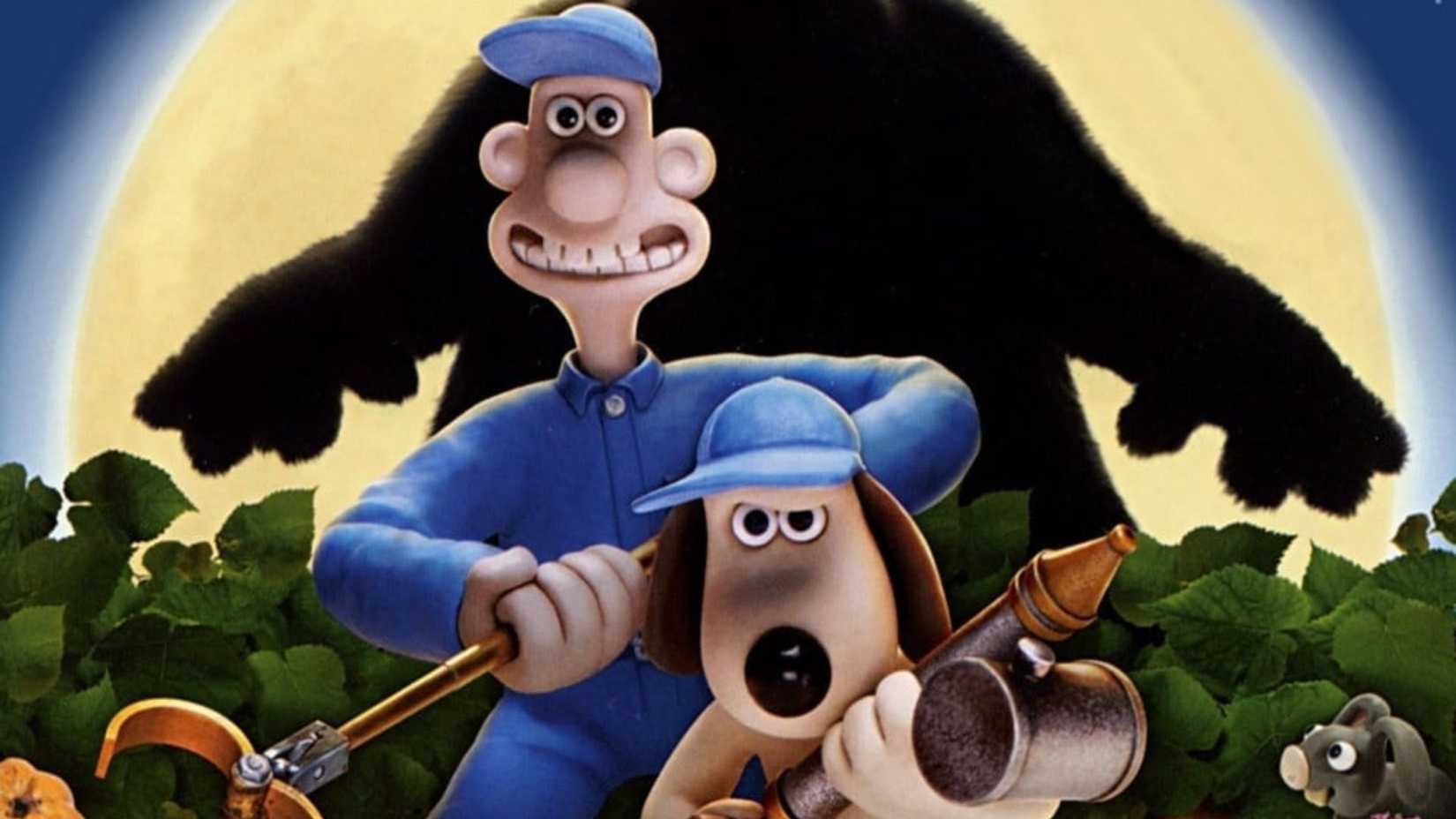
Key art from The Curse of the Were-Rabbit: the pair stand forebodingly with a rabbit-shaped shadow behind them.
Image: DreamWorks Animations/Aardman Studios

Where things grew tense was in differing views of audience appeal. Some DreamWorks executives urged a more polished, “cool” redesign — a push toward slicker visuals and modernized touches that, to Park and Aardman, would have undermined the characters’ essential charm. The franchise’s humor and heart rely on ordinariness and affectionate imperfection: part of the point is that the heroes are plain, ordinary people who nonetheless do remarkable things.

That clash — Hollywood polish versus British idiosyncrasy — ultimately frayed the partnership. While DreamWorks hoped to broaden the property’s commercial reach, Aardman insisted on preserving the shabby, lovable reality that gives Wallace and Gromit their soul. The disagreement contributed to the studios parting ways after the film’s release and left Park relieved to return to smaller projects where he could make work for himself and devoted fans rather than chasing mass-market trends.

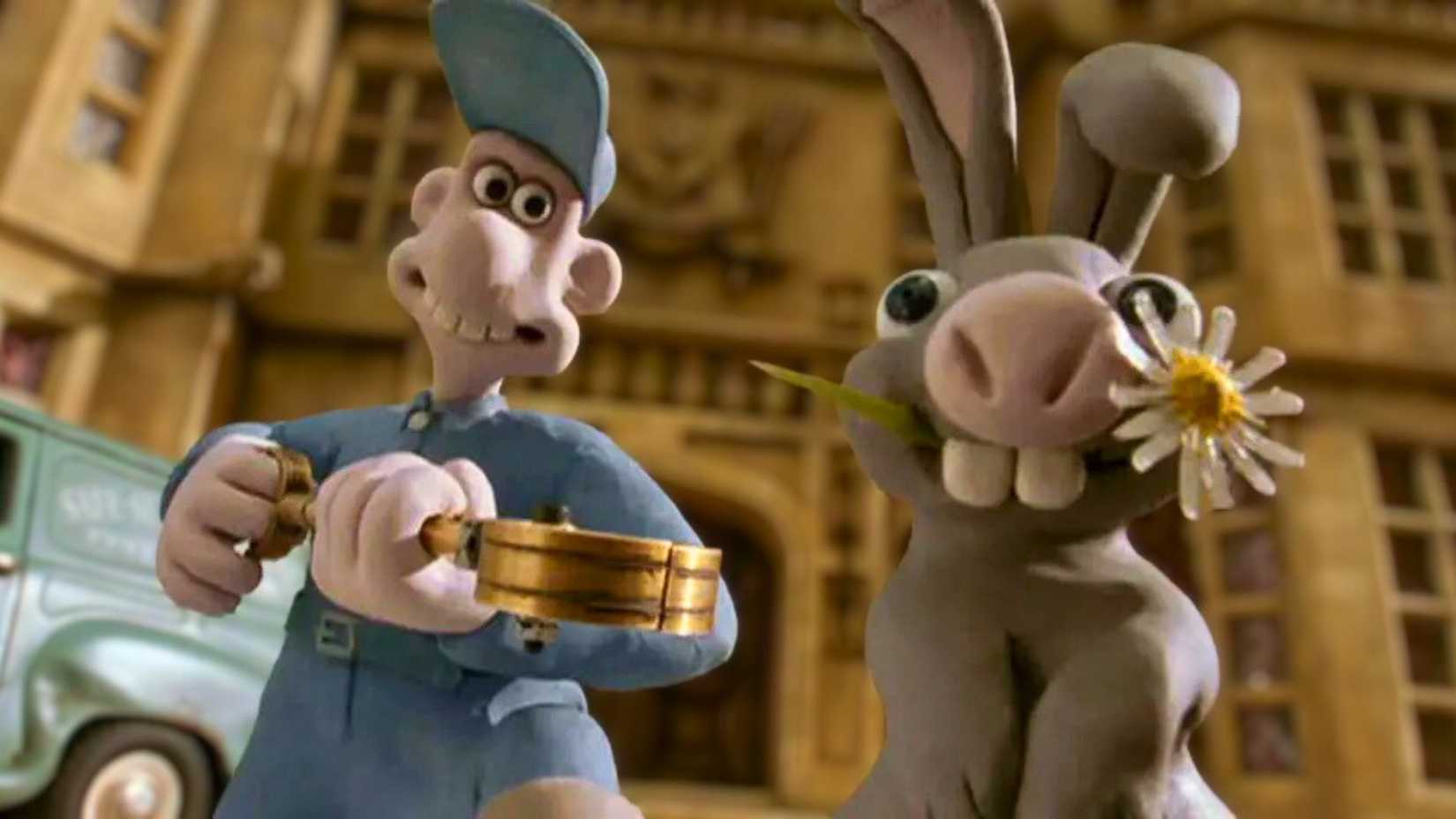
A scene still from The Curse of the Were-Rabbit.
Image: DreamWorks Animation/Aardman Studios

In the end, Aardman returned to the sensibilities that made them beloved: intimate stories, offbeat characters, and a distinct Britishness that doesn’t apologize for being understated. That creative course has kept Wallace and Gromit feeling authentic — a reminder that charm and heroism don’t require flash; they can live in modest ambitions and quiet acts of kindness.

For those curious about the production history and Park’s reflections on working with DreamWorks, the original reports and interviews provide more detail: see coverage at The Telegraph and archival interviews with the BBC.


Source: Polygon

Read also