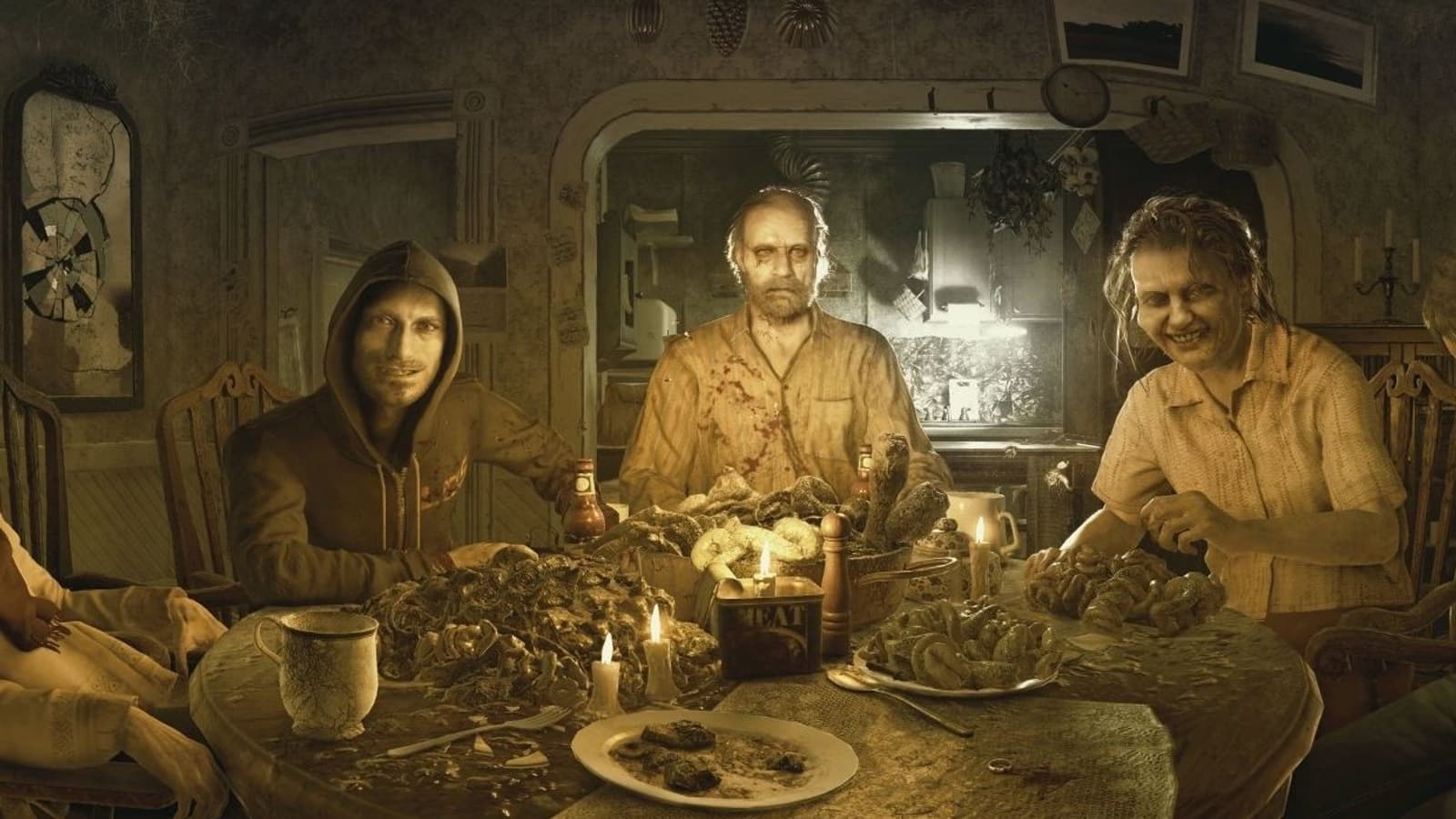
Resident Evil 7 remains widely regarded as one of the most visceral and visually unsettling installments in the franchise. The derelict Baker estate, with its rotting food and pervasive insect infestations, consistently evokes a profound sense of revulsion in players.
However, this distinct aesthetic was far from a mere flight of fancy by the Japanese development team. Series producer Jun Takeuchi recently revealed that Capcom’s primary objective was to forge a deeply authentic experience, which necessitated some rather unconventional field research.
To achieve such a high degree of realism, the developers traveled to the United States to document residential environments firsthand. By studying the lifestyles and daily routines in various rural American locales, the team sought to internalize the local culture and translate it into the game’s atmosphere. What might appear to be a caricatured depiction of squalor and decay is, in fact, an attempt to replicate real-world imagery encountered during their travels.
It is precisely this grounded quality that makes Resident Evil 7 so haunting. Rather than relying on sterile, sci-fi laboratories, the game confronts the player with a disturbingly familiar scene: a crumbling homestead in the wilderness, a yard choked with debris, and the total collapse of family dynamics. This brand of horror is far more potent because it feels plausible—like a place that could genuinely exist somewhere on a map of rural America.
Source: iXBT.games