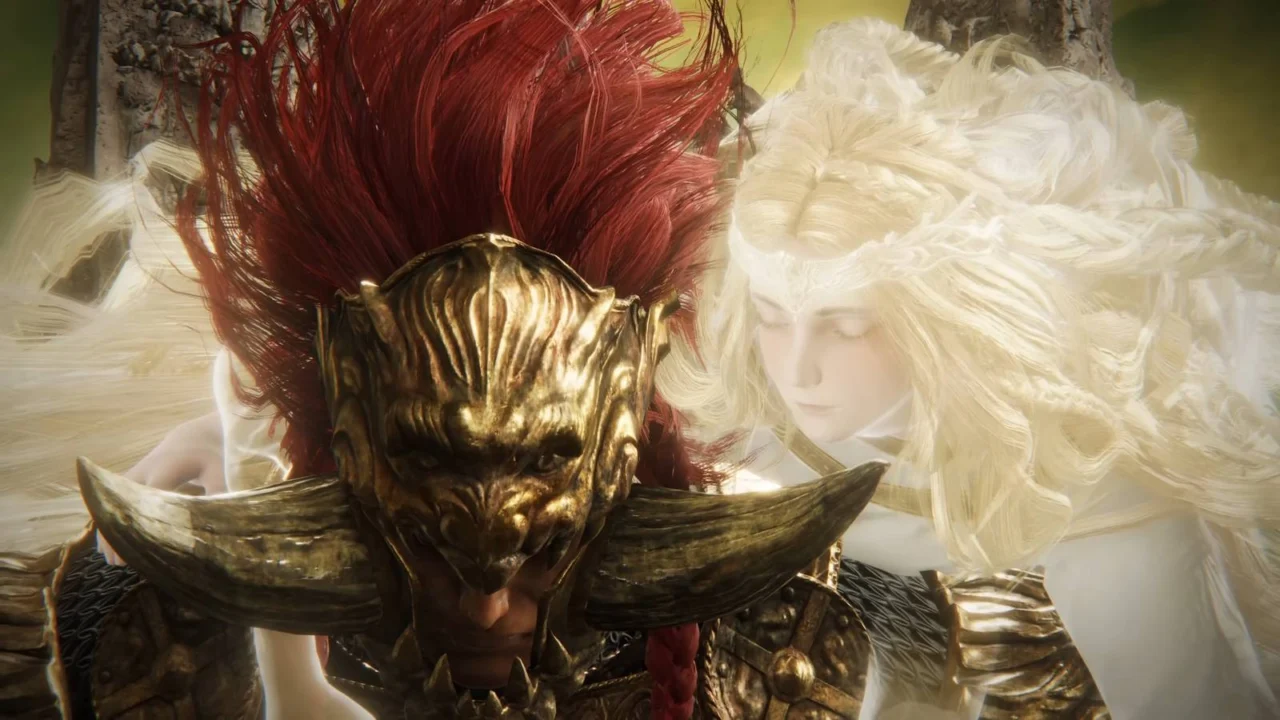
This 100-Hour Dark Fantasy Nightmare Is the Perfect Obsession for Game of Thrones Fans
Grand fantasy epics are a rarity in the gaming landscape, particularly when held against the sweeping, morally ambiguous sagas of George R.R. Martin. While titles like Final Fantasy or Baldur’s Gate offer sprawling adventures, they often anchor themselves to a singular heroic perspective, painting their conflicts in stark strokes of black and white. In these worlds, ethical nuance is frequently relegated to the sidelines, rarely driving the core narrative.
Elden Ring stands apart, a departure that feels inevitable given Martin’s collaborative role in shaping FromSoftware’s magnum opus. While the studio has remained tight-lipped regarding the specific narrative contributions of the author, his fingerprints are unmistakable, woven into the very fabric of the game’s mythos.
Elden Ring is a family matter
At its core, Elden Ring is a demanding “Soulslike,” characterized by punishing combat and a rigorous emphasis on mechanical mastery. Players carve their own path through the Lands Between, scavenging the remains of fallen foes to refine specialized builds—whether as a gravity-bending sorcerer or a battle-hardened duelist. Yet, the true brilliance of the game lies not in its combat loops, but in its narrative architecture: a labyrinthine, deeply dysfunctional family drama that would feel right at home within the halls of Westeros.
FromSoftware has always flirted with domestic turmoil in their lore, but typically through a lens of abstract, cosmic horror—knights battling eldritch entities and deities tethered to primal fires. While Elden Ring certainly embraces this mystical eccentricity, grounding its most alien concepts in the petty, violent squabbles of one bloodline creates a compelling intimacy. The drama is fueled by Queen Marika, a deity-figure whose ascension to the Golden Order fundamentally fractured the world. By exiling death and branding dissenters as heretics, she sparked an era of theological conflict that pits her own kin against one another.
The resulting turmoil is a masterclass in narrative toxicity. Marika’s domestic history is littered with discarded consorts, fractured marriages, and a sprawling, warring brood of demigods. As the siblings compete for legacy and influence, the lines between godhood and depravity blur, complete with all the familiar hallmarks of Martin’s darker proclivities—from morbid obsession with the dead to scandalous blood-ties.
Your journey begins in the wake of this collapse. As a Tarnished, you are a resurrected soul drawn into this vacuum of power. Guided by enigmatic figures and flickering grace, you are free to navigate the politics of the Lands Between as you see fit. The game masterfully utilizes a non-linear, environmental storytelling style; lore is unearthed not through exposition, but through the detritus of a dying world—a weathered item description, a cryptic mural, or the architectural legacy of a ruin.
This approach rewards curiosity. Every menacing castle or eerie chasm you encounter on the horizon is more than just a challenge; it is a repository of history that recalibrates your understanding of the greater plot. Whether you are uncovering the tragic, intimate backstory of a forgotten hermit or unearthing a subterranean conspiracy that threatens to rewrite the cosmic order entirely, the world-building is peerless. It is a vast, interconnected tapestry of ambition and rot.
Ultimately, Elden Ring is a gargantuan experience, boasting enough narrative density to dwarf entire prestige television series. With the added depth of the Shadow of the Erdtree expansion, it offers a sprawling, multifaceted saga that demands engagement, reflection, and perhaps just a little bit of fear.
Source: Polygon
Related articles
 Red Dead Redemption 2 Fans Release Unofficial Story DLC
 Leak Indicates Fable Will Feature Extensive Difficulty Customization
 Xbox Reportedly Working on System to Convert Physical Discs to Digital Copies
 Report Claims GTA VI Will Feature Story Progression Block
 List of GTA VI activities revealed
 Noah Jupe Cast in Secret Role for Avengers: Secret Wars, Reports Say
 New Harry Potter Reboot Trailer to Release on September 2 Following Teaser Preview
 Analysts Warn GTA VI Release Could Damage Economy