Rethinking
Rethinking Our Direction
Over the past few weeks, I’ve spent a lot of time re-evaluating what s&box should ultimately be. The platform currently struggles with retention and public perception, and quite frankly, our user reviews are deeply humbling. I’ve taken the negative feedback to heart, absorbed it, and used it to critically evaluate our path forward. It’s no secret that things haven’t gone smoothly.
Historically, our obsession has been the engine and the developer toolset—that’s what excites us. However, we aren’t selling an engine; we’re selling a game. Consequently, we need to completely overhaul our priorities and shift our focus toward player experience rather than developer convenience.
A major part of this pivot involves elevating the core Sandbox experience so that it matches and eventually exceeds *Garry’s Mod*. We need to demonstrate the true capabilities of our engine by introducing robust NPCs, fully functional vehicles, a top-tier multiplayer framework, and comprehensive support for add-ons and customization. While this is entirely achievable, I recognize that I’ve fallen short of the community’s expectations. I take full responsibility for that, and we are committed to doing better.
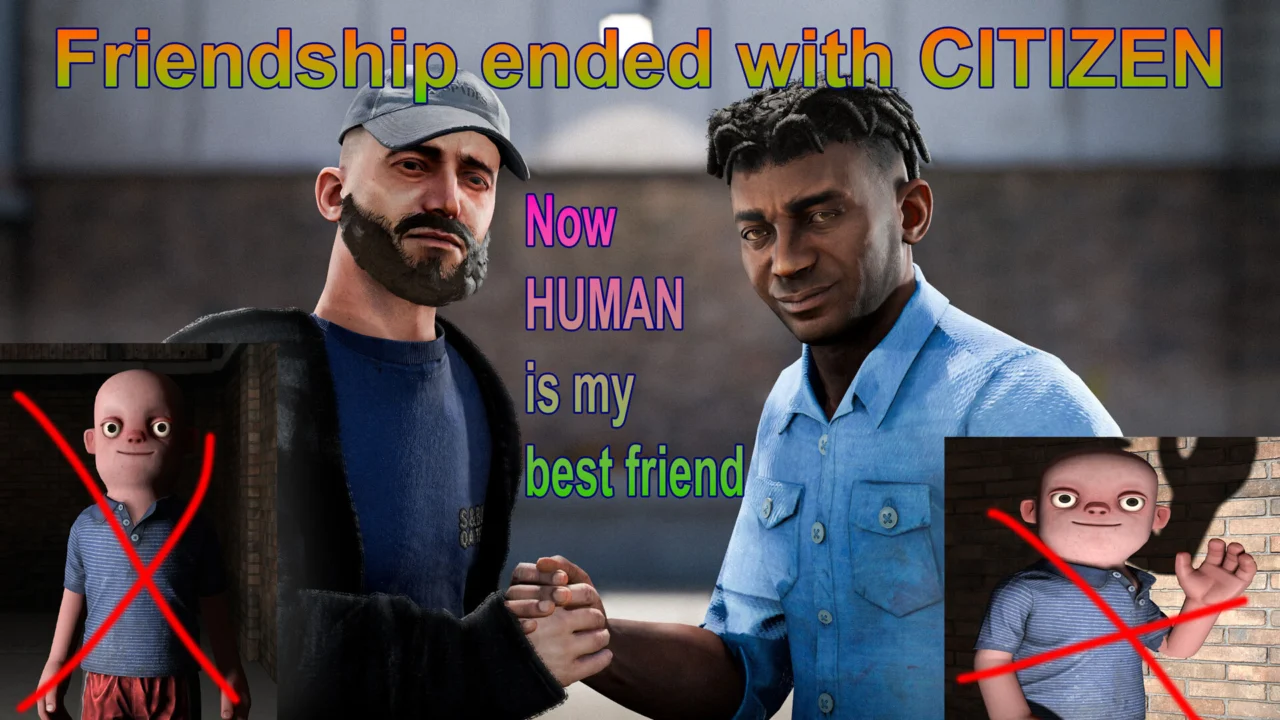
To streamline our identity, we are permanently retiring the Citizen avatar. We attempted to make it work for far longer than was practical, but it is time to move on.
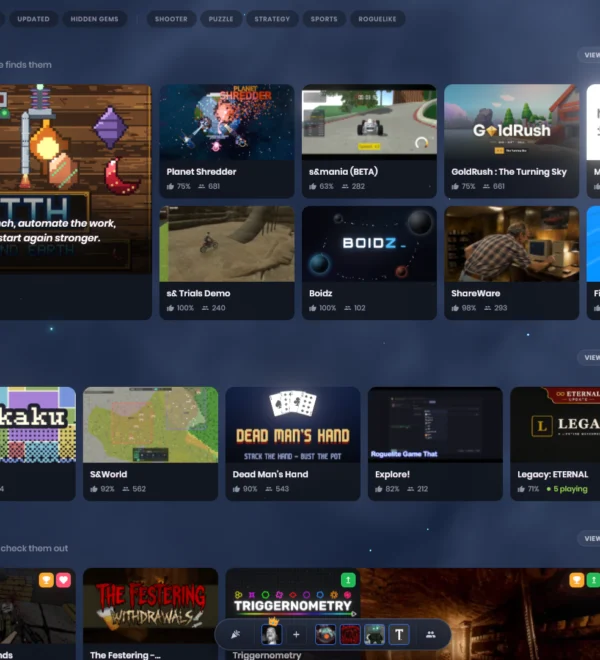
Discovery has also been an ongoing hurdle—figuring out which experiences to spotlight and which to bury. The recent surge of AI-generated content has compounded this issue by flooding the ecosystem with low-effort projects. Players are simply overwhelmed by choices. They stumble across a menu, pick a title, wait through a download, only to find the experience disappointing. How many times will someone roll the dice before giving up entirely?
My vision of a “Netflix for games” hasn’t panned out. It’s impractical and fundamentally misaligned with how people actually discover games. Dropping users into a static grid of 60 titles and telling them to have fun simply doesn’t work. Players prefer discovering games organically through recommendations, active public lobbies, streams, and content creators. We’ve simply been approaching discoverability from the wrong angle.
Moving forward, our goal shouldn’t be to host the largest volume of games. Our aim is to curate the finest, most engaging experiences available—a space where great taste and curation matter above all else. That human element of curation is something AI can never replicate.
Because of this philosophy, we are replacing the automated Play Fund with an opinionated approval system rather than an open-door policy.
We’ve previously invested significant resources into building proprietary backend infrastructure and a custom workshop solution. Looking back, that was largely a misallocation of time and energy. While it was an enjoyable engineering challenge, our ecosystem should integrate as seamlessly as possible with the Steam Workshop.
We intend to transition to a free-to-play model later this year. While charging an entry fee while simultaneously offering cosmetic microtransactions isn’t uncommon in modern gaming, I understand how compounding factors made it a massive barrier to entry. We don’t need an admission fee; we need an active player base. Free-to-play was always our long-term destination, so let’s expedite it. Anyone who previously purchased the game will automatically receive exclusive Steam inventory items (with enhanced rewards for early supporters) as a gesture of gratitude for helping us fund the journey.
I love seeing what people create, I love this engine, and I am deeply passionate about building it. The negative reviews sting, and the public frustration weighs heavily on me. I hate disappointing people, especially those who invested their hard-earned money into our vision. I hear your concerns loud and clear, and we are enacting sweeping structural changes to rectify them. Please bear with us through this transition.
The Citizen is Retired
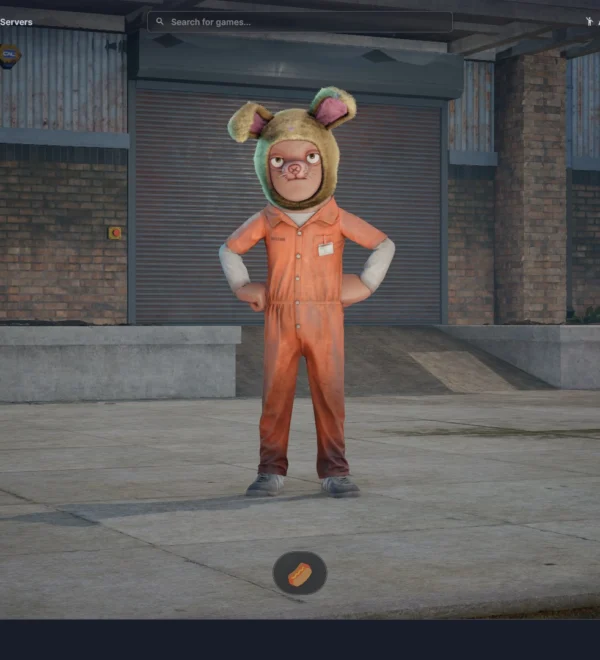
The Citizen avatar has officially been retired, making standard human models the universal default. While the Citizen model remains within the game files to preserve compatibility for older maps and modes, it has been completely removed from the main menu and avatar editor. All internal projects will soon transition entirely to human models.
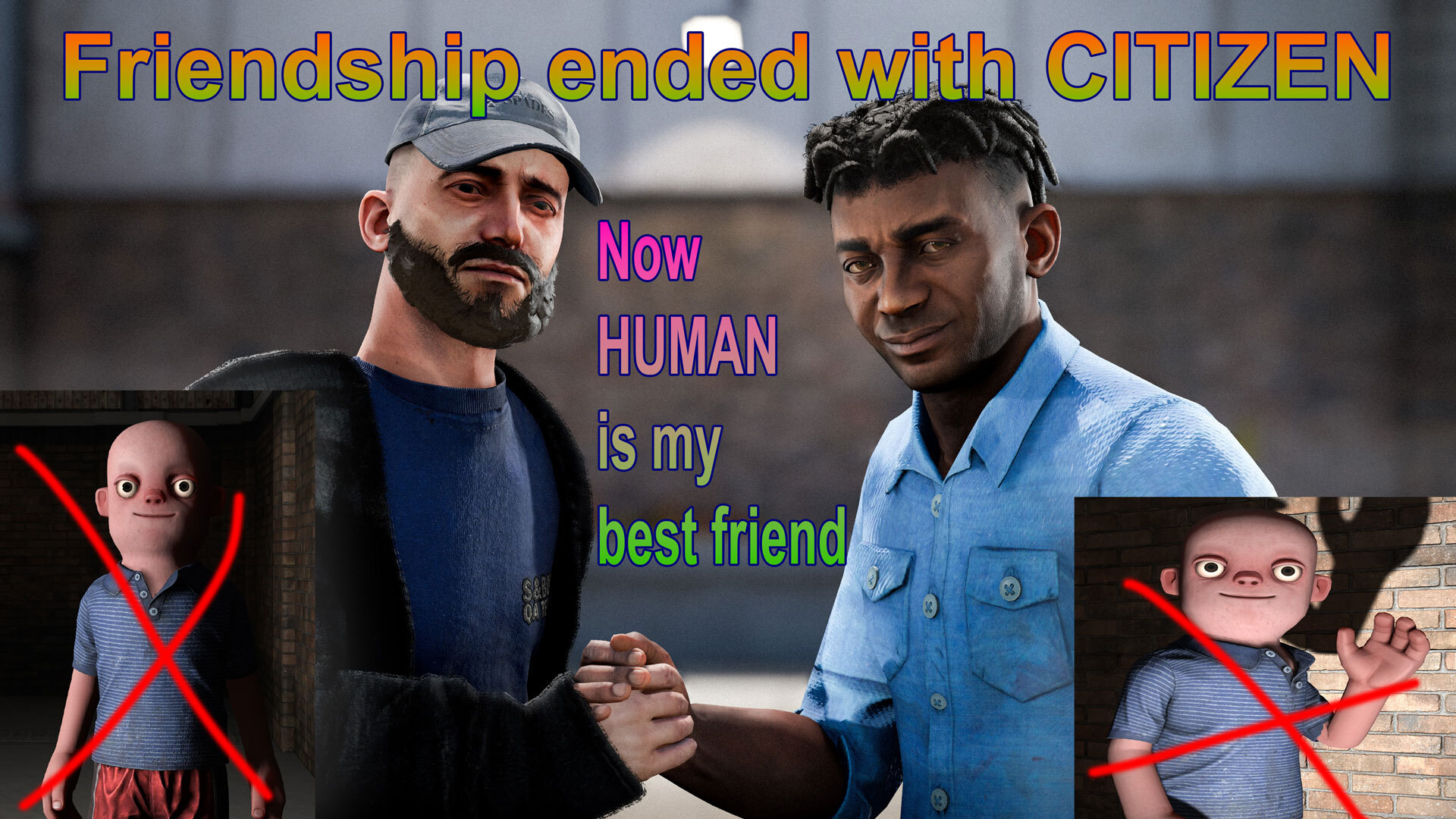
I know many of you grew fond of the Citizen and that this feels like losing a piece of our identity, but this is a deeply pragmatic and necessary evolution. The benefits are substantial: we only have to maintain a single character model, we no longer have to design around oversized hands and four-digit fingers, standard weaponry will scale naturally, and vehicle dimensions will finally make sense.
Human Model Improvements
We’ve been hard at work refining our human character models, and this week brings our first major rollout.
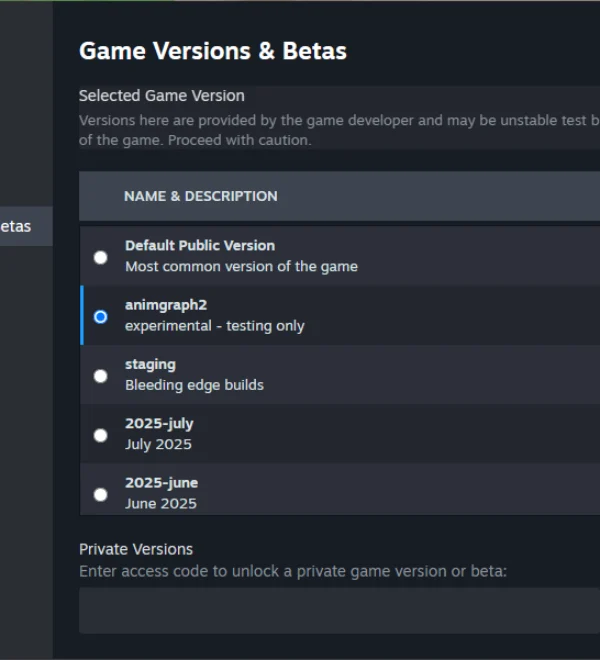
This update introduces brand-new animations, optimized LODs, upgraded underwear options, customizable eye colors, fluid climbing transitions, and a much cleaner animation graph.
This is merely the foundation of our ongoing commitment to character fidelity.
Refining the Human Facial Architecture
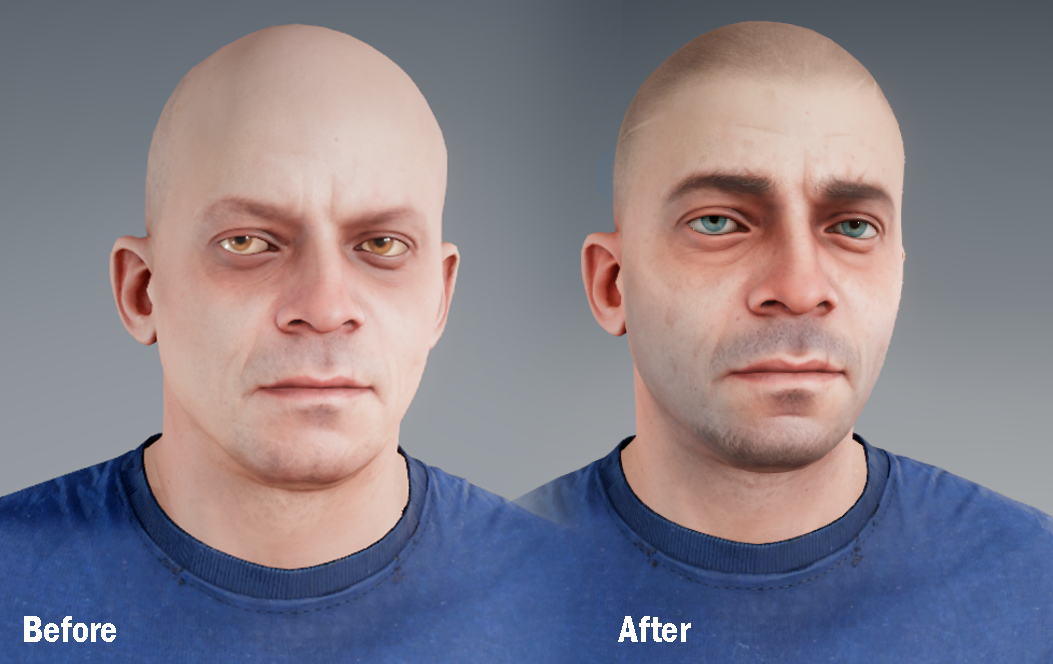
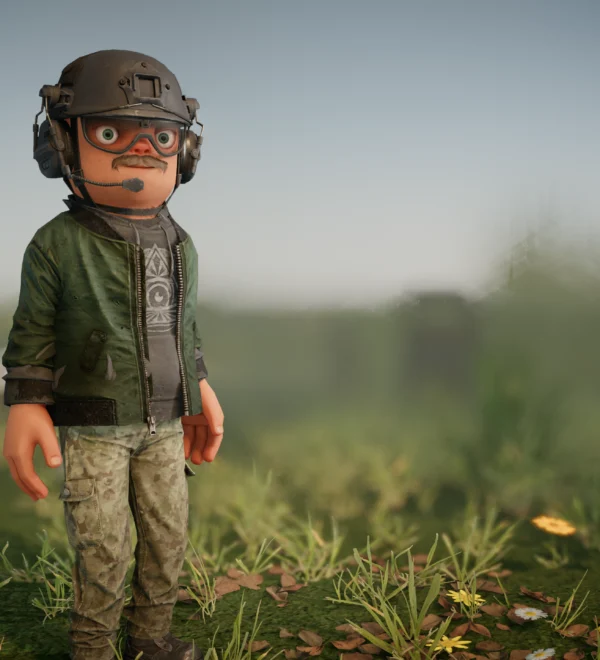
I’ve given our human models a comprehensive facial overhaul. Going forward, my focus will center on expanding customizability and visual polish, including a broader selection of head variations.
We’ve implemented optimized LODs and ironed out several underlying body mesh anomalies.
The eyes are also undergoing significant iterative development, featuring a brand-new material shader and fine-tuned color modulation.
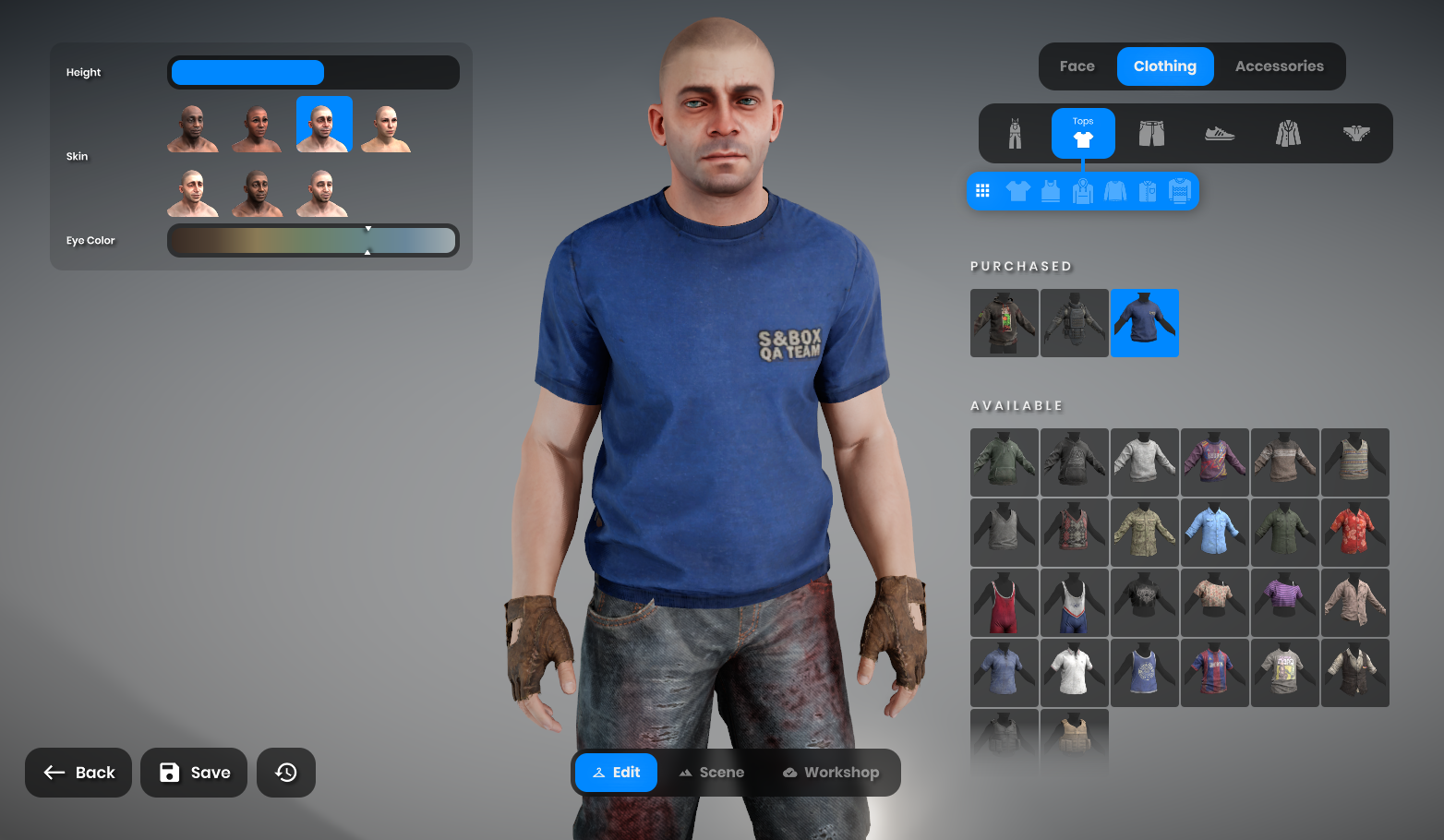
We’ve come a long way from our initial prototype heads. The artistic benchmark is inspired by characters like the *Half-Life 2* citizens or Niko Bellic from *GTA IV*—relatable, grounded, and world-weary rather than stylized caricatures or aggressively hyper-realistic models.
I know parting ways with the Citizen is bittersweet, and we will miss his eccentric charm internally—though at least none of you went so far as to tattoo him permanently onto your bodies… a regret I will carry forever.
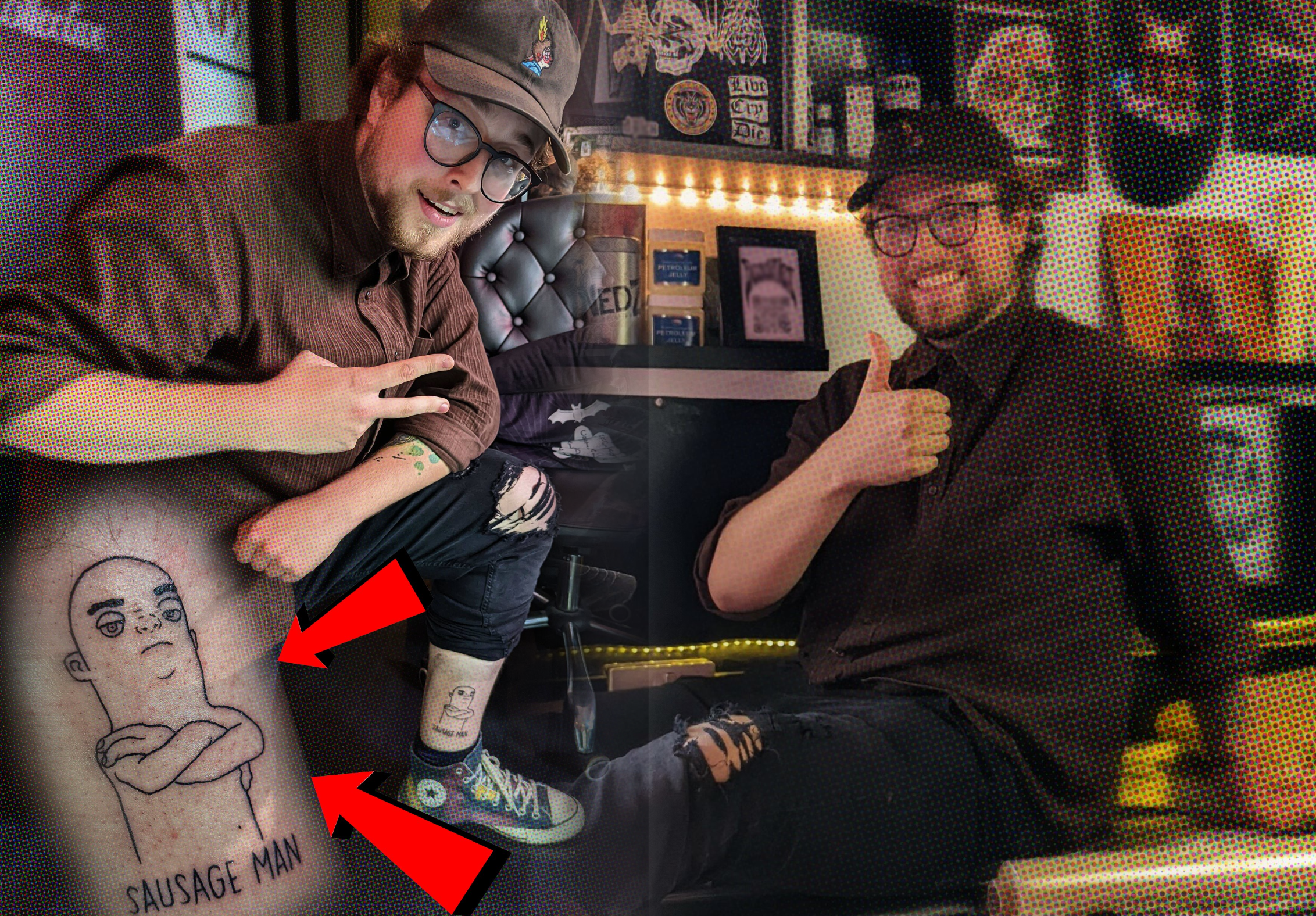
What an absolute idiot.
Overhauled Human Animation
Transitioning to the human model as our default standard meant that our legacy animation suite—built natively around the proportions of the Citizen—no longer fit. Those older animations were inherently cartoony and stylized. I’ve addressed awkward locomotion quirks, including unnatural crouch-walking, directional jump anomalies, and landing stability:
I’ve also updated the customizer animations. While not all of these are actively utilized right now, they will eventually introduce much more organic movement dynamics:
Initial production has kicked off for weapon animations as well, starting with core pistol, rifle, and shotgun mechanics:
Melee combat has received attention too, outfitting iconic implements like the crowbar with classic *Garry’s Mod* stances:
As mentioned previously, we are aggressively cleaning up the animation graph. Much of the legacy over-complication was entirely unused and served only to confuse developers setting up custom projects. If there are specific motion assets you’d like to see implemented during this movement revamp, please let us know.
Play Fund Redesign
We’ve converted the Play Fund into a curated approval model requiring formal application and review. The previous open system was counterproductive—it inadvertently incentivized low-effort farming loops and rewarded automated metric manipulation.
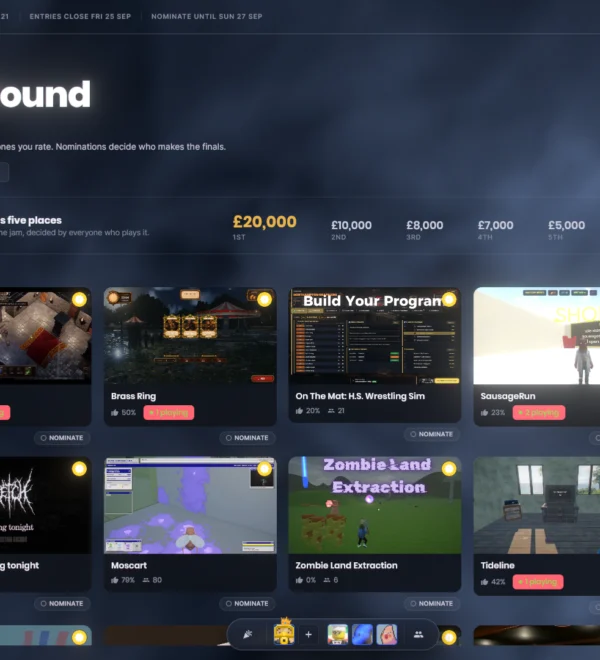
While our updated criteria will continue to evolve, our general objective is to discourage clicker games, idle software, asset flips, and generic UI templates. We want to reward genuine creativity, much like the standout projects showcased in our recent Game Jams. We are raising the quality threshold significantly.
Consequently, we have purged a variety of maps and experiences from the system that failed to meet this updated standard.
Steam Workshop Integration: Maps
Our first major architectural test with the Workshop begins with maps. Moving forward, publishing a map will automatically route all related files directly to the Steam Workshop. While our in-game browser still handles initial queries for now, the long-term plan is to phase it out entirely in favor of native Workshop infrastructure.
This means you can subscribe to your favorite maps externally, have them download automatically while offline, and easily filter them within the in-game map selection menu.
A quick note to all map creators: please migrate your content to the Workshop promptly. Once we complete our full backend migration, legacy map pathways will cease to function.
Performance Optimization
Overall performance is still far from where it needs to be. While we have made iterative improvements, progress hasn’t been fast enough, and I allowed other development tasks to take precedence when they shouldn’t have. We have consistently failed to maintain acceptable frame rates across low-end and high-end hardware alike. I sincerely apologize for this; it should have been addressed long ago.
Our metrics dashboard has historically been noisy and lacked actionable context. We are actively overhauling telemetry to provide precise hardware-tier breakdowns under standardized, high-stress scenarios like Sandbox and Construct.
I know “we’re working on performance” is a tired industry cliché, but we genuinely are. Armed with hard telemetry data, we are making massive structural leaps week over week, particularly targeting lower-end hardware configurations. Please bear with us just a bit longer.
Unified Performance Diagnostics
Previously, we juggled roughly ten fragmented performance overlays, none of which were particularly useful on their own, and all buried behind obscure console variables.
I’ve consolidated all of them into a single, comprehensive performance overlay that pops out into a dedicated window, accessible in both the game client and the editor. It can currently be toggled using the F11 key—though that binding is subject to change if enough people inform me their coffee maker relies on it.
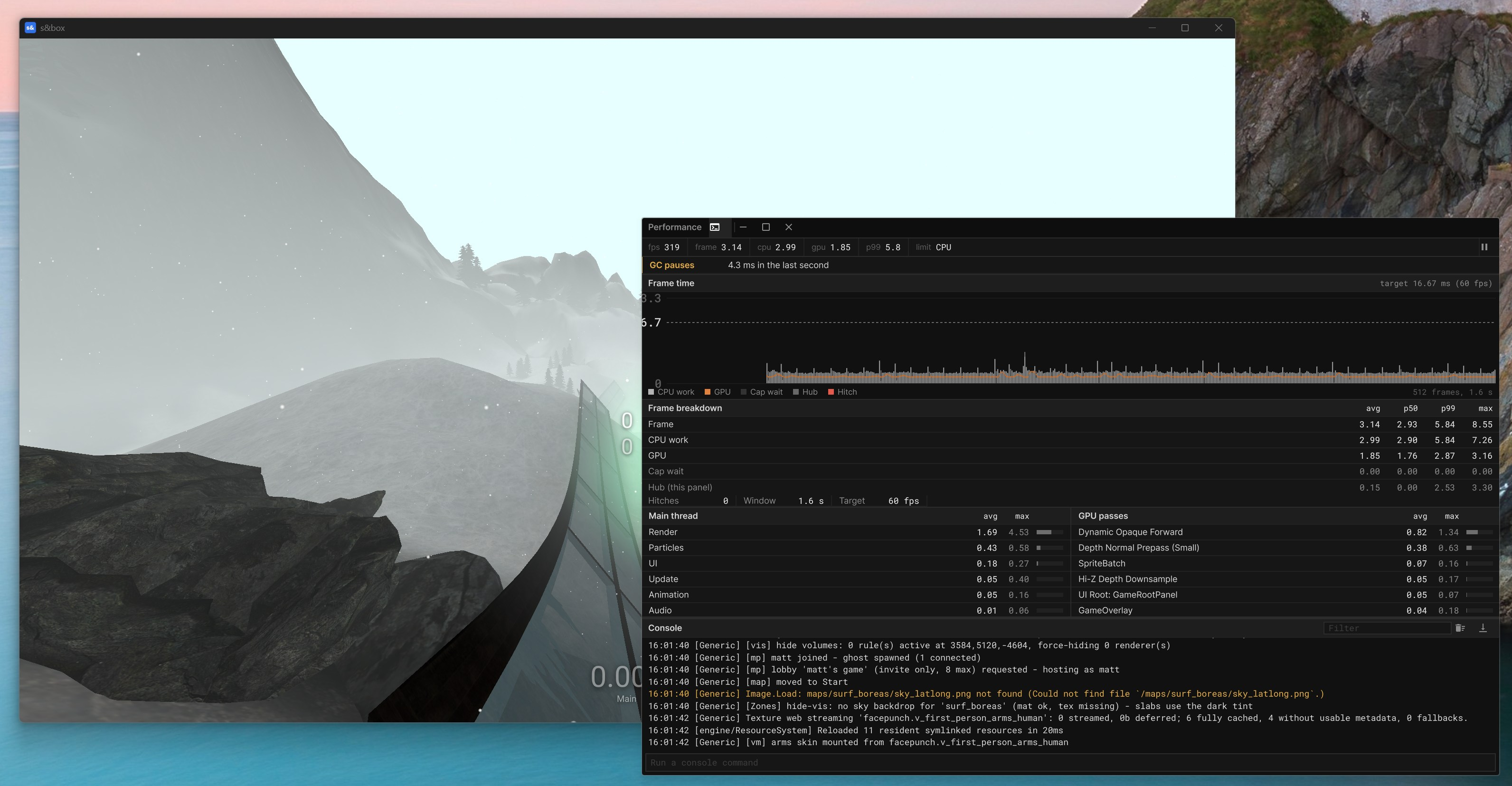
The primary goal is to make identifying performance bottlenecks instantaneous while offering interactive drill-downs to inspect specific issues. It even features a built-in console, which I envision eventually mirroring the utility of browser-based F12 developer tools.
Interactive GPU Timeline
A new interactive GPU timeline is now accessible via the overlay_gpu_timeline command. It plots GPU processing tasks chronologically, allowing you to freeze the display and dissect individual render timings.
This serves as a powerful companion tool alongside our existing GPU profiler when tracking down expensive rendering bottlenecks. We’ve also integrated GPU timeline telemetry to help us analyze performance characteristics across live player sessions.
Optimized Ambient Occlusion
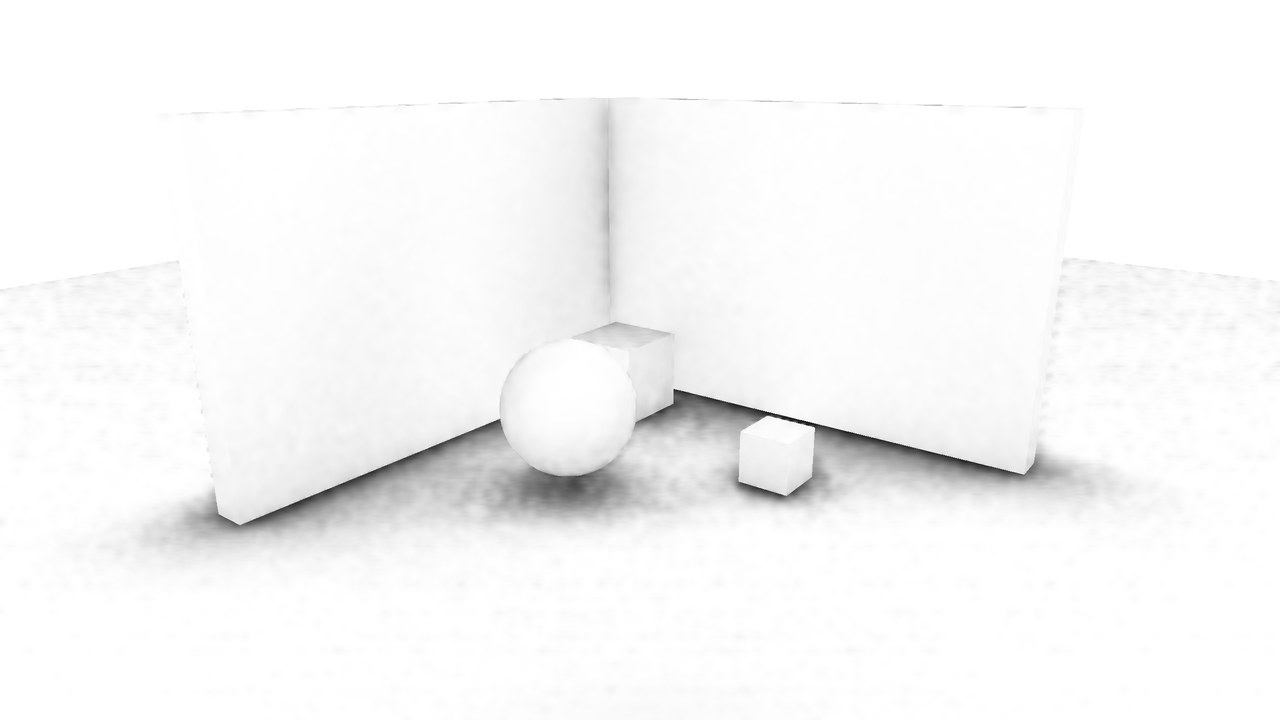
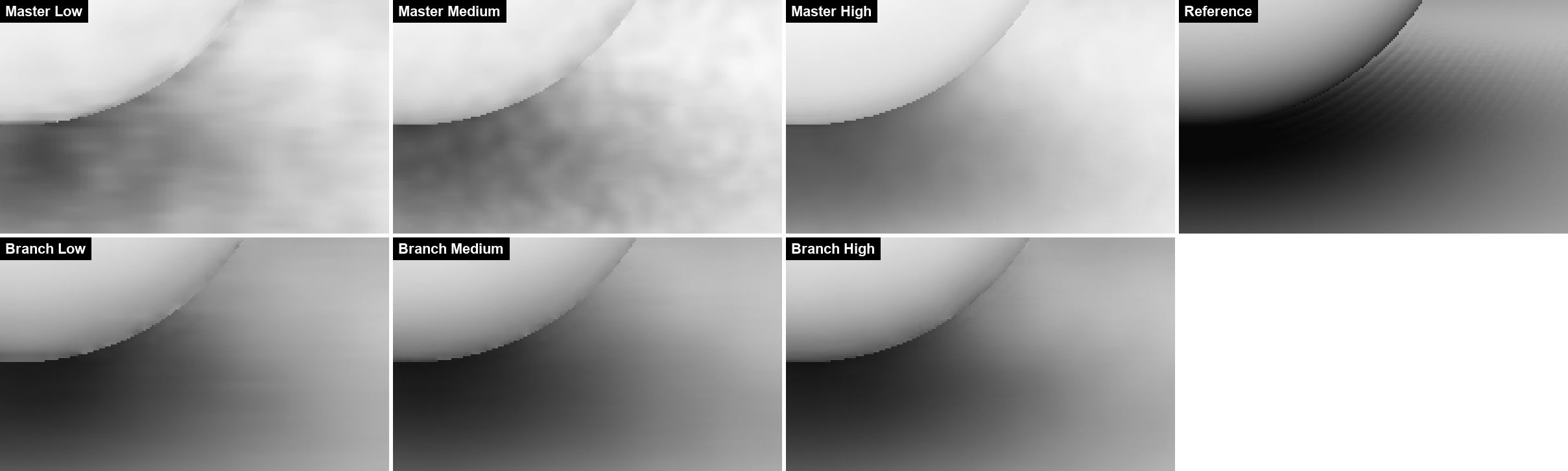
Ambient Occlusion has undergone a complete architectural rework, drastically cutting its performance cost by more than half across all preset levels.
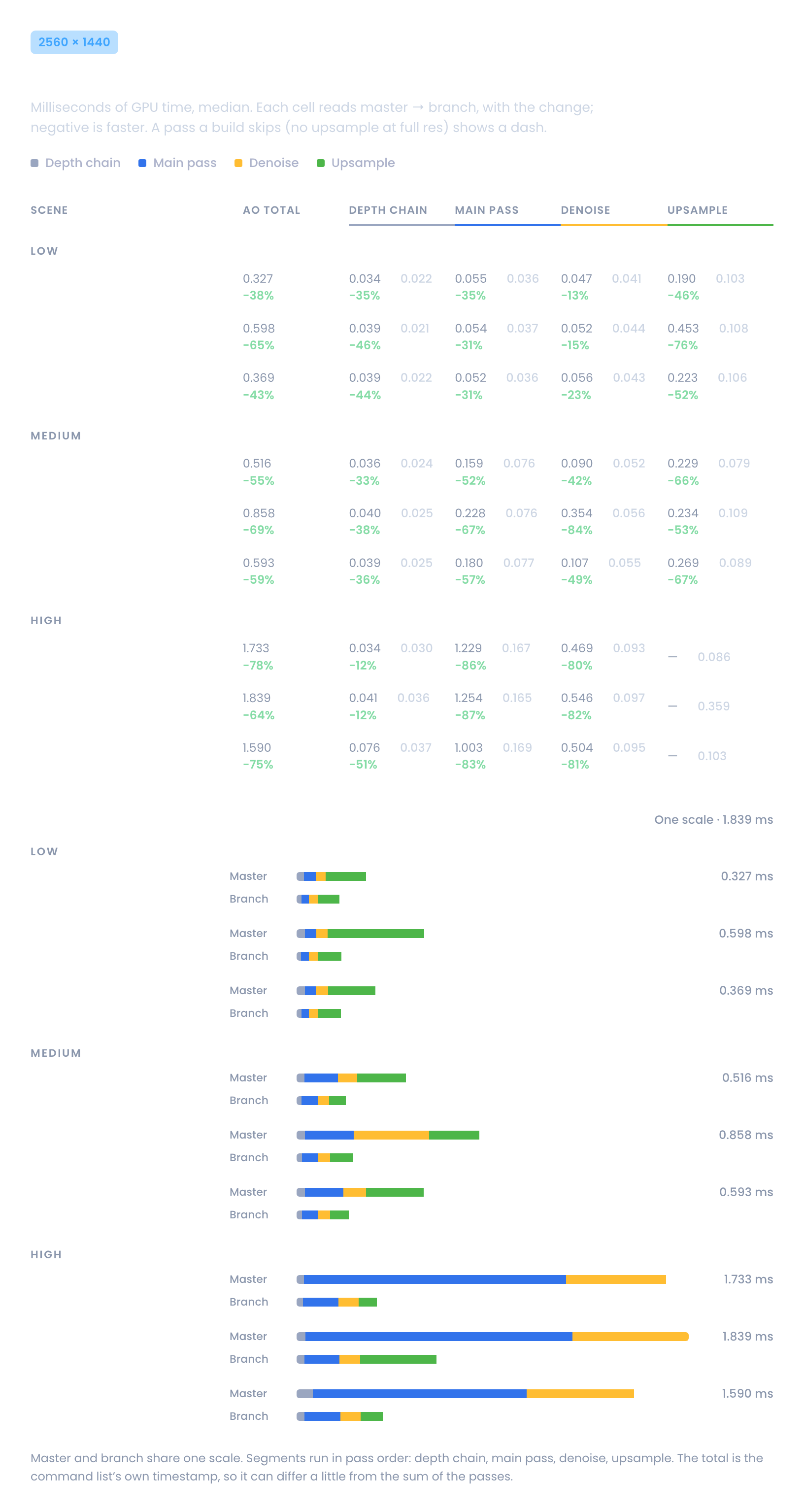
Beyond massive performance gains, selecting “Low” quality settings no longer results in a grainy, artifact-heavy mess; it now surpasses the visual clarity of the previous “High” setting while maintaining superior scalability.

s&box CLI
We’ve replaced the legacy MCP server with a streamlined utility called sbox-cli. In practical terms, this allows automated AI agents to launch and detect instances of the game and editor much more reliably, even when running multiple instances concurrently.
This functionality is entirely opt-in for AI workflows; if you aren’t utilizing automated toolsets, it operates completely transparently in the background.
Accelerated Launch Times
After reviewing community feedback regarding long loading times, I dedicated time to optimizing our startup pipeline. Our overarching goal is to minimize friction from the moment you launch the application to stepping into an active world.
We’ve expedited the initialization sequence by offloading heavy tasks to background threads and replacing arbitrary fixed delays with proper asynchronous readiness checks. Furthermore, we now trigger the splash screen much earlier in the sequence, offering immediate visual feedback while the engine boots up.
We will continue hunting for optimization opportunities, but our current measurements reflect roughly a 60% speed improvement on my development machine. These optimizations extend directly to the creator and developer toolsets as well.
Player Movement Refinements
The player controller now hugs sloped geometry and calculates deceleration along surfaces far more consistently. This eliminates unexpected downhill sliding and stuttering when colliding with walls from an incline. Stepping onto sloped floors has likewise been smoothed out.
BrakePower now functions as a true friction multiplier (with automatic legacy value migration), and CoyoteTime is now exposed as an adjustable property. You can precisely configure the grace window for jumping after leaving a ledge, or zero it out entirely to disable the mechanic.
3D Skybox Component
You can now instantiate a 3D skybox directly via a scene component. By pointing it at a dedicated background scene, the engine renders that environment as a fully realized skybox, making modular sky setups easily accessible across custom maps and mounted content.
This provides an efficient workflow for constructing distant horizons separately from the primary playable space, rather than relying exclusively on flat sky materials.
Expanded Decal Blend Modes
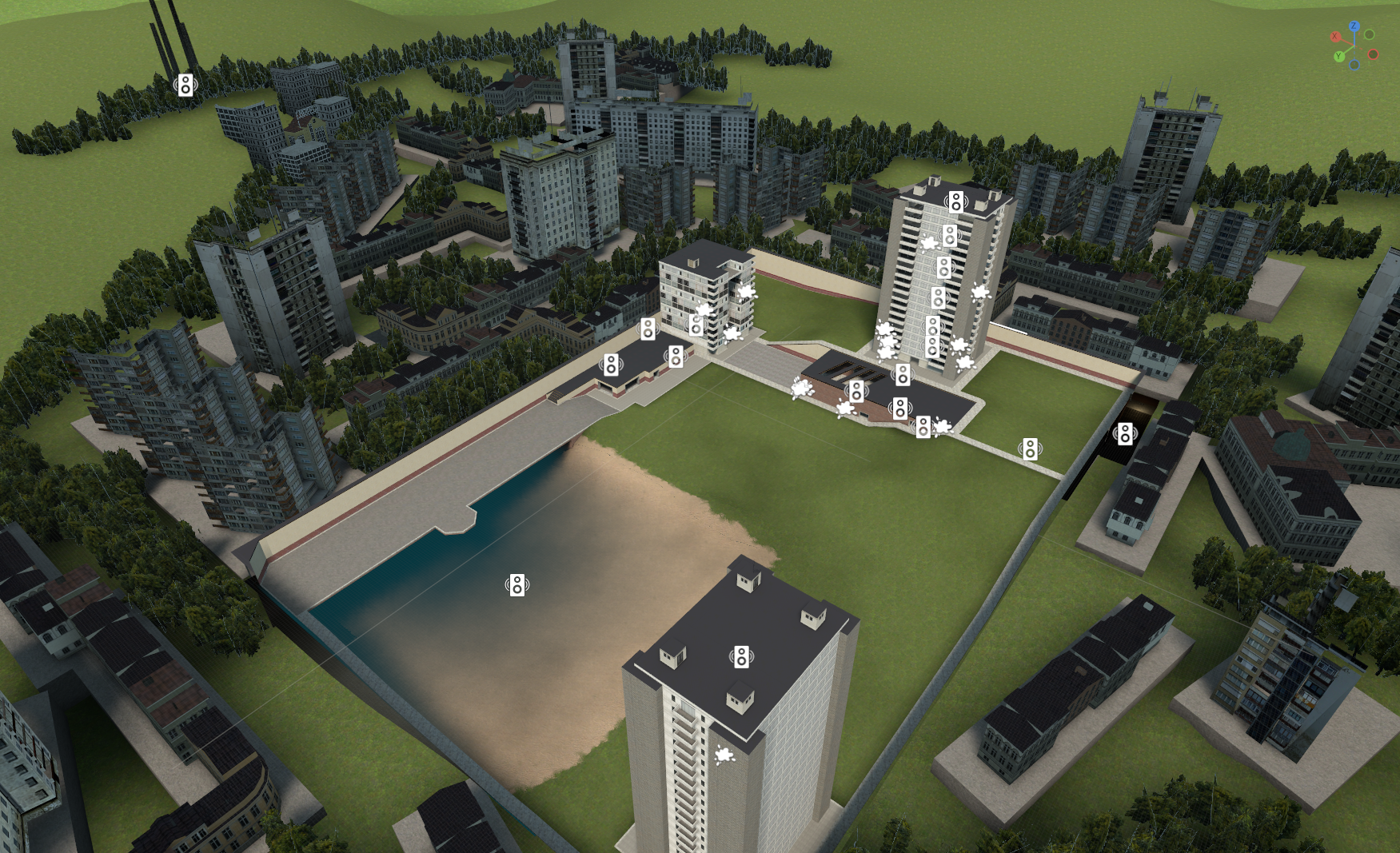
Decals now natively support Multiply and Additive blending modes alongside the legacy Alpha mode. Simply select your preferred blend mode within the decal definition to dictate how its coloration interacts with underlying surfaces.
Reduced Download Footprints
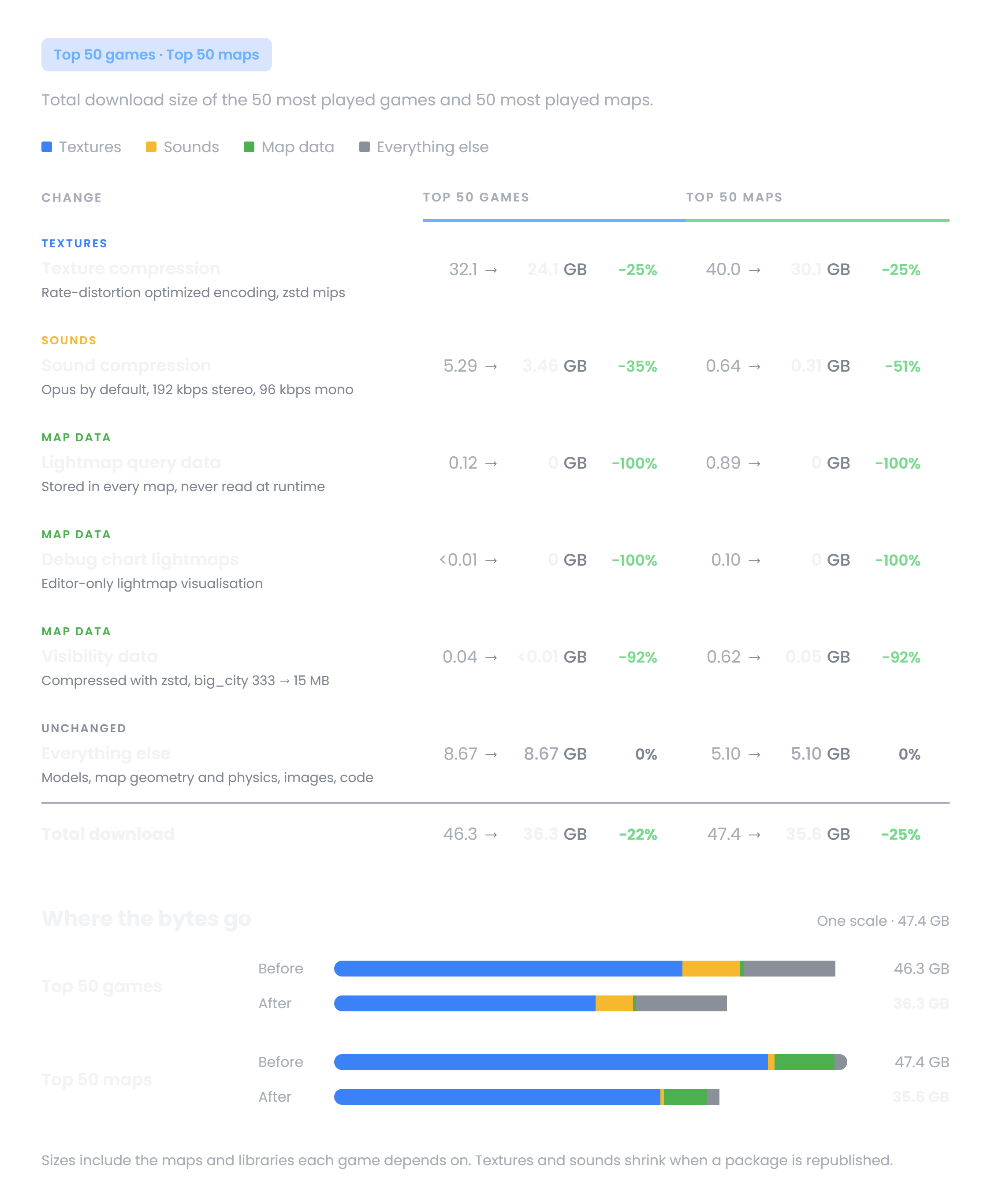
We’ve heard the community complaints regarding bloated download sizes, and frankly, they are entirely justified. Having recently moved and found myself restricted to a 20–100 Mbps connection, I intimately understand the pain. Waiting ten minutes just to join a server is an abysmal user experience.
Consequently, we’ve aggressively trimmed the upfront data required before joining a game:
- Combined storage for the 50 most-played games dropped from 46.3 GB to 36.3 GB (a 22% reduction).
- Combined storage for the 50 most-played maps dropped from 47.4 GB to 35.6 GB (a 25% reduction).
Game creators simply need to recompile their assets and republish to take advantage of these savings.
Cloud Texture Streaming
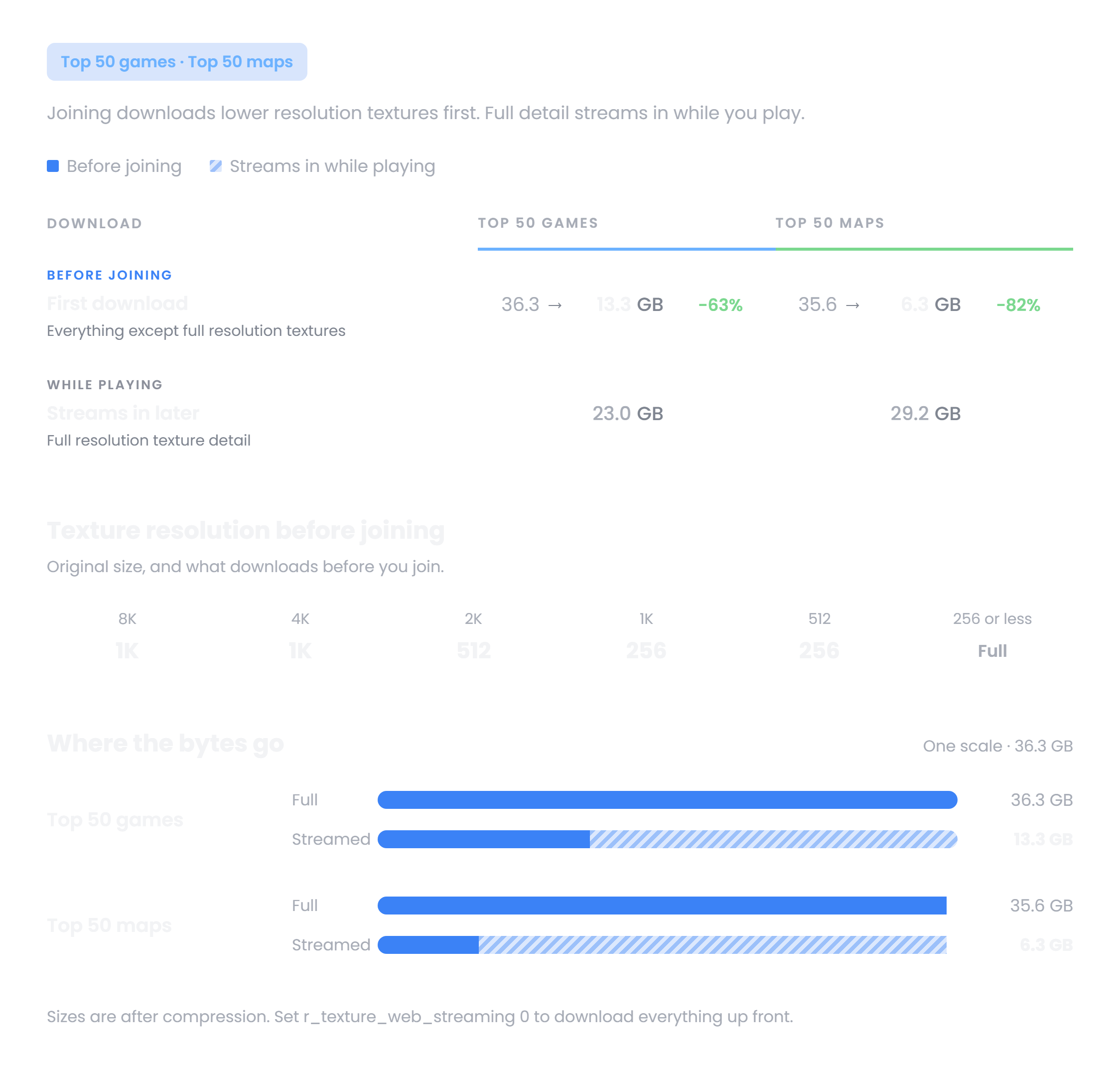
In addition to baseline asset compression, we are actively experimenting with cloud texture streaming.
Upon joining a server, clients initially download lightweight, low-resolution textures, allowing high-detail textures to stream in dynamically in the background as you play. This cuts initial download requirements dramatically—by 63% for top games and an astounding 82% for top maps.
Map & Material Asset Optimization
Beyond macro-level asset compression, we’ve audited our internal libraries and manually fine-tuned our official maps, materials, and texture repositories.
We conducted a comprehensive pass on native materials by lowering resolutions, leveraging shared texture maps, and stripping out unused or redundant data layers. This has yielded massive savings on complex maps like Construct, shrinking storage requirements from 6 GB down to 4.2 GB.
We are also actively curbing the usage of single-use materials in our level design. While hyper-specific custom textures add minor visual flair, they rarely justify their footprint. By streamlining our approach, I managed to cut the size of Flatgrass in half, going from 1 GB down to 500 MB. Moving forward, all official maps will adhere to a much tighter, more unified material palette.
Runtime Model Game Data
Procedurally generated runtime models can now natively carry gameplay data—such as prop health parameters, explosion behaviors, and breakable shard configurations—via ModelBuilder.WithData. This means custom content mounts can now seamlessly spawn fully interactive, destructible props.
Physics Scrape Audio
Physical objects can now dynamically trigger surface-specific scraping audio events assigned directly within material surface assets.
Private Lobbies
This might be our third time claiming this issue is resolved, but private lobbies are now genuinely private.
Previously, we relied entirely on Steam to manage lobby authorization, whereas Steam only controlled raw listing visibility. We have now implemented robust internal engine-side access checks to verify precisely who is permitted entry.
Improved Network Interpolation
To ensure remote players move smoothly across your screen, the engine renders them slightly in the past, maintaining a buffer to blend incoming positional updates seamlessly.
Historically, that safety buffer was overly conservative, causing movement stutter on unstable connections when packets arrived late.
We’ve completely overhauled how network updates are timed and played back. Updates are now dispatched at your project’s target frequency (previously, a nominal 30 Hz setting was actually outputting closer to 20 Hz), and players are interpolated based on the exact timestamp the host transmitted the packet rather than its arrival time. The interpolation delay now dynamically scales based on your connection quality.
- On a stable 30 Hz connection, remote players are now 71 ms behind instead of 133 ms.
- On jittery connections, delay shifts from 160 ms down to 127 ms, maintaining buttery-smooth movement instead of stuttering.
Magnum Revolver
While the world model for the revolver has been finished for some time, the weapon suite is finally complete, featuring a fully animated first-person viewmodel!


All official weaponry is available for review in the s&box weapons collection.
 Neck and Neck
 Update 26.09.15
 Update 26.09.08
 Update 26.09.01
 Update: August 26, 2019
 Update 26.08.05
 Update July 26, 2022