Iron Lung: Why This Terrifying Hit is a Warning to the Hollywood Establishment
Mark Fischbach’s improbable box-office triumph Iron Lung caught the traditional cinematic establishment off guard. An ambitious expansion of David Szymanski’s minimalist, atmosphere-heavy indie title, this sci-fi horror venture was entirely self-funded and distributed. The marketing was powered almost exclusively by Fischbach’s YouTube platform—where he commands an audience of over 38 million under the moniker Markiplier—and his top-tier podcasts, Distractible and Go! My Favorite Sports Team.
Fischbach’s relentless organic promotion persuaded theater chains to take a gamble on an independent film from a first-time director lacking studio pedigree. The risk paid off: Iron Lung debuted across thousands of screens on January 30, securing a $20 million opening weekend and clinching the #2 spot in domestic rankings. For a moment, it even threatened to dethrone Send Help, a high-budget horror-comedy from industry titan Sam Raimi, featuring Rachel McAdams and the full marketing muscle of 20th Century Studios.
Film industry insiders and critics alike seem to be struggling to calibrate their response. Iron Lung has received limited coverage from major outlets, and several reviews approach the film as if it were a standard commercial horror product, lamenting a perceived lack of traditional jump-scares. Such critiques miss the mark. On both a structural and aesthetic level, Iron Lung is deeply unsettling—and that is exactly why it succeeds.
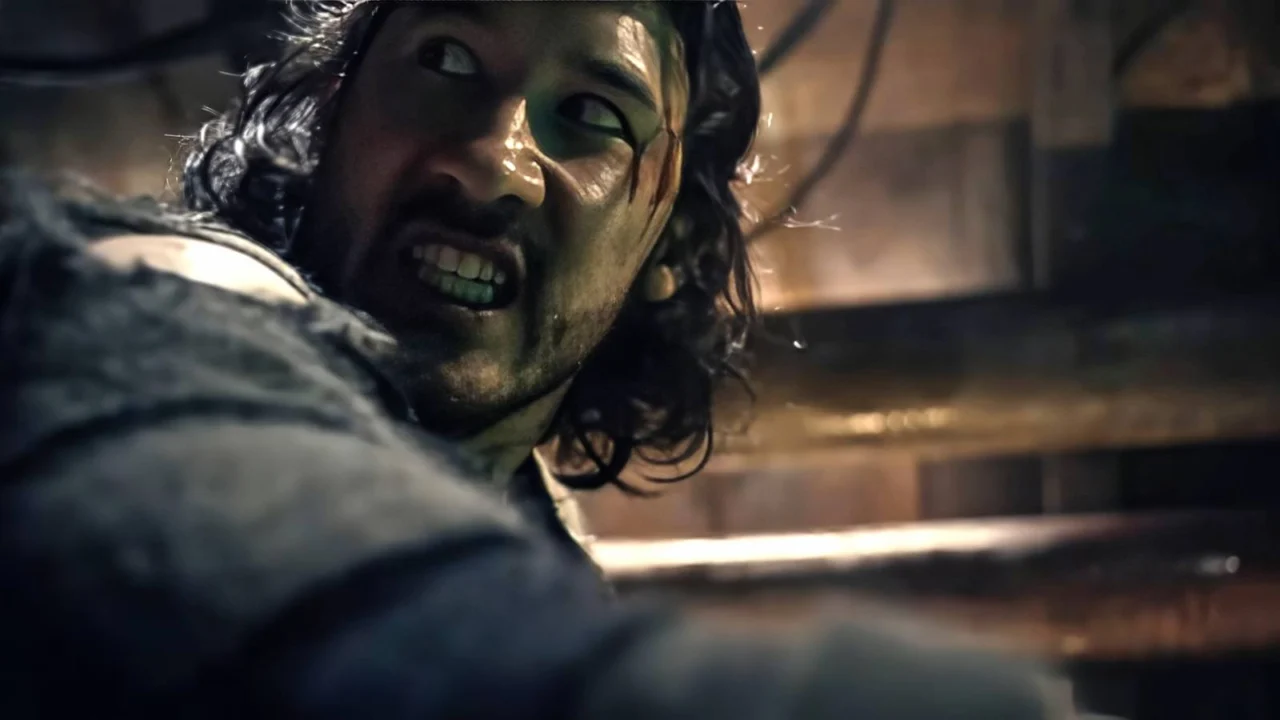
Aesthetically, Fischbach—who produced, co-wrote, and stars in the project—expertly translates the game’s harrowing premise to the screen. The film mirrors its source material, centering on a bleak future where a cosmic cataclysm has erased most of humanity. Survivors desperately seek resources, leading them to a moon housing a literal ocean of blood. Convicts are coerced into exploring these depths in fragile, rudimentary submarines with zero expectation of return. Simon (Fischbach), a prisoner accused of a crime he denies, is bolted into a leaking, claustrophobic capsule and tasked with photographing the ocean floor.
Iron Lung thrives on its sense of confinement. The cramped interior, defined by harsh shadows and flickering lights, creates an immediate, visceral oppression. Fischbach expands on the game’s central mechanic—the inability to see outside the sub except via static photos—by plunging the interior into near-total darkness. When Simon suspects something is lurking within the vessel, he must use the camera’s blinding flash to illuminate his own surroundings. The crushing pressure of the depths is matched only by the callousness of his remote handlers. As the sub’s integrity and Simon’s psyche both fracture, the sense of inevitable doom becomes overwhelming.
While the film is undeniably effective, it could have benefited from more aggressive editing. Certain escalating crises feel slightly redundant, and the sheer number of potential failure points in the sub occasionally dilutes the focus of the fear. The narrative moves with a deliberate, almost agonizing slowness, and the radio-bound exchanges often loop through cycles of panic and frustration that, while realistic, can become repetitive.
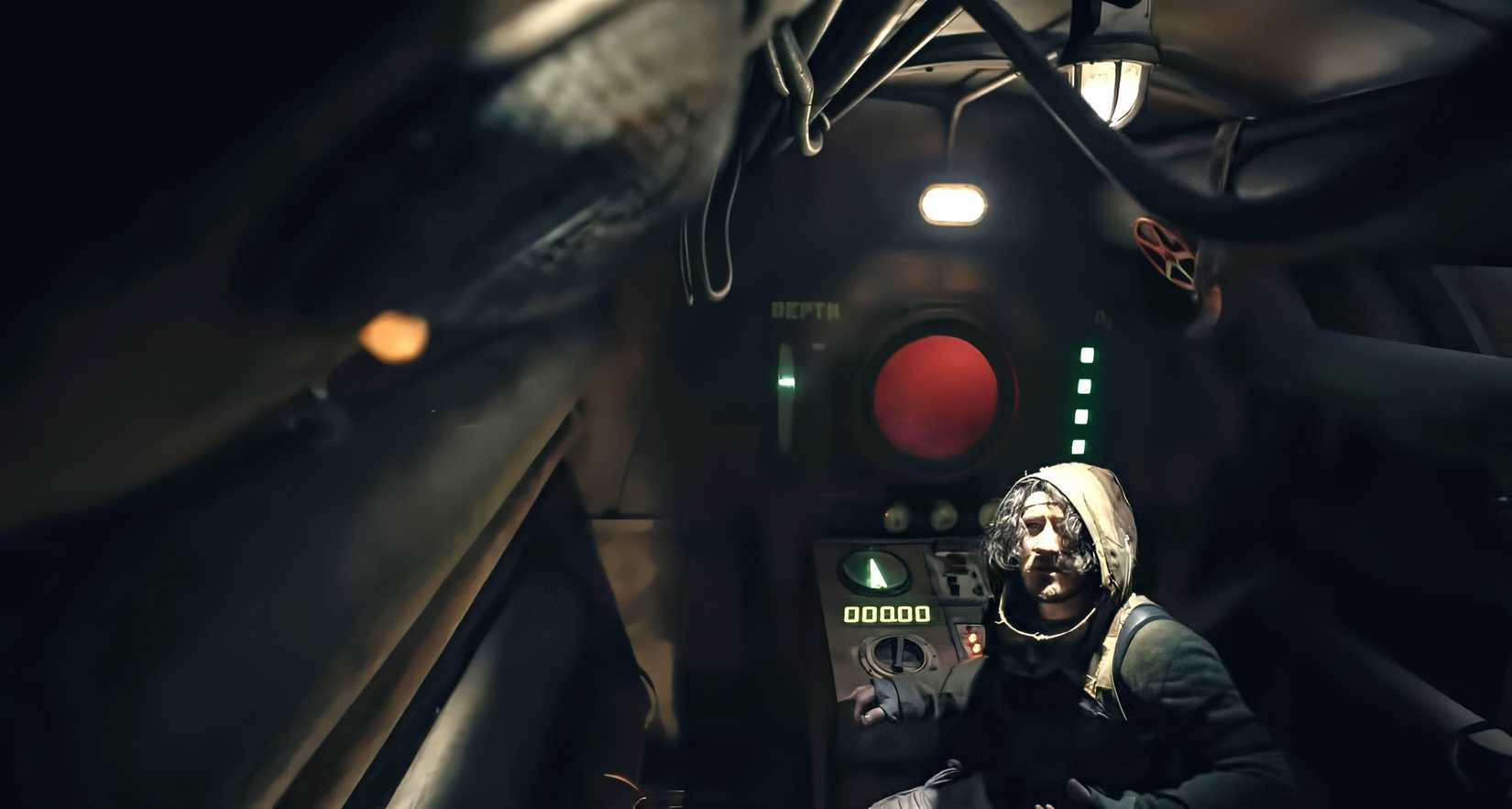
Ultimately, Iron Lung is an immersive exercise in dread. It traps the viewer in a suffocating space where death feels like a mathematical certainty. It is a “slow-burn” horror film that eschews the rapid-fire shocks of mainstream cinema in favor of a deeper, more lingering malaise. The film captures the specific late-night anxiety of “creepypasta” culture—the feeling of being alone in the dark, fixated on a disturbing mystery.
However, the most frightening aspect of Iron Lung for the film industry is its proof of concept. Much like Ryan Coogler’s recent negotiations for Sinners sparked industry-wide anxiety about creator leverage, Fischbach’s success proves that financial desperation in theaters is creating a vacuum that unconventional creators are happy to fill.

Exhibitors are scavenging for any content that guarantees attendance. Whether it’s repertory screenings or interactive fan events, the goal is to tap into existing communities. Fischbach’s fans flooded theaters with requests—a tactic that was reportedly taxing for theater managers but served as a undeniable signal of commercial viability. As Hollywood produces fewer theatrical releases, multiplexes are increasingly turning to faith-based features and niche international imports to survive.
The POLY Report: Essential Gaming Insights
Fischbach’s specific trajectory is difficult to replicate, as it relies on a decade of community building. Yet, he is part of a growing cohort of digital natives—including Chris Stuckmann, Mr. Beast, and Vivienne Medrano—who are leveraging independent fame to command mainstream attention. These creators are realizing they don’t necessarily need the traditional studio system; they can maintain intellectual property rights and creative control while reaching their audience directly.
This shift represents a true horror story for studio executives: the realization that their gatekeeping power is evaporating. The prospect of losing control over the cultural narrative is far more terrifying than any monster lurking in a blood-red sea.
Iron Lung is currently showing in theaters nationwide.
Source: Polygon
Related articles
 Geralt’s Voice in The Witcher Was Recorded in Just 8 Days as Actor Struggled With Losing His Voice and Relied on Tea
 Astrolabe Games, Developer of F.I.S.T., Gives Staff Day Off for Phantom Blade Zero Launch
 Actress Believed to Voice Lucia in GTA VI Goes Live on Stream, Gets Flooded With Questions About Rockstar Game
 The Expanse: Osiris Reborn Developers and Shepard Voice Actors Back Fan Campaign to Save Mass Effect
 Sony Patents Technology That Could Warn PS6 Players of Danger With Vibration
 Xbox Set to Get Nearly 40 New Games in Coming Days, Including Some Unexpected Releases
 Eric Bauza, Voice of Bugs Bunny and Daffy Duck, Dies at 46
 Popular YouTuber Reportedly Breaks Rockstar Agreement Over GTA VI Access