
Gene Simmons Says Musicians Are Treated ‘Worse Than Slaves’ Over Unpaid Radio Airplay
Gene Simmons Tells Senate Performers Deserve Payment for Radio Airplay
December 9, 2025 — Capitol Hill, Washington, D.C.

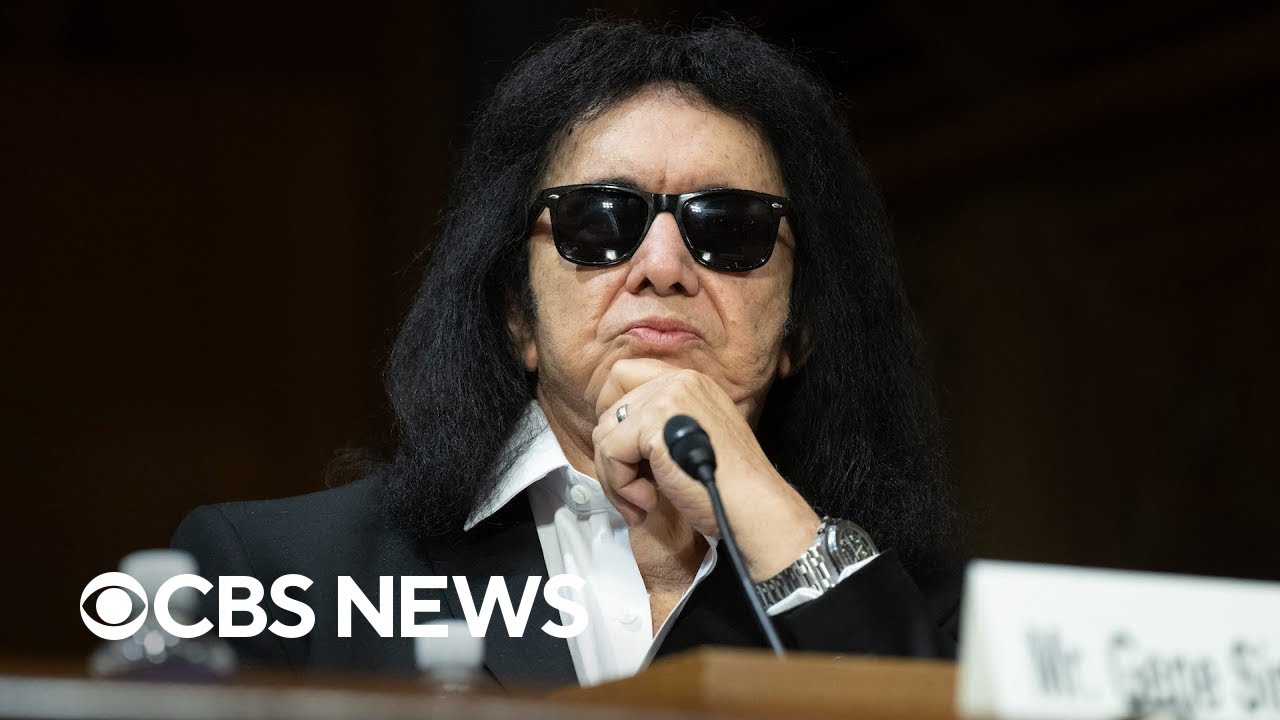
Appearing before the Senate Judiciary Subcommittee on Intellectual Property on December 9, Gene Simmons urged lawmakers to pass the American Music Fairness Act (AMFA),
arguing that recording artists are unfairly excluded from compensation when their performances are broadcast on U.S. radio. During his remarks he emphasized the injustice
of a system that permits stations to play sound recordings without paying the performers who created them — a long-standing practice the bill aims to change.
Simmons delivered a forceful appeal, declaring that artists are treated “worse than slaves” when they receive no payment for radio airplay. He framed the debate as one of basic fairness
and national reputation, saying that America’s cultural emissaries deserve recognition and recompense when their work is used to reach audiences at home and abroad.
Critics have pushed back on that comparison, noting the profound historical and moral differences between the horrors of slavery and the economic grievances of artists.
The Senate hearing took place near sites in Washington linked to the country’s history of forced labor, and institutions such as the National Museum of African American History and Culture
document the devastating human cost of enslavement — a context several commentators said made the analogy particularly fraught. (See background on the Capitol’s construction and the National Museum of African American History and Culture.)
At present, U.S. broadcast radio typically pays performance-rights organizations that represent songwriters, but does not pay record labels or performing artists for the use of sound recordings.
Songwriters receive royalties for airplay; performers generally do not. Supporters of AMFA say the change would correct that imbalance and ensure performers share in the revenue generated by their work.
Not everyone at the hearing agreed with the proposed remedy. Henry Hinton, CEO of community broadcaster Inner Banks Media, told senators that while radio is free for listeners,
it carries significant costs for stations. He argued that streaming services can recoup expenses through subscriptions and user fees, whereas many radio operators — especially small and
community stations — could struggle to absorb new licensing fees.
The latest iteration of the American Music Fairness Act was introduced in 2021 and has picked up support from a variety of industry organizations, including the Recording Academy,
the RIAA, SoundExchange and the American Federation of Musicians. SoundExchange CEO Michael Huppe, who also testified in favor of the bill, has noted that under AMFA small and community
stations would face relatively modest annual fees while performers would finally be paid for broadcast uses of their recordings.
Simmons and other advocates argue the measure is about equity: performers contribute the sound recordings that radio broadcasts, and they should receive a share when those recordings
generate value. Opponents warn that imposing broad fees could strain local stations and change the economics of free-to-air radio.
Watch Simmons’ testimony below:

Related articles
 Attendee Dies After Suffering Medical Emergency at Burning Man Festival
 Dolly Parton’s Sister Stella Criticizes AI Garbage and Tweets About Singer’s Death
 Billboard Reader Poll: Vote for Your Favorite New Music Release by BLACKPINK’s LISA and JISOO, Miley Cyrus, Beyoncé, and More
 Lisa Says BLACKPINK Members Had to Hide While Dating and Recalls Secret Relationships
 Miley Cyrus, Beyoncé, and ADÉLA feature in the New Music Friday guide
 Madonna, Olivia Rodrigo, and Jennifer Lopez Honor Gloria Steinem
 Suno Pulls Mary J. Blige Ad Calling AI Music Generator Pretty Dope
 Ciara Miller Reveals She Wants to Dance to Sabrina Carpenter Song on DWTS After Summer House Drama