
Gene Simmons: Musicians Treated “Worse Than Slaves” Over Unpaid Radio Airplay
Gene Simmons Tells Senate That Radio’s Treatment of Performers Is Unjust
December 9, 2025

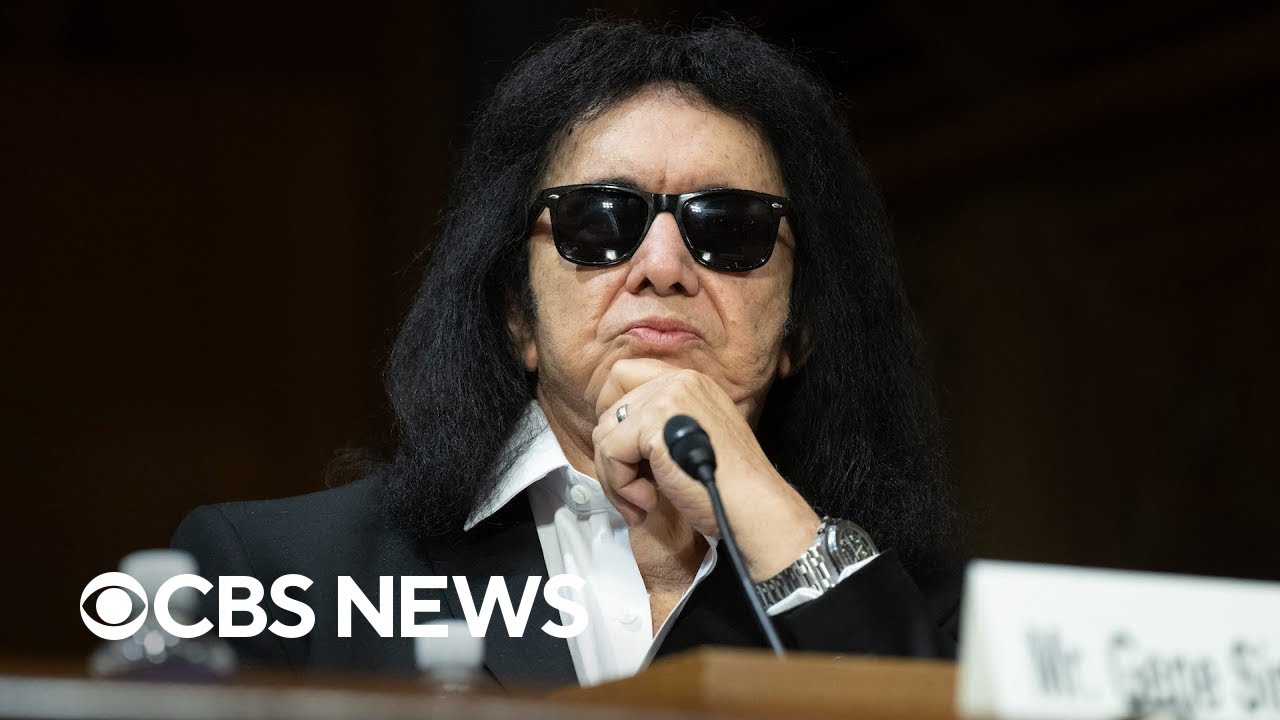
Gene Simmons urged senators to back the American Music Fairness Act during a Dec. 9, 2025 hearing, arguing that the current radio royalty system treats recording artists unfairly. Speaking to the Senate Judiciary Subcommittee on Intellectual Property, the KISS co-founder said performers receive no compensation when their recorded work is broadcast on U.S. radio stations, a practice the bill would change.
Describing the imbalance as deeply unjust, Simmons told lawmakers that performers are left without payment for airplay and implored Congress to act. He added, “If you are against this bill, you are un-American,” framing the measure as a matter of fairness for artists.
Under today’s system, terrestrial radio outlets obtain public performance licenses through organizations such as ASCAP and BMI, which collect and distribute payments to songwriters and publishers. However, record labels and the musicians who performed on those recordings generally do not receive analogous royalties for radio broadcasts — a disparity critics of the status quo say the American Music Fairness Act would correct.
While Simmons sought to convey the urgency of the issue, some observers pointed out the inappropriateness of comparing unpaid royalties to the suffering of enslaved people. The hearing took place in a part of Washington, D.C., whose construction history includes forced labor; resources documenting that history and the broader realities of enslavement are available from the White House Historical Association and the National Museum of African American History & Culture.
Not everyone at the hearing supported shifting costs onto broadcasters. Henry Hinton, CEO of the small broadcast company Inner Banks Media, warned that radio operates on narrow margins and cannot offset those expenses the way subscription streaming services can. “Radio is free to our listeners, but it is not free to those of us who provide it,” he told the panel.
The American Music Fairness Act—first introduced in Congress in 2021—has attracted backing from a range of music-industry groups, including the Recording Academy, the RIAA, SoundExchange and the American Federation of Musicians. Supporters say the bill would create a more equitable revenue stream for performers while carving out modest fee structures for small and community stations.
Michael Huppe, CEO of SoundExchange, who also testified in favor of the measure, has argued that the proposed framework would impose minimal costs on smaller stations while ensuring musicians receive compensation for their performances. Proponents portray the change as a correction to a long-standing imbalance between creators and broadcasters.
Watch Simmons’ testimony below:

Related articles
 Attendee Dies After Suffering Medical Emergency at Burning Man Festival
 Dolly Parton’s Sister Stella Criticizes AI Garbage and Tweets About Singer’s Death
 Billboard Reader Poll: Vote for Your Favorite New Music Release by BLACKPINK’s LISA and JISOO, Miley Cyrus, Beyoncé, and More
 Lisa Says BLACKPINK Members Had to Hide While Dating and Recalls Secret Relationships
 Miley Cyrus, Beyoncé, and ADÉLA feature in the New Music Friday guide
 Madonna, Olivia Rodrigo, and Jennifer Lopez Honor Gloria Steinem
 Suno Pulls Mary J. Blige Ad Calling AI Music Generator Pretty Dope
 Ciara Miller Reveals She Wants to Dance to Sabrina Carpenter Song on DWTS After Summer House Drama