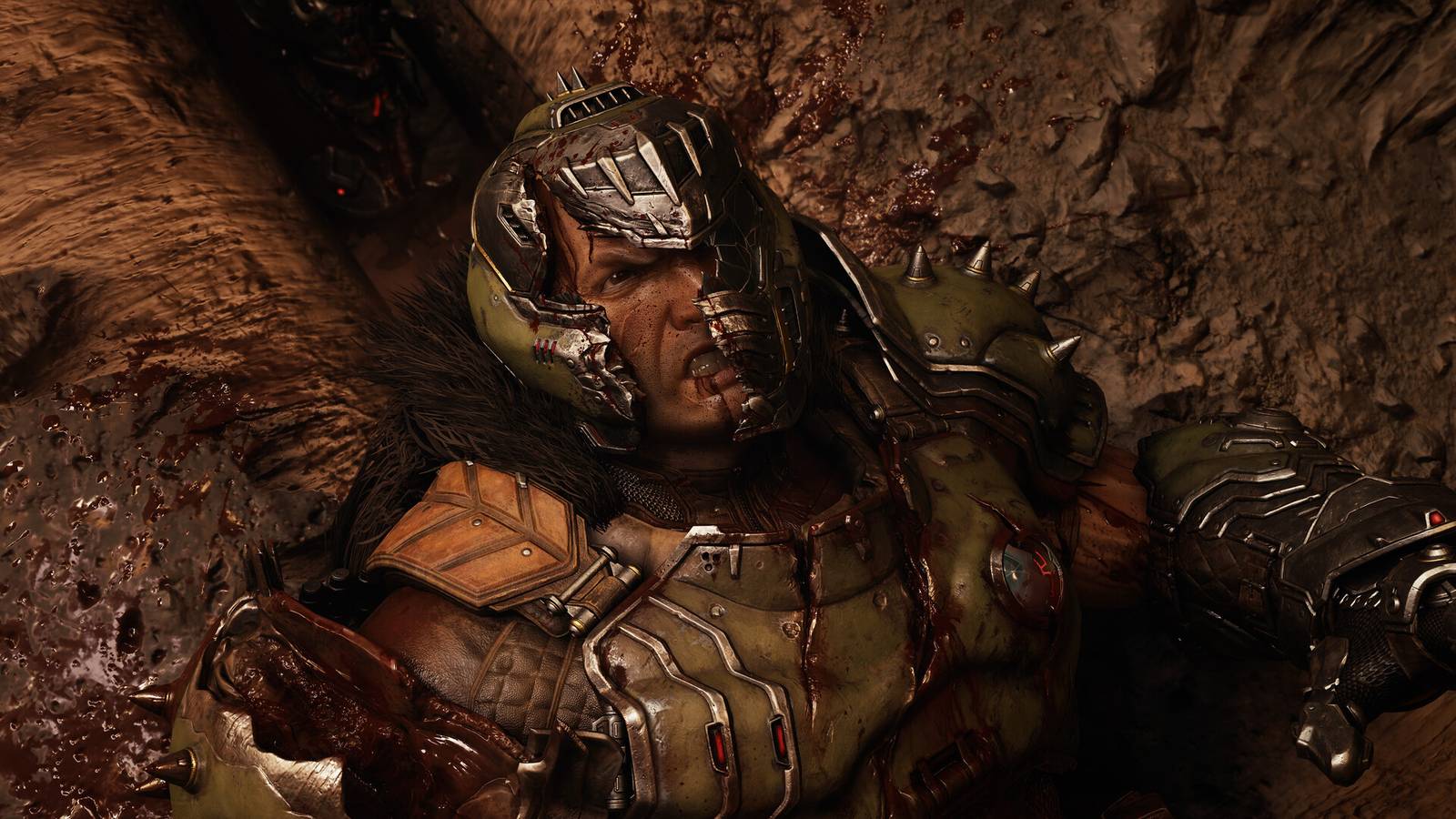
Doom returns with a 10/10 masterpiece hampered by Xbox baggage
Doom: The Dark Ages’ latest expansion, Revelations, presents a complex critical challenge. The issue isn’t the quality of the gameplay—which stands as a sophisticated refinement of the base game’s core mechanics—but rather the somber corporate climate currently shrouding its creator, Id Software.
Following a recent fiscal reset, Microsoft initiated significant staff reductions, impacting 1,600 employees within the Xbox division, with further cutbacks anticipated over the coming year. These organizational shifts have triggered a wave of instability, most notably the cancellation of a planned Avowed sequel at Obsidian and major restructuring within Bethesda. Id Software, a studio synonymous with the history of the first-person shooter, bore the brunt of these decisions; industry reports suggest the team has been whittled down to a fraction of its original 186-person workforce. These cuts are especially jarring given that The Dark Ages garnered critical acclaim and marked the most successful launch in the studio’s history.
Having been a pillar of the gaming industry since the early 1990s, Id Software’s future now seems precarious. The current staffing levels resemble that of a support studio rather than the powerhouse responsible for defining the AAA landscape. If Revelations marks the final creative statement from this legendary developer, it serves as a remarkably potent, if bittersweet, finale.
Revelations picks up the mantle of The Dark Ages’ narrative. While the storyline is perhaps not the main draw—and the 14-month gap since the base game certainly leaves one feeling detached from the finer plot points—it is ultimately inconsequential. The directive remains clear: you are the Doomguy, and there are legions of demons to dismantle.
After an introductory sequence that tests your mastery of parrying and chainsaw-shield combat, you are unceremoniously cast into Purgatory. It is here that Revelations pivots toward a “Metroidvania-lite” structure. The Slayer is stripped of his full arsenal, his armor is fractured, and his ammunition is depleted. Yet, the infernal forces remain unrelenting.
The addition of the Chain Spear is a transformative inclusion that justifies the expansion on its own. While the shield allows for defensive counters, the new dodge mechanic dictates a far more aggressive tempo. I found myself rarely relying on parries; instead, I focused on high-speed evasion. Mastering these perfect dodges fuels a “Spear Empowerment” meter, enabling devastating strikes that prioritize raw impact over patient defense.
The “stand and fight” philosophy of the main campaign has been replaced by a kinetic, fluid playstyle. I spent hours dancing around arenas, weaving between attacks and utilizing the spear’s Meat Hook—a traversal tool that allows you to pull yourself toward enemies, closing distances in an instant. It’s an exhilarating change of pace that feels like a direct response to players who craved the breakneck speed of earlier entries.
Navigating the levels requires scavenging for specific artifacts to unlock portals, mirroring the progression style of classic exploration-based games. The environmental design is dense with secrets that remain gated until you acquire the necessary gear. Later, the return of the chainsaw shield introduces a layer of puzzle-solving that alternates between defensive utility and offensive traversal, a welcome shift in the rhythm of the game.
However, once I reclaimed the shield, I found it difficult to return to its defensive nature. Having acclimated to the spear’s aggressive mobility, stopping to absorb damage felt sluggish. The six-hour campaign is a high-octane affair, packed with challenging new boss encounters. For those craving more, the Ripatorium offers endless horde combat, and the addition of a Master Key encourages players to revisit previous zones to uncover hidden caches.
Despite the high quality of this release, the specter of the studio’s instability looms large. While reports indicate that Zenimax intends to keep Doom as a core pillar of their portfolio, the decimation of the team behind it casts doubt on how that will be realized. Former staff have described the situation as a “bloodbath,” noting that the team is currently without a greenlit project. Perhaps most concerning are reports that the Id Tech engine team is down to a single person. If accurate, it suggests that the proprietary technology that defined the studio’s technical prowess—and empowered sister studios like MachineGames—may be effectively abandoned.
One might hope that Id Software will eventually rebuild, but the current industry trend of consolidation and mass layoffs makes such optimism difficult. When corporations prioritize acquisition over retention, it is rarely the creative talent that emerges unscathed. Doom: The Dark Ages and Revelations may well be the last grand projects led by this titan of the industry. If this is indeed the end of the road, it remains a heartbreaking conclusion for a team that redefined the meaning of “rip and tear.”
Doom: The Dark Ages | Revelations is available on PlayStation 5, Windows PC, and Xbox Series X. This review was conducted on PS5 via a prerelease code provided by Bethesda Softworks. For more on our editorial standards, please review our ethics policy.
Source: Polygon
Related articles
 Lego Batman: Joker and Harley Quinn DLC Arrives Next Month With Free Absolute Difficulty Update
 Cosplayer Depicts Baldur’s Gate 3’s Astarion Before and After the Nautiloid Crash
 Original Heroes of Might and Magic III and Horn of the Abyss Mod Released on Steam
 Elden Ring on Switch 2: The Worst Way to Experience a Masterpiece
 Heroes of Might and Magic III Buyers on Steam Leave Negative Reviews After Not Receiving the Game
 Heroes of Might and Magic 3 Mod Horn of the Abyss Receives Update 1.8.1 with Improved Tutorial and Single-Player Content
 German Intelligence Sets Up Gamescom Booth to Recruit Gamers
 Nekome: Nazi Hunter Is a Gloriously Brutal Middle Finger to Nazis—and It Absolutely Rules