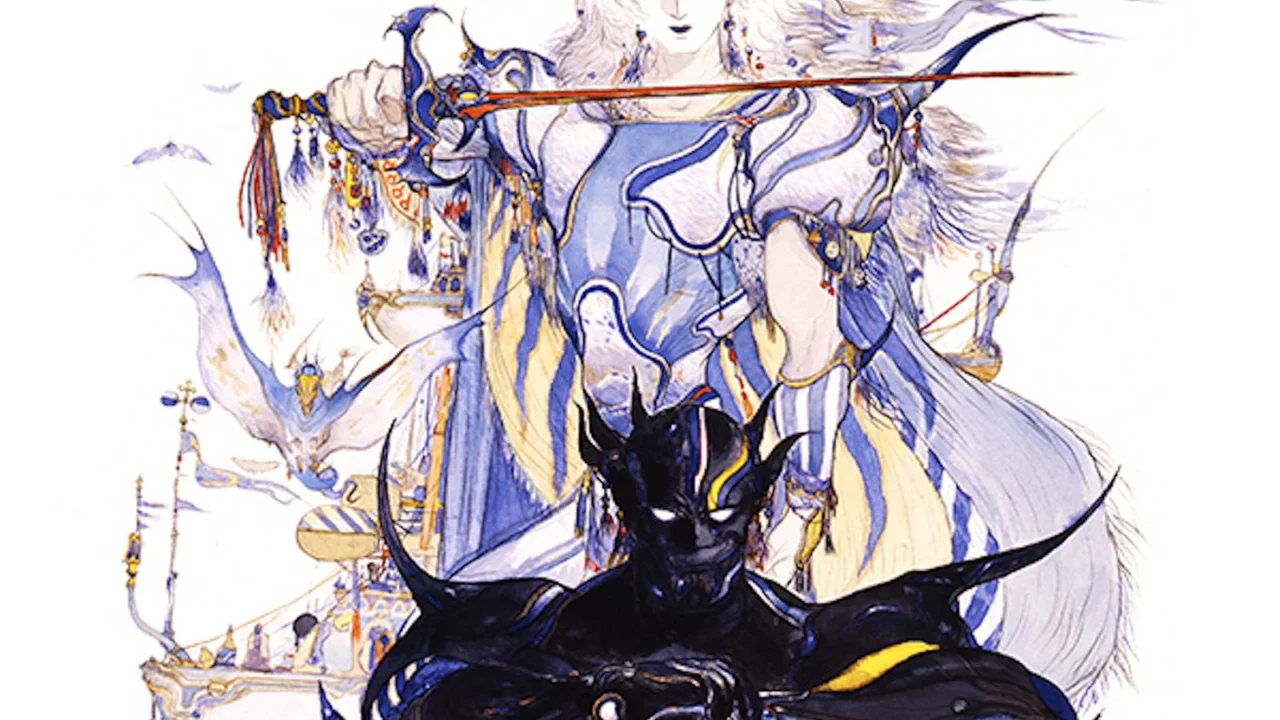
35 Years Later, Square Achieved Something Modern RPGs Still Struggle to Match
Final Fantasy IV remains a landmark achievement in gaming history. Its significance transcends being the series’ inaugural title on the Super Nintendo or even its pioneering introduction of the Active Time Battle system—a mechanic that remains a cornerstone of the franchise today. What truly distinguishes this entry is how masterfully it interweaves character identity with mechanical design, a harmonious balance that remains frustratingly rare in the RPG genre.
Debuting in the summer of 1991, the narrative centers on Cecil, a conflicted dark knight serving the Kingdom of Baron. His monarch, a warmonger with a penchant for orchestrating global devastation, commands total obedience. Cecil, initially paralyzed by loyalty and the influence of his childhood companion, Kain, dutifully executes these atrocities. However, the turning point arrives when his conscience finally overrides his conditioning. Cecil’s journey becomes a grueling quest for atonement, as he strives to dismantle the very regime he once helped empower and halt the encroaching shadows of tyranny.
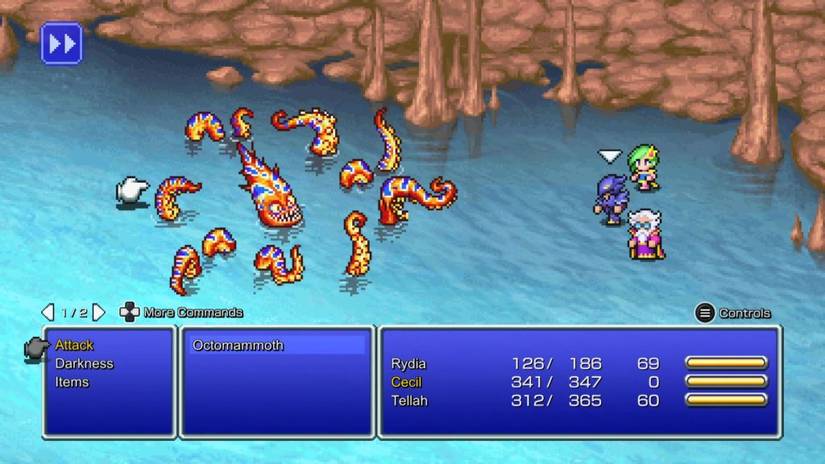
The game approaches the concept of redemption with refreshing honesty. Cecil’s transformation into a Paladin—marked by his shift in attire—is merely the beginning; it doesn’t serve as a shortcut to absolution. He is forced to confront the wreckage of his past, including the decimated villages and families he directly harmed. His companions are similarly burdened by their flaws: Edward struggles with the aftermath of his cowardice, while Tellah’s arc serves as a critique of stubborn resentment. Even Kain, despite his frequent betrayals, wears his guilt visibly, signaling a desperate need for internal correction.
Rosa, of course, spends much of the runtime fulfilling the damsel trope—a byproduct of 90s narrative constraints—yet the supporting cast remains deeply compelling.
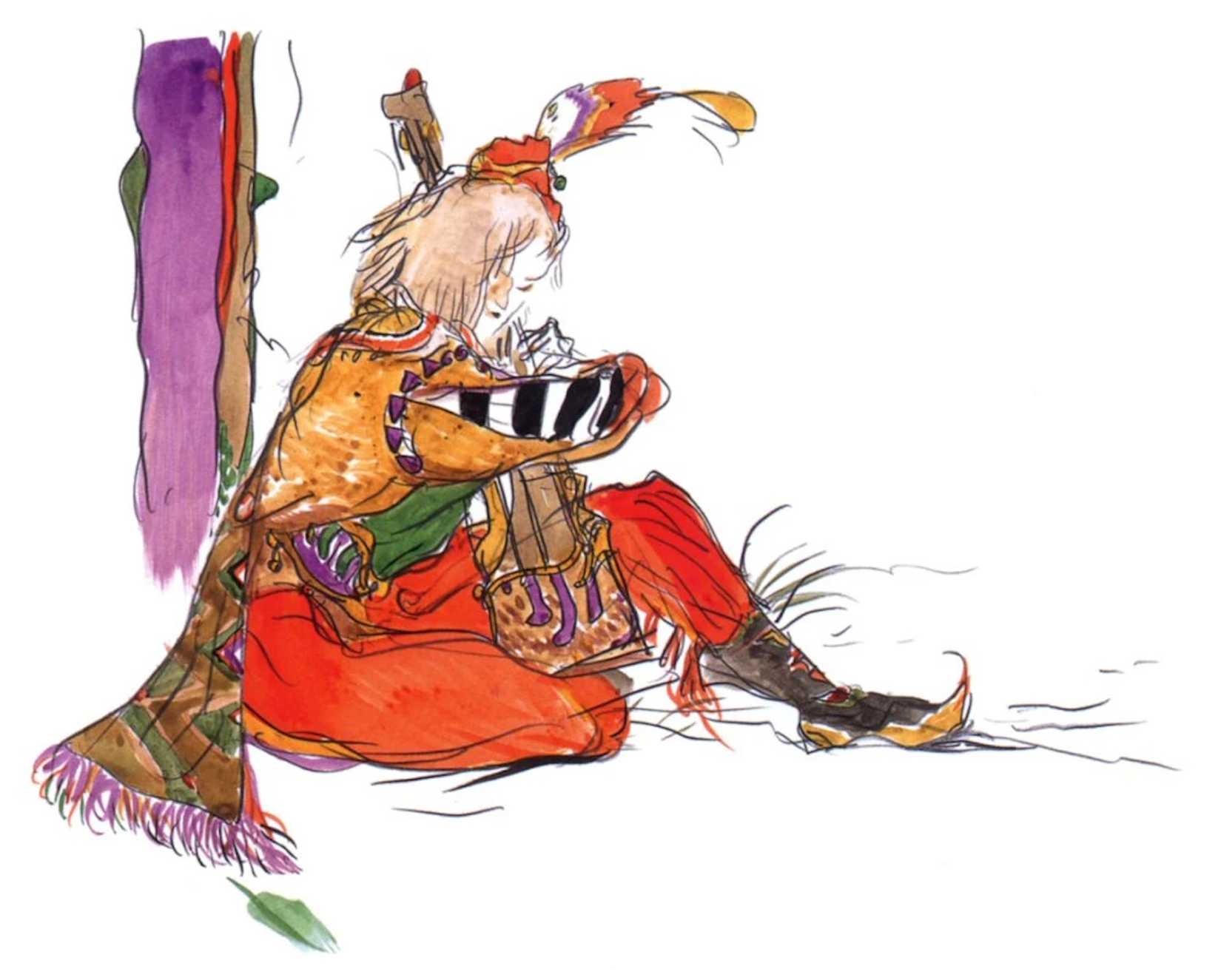
Beyond its moral complexities, Final Fantasy IV excels through a brilliant integration of personality and utility. Combat roles are not merely stats; they are narrative extensions:
- Tellah: His mastery of Meteor is tethered to his mortality, forcing a literal sacrifice for his ultimate power.
- Rydia: Her journey from a traumatized child to a powerful summoner is the heartbeat of her character arc.
- Palom and Porom: Their presence is narratively mandatory to address the lore of the Mysidian mages.
- Edward: His inherent frailty in battle perfectly mirrors his lack of confidence and external vulnerability.
- Rosa: As the embodiment of compassion, her role as the party’s backbone feels like a natural extension of her temperament.
- Yang: His discipline as a monk reflects the stability needed to rebuild the kingdom of Fabul.
This design philosophy suggests that characters are not interchangeable plug-and-play units. Most modern RPGs have moved toward flexible ability systems, which—while convenient—dilute the unique identity of the cast. While titles like Final Fantasy XVI capture some of this magic through Clive’s specific skill acquisition, few games have successfully married function and character history as elegantly as this 16-bit classic.
It is a missed opportunity that this design doctrine hasn’t seen a broader resurgence. Despite the standard “crystal-saving” tropes, the intimacy of the Final Fantasy IV experience ensures that the player feels the weight of every sacrifice, making the final victory feel hard-won rather than inevitable.
Source: Polygon
Related articles
 Modern Warfare Actor Barry Sloane Reacts to New Captain Price Meme
 Bloodstained: The Scarlet Engagement Delayed to 2027
 Every Potential Side Activity Spotted in the GTA VI Extended Look
 New Grand Theft Auto VI Trailer Delivers In-Depth Look at Gameplay, Story, and Side Activities
 Chinese WWII Shooter The Defiant Gets New Trailer
 GTA 6’s Relationship System Will Let Players Friendzone Jason and Lucia
 New GTA 6 Previews Reveal More Details Following Netflix Stream
 GTA 6 Introduces New Reputation System