
YOASOBI’s First Drama Theme and Dual-Vocal Single “Gekijyo” Celebrates the Resolve of Those Who Seize Their Own Story
YOASOBI’s “Gekijyo”: A Theatrical New Single Marking Their First Drama Theme and Dual Vocals
Released Oct. 2 — Theme for Fuji TV drama “Pray Speak What Has Happened” (screenplay by Koki Mitani; starring Masaki Suda)

YOASOBI unveiled their new single “Gekijyo” on Oct. 2, composed as the theme for Fuji TV’s Wednesday-night drama Pray Speak What Has Happened. The series pairs the celebrated playwright Koki Mitani as screenwriter with Japanese actor Masaki Suda in the lead, and the track fits the production’s dramatic tone.
Aside from being the duo’s first song written specifically for a television drama, “Gekijyo” is notable for featuring composer Ayase on vocals as part of YOASOBI for the first time — a milestone that broadens the unit’s sonic identity.
Since their debut, YOASOBI have defined themselves as a project that converts stories into songs, prioritizing narrative depth in their music. That approach has earned them wide recognition: “Yoru ni Kakeru” became the first single in Billboard Japan chart history to surpass 1.2 billion cumulative streams, and “Idol” reached massive global exposure as the opening theme for the anime OSHI NO KO.
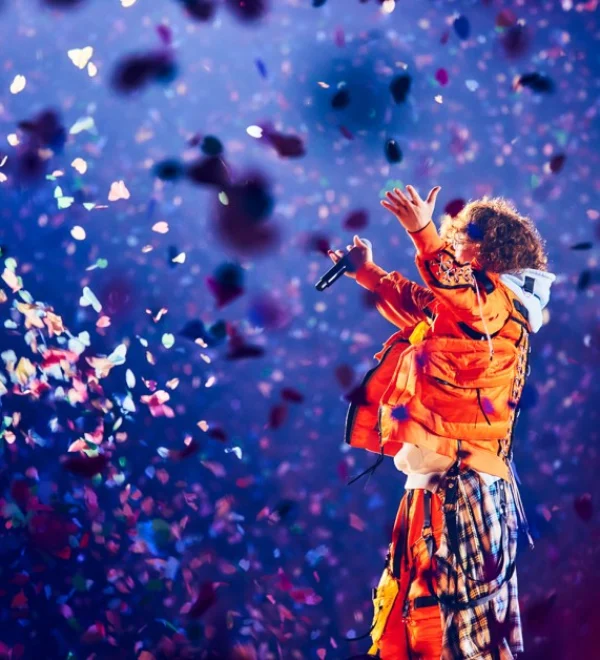
The duo’s live presence has also expanded internationally. In the past year they headlined concerts in four U.S. cities, including Los Angeles and New York, completed an extensive Asia arena tour titled YOASOBI ASIA TOUR 2024–2025 “cho-genjitsu” (SURREALISM), and in June performed at London’s OVO Arena Wembley — underscoring their emergence as major J-pop ambassadors on the global stage.
Musically, “Gekijyo” leans into digital-rock energy: punchy guitars and synth textures drive a forceful rhythm section, while arrangements ebb and flow to create vivid, theatrical shifts. Though the production is electronically centered, it retains a tangible, live-band vitality that aligns with YOASOBI’s recent focus on performance-ready material.
The lyrics tell a compact, cinematic story. A protagonist, numb from monotonous, bleak days, stumbles into an empty dance hall and is moved by the sight of dancers—an encounter that triggers a reevaluation of their own life. Gradually they begin to see existence as a staged performance and rediscover purpose and resolve.
At its core the song poses an introspective question about roles and authorship: if the world can be read as a stage, does that mean our parts are assigned, or can we actively choose how to play them? That meta-theatrical idea resonates in the streaming era, where people increasingly curate and perform versions of themselves for public audiences.
Those contemporary anxieties—being seen, judged and admired—are woven through the lyrics, which push back against passivity and call for bold engagement: to accept an active role and commit to living it fully despite criticism or the absence of approval.
Vocally, “Gekijyo” introduces a new dynamic for YOASOBI: ikura’s crystalline delivery is complemented by Ayase’s voice, sometimes in harmony and at other times trading lines. While Ayase has revealed his singing in prior solo and collaborative work (notably the self-covered Vocaloid piece “Yoru Naderu Menou,” his solo track “Houwa,” and the collaboration “From Now!” for the mobile game Monster Hunter Now), this is his first vocal contribution within YOASOBI’s official recordings — a step that feels both personal and emblematic of the duo’s evolution.
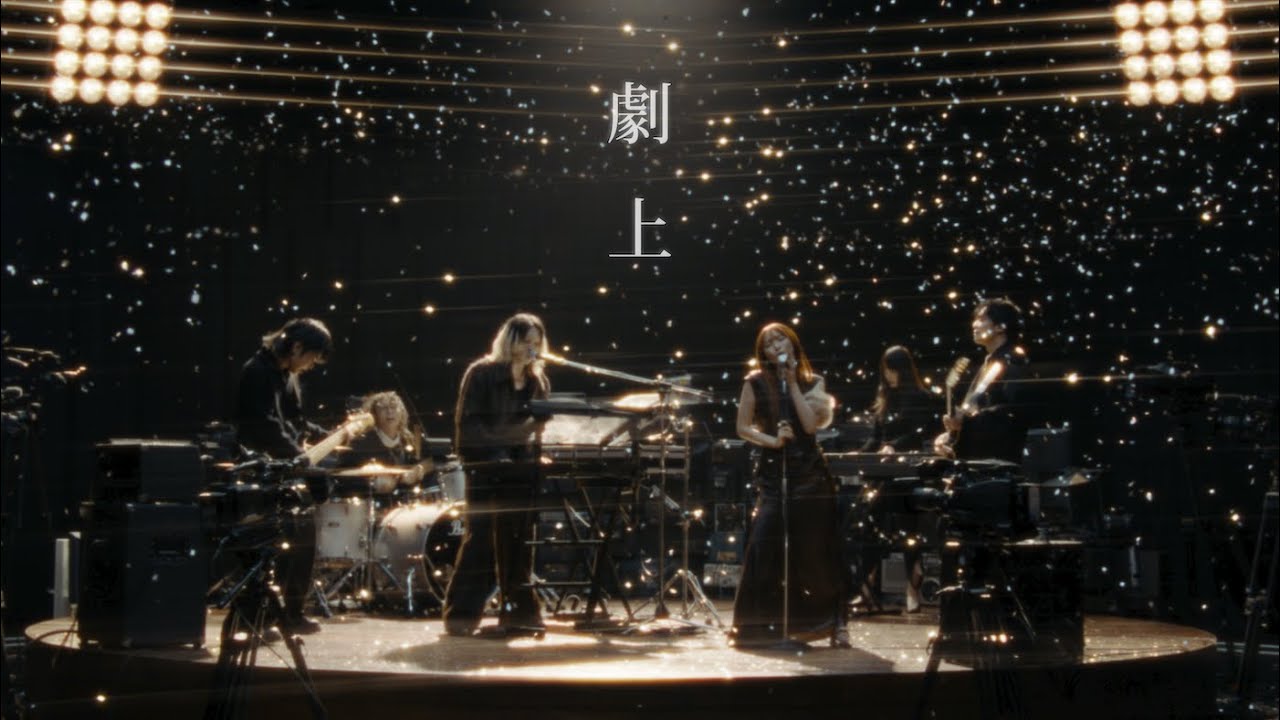
The music video reinforces that shift by presenting both Ayase and ikura on camera in a staged, multi-camera performance that evokes a play-within-a-play. Filmed with a full-band setup, the visuals mirror the song’s theatrical motif and bind lyric, sound and imagery into a unified concept.
Ultimately, “Gekijyo” reads as a reaffirmation of artistic perseverance: an invitation to keep performing, even without applause, and to embrace one’s part with conviction. As YOASOBI enters their sixth year, the single feels like a declaration of intent—a moment that both consolidates their identity and signals their readiness to carry J-pop forward on a global scale.
This article by Azusa Ogiwara first appeared on Billboard Japan.
Related articles
 Ed Sheeran Calls Situation in Gaza ‘Catastrophic and Unjustifiable’ at Philadelphia Tour Stop
 Céline Dion sings with a crowd of fans in Paris while standing atop a car
 Carrot Top Hospitalized After Reported Suicide Attempt and Cancels Weekend Shows
 Dropkick Murphys’ Ken Casey criticizes Ed Sheeran over treatment of Macklemore
 PSYCHIC FEVER Discuss New Album ‘DIFFERENT’ in Interview
 Vaundy Expands Live Audience Beyond Japan
 Travis Kelce Discusses Taylor Swift’s Football Knowledge
 CoComelon Announces New Lullabies Album Featuring Peaceful Versions of Farmer in the Dell and Other Nursery Rhymes