
Star Wars: Visions — Season 3 Is a Disappointing Step Back

Star Wars: Visions debuted in 2021 as a bold experiment: nine distinct anime studios were invited to reinterpret the Star Wars mythos in short-film form. The results were wildly varied — from a Hutt-fronted rock group to a frenetic duel between mirror-image Sith — and the series broadened its horizons in season 2, welcoming international studios including Aardman and Cartoon Saloon to produce episodes with strikingly different tones and textures.
It’s disappointing, then, that season 3 feels like a retreat. The new volume narrows its contributors back to Japanese houses and revisits three stories from the original run — “The Duel: Payback,” “The Ninth Jedi: Child of Hope,” and “The Lost Ones.” That reliance on follow-ups highlights a growing tendency from Disney to fold anthology pieces into existing continuity rather than letting them function as standalone experiments.
 Image: Marvel Studios
When What If…? was first announced in 2019 it promised a sandbox for the Marvel Cinematic Universe to explore alternate possibilities. Instead, the series increasingly stitched its episodes into an intricated multiversal tapestry. Standalone curios like a party-focused Thor episode or an offbeat subplot about Darcy and Howard the Duck ultimately fed into a larger throughline, while the most striking take on Doctor Strange — a condensed, potent tale — was later subsumed into season-long arcs, undercutting the show’s initial premise of isolated “what-if” vignettes.
The miniseries Eyes of Wakanda offers a similar case: it follows different Wakandan agents across eras but gradually coalesces into a direct prelude to Black Panther. By doubling down on ties to Erik Killmonger’s impact, the series sacrifices the opportunity to deliver more varied, self-contained tales within one of the franchise’s most intriguing locales.
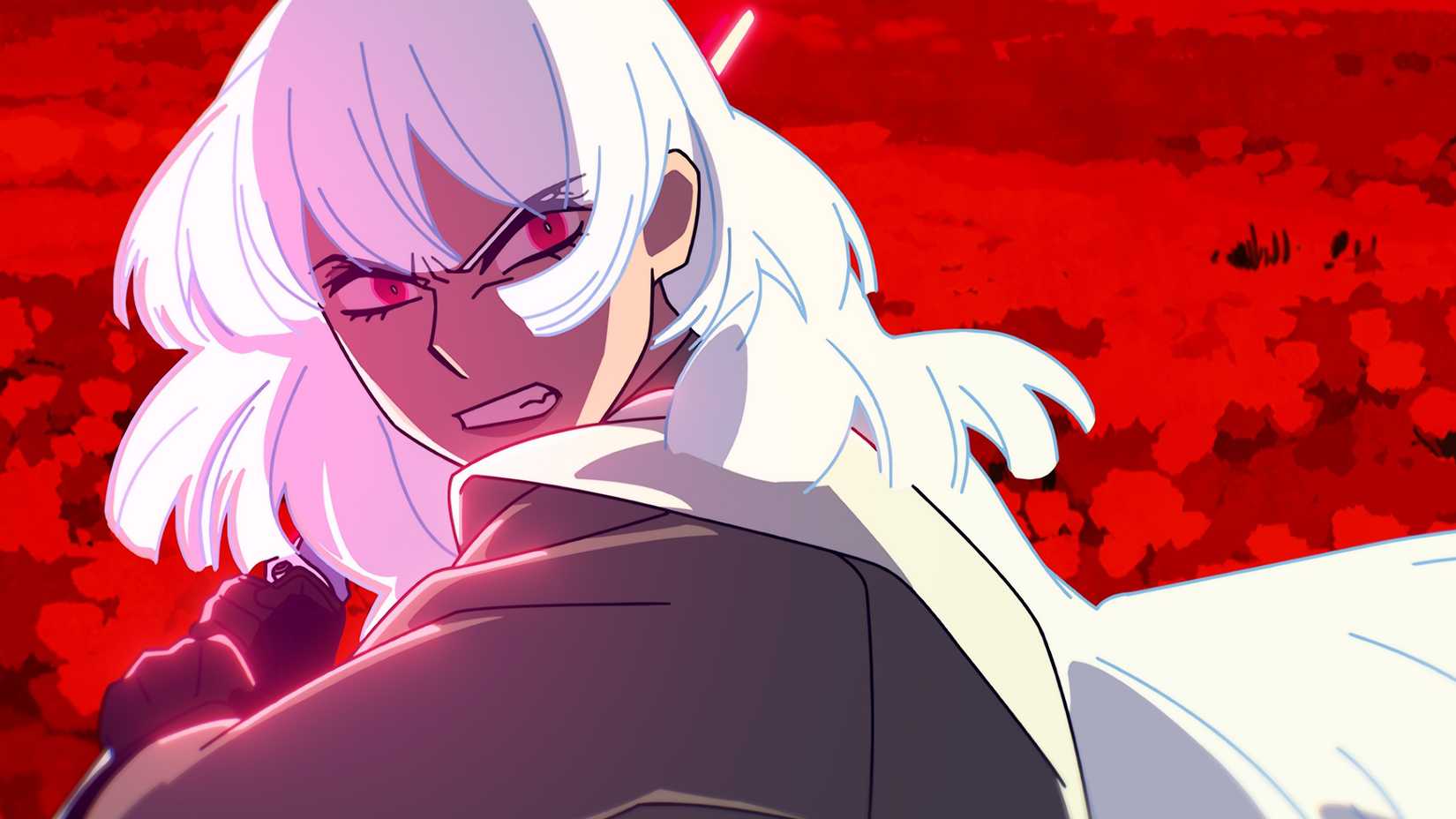 Image: Kinema Citrus
The deluge of interlinked Marvel and Star Wars content on Disney+ has made following these universes feel like assigned reading. Anthologies ought to be the opposite — a place to breathe, experiment, and surprise. Yet season 3 of Visions frequently asks viewers to recall plot beats from episodes released four years earlier in order to make sense of what’s happening now.
Some callbacks are relatively harmless — you don’t need to rewatch The Duel to enjoy the inventive conflict in “The Duel: Payback” — and the wandering Jedi in “The Lost Ones” essentially continues the arc of the season 1 story “The Village Bride.” But the sequel to The Ninth Jedi struggles because it relies on prior context: Lah Kara’s attempt to help a melancholic droid plays against a backdrop of returning characters who mostly loiter, offering oblique hints about a larger scheme. The dangling “to be continued” lands as more tedious than tantalizing.
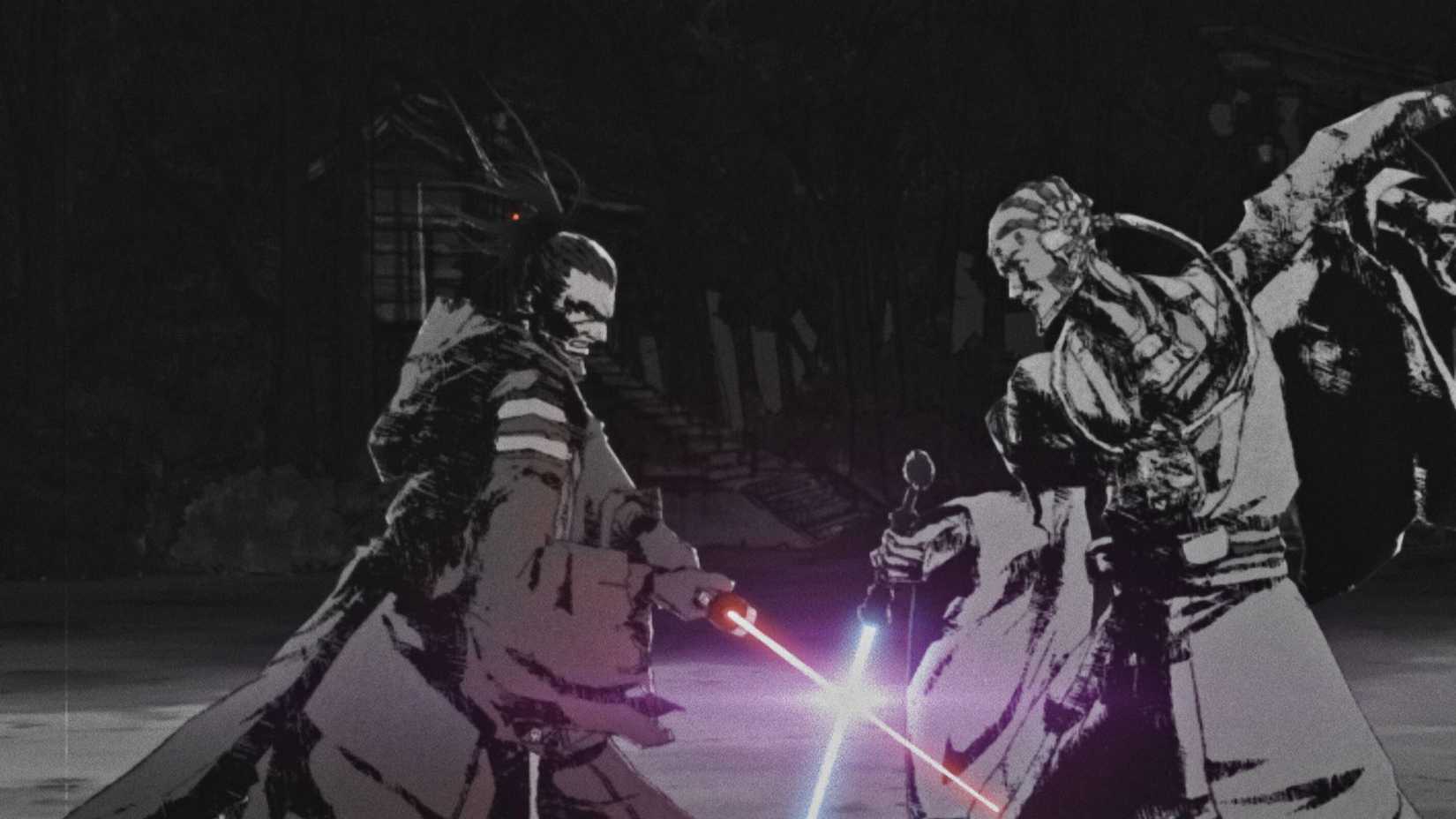 Image: Disney/Lucasfilm
If Disney wants to expand promising ideas from Visions, it would make more sense to give them their own focused miniseries — the way Marvel Zombies spun out of a single What If? episode. Since The Ninth Jedi is already slated for further development as its own miniseries, that continuation would be a better home for serialized storytelling than an anthology season that should be prioritizing fresh, self-contained experiments. Historically, animated projects like Star Wars: The Clone Wars and Star Wars: Rebels have successfully introduced characters and ideas that later migrated into live-action — but those efforts didn’t come at the expense of the anthology’s variety.
Visions still shines when it embraces singular, fully realized stories. Season 3’s standout entries include the contemplative, color-rich “The Bird of Paradise,” which follows a sightless Jedi apprentice grappling with survival and identity, and the surreal, oppressive “BLACK,” a feverish piece staged during the destruction of the second Death Star. Both feel complete in themselves and underscore why the anthology format matters: it allows creators to take risks without the burden of long-form continuity. Disney already has an abundance of serialized offerings — it shouldn’t lose sight of what makes Star Wars: Visions an incubator for bold ideas.
Star Wars: Visions season 3 is streaming now on Disney Plus.
Source: Polygon
Related articles
 Robert Pattinson Responds to Chris Hansen’s Complaints About the Movie “Primetime”
 Ryan Reynolds’ “Mayday” receives positive reviews from critics
 Michael Keaton to Direct Western Starring Morgan Freeman
 “Daddy’s Daughters” wedding sequel to be released in 2027
 Halle Berry and Colin Firth to Star in New Rom-Com
 Netflix Begins Filming New Dan Brown Adaptation
 Spider-Noir series canceled after first season
 Actors cast as Dobby and Tom Riddle for Harry Potter season two