Inside Indo Warehouse’s Mission to Make Indo House a Global Movement

Indo Warehouse: Forging “Indo House” from South Asian Roots to Global Dancefloors
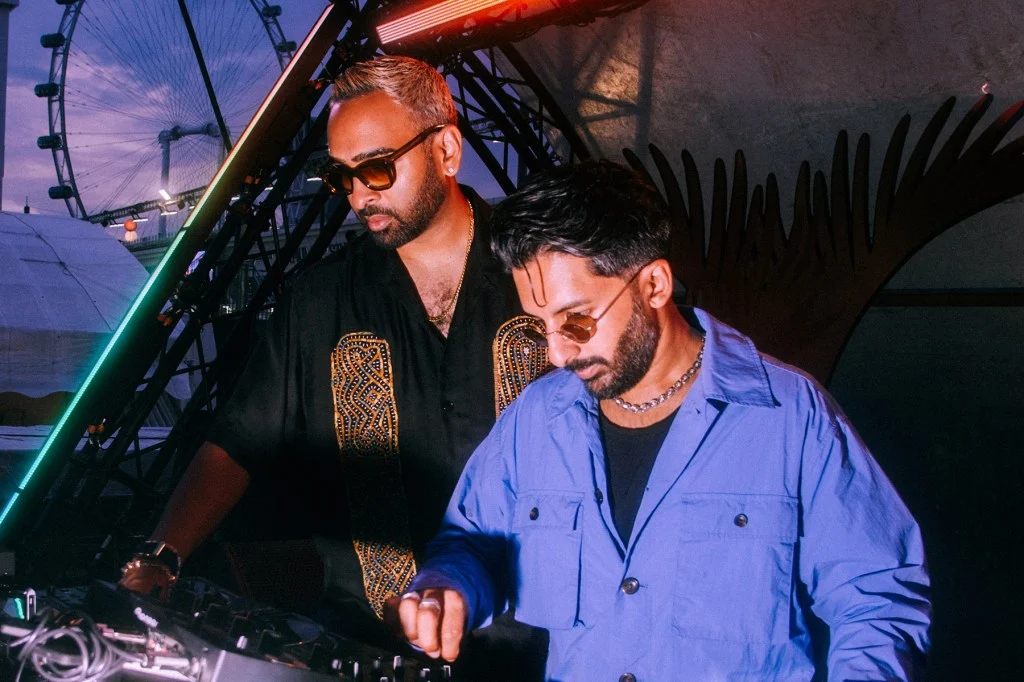
When Kunal Merchant and Kahani first met in New York in 2021, they had no blueprint for the cultural movement they would soon catalyze. What began as experimental showcases evolved into Indo Warehouse — a collective and label launched in February 2022 that champions a sound they call Indo House: electronic music woven with South Asian rhythms, instruments and vocal traditions.
Kahani remembers how unlikely the journey felt at the outset. Both had always loved music, but neither expected to turn that passion into a full-time creative mission. A chance conversation and a shared curiosity about blending heritage with club music pushed them toward something bigger.
Merchant had been skeptical at first. It wasn’t until he witnessed traditional South Asian vocalists layered over house tracks and saw how audiences responded — moving and celebrating across major U.S. cities — that he realized the concept could transcend novelty and become a new performance language.
By 2022, that vision solidified into Indo Warehouse: a project rooted in the pulse of house music but enriched by South Asian percussion, melodic textures and vocal styles. Their aim is for Indo House to be recognized as its own category, rather than being shoehorned into existing genre labels that don’t capture its cultural specificity.

“Genre tags matter for discovery and for artists’ livelihoods,” Kahani explains. To that end, the duo has been advocating with digital platforms and specialty retailers while simultaneously amplifying the sound through performances and curated outlets. They operate their own label, run a popular Spotify playlist with tens of thousands of followers, and host a monthly show on SiriusXM’s Diplo’s Revolution.
Their live ambitions reached a pivotal moment at Coachella 2023, where Indo Warehouse presented an expansive Gobi-stage production featuring dancers, dhol players and bespoke visuals. The set was months in the making — from stage design to costumes made in India — and it intentionally put South Asian culture front and center on a major festival stage.
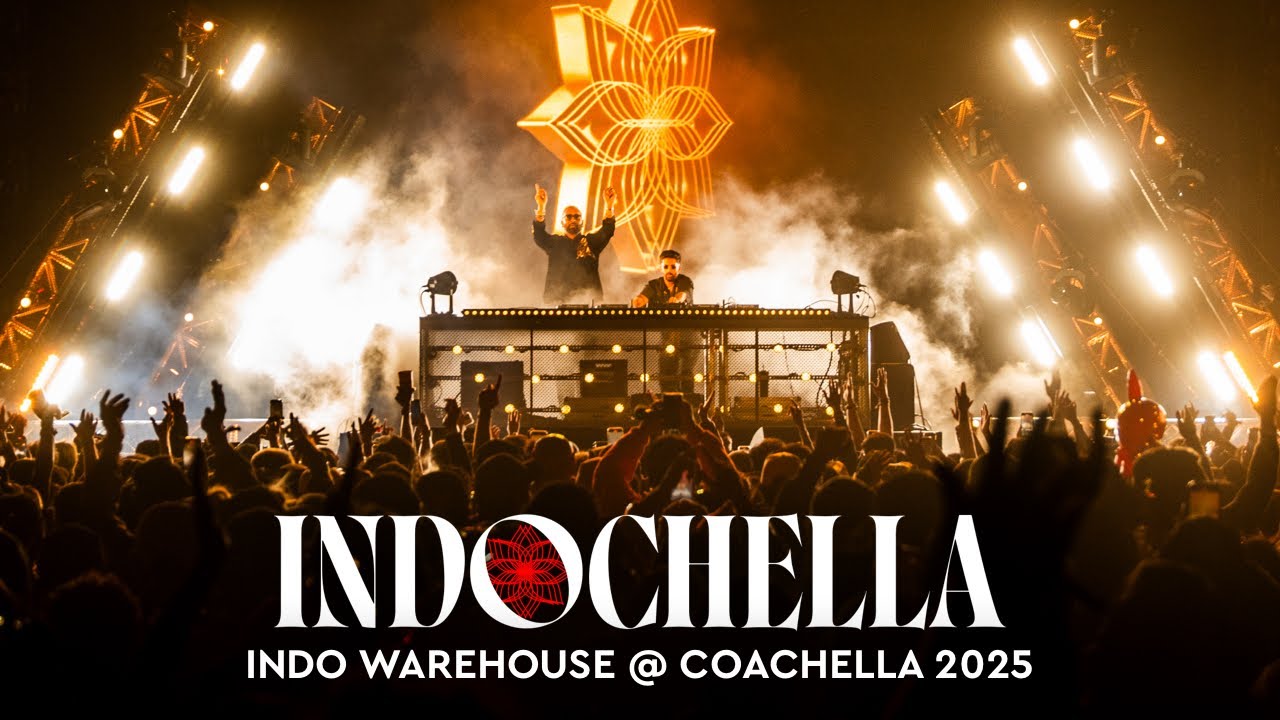
The Coachella set ignited viral attention and opened doors: collaborations with leaders in electronic music, signing to Damian Lazarus’ Crosstown Rebels imprint, and invitations to curated festival stages such as Day Zero in Tulum. BBC Radio 1 icon Pete Tong even requested submissions after hearing the buzz.
Touring this year reinforced their momentum. In Singapore, Indo Warehouse performed twice during the Formula 1 weekend — first a DJ set at the pit, then a full cultural showcase the following evening — underscoring how their hybrid format can adapt to both club and large-event contexts.
At home in New York they prepared to perform at the All That Glitters Diwali Ball on October 11, a cultural gathering that coincides with the festival of lights and showcases South Asian creators across disciplines. For Kunal, returning home for Diwali and sharing the stage with his community is especially meaningful.

The rise of Indo Warehouse coincides with a broader surge in South Asian music on the world stage, as artists from the Punjabi and wider South Asian scenes gain global audiences. Despite commercial opportunities, Merchant says the collective prioritizes authenticity and careful collaboration over chasing big-name pairings for their own sake.
“We want partners who understand and respect the sound,” Merchant says. “Our focus is to build the genre’s identity first, then find voices that genuinely belong in it.” Kahani adds that dream collaborators include artists who carry deep vocal traditions and contemporary flair—voices that can bridge classical lineage and house energy.
Canada has embraced Indo Warehouse early on, with audiences in Toronto, Vancouver, Calgary and Montreal responding enthusiastically. The duo point to Toronto as a particularly strong market and plan to return soon as part of an expanding international tour schedule.
In India, a standout Dome Mumbai performance illustrated how the fusion resonates with local audiences, and the pair report that they are entering a new phase of music-making — writing and producing together in the same studio for the first time and preparing new releases to accompany upcoming shows back in India later this year.
For Merchant and Kahani, the goal is collective: grow Indo House beyond a project into a movement by encouraging more producers, songwriters and vocalists to explore the hybrid form. “It won’t tip with just two people,” Kahani says. “We need a community of creators to expand the vocabulary.”
Originally published by Billboard Canada.
Related articles
 Hilary Duff Announces 32 More Dates for Lucky Me Tour
 Red Hot Chili Peppers, Dave Grohl, and Vince Staples are set for the 2026 Silverlake Conservatory of Music 25th Anniversary Benefit Concert
 Coldplay’s Chris Martin Salutes John Farnham With Original Song
 Calvin Harris Enters Guinness World Records
 Zayn Malik shares photos from daughter Khai’s 6th birthday
 Niall Horan Honors Liam Payne by Playing Late One Direction Bandmate’s Voice Onstage for End of an Era
 Ella Langley Earns Billboard Hot 100 Entry With ‘Choosin’ Texas’
 Channing Tatum Denies Using Instagram Burner Account to Troll Ex Zoë Kravitz and Harry Styles