
Demon Slayer: Infinity Castle Actually Snags a Golden Globe Nomination

The year 2025 distinguished itself as one where two entertainment powerhouses — contemporary anime and K-pop — dominated conversation and box-office tallies. What they shared in common, incidentally, was a very dramatic central premise: slaying demons.
Demon Slayer: Infinity Castle surpassed Superman to become the highest-grossing anime feature ever, while KPop Demon Hunter exploded into a cross-media phenomenon — topping Netflix viewing charts and climbing Billboard’s rankings. With awards season underway, both titles are now listed among contenders for “Best Motion Picture — Animated” at the Golden Globes.
Other notable entries this season included Arco, Elio, the whimsical Little Amélie or the Character of Rain, and the unexpectedly successful Zootopia 2. Still, it’s hard to imagine any of those eclipsing the two demon-themed juggernauts when it comes to awards or cultural impact.
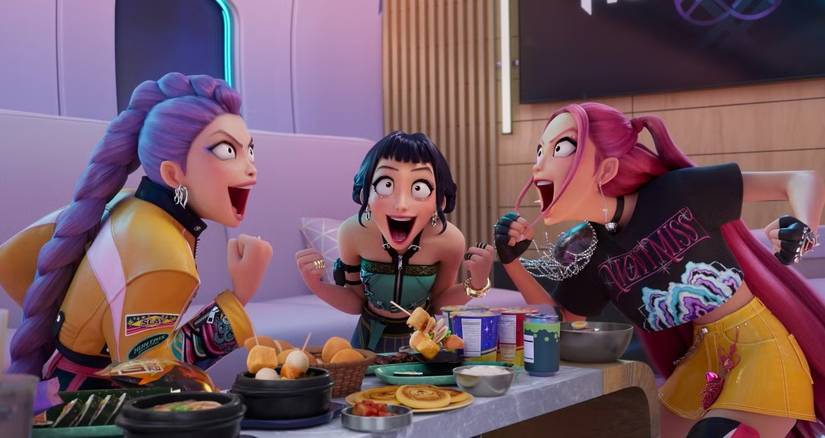
To put the numbers in perspective: Infinity Castle cleared the historic 100 billion yen threshold worldwide, marking a first for any Japanese film and outpacing the global grosses of many 2025 tentpoles. Meanwhile, KPop Demon Hunter earned a pop-culture foothold so quickly that it was immortalized as a Macy’s Thanksgiving Day Parade balloon within months of its Netflix premiere. By December, reported viewing metrics placed its recorded watch time in the millions of hours, with view counts soaring into the hundreds of millions. Its soundtrack — led by Huntr/X’s breakout single “Golden” — has dominated streaming charts and the Hot 100, buoyed by massive U.S. streams and strong download numbers, according to industry tallies.
Both films excel, albeit in different ways. Infinity Castle represents a high-water mark for cinematic anime, showcasing exquisite 3D integration and breathtaking sequences. On the other hand, Sony’s KPop Demon Hunter borrows the kinetic visual grammar popularized by titles like Spider-Man: Into the Spider-Verse, blending inventive animation, viral-ready moments, and slick action into an original property that quickly became a phenomenon for younger audiences.
Source: Polygon
Related articles
 “Gangsterland” starring Tom Hardy renewed for a third season
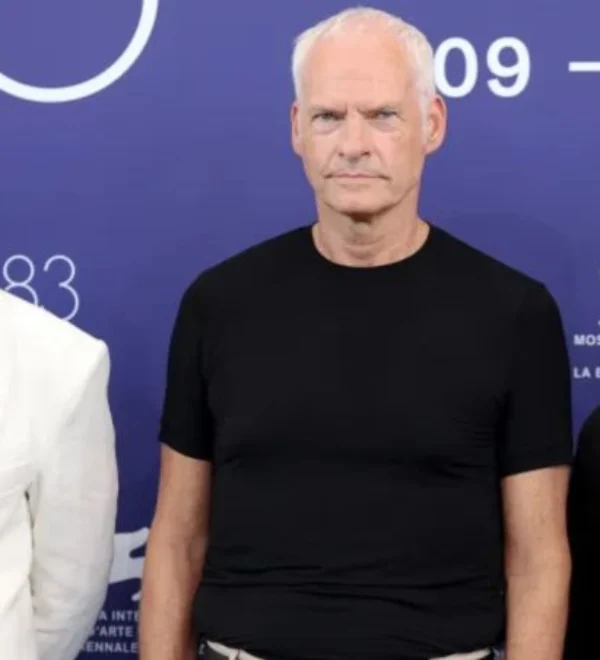 Martin McDonagh Presents “Wild Horse” Starring Malkovich and Rockwell in Venice
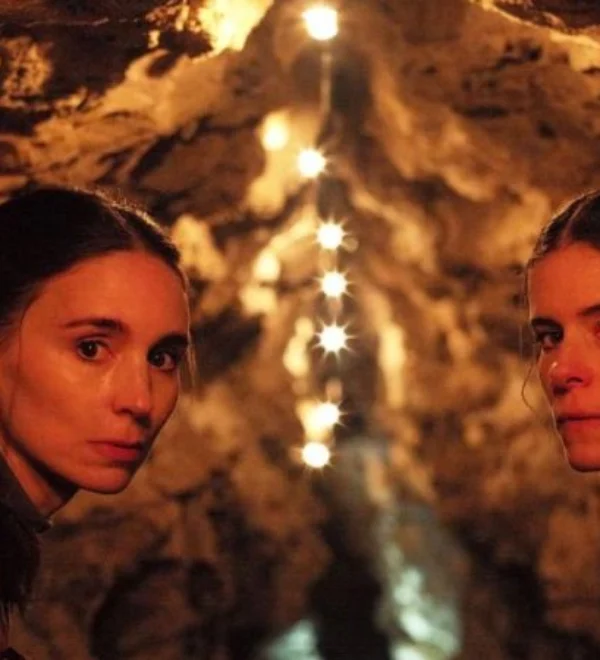 First still from the film “The Luckiest Girl Alive” featuring Kate and Rooney Mara released
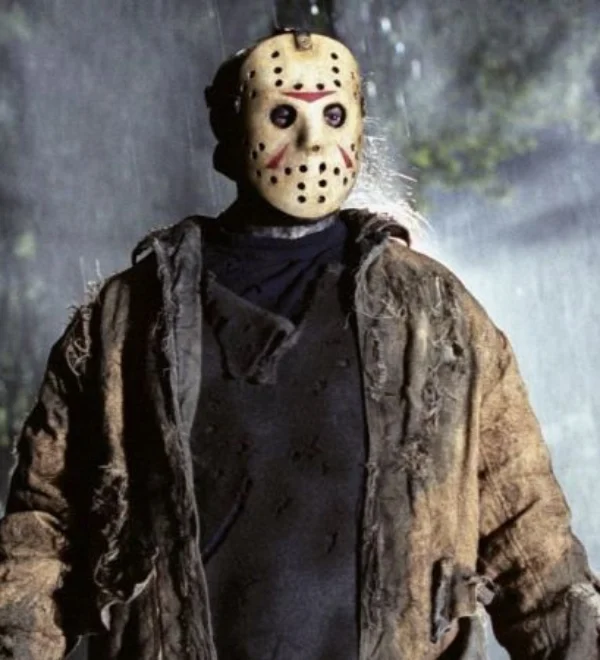 Friday the 13th Screenwriter Victor Miller Dies
 “Borat” screening cancelled due to racist jokes
 «Obsession» Star Inde Navarrette to Be Submitted for Oscar Consideration
 George Clooney awarded honorary Golden Lion for career achievement
 Danny Boyle’s “Inks” Opens the 83rd Venice Film Festival