
After 35 Years, This Cult Psychological Thriller — and Its Infamous Ending — Still Holds Up

Films about Vietnam peaked in different waves — the immediate postwar period produced gritty epics like The Deer Hunter and Apocalypse Now, while later decades returned to the subject with movies such as Platoon and Full Metal Jacket. Released on November 2, 1990, Jacob’s Ladder occupies a hybrid space between those war narratives and psychological horror, a blend that has helped the film linger in the cultural memory.
Jacob’s Ladder is less a battlefield chronicle than a mood piece shaped by trauma. Its opening sequence places Private Jacob Singer (Tim Robbins) in 1971’s Mekong Delta, where an assault leaves his unit convulsing as if exposed to a chemical agent. Amid the chaos Jacob is bayoneted and evacuated — an event that becomes the grim seed for the rest of the film’s unnerving imagery.
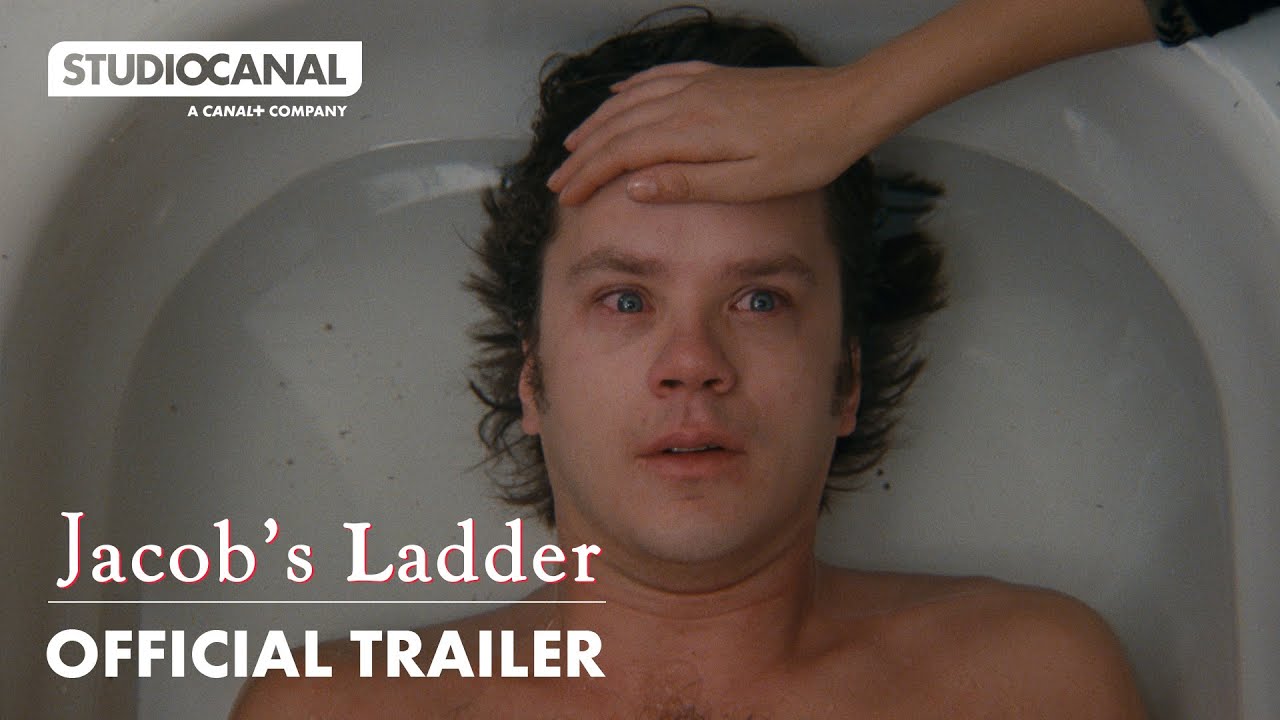
The narrative shifts to 1975 New York, where Jacob — now a civilian — is haunted by intrusive hallucinations. He shares a life with his girlfriend Jezebel (Elizabeth Peña) and is tormented by memories and visions that blur the line between past and present. Those visions include surreal set pieces (a subway sequence with a writhing tentacle among them) and intimate, painful recollections tied to his son Gabe (Macauley Culkin). At one point a lawyer (Jason Alexander) appears to investigate possible military experimentation on the unit, but that thread dissolves before it is resolved.

Adrian Lyne, whose 1980s work includes Flashdance and Fatal Attraction, brings a slick, music-video-inflected visual language to Jacob’s Ladder. Rather than exploiting sexuality, he adapts that glossy sensibility to uncanny ends: abrupt frame-rate shifts, distorted head movements and polished lighting convert everyday scenes into disquieting moments. Those techniques later echoed in other mainstream horror franchises.
Tonally the movie often resembles an extended, adult-oriented Twilight Zone episode: episodic, uncanny, and centered on a single subversive revelation. The film’s revelation is twofold. On the one hand, Jacob and his platoon may have been subjected to an experimental compound nicknamed “Ladder,” intended to intensify aggression — a wartime betrayal that reframes earlier events. On the other hand, the film’s final sequence reframes everything as one man’s passage: Jacob appears to ascend from a medic’s tent toward a stairway guided by his deceased son, implying that much of what we witnessed was an elaborate death vision.

That twist — the suggestion that the film unfolds on a deathbed — risks feeling familiar, especially when compared to later mainstream surprises like The Sixth Sense. Yet the device functions here because the film’s textures, performances and period details scaffold the unreality; the viewer is invited to accept prolonged ambiguity and to inhabit Jacob’s fractured consciousness.
More than three decades after its premiere, Jacob’s Ladder now reads as a period piece as much as a horror film. Its mixture of 1970s setting, 1980s aesthetic, and late-20th-century anxieties renders it a cinematic time capsule. While other Vietnam films committed to frontline realism or sociopolitical interrogation, Jacob’s Ladder approached the war’s aftermath obliquely — as psychic ruin, cinematic delirium, and, ultimately, a meditation on death and memory. A 2019 remake transposed the core concept to a different contemporary conflict, but the original’s particular combination of era, style and mood remains singular.
Source: Polygon
Related articles
 Ryan Reynolds’ “Mayday” receives positive reviews from critics
 Michael Keaton to Direct Western Starring Morgan Freeman
 “Daddy’s Daughters” wedding sequel to be released in 2027
 Halle Berry and Colin Firth to Star in New Rom-Com
 Netflix Begins Filming New Dan Brown Adaptation
 Spider-Noir series canceled after first season
 Actors cast as Dobby and Tom Riddle for Harry Potter season two
 International “Doker” Film Festival Kicks Off in Moscow