
25 Years Later, Adam Sandler’s Most Underrated Movie Deserves a Second Look

I frequently catch people off guard when I admit I’m not particularly fond of the early work of Jim Carrey or Adam Sandler. The manic, cartoonish characters that dominated the early ’90s — seen in films such as Ace Ventura, Billy Madison, Dumb and Dumber, and Happy Gilmore — rarely sit well with me. Still, by the mid-to-late ’90s both performers softened their comic impulses and began making films with more emotional ballast: The Cable Guy, The Truman Show, The Wedding Singer, Big Daddy, and others. Slotted between Big Daddy and the box-office hit Mr. Deeds sits Little Nicky, an often-maligned title that deserves a second look.
Directed by Steven Brill, Little Nicky arrived in theaters on November 10, 2000. It proved a commercial disappointment at the time — earning roughly $58 million against an estimated $80–85 million budget — and critics were largely unkind. Still, Adam Sandler’s triple role as star, co-writer, and producer, plus the film’s offbeat supporting ensemble, give it unexpected charms. As the movie reaches its 25th anniversary, it’s worth revisiting: beneath the pratfalls and grotesque gags there’s a cast and a streak of sincerity that many reviewers missed on first pass. (For those curious about tangential oddities, the movie even spawned a well-regarded Game Boy Color tie-in.)
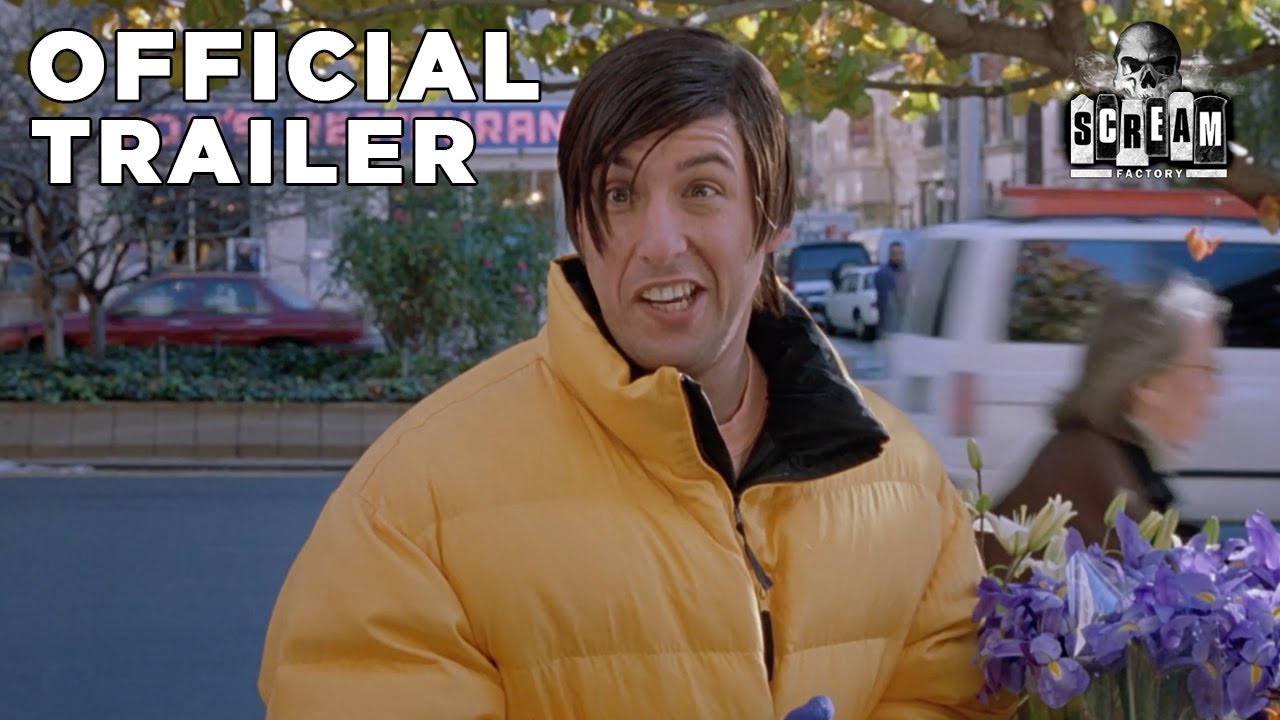
At its core, Little Nicky follows Nicky (Adam Sandler), the awkward, good-natured son of the antichrist, who must journey from Hell to New York to prevent his two wicked brothers from unleashing chaos on Earth. The story tracks his tentative education in human customs, his stumbles with romance, and the gradual discovery of an inner resilience. Nicky’s earnestness — at once clumsy and sympathetic — is the emotional through-line, while a parade of oddball allies and cameos provide the film’s comic texture.
The movie is unabashedly of its moment: an opening sequence centered on crude voyeurism, a parade of surreal visual gags, and a collection of rude, broad jokes that won’t land for every viewer. If that kind of humor isn’t appealing, Little Nicky is easily skipped. But for those willing to stay, the eclectic supporting cast lifts many scenes beyond Sandler’s familiar shtick.
 Photo: Myles Aronowitz/New Line Cinema
Rhys Ifans and Tommy “Tiny” Lister portray Nicky’s brothers, and their dynamic is one of the film’s liveliest elements — Ifans radiates campy menace while Lister’s physical presence gives the family menace a blunt force. Notably, Lister is the only Black member of the infernal family, a fact the film does not examine, but his charisma is undeniable. Ifans leans into flamboyance and costume, elevating scenes with a performative energy that often steals attention. The film also works in small turns from comic stalwarts, which add texture and familiarity to the proceedings.
Harvey Keitel, tasked with portraying the antichrist and ruler of Hell, brings an unexpected gravitas and warmth to the role — he becomes an affectionate, if unconventional, father figure to Nicky. Around them, several alumni from Sandler’s SNL-era network appear in brief but memorable parts: Kevin Nealon, Rob Schneider, and Dana Carvey pop up, and a cameo by Rodney Dangerfield as Nicky’s grandfather adds a nostalgic touch.
 Photo: Myles Aronowitz/New Line Cinema
One of Little Nicky’s strengths is how it foregrounds the chemistry of a loose-knit ensemble. Sandler regularly casts friends and collaborators, and that warmth — the feeling of a group of people riffing off one another — is one of the film’s greatest assets. When Nicky’s ragged band of allies finally gathers and shares ordinary moments, the movie reveals an unexpectedly tender core. Many comedies live and die on that kind of improvisational rapport; here, it’s what helps the film retain a measure of affection despite its uneven tonal choices.
The film’s tonal indecision is also its main flaw. Little Nicky frequently toggles between the outré, slapstick sensibility of Sandler’s earlier pictures and a more sincere, sentimental mode. That oscillation can make the movie feel unsettled — scenes that aim for poignancy are sometimes undercut by gross-out gags — yet the cast’s commitment often smooths the rough edges. In short, Little Nicky isn’t a flawless rediscovery, but revisiting it reveals more heart and imagination than its initial reputation suggests.
 Photo: Myles Aronowitz/New Line Cinema
Source: Polygon
Related articles
 Ryan Reynolds’ “Mayday” receives positive reviews from critics
 Michael Keaton to Direct Western Starring Morgan Freeman
 “Daddy’s Daughters” wedding sequel to be released in 2027
 Halle Berry and Colin Firth to Star in New Rom-Com
 Netflix Begins Filming New Dan Brown Adaptation
 Spider-Noir series canceled after first season
 Actors cast as Dobby and Tom Riddle for Harry Potter season two
 International “Doker” Film Festival Kicks Off in Moscow