Under the Hood: Improved Material System
With the release of the 1.60 update, we introduced the Improved Material System for select trucks across both Euro Truck Simulator 2 and American Truck Simulator. Today, we invite you behind the curtain to discover how this innovative feature came to fruition!

The driving forces behind this project are our colleagues Daniel and Martin, who spearheaded the implementation of the system for trucks in both simulation titles, as well as for passenger vehicles in the upcoming Road Trip project for American Truck Simulator.
Daniel – Vehicle Technical Leader
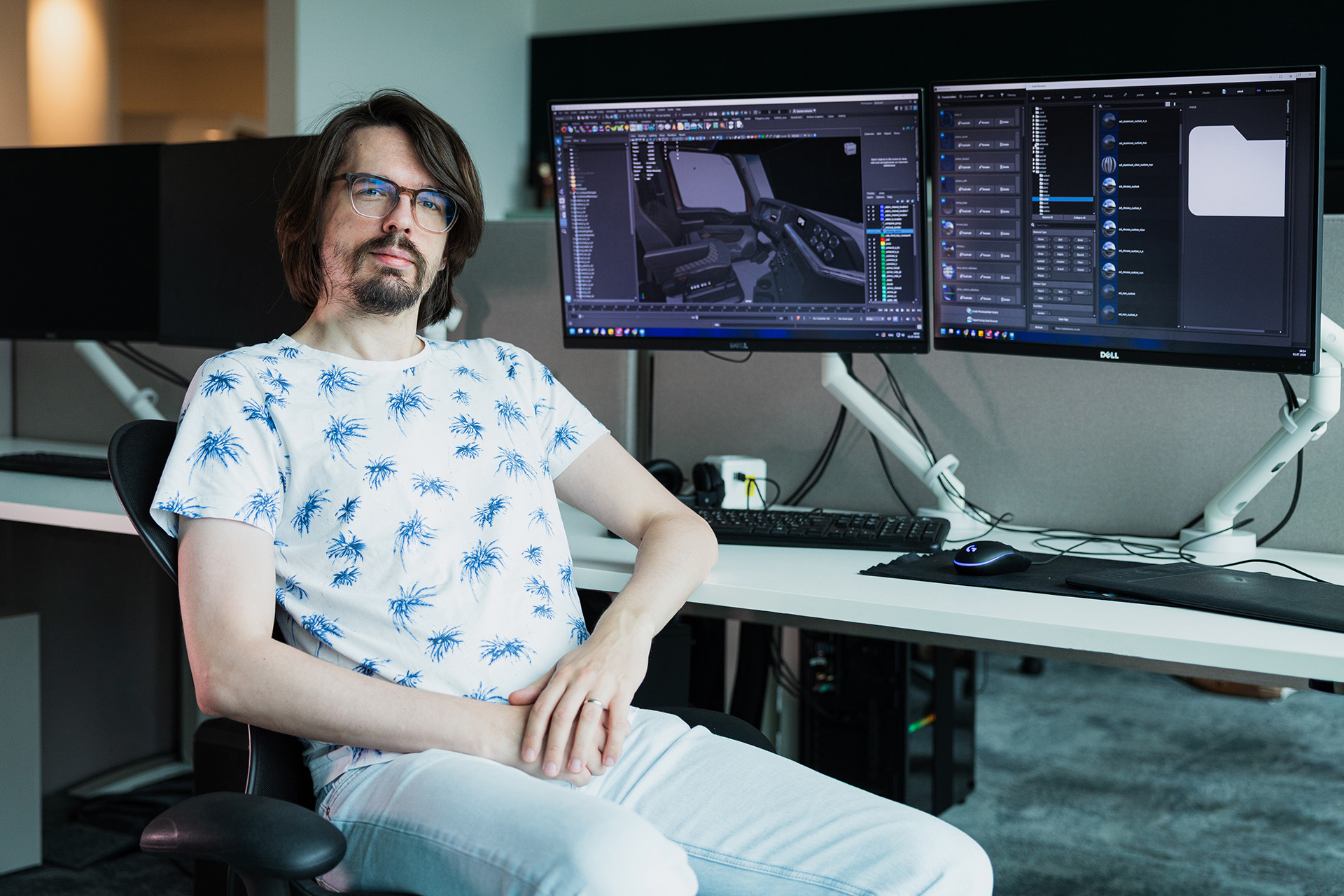
“I have been a part of SCS Software for over thirteen years. My journey began as a 3D Generalist before transitioning into a 3D Vehicle Artist and Vehicle Team Lead. Today, I serve as the Vehicle Technical Leader.
My daily responsibilities bridge the technical and artistic dimensions of development. I collaborate closely with programmers to integrate advanced vehicle mechanics into our game engine while helping artists establish streamlined workflows. I also design specialized tools and architectural enhancements.
For the improved material system, my objective was to diagnose existing visual limitations, formulate an effective solution, and partner with programmers to weave it into the engine. Following that, we established practical pipelines for the vehicle team to ensure consistent application across all models. Programmers built the essential framework within the engine and shaders, allowing our graphic designers to convert and fine-tune materials for specific trucks.”
Martin – Senior 3D Graphic Designer
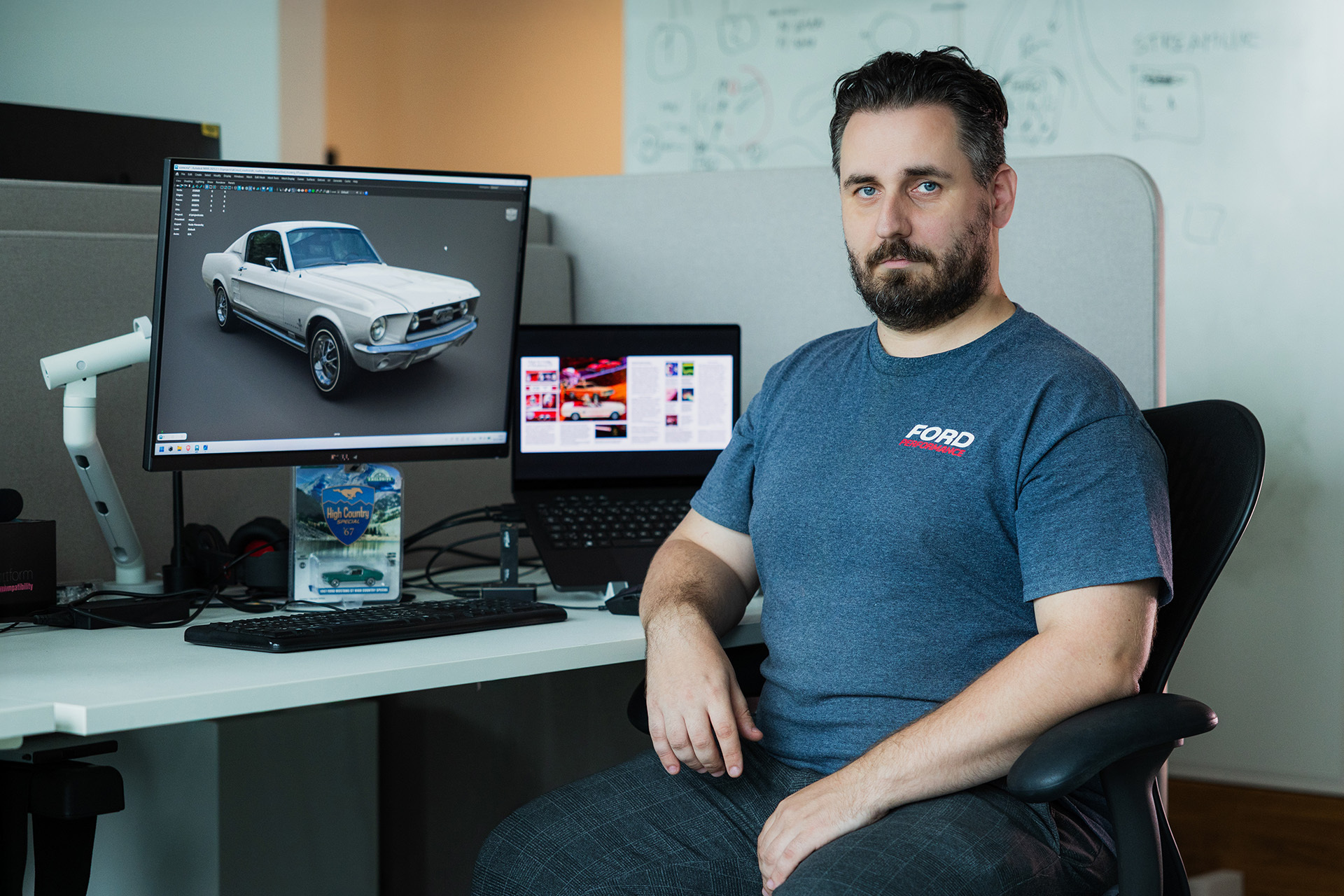
“I work as a Senior 3D Graphic Designer with a primary focus on vehicles, and I previously served as Head of Content for the Road Trip project. My duties included vehicle selection, variant curation, historical research, pre-production, expert consultation, and the physical asset creation. I also worked alongside Dan to refine adjustments to the new material system.
Automobiles have been a lifelong passion of mine—particularly sports cars, classics, and iconic American models. This background allowed me to infuse the project with authentic knowledge of American automotive culture, history, and engineering evolution.
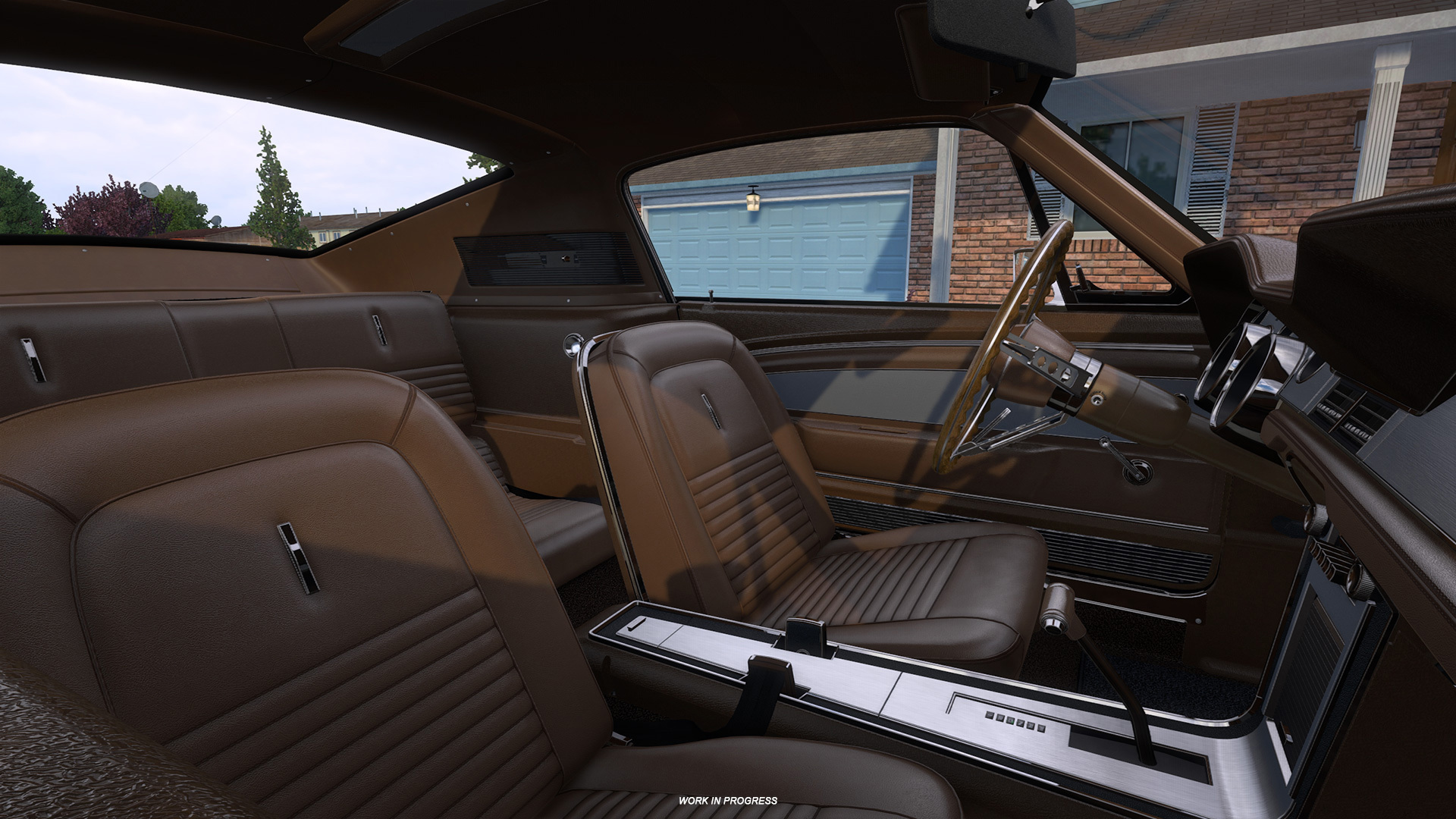
My primary focus centered around the 1967 Ford Mustang, managing every facet of its visual preparation. This involved choosing the exact model and trim, conducting exhaustive reference research, consulting during data acquisition, and constructing the final 3D model and its material shaders.
During the iteration phase of the new material system, I tested and calibrated individual surfaces on the Mustang. Dan and I utilized this classic vehicle as a benchmark to evaluate how the new technical framework performed in real-world scenarios and which parameter values yielded the most convincing results.”
How did this project originate?
“Development kicked off while we were immersed in the Road Trip project. Because automobile interiors are inherently more compact and enclosed than truck cabins, the shortcomings of our legacy rendering system became glaringly obvious,” Daniel explains.
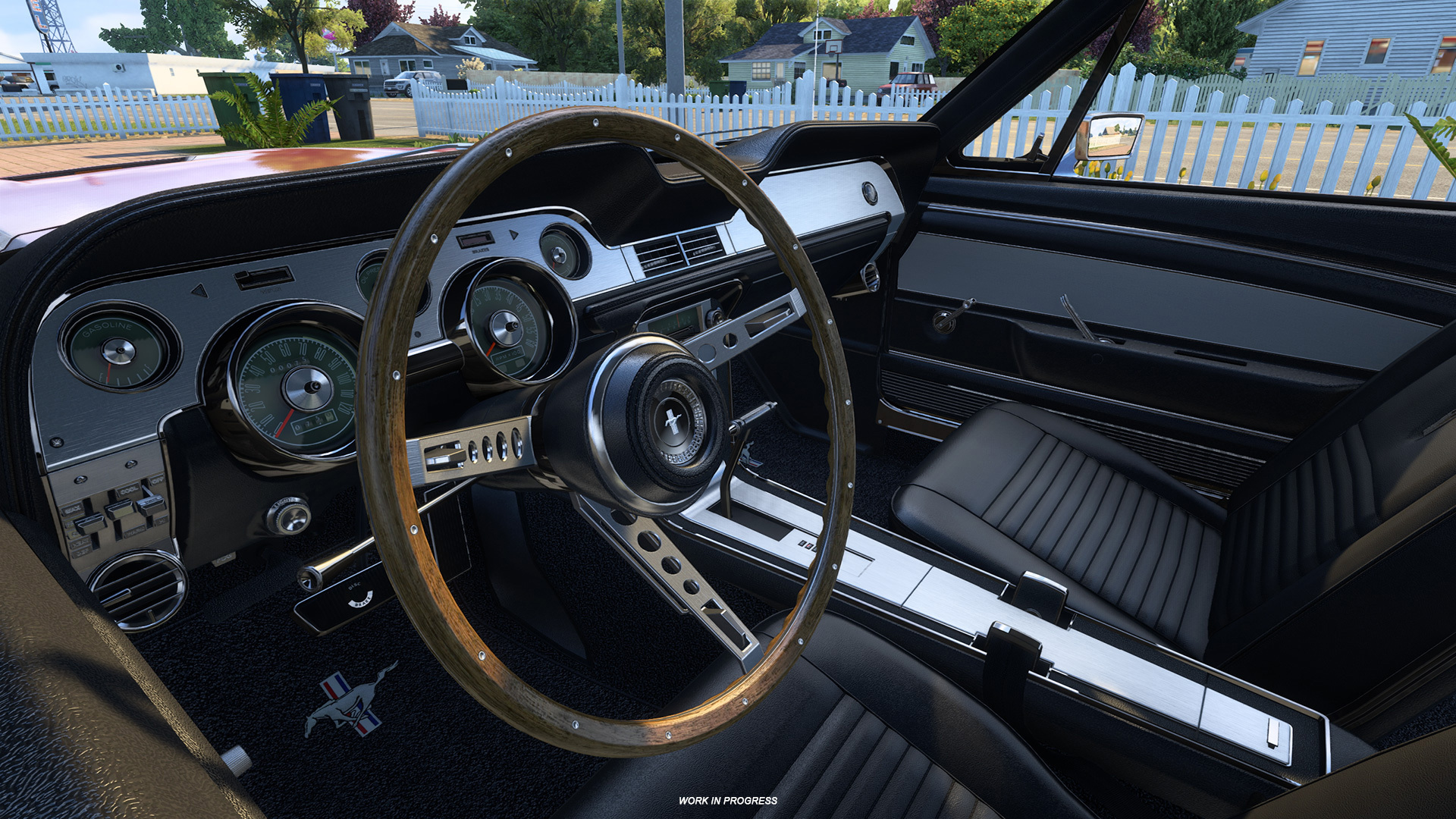
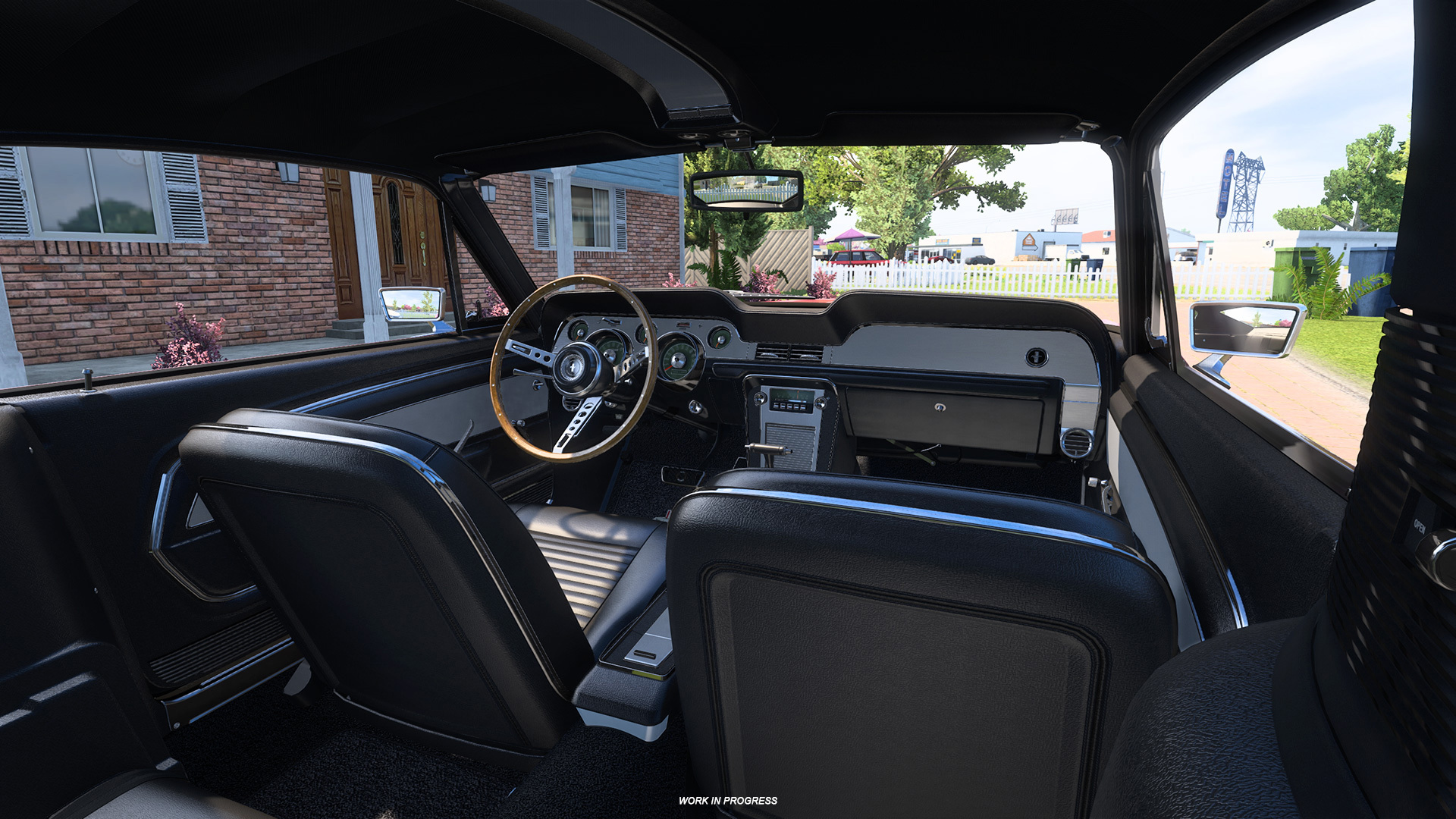
Beyond direct illumination, the older system lacked any capability to simulate indirect or bounced light (Global Illumination) inside cabins. The engine simply wasn’t built to process those phenomena. We knew an overhaul was mandatory.
The secondary obstacle was material diversity. Truck interiors feature an array of distinct textures—fabric, leather, matte plastic, painted panels, raw metals, and glass. The legacy pipeline struggled to render these surfaces accurately under indirect light, causing everything to appear flat and lifeless.
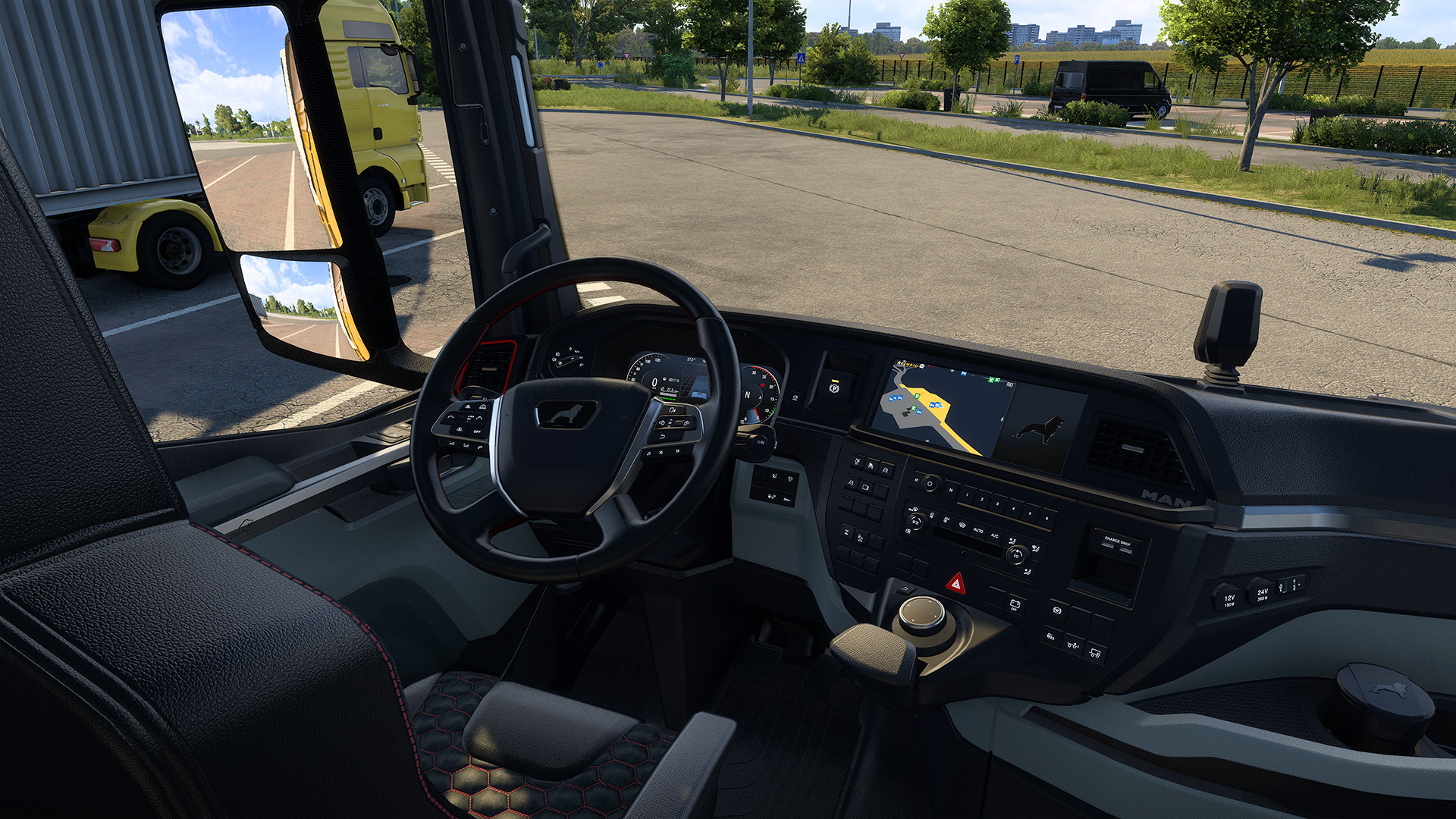
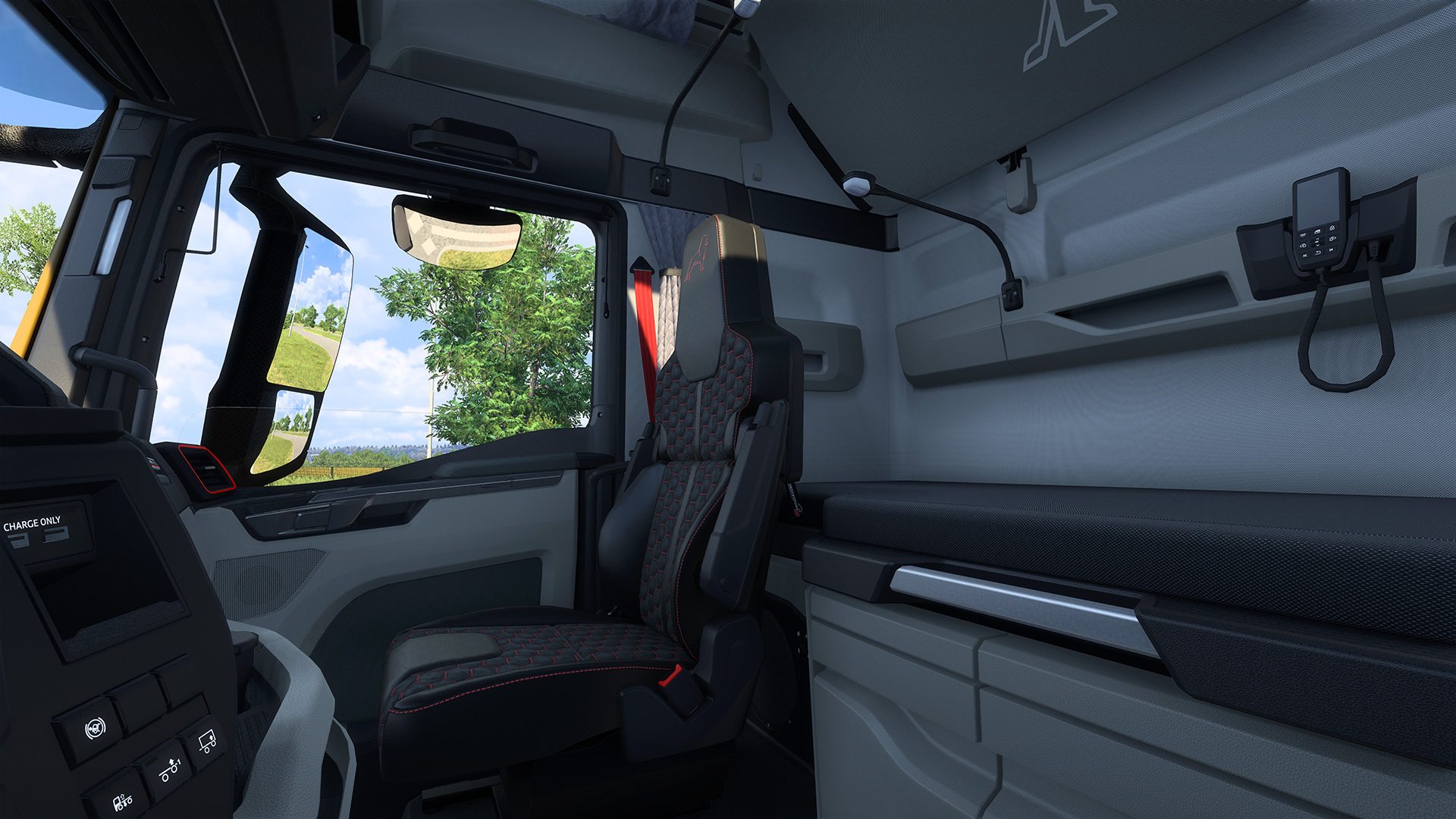
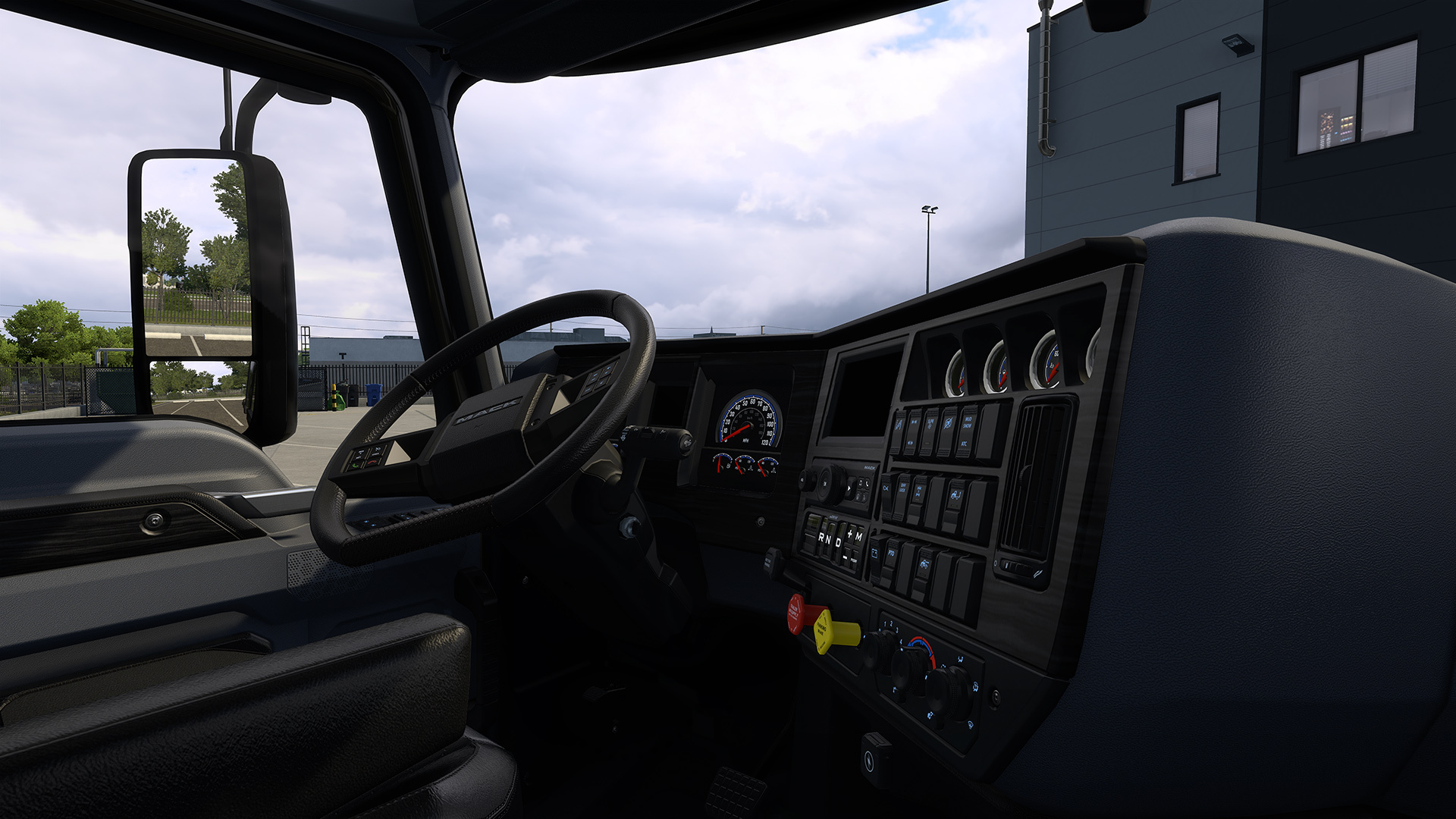
“The Road Trip initiative gave us a controlled, isolated sandbox for experimentation. However, from day one, we engineered the system with modularity in mind so it could seamlessly scale up to our truck fleets,” notes Daniel.
What preparation was required before implementing the system?
“We had to conduct deep, comprehensive research into the target vehicles and their interior components. I analyzed period magazines, archival photographs, manufacturer documentation, and specific trim specifications. While gathering assets, we even managed to inspect a physical model in person, interview the owner, and meticulously photograph its construction,” Martin shares.
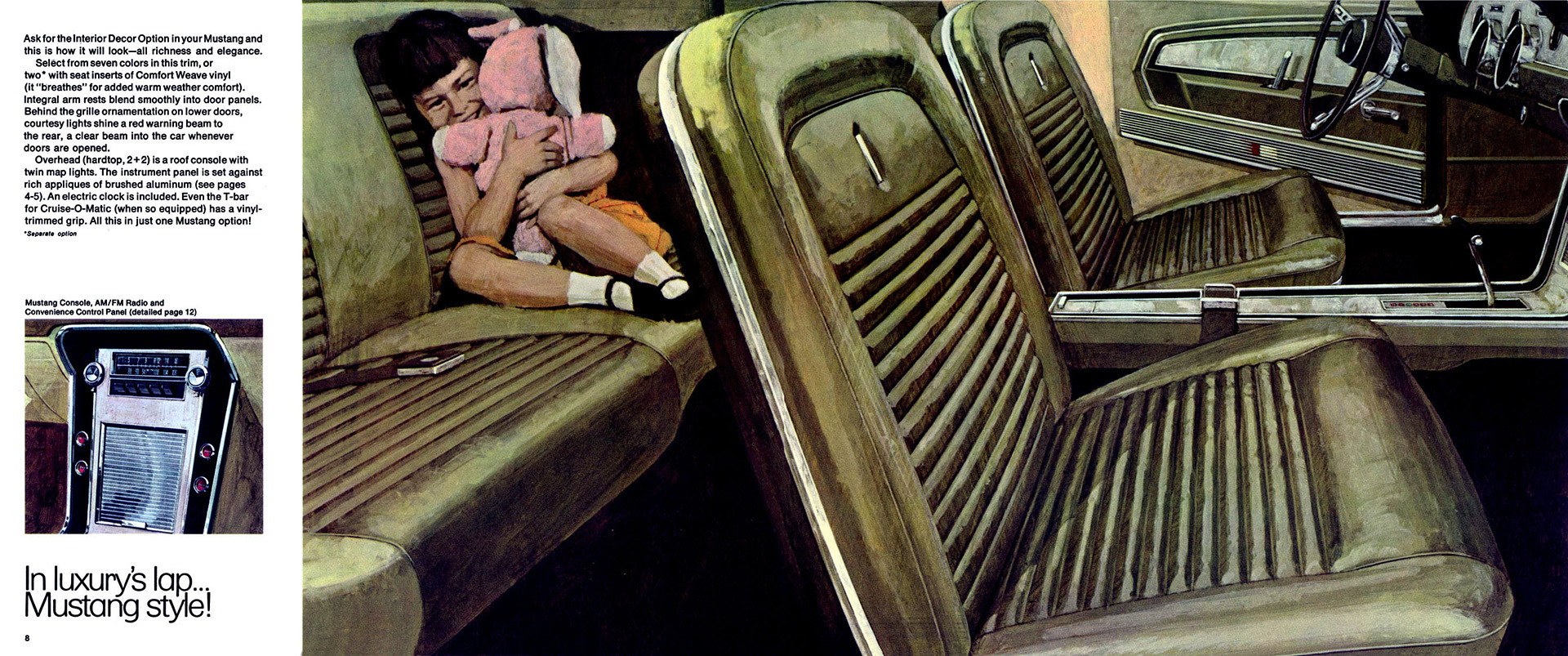
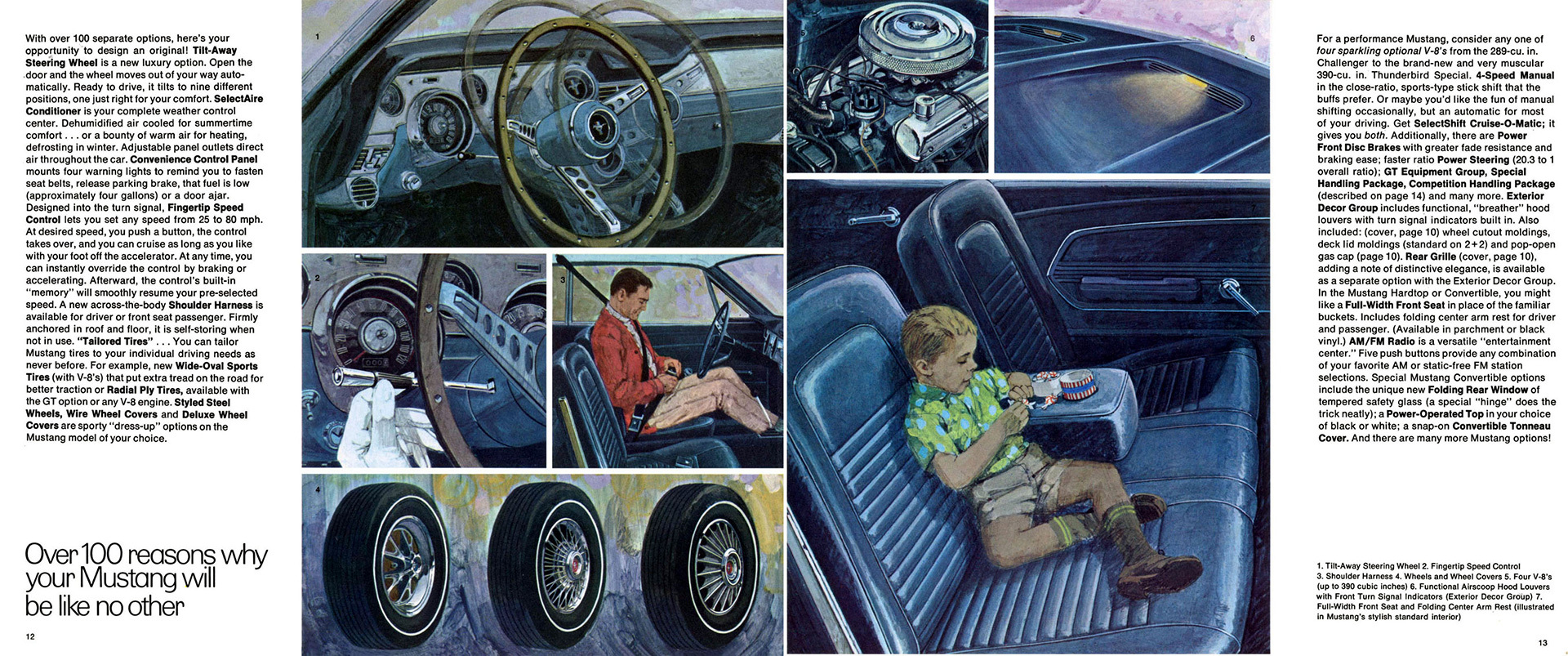
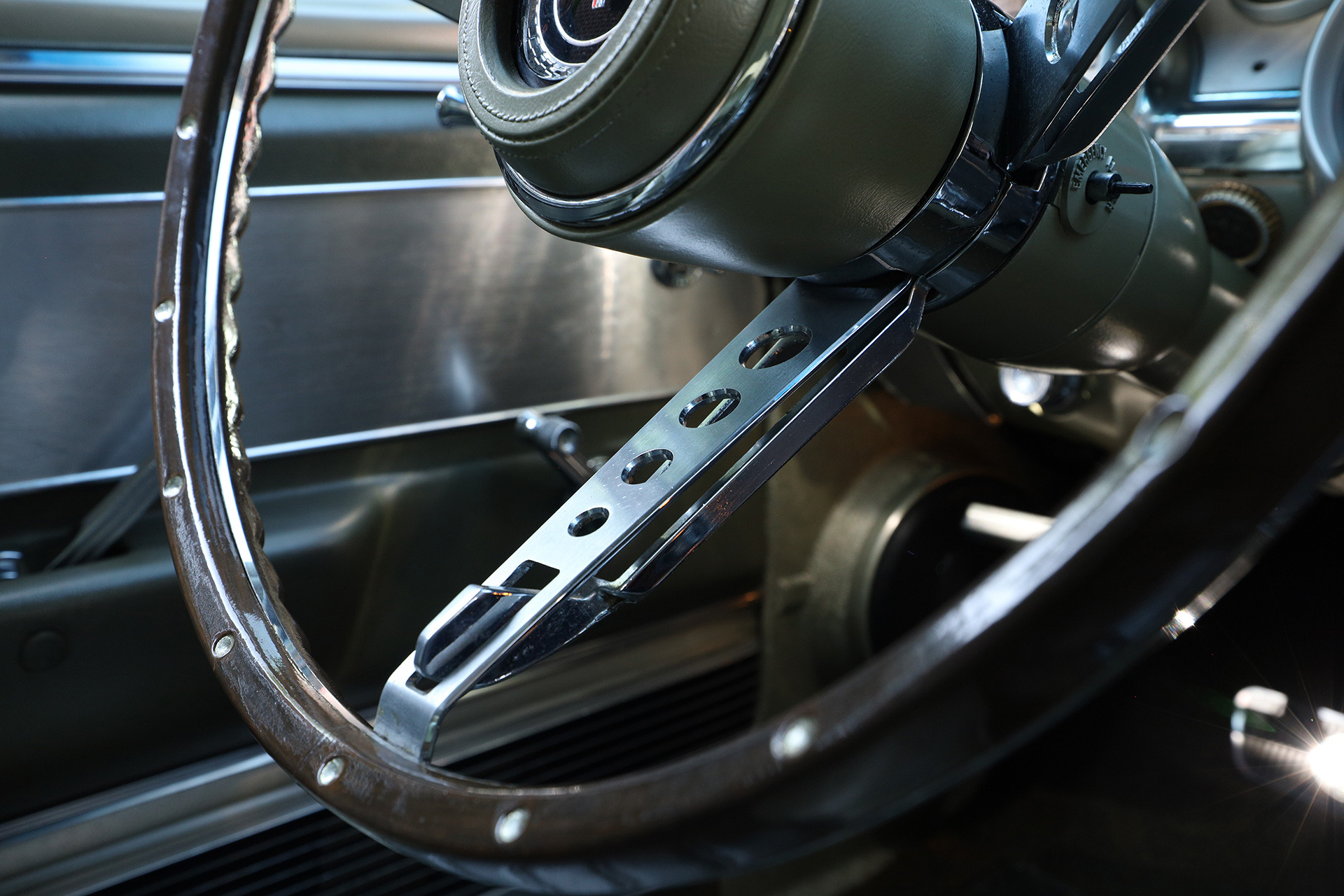
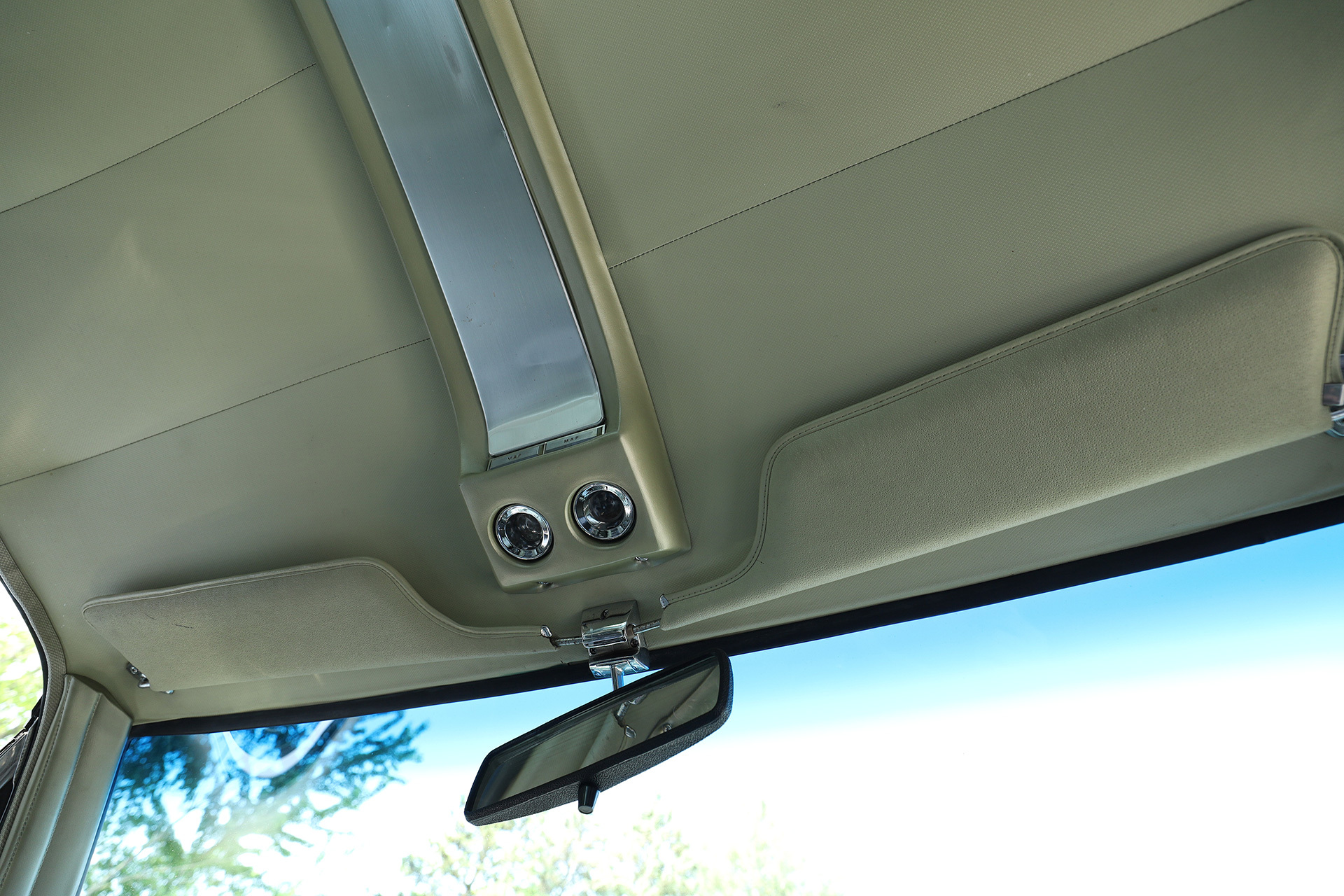
“Identifying that a dashboard component was made of plastic or leather wasn’t enough. We needed to understand micro-surface textures, gloss indices, light reflection properties, wear patterns, exact color hues, and variations between individual parts. This meticulous investigation formed the baseline against which all in-game assets were judged.”
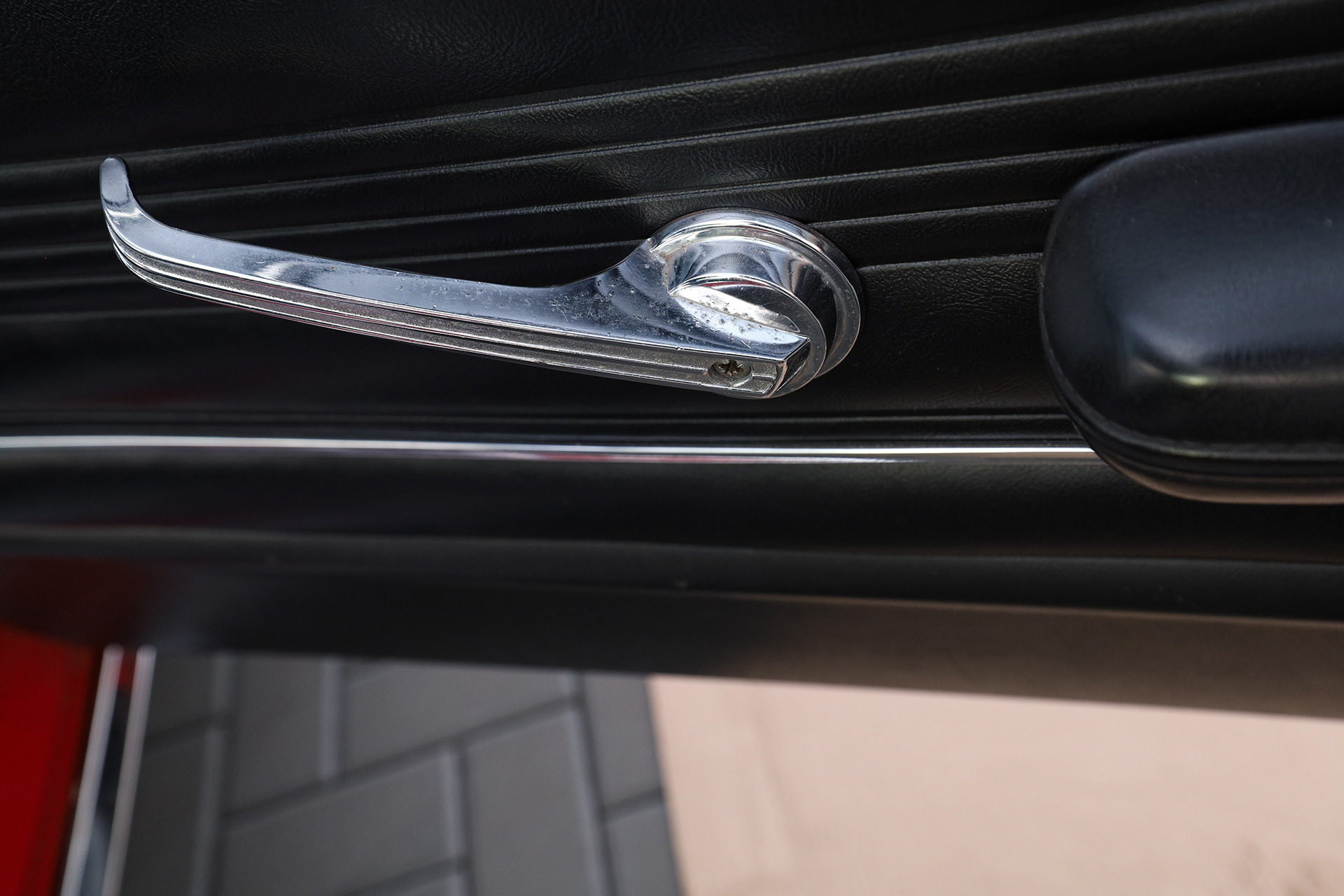
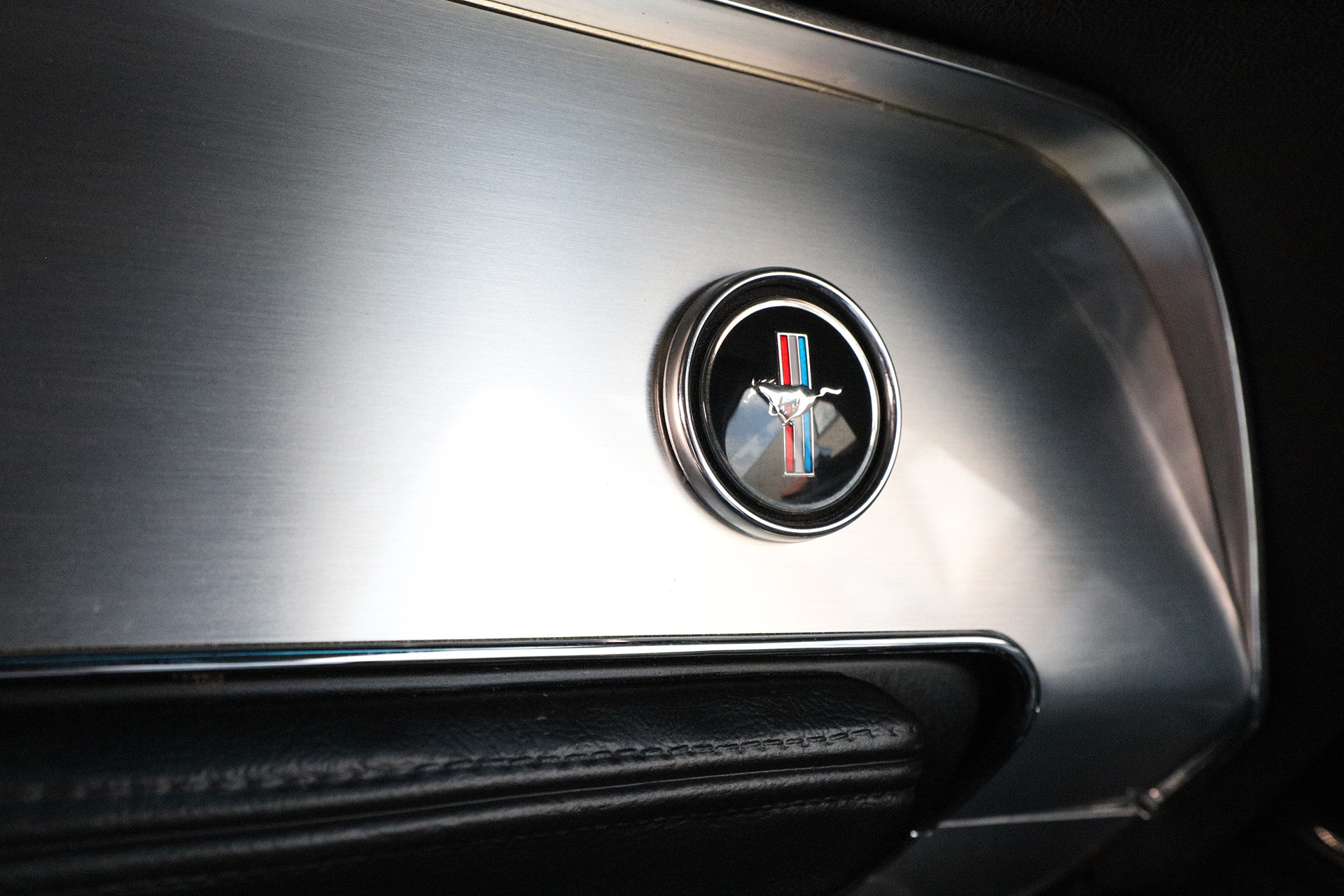
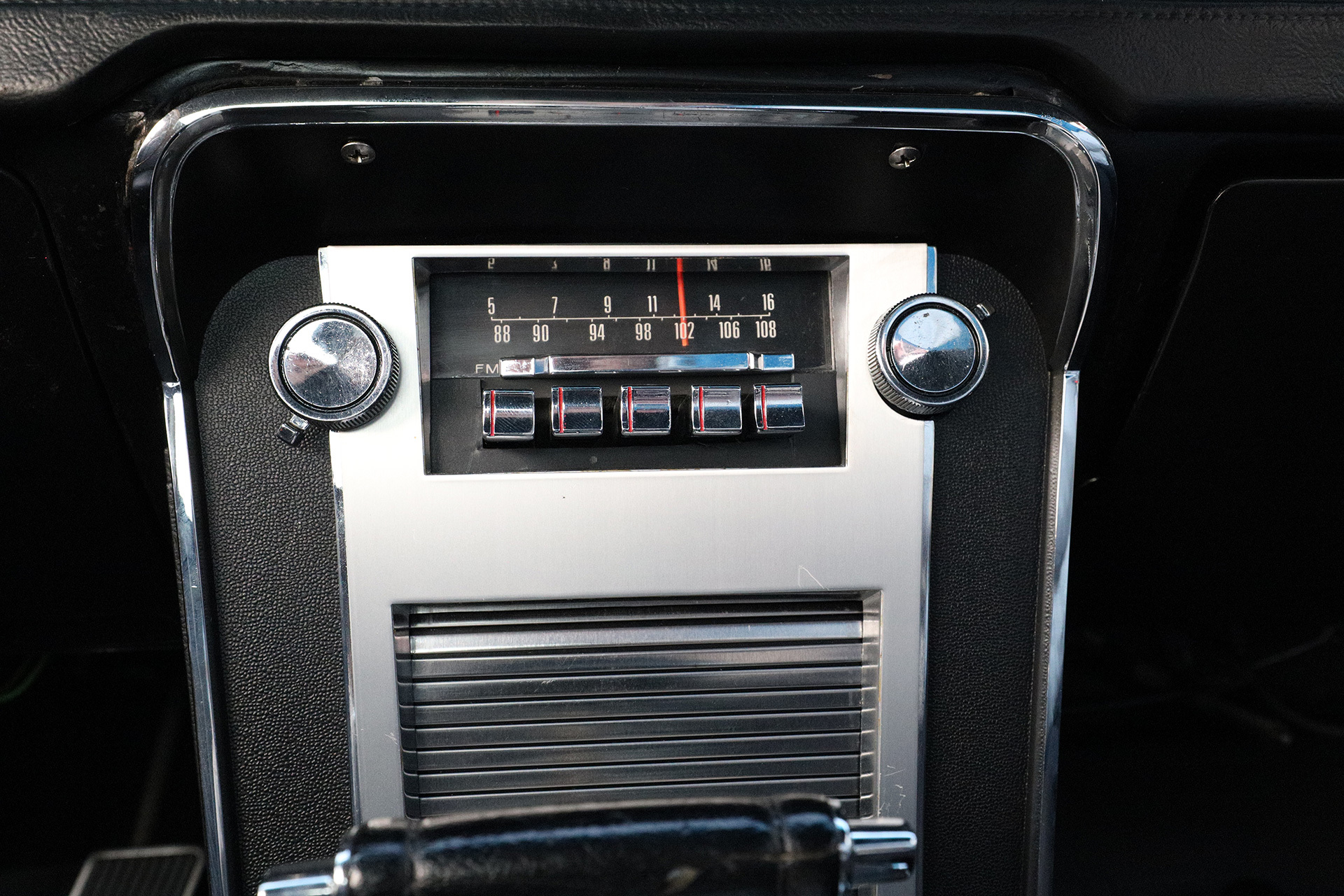
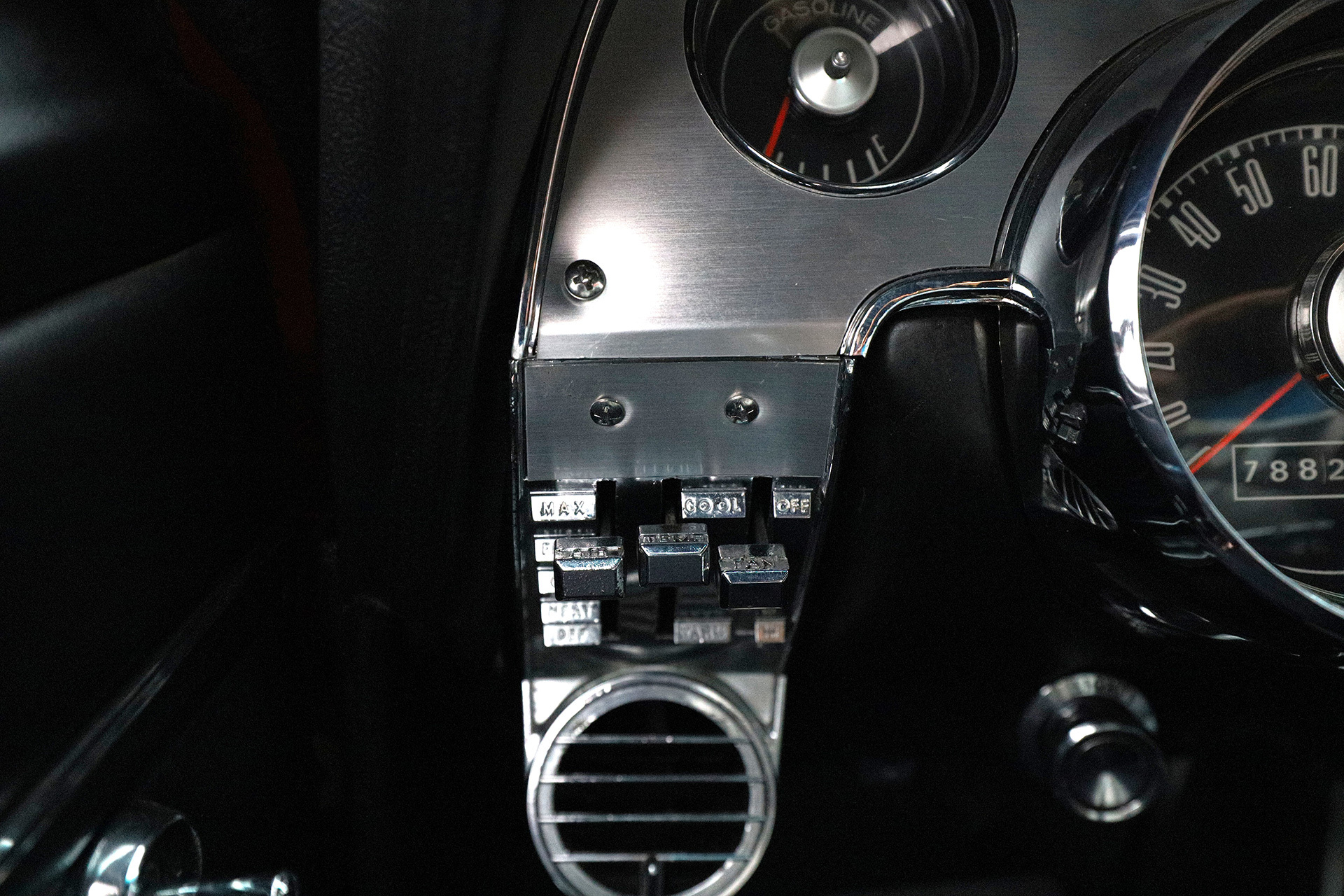
“We also had to plot our strategic direction. Maintaining high performance was a non-negotiable requirement, so we avoided computationally heavy ray-tracing alternatives in favor of clever, lightweight techniques that delivered maximal visual payoff. I believe our solution achieves a monumental graphical upgrade with a virtually negligible performance penalty,” Daniel adds.
How did the technical integration unfold?
“We rewrote engine procedures regarding how reflective textures are loaded and managed. A reflective texture is essentially a cube map where each face captures environmental reflections relative to the viewer’s perspective. Utilizing this approach is far more performant than calculating real-time ray intersections.
We modified our codebase to gain direct access to individual mipmaps. Typically, mipmaps are scaled-down image variants deployed at distance to eliminate shimmering and texture aliasing. In our scenario, however, lower-resolution mipmaps naturally produce softer, more diffuse reflections ideal for rough, non-mirror surfaces.”
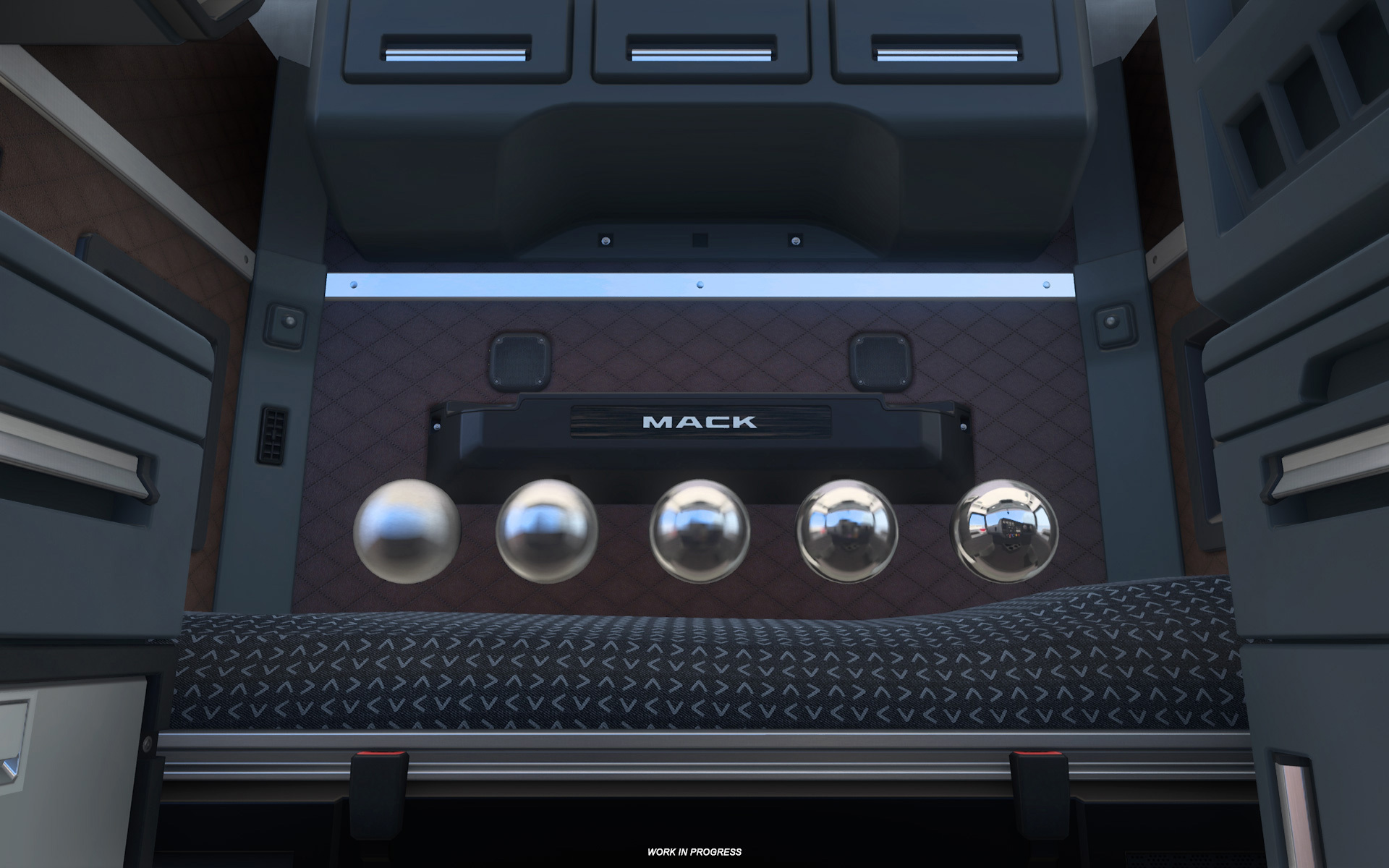
“Through this method, we generated a spectrum of reflection sharpness: from highly polished chrome down to soft, matte leather and abrasive fabrics—where the reflection cube map scales down to a mere 2×2 pixels. In practice, this functions similarly to an irradiance map, subtly casting ambient environmental colors onto the material without incurring heavy computational costs.
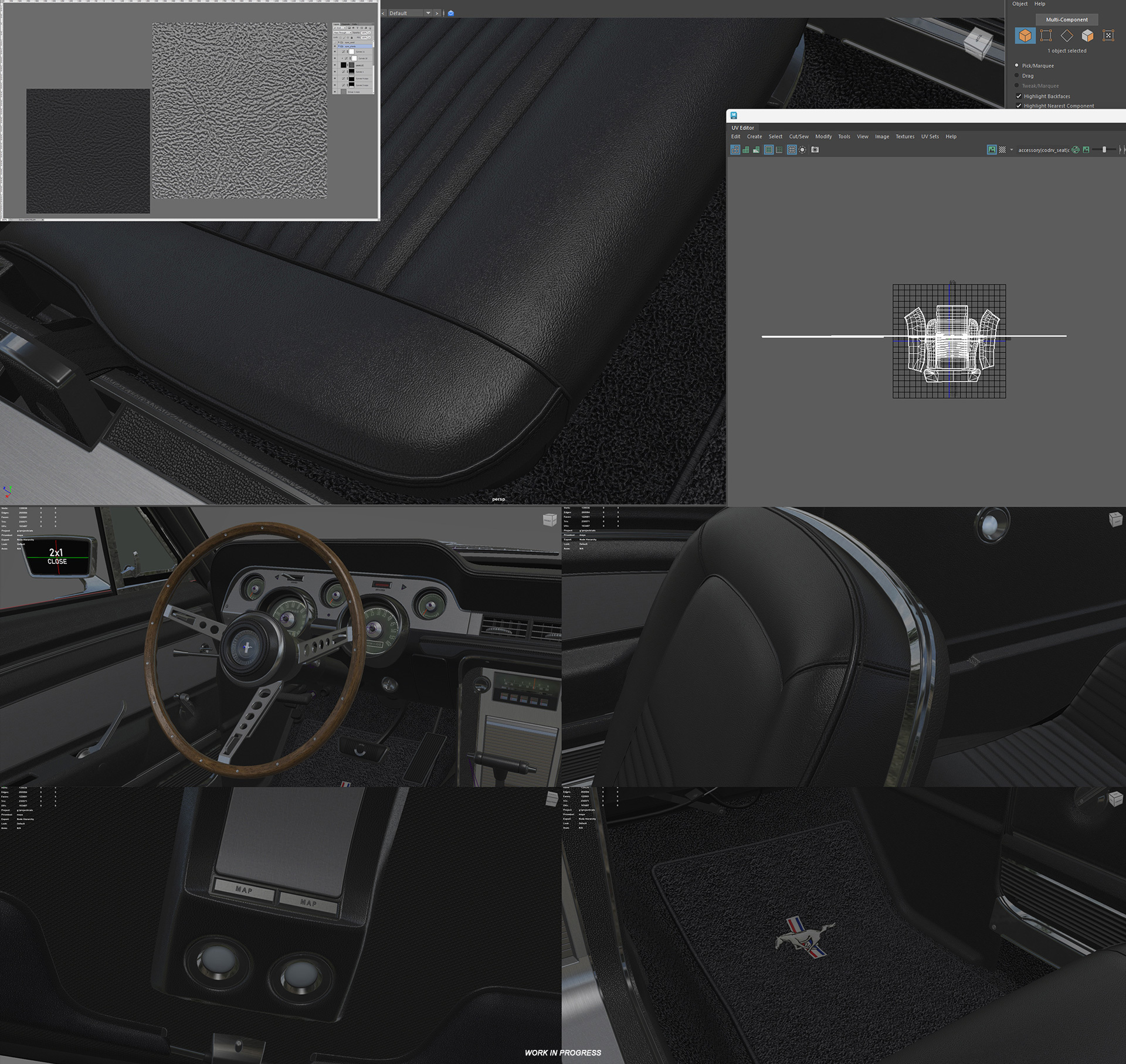
Alongside these material alterations, we rebalanced contrast and global lighting parameters to eradicate overly dark shadows and cultivate a lifelike ambiance. Unlike legacy systems that applied reflections strictly to reflective metals, the updated pipeline assigns a reflective texture to *every single interior surface*. However, intensity and roughness parameters differ wildly per material.
Consequently, low-reflectivity surfaces—like dashboard plastics—now actively react to their surroundings. If you drive past a row of trees, the cabin elements near the windows pick up a delicate green hue. This breathes organic realism into the simulation without relying on expensive global illumination loops.
Once the underlying technology matured, we systematically calibrated every material property. Because every surface now possesses reflective characteristics, we had to rebalance specular and color components against standardized parameters established during our R&D phase.”
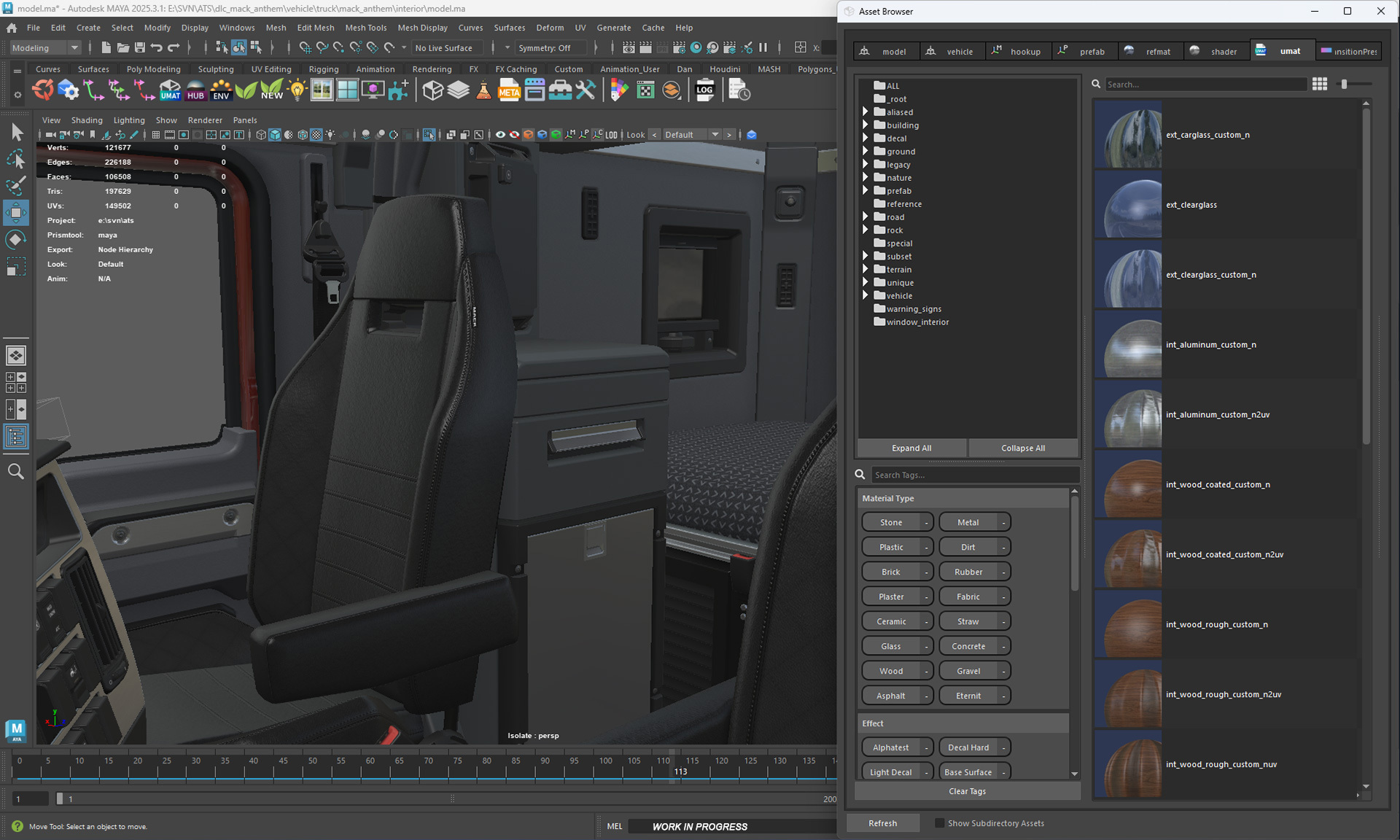
“The final pillar of system rollout was constructing a unified material library, freeing us from having to manually configure individual parameters for every single vehicle,” Daniel elaborates.
What were the primary hurdles during development?
“The sheer diversity of our vehicle roster posed the greatest challenge. Trucks were built across different eras using disparate source assets, textures, and shading pipelines. No universal conversion script could handle every model; each cabin demanded bespoke attention,” Daniel notes.
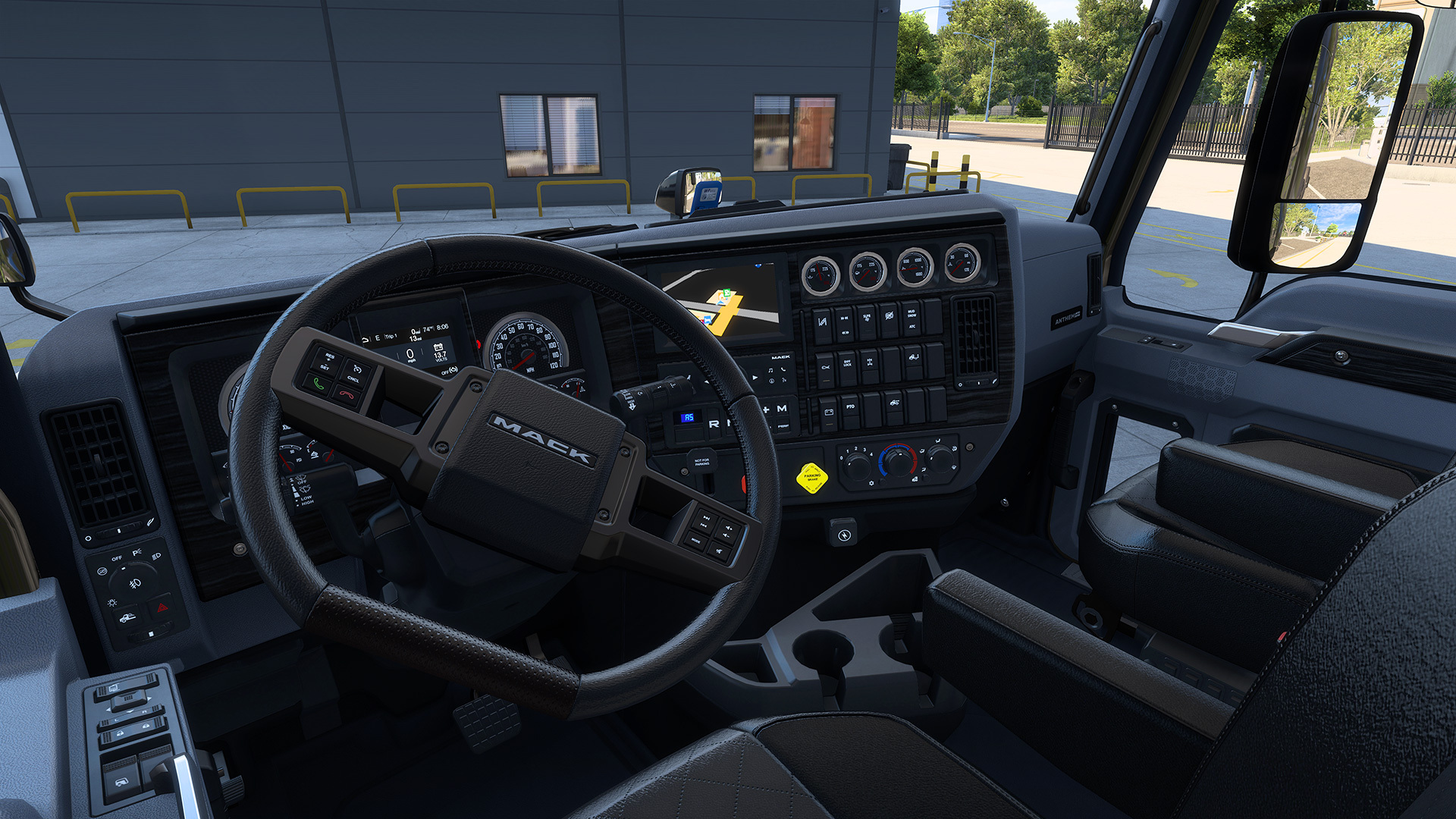
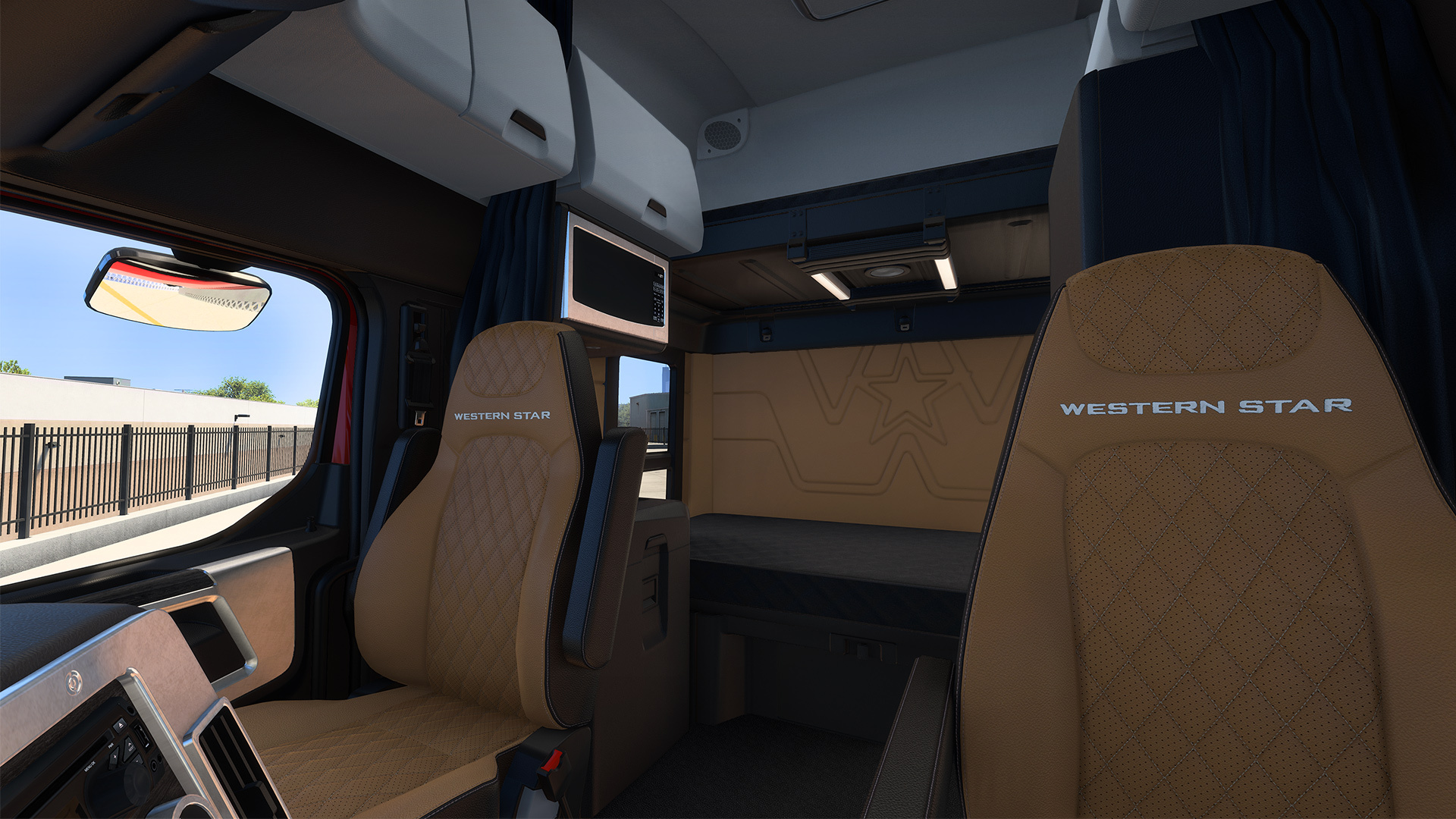
“Furthermore, material properties are deeply interconnected. Tweaking reflectance or roughness to improve one surface might inadvertently cause aberrant behavior under different lighting conditions. A dashboard element looking pristine in midday sun might suddenly appear excessively glossy during a midnight drive. Achieving equilibrium between visual fidelity, readability, and consistency was an ongoing tightrope walk.
We iterated on numerous workflows repeatedly. Ultimately, this effort yielded not just assets for a single car, but a robust set of standards that will accelerate all future vehicle developments.
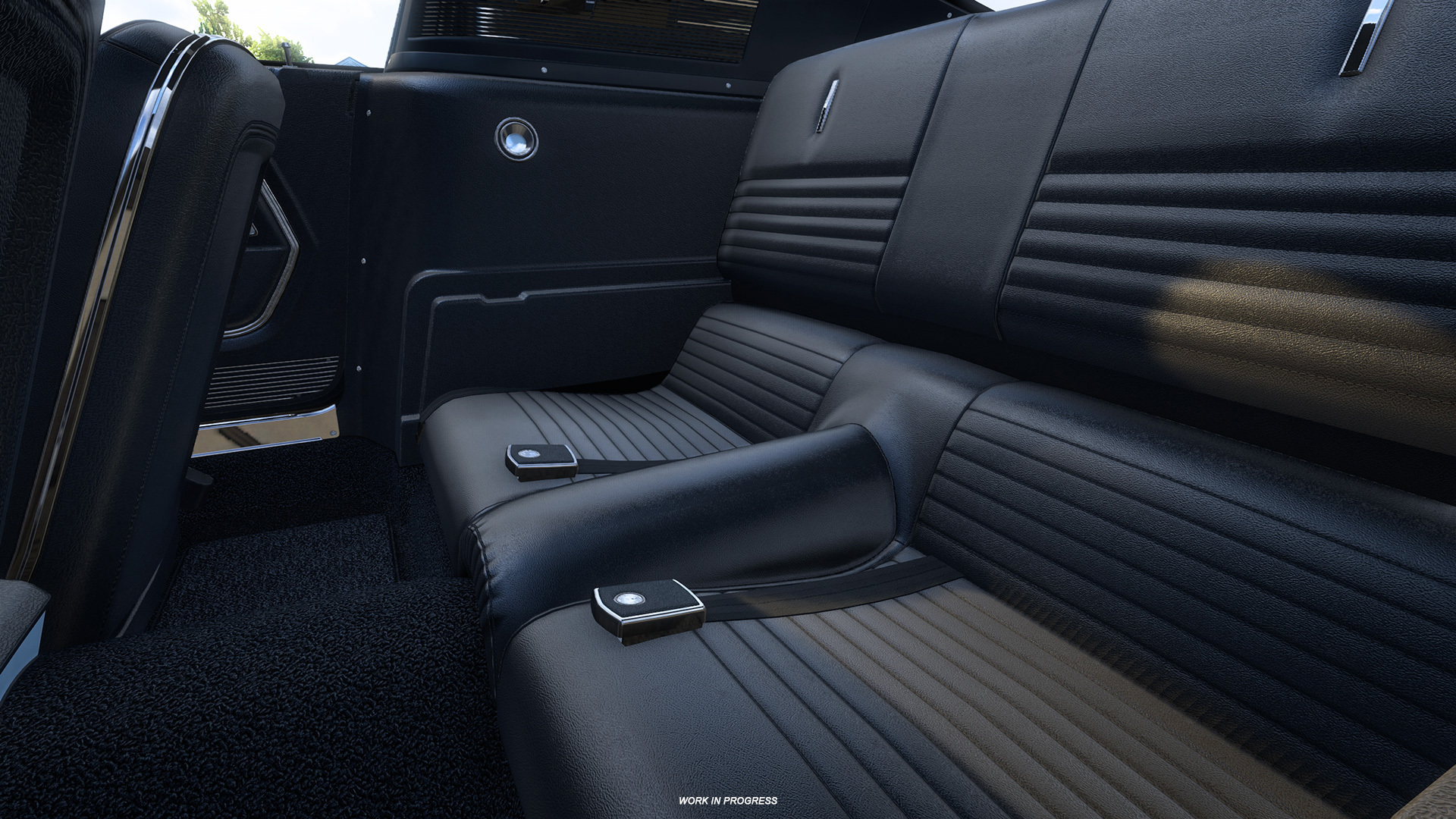
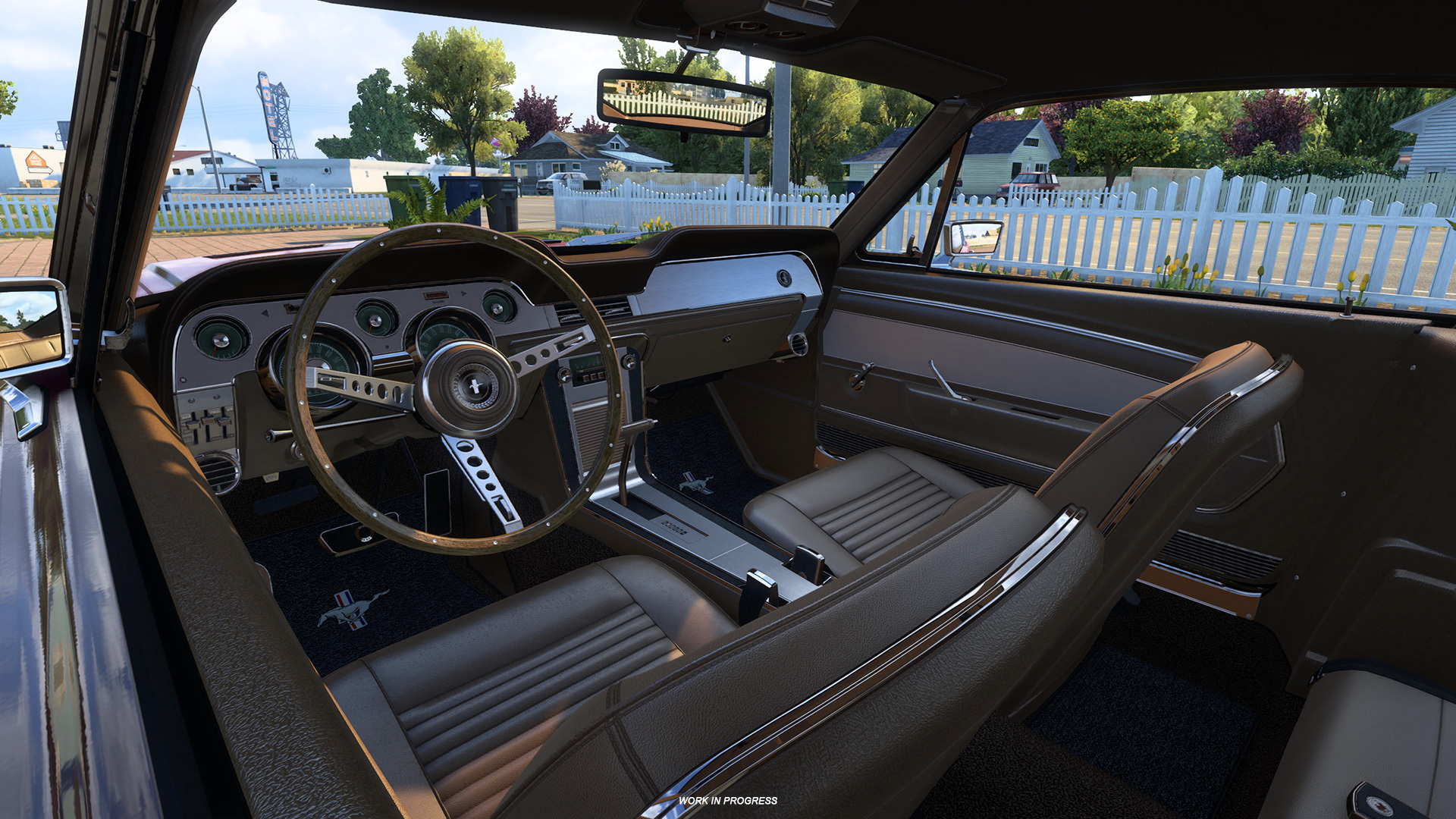
The path wasn’t linear. We couldn’t just punch numbers into a spreadsheet; we had to discover optimal values through relentless trial and error directly inside the game engine,” Martin adds.
How did you maintain optimal frame rates despite these upgrades?
“Our community runs an exceptionally broad spectrum of hardware configurations. We refused to ship visual enhancements that would tank performance or alienate players with modest rigs. Therefore, our system avoids heavy simulation math, instead expanding our existing rendering pipeline to utilize cached data intelligently.
Performance was continuously monitored throughout production. Moreover, the system scales gracefully: even on medium or low graphics presets—where real-time dynamic reflections may be scaled back—distinct material differentiation and surface realism are preserved,” Daniel explains.
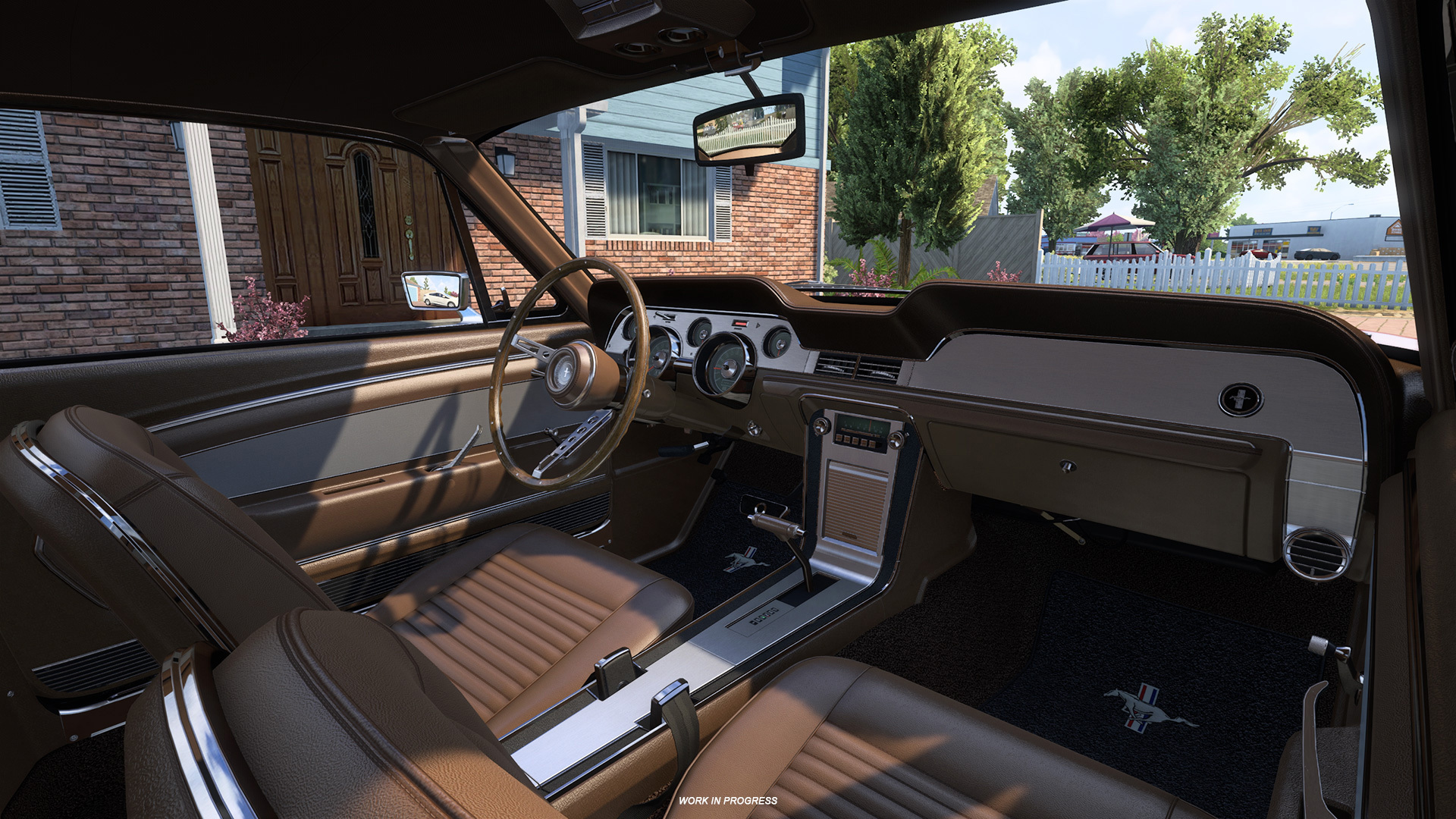
Thus far, we have deployed the improved material system across four trucks in ETS2 and ATS. Rather than withholding the feature until every single vehicle in our massive catalog is retrofitted, we are rolling it out progressively so you can enjoy enhanced visuals now while we complete the rest.
As Daniel outlines: “Every truck requires custom adjustments, visual audits, and rigorous testing across sunny skies, torrential rain, heavy overcast, and night driving conditions. Updating our entire fleet simultaneously was simply impossible. Starting with this initial cohort allows us to validate our pipeline, safeguard quality standards, and incorporate community feedback.”
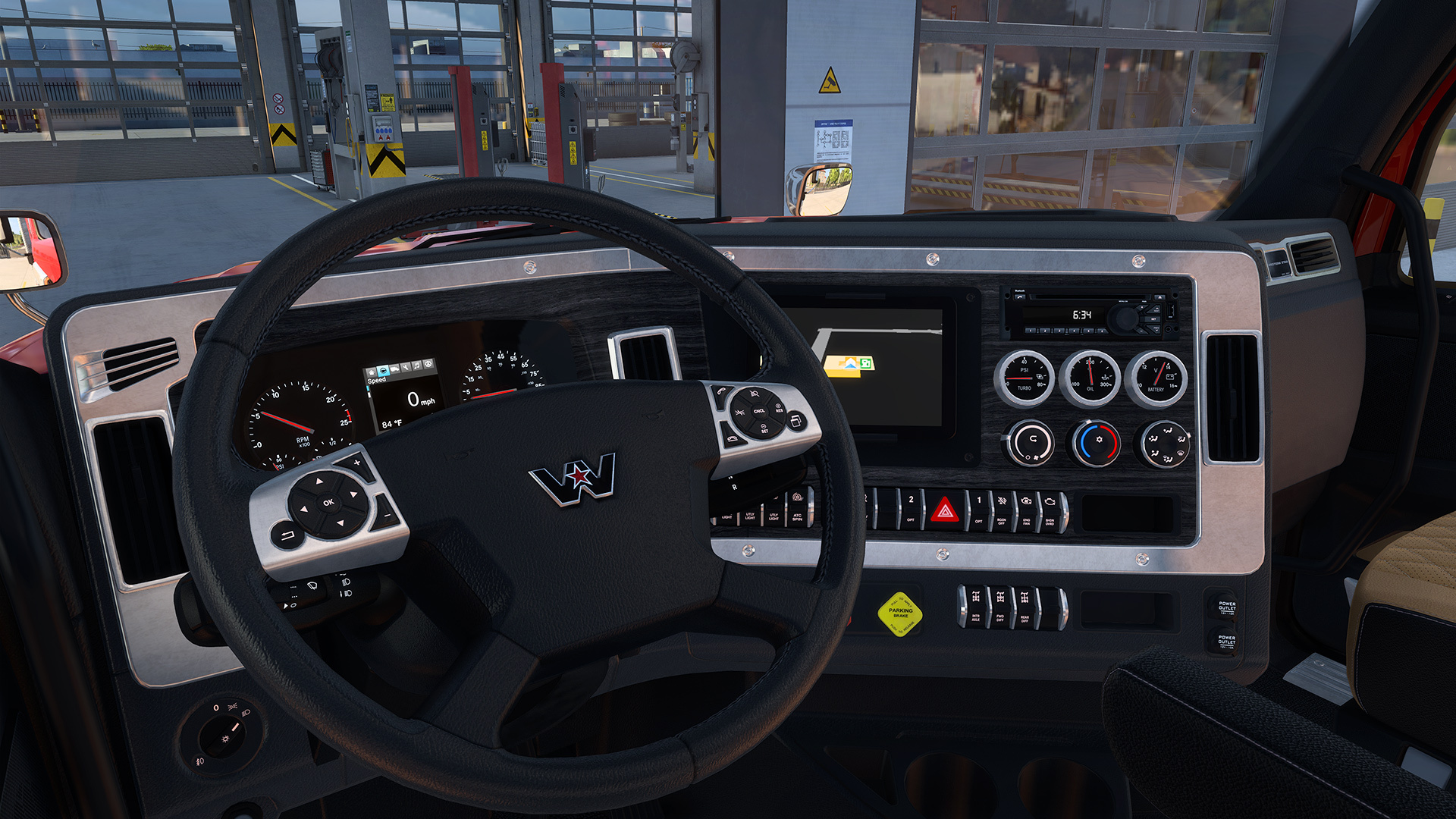
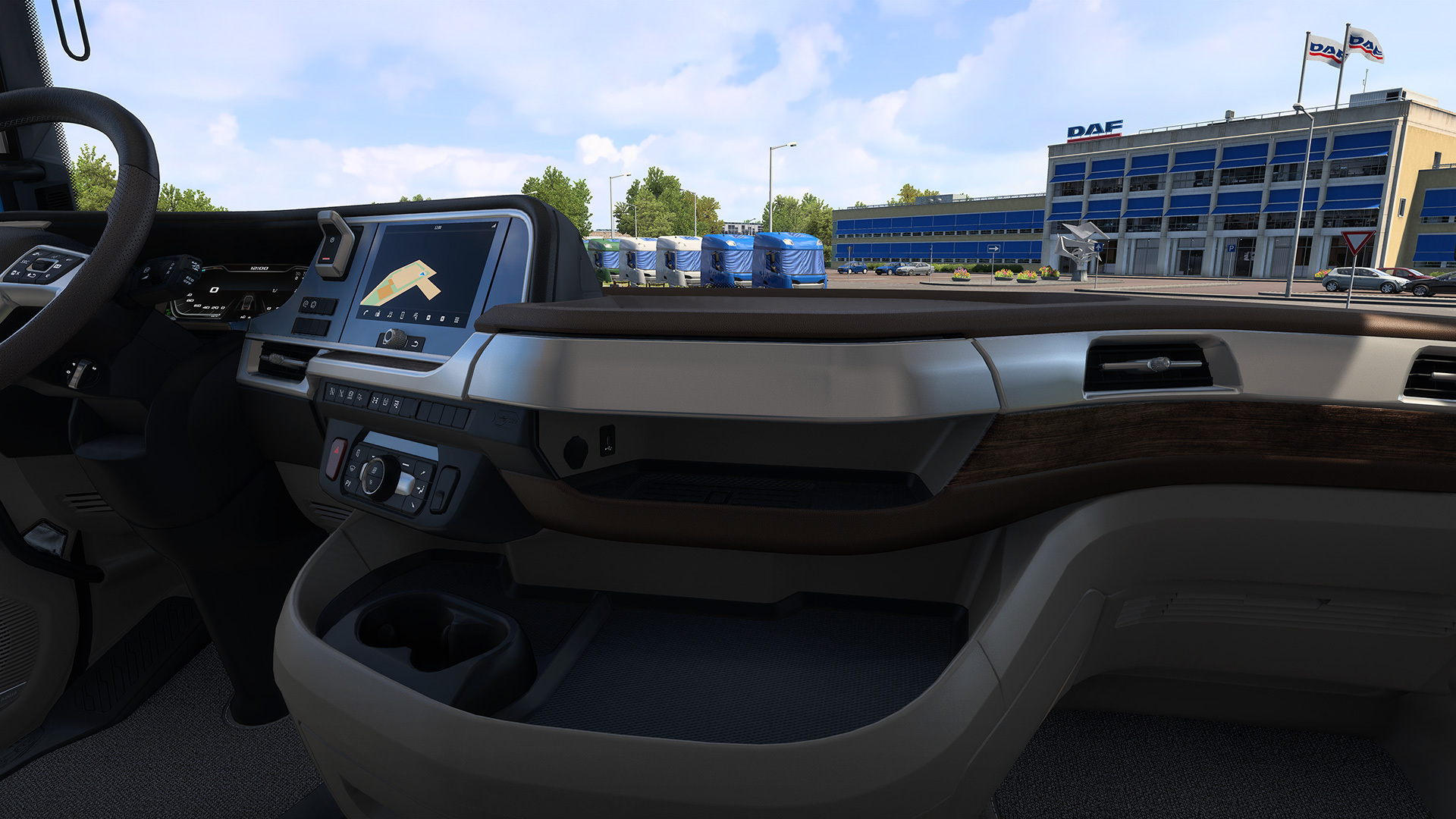
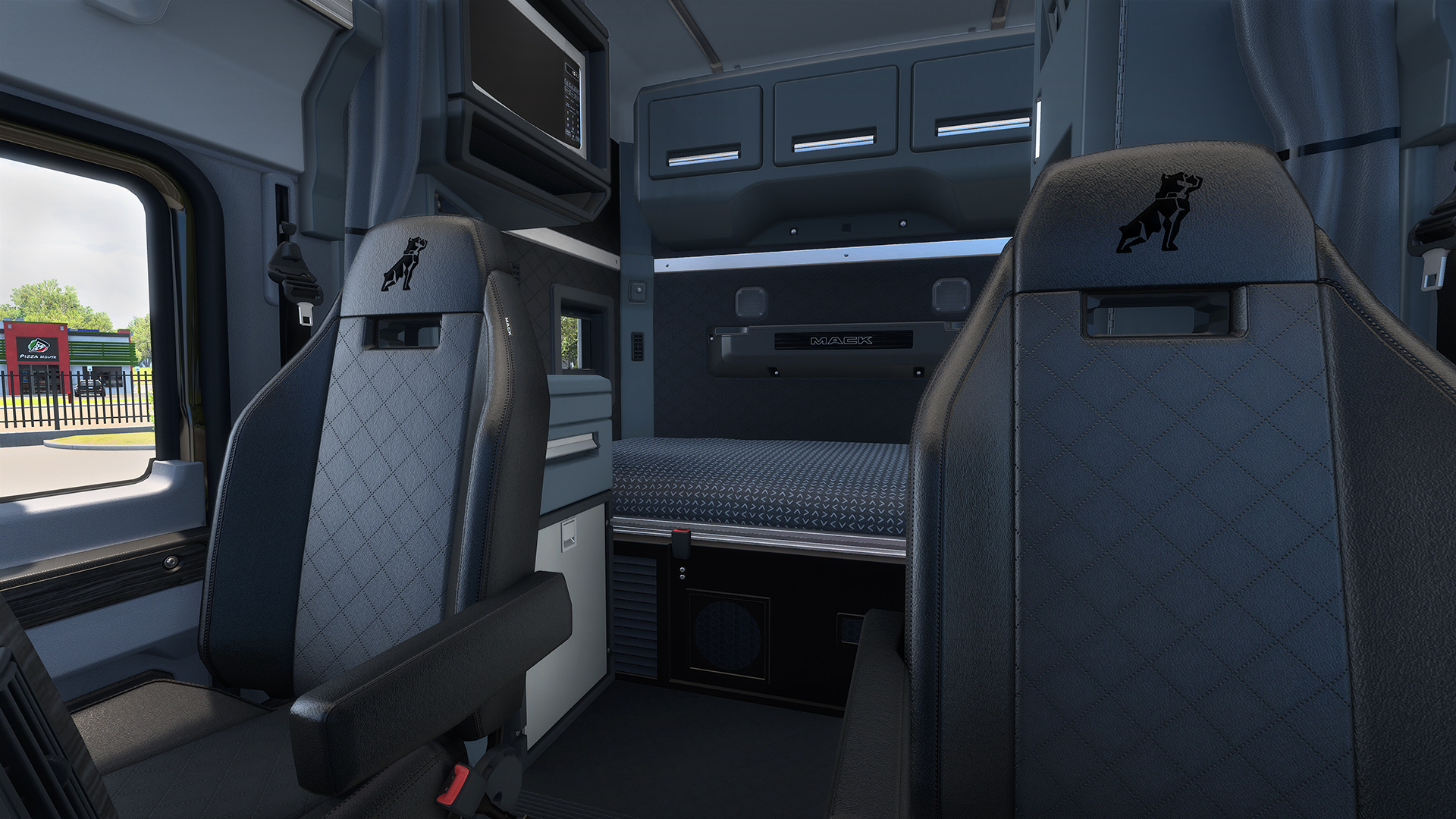
We hope you enjoyed this exclusive, behind-the-scenes look at the evolution of our material system. Be sure to wishlist the Ford Car Pack and the RAM & Dodge Car Pack on Steam to experience these stellar visual improvements on passenger vehicles upon release!
Stay connected with us across our social channels on X/Twitter, Instagram, Facebook, Bluesky, TikTok, and YouTube to catch every update hot off the press. You can also subscribe to our newsletter for direct updates. Until next time, keep the shiny side up and happy trucking!
https://store.steampowered.com/app/3793200/American_Truck_Simulator__Ford_Car_Pack/
https://store.steampowered.com/app/3793190/American_Truck_Simulator__RAM__Dodge_Car_Pack/
 World of Trucks: Events Resume
 World of Trucks: Resuming Events
 Community Stories: Trucker Cassie
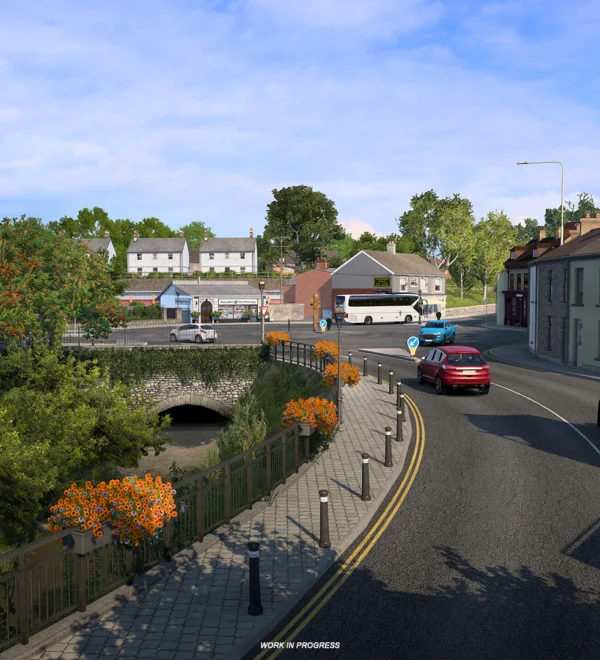 Cavan: Ireland’s Lake District
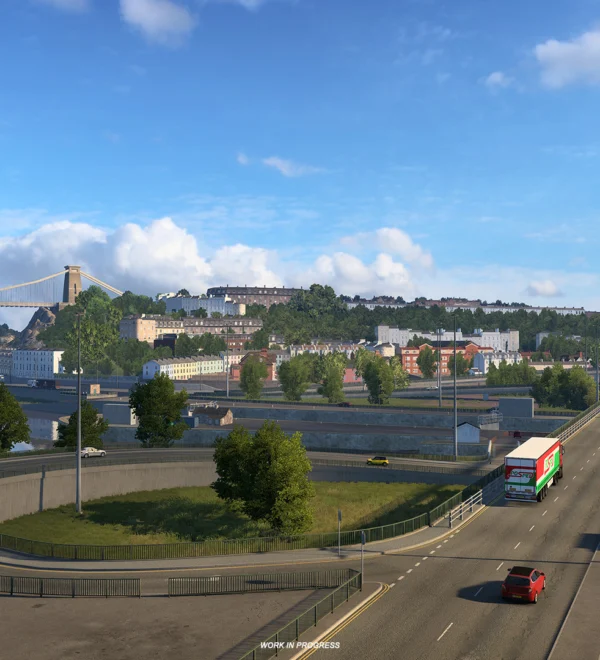 UK Rework: Historic Bristol
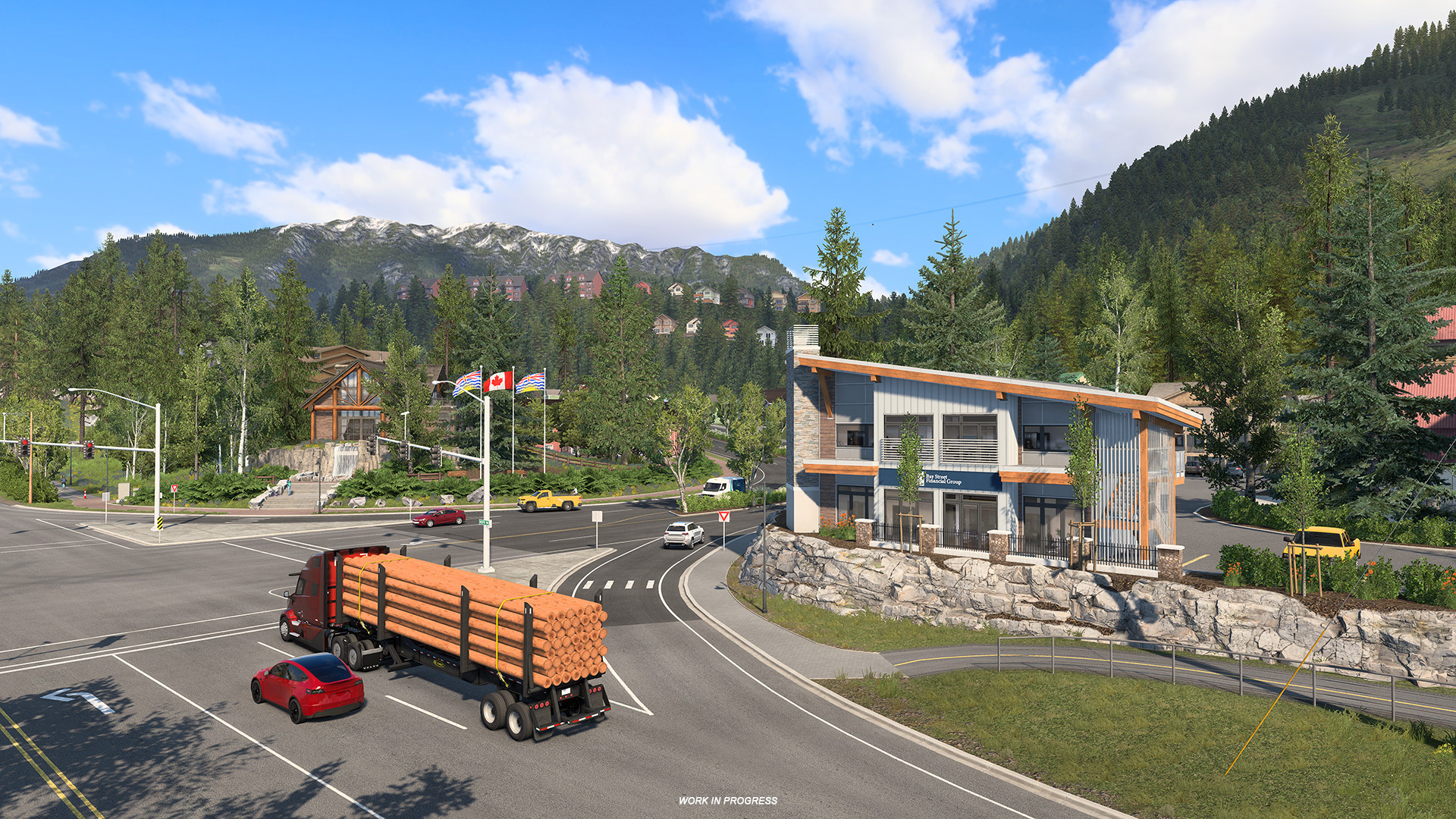 Whistler, British Columbia
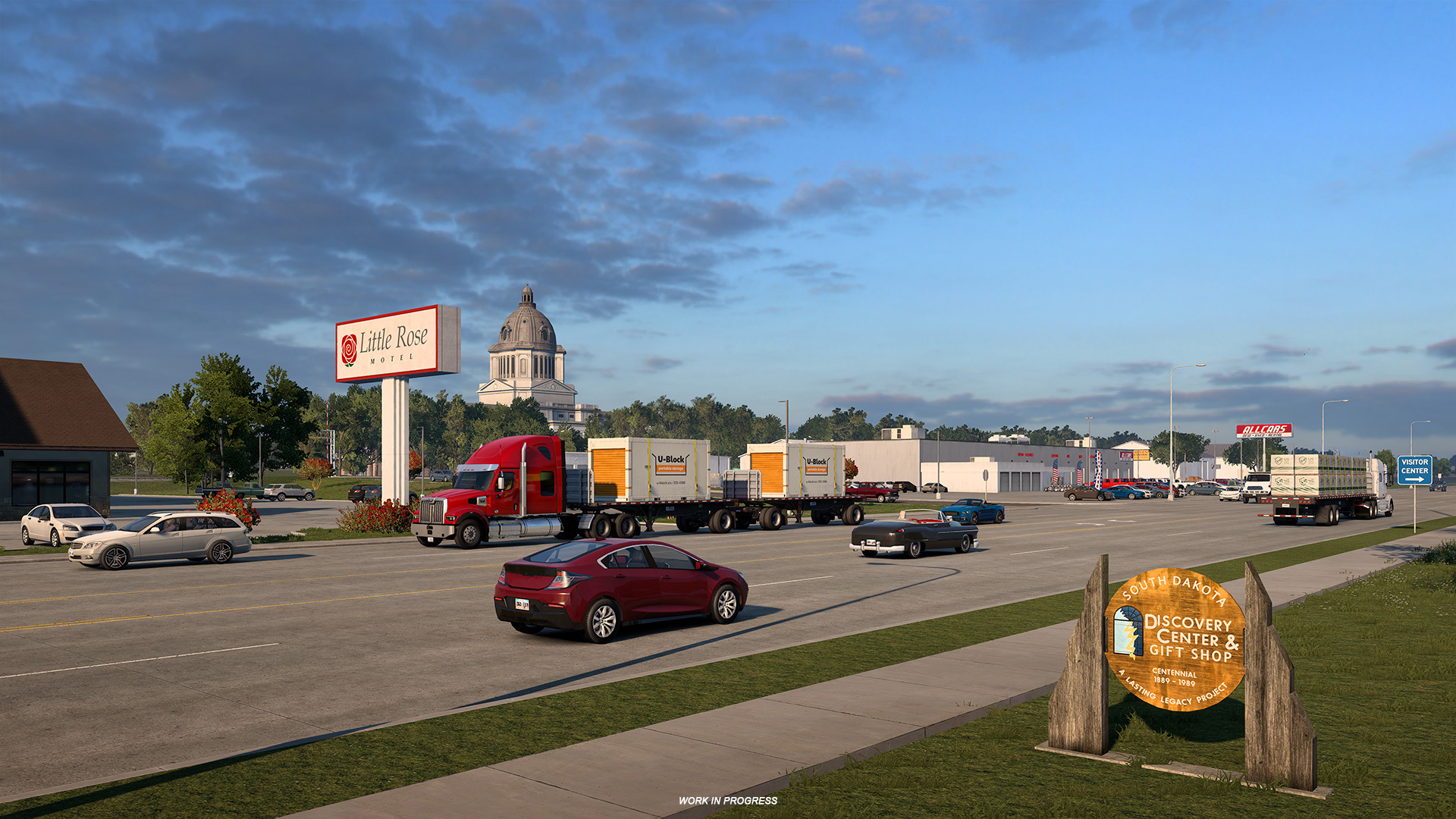 Pierre, South Dakota
 IAA Transportation 2026