
The Most Broken D&D Item Keeps Ruining Games. Here Are 3 Ways to Fix It
Magic items sit at the heart of the Dungeons & Dragons experience. Gathering and wielding wondrous artifacts is simply expected in a heroic fantasy role-playing game, so every character class can get its hands on enchanted gear from level one. Yet one of these items is potent enough to tip the whole game out of balance.
Plenty of legendary relics could claim that title. The Staff of Power, Queen Ehlissa’s Marvelous Nightingale and the Hand and Eye of Vecna all spring to mind. But none of these objects of staggering might causes as much grief at the table as the humble potion of healing.
Under the current D&D rules, combat can turn into a long, punishing slog that is usually decided by attrition. A character who drops to zero hit points (HP) or lower doesn’t die outright, unless they suffer Massive Damage. They fall Unconscious and begin making death saving throws instead. Three failures mean death, while three successes, or a natural 20, leave the character stable. The rest of the party has ample opportunity to step in with healing during all of this, typically through spells or, more conveniently, potions. Once restored, the fallen hero can get back on their feet and rejoin the fray.
Spell slots are a scarce resource, particularly at low and middle levels. Every party benefits from a dedicated healer, but even the best one eventually runs dry. Enemies may also single out healers or cut them off from their allies. A potion of healing, by contrast, can be used by anyone, and the 2024 rules (also called 5.5e) treat it as a Bonus Action. A standard potion costs 50 gold pieces and restores 2d4+2 HP. That sounds modest, but it’s plenty to pull someone back from death’s door. The rescuer doesn’t even have to spend one of their own potions. They can dash to the dying character’s side, dig through that character’s pack and pour a potion down their throat, all without using up their Action for the turn.

Image: Kristina Collantes/Wizards of the Coast
It may not seem like a serious problem, but any veteran Dungeon Master knows how maddening it is to invest tactics and resources into taking down a character, perhaps an irritating spellcaster, only to watch them bounce back on another player’s turn for the price of 50 gold. D&D isn’t a contest between the DM and the players, of course, and your aim in the chair should always be to keep everyone having fun. Even so, healing potions exert far too much influence on the game for what is supposed to be an ordinary item.
Fortunately, as with most D&D headaches, a bit of creativity and a few rules tweaks can solve it. Here are three ways to make potions of healing better balanced.
Raise the price
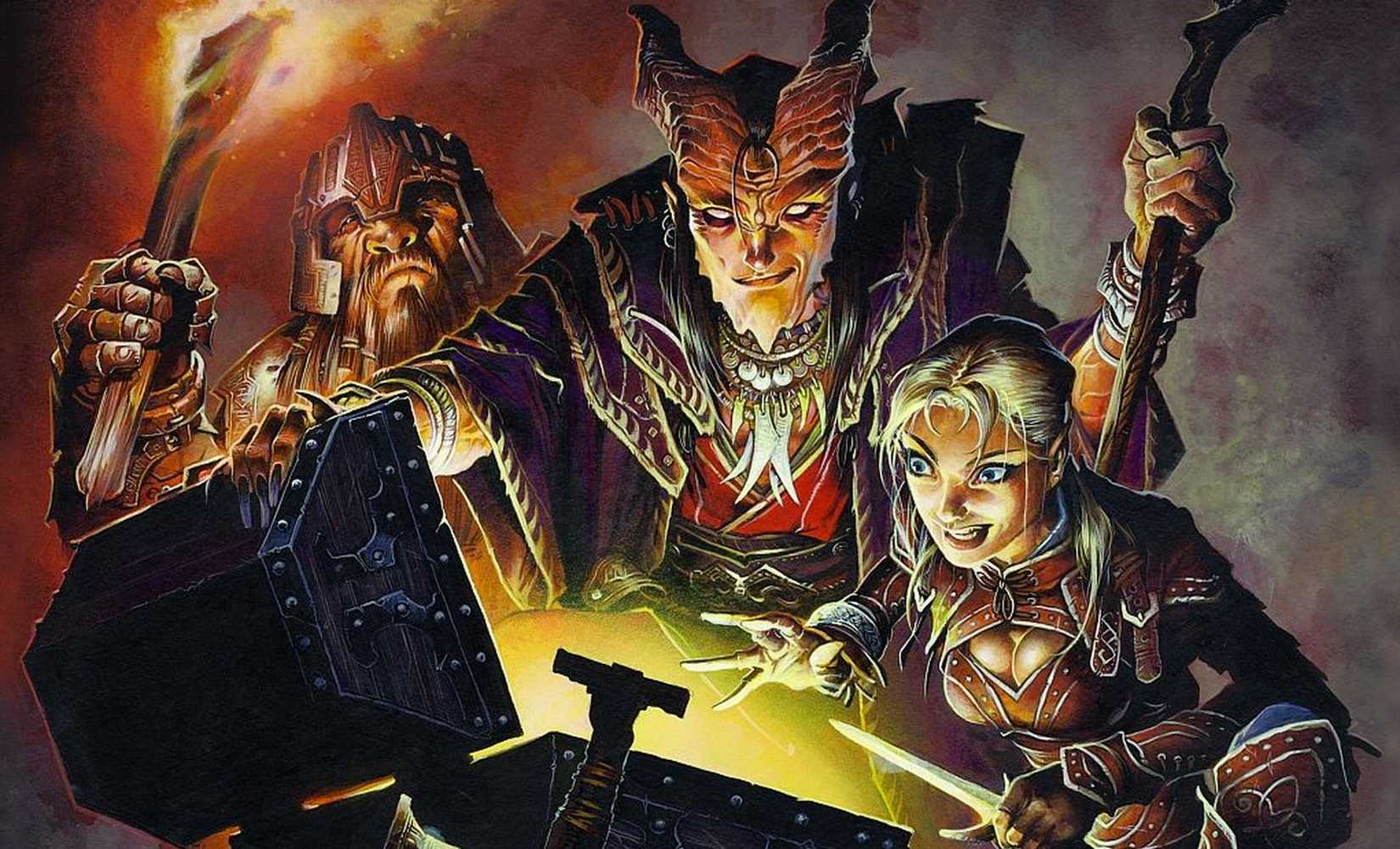
Image: Wayne Reynolds/Wizards of the Coast
I wince at the idea that pricier healthcare could fix anything, but 50 gold is absurdly cheap for something that drags people back from the grave. The problem is compounded because low-level characters rarely have anything else worth buying. Other purchases are either too costly or less useful. A +1 weapon runs 400 gold pieces on top of the item’s base price, and most DMs hold off on introducing “uncommon” magic items until level 3 or 4. Weapons, armor and similar gear tend to turn up during adventures or arrive as rewards, so players can pour all their coin into consumables, and nothing beats a potion of healing.
I’d set the standard healing potion at 200 gold, the same as its stronger sibling, the potion of greater healing. Many players have absorbed a video-game mindset in which potions are cheap things to be guzzled again and again, but D&D shouldn’t work that way. A potion of healing is a miracle in a bottle and deserves to be treated like one. It ought to be hard to come by, not a fixture on every merchant’s shelf in every forgotten corner of the realm.
Obtaining potions can even become part of the story. Perhaps the party must complete a task to earn the trust of the local temple, or the cleric needs to track down an ancient sacred text containing the recipe so they can brew the potion during downtime.
Giving someone a potion should cost an Action
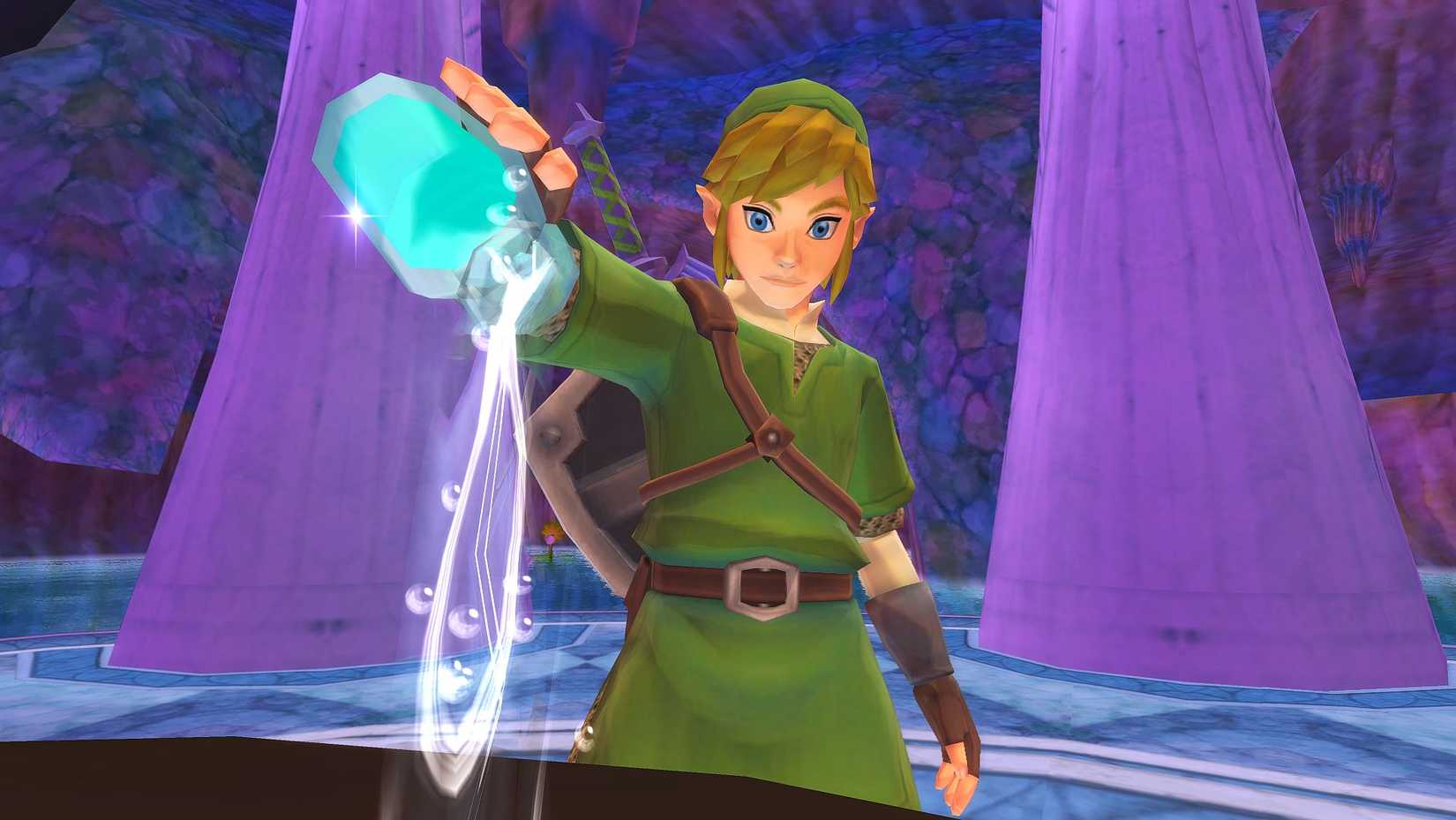
Image: Nintendo via Dolphin Emulator Project
Under the 5th edition rules, drinking or administering a potion required an Action. That sat poorly with D&D’s turn-based structure. Players often wait a long while for their turn, and spending all of it on a quaff felt deflating. Many DMs adopted a house rule making it a Bonus Action, which the 5.5e rules later made official.
Still, handing a potion to someone else shouldn’t be a Bonus Action. Picture the dwarven Fighter Tordak (remember him from the 3rd edition Player’s Handbook?) caught in a Cone of Cold that leaves him at zero HP. Ember the Monk sprints over to give first aid. She has to claw through layers of ice, pry open his frozen jaw, and rouse him just enough to swallow the liquid without choking. That is hardly a Bonus Action! (Unless you play by Baldur’s Gate 3 rules, where simply throwing the potion does the job.)
Related articles
 Switch 2 Cartridge Manufacturer Exits the Market
 Microsoft’s Alligator Xbox May Be a GTA VI Marketing Workaround
 Analysts Say Gran Turismo 7 Is Not on PS Plus Because It Has Earned Sony Hundreds of Millions of Dollars
 Mike Flanagan Hints at Unexpected Approach to Warhammer 40,000 Series Starring Henry Cavill
 The Legend of Zelda: Ocarina of Time – Shadow Temple Dungeon Walkthrough
 Ganondorf’s Castle Walkthrough in The Legend of Zelda: Ocarina of Time
 The Legend of Zelda: Ocarina of Time — Spirit Temple Dungeon Walkthrough
 Bottom of the Well Dungeon Walkthrough for The Legend of Zelda: Ocarina of Time