Terraria
Downloaded 124 times
About this game
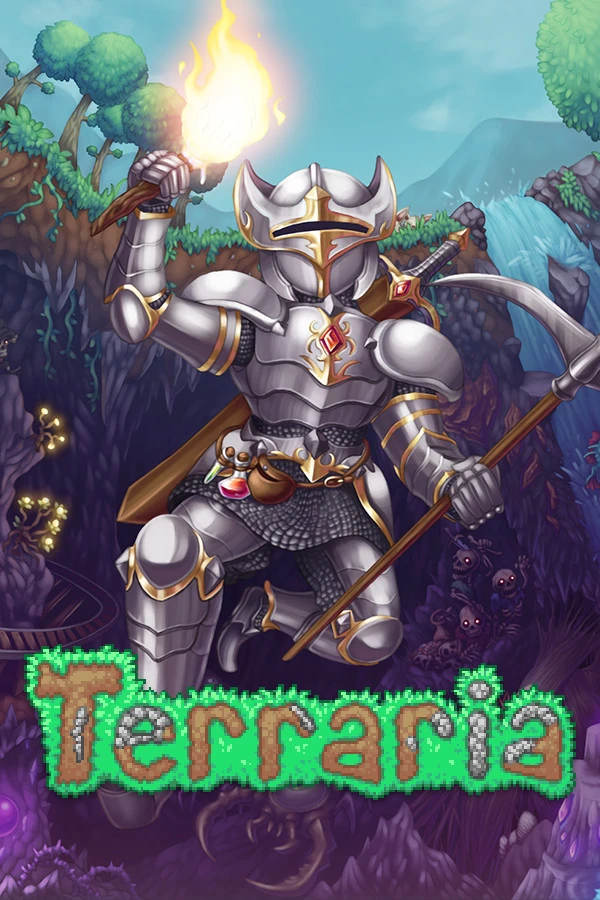
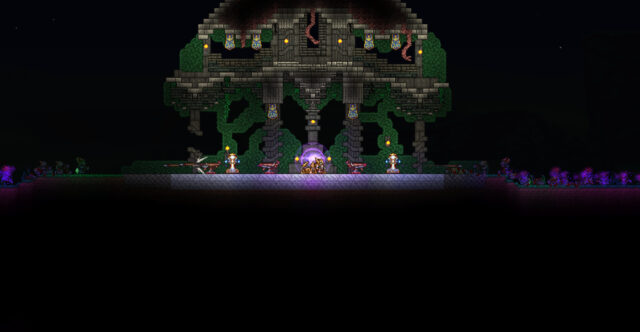
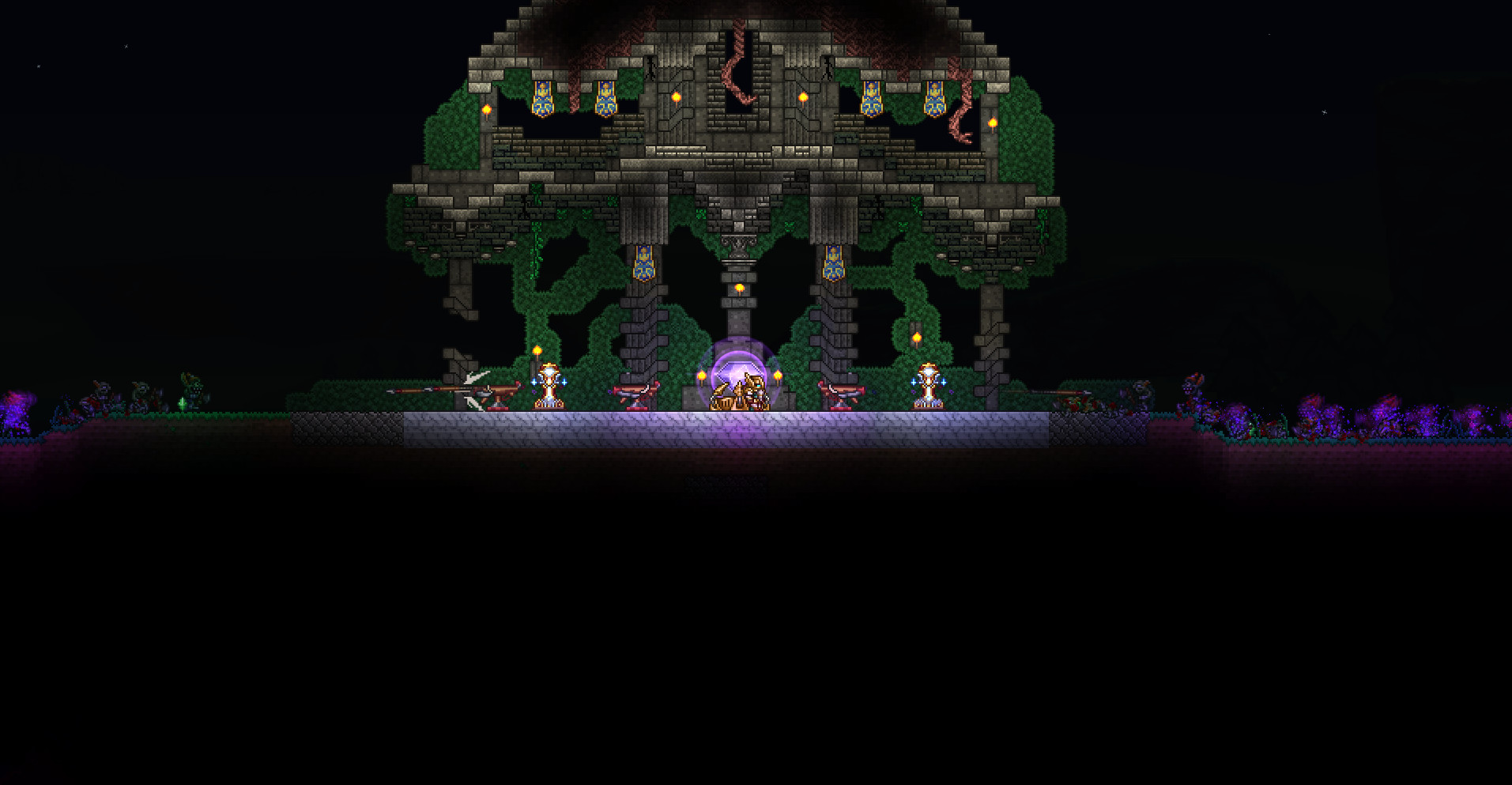
A Terraria journey begins on the surface of a randomly generated 2D world. The character gathers wood and stone, opens chests and builds a first shelter. The search for ore and useful accessories gradually leads deeper underground.
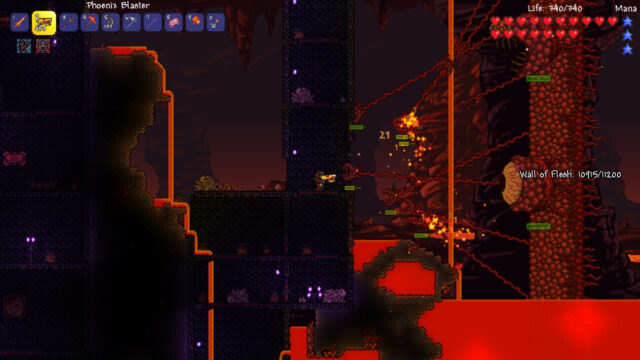
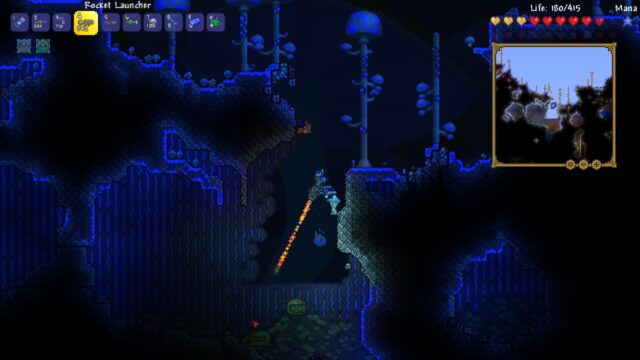
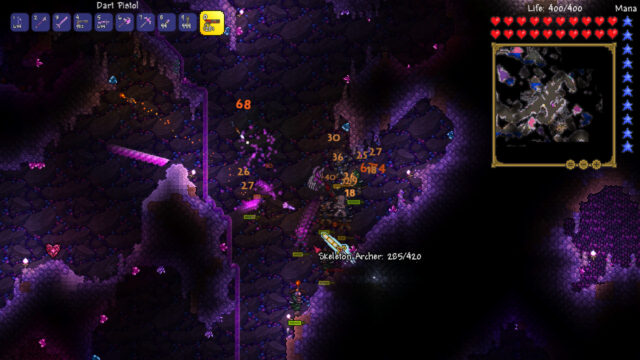
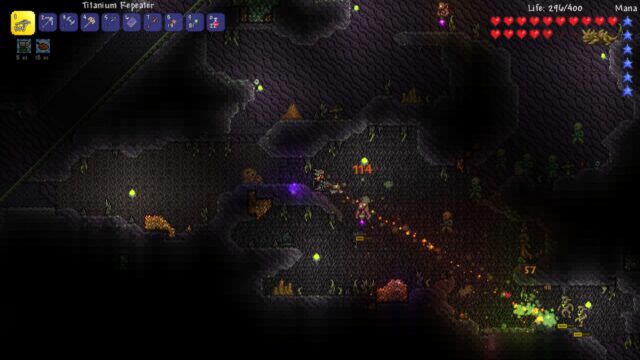
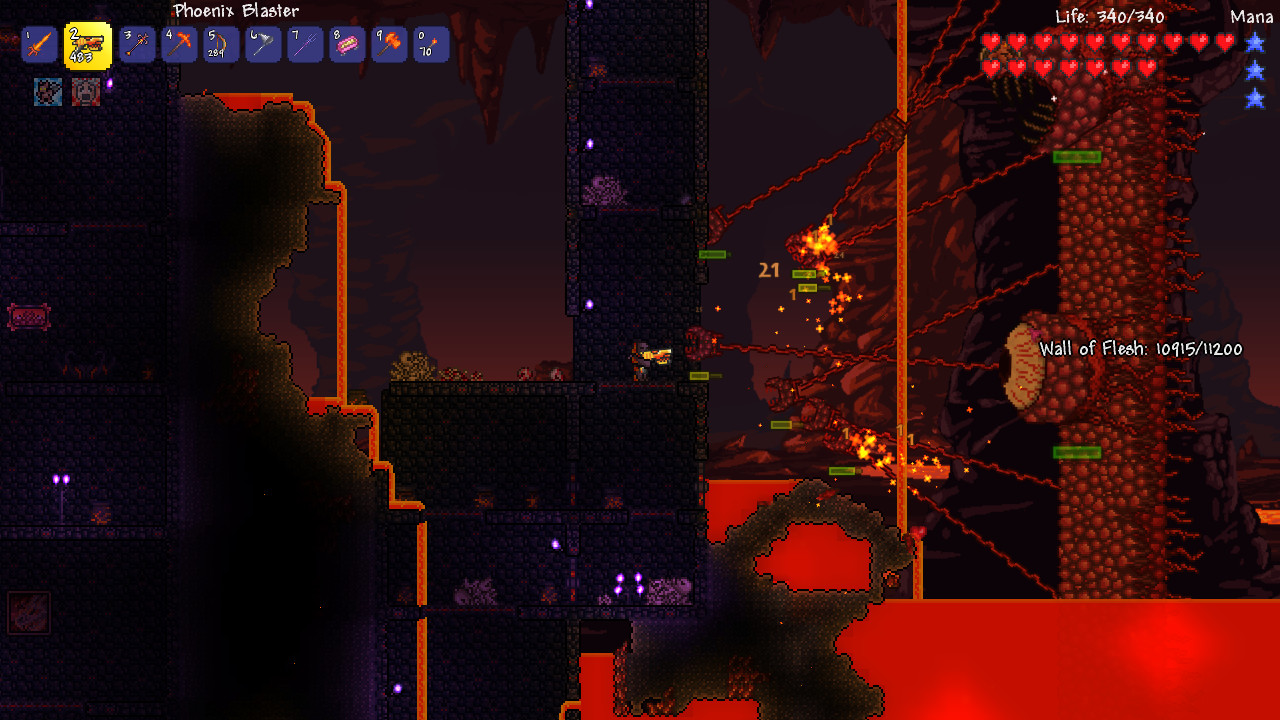
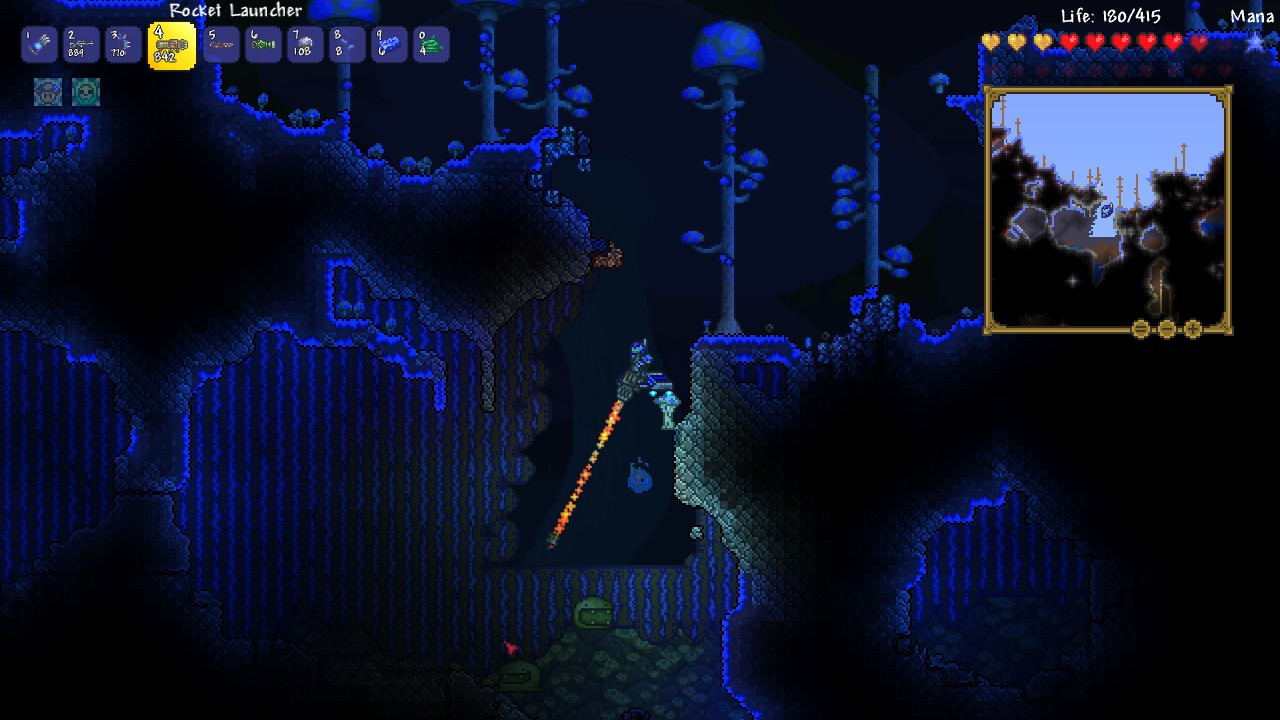
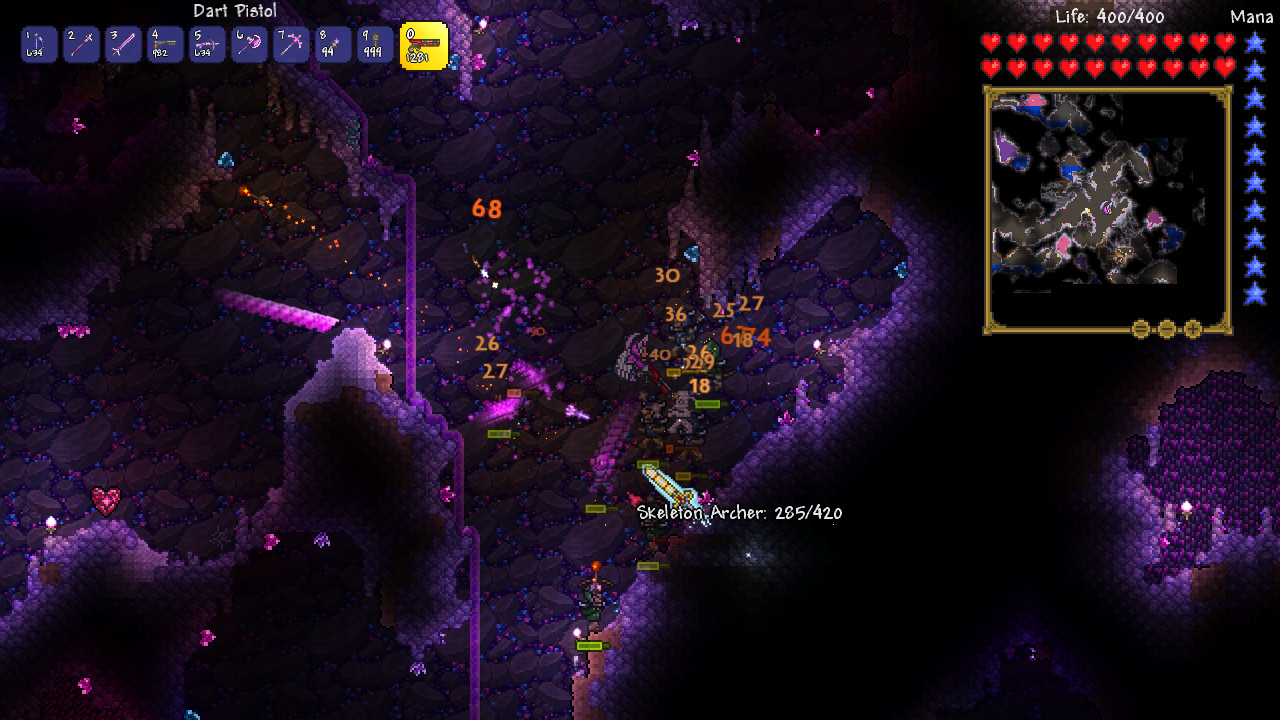
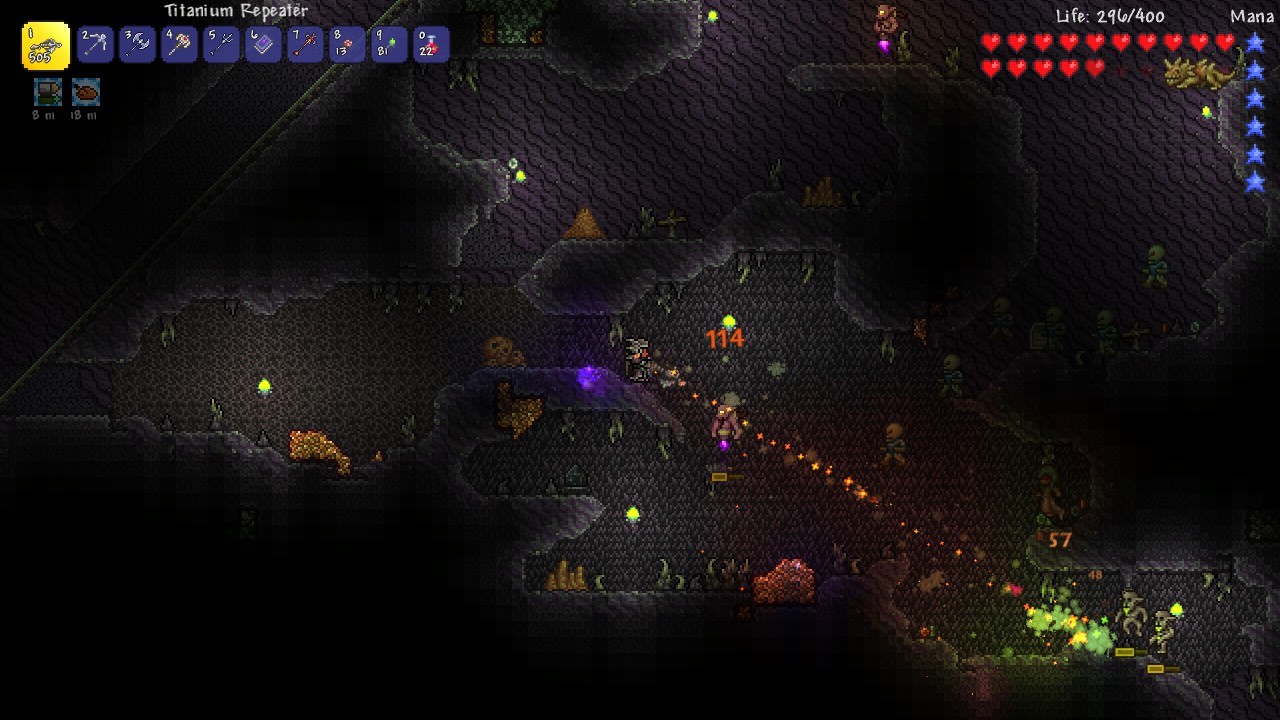
Caves among glowing mushrooms and underground lakes hold metal deposits, treasure and traps. Materials found there can be made into armor and weapons for a journey to the Underworld and a fight against the Wall of Flesh. Defeating this boss for the first time sends the world into Hardmode, introducing new biomes, enemies and resources. The player decides when to expand the base, explore new areas and prepare for the next opponent.
- Release date
- May 16, 2011
- Developer / Publisher
- Re-Logic
- Platform
- PC (Windows)
- Multiplayer
- single player, online co-op, online PvP
- Version
- 1.4.5.8 (September 29, 2026)
- Languages
- English, Chinese (Simplified), Chinese (Traditional), French
Show all languages (13)
Language support Language Interface / Subtitles Audio English Chinese (Simplified) Chinese (Traditional) French German Italian Japanese Korean Polish Portuguese (Brazil) Russian Spanish (Spain) not available
- Random worlds — size, difficulty and either the Corruption or the Crimson are chosen at world creation. Special seeds got their own menu in 1.4.5, and Skyblock starts the game on an island in the sky.
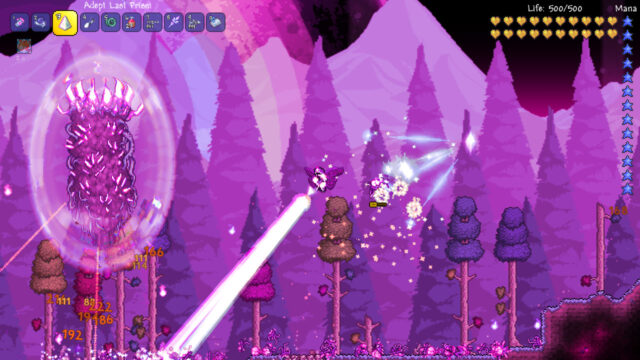
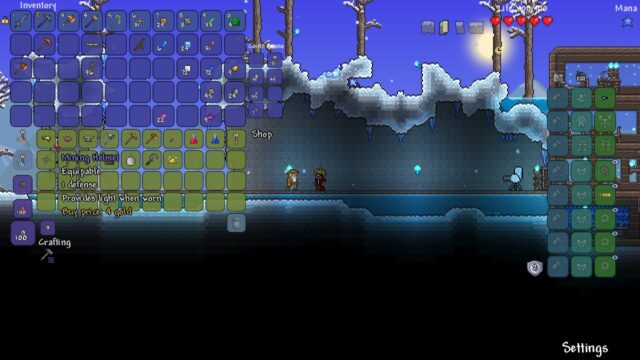
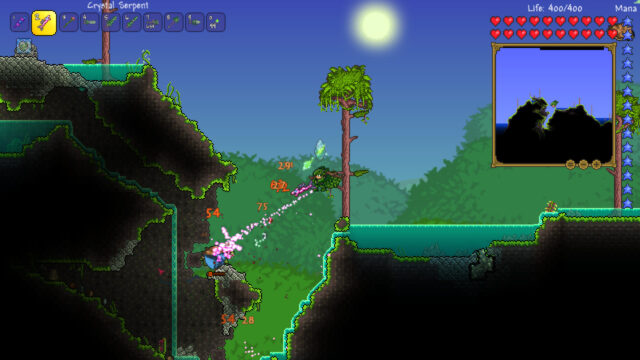
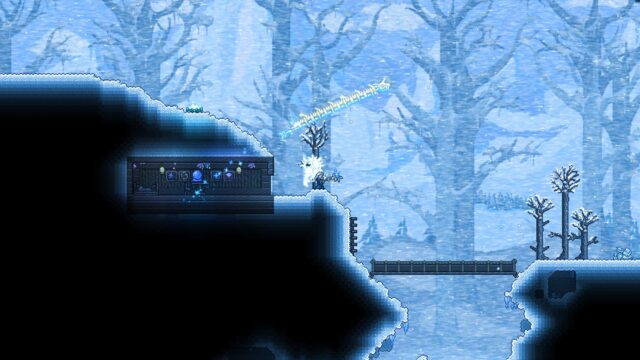
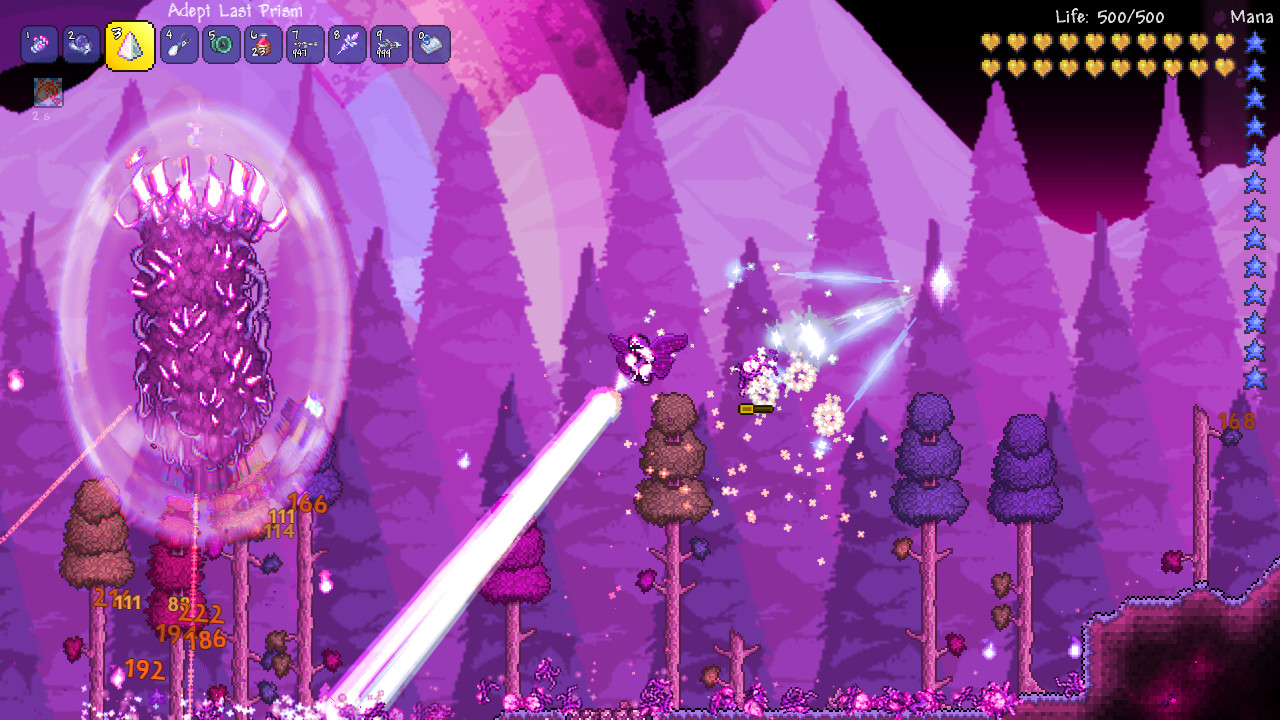
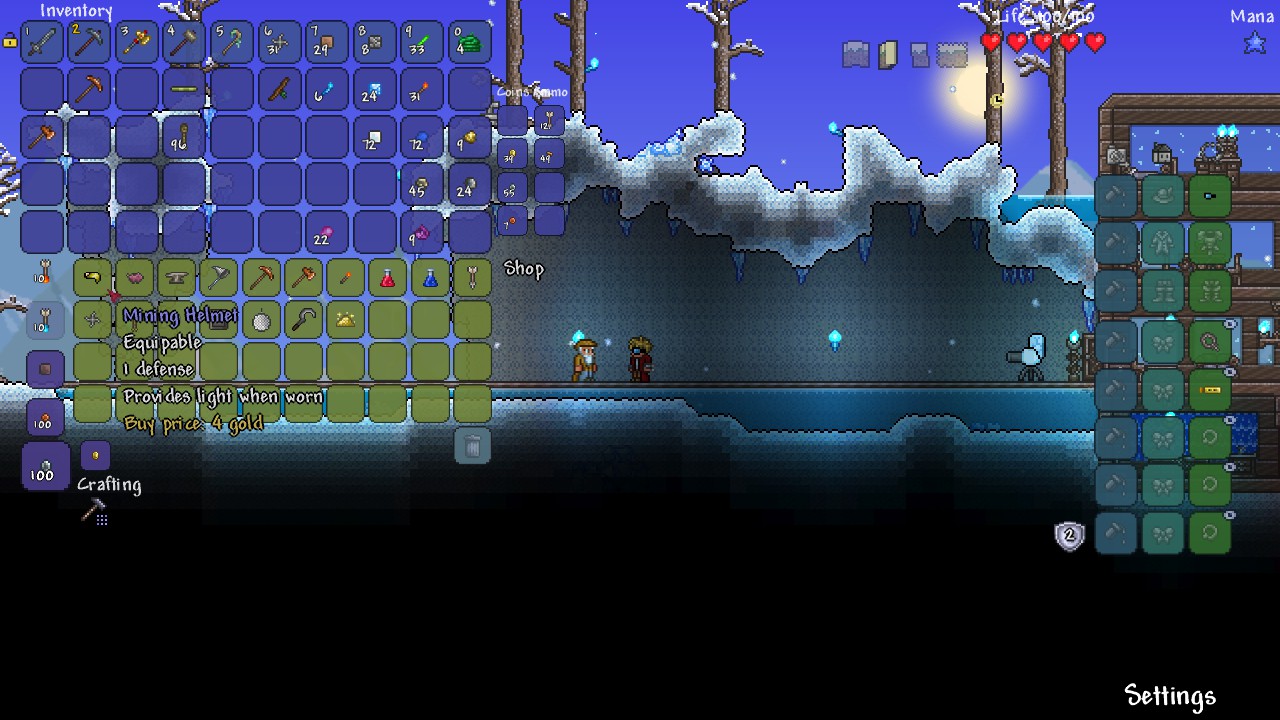
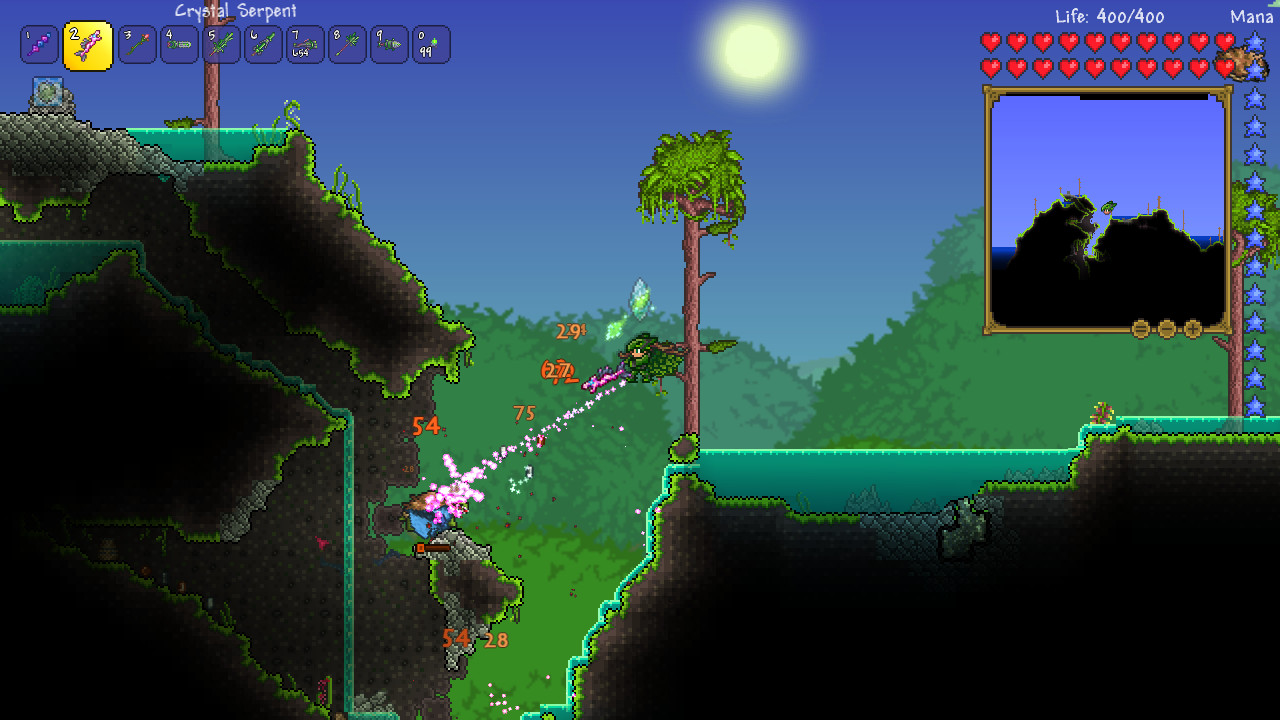
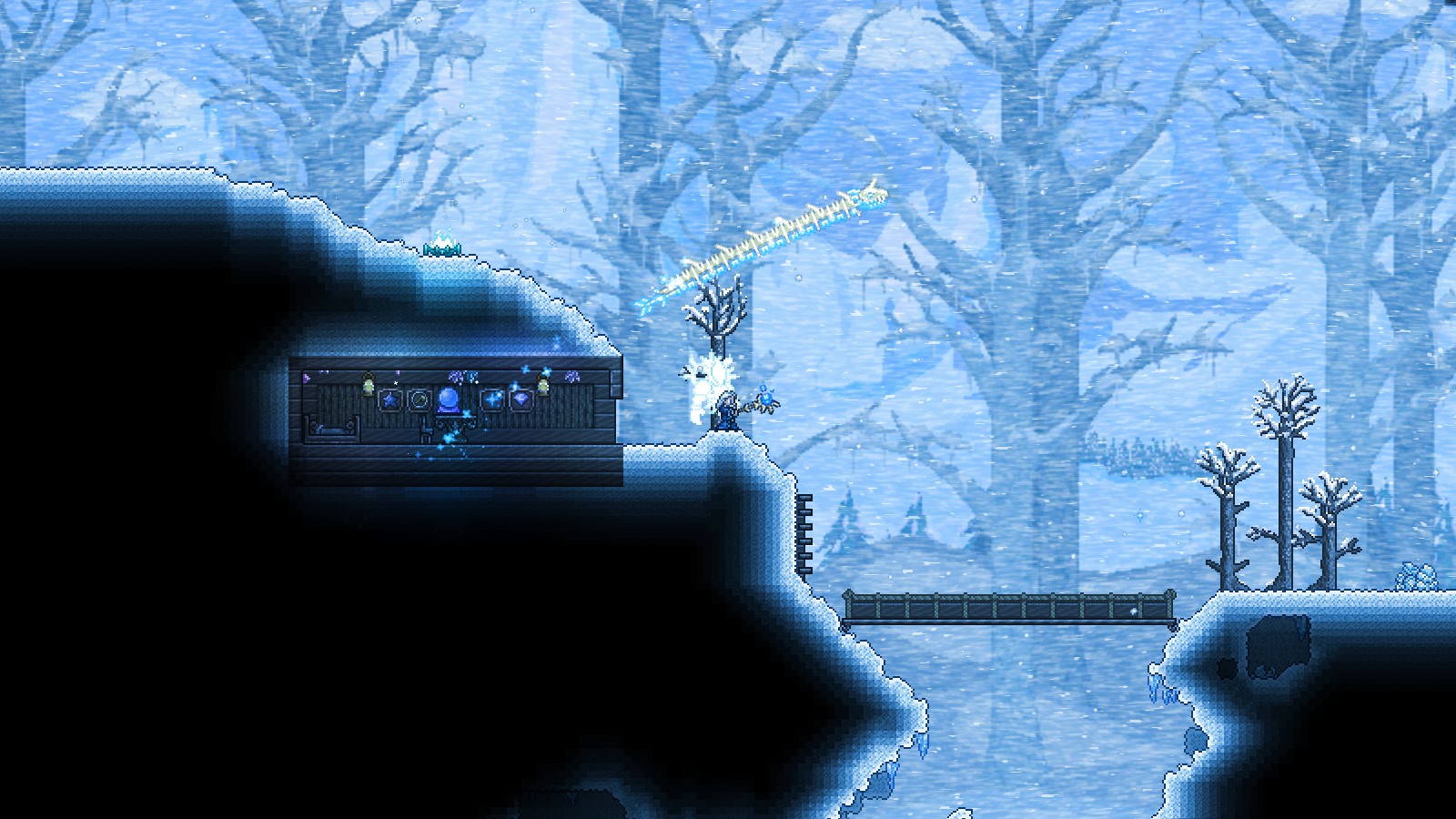
- Biomes — the Forest, Desert, Snow biome, Jungle, Dungeon and Underworld each have distinct enemies and materials. Hardmode adds the Hallow, which spreads along with the Corruption or Crimson.
- World modes — besides Classic, there is Journey with control over time, weather and enemy strength, Expert with harder fights and better loot, and Master for veterans.
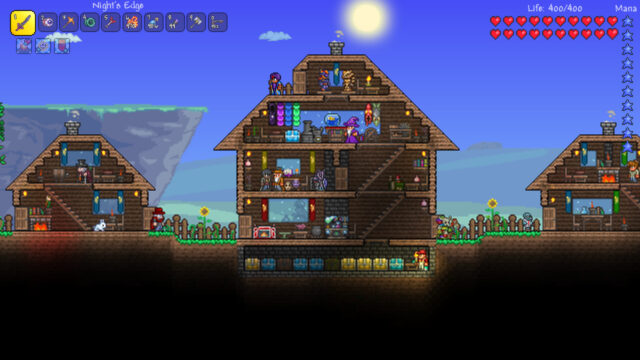
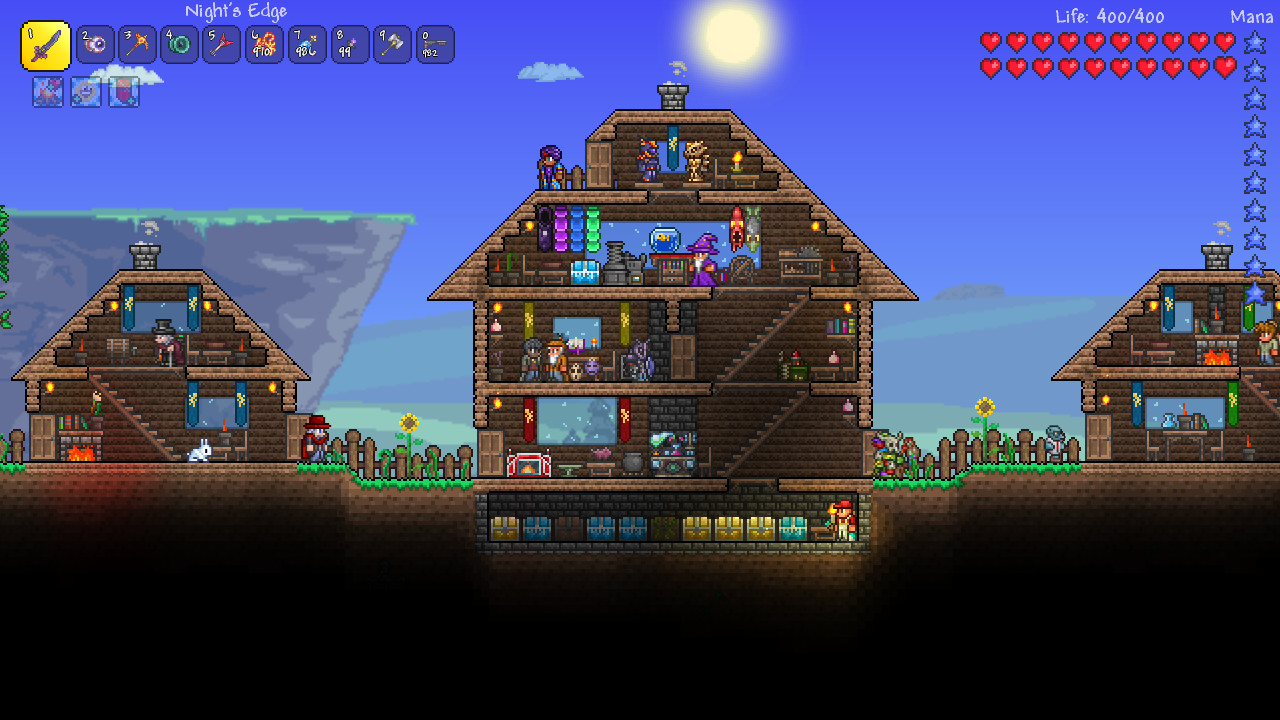
- Villagers and housing — the Merchant, Mechanic, Dryad and other villagers move in and sell their wares. As of 1.4.5 a house is optional, but those without one are unavailable at night.
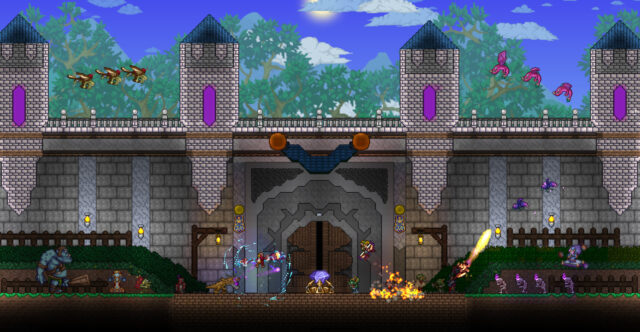
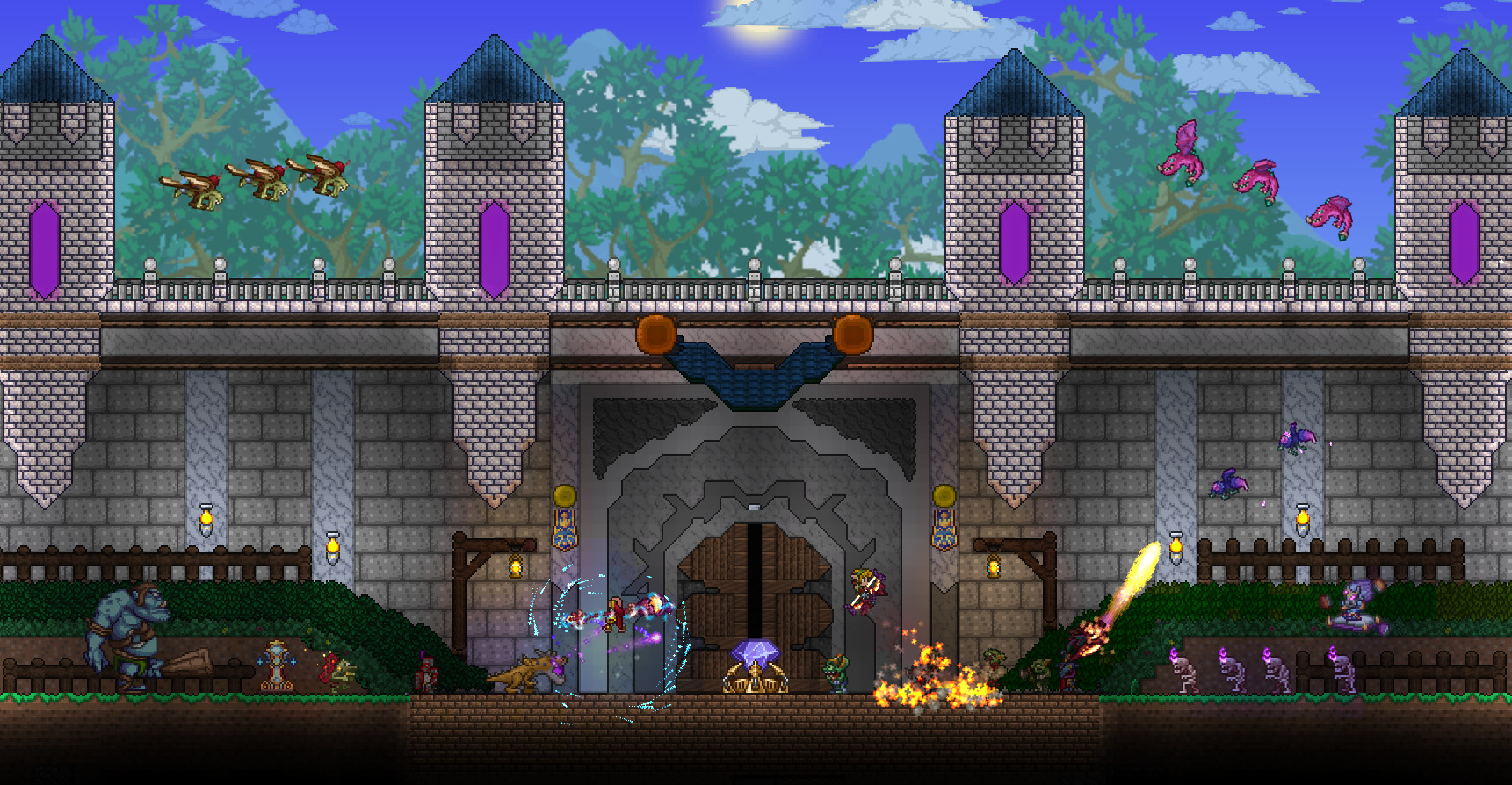
- Events — a Blood Moon brings more enemies to the surface, and zombies can open doors that night. The Goblin Army and the Pirate Invasion are separate invasion events.
- Accessories — Hermes Boots speed up running, and a Cloud in a Bottle adds a double jump. The Tinkerer’s Workshop merges certain accessories, turning Rocket Boots and Hermes Boots into Spectre Boots.
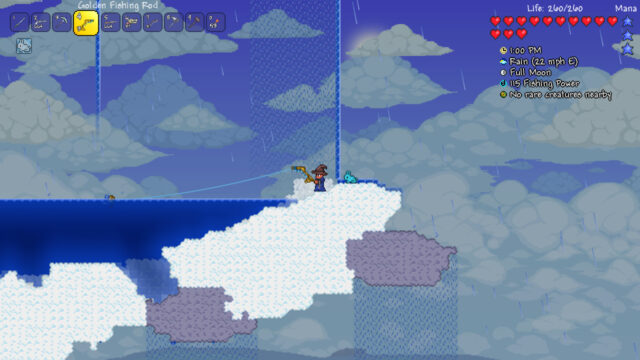
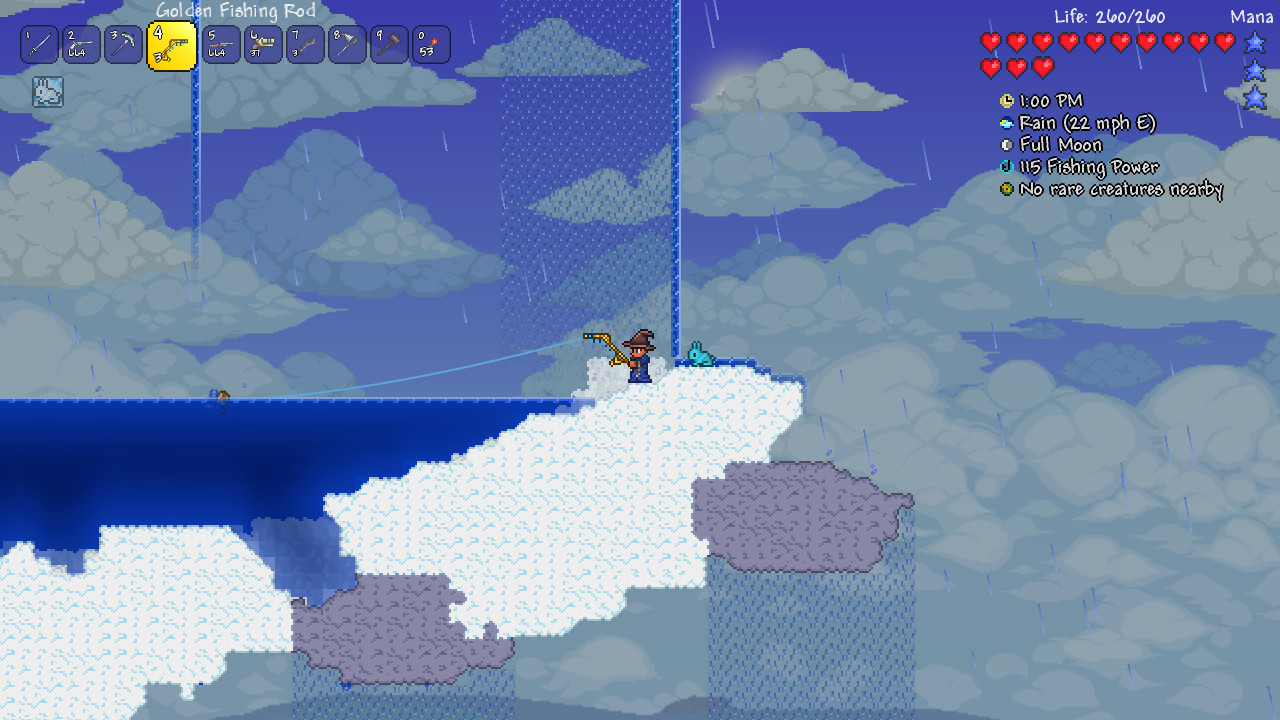
- Fishing — a rod pulls up crates with ore, coins and chest items as well as fish. Angler quests ask for a new rare fish daily and pay random rewards.
Trailer:
The system requirements below are modest, and this page has the latest version for Windows with every patch since Bigger & Boulder.
Is this the PC version?
Yes, it is the Windows version. Mobile editions are separate, and there are no APK files here.
What did the 1.4.5 update add?
Bigger & Boulder launched on January 27, 2026, and added more than 650 items. Crafting gained tabs, search and access to materials in nearby chests. Every boss now has its own music theme, and there is crossover content from Dead Cells and Palworld.
Minimum:
- OS: Windows XP, Vista, 7, 8/8.1, 10
- Processor: 2.0 GHz
- RAM: 2.5 GB
- Graphics: 128 MB video memory, Shader Model 2.0+
- DirectX: 9.0c or greater
- Disk space: 200 MB
Recommended:
- OS: Windows 7, 8/8.1, 10
- Processor: Dual Core 3.0 GHz
- RAM: 4 GB
- Graphics: 256 MB video memory, Shader Model 2.0+
- DirectX: 9.0c or greater
- Disk space: 200 MB
Requirements are taken from the English Steam page.
Game News
The Re-Logic team recently returned from an international trip that began at Gamescom and concluded in China. Meanwhile, the rest of the development team finalized Crossplay Phase One alongside remaining…
Development on the next update moves forward. The team is currently revisiting older weapons. Re-Logic recently published their June development diary for the survival sandbox game Terraria. They continue working…
On May 16, the iconic 2D survival sandbox Terraria officially marked its 15th anniversary. To commemorate this milestone, developer Re-Logic pulled back the curtain on a series of staggering sales…
Reviews
Terraria is one of those rare games that truly lets your creativity run wild.
Whether you love building, exploring, or fighting epic bosses, there’s always something fun and fresh to do.
The randomly generated worlds make every adventure feel unique, and it’s just as enjoyable solo or with friends. It’s easy to pick up, endlessly replayable, and perfect for anyone who loves both sandbox and adventure games.
Highly recommended!

Terraria, oh where do I even start…
At first glance, Terraria looks like “2D Minecraft,” but that comparison honestly doesn’t do it justice. The game evolves from chopping trees and building tiny wooden houses into fighting screen-filling gods, exploring corrupted biomes, crafting hundreds of weapons, and slowly becoming an unstoppable force of destruction. The progression system is insanely satisfying because every boss unlocks new materials, stronger gear, harder enemies, and completely changes how the game feels.

Very fun game that you’ll want to replay a dozen times. There’s also a large mods ecosystem to explore (tModLoader) once you’re satisfied with the vanilla content.
There’s a clearer sense of progression and larger focus on combat compared to Minecraft. The game can be very linear if you choose for it to be, but there’s a ton of optional content at every point of the game. The game is very large and doesn’t have a tutorial, so expect to consult the wiki frequently during your first playthroughs.

Despite how the old joke tells it, Terraria is FAR from being 2D Minecraft, though both games excel in what they aim to do. Terraria is an immensely fun game of getting progressively better gear, fighting cool bosses, and fighting back against the world’s evils.
The progression is great, the combat is fun, and THE ITEMS! So many cool weapons and accessories, there are basically unlimited ways to play the game. And the inclusion of Journey Mode means that anyone, regardless of skill and time, can have a decent time of it.

Terraria is an endlessly charming sandbox that sucks you in faster than you expect. The mix of exploration, crafting, and increasingly chaotic boss fights makes every session feel fresh. I love how one moment I’m peacefully building a treehouse and the next I’m battling a giant floating eyeball. It’s quirky, addictive, and perfect for anyone who likes creativity with a side of chaos.