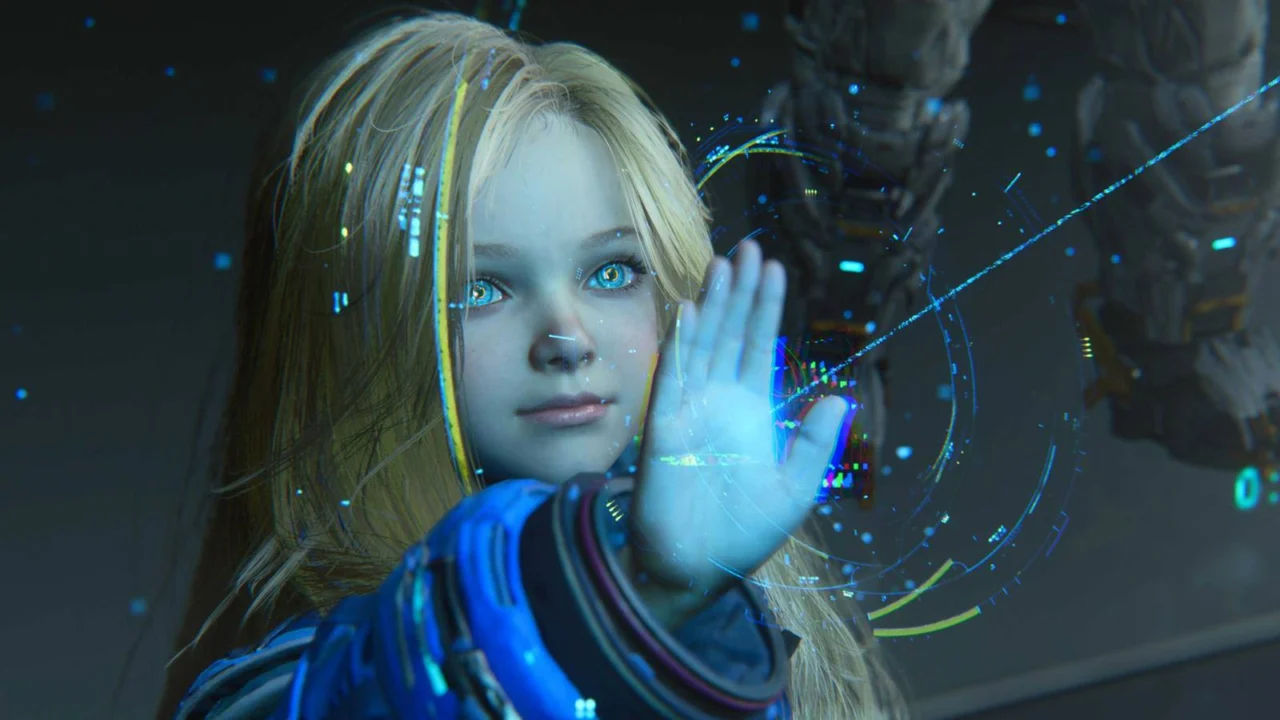
The Final Nominees for GOTY 2026 Are a Battleground of 8/10 Games
Has 2026 been a stellar year for gaming? Arguably not. There has certainly been no shortage of enjoyable experiences—there never is. Yet, as we approach the final stretch of the year, we have yet to encounter any breakout titles destined for modern classic status. We haven’t seen a Clair Obscur or a Baldur’s Gate 3. Furthermore, overall review averages are down across the board. Currently, a mere three brand-new releases—excluding remakes, remasters, and expansions—have managed to cross the coveted 90-plus threshold on review aggregator Metacritic.
One tier down—perhaps two, sitting comfortably behind heavyweights like Resident Evil Requiem and Fire Emblem: Fortune’s Weave—lies a vast ecosystem of remarkably polished, deeply satisfying blockbusters that earned glowing, if not transcendent, critical praise. These occupy the sweet spot between the inevitable phenomenon of Grand Theft Auto 6 on one end and high-profile disappointments like Marvel’s Wolverine and Crimson Desert on the other. There is an abundance of them, and frankly, they are exceptional.
007 First Light. Gears of War: E-Day. Star Wars: Zero Company. Pragmata. Saros. Onimusha: Way of the Sword. Nioh 3. Control Resonant. The Blood of Dawnwalker.
Each of these titles commands a Metacritic score resting neatly between 83 and 87. While that sits just shy of the traditional pedigree required for Game of the Year contention at The Game Awards, they otherwise serve as prime GOTY material. They boast sophisticated narratives and high production values, and—with the sole exception of the tactical strategy offering Zero Company—they effortlessly inhabit the spectrum between pure action, sweeping adventure, and streamlined RPG design. I like to call this collective group the “85 Club,” named after the average score where so many standout titles have naturally landed this year.
On one hand, this creates a mild sense of underwhelming predictability. I have already noted how 2026 feels somewhat starved of definitive front-runners outside of Requiem as we patiently await the arrival of GTA 6. Conversely, from another perspective, it is a fantastic outcome. We are presented with an incredible breadth of polished, mainstream-adjacent entertainment that I would endorse to virtually any gamer without hesitation.
The real intrigue for industry analysts and award prognosticators lies in how to manage this traffic jam of contenders. Qualitatively speaking, there is barely a whisper of difference separating them, yet at least half a dozen hold a genuine claim to a nomination slot.
Assuming that GTA 6 and Nintendo’s reimagining of The Legend of Zelda: Ocarina of Time command universal critical acclaim and secure automatic nominations—which feels entirely plausible—alongside the locked-in status of Resident Evil Requiem and Fire Emblem: Fortune’s Weave, only two nomination berths remain. That pool shrinks to just one if Big Walk captures the coveted indie darling slot of 2026, a trajectory that looks increasingly secure following its impressive showing at the recent Golden Joystick Awards.
I can envision almost any of the aforementioned titles claiming that final spot. Perhaps not Nioh 3, which seems to have slipped from public consciousness since its February debut. Perhaps not Saros, given its specialized appeal. And perhaps not Zero Company, hampered by its strategy roots—though Fire Emblem is poised to shatter that convention, and the Star Wars banner carries immense critical goodwill, making it a viable dark horse (more on that later).
It is an extraordinarily tight call. Among the survivors, The Blood of Dawnwalker and Control Resonant look the most structurally suited for a nomination run, yet their Metascores of 83 lean on the modest side for such heights. Historically, securing a nod with an 83 or lower is a steep uphill battle (though the original Control managed it with an 82). On the opposite end, 007 First Light enjoys a sturdier 87, but early-year releases tied to major intellectual properties face a long battle to stay fresh in voters’ minds. Perhaps there is a middle path yet for the universally adored Pragmata.
Get Polygon’s Wishlister newsletter
A curated weekly guide to the games you’ll inevitably fall in love with. No commitments, just pure anticipation.
Free. Unsubscribe anytime.
Unpredictable wildcards could easily disrupt any of these games from clinching a nomination. Crimson Desert somehow remains in the conversation despite fading momentum. Pokémon Pokopia may not fit traditional GOTY criteria, but it stands as a sentimental favorite adored by critics. Meanwhile, Phantom Blade Zero is positioned to close out the month as arguably the 85 Club’s most commanding presence—assuming it doesn’t shatter expectations and score even higher.
Ultimately, all but one or two members of the 85 Club will miss out entirely. In truth, none of them might break through. That is undeniably harsh; many of these talented development teams entered the year with well-founded ambitions of making the shortlist.
Yet, award nominations and Metascores are not the final arbiter of greatness. Remember when Obsidian’s Fallout: New Vegas scored an 84 on Metacritic, infamously costing the studio a crucial financial bonus tied to an 85 average? Painful history, indeed. And yet, ask anyone today which Fallout title holds the most enduring, affectionate legacy in the hearts of fans. Exactly.
What’s holding pole position for gaming’s ultimate accolade? Let’s dive into the predictions.
Source: Polygon
Related articles
 Nintendo Highlights Controversial 3DS and Wii U Games
 Sonic Team Focuses on New Games Instead of Remakes and Remasters
 Reports: Microsoft Remains Committed to Cloud Gaming as Xbox Strategy Continues
 Yakuza Creator’s Nagoshi Studios Reportedly Shut Down
 Gears of War: E-Day Sets Franchise Record in Early Access
 Avengers Doomsday Poster Highlights Latverian Witches Mystery
 AION 2 Pre-Registrations Surpass 100,000 Players
 Silent Hill 2 to be removed from PS Plus ahead of Halloween