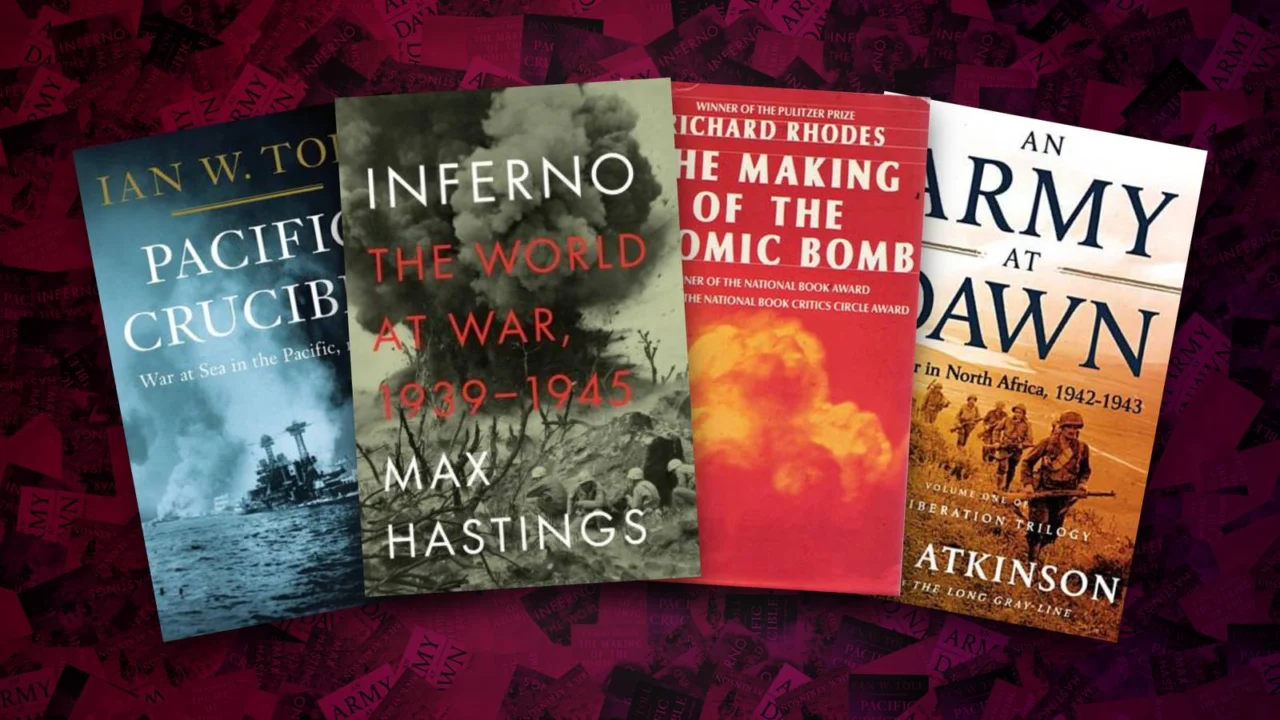
Ten Best Nonfiction Books About World War II
Few events in modern history have inspired as many books as World War II. More than 80 years after the conflict ended, historians, journalists, soldiers, and survivors have continued to document nearly every corner of the conflict, from the invasion of Poland and the rise of Nazi Germany to the final battles in the Pacific Theater. There are sweeping histories that attempt to explain the entire war in a single volume, alongside meticulously researched accounts of individual battles, campaigns, and the people caught in the middle.
The sheer variety on offer is part of what makes WWII nonfiction such a fascinating subject. There are accounts of men storming beaches and fighting in the jungles, but also stories surrounding the scientists who built the atomic bomb, the spies attempting to fool Hitler, and the civilians who endured occupation and genocide. Some books focus on the decisions of presidents and generals, while others dive closer to the ground, preserving the memories of people who experienced the war firsthand.
The 10 books below represent some of the very best of that enormous body of work. Rather than sticking to familiar stories, this list takes a wider view of the conflict, spanning continents, perspectives, and styles of historical writing. From massive examinations of the entire war to intimate memoirs that put readers directly alongside soldiers, these are the WWII books that stand above the rest.
10 Hitler: 1936–1945: Nemesis, by Ian Kershaw (2000)
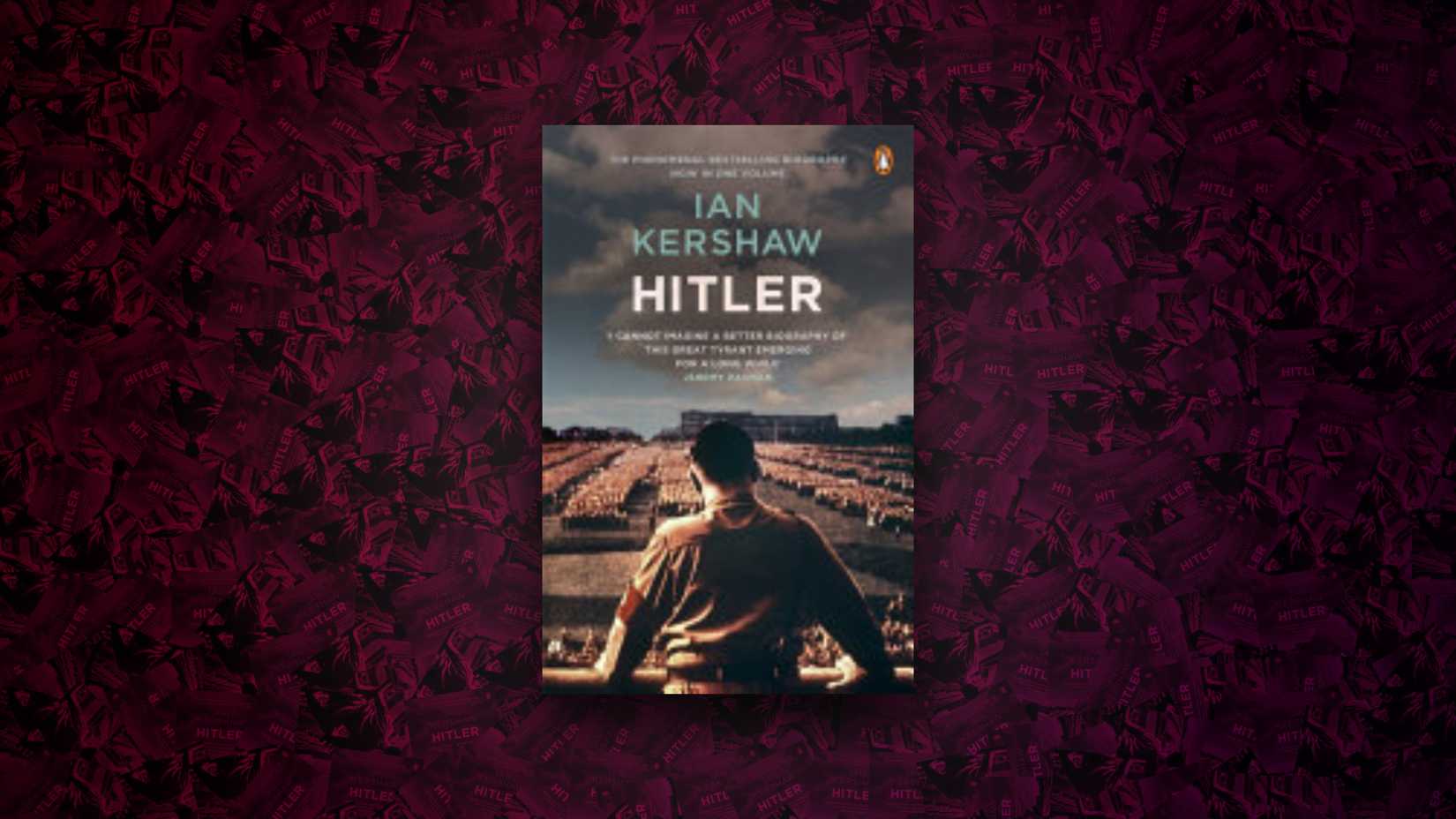
If Inferno explains the war on a global scale, Ian Kershaw’s Hitler: 1936–1945: Nemesis digs into the political machinery that made Nazi Germany’s catastrophe possible. The second half of Kershaw’s monumental Hitler biography follows the dictator from the height of his power through the destruction of his regime, examining not only Hitler’s decisions but the system of governance that enabled them. One of the book’s greatest strengths is Kershaw’s refusal to treat Hitler as a solitary madman whose personal decisions explain everything. Instead, he examines the relationship between Hitler and the officials, institutions, and followers who worked toward what they believed the führer wanted.
That distinction is crucial to understanding Nazi Germany. For those under his spell, Hitler’s worldview mattered enormously, but so did the structures that translated his ideology into policy and eventually into mass murder and total war. Kershaw captures the increasingly irrational nature of Hitler’s leadership as Germany’s military position deteriorates. The result is both a biography and a history of a regime tearing itself apart, making Nemesis one of the definitive books for understanding how Nazi Germany went from the height of its power to total ruin.
9 Forgotten Ally: China’s World War II, 1937–1945 by Rana Mitter (2013)
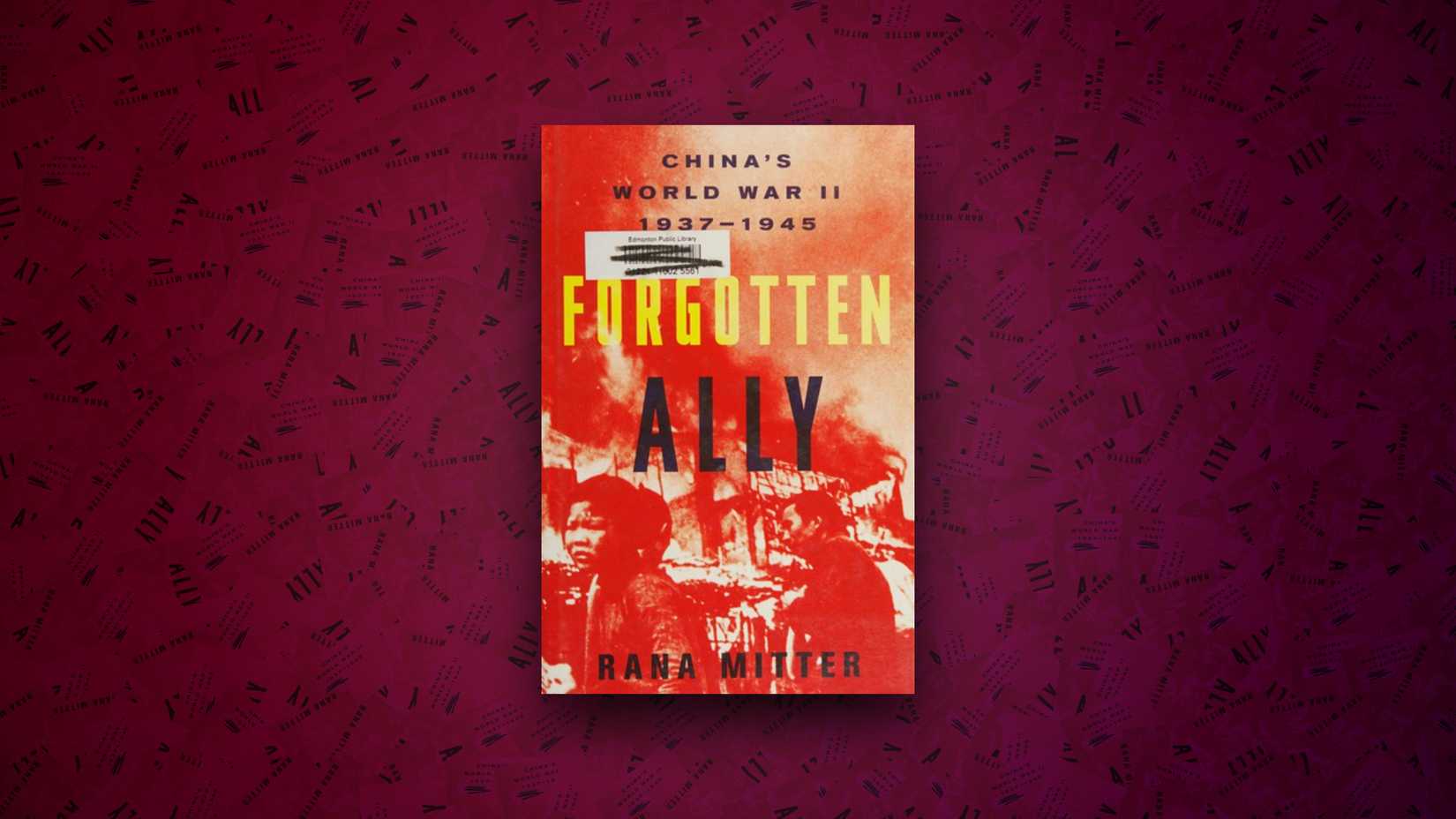
One of the biggest problems with popular histories of World War II is how easily the war can become a story about Europe and the United States, with Asia treated as a secondary theater. Rana Mitter’s Forgotten Ally offers a necessary corrective by placing China’s long and devastating war against Japan at the center of the story. China’s conflict with Imperial Japan began in 1937, years before the United States entered the war, and the fighting would consume enormous numbers of military and civilian lives.
Mitter doesn’t just recount battles, but examines Chinese politics, the struggle between Chiang Kai-shek’s Nationalists and Mao Zedong’s Communists, Japanese occupation, famine, displacement, and the enormous strain the war placed on Chinese society. That broader perspective is what makes the book so valuable. China wasn’t merely a side character waiting for America to enter the Pacific War; it had already been fighting Japan for years. Forgotten Ally expands the conventional WWII narrative in a way that makes the conflict feel genuinely global, while giving one of its most important theaters the attention it deserves.
8 Double Cross, by Ben Macintyre (2012)
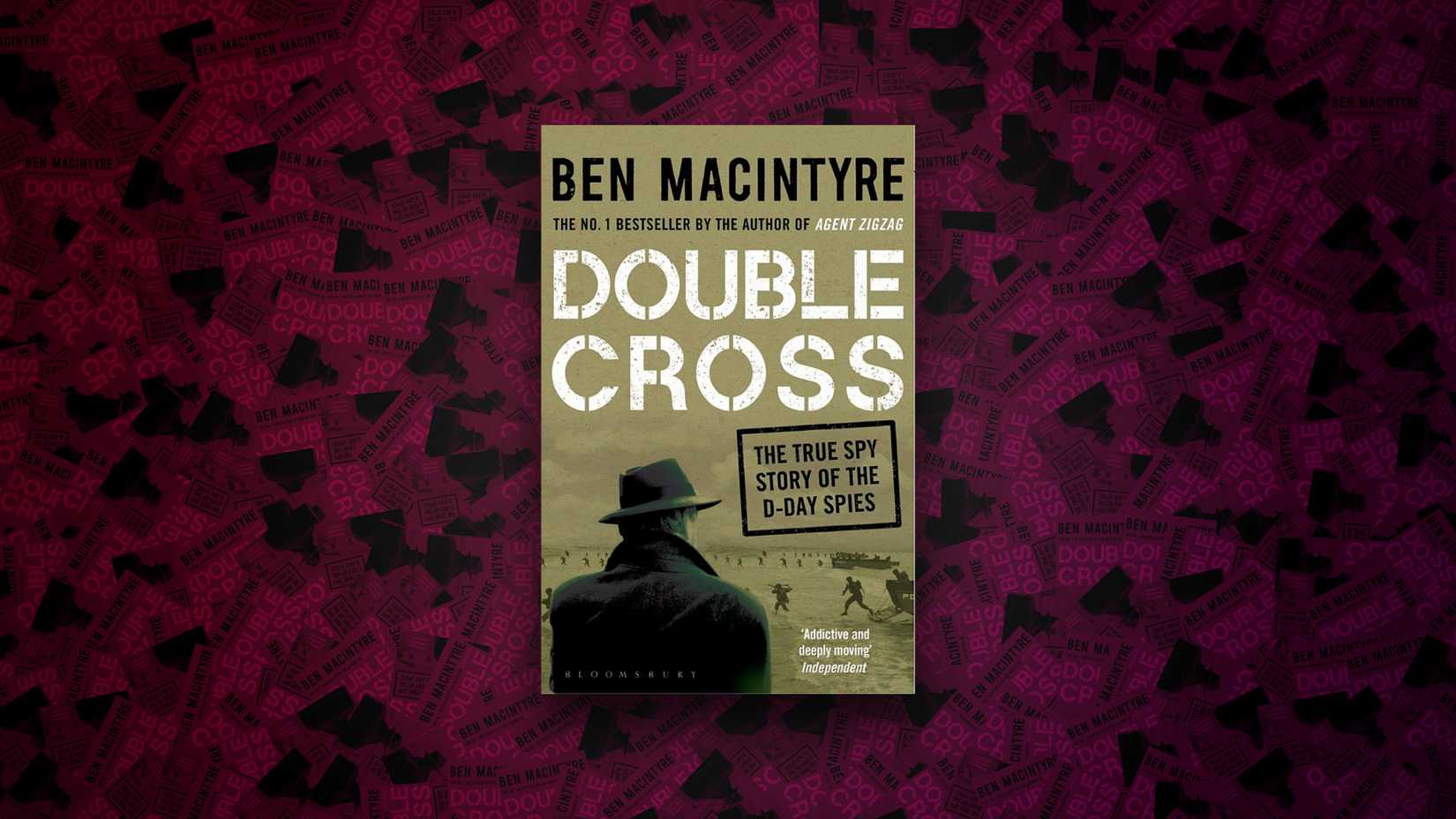
Some of the most important battles of World War II were fought without a single shot being fired, and Double Cross dives straight into one of the strangest examples. Ben Macintyre tells the story of the British intelligence operation that turned German spies in Britain into double agents and used them to feed Nazi Germany a carefully constructed version of reality. The centerpiece is the deception surrounding D-Day, when the Allies needed German commanders to believe the invasion would come somewhere other than Normandy. Macintyre primarily focuses on the agents involved, an eccentric collection of personalities, opportunists, adventurers, and genuine intelligence professionals whose work became one of the most elaborate deceptions of the war.
Double Cross is especially entertaining in that its stakes are enormous even when the action is decidedly low-key. A fabricated report, a coded message, or a seemingly insignificant conversation could influence the movements of entire armies. It’s proof that WWII wasn’t won solely by tanks and bombers. Often, convincing the enemy of something that wasn’t true could be just as powerful as destroying their military might.
7 An Army at Dawn, by Rick Atkinson (2002)
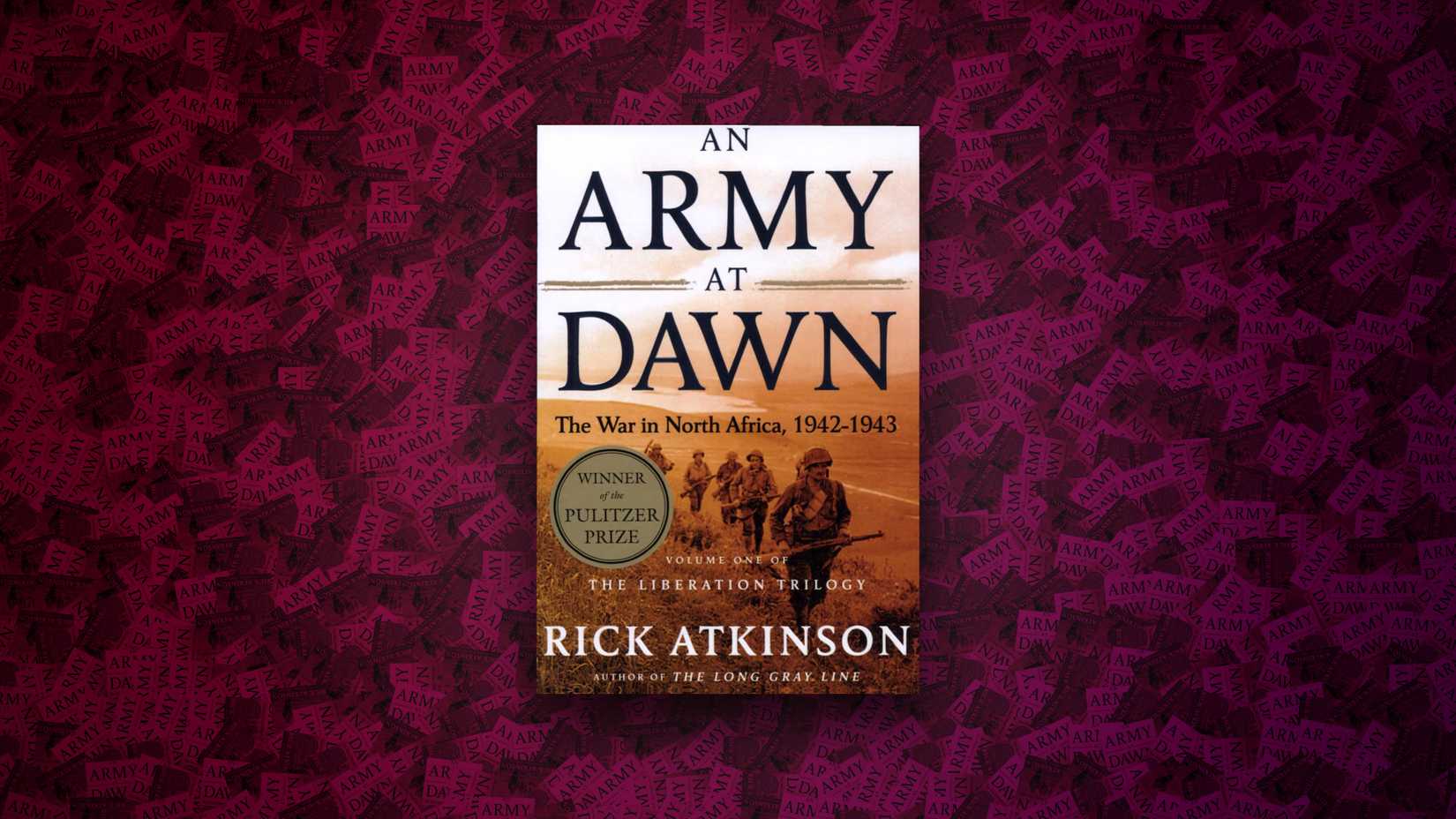
World War II history is filled with stories about American soldiers arriving in Europe as an already formidable fighting force, but An Army at Dawn is fascinating because it shows what came before that. Rick Atkinson’s Pulitzer Prize-winning account follows American forces through the North African campaign, where an inexperienced U.S. Army was thrown into combat against battle-hardened German and Italian troops. The result is as much a story about learning how to fight as it is about winning a campaign.
Atkinson gives the strategic decisions of commanders plenty of attention, but his greatest strength is his ability to make the campaign feel immediate and human. Mistakes have consequences, victories come at a cost, and the American military has to learn some difficult lessons before it can become the force that eventually storms Normandy. As the first book in Atkinson’s Liberation Trilogy, An Army at Dawn also provides an unusually satisfying look at the gradual transformation of the U.S. Army from an untested force into one capable of taking on Nazi Germany.
6 The Unwomanly Face of War, by Svetlana Alexievich (1983)
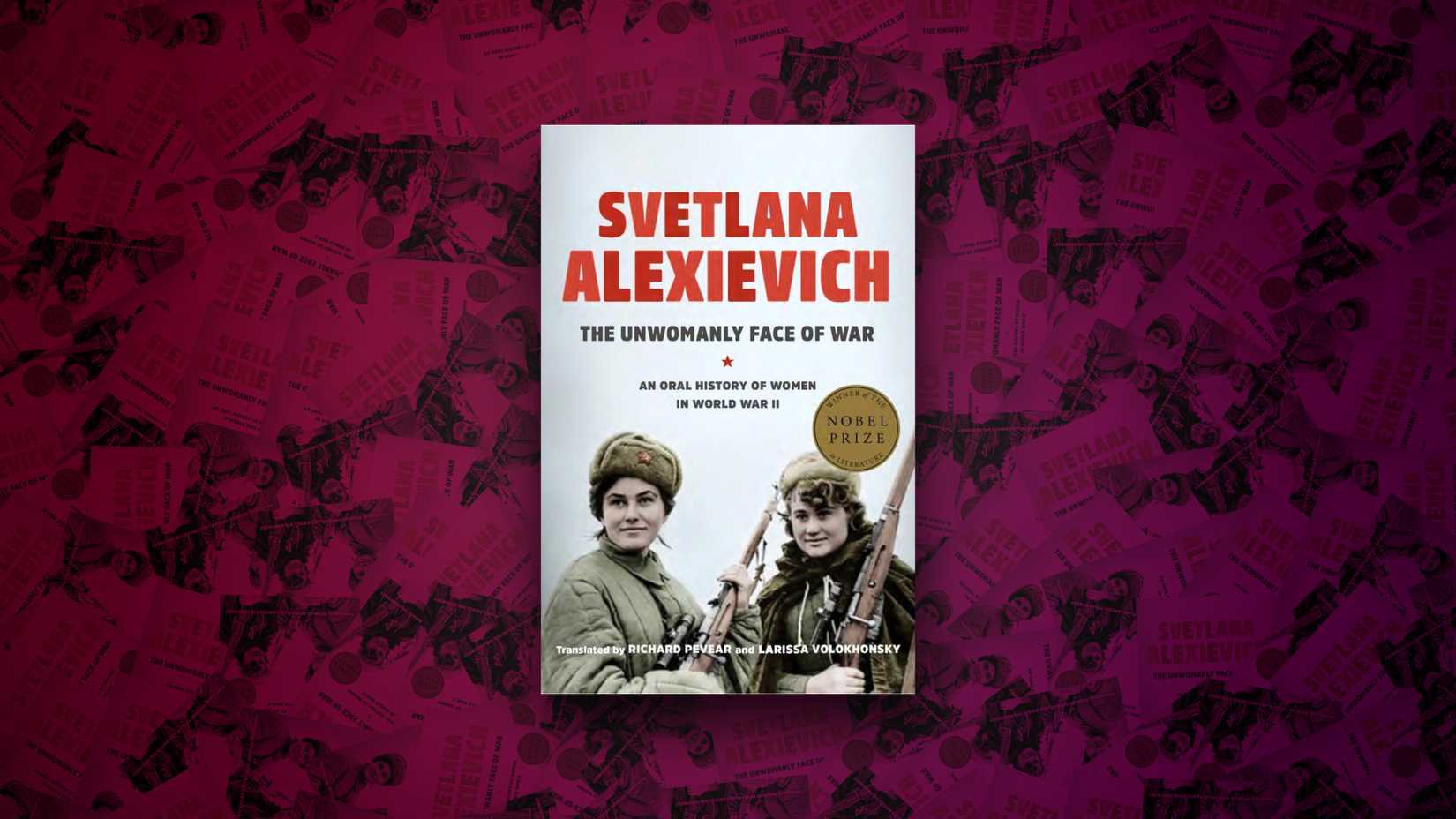
The Eastern Front produced some of the largest and bloodiest battles in human history, but traditional military histories tend to tell that story through generals, armies, tanks, and casualty figures. Through extensive interviews with Soviet women who served during the war, Svetlana Alexievich’s The Unwomanly Face of War approaches the theater from an entirely different direction. She assembles the memories into a sprawling oral history of a side of the Eastern conflict largely pushed aside.
The women featured in the book weren’t simply nurses watching the war from the sidelines. They served as snipers, pilots, machine gunners, tank crew members, medics, and soldiers, often in conditions that were every bit as brutal as those faced by their male counterparts. There’s a certain kind of intimacy Alexievich approaches that’s hard to replicate. The author is less interested in constructing a conventional military narrative than in capturing how war changes the people who experience it. The result is a haunting and deeply personal retelling, and a reminder that the history of WWII is far larger than the stories traditionally told about it.
5 Pacific Crucible, by Ian W. Toll (2011)
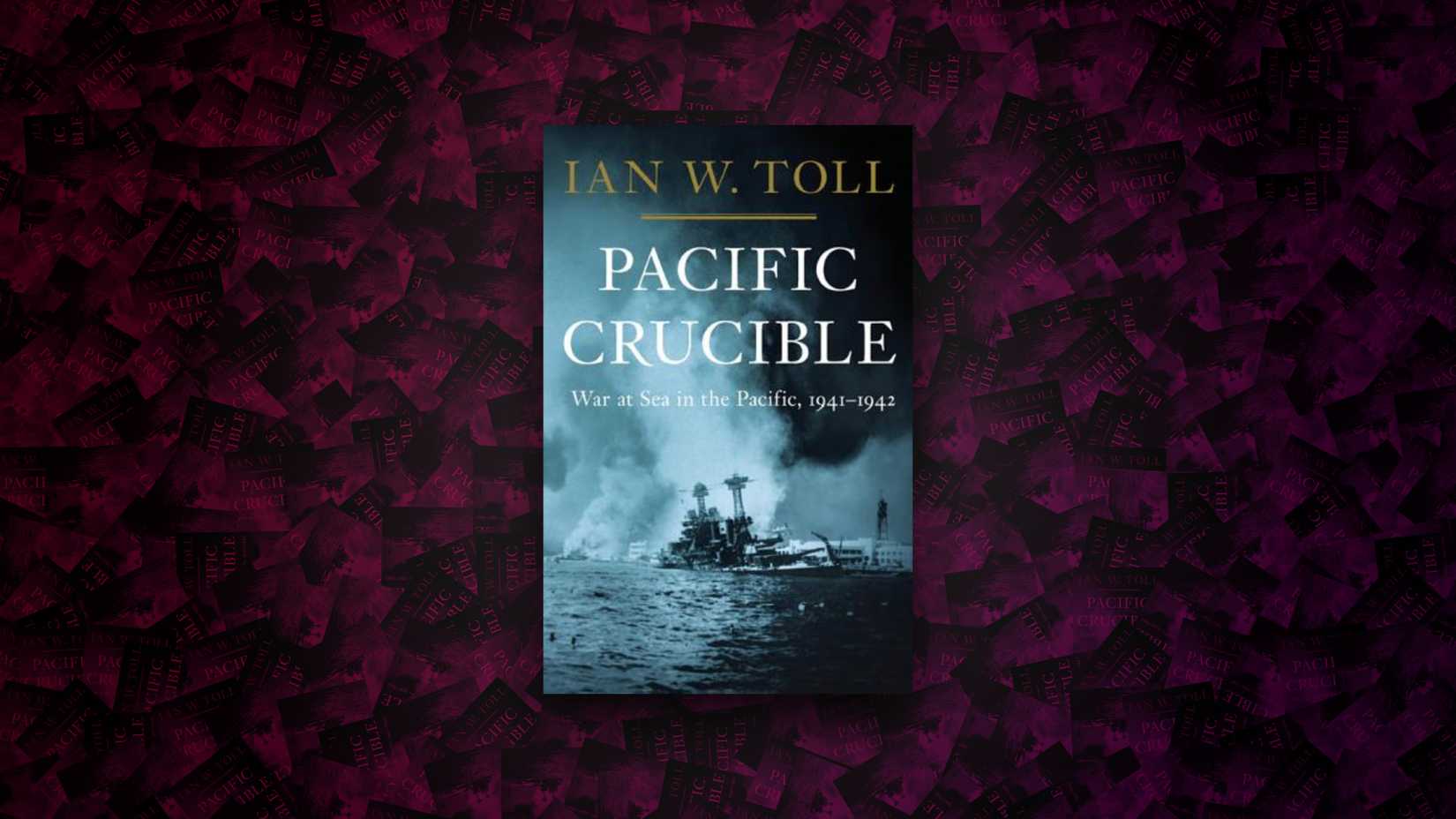
The Pacific War can sometimes be reduced to a string of familiar events, such as Pearl Harbor, Midway, Guadalcanal, and Iwo Jima, but Ian W. Toll’s Pacific Crucible demonstrates just how complicated the conflict was beneath those famous battles. The first book in Toll’s Pacific War trilogy covers the crucial period from Pearl Harbor through Midway, when the United States and Japan were still figuring out what a modern war fought across an ocean would actually look like.
Toll is particularly excellent on naval warfare, explaining carrier operations and strategic decisions without turning the book into an impenetrable military manual. Just as importantly, he shows how much the war depended on things far removed from the battlefield, like intelligence, logistics, industrial production, training, and the ability to replace ships and aircraft faster than an enemy could destroy them. The Battle of Midway becomes the culmination of months of adaptation and desperate fighting. For anyone who wants to understand how America began turning the tide in the Pacific, Pacific Crucible is hard to ignore.
4 Ordinary Men, Christopher Browning (1992)
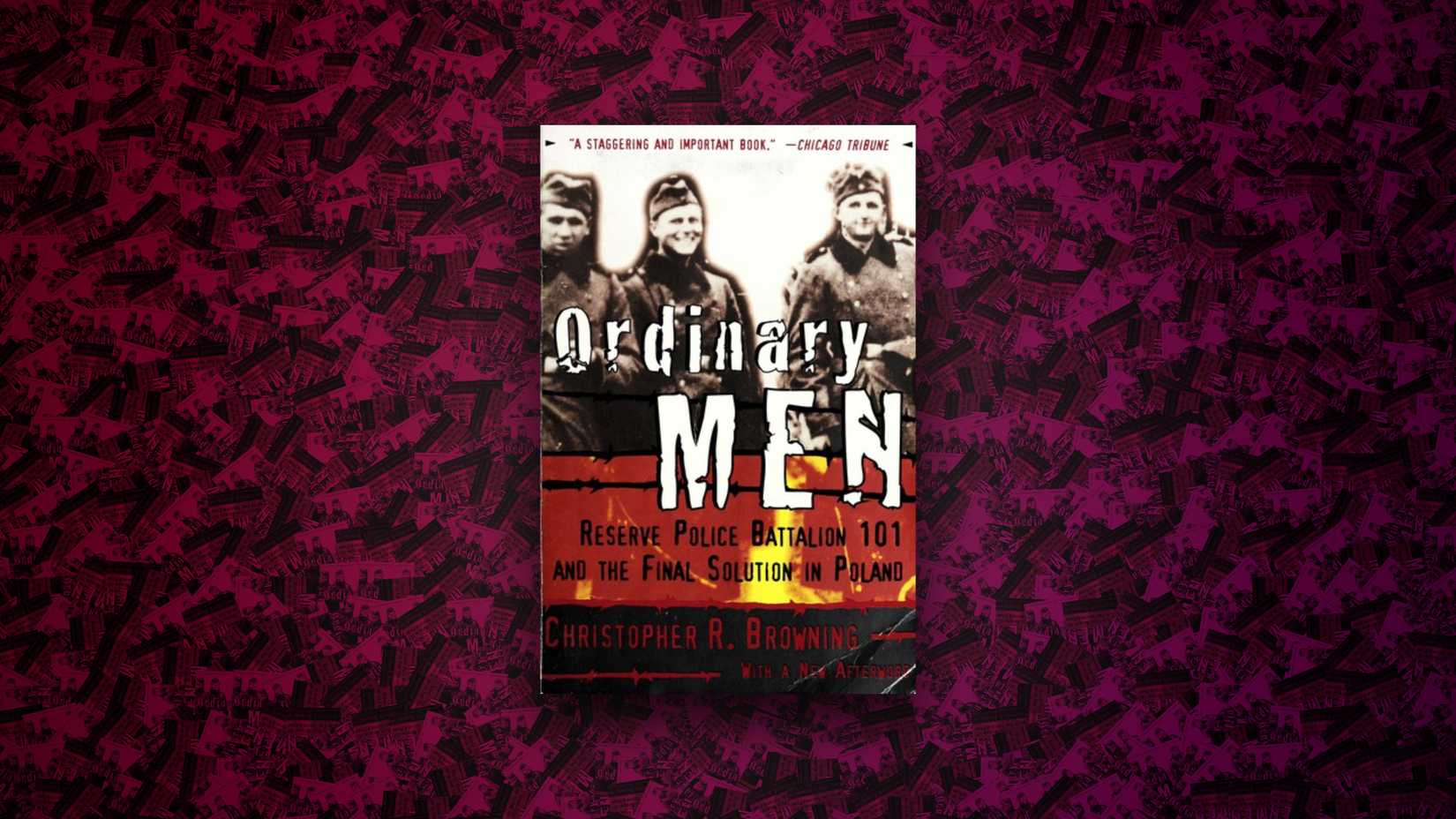
Christopher Browning’s Ordinary Men stands as one of the most disturbing and essential books written about World War II. Rather than focusing on the architects of Nazi Germany, Browning examines Reserve Police Battalion 101, a unit made up of middle-aged German men who became participants in the mass murder of Jews in occupied Poland. The book’s central question is horrifyingly direct: How could seemingly unremarkable people become willing participants in genocide? Browning doesn’t offer an easy psychological explanation, and that’s part of what makes the book so unsettling. He explores peer pressure, obedience, ideology, conformity, gradual desensitization, and the choices individuals make when confronted with increasingly horrific orders.
The men weren’t all fanatical Nazis, nor did every member behave identically. Some refused to participate in particular killings, while others became more involved over time. That complexity prevents the book from turning its subjects into monsters who can simply be dismissed as fundamentally different from everyone else. Ordinary Men is difficult reading, but it remains essential for understanding not only the Holocaust, but the terrifying capacity for ordinary people to participate in extraordinary evil.
3 The Making of the Atomic Bomb, by Richard Rhodes (1986)
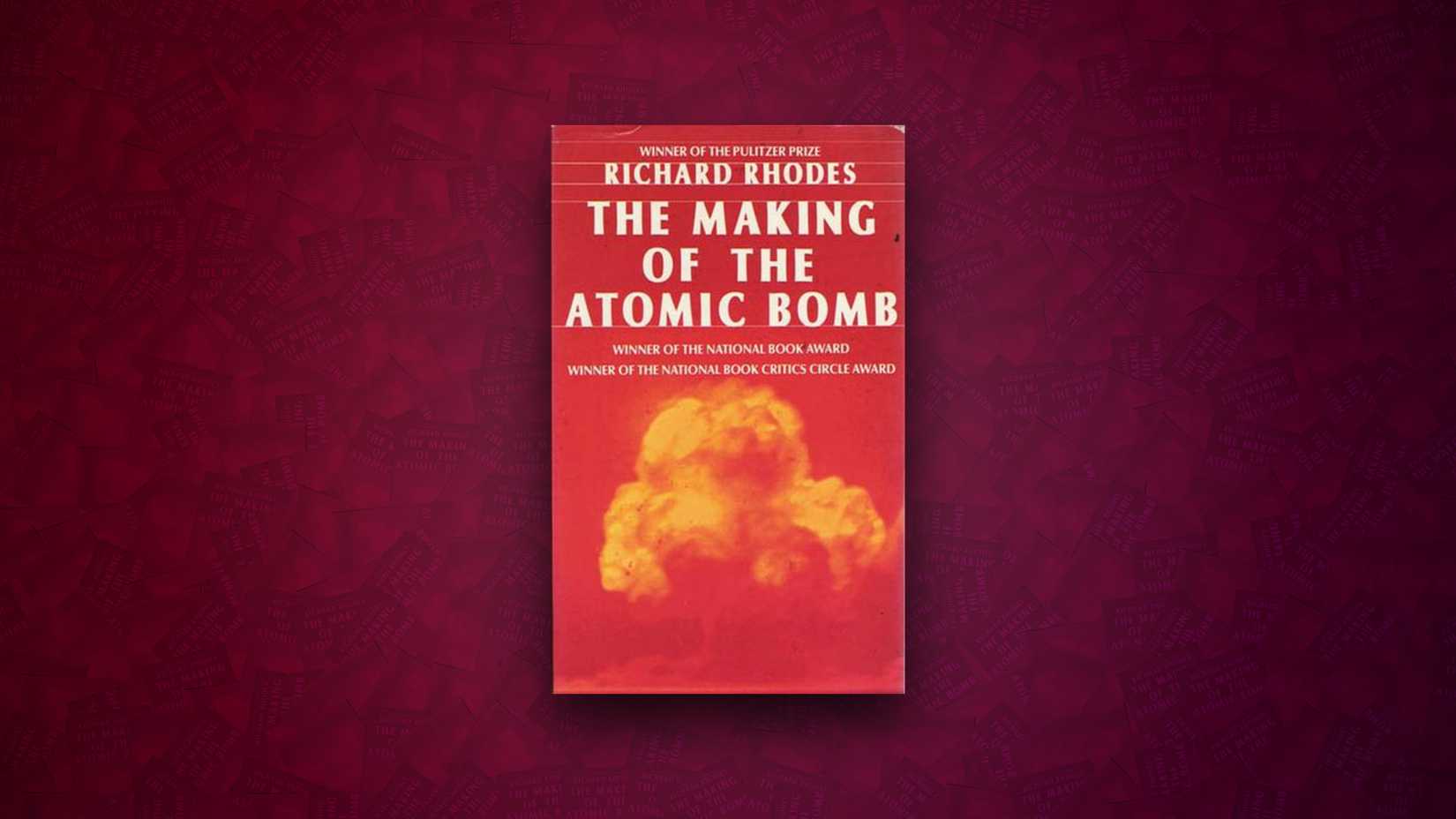
Far from traditional combat zones, one of World War II’s most monumental stories unfolded in quiet lecture halls and hidden desert labs. Richard Rhodes’s Pulitzer Prize-winning masterpiece details the dawn of nuclear weapons, tracing the arc from early quantum theory through the Manhattan Project to Hiroshima and Nagasaki. It’s a monumental work that spans cutting-edge science, industrial engineering, political ambition, and espionage, capturing the exact era when humanity fundamentally altered its own future.
Rhodes makes the complicated science surprisingly approachable while never losing sight of the human consequences. The book also works as a fascinating look at how quickly scientific discovery can become military technology when an entire nation’s resources are brought to bear. By the time the first atomic bomb is detonated, the reader understands that the explosion represents not just a technological breakthrough, but a fundamental transformation in warfare, as well as in the relationship between science and the state.
2 With the Old Breed, by E.B. Sledge (1981)
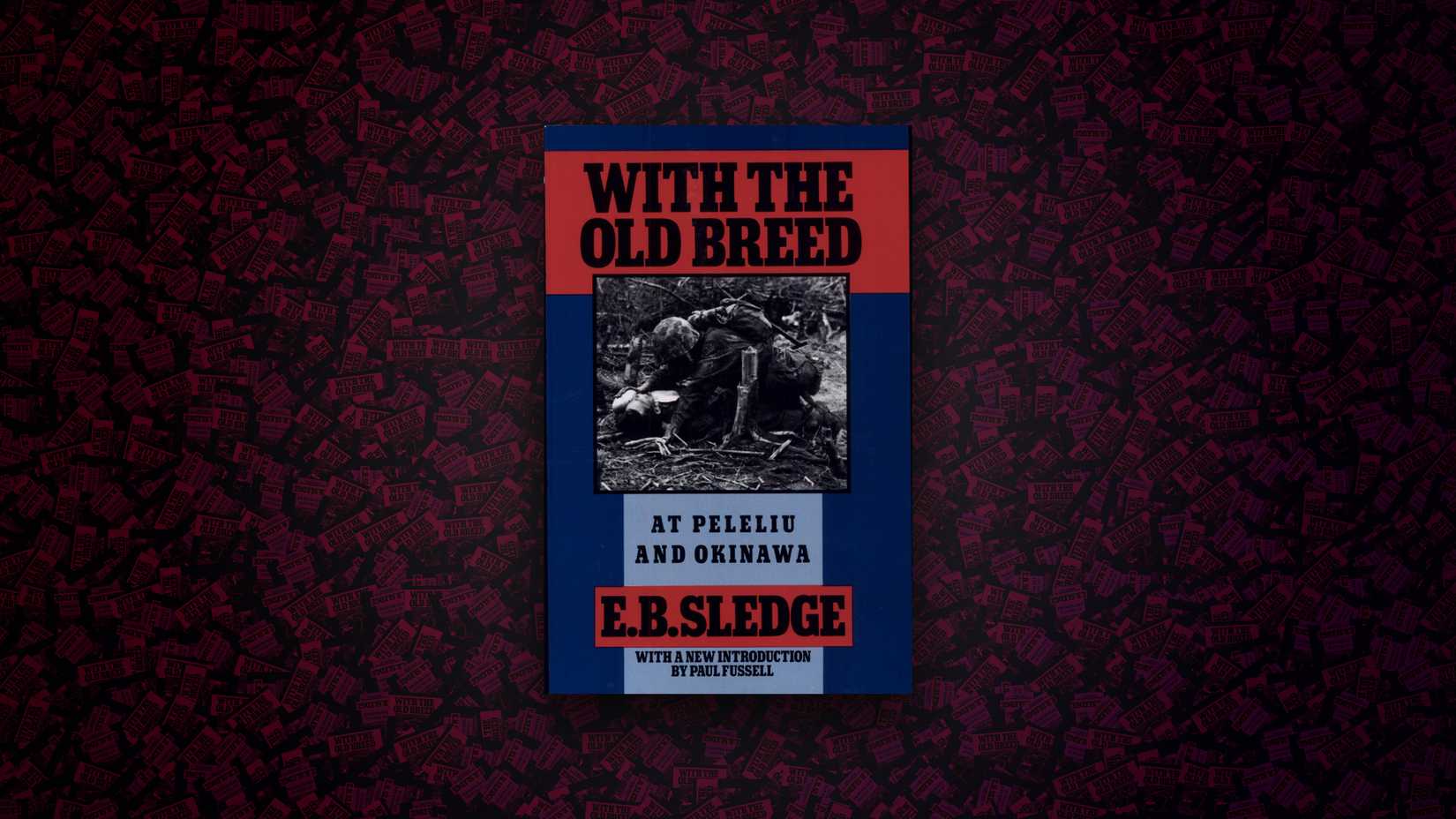
There are plenty of books that describe what soldiers did during World War II, but few of them capture what it actually felt like to be a soldier in the midst of battle. E.B. Sledge’s With the Old Breed comes closer than almost any other memoir. Having served as a Marine during some of the Pacific War’s most horrific fighting, including Peleliu and Okinawa, Sledge’s firsthand account is deliberately stripped of the romanticism that often surrounds the Greatest Generation. There are no easy lessons about courage here, and Sledge doesn’t turn himself into a larger-than-life hero. He writes about fear, exhaustion, filth, death, and the psychological toll of constantly living alongside violence.
What makes the book so powerful is precisely how ordinary many of its details feel. Sledge captures his desperate search for food, the miserable conditions, and small acts of kindness between exhausted Marines with vivid specificity. His writing also makes clear why battles like Peleliu and Okinawa were so devastating. With the Old Breed isn’t simply one of the great WWII memoirs; it’s one of the clearest firsthand records of what industrialized warfare did to those caught inside it.
1 Inferno: The World at War, 1939–1945, by Max Hastings (2011)
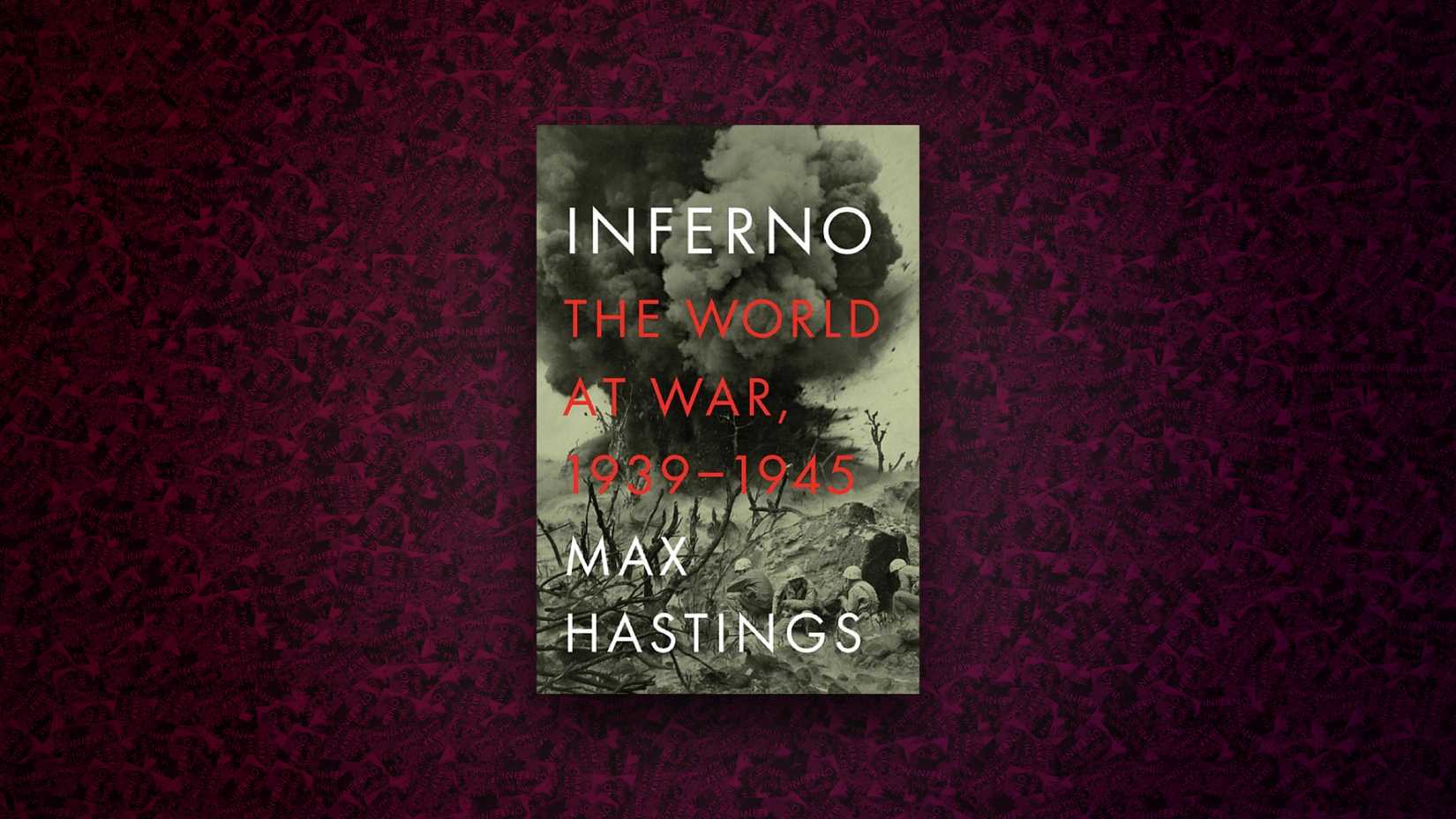
The challenge with a single-volume history of WWII is obvious: How do you adequately cover a conflict that stretched across six years, dozens of countries, and virtually every corner of the globe? If you only want to read one book about World War II, Max Hastings’s Inferno makes a pretty compelling case for itself by keeping the enormous geopolitical picture in view while constantly bringing the war back down to the people who actually experienced it.
The result is a history that can move from the strategic calculations of Winston Churchill and Joseph Stalin to the experiences of soldiers freezing on the Eastern Front or civilians enduring the devastation of Allied bombing. Hastings is particularly good at stripping away some of the mythology surrounding the war, including the idea that victory was inevitable or that Allied forces were uniformly superior. Inferno is sweeping without feeling impersonal, making it one of the best starting points for anyone who wants to understand WWII as a whole rather than just one famous battle.
Source: Polygon
Related articles
 Blizzard Details Diablo IV Season 15 Battle Pass Rewards and Deluxe Edition Bonuses
 Activists Boycott New StarCraft Over Female Marine Character Designs
 Why GTA 6 Has Not Received a Gameplay Trailer Yet
 Rick and Morty Creator Dan Harmon Discusses Lore for New Show President Curtis
 Blizzard Adds Online DRM to Warcraft III: Reforged Following Forsaken Kingdom Campaign Release
 X-Men Origins: Wolverine Slasher Developed Without Crunch Thanks to Film Delay
 Blizzard Reveals Amazon Class in Diablo IV Will Be Exclusively Female
 10 RPGs From The ’90s That Aged Like Fine Wine