
Stargate SG-1 Streams for Free 29 Years After Release
Roland Emmerich’s 1994 sci-fi adventure movie Stargate was meant to be the first in a planned trilogy. The Independence Day director penned the script alongside frequent collaborator Dean Devlin, hoping to kickstart a sci-fi franchise that drew heavily from mythology. While Stargate’s theatrical release broke records at the box office, its critical reception was less than warm due to its cliché-ridden alien-invasion narrative and an overreliance on melodrama. Emmerich’s planned movie sequels were never produced, apparently because MGM instead committed to television expansions of the franchise. Those started with 1997’s Stargate SG-1, which made stellar use of an action-heavy adventure-of-the-week format over 10 seasons, and all of those seasons are streaming now.
All seasons of Stargate SG-1 are now streaming on Netflix, Prime Video, Pluto TV, and MGM+.
SG-1’s allure comes from the way it filled a void specific to the 2000s science fiction TV landscape. Massive genre franchises like Star Trek started to display signs of fatigue after the millennium, and the reimagined Battlestar Galactica did not materialize to boost interest in sci-fi prestige television until 2004. SG-1 arrived in a lull for science fiction TV and capitalized on an impassioned online fandom culture while benefiting from the enduring blockbuster status of Emmerich’s foundational film.
Emmerich’s Stargate opens in Giza with the unearthing of the titular ring-shaped device, which turns out to be an arched gateway covered with hieroglyphics. After an American military project discovers the Stargate’s true function, creating wormholes for instantaneous travel to a distant planet, linguist Daniel Jackson (James Spader) and Colonel Jack O’Neil (Kurt Russell) embark on a dangerous mission to explore the Stargate’s purpose.
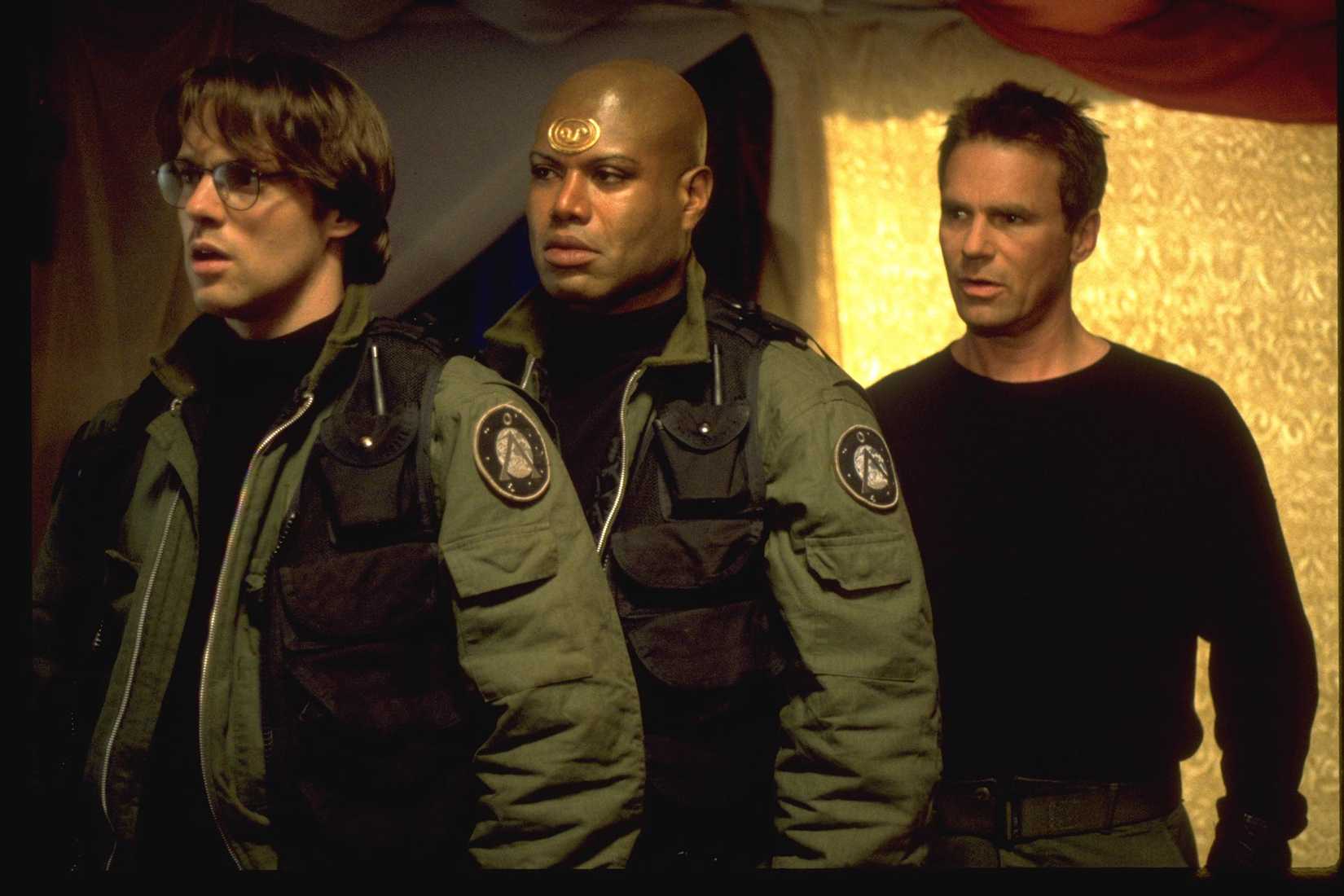
A one-way trip to a harsh desert on the planet Abydos pits the gruff O’Neil and the brilliant Jackson against a deadly alien god, whose defeat ushers in a new era for humanity. Stargate SG-1 picks up a year after these events, with different iterations of O’Neil, now spelled “O’Neill” and played by Richard Dean Anderson, and Jackson, played by Michael Shanks, working with a crew acting on the behest of a military base named Stargate Command.
O’Neill and Jackson are significantly fleshed out as characters throughout the series. Series creators Brad Wright and Jonathan Glassner toe a delicate line between respecting the original iterations of those characters and allowing new personality facets to evolve. Kurt Russell’s take on O’Neil comes off as deeply cynical even when he fights for what is right, while Anderson’s O’Neill uses dry humor to deflect tricky scenarios and introduce laid-back levity to the team dynamics. Every other crew member, including the impressively capable Air Force officer Samantha Carter (Amanda Tapping) and the intensely loyal genetically modified human Teal’c (Christopher Judge), is designed to draw fans in even when the show’s pacing and worldbuilding get wonky.
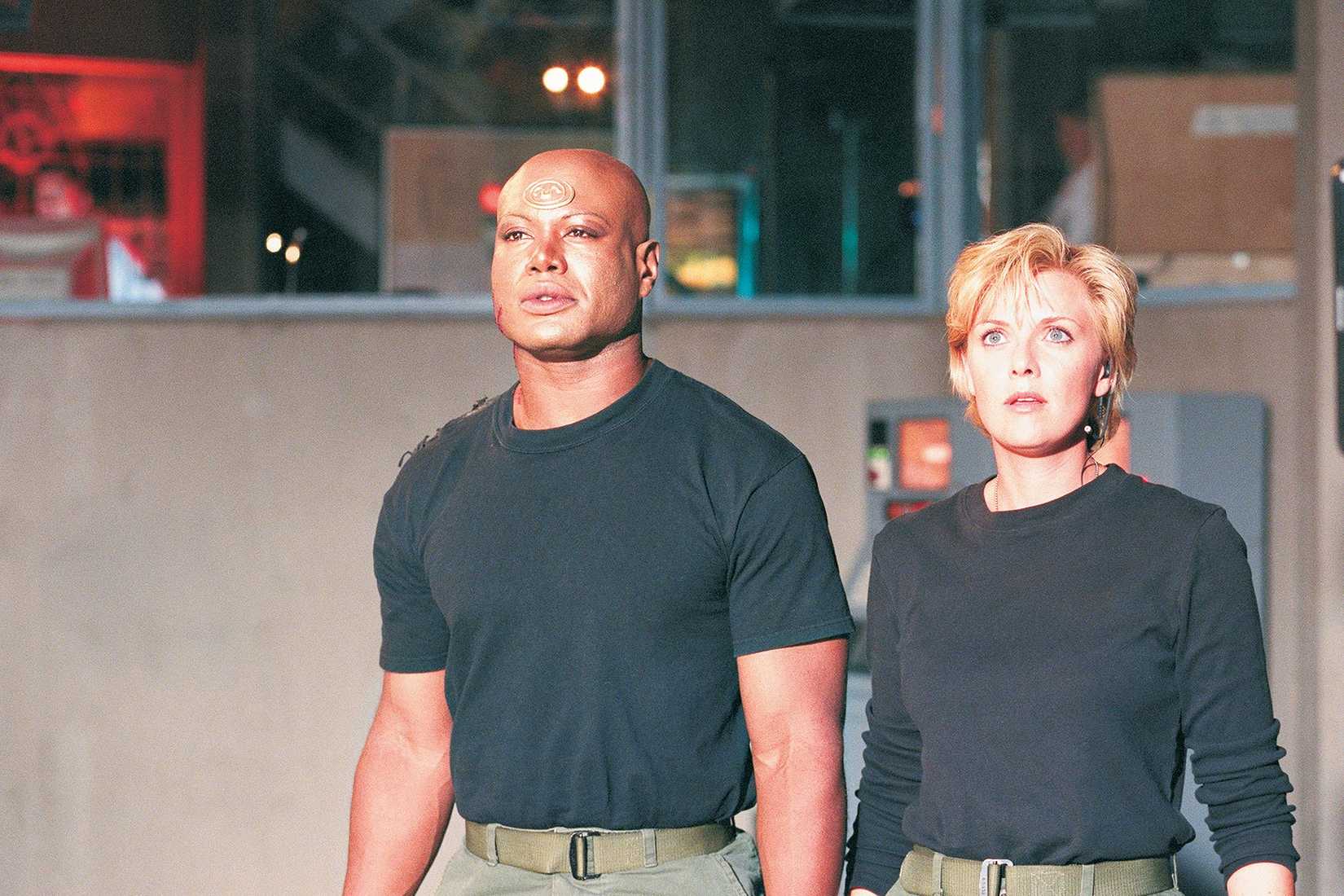
SG-1’s lore is as pleasantly unpredictable as soft sci-fi TV gets. The show drives conflict by following the cast as they tap into the undiscovered corners of the galaxy, contending with hostile alien species like the snake-like Goa’uld or unraveling the mystery behind humanity’s predecessors, the Ancients. The Stargate devices could finally be more than mystifying McGuffins, as they allowed the crew to travel backward and forward in time or end up in completely separate timelines, leading to the deaths of beloved characters in alternate dimensions. This chaos-laced approach inevitably devolves into campy silliness at times, but there is a sweet sincerity to these wildly imaginative storylines, especially when viewed through the rose-tinted glasses of nostalgia.
Beyond SG-1
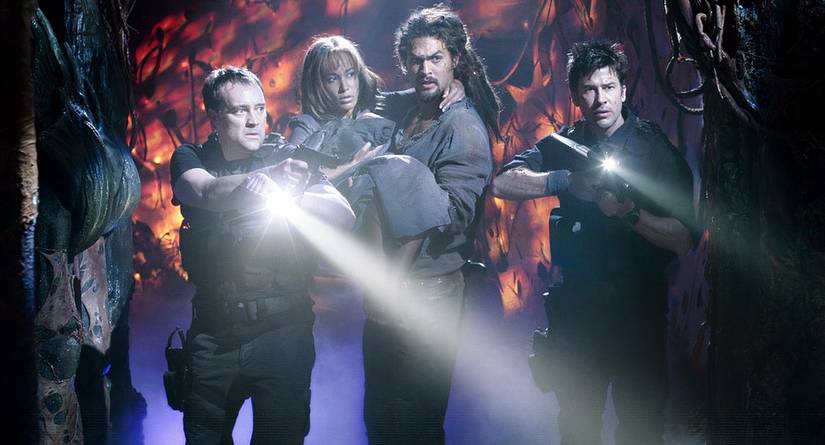
SG-1 was popular enough to launch multiple worthwhile franchise sequels. Stargate Atlantis was launched in 2004 as a spin-off sequel at the end of SG-1’s seventh season, and it embraced an endearing, trope-heavy tone that indulged in the most compelling aspects of sci-fi fanfiction. By contrast, 2009’s Stargate Universe has a more mature, bleak overtone, paving the path for a more intellectual storyline entrenched in philosophical conundrums. Stargate reaped the rewards of steady fandom loyalty when both SG-1 and Atlantis were airing on the Syfy Channel, allowing sci-fi fans to play around in a futuristic sandbox with limitless possibilities.
Amazon MGM greenlit a Stargate revival last year, instilling hope that the franchise can be reborn anew, in an updated form fit for the sci-fi landscape of the 2020s. Regardless of how that pans out, contemporary sci-fi TV owes a massive debt to Stargate SG-1, which proved that a pulp take on sci-fi can lend itself to intricate outer worlds and deeply memorable characters.
All seasons of Stargate SG-1 are now streaming on Netflix, Prime Video, Pluto TV, and MGM+.
Source: Polygon
Related articles
 Remedy Entertainment Registers Trademark for Familiar Alan Wake Title
 Warhammer Age of Sigmar Announces Hazelit Strongholds Duardin Miniature Sets
 Star Trek Kelvin Era Comics Returning in November After 10 Years
 PlayStation Store Sale Offers Discounts of Up to 75 Percent for Tokyo Game Show
 Michelle Yeoh Thriller The Surgeon Scores 100 Percent on Rotten Tomatoes
 Five Sci-Fi Movies With Scientifically Plausible Time Travel
 Five New Cast Members Join Far Cry Series
 Zach Cregger’s Resident Evil Sets Franchise Preview Record and Surpasses Weapons