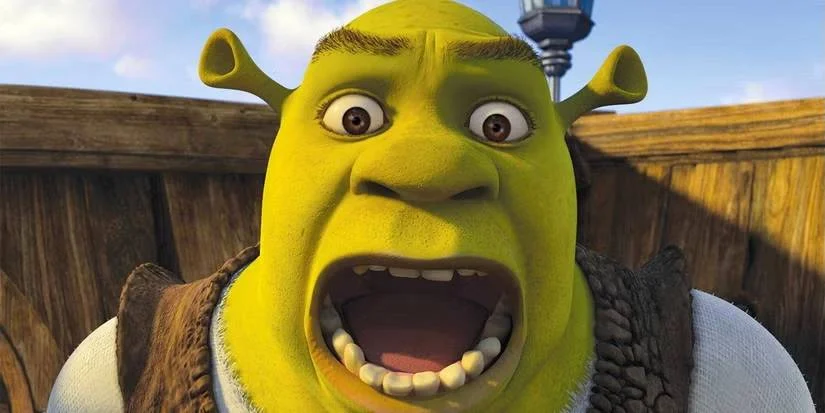
Shrek 5 Risks Losing Its Anti-Disney Identity
Though DreamWorks treated the project like a green-skinned black sheep throughout its decade-long development — so much so that animators considered working on it a punishment — the Shrek franchise quickly became beloved by families everywhere when the first movie debuted in 2001.
While Disney filled people’s heads with fairy-tale definitions of love and hope in movies like Cinderella and Sleeping Beauty, Shrek stood out as the edgier adult fairy-tale cousin. It featured profanity and fart jokes, and instead of the graceful animal companion typical of Disney films, it starred an annoying talking donkey voiced by Eddie Murphy. This completely different vibe quickly made Shrek a pop culture icon that felt cooler to discuss and meme about. It even inspired a Broadway adaptation.
Shrek became a household name by parodying Disney’s whimsical stories and exploring themes of friendship and family. Now, 26 years later, the idea that the franchise may have become the very thing it swore to mock has fans worried that Shrek 5 could turn out to be a soulless cash grab.
From the very beginning, Shrek always had something distinct to say.
Shrek (2001)
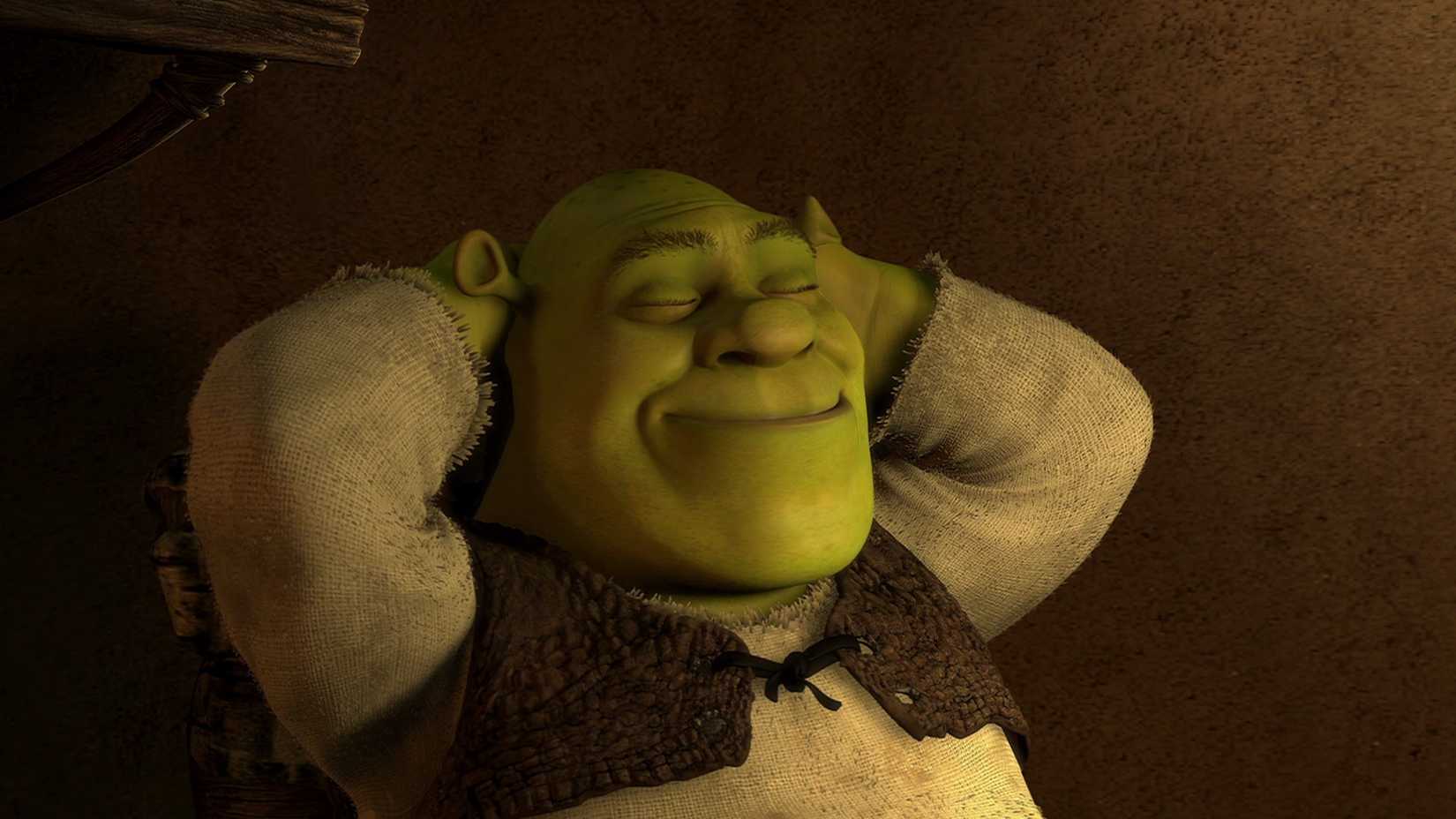
The original Shrek opens with a famously backhanded fairy-tale setup. A storybook flips open, revealing a traditional tale as choral music swells in the background. Seconds later, a gigantic hand rips the page out, and a toilet flushes as Shrek emerges from an outhouse outside his home.
Throughout most of Disney’s earlier movies, true love followed a rigid formula. A woman met a man while in extreme distress, he rescued her, and they fell in love before marrying and having kids. The characters were almost always thin, able-bodied, and conventionally beautiful. If someone was fat, had a big nose, or lacked traditional attractiveness, their only options were to play a maternal fairy grandmother or an unrepentant villain.
Shrek dared to ask different questions. What if unconventional-looking people fell in love? Would it ruin the world if a woman saved herself without a man’s help in a dynamic sequence that remains a standout animated moment? Was Duloc simply a sterile corporate place run by a leader interested only in making money?
The original film resonated deeply with audiences who found plenty to mock in Disney’s traditional stories. It struck such a powerful chord that DreamWorks continued to target the House of Mouse and broader pop culture norms in subsequent films.
Shrek 2 (2004)
Sequels rarely surpass the original, but Shrek 2 proved an exception. It introduced iconic characters including Puss in Boots, played by Antonio Banderas. Directors Andrew Adamson and Vicky Jenson turned familiar fairy-tale conventions on their heads with even greater enthusiasm than the first film.
The sequel drew direct comparisons between fairy-tale characters and the vapid world of celebrity culture. Shrek and Fiona travel to Far, Far Away to meet Fiona’s parents, and audiences immediately notice that the local sign mimics the Hollywood sign in Los Angeles. Paparazzi flock to celebrities such as Prince Charming and the Fairy Godmother, mirroring modern tabloid culture.
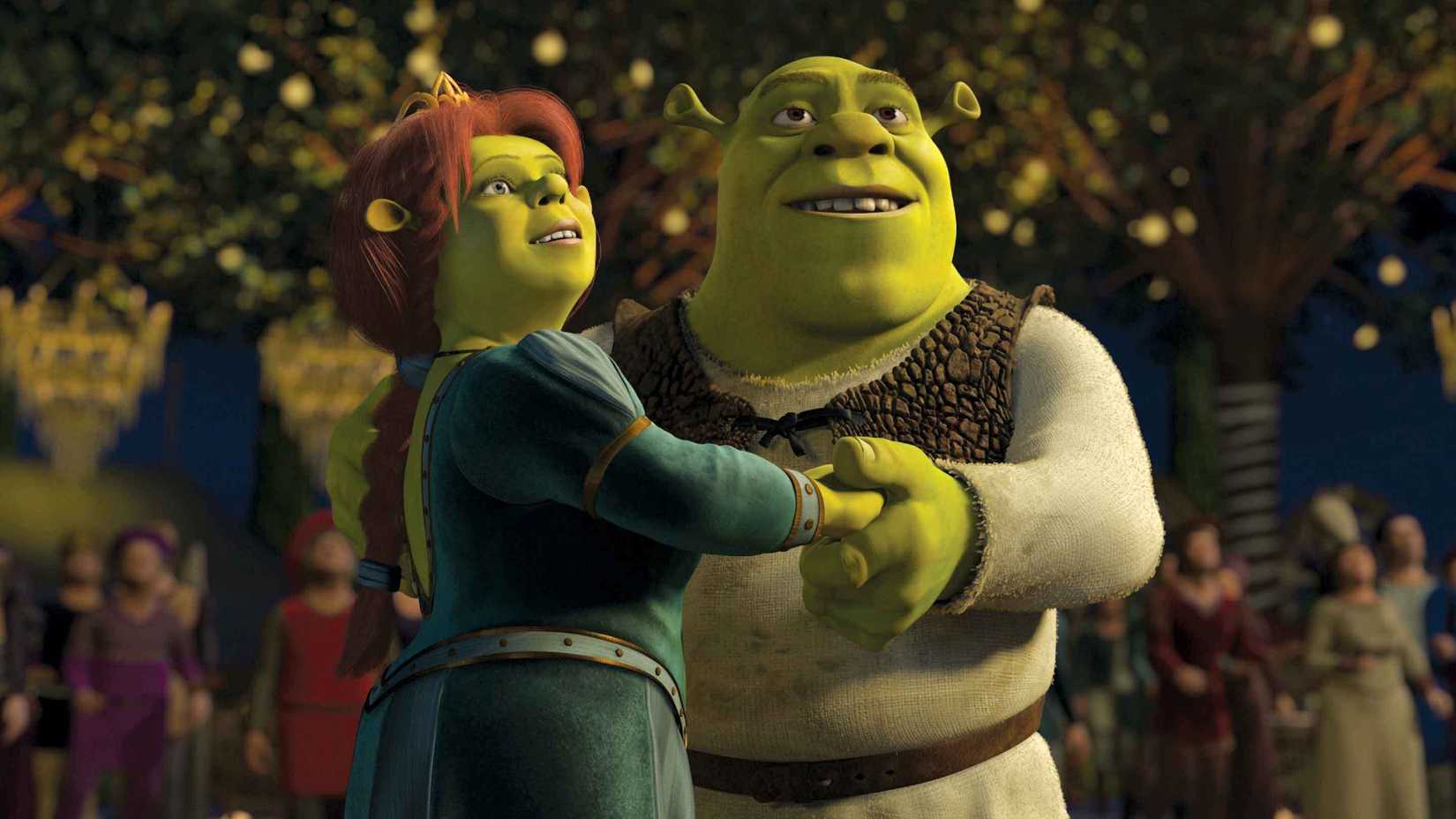
Adamson and Jenson highlighted how celebrities are held up as ultra-perfect, reflecting societal pressure on everyday people to match those standards. Even Shrek and Fiona temporarily transform into attractive humans to see how much better society treats them.
Shrek 2 examined these pressures long before the era of social media, extreme body-modification surgery, and trending weight-loss drugs. The directors concluded the sequel by having Shrek and Fiona reject those artificial pressures.
Shrek the Third (2007)
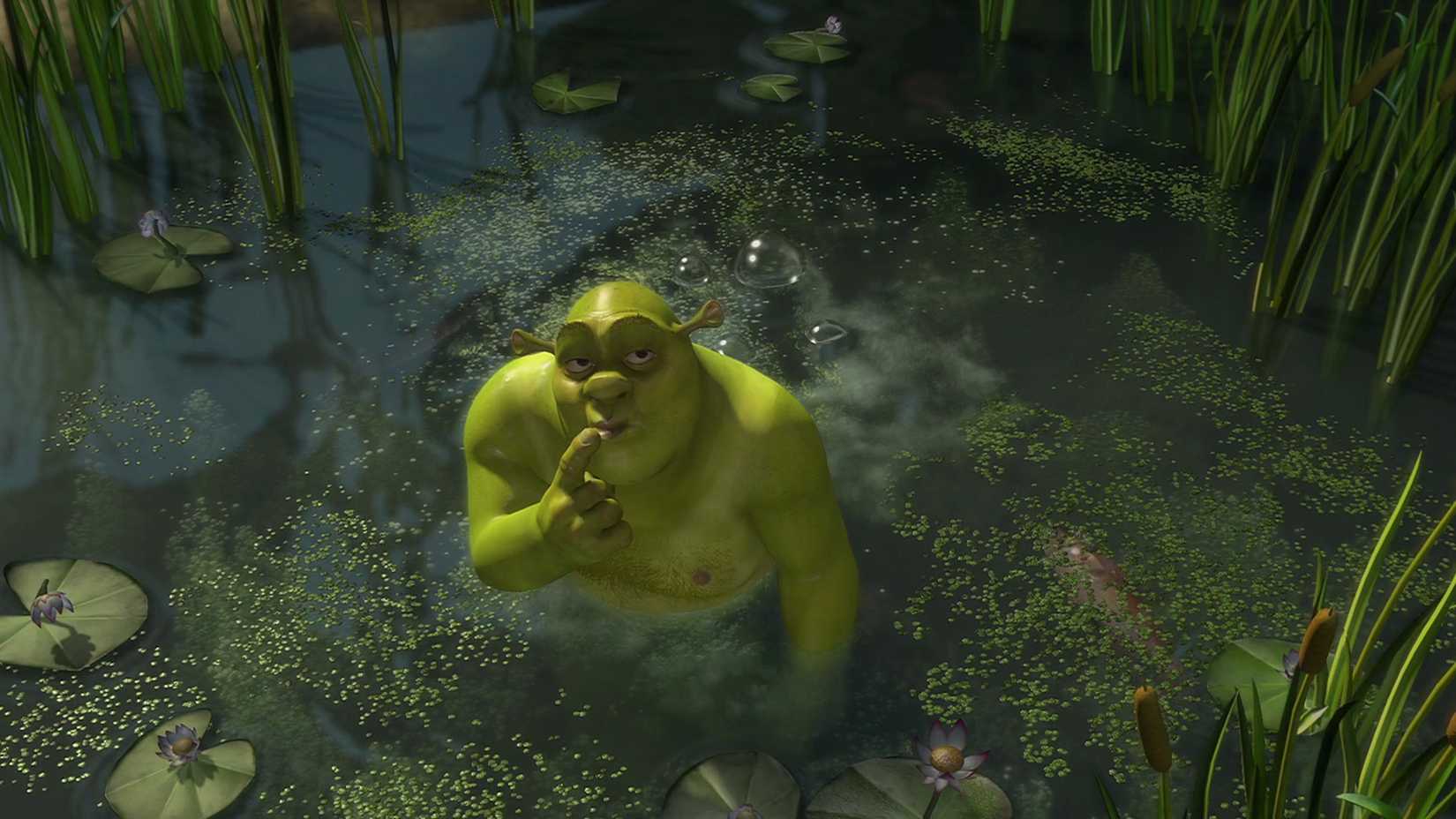
By 2007, DreamWorks had delivered two films centered on rejecting society’s shallow constraints. Under new director Chris Miller, the franchise shifted toward Arthurian mythology, sending Shrek, Donkey, and Puss in Boots to recruit Arthur as the new king of Far, Far Away.
Miller focused heavily on the theme of fatherhood. Against a fairy-tale backdrop ranging from wise guides to deadbeats, Shrek’s fear of failing as a father drives much of the narrative in Shrek the Third.
While the movie included a B-plot about fairy-tale villains reforming to become good guys, it marked a turning point. The franchise shifted away from sharply deconstructing fairy-tale conventions and focused instead on internal character arcs and real-world milestones.
Shrek Forever After (2010)
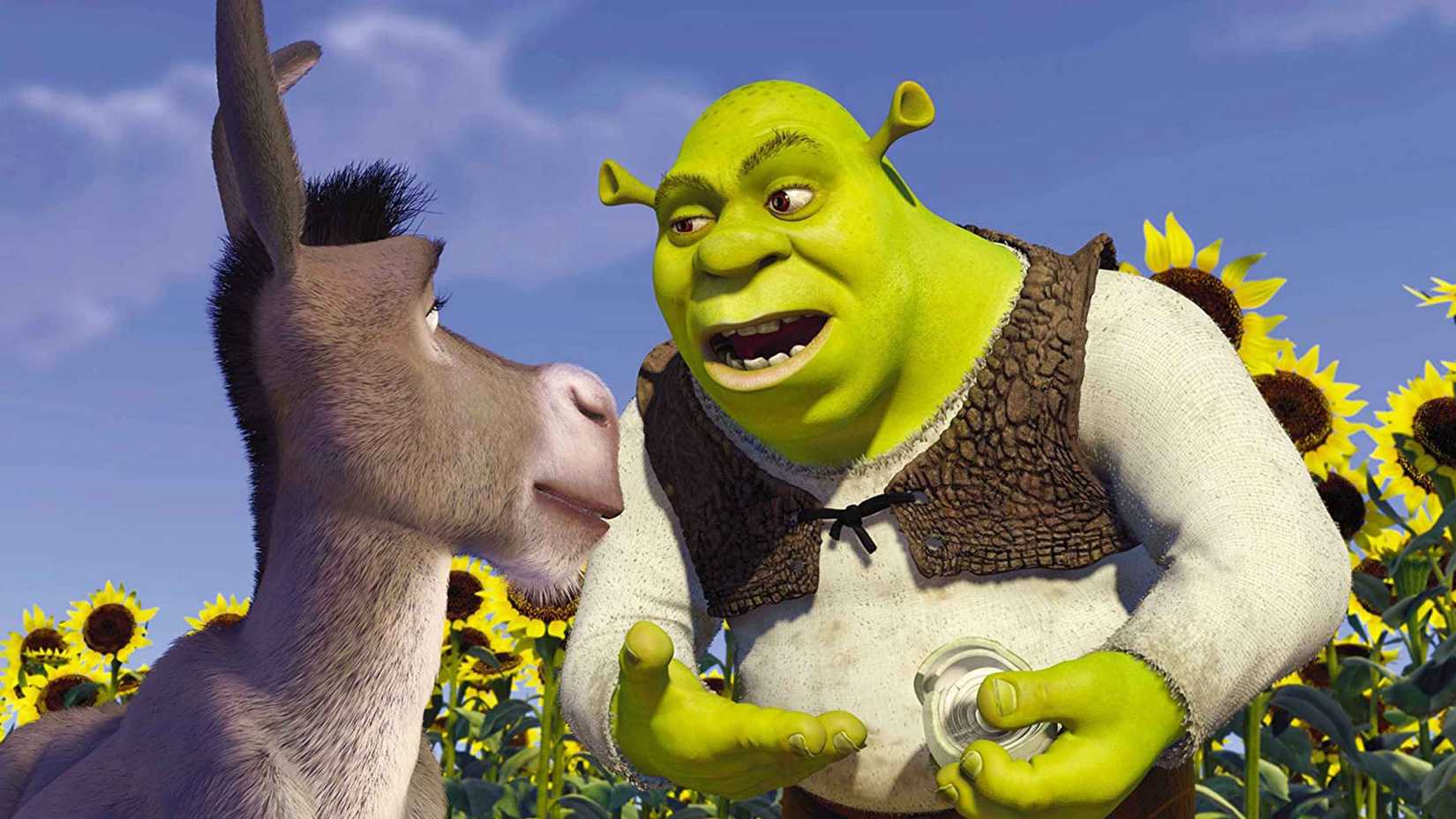
Shrek Forever After introduced Rumpelstiltskin and his wish-granting abilities, using the fairy-tale premise as a backdrop for Shrek experiencing a midlife crisis. Directed by Mike Mitchell, the film followed Shrek as he struggled to feel like a real ogre.
Desperate to reclaim his old life, Shrek makes a deal with Rumpelstiltskin that places him in an alternate reality where he never existed, echoing It’s a Wonderful Life. While the movie showed the consequences of Shrek taking his family for granted, it also clashed with his established growth as a responsible father by the end of the third film.
Shrek 5 (2027)
Seventeen years after Shrek Forever After, a new entry is on the way. When the film was first announced, rumors claimed the story would focus on Shrek’s teenage daughter, Felicia, or the return of Lord Farquaad.
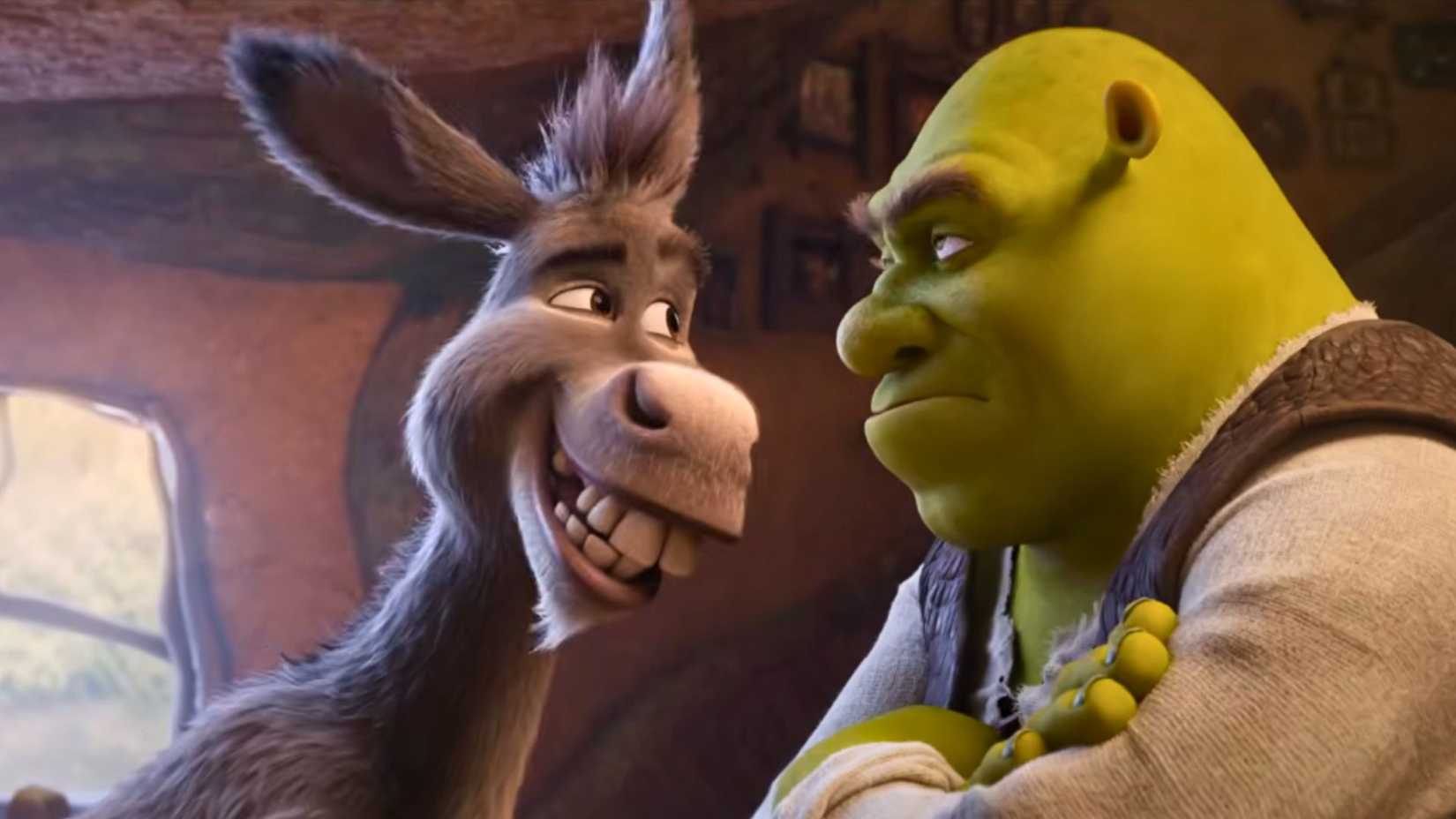
While specific plot details remain unconfirmed, early teasers suggest the fifth film may rely heavily on rehashing iconic moments from previous installments, such as past prison breaks and giant pastry battles.
As of now, it remains to be seen whether Shrek 5 has a cohesive plan or if it risks becoming the exact type of shallow, corporate franchise content that the original movie set out to mock.
Source: Polygon
Related articles
 Microsoft’s Alligator Xbox May Be a GTA VI Marketing Workaround
 Analysts Say Gran Turismo 7 Is Not on PS Plus Because It Has Earned Sony Hundreds of Millions of Dollars
 Mike Flanagan Hints at Unexpected Approach to Warhammer 40,000 Series Starring Henry Cavill
 The Legend of Zelda: Ocarina of Time – Shadow Temple Dungeon Walkthrough
 Ganondorf’s Castle Walkthrough in The Legend of Zelda: Ocarina of Time
 The Legend of Zelda: Ocarina of Time — Spirit Temple Dungeon Walkthrough
 Study Confirms Impact of Social Messaging on Video Game Sales
 Blue Eye Samurai Season 2 Gets Trailer and Release Date as Mizu Heads to London