Seven Classic Noir Movies to Watch After Spider-Noir
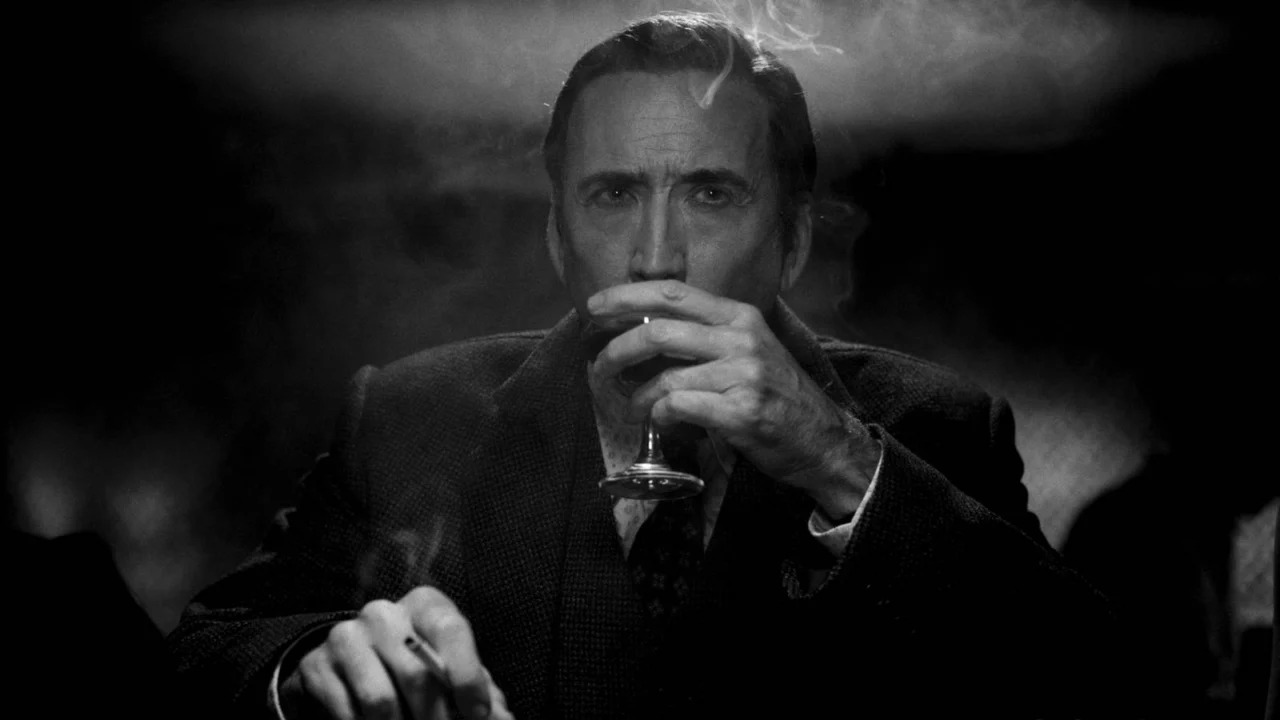
Spider-Noir received a cancellation after a compelling first season, but Nicolas Cage’s turn as the spider hero remains a classic entry in the noir genre. The Prime Video series differs significantly from live-action Spider-Man films that preceded it. The show aligns closely with the films inspiring it, minus the web-slinging. As a hard-boiled detective story featuring morally ambiguous characters, moody lighting, and an inner monologue, Spider-Noir draws heavily from film noir. Emerging in the 1940s and 1950s, film noir primarily consists of crime dramas centered on detectives or private eyes. These movies reflect a cynical worldview shaped by the desperation of the Great Depression and the horrors of World War II.
The director of the first two episodes of Spider-Noir previously told Polygon which movies shaped the visual style and atmosphere of the series. He highlighted four films, and those selections appear below alongside a few personal recommendations for anyone who finished Spider-Noir and wants more of that moody vibe.
Chinatown (1974)
Directed by Roman Polanski, Chinatown stars Jack Nicholson as J. J. “Jake” Gittes, a private detective in 1930s Los Angeles. A woman claiming to be Evelyn Cross-Mulwray, played by Faye Dunaway, hires him to investigate her husband’s infidelity. This routine case pulls Jake into a massive web of murder and corruption that threatens his life.
Chinatown serves as an accessible entry point for viewers new to film noir. It is relatively modern compared to other films on this list, features color, and stars a widely recognized actor. Critics frequently cite the film as one of the greatest ever made due to its blend of classic noir tropes and modern psychological thriller sensibilities. Although released after the golden age of film noir in the 1940s and 1950s, Chinatown stands as a definitive neo-noir example. Spider-Noir director Harry Bradbeer consequently cited it as an influence on his modern take on the genre.
Casablanca (1942)
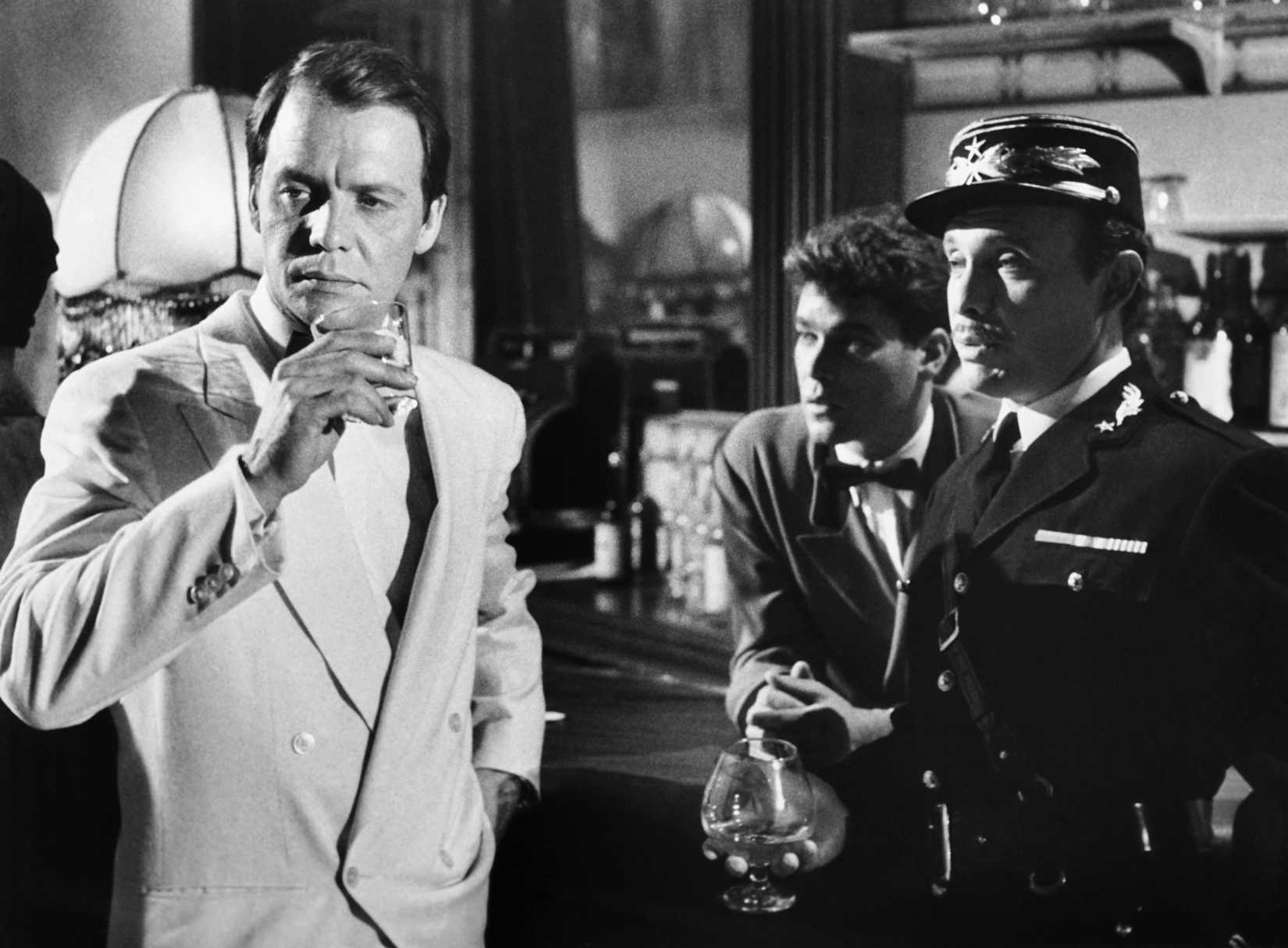
Another of Bradbeer’s suggestions, often cited as one of the greatest films ever made, is Casablanca. Directed by Michael Curtiz, the story follows Rick Blaine, an American expatriate running a nightclub in Morocco during World War II, played by Humphrey Bogart. When his former lover Ilsa Lund, played by Ingrid Bergman, reenters his life, she asks him to help her husband escape Nazi-controlled territory.
Featuring strong romantic chemistry between Bogart and Bergman alongside a high-stakes wartime plot, Casablanca earned its reputation as a sweeping romantic epic and an all-time classic. While it leans more toward romance and wartime drama than strict film noir, the movie shares defining visual elements of the genre, including stark lighting and smoky interiors. Rick Blaine stands as arguably Bogart’s greatest role. Nicolas Cage modeled his character in Spider-Noir in part on Bogart, making the inspiration from Casablanca clear.
Touch of Evil (1958)
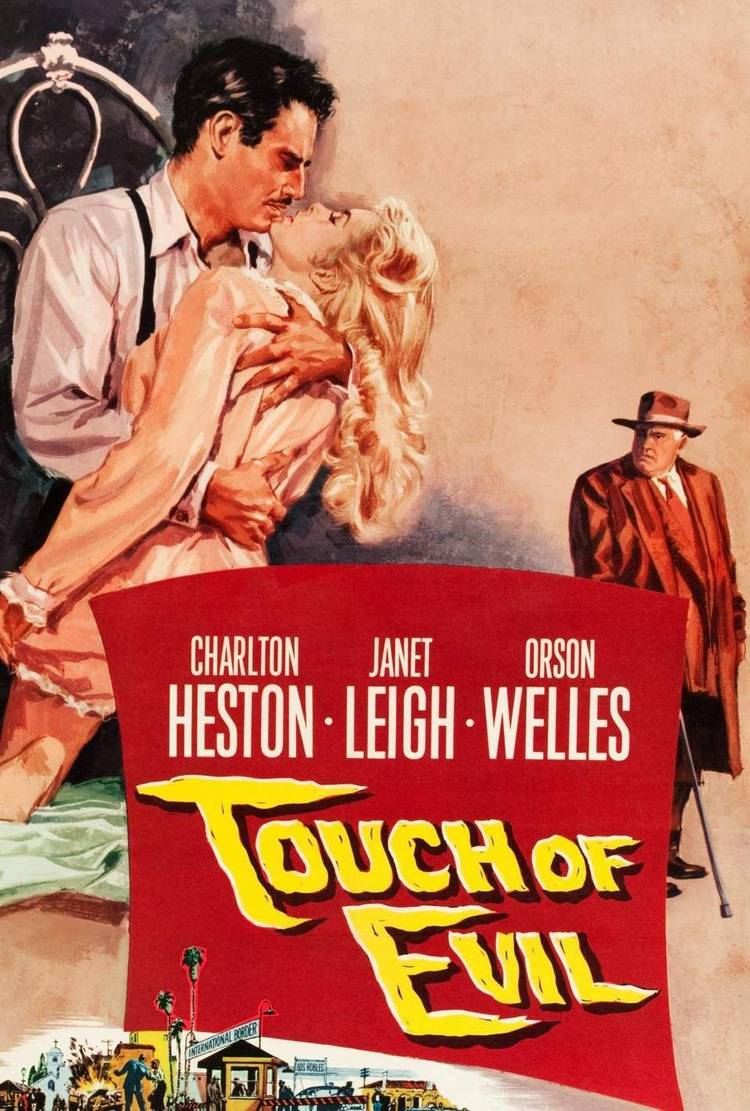
Written and directed by Orson Welles, Touch of Evil centers on Mexican prosecutor Ramon Miguel “Mike” Vargas, played by Charlton Heston, honeymooning with his American wife Susan, played by Janet Leigh, in a Mexican border town. Their trip is disrupted when a car crosses into the United States and explodes, killing two people. Vargas joins the investigation and finds himself trapped between a corrupt American police captain and a Mexican crime family.
As the first true film noir from the classic era on this list, Touch of Evil embraces the crime-story roots of the genre. The movie remains famous for its cinematography, featuring stylized camera angles, fluid movements, low-key lighting, and heavy shadows. Bradbeer named this film as an inspiration, and its influence appears in the darker, dimly lit street scenes of Spider-Noir.
The Killing (1956)
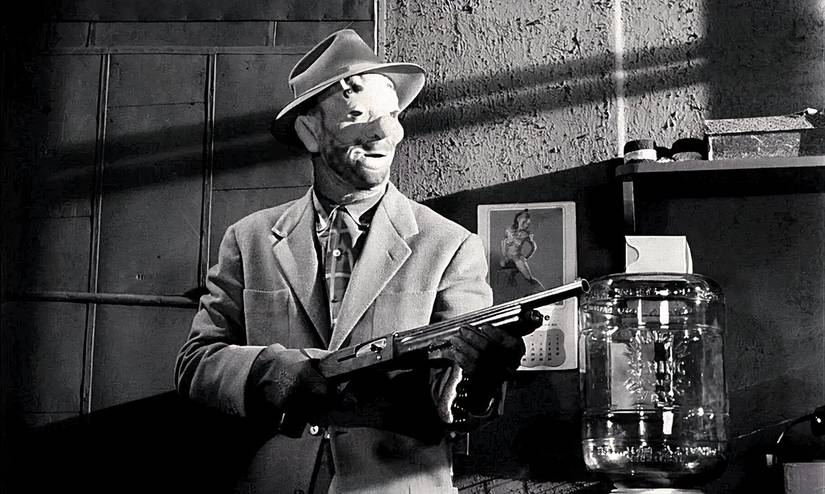
Stanley Kubrick directed The Killing, which served as the final direct source of inspiration mentioned by Bradbeer. The movie likely influenced the grittier aspects of Spider-Noir, particularly the criminal empire controlled by Silvermane, played by Brendan Gleeson.
The Killing follows recently released ex-con Johnny Clay, played by Sterling Hayden, as he recruits a crew for a complex racetrack robbery. Kubrick directed the feature at age 27, utilizing a nonlinear structure and stark violence that set the film apart at the time. Combining the shadowy aesthetic and fatalism of film noir with the tension of a heist thriller, The Killing remains an exceptional movie.
The Maltese Falcon (1941)
The Maltese Falcon is the third film on this list often cited as one of the greatest ever made. As a quintessential film noir, it shares ties to Humphrey Bogart, who plays private eye Sam Spade, one of the most famous and influential detectives in fiction.
Created by Dashiell Hammett in his 1930 novel The Maltese Falcon, Spade redefined the fictional investigator. Unlike polished intellectuals such as Sherlock Holmes and Hercule Poirot, Spade was a hard-edged, morally complex figure who established a template for future detectives. Directed by John Huston, the film follows Spade as he hunts for a priceless artifact coveted by a colorful cast of characters, standing as a definitive example of classic film noir.
The Thin Man (1934)
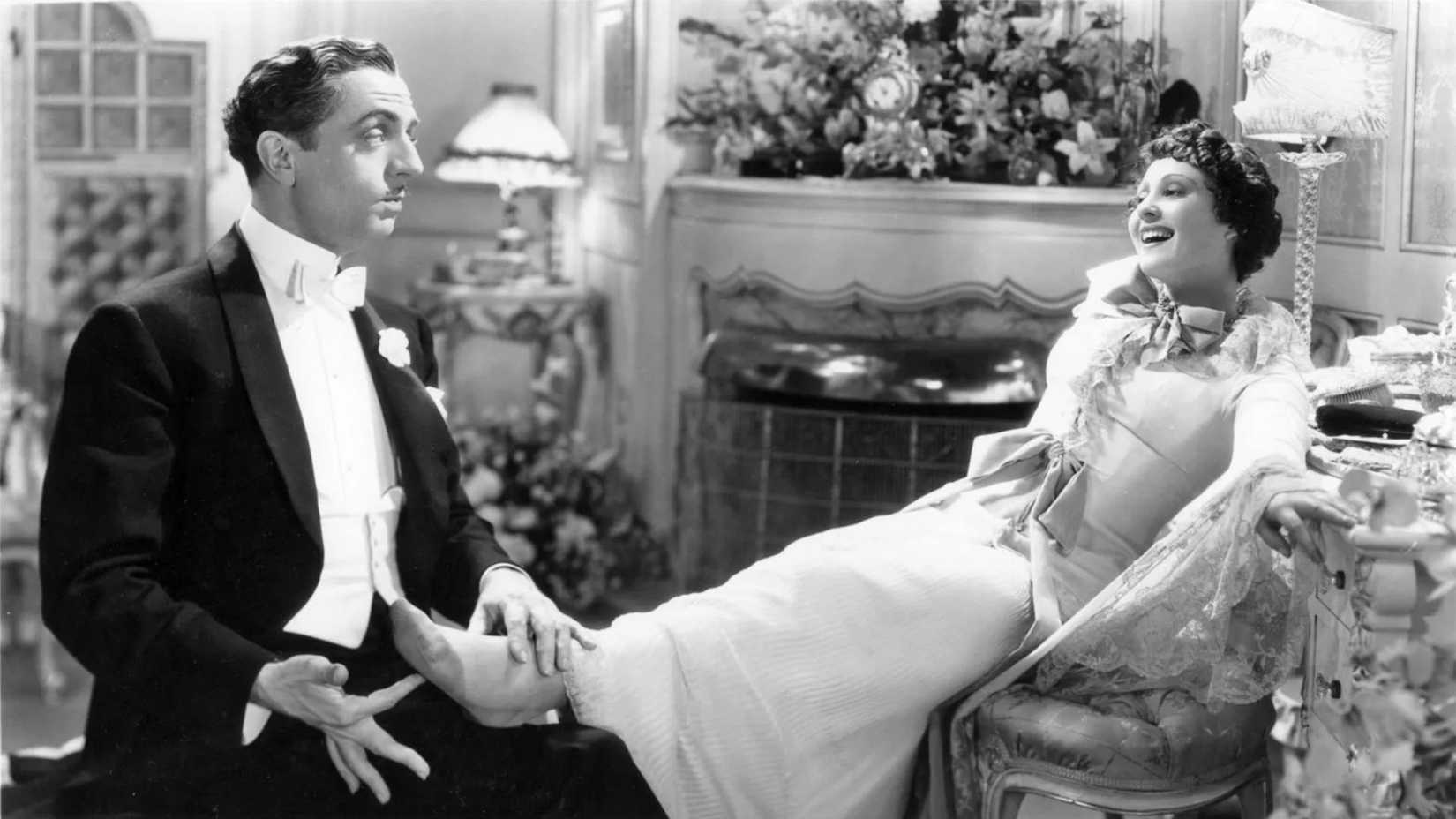
W.S. Van Dyke’s The Thin Man is frequently described as “proto-noir” because it predates the formalization of the genre in the 1940s. William Powell stars as Nick Charles, a retired detective who travels to New York City with his wealthy wife Nora, played by Myrna Loy, and investigates a missing-person case. While the film features murder, mystery, and shadowy characters, it functions primarily as a comedy driven by the chemistry and rapid-fire banter of Powell and Loy. Spider-Noir shares this fast-paced, dialogue-heavy sense of humor.
Who Framed Roger Rabbit (1988)
Robert Zemeckis directed the live-action and animated feature Who Framed Roger Rabbit. Beyond its technical achievements and comedy, the movie operates fundamentally as a noir story. Set in 1947 during the height of the genre, the plot follows hard-boiled, hard-drinking private eye Eddie Valiant, played by Bob Hoskins, as he investigates an intricate mystery alongside one of cinema’s most memorable femme fatales.
Source: Polygon
Related articles
 Christopher Nolan’s The Odyssey Becomes Universal’s Highest-Grossing Film in History
 James McAvoy Shares Advice for the New Professor X in the X-Men Reboot
 Ranma 1/2 Season 3 Receives New Trailer Featuring Opening and Ending Themes
 Xbox Head Asha Sharma Spends Hours Each Month Answering Player Inquiries
 Annihilation Battles Mode Returning to Ace Combat 8: Wings of Theve
 Lies of P Developers Register Trademark for Wonders of O
 Jason Momoas Early Sci-Fi Series Now Streaming Free on YouTube
 Composer Mick Gordon Contributed to Music for First StarCraft Shooter Trailer