
Resident Evil Ending Explained and Zach Cregger Sequel Possibilities
After spending most of its runtime moving at a remarkably fast pace, Resident Evil tapers into one of the best video game movie endings ever. It arrives at the exact place you might expect a Resident Evil story to end. Skin-dripping zombies, grotesque mutations, and blood are everywhere.
Zach Cregger offers a solid entry into the Resident Evil universe and opens the door to surprising mysteries waiting to be unpacked in either a new game or another movie. The film exists in parallel to the games, but the ending connects most directly to the rest of the franchise. To explain how it all connects, we must dive into the explosive ending.
Warning: Full spoilers for Resident Evil follow.
Resident Evil’s ending explained
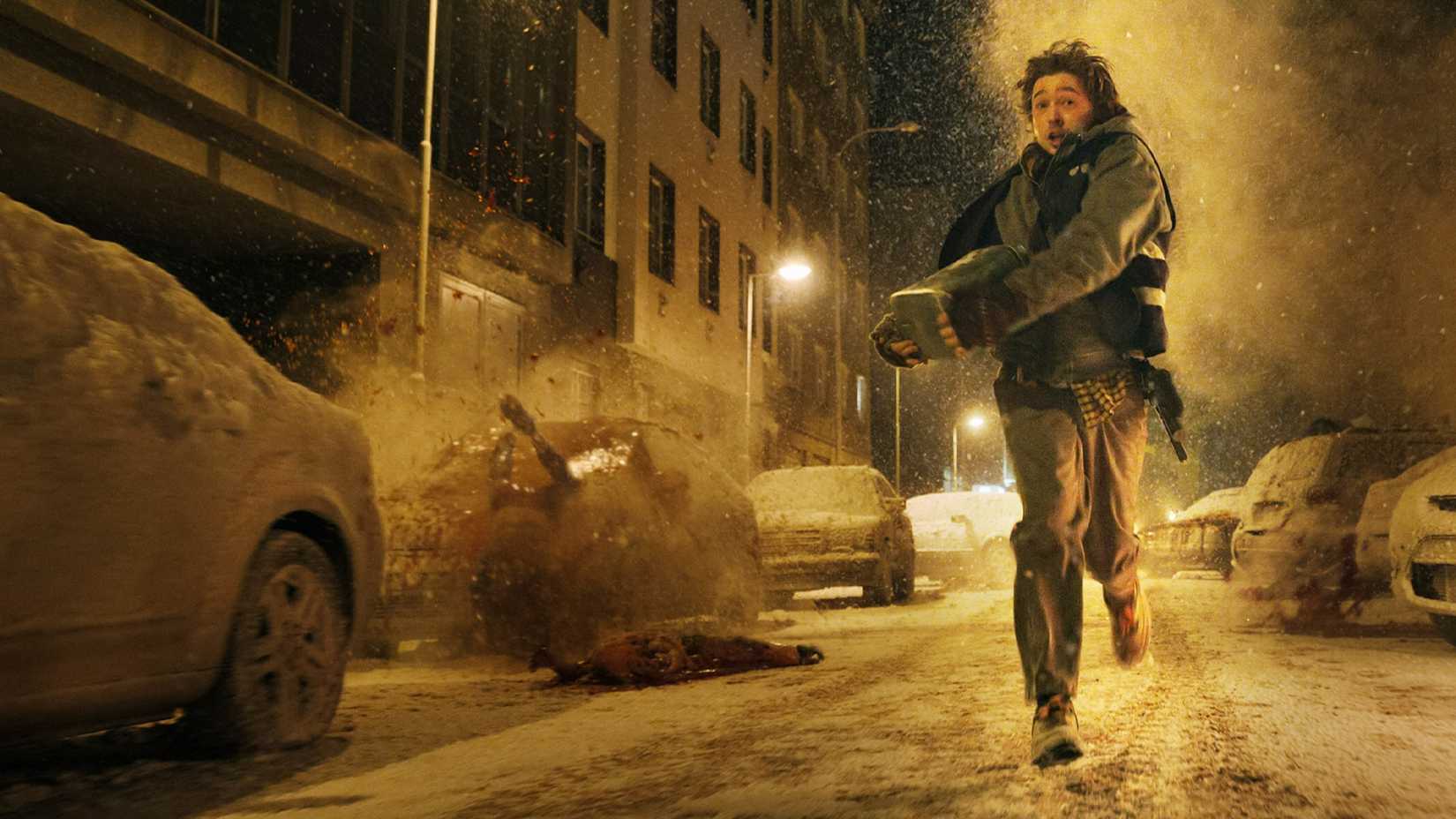
Cregger’s Resident Evil kicks off with Bryan Hodukavich (Austin Abrams), a medical delivery driver and soon-to-be-father, getting roped into a perilous consignment that takes him straight to the heart of Raccoon City. For those unaware of the game lore, the Midwestern municipality serves as Ground Zero for the entire Resident Evil franchise.
Ostensibly a quiet mountain town, Raccoon City is actually a corporate stronghold bankrolled by the shadowy Umbrella Corporation, maker of the infamous T-Virus. After this biological weapon leaks from one of the corporation’s secret underground facilities, the town transforms overnight into a quarantined nightmare.
This initial outbreak in Raccoon City serves as the inciting incident for decades of games, making it the setting for Cregger’s high-stakes finale. Despite several close calls, Bryan survives long enough to make it into the devastated city with the potential cure in tow. He also suffers a nasty zombie bite, creating a ticking clock for his demise.
In typical Resident Evil fashion, mirroring nearly every game from Resident Evil 1 to Resident Evil 9, the film culminates in a secret lab tucked away at the top of the hospital. Reclusive researchers have been working diligently on an antidote there. Bryan arrives with the exact puzzle piece needed to finish the cure.
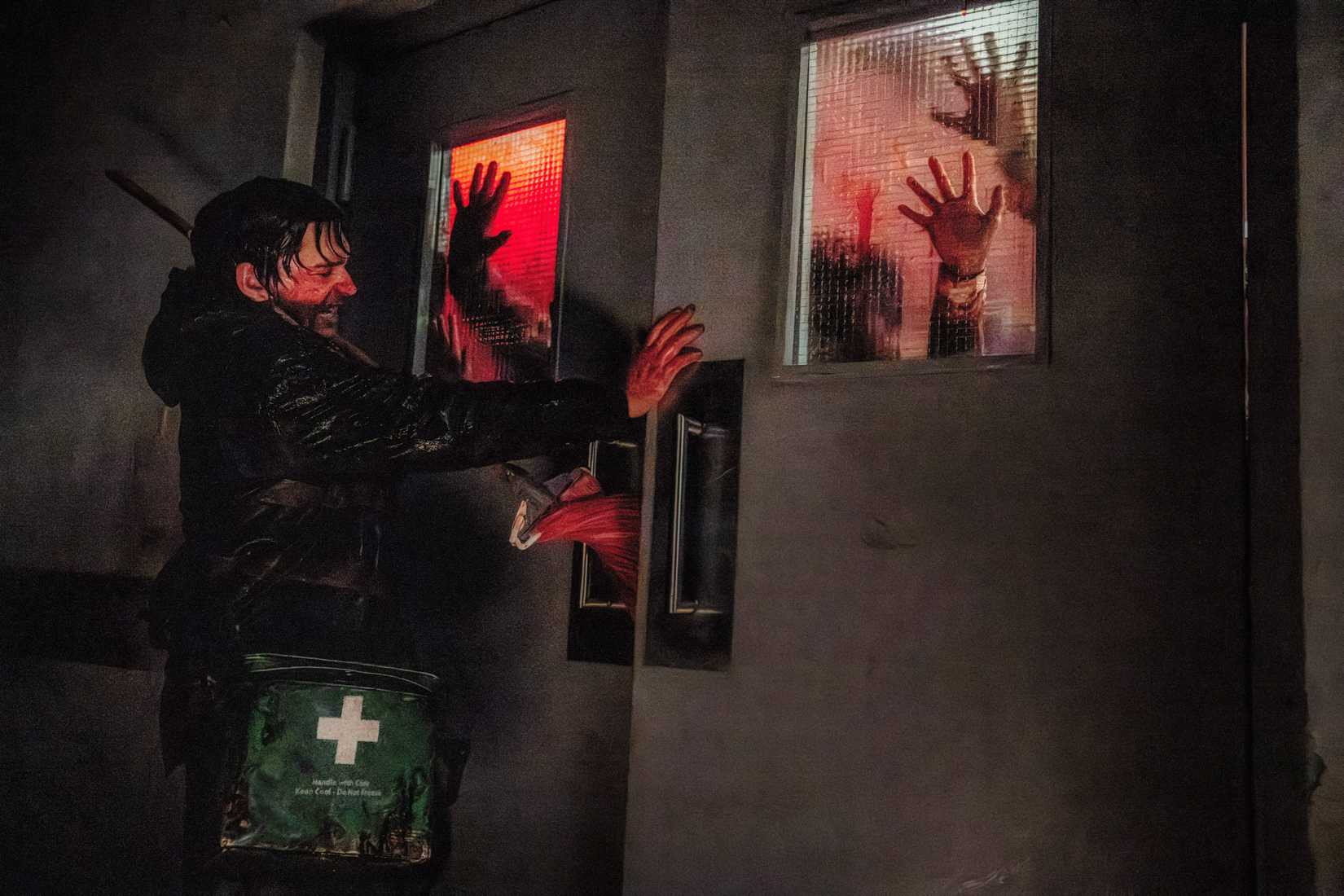
It seems our hero might make it out alive. The ending is filled with tension and hope while Bryan watches in desperation as scientists work to deliver the antidote, but it is too late. He succumbs to his wound and transforms into a horrifying monstrosity, devouring and then fusing with the dead scientists in the room. Missing him by only a few inches, the cure falls aimlessly into the void of rubble below the hospital, likely destroyed from the sheer height of the drop.
It is the kind of grotesque final mutation designed for a Resident Evil boss fight. Helicopters descend on Raccoon City as the National Guard finally arrives. The movie ends on the image of an outbreak that has escaped the confines of the hospital. It is a nasty cliffhanger, but another detail makes the ending particularly interesting.
How the ending of Resident Evil sets up a sequel
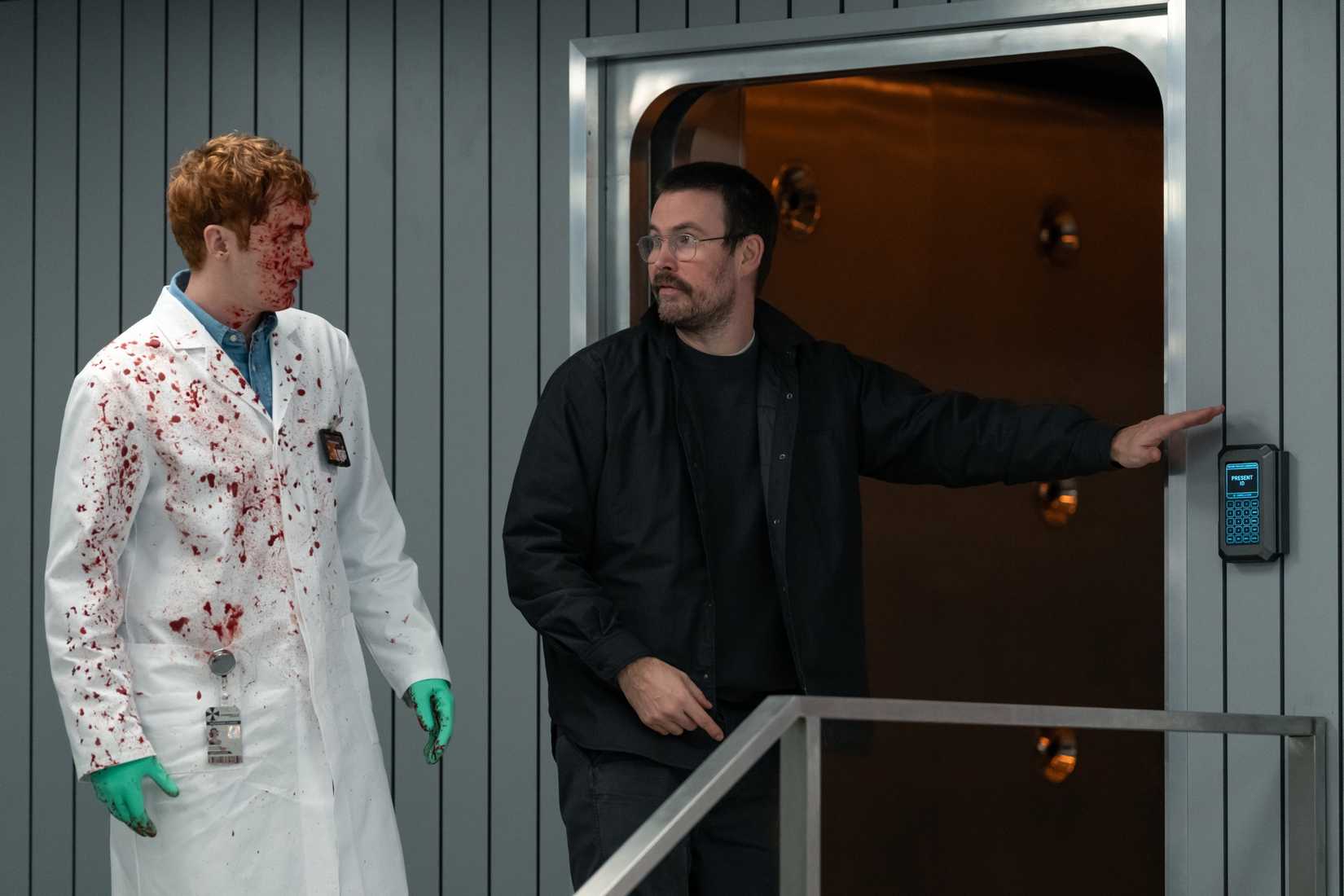
For all the movie’s breakneck pacing and body horror, the cure gives the ending an important wrinkle. The researchers were not merely close to finding a way to stop this particular infection; they actually managed to create a viable option. Did the syringe survive the fall at the end of the movie? Could the cure be replicated in some capacity? It is tough to say, but it is a significant development for Resident Evil.
The Resident Evil franchise has always been fascinated by viruses and bioweapons spiraling beyond the control of their creators. Usually, the solution involves destroying the laboratory, killing the monster, and escaping before everything explodes. Cregger introduces something slightly more hopeful in showcasing how the nightmare might be reversible, only for everything to go horribly wrong.
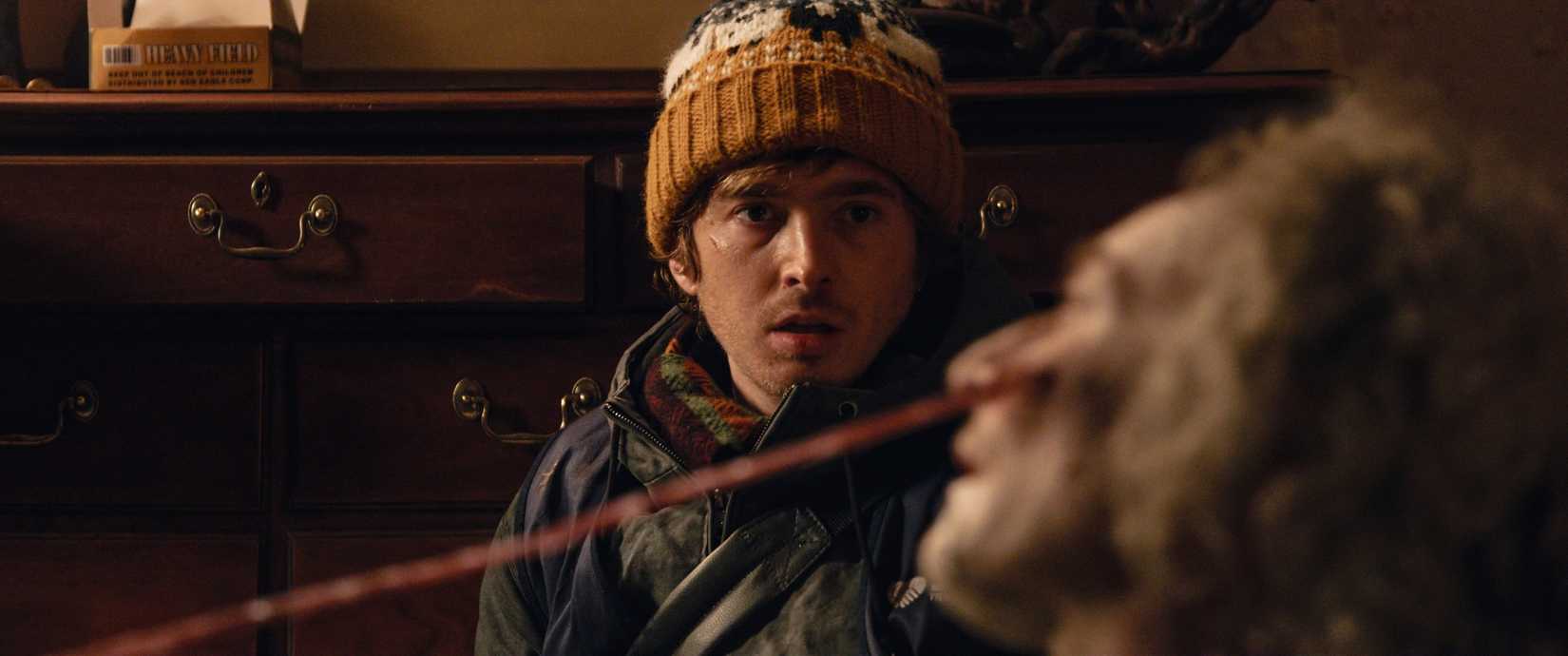
Survival horror is typically synonymous with scrambling for ammo and dodging bioweapons, but the desperate hunt for a cure is deeply embedded in Resident Evil history. Key entries in the games frequently center around synthesizing or securing an antidote before a city or the planet goes up in flames. From the life-saving T-Vaccine that Dr. Nathaniel Bard crafts to treat Jill Valentine in Resident Evil 3 to the famous Daylight reagent developed in Resident Evil Outbreak, the concept of a fragile cure acting as a high-stakes plot catalyst is a classic Capcom hallmark that Cregger adapts in its closing moments.
Cregger does not seem particularly interested in making a sequel, though he told Polygon he is already thinking about where the story could go next. If the movie does well at the box office, Hollywood will demand a follow-up film. In that case, the hunt for Bryan’s lost cure could be a major focus of Resident Evil 2.
Resident Evil is in theaters now.
Source: Polygon
Related articles
 Warhammer Age of Sigmar Book Shadow of the Silver Wolf Announced Featuring Neave Blacktalon
 Playground Games Discusses Xbox Support Amid Claims Fable Almost Faced Cancellation
 Digital Foundry Reports Severe Technical Issues in Console Versions of The Blood of Dawnwalker
 Rumored Sony Price Hike Raises Concerns of Another PS Plus Increase
 Free-to-Play Game Aniimo Exceeds 120,000 Concurrent Players
 Model Shares Aloy Cosplay From Horizon Zero Dawn
 WARDOGS Developer Responds to Reports Regarding Crunch Controversy
 Kemuri Combat System Detailed Ahead of PS5 and PC Release