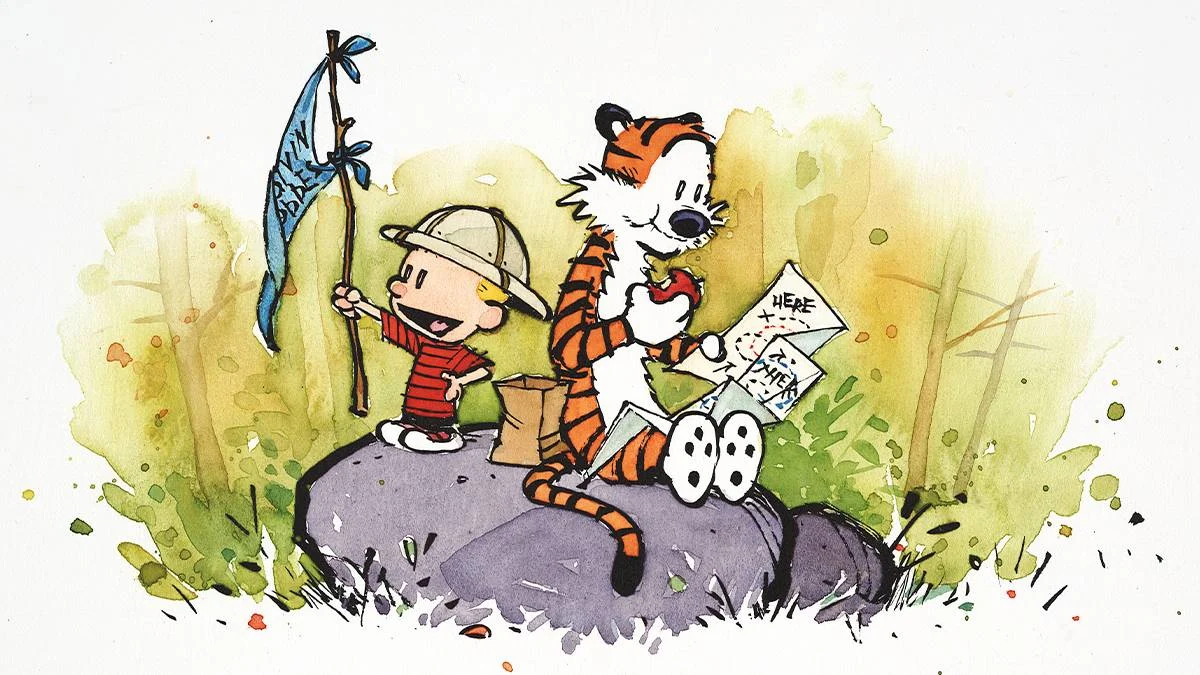
Reflecting on the Final Calvin and Hobbes Comic Strip 31 Years Later
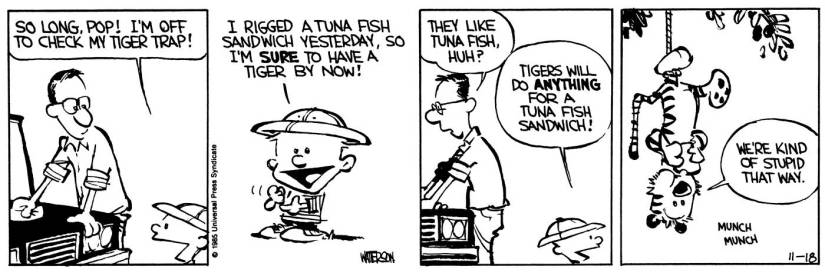
On November 18, 1985, the very first comic strip of Calvin and Hobbes appeared in newspapers. “So long, pop! I’m off to check my tiger trap!” Calvin, wearing a safari helmet, said to his dad in the first panel. Calvin explained that he rigged the trap with a tuna fish sandwich, something a tiger cannot resist. In the last panel, Hobbes appeared for the first time, hanging upside down in a tree and eating the sandwich.
Bill Watterson wrote and drew the comic. Watterson spent years as a struggling cartoonist trying to break into the industry before Universal Press Syndicate saw potential in Calvin and Hobbes. The comic debuted in 35 newspapers and expanded to over 250 papers within a year. For 10 years, Watterson shared the daily adventures of the imaginative six-year-old boy and his stuffed tiger. The strip eventually published in more than 2,000 newspapers. At the height of its popularity on December 31, 1995, Watterson concluded the comic strip.
Ending the strip was an unusual move because many popular comic strips ran for decades. Peanuts ran for 45 years at that point, and Charles Schulz continued it for five more years until declining health forced him to stop. Other comics continued past their original creators, including Nancy and Blondie. Calvin and Hobbes had the staying power to last for years or decades longer, so concluding it after a 10-year run surprised fans.
“By the end of 10 years, I’d said pretty much everything I had come there to say,” Watterson told the Cleveland newspaper The Plain Dealer in 2010. “It’s always better to leave the party early. If I had rolled along with the strip’s popularity and repeated myself for another five, 10, or 20 years, the people now ‘grieving’ for Calvin and Hobbes would be wishing me dead and cursing newspapers for running tedious, ancient strips like mine instead of acquiring fresher, livelier talent. And I’d be agreeing with them. I think some of the reason Calvin and Hobbes still finds an audience today is because I chose not to run the wheels off it. I’ve never regretted stopping when I did.”
Watterson proved to be correct. Decades after the strip ended, it still endures. Fans who read it during its original run re-read the comic regularly, and newer generations have also become fans. While Watterson always opposed licensing his characters for merchandise, the collected books of Calvin and Hobbes remain in print today.
The final Calvin and Hobbes
Watterson secured the landing with his final comic strip. After ten years of adventures with the duo, enormous pressure existed for Watterson to get the ending right. Many long-running series struggle with satisfying endings due to fan expectations.
The biggest decision in writing an ending often involves choosing whether to make it open-ended. Some stories reach a definitive conclusion where a character dies or moves away, putting a period on the creation. Other endings remain open with an ellipsis, allowing readers to imagine that the characters and their adventures continue somewhere out of sight.
Watterson left Calvin and Hobbes open-ended.
The final comic strip was an extended Sunday strip. Breaking from the strict rule of nine square panels he used in the past, Watterson featured Calvin and Hobbes going sledding after a fresh snowfall while leaving most of the color comic entirely white. This stark contrast made Calvin and Hobbes pop off the page. Snow was a familiar setting to long-term readers because Calvin and Hobbes experienced many snowy adventures before.
“Wow, it really snowed last night! Isn’t it wonderful?” Calvin asked Hobbes as they trekked through the snow. “Everything familiar has disappeared! The world looks brand-new!” Hobbes replied. Because the strip ran on New Year’s Eve, Calvin said, “A new year… a fresh, clean start!” Hobbes then broke the fourth wall, saying, “It’s like having a big white sheet of paper to draw on!”
Finally, over the last three panels, Calvin said, “A day full of possibilities. It’s a magical world, Hobbes, ol’ buddy… Let’s go exploring!” With that, the duo set off on the sled into the open white world.
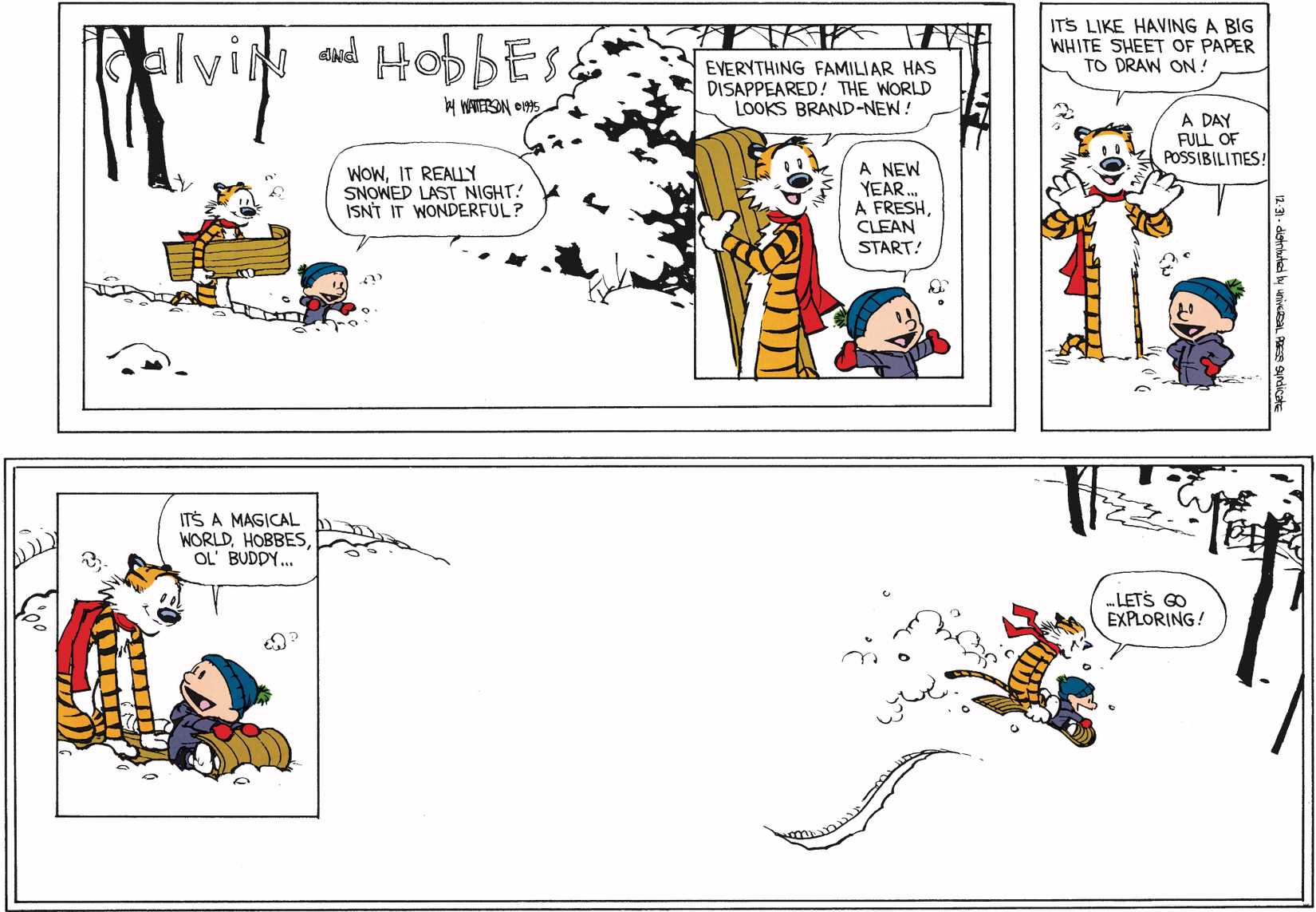
Instead of ending on a punchline, Watterson offered a heartwarming, inspirational, and open-ended conclusion that made it clear Calvin and Hobbes remain out there. While Watterson credited the longevity of Calvin and Hobbes to his choice to end the comic before it grew stale, the strip endures because it stands as a rare story with a satisfying conclusion.
Source: Polygon
Related articles
 Blizzard Accidentally Confirms Diablo V for PC During Show
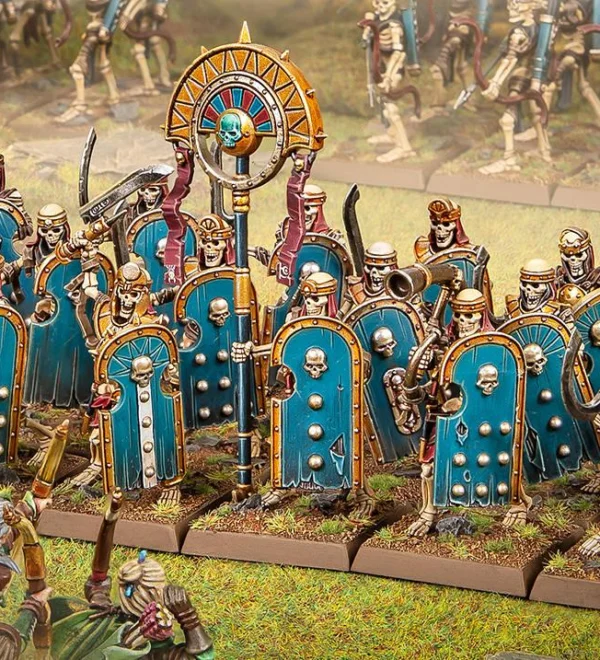 Games Workshop to Release Nehekhara Host Starter Set for Warhammer The Old World
 Critics Call RX 9050 with 4GB VRAM a Scam Due to Poor 1080p Gaming Performance
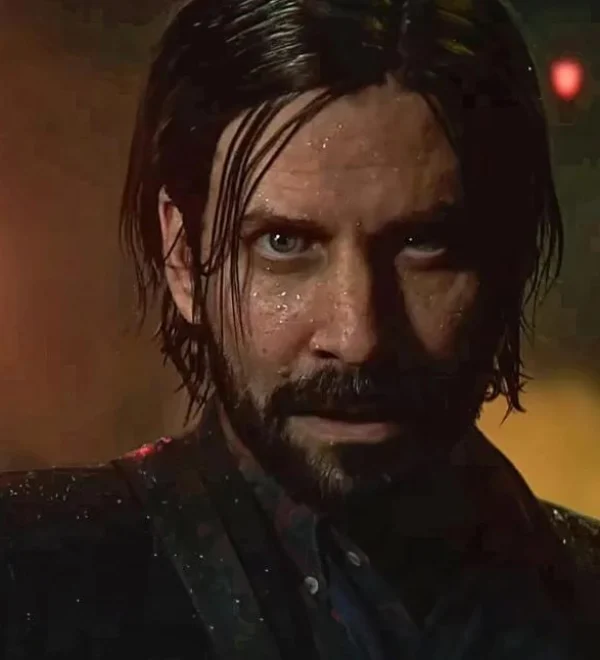 Remedy Entertainment Registers Trademark for Familiar Alan Wake Title
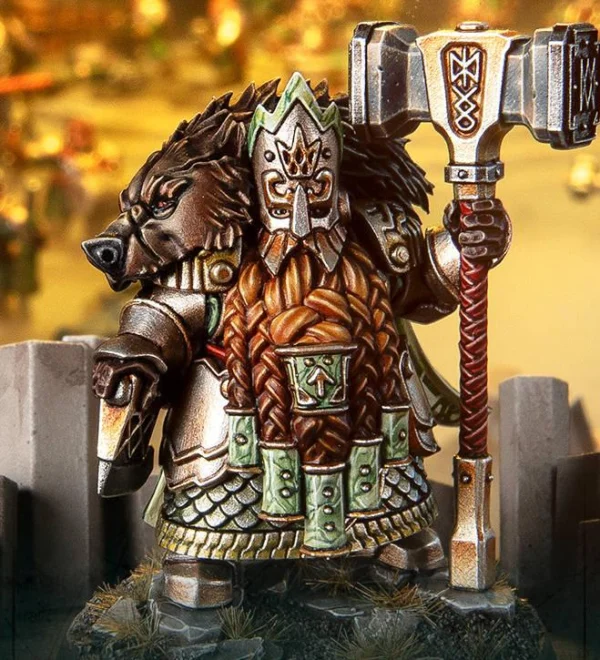 Warhammer Age of Sigmar Announces Hazelit Strongholds Duardin Miniature Sets
 Star Trek Kelvin Era Comics Returning in November After 10 Years
 Three Netflix Shows to Watch This Weekend Sept 18 20
 PlayStation Store Sale Offers Discounts of Up to 75 Percent for Tokyo Game Show