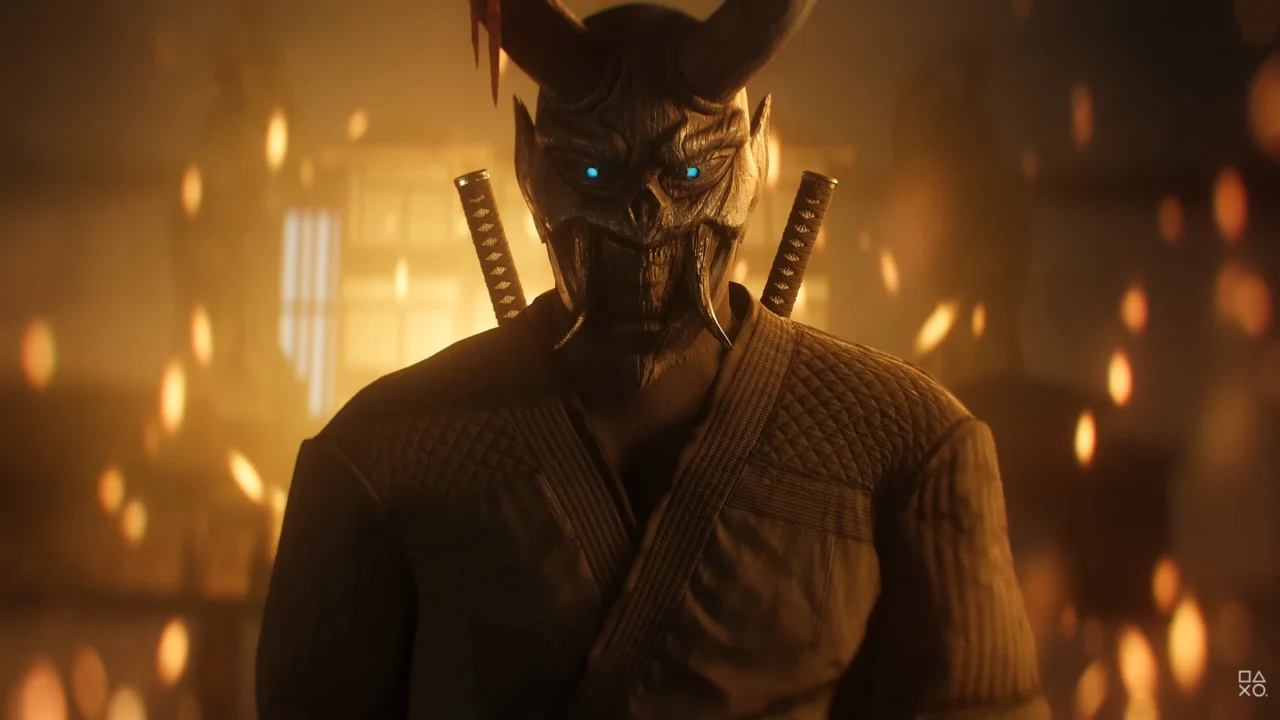
PlayStation Seeks to Establish in Court That Users Do Not Own Digital Games
Amidst an ongoing legal battle regarding the ownership of digital assets, Sony has maintained that “reasonable consumers would not be misled” into assuming they outright own the video games housed within their virtual libraries. For a conglomerate steadily pivoting toward an exclusively digital paradigm—while simultaneously phasing out physical disc production for PlayStation hardware—this stance could prove particularly precarious.
On June 18, a quartet of consumers launched a class-action lawsuit against Sony on behalf of themselves and similarly situated patrons. The legal filing contends that the corporation deliberately obfuscates the reality that purchasers acquire zero permanent ownership rights when buying digital titles.
The plaintiffs emphasize that standard retail transactions confer genuine product ownership, contrasting sharply with the digital marketplace where buyers are expected to discern that they are merely purchasing a revocable software license. They argue that utilizing ubiquitous checkout prompts like “Buy Now” and “Confirm Purchase” is inherently deceptive.
To successfully ward off the litigation, Sony bears the burden of demonstrating that consumers fully comprehend the absence of ownership at the point of sale. According to reporting by Game File, Sony’s defense rests on the premise that any prudent shopper instinctively knows digital purchases do not equate to property rights. Furthermore, the company highlights that the PlayStation End User License Agreement explicitly stipulates that “software is licensed to you, not sold” and “virtual content is licensed, not owned.”
At the heart of the lawsuit lies the fine print of the PlayStation user agreement
While hyperlinks to these extensive terms and conditions are technically presented prior to checkout, the legal documents are notoriously dense and convoluted. Crucial clauses detailing the limits of digital ownership are buried beneath thousands of words of legalese, rendered in diminutive fonts that are easily overlooked during a routine purchase.
This practice arguably breaches California legislation, which explicitly bars companies from marketing digital commodities using expressions such as “buy,” “purchase,” or any other phrasing that would lead an average person to expect unconstrained ownership rights. To legally deploy such terminology, merchants must deliver a “clear and conspicuous” disclosure clarifying that the buyer is securing nothing more than a temporary license rather than the underlying asset.
Consequently, Sony must now establish that these licensing disclaimers were genuinely prominent and accessible during transactions to thwart the legal challenge. In late August, the company distributed mass emails outlining these terms in an apparent bid to remind users how digital acquisitions function. The timing raised eyebrows, arriving amid a wave of intense backlash following Sony’s announcement that it intends to discontinue physical game production by 2028. It is entirely plausible that these notifications were dispatched to drive eyes toward the licensing agreement, thereby mitigating future legal vulnerabilities.
PS5 enthusiasts lean toward piracy as Sony prepares to abandon physical media
Sony’s strategic pivot regarding digital games and media on PlayStation ecosystems triggers unforeseen ramifications.
Source: Polygon
Related articles
 New Trailer Announces Release Date for Assassin Action Game Blackwood
 Fan recreates Need for Speed Most Wanted map and gameplay in Roblox
 Valve Approves 15-Year Portal Remake for Steam Release, but Players Cannot Download It
 Valve Suffers Major Build Leak Amid Half-Life 3 Speculation
 The Witcher 4 Will Still Get A Physical Release, Even Though It’s Launching In 2028
 Mortal Shell II Receives First Update With Content, Secrets, and Gameplay Improvements
 Men Harass Rockstar Employees Over GTA VI Presentation Following Criticism of Jason’s Character
 Spine Developers Explain Viral In-Game Screenshot That Amassed 100 Million Views