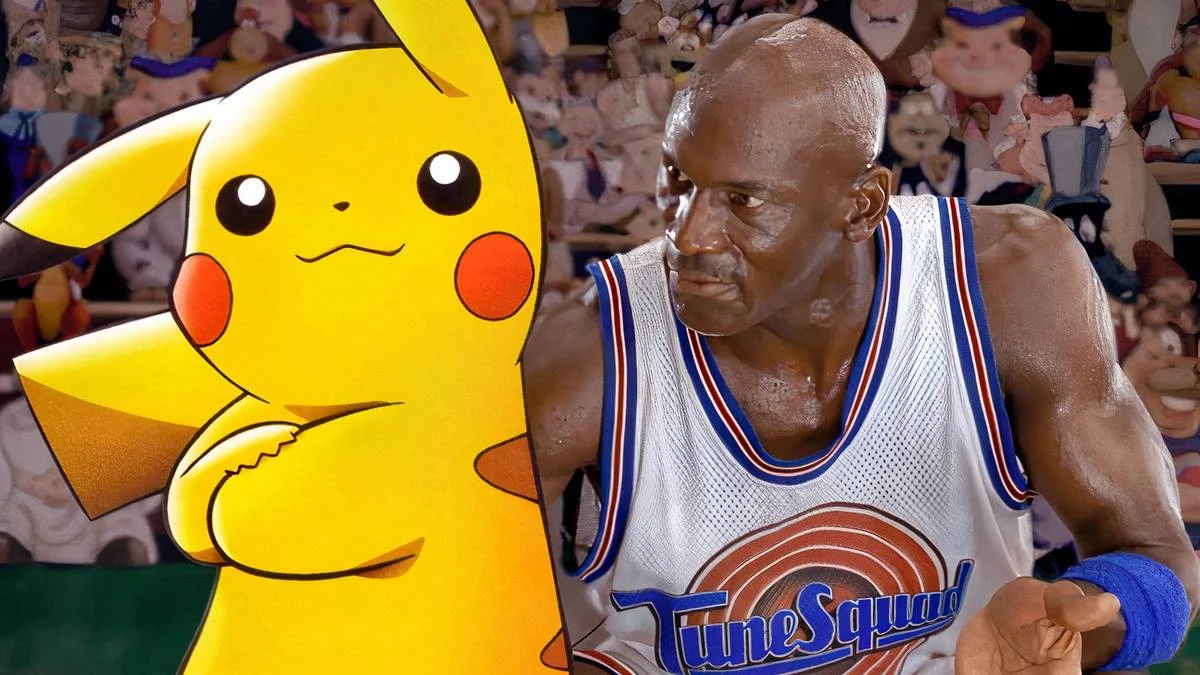
Pikachu Dethrones Michael Jordan in the Trading Card Market

It mirrors a surreal sequence from Space Jam: a collision between NBA royalty Michael Jordan and Pikachu, the electrified vanguard of the Pokémon universe.
Since the Professional Sports Authenticator (PSA) emerged in the summer of 1991, the titan of collectible verification has processed over 1.6 million Michael Jordan cards—a volume unmatched by any other human athlete. His market dominance reached a fever pitch in 2025 when a signed card featuring both Jordan and Kobe Bryant commanded a staggering $12.93 million, briefly claiming the title for the most expensive trading card ever sold. (A piece so coveted that Shark Tank’s Kevin O’Leary famously donned it as jewelry during the 2026 Actor Awards.)
“For decades, Michael Jordan stood as our most-graded figure of all time,” Elizabeth Gruene, PSA’s head of pop culture, shared in a recent conversation with Polygon. “However, we authenticated 1.5 million Pikachu cards in a single year.” In essence, Pikachu nearly eclipsed Jordan’s 35-year legacy in a mere twelve months—a surge that preceded Logan Paul’s Pikachu Illustrator sale of $16.49 million in February. By 2025, a historical pivot occurred: trading card games (TCGs) officially overtook sports cards in grading volume at PSA, with Pokémon accounting for an overwhelming 90% of that sector.
As the franchise celebrates its 30th anniversary, these extraordinary figures illuminate how the Pokémon TCG transitioned from a schoolyard pastime into a juggernaut of the global alternative asset market. Examining this trajectory reveals how the “electric rat” eventually outpaced the greatest basketball player to ever lace up a pair of sneakers.
1999: The Dawn of the Playground Economy
When Wizards of the Coast introduced the Pokémon Trading Card Game to North America in early 1999—riding the coattails of the Game Boy titles and the animated series—it triggered a cultural contagion. Within months, academic institutions nationwide were forced to implement bans as high-stakes trades and playground disputes transformed recess into a volatile, decentralized stock market.
 Illustration: The Pokémon Company
I was nine at the time, one of millions of millennial children swept up in the fervor. Gruene mirrors that sentiment.
“Approaching 35 now, my affinity for Pokémon stems from a childhood spent immersed in its collection,” Gruene remarked. “Revisiting and grading my original cards was a nostalgic journey. While I adore Budew for its aesthetic charm, the card also holds significant strategic value in competitive play.”
From its inception, Pokémon operated more as an emotionally-charged collecting engine than a rigid competitive game. We didn’t hunt for specific cards to optimize deck builds; we pursued Charizard because he was the fire-breathing iconoclast of the anime. It was widely regarded as the pinnacle of rarity. When my uncle pulled one from a booster pack at a local shop, the proprietor immediately offered $100, then $120. It was a staggering sum for a piece of cardboard. Though I eventually lost track of that card, its contemporary value would likely be astronomical.
Unlike sports cards, which oscillate based on an athlete’s physical performance, Pokémon cards derive value from an enduring emotional bond. Pikachu requires no championship rings to maintain his relevance. As the face of a brand nearing a $147 billion lifetime valuation, he has become one of the most potent symbols in modern commerce.
That primitive playground economy was the foundation. The children who once concealed Game Boys during class have matured into the affluent collectors driving today’s market. What seemed like a fleeting 90s fad was merely the first tide in a much larger ocean.
2003-2010: The Era of Institutional Evolution
In 2003, Nintendo reclaimed card distribution rights, transitioning the TCG from a chaotic phenomenon into a core strategic pillar. Under the stewardship of The Pokémon Company, card releases became synchronized with video game generations: Ruby and Sapphire, Diamond and Pearl, and the nostalgic HeartGold and SoulSilver.
“The digital experience is the genesis for every character,” Gruene noted. “Card sets are reactionary to the video games; that is where the narrative begins.”
This synergy catalyzed growth. The inauguration of the Pokémon TCG World Championships in 2004 provided the hobby with a professional veneer, elevating it beyond a simple hobby. Despite this, the secondary market remained relatively dormant. During this period, attention shifted toward Yu-Gi-Oh, and grading remained a niche practice. In 2008, PSA graded fewer than 800 Pokémon cards. The original 1999 demographic had moved on to high school and college, leaving their binders to gather dust.
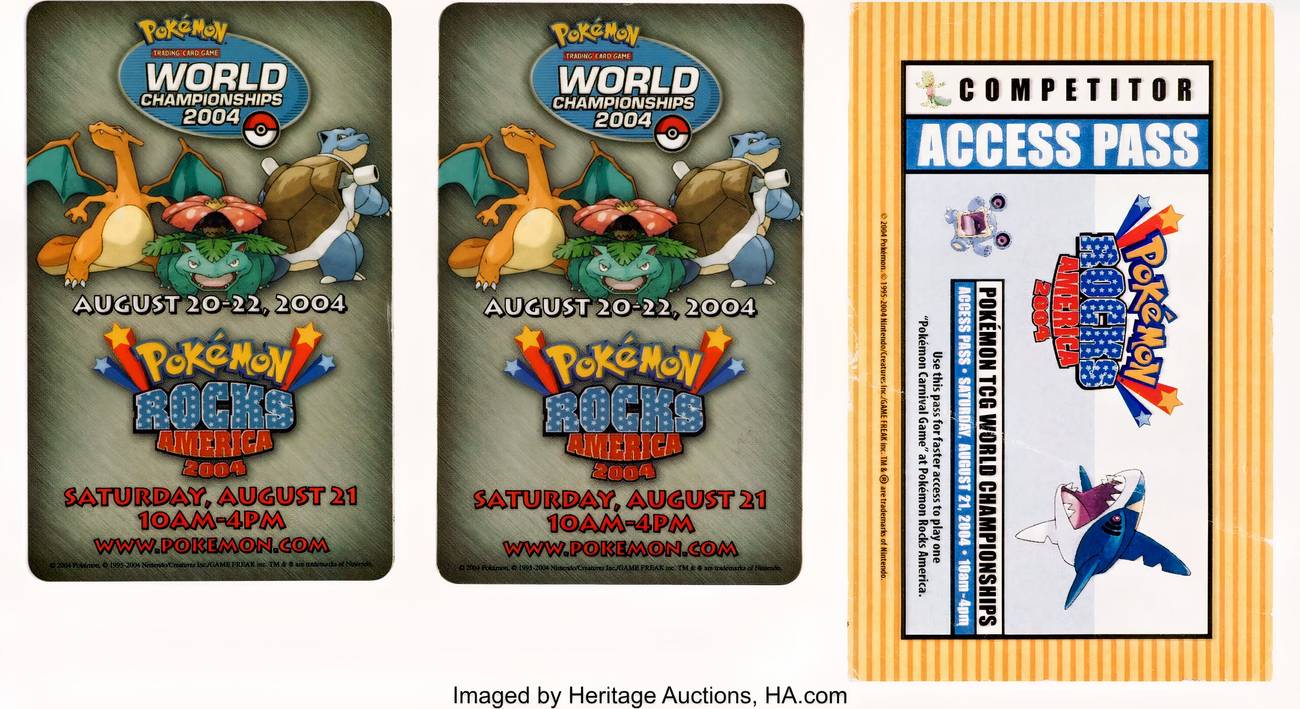
However, a quiet momentum was building. By 2013, PSA submissions for Pokémon had ballooned to nearly 19,000—a tenfold increase in just three years. A new generation, including “Zoomer” collectors who inherited binders from older siblings, was beginning to find its footing.
2016: The Augmented Reality Resurgence

The arrival of Pokémon Go in July 2016 acted as a massive re-entry point for lapsed fans. The franchise suddenly regained its cultural cachet. Digital searches for “PSA Charizard” skyrocketed, and vintage card prices began a steady ascent. The legendary Base Set Charizard, once stagnant, climbed toward the $5,000 threshold. As adults reclaimed their childhood interests, they began to view their old collections with fresh eyes.
2020: The Speculative Pandemic Explosion
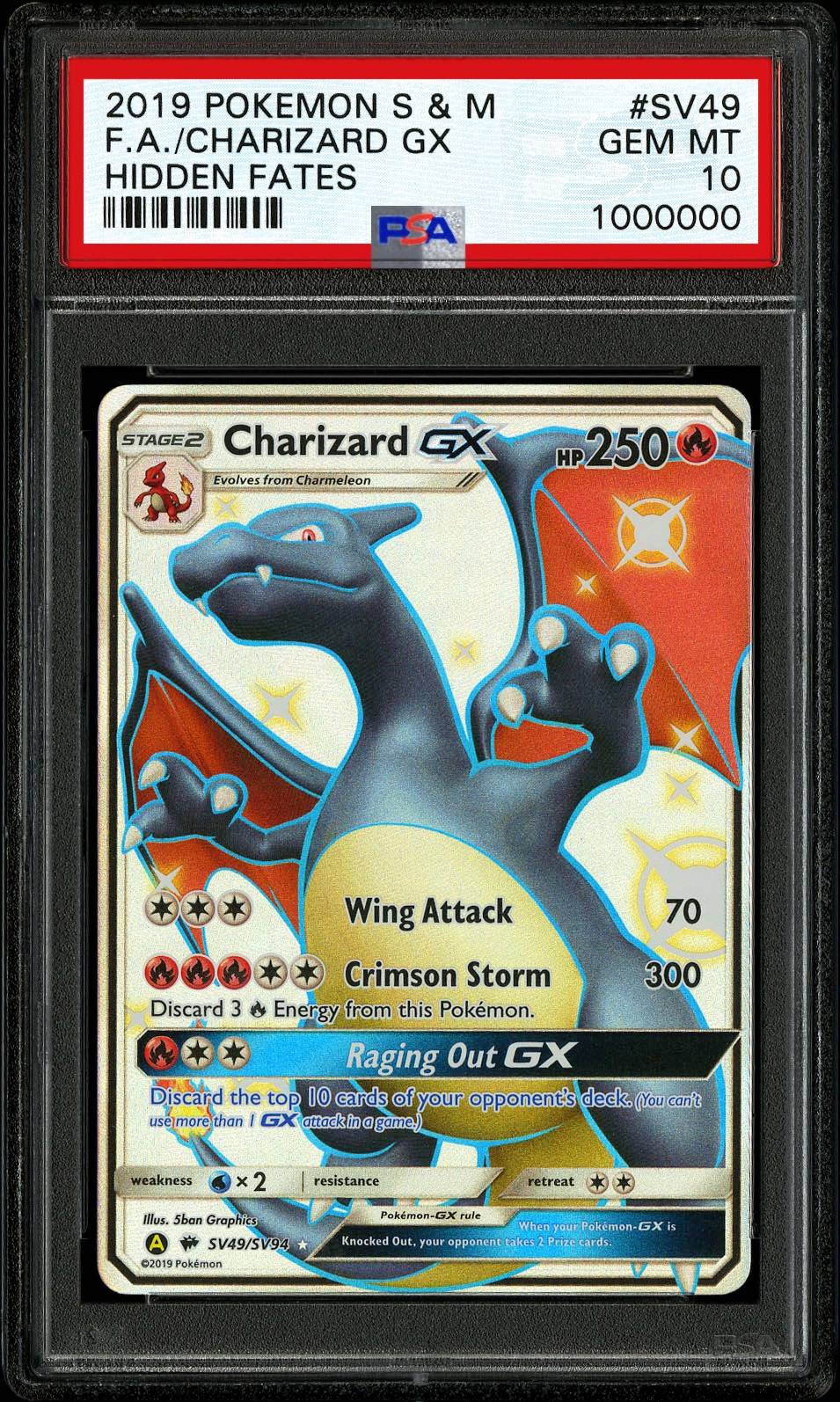
In late 2019, PSA certified its one-millionth Pokémon card. But the true tidal wave was yet to come. As the pandemic shifted entertainment indoors, millennials flooded back into the hobby. Viral “box breaks” by influencers like Logan Paul, who unboxed $200,000 worth of vintage cards for millions of viewers, catalyzed a speculative gold rush. By the first anniversary of the lockdowns, PSA was receiving over half a million cards weekly.
“Nostalgia is an incredibly potent economic driver,” Adam Ireland of eBay explained to Polygon. “The pandemic allowed fans to rediscover the tactile joy of TCGs. Pokémon is unique because it appeals to both the vintage purist and the modern collector, from 90s holographics to Japanese exclusives.”
Grading transformed from a preservation method into an investment tool. As content creator Yunaverse TCG observed, the difference between a standard card and a “PSA 10” became the difference between a hobbyist item and a high-yield asset.
2023-2026: The Modern Renaissance
The release of Scarlet & Violet-151 in 2023 served as a masterclass in nostalgia marketing, focusing exclusively on the original generation. It reignited retail demand and brought resellers back in droves. However, the market has shifted; it is no longer solely about the classics.
Modern “chase cards”—such as the 2025 McDonald’s Pikachu and the 2023 Van Gogh Museum promo—have seen grading volumes that dwarf the top ten cards of previous decades combined. These modern promos are redefining the landscape of value.
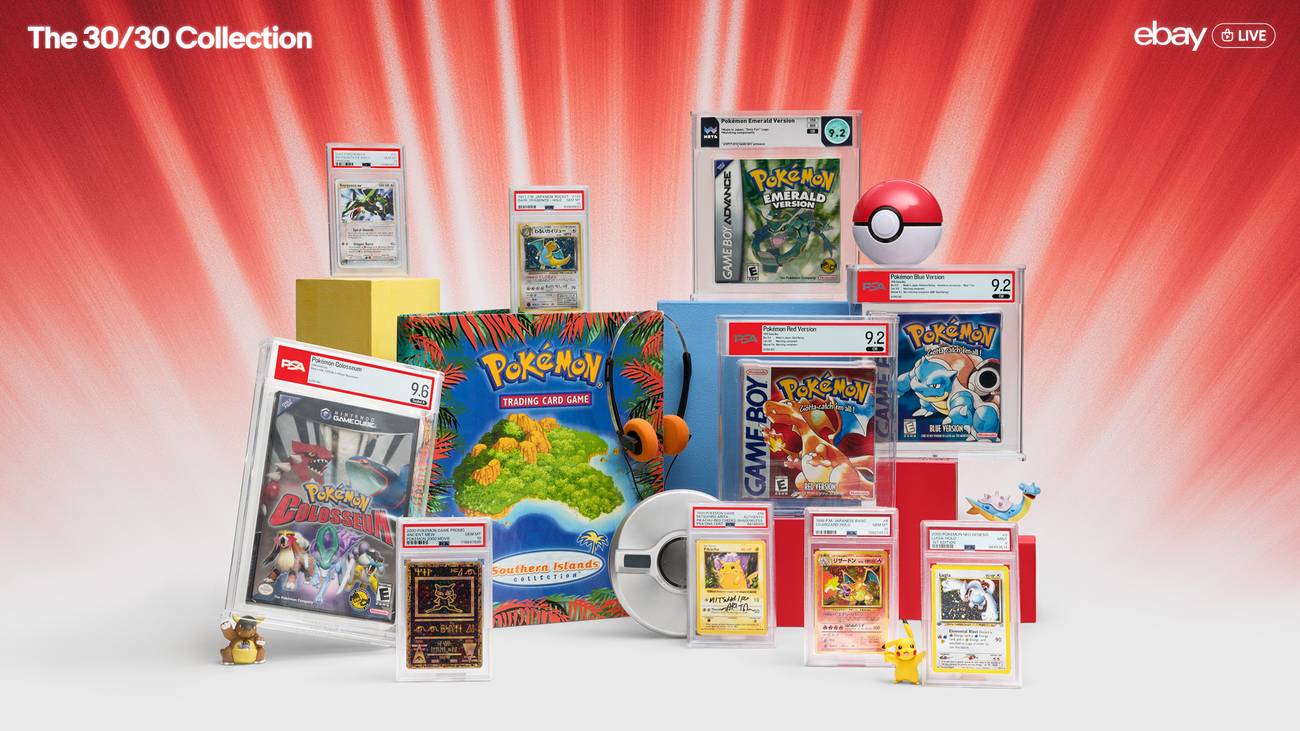
According to eBay data, Pokémon-related items were searched for more than 360 times every minute in 2025. While Charizard remains a king of value, Pikachu is the king of volume, with searches increasing by 120% year-over-year. Of the 20 million cards PSA graded in 2025, one out of every 15 was a Pikachu.
Michael Jordan may still be a legend in the sports world, but in the realm of collectibles, the conversation has moved on. Pokémon hasn’t just survived three decades—it has evolved into the most dominant force in the history of the hobby.
Source: Polygon
Related articles
 Lucia and Jason’s Relationship in GTA VI Prompts Study on Whether Flirting With a Game Character Counts as Infidelity
 Modders Teach GTA V Characters to Respond to Players in Real Time Using Their Own Voices
 Red Dead Redemption 2 Gets Shadow of Mordor-Style Nemesis System Where NPCs Remember Player Actions and Seek Revenge
 Resident Evil Requiem Characters Have Sensors That Affect Sweat and Animations, Plus Several Levels of Clothing Dirt
 Cosplayer Recreates Dark Urge From Baldur’s Gate 3, Bloodied Child of Bhaal (18+)
 Activision to Launch New Call of Duty Subseries in 2027
 First Reviews of Cyberpunk: Edgerunners 2 Split Critics, Praising Visuals and Violence but Questioning Story
 One of the largest game decompilation sites is shutting down amid the rise of AI