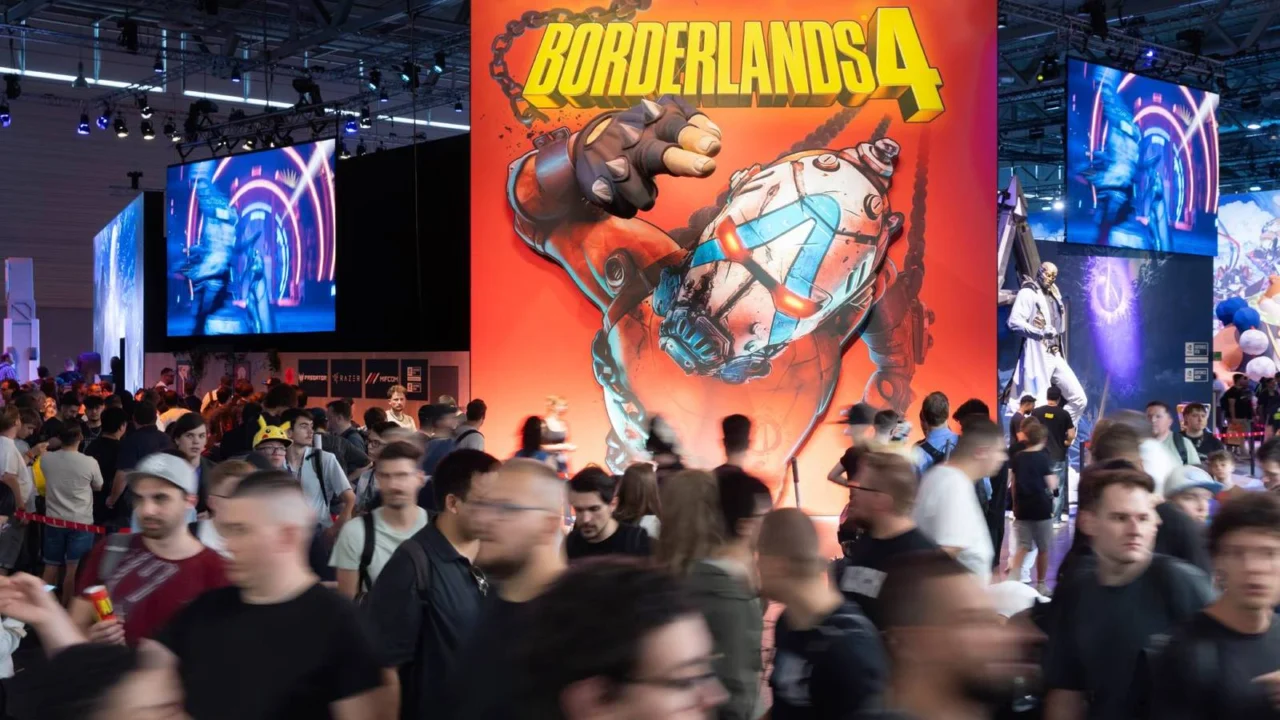
Now Officially the World’s Biggest Gaming Event, What Lies Ahead for Gamescom?
Tracing its lineage back to 2002 as the Leipzig Games Convention, Gamescom has long served as the cornerstone of European interactive entertainment. Following its strategic relocation to Cologne’s expansive Koelnmesse in 2009, the convention cemented an annual tradition that steadily grew in prestige. In the wake of E3’s post-pandemic retirement, Gamescom naturally ascended to become the undisputed epicenter of the global video game industry.
With this shift, the event commands unprecedented worldwide attention. Flagship broadcasts like Opening Night Live—a showcase brimming with world premieres, major gameplay reveals, and exclusive announcements—regularly draw millions of concurrent viewers worldwide. Despite the magnified global spotlight, the event’s organizers have maintained a steady course, viewing the increased visibility not as a source of pressure, but as validation of their long-term trajectory.
“Gamescom has continuously evolved over the years in scale, international relevance, and digital footprint—a direct outcome of our sustained long-term vision,” said Tim Endres, Director of Gamescom at Koelnmesse. “We maintained our momentum, pioneered a hybrid physical-digital model, and established key pillars like Opening Night Live and the Awesome Indies Show, alongside satellite editions like Gamescom Asia and Gamescom LATAM. With E3 no longer operating, Gamescom naturally stepped into a broader global spotlight. We don’t view this as added pressure; rather, we are thrilled to welcome a larger and more diverse global audience than ever before.”
Stefan Heikhaus, Director of Gamescom at the German Games Industry Association, echoed this perspective, emphasizing that the team is driven by passion rather than anxiety. He noted that actively incorporating feedback from attendees, studios, and partners remains essential. For the 2026 iteration, this collaborative approach has materialized in closer synergies with the co-located developer conference, a richer indie showcase, enhanced community stages, and a historic debut partnership with Games Done Quick.
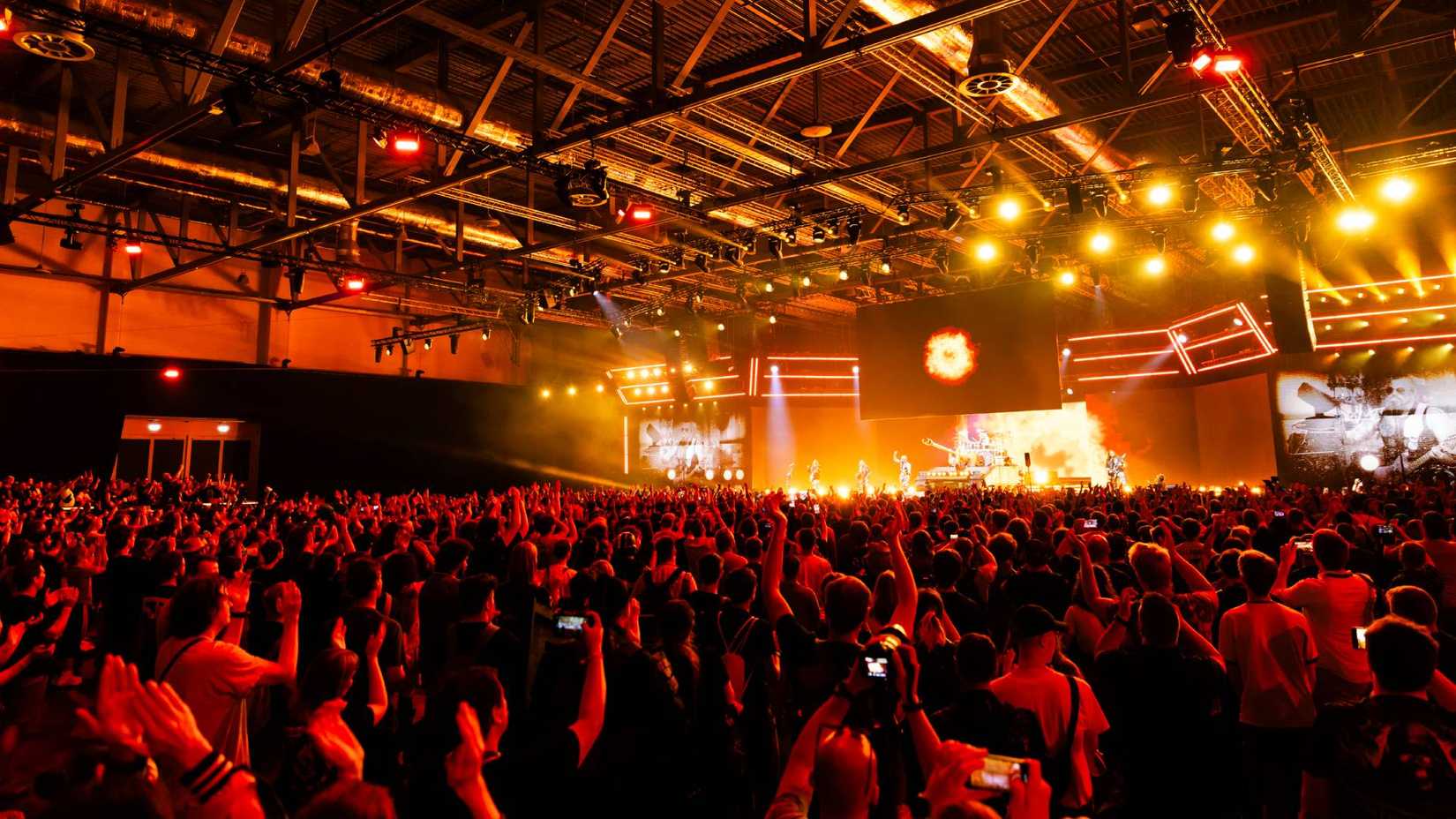
The arrival of Games Done Quick represents a monumental milestone for the speedrunning community, serving as the marathon’s first-ever physical gathering outside North America. The European debut offers three continuous days of high-level speedrunning from August 28–30, streaming directly from the Cologne show floor across Twitch and YouTube to benefit the Gaming for Democracy initiative.
Given GDQ’s international venture, speculation emerged regarding whether Gamescom might explore an expansion into North America. However, leadership reaffirmed their commitment to their current footprint. Heikhaus confirmed that Cologne remains the irreplaceable anchor for both the industry and its community, supplemented by satellite conventions across Asia and Latin America and reinforced by an ever-expanding digital ecosystem.
A staggering slate of titles is confirmed for Gamescom 2026, featuring highly anticipated projects including The Witcher 3: Wild Hunt – Songs of the Past, Dragon’s Dogma 2: Dark Arisen, The Blood of Dawnwalker, Alien: Isolation 2, Fable, Star Wars: Galactic Racer, and Metro 2039.
Related articles
 Roguelike Shooter Armatus from Godfall Developers to Launch in January
 Squadron 42 Delayed to Avoid Competing with Grand Theft Auto VI
 Rockstar Urges Players Not to Jump to Conclusions About Grand Theft Auto VI Amid Leaks
 10 Minutes of Gameplay Shown for RPG Sea of Remnants Featuring Turn-Based and Naval Battles
 Modern Warfare Actor Barry Sloane Reacts to New Captain Price Meme
 GTA 6’s Main Story Reportedly Takes 80 Hours to Complete, Reveals Rockstar Developer
 Rockstar Confirms GTA 6 Will Avoid Trump and COVID Satire
 Bloodstained: The Scarlet Engagement Delayed to 2027