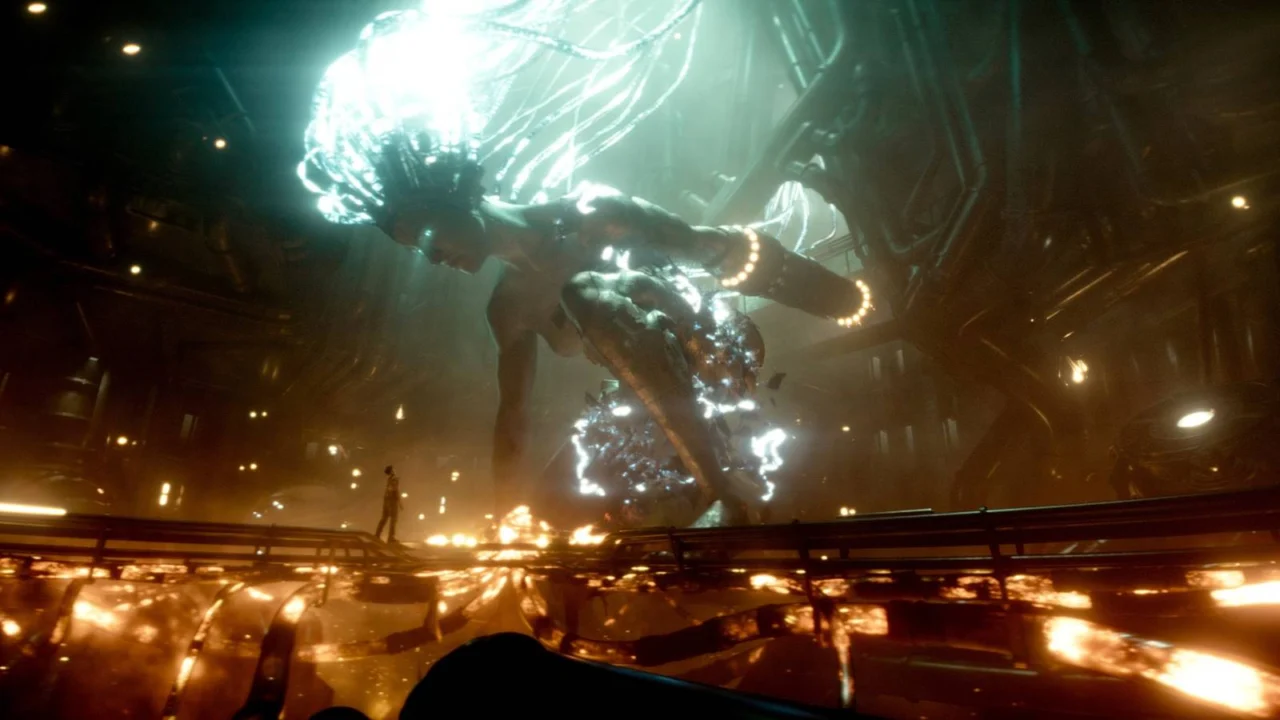
Netflix’s Five Biggest Sci-Fi Flops Ranked by Rotten Tomatoes Scores
Netflix operates much like a massive digital video store. Its catalog spans everything from Oscar-winning dramas and true-crime docuseries to dating shows and big-budget action films. The company built its brand by offering broad variety, though the quality across genres varies widely. Science fiction highlights this divide. The platform has produced celebrated original series such as Stranger Things, Black Mirror, and 3 Body Problem.
The streamer has also poured hundreds of millions of dollars into ambitious sci-fi feature films designed as tentpoles that quickly faded from public interest. Weak screenplays, excessive hype, and derivative worldbuilding left several projects stranded. Here are five of the biggest sci-fi misfires produced by Netflix.
5. IO (2019, Rotten Tomatoes: 33%)
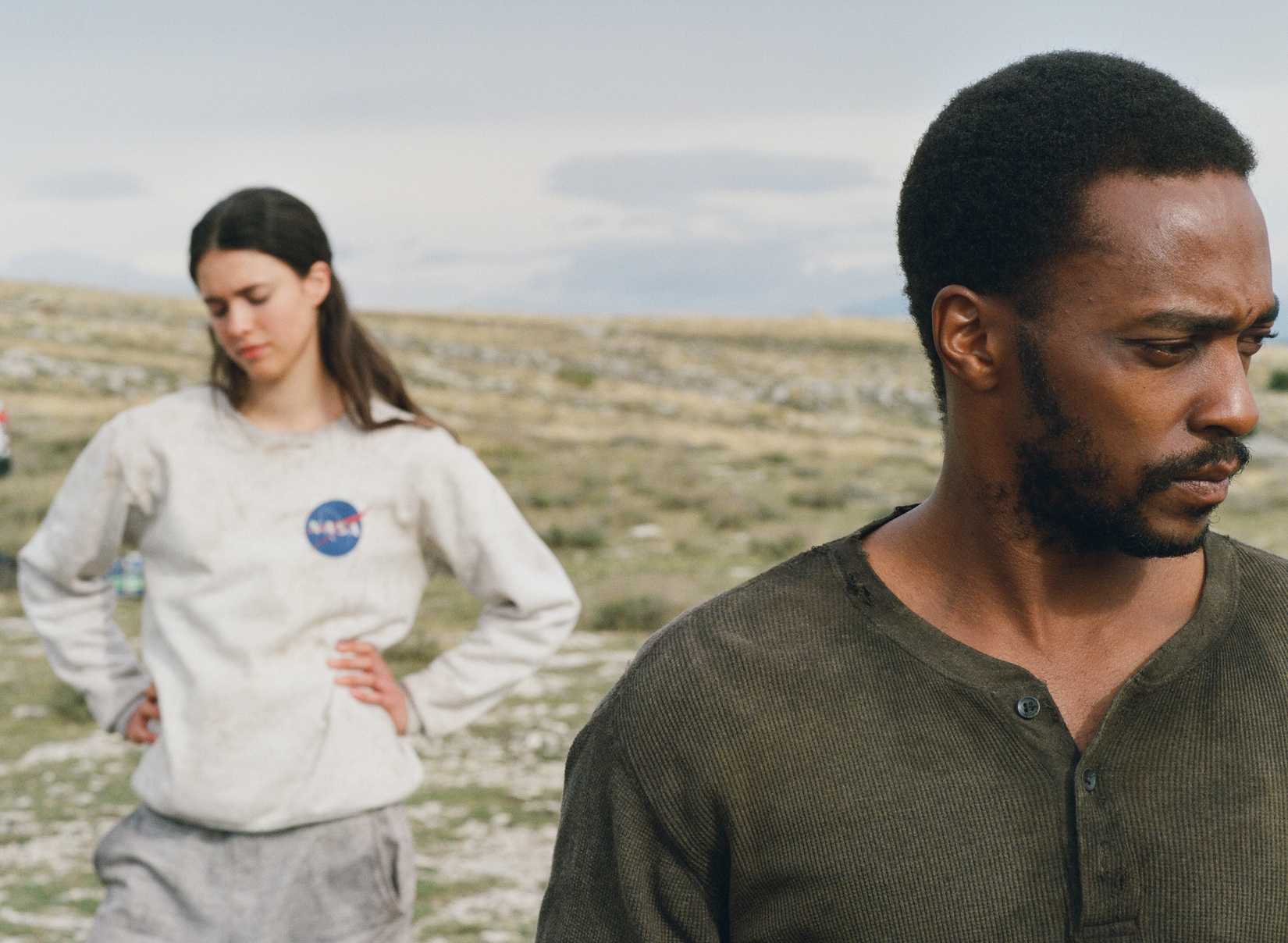
Anthony Mackie and Margaret Qualley lead this post-apocalyptic drama set on an abandoned, toxic Earth. Qualley plays Sam, a young scientist surviving on the surface while preparing for the final transport ship heading to humanity’s refuge on Io, one of Jupiter’s moons. The arrival of another survivor, played by Mackie, forces both characters to debate whether humanity should flee into space or fight to survive on its home planet.
The production confines most of the story to a single setting, relying on long silent sequences that drag down the pacing. Netflix clearly aimed for a quiet, introspective sci-fi piece similar to Moon or Arrival. Instead, the resulting feature became one of the service’s most forgettable early sci-fi efforts.
4. The Cloverfield Paradox (2018, Rotten Tomatoes: 22%)
The Cloverfield Paradox achieved an unusual promotional rollout when Netflix released the movie directly after Super Bowl LII, where the Philadelphia Eagles defeated the New England Patriots 41-33. The surprise release generated massive initial attention. The plot centers on an orbital research crew attempting to solve a global energy crisis, only for their particle accelerator experiment to fracture reality and create strange anomalies tied to the wider Cloverfield lore.
The clever release strategy could not rescue the film itself. Flat dialogue and thin characterization undermined the suspense, leaving viewers disconnected from the crew. Even Bear McCreary’s score could not hide the recycled nature of the story. Rather than building momentum for the franchise, the release diminished interest in future installments.
3. Rebel Moon Parts One & Two (2023-24, Rotten Tomatoes: 22% / 16%)
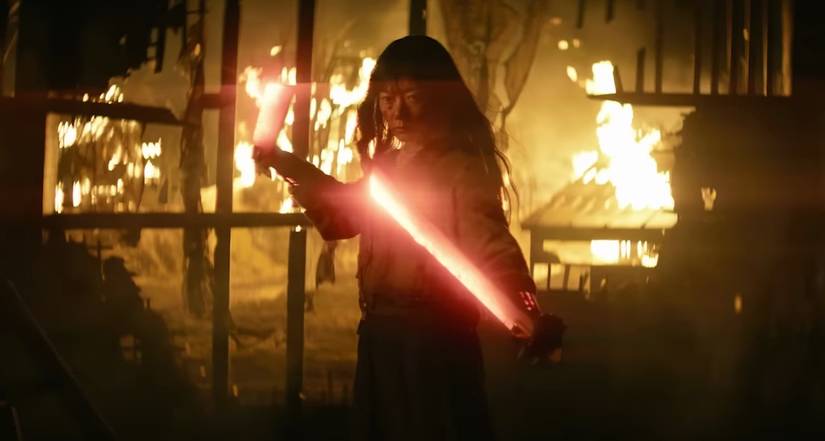
After finishing his work in the DC Extended Universe, director Zack Snyder partnered with Netflix to build an original space fantasy. The two-part story follows Kora, played by Sofia Boutella, an outcast warrior who travels the galaxy assembling fighters to defend a farming community from the tyrannical Imperium. Snyder packed both chapters with alien species, distinct planetary cultures, and extensive lore designed for future expansions.
The films aimed to serve as Netflix’s equivalent to Star Wars, yet the narrative leaned heavily on established genre conventions without carving out its own identity. While visually polished, the storytelling remained predictable. Snyder later released director cuts that added nearly an hour of runtime to each movie, raising questions about why the streamer held back those versions initially. The franchise demonstrated that massive worldbuilding cannot substitute for fresh storytelling.
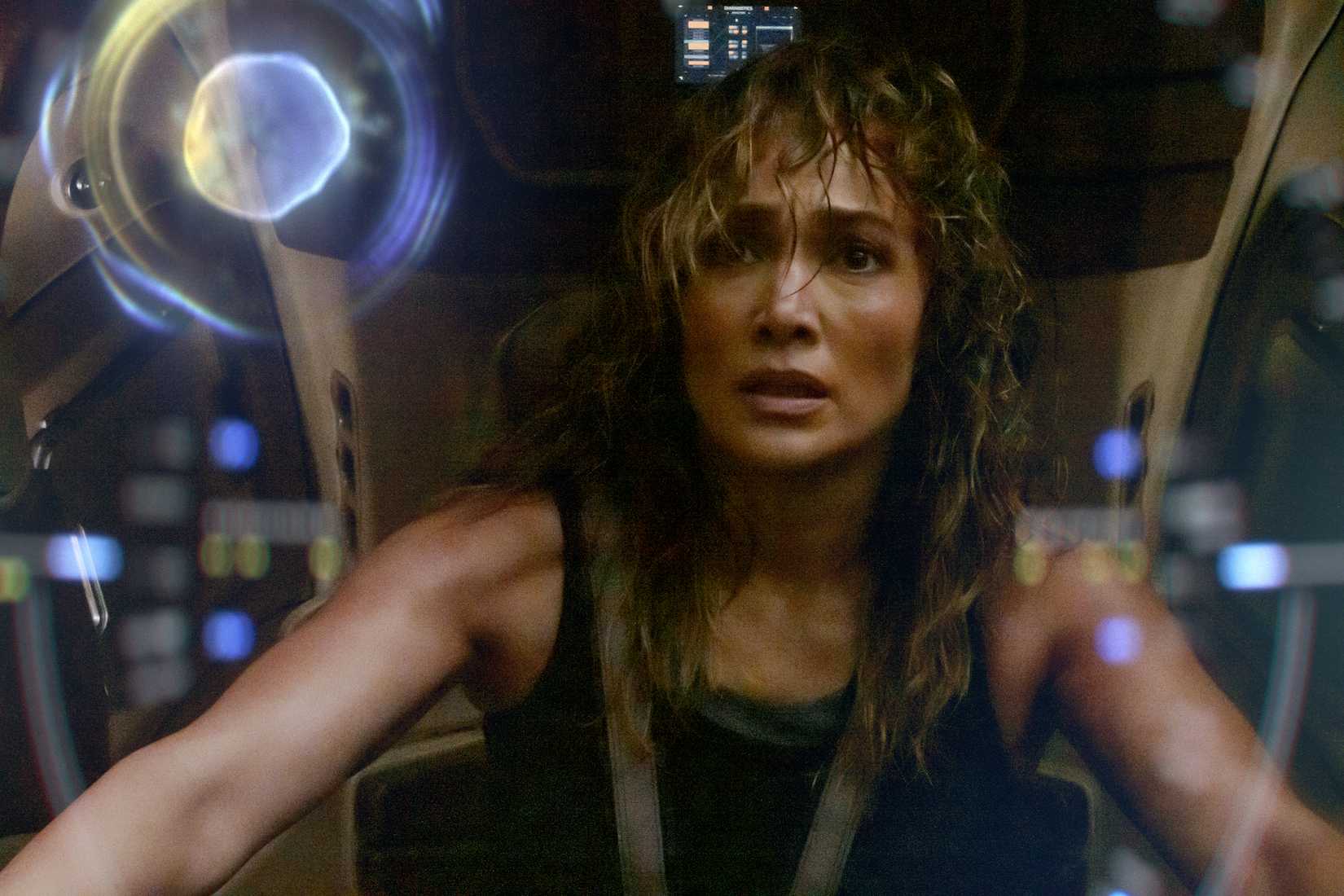
2. Atlas (2024, Rotten Tomatoes: 17%)
Jennifer Lopez stars as Atlas Shepherd, an analyst who harbors deep mistrust of synthetic intelligence. When a rogue AI terrorist threatens Earth, Shepherd must link with an AI-driven combat mech to survive a hostile alien world. Supported by a cast featuring Sterling K. Brown, Simu Liu, and Mark Strong, the production positioned itself as a major action spectacle.
The film drew respectable initial viewership numbers thanks to star power and high-budget visual effects. The narrative, however, offered little lasting impact. While it delivered basic popcorn entertainment for its runtime, the generic plot elements left almost no impression on audiences, stalling its potential as a long-term franchise starter.
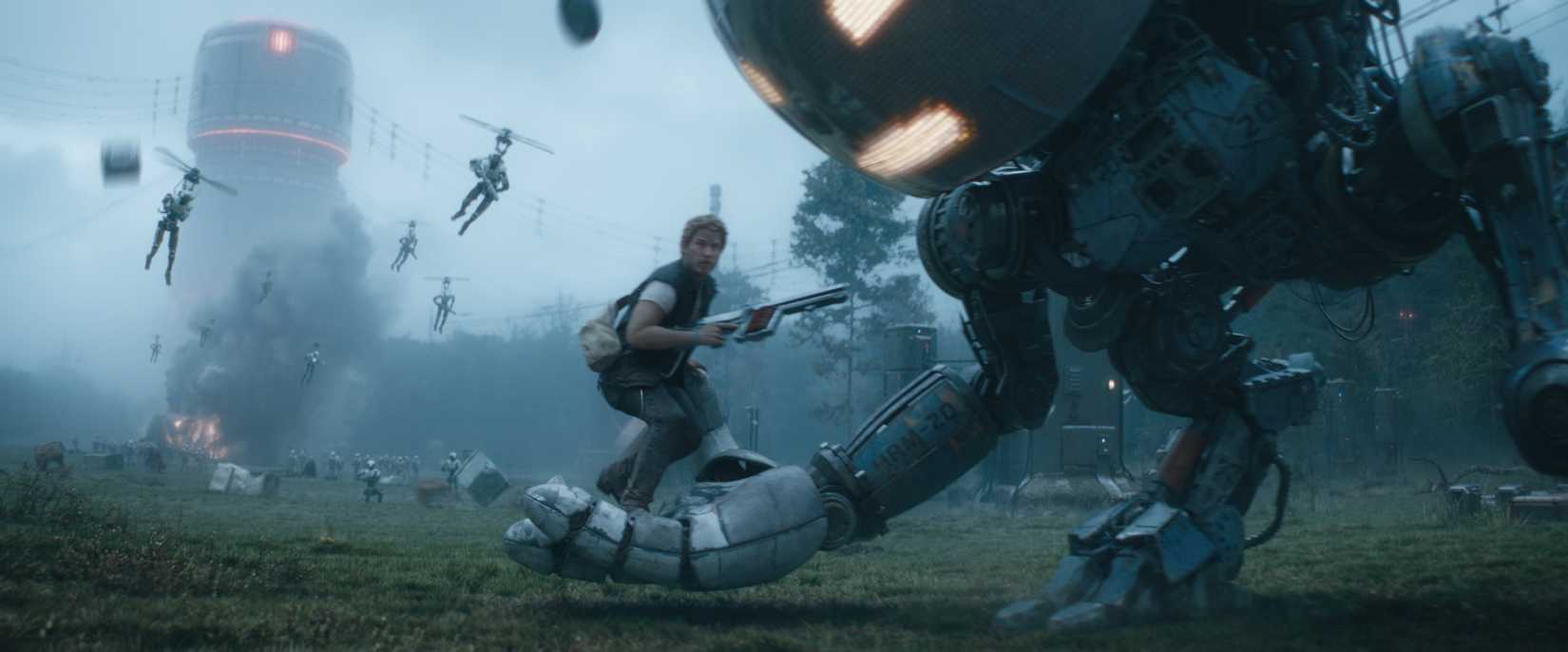
1. The Electric State (2025, Rotten Tomatoes: 14%)
Based on Simon Stålenhag’s illustrated narrative, The Electric State follows Michelle, played by Millie Bobby Brown, as she searches for her missing younger brother across a retro-futuristic American landscape. She travels alongside a robot companion and an opportunistic smuggler portrayed by Chris Pratt. Directed by Anthony and Joe Russo, the production carried a reported $320 million budget, making it the most expensive film in Netflix history.
The film featured an extensive supporting cast, including live-action performances from Stanley Tucci and Ke Huy Quan, along with voice roles by Anthony Mackie, Brian Cox, Jenny Slate, Woody Harrelson, Hank Azaria, Colman Domingo, and Alan Tudyk. Despite the resources and talent involved, the film struggled with its tone. The adaptation traded Stålenhag’s eerie, melancholy reflections on technology and consumerism for standard action-adventure tropes, resulting in an uninspired imitation of classic Steven Spielberg adventures.
Source: Polygon
Related articles
 The Last of Us-Style Survival Game to Feature Co-Op, New Gameplay Trailer Shows Combat and Fishing
 The Blood of Dawnwalker to Run at 60 FPS on Consoles via Day-One Patch
 Tamriel Rebuilt Mod for The Elder Scrolls III: Morrowind Launches on GOG With Over 1,000 Quests
 Gamescom Organizers Do Not Fear Competition With GTA 6, Believe Players Will Return After Netflix Presentation
 Ori and No Rest for the Wicked Creator Explains Why He Skips Gamescom and Other Shows
 Epic Games Disputes Analyst’s Skepticism About Epic Games Store Competing with Steam
 New Expansion for The Witcher 3 Will Require Modern Hardware
 Microsoft Names 28 Games Coming to Xbox This Week