Netflix Sci-Fi Series Praised for Gripping Openings
The best sci-fi shows grab you from the first frame. Sometimes it’s a public execution during a cultural revolution. Sometimes it’s a child walking through a smoke-filled battleground littered with corpses. Sometimes it’s an alien organism mutating a host in seconds. Each of these openings gives you something concrete to hold onto before the credits roll.
Netflix has built a deep sci-fi catalog over the years. It includes mind-bending mysteries, dystopian anthologies, sprawling futuristic epics, and some of the most ambitious animation on television. Picking one to commit to is hard, but the strongest series make the choice easy with strong premises and mysteries that demand answers.
These 10 Netflix sci-fi series pull you into the unknown from the start. They run from standout genre entries up to masterpieces, and each leaves a mark that lingers after the first scene fades to black.
10. 1899 (2022)
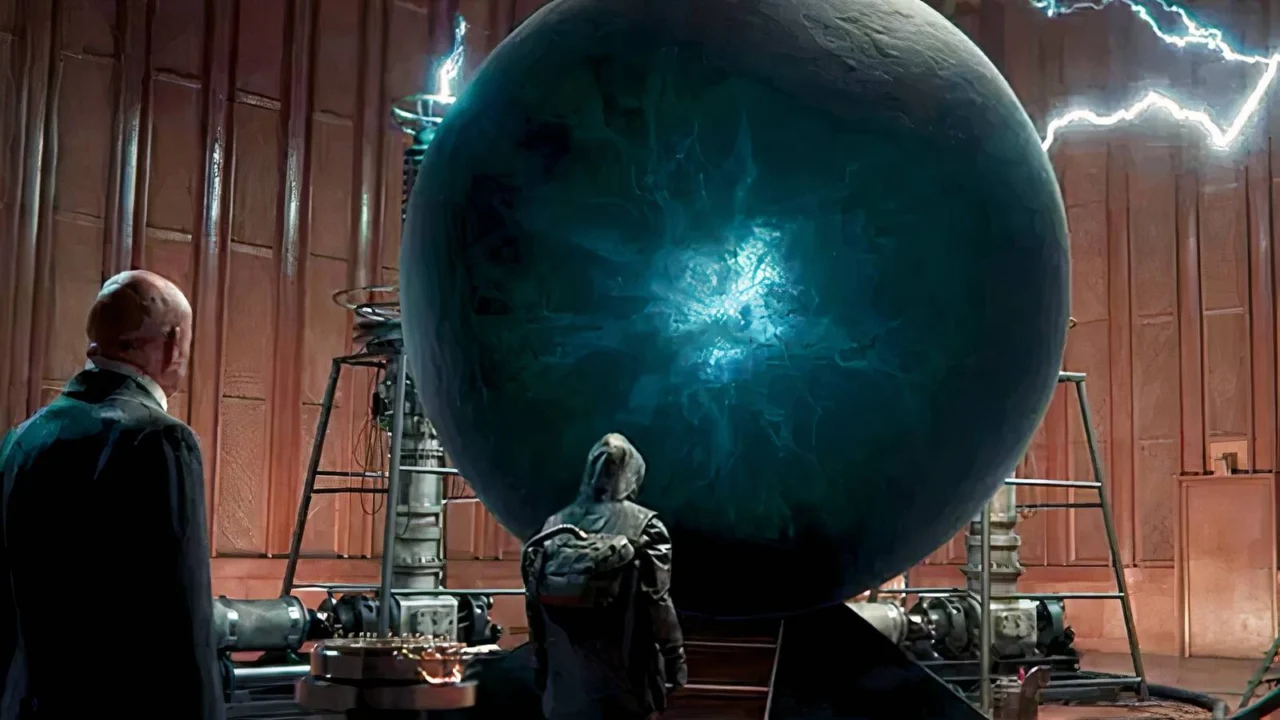
Jantje Friese and Baran bo Odar made Dark, and they also created 1899. The series puts you aboard the Kerberos, a steamliner carrying a multinational group of passengers from England to New York. The voyage seems routine until a cryptic signal lures the crew toward the Prometheus, the Kerberos’ sister ship, which vanished four months earlier. The crossing turns into a psychological nightmare, and the isolation of the open ocean feeds the claustrophobia on board.
Few sci-fi mysteries build such an oppressive atmosphere so quickly. The pilot surrounds its passengers with dark ocean, cramped corridors, and strange events that hint at secrets beyond anyone’s understanding. Every conversation carries unspoken history. The discovery of the abandoned Prometheus adds a chilling mystery that only grows more sinister. Netflix canceled 1899 after one season and left the larger puzzle unresolved. Even so, the premiere is a remarkably effective exercise in mounting dread, and it suits fans of movies like Ghost Ship and Triangle.
9. 3 Body Problem (2024)
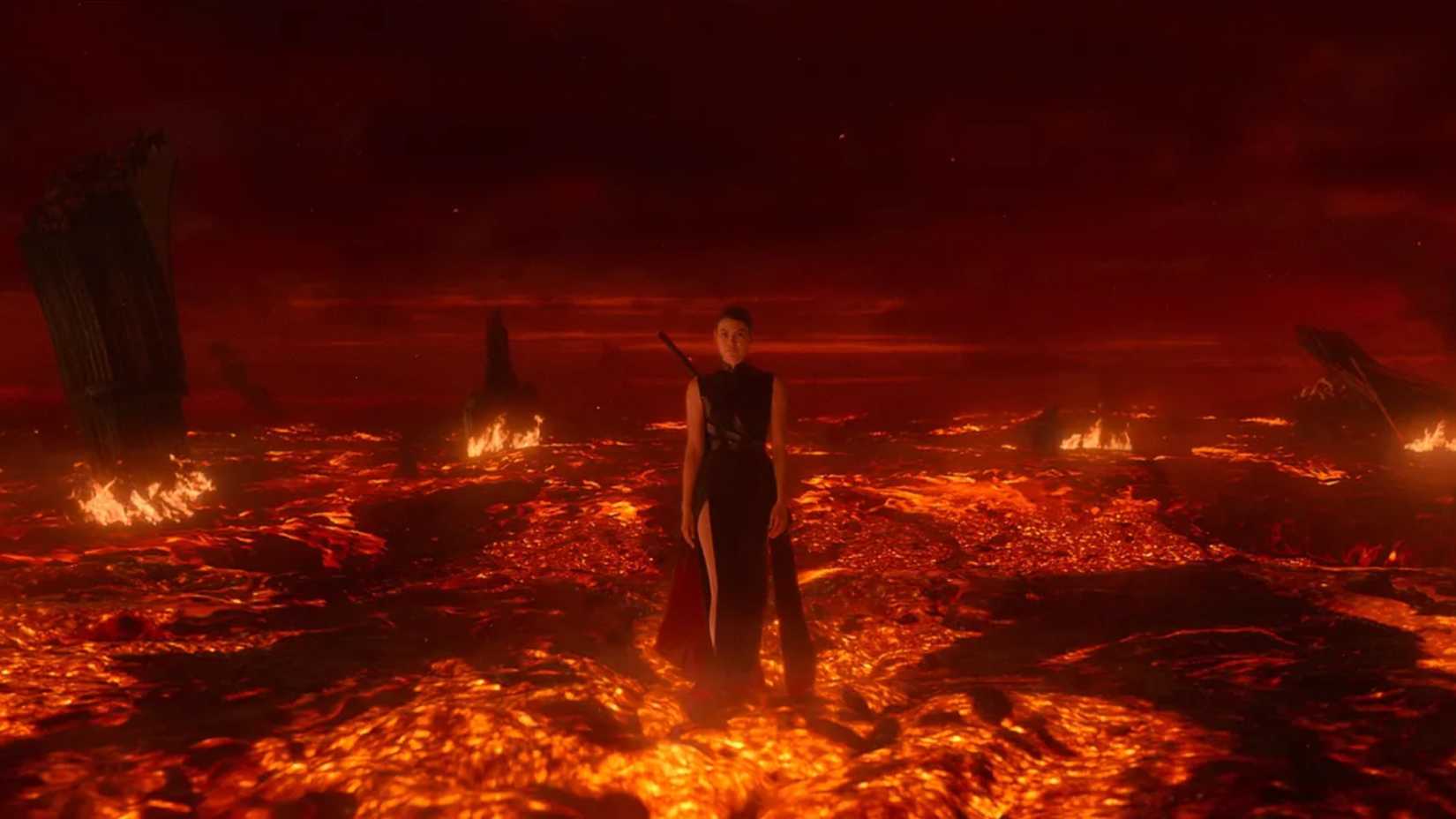
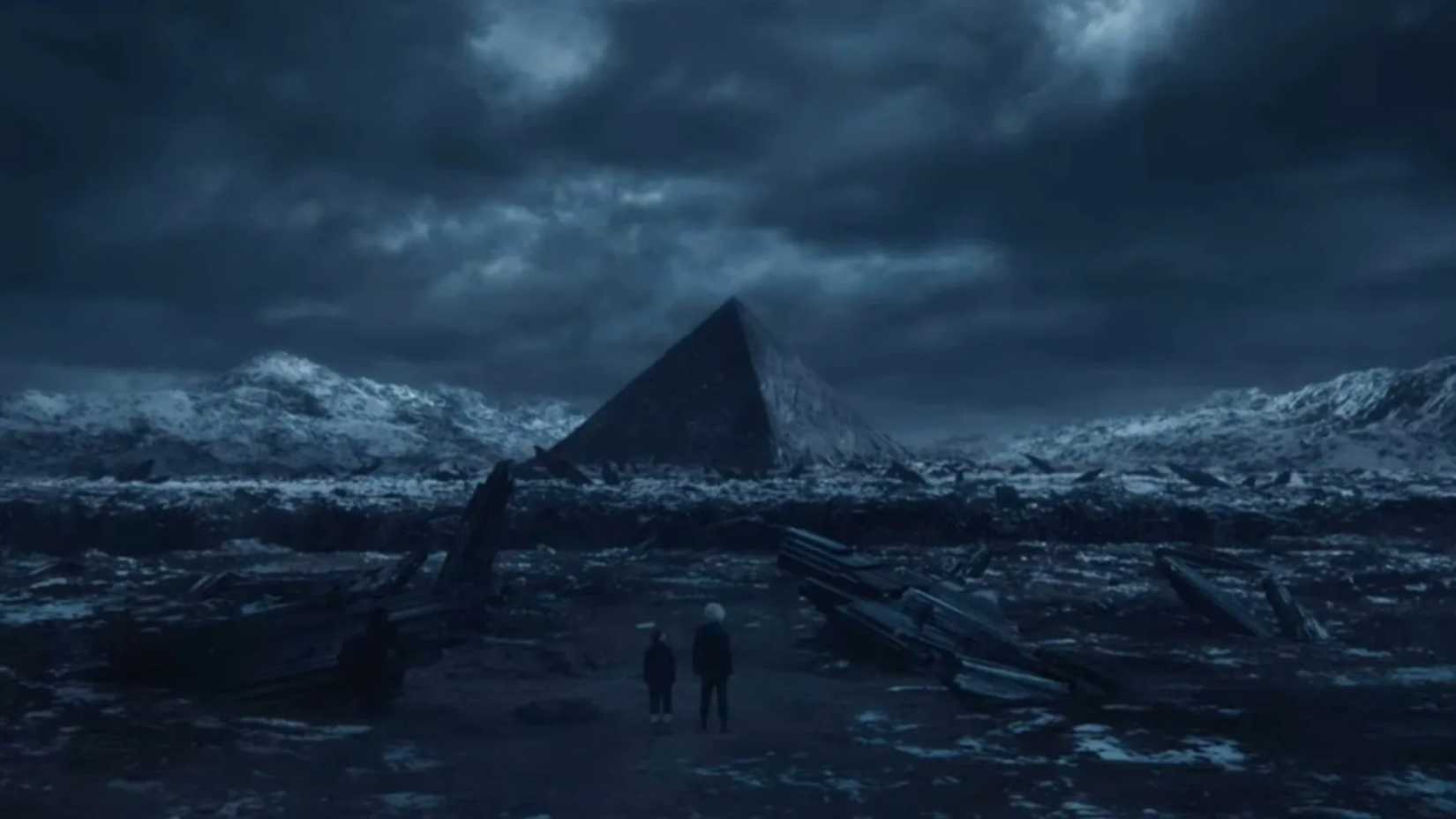
Liu Cixin’s acclaimed science-fiction trilogy is the source for 3 Body Problem, which follows humanity’s encounter with an alien civilization across several decades. The story opens amid the political violence of China’s Cultural Revolution, where a disillusioned young astrophysicist makes a decision that alters history. It then jumps to a present-day group of Oxford scientists facing seemingly impossible phenomena. A countdown appears in people’s vision, particle accelerators return nonsensical results, and the night sky blinks in code. Hyper-advanced alien tech then reveals that a hostile invasion fleet is already crippling human scientific progress.
The opening sequence wastes little time. During a struggle in 1960s Beijing, physicist Ye Zhetai is publicly denounced and beaten to death for his scientific beliefs. The scene is a brutal look at the ideological persecution of the era, and its consequences reach well beyond the immediate tragedy. By linking that historical trauma to the scientific mysteries decades later, 3 Body Problem ties humanity’s capacity for cruelty to a threat that could change the fate of the species.
8. Love, Death & Robots (2019)
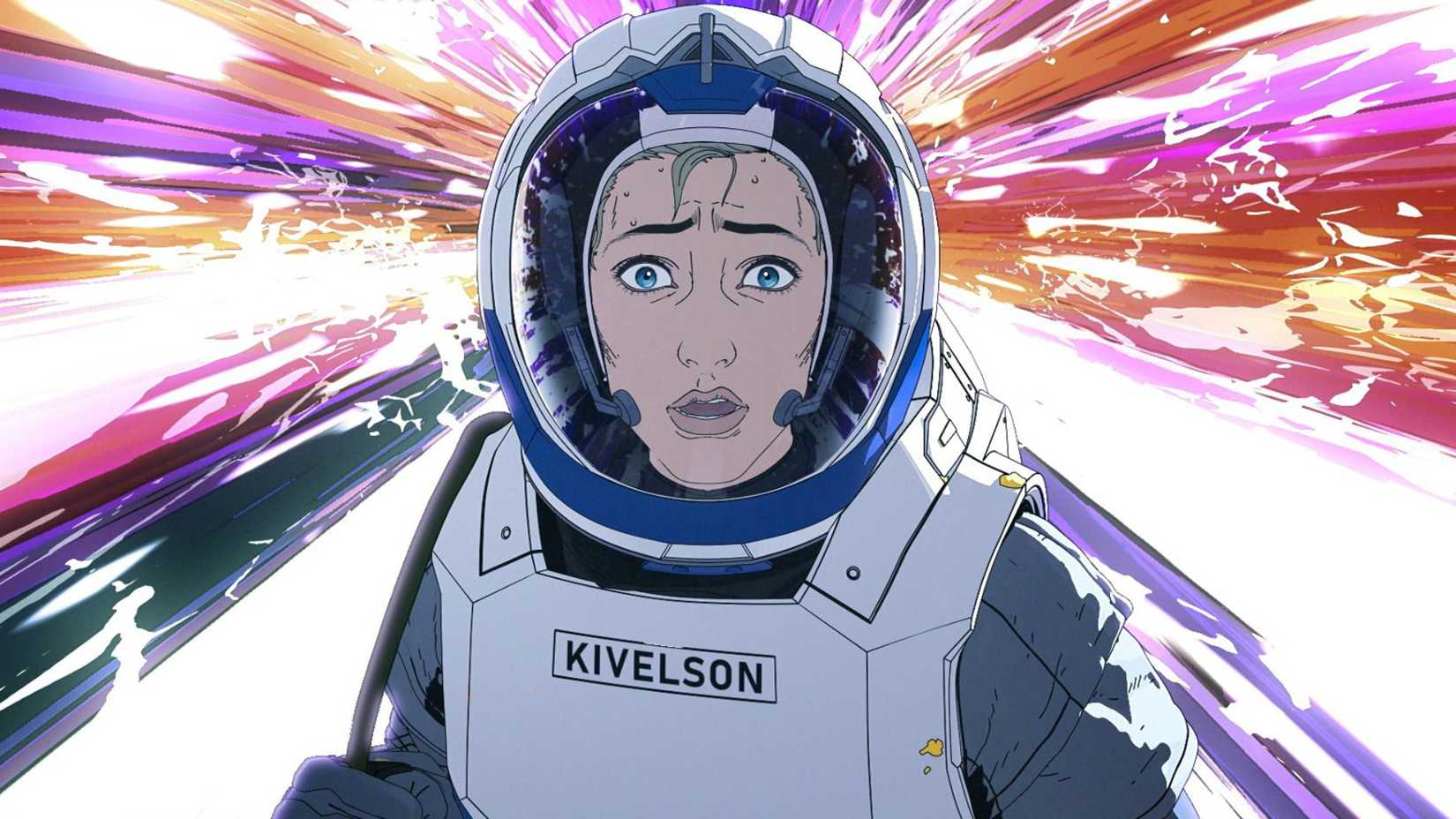
Love, Death & Robots is an unusual entry because it tells many small stories instead of one cohesive story. It brings together international animation studios to explore cybernetics, artificial intelligence, hyper-violence, and surreal cosmic horror in wildly different visual styles. Tim Miller and David Fincher conceived the series as a spiritual successor to classic speculative sci-fi and heavy metal comics. It has run for four seasons.
Because it’s an anthology, you can jump between episodes. Still, the first installment, “Three Robots,” makes a good case for starting at the beginning. As the title suggests, the episode follows three robots exploring the ruins of a human civilization. It balances dark comedy with a bleak vision of humanity’s future. The series rarely lets its sci-fi spectacle exist without an unsettling idea underneath. My personal favorite is “Beyond the Aquila Rift,” an episode best watched with no spoilers.
7. Black Mirror (2011)
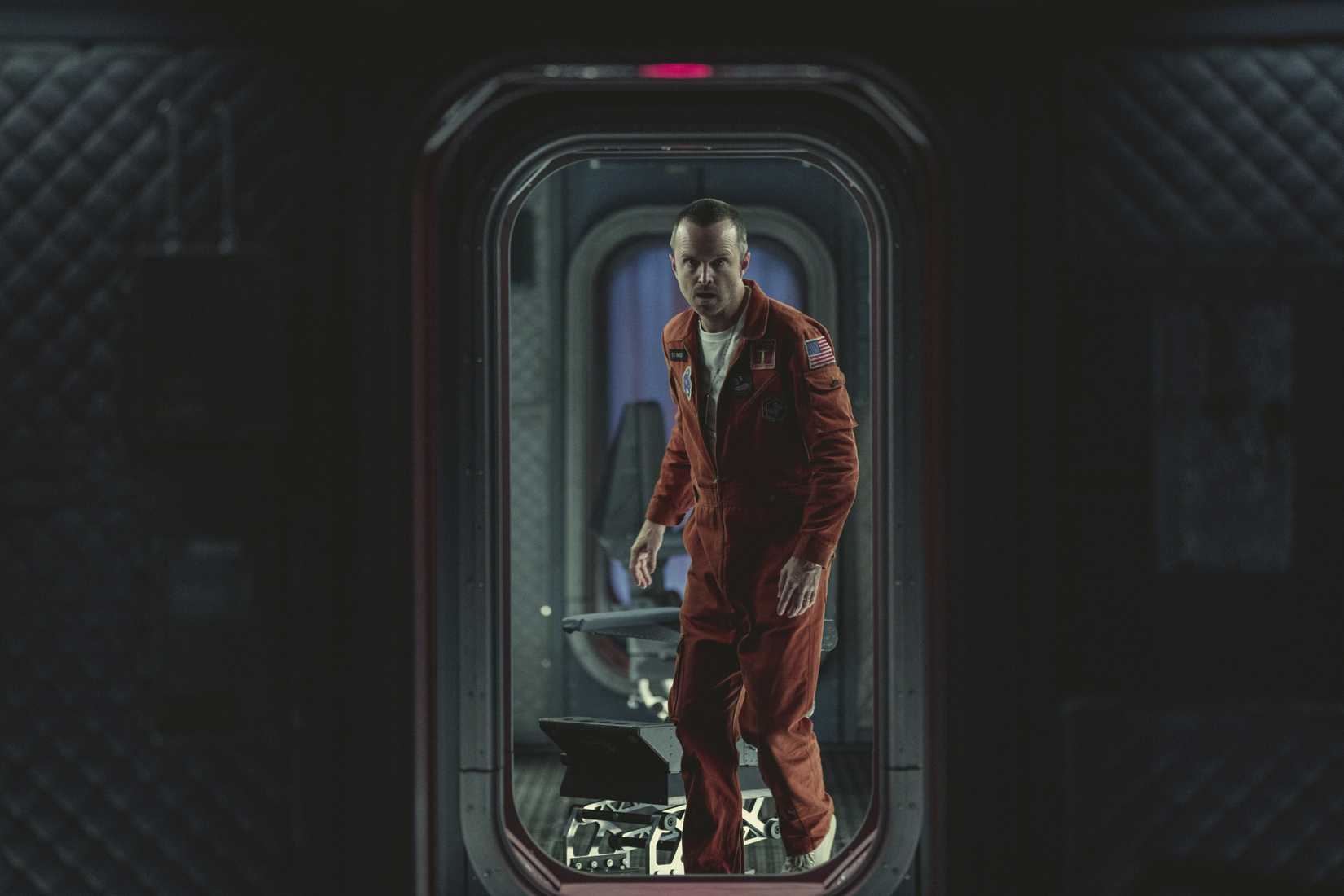
Black Mirror examines the darker side of technological progress. It shows how our advancements can amplify humanity’s cruelty, insecurity, and appetite for spectacle. Like Love, Death & Robots, it is an anthology, so you can approach it on your own terms. The stories move between near-future dystopias, digital nightmares, and biting social satire. Each one imagines what happens when innovation outpaces moral judgment, which makes the show a modern successor to The Twilight Zone.
Charlie Brooker’s anthology has changed a lot over its run, but its potency remains intact. Early standouts like “The Entire History of You” and “White Bear” used near-future technology to examine human cruelty and obsession. More recent episodes like “Loch Henry” and “Beyond the Sea” show the series hasn’t lost its edge. One dissects the voyeuristic exploitation in true crime. The other sends mechanical synth-replicas into an alternate-1960s space story. Together they suggest the show was never just about screen addiction. It is about the dark impulses of the people holding the device.
6. Pluto (2023)
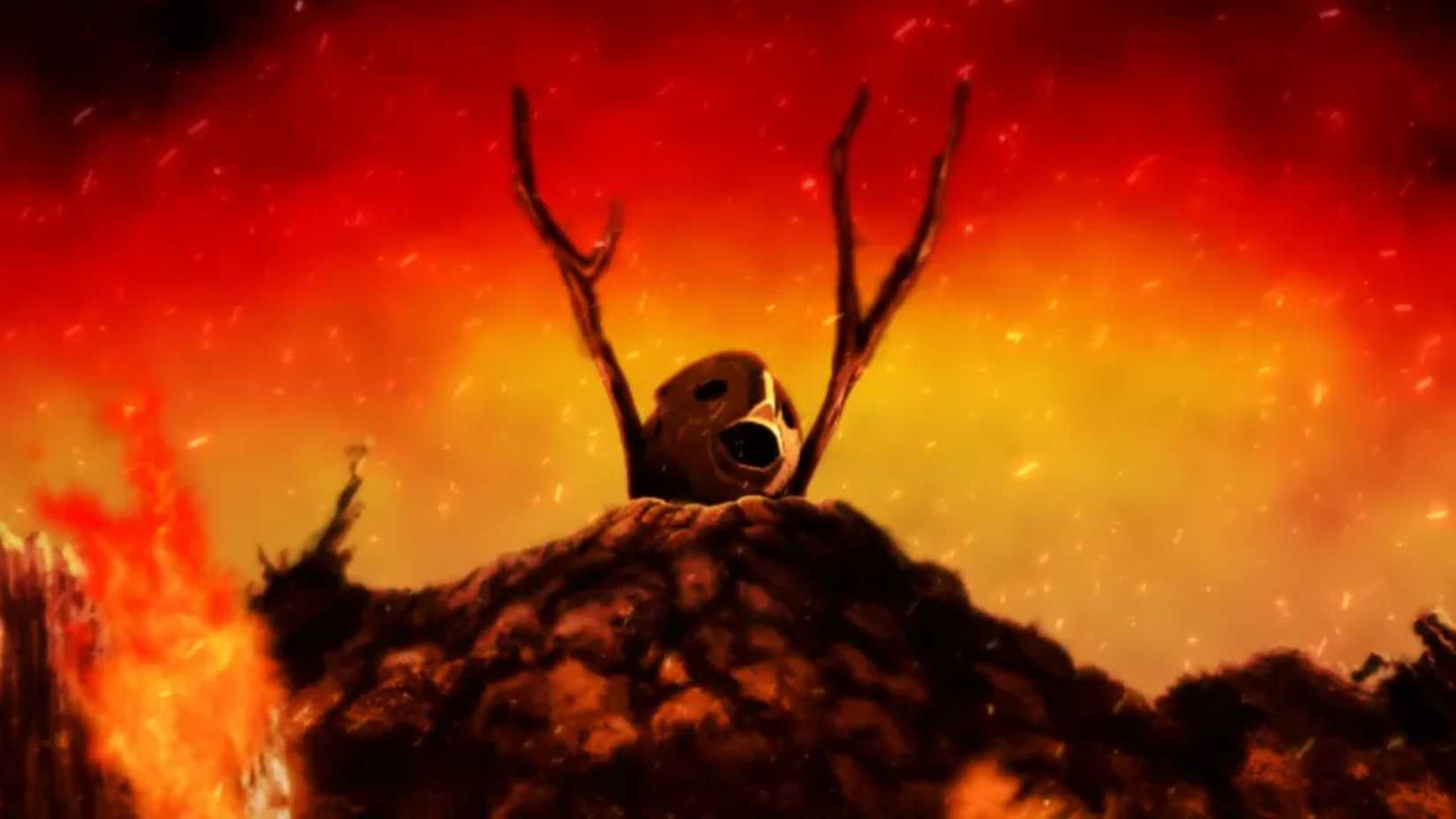
Naoki Urasawa and Takashi Nagasaki wrote the manga behind Pluto, which reimagines Osamu Tezuka’s Astro Boy. The series turns a classic robot adventure into a contemplative science-fiction murder mystery. In a future where humans and sophisticated robots coexist, Europol inspector Gesicht investigates a string of killings that target both people and machines. The victims are tied to a history of conflict and political upheaval, which suggests the crimes belong to something much larger than a series of isolated murders.
The first episode opens with the destruction of Mont Blanc, a beloved Swiss robot known for his peaceful nature. Then it introduces Gesicht and his investigation. Strange, hornlike debris near the scene gives the murder an almost ritualistic, True Detective quality. Yet Pluto cares less about shock than about the questions the violence raises. Can a machine experience grief? What does it mean to have a conscience? Can a society that claims to have moved beyond prejudice escape the hatred that shaped its past? Those questions give the premiere a melancholic weight that outlasts its central crime.
5. Stranger Things (2016)
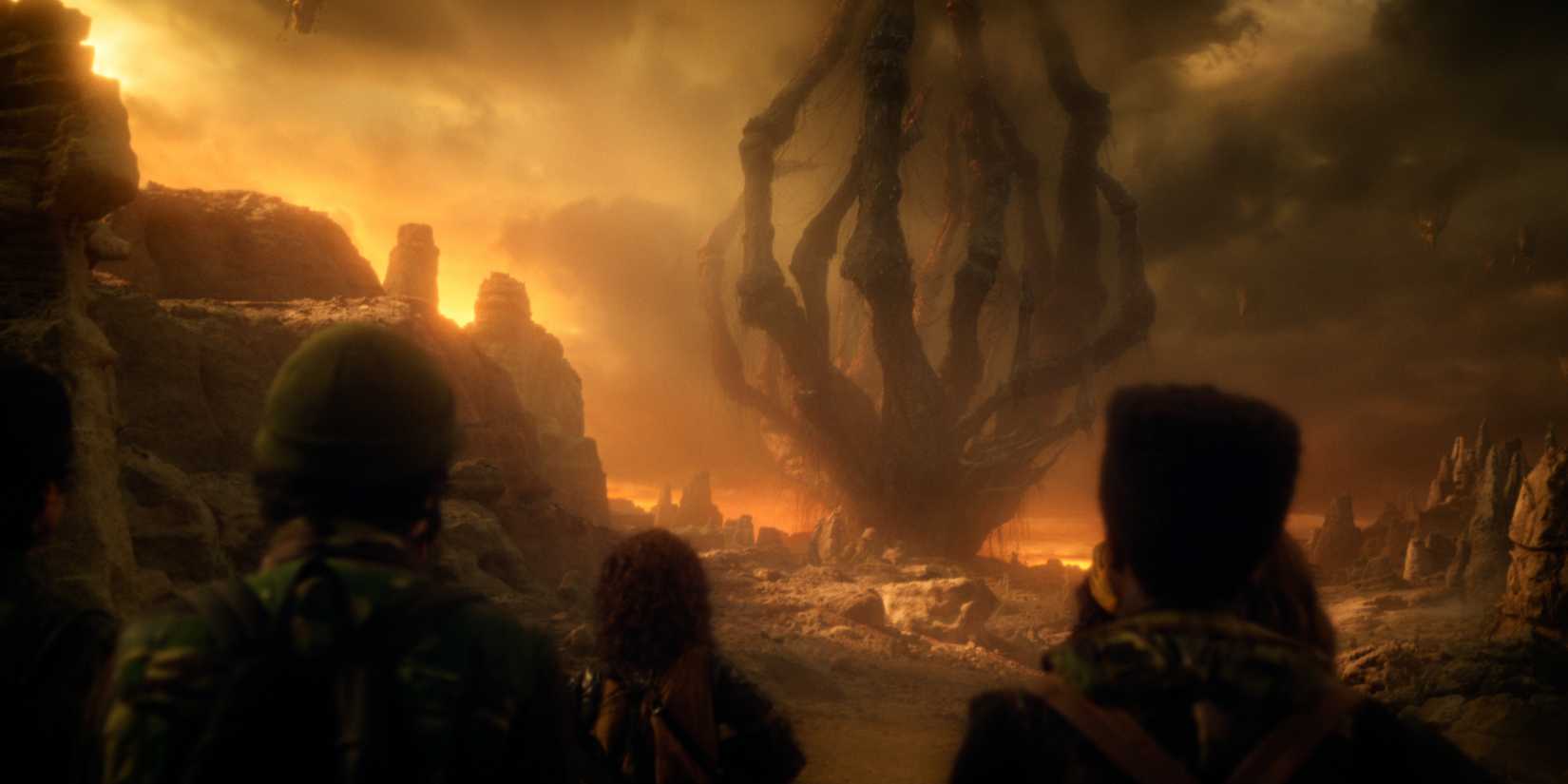
The Duffer Brothers’ Stranger Things draws on the suburban adventures, supernatural horror, and coming-of-age stories that defined much of 1980s popular culture, in the vein of It, Stand by Me, and The Goonies. The series is set in Hawkins, Indiana, and begins with the disappearance of Will Byers. His friends and family soon discover that something deeply unnatural is happening in their unremarkable town. Then Eleven arrives, a mysterious girl with psychokinetic abilities, and she pulls their lives into a secretive government research facility and a terrifying alternate dimension.
The premiere’s opening scene follows a scientist racing through the corridors of Hawkins National Laboratory. Alarms blare, lights flicker, and an unseen creature closes in as he scrambles toward an elevator. Just when he seems about to escape, something drags him upward into the darkness. The moment is brief, but it shows how the series makes the familiar feel frighteningly unsafe. By the time the story shifts to a group of kids playing Dungeons & Dragons, the threat over Hawkins has already hooked you like Vecna’s curse.
4. Cyberpunk: Edgerunners (2022)
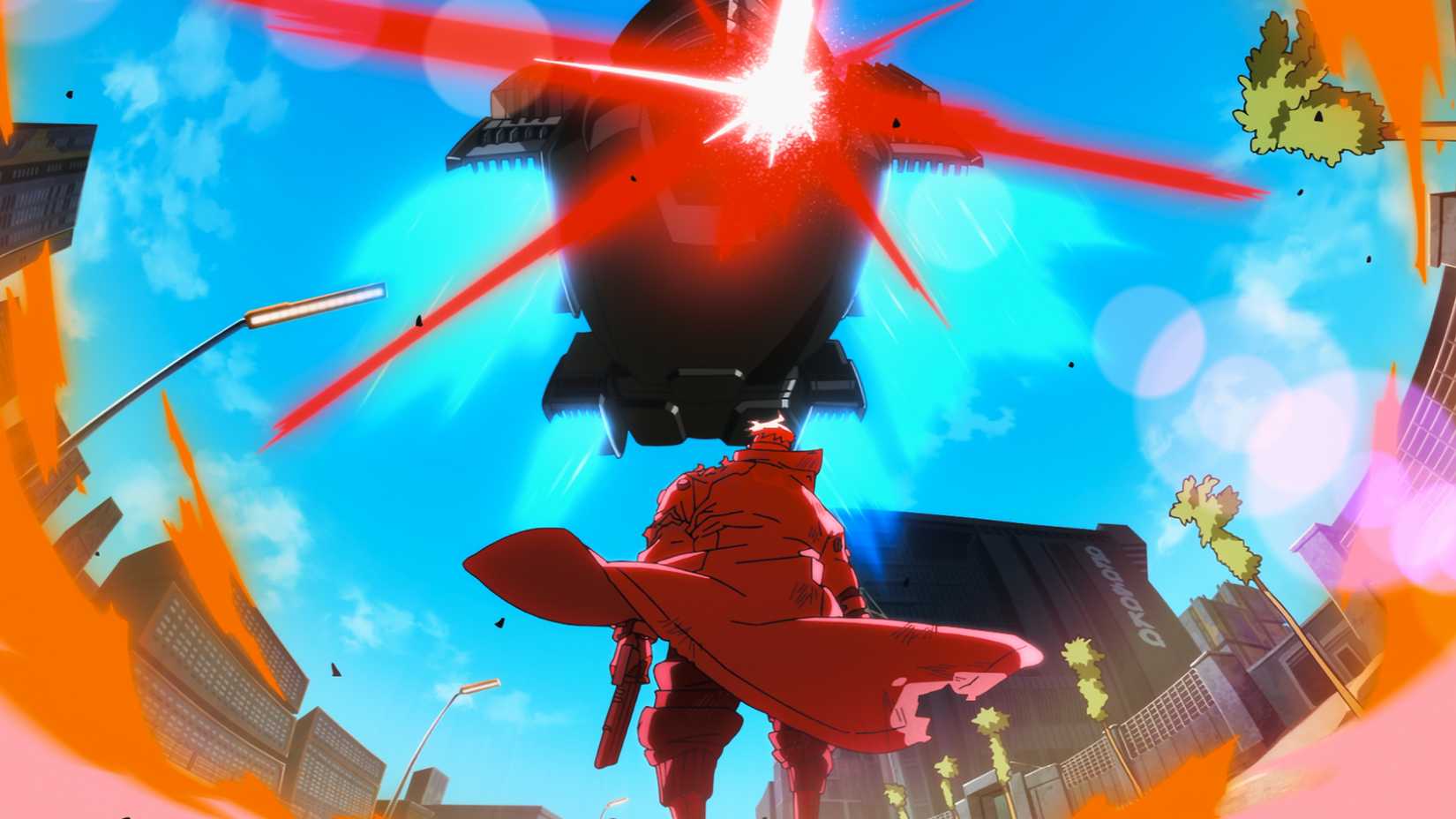
Cyberpunk: Edgerunners shares a dystopian universe with Cyberpunk 2077. It brings the excesses of Night City to life through explosive animation and a tragic coming-of-age story. The first season follows David Martinez, a working-class teenager trying to survive the city’s punishing social order. His attempts lead him into the world of cybernetically enhanced mercenaries known as edgerunners. In Night City, almost anything can be bought, upgraded, or weaponized, and the human cost of that progress is impossible to escape.
The premiere doesn’t introduce David right away. It opens with a glimpse of what Night City can do to a person. A heavily augmented soldier tears through a squad of armed officers in a frenzy of violence, a terrifying demonstration of cyberware pushed past its limits. The scene is later revealed to be a braindance recording, a form of immersive digital playback that lets viewers experience recorded events. That framing matters for understanding Night City, where even a cyberpsycho’s rampage becomes a commodity as well as entertainment. Season 2 has also been a standout hit, so there’s no better time to explore its mean streets.
3. The OA (2016)
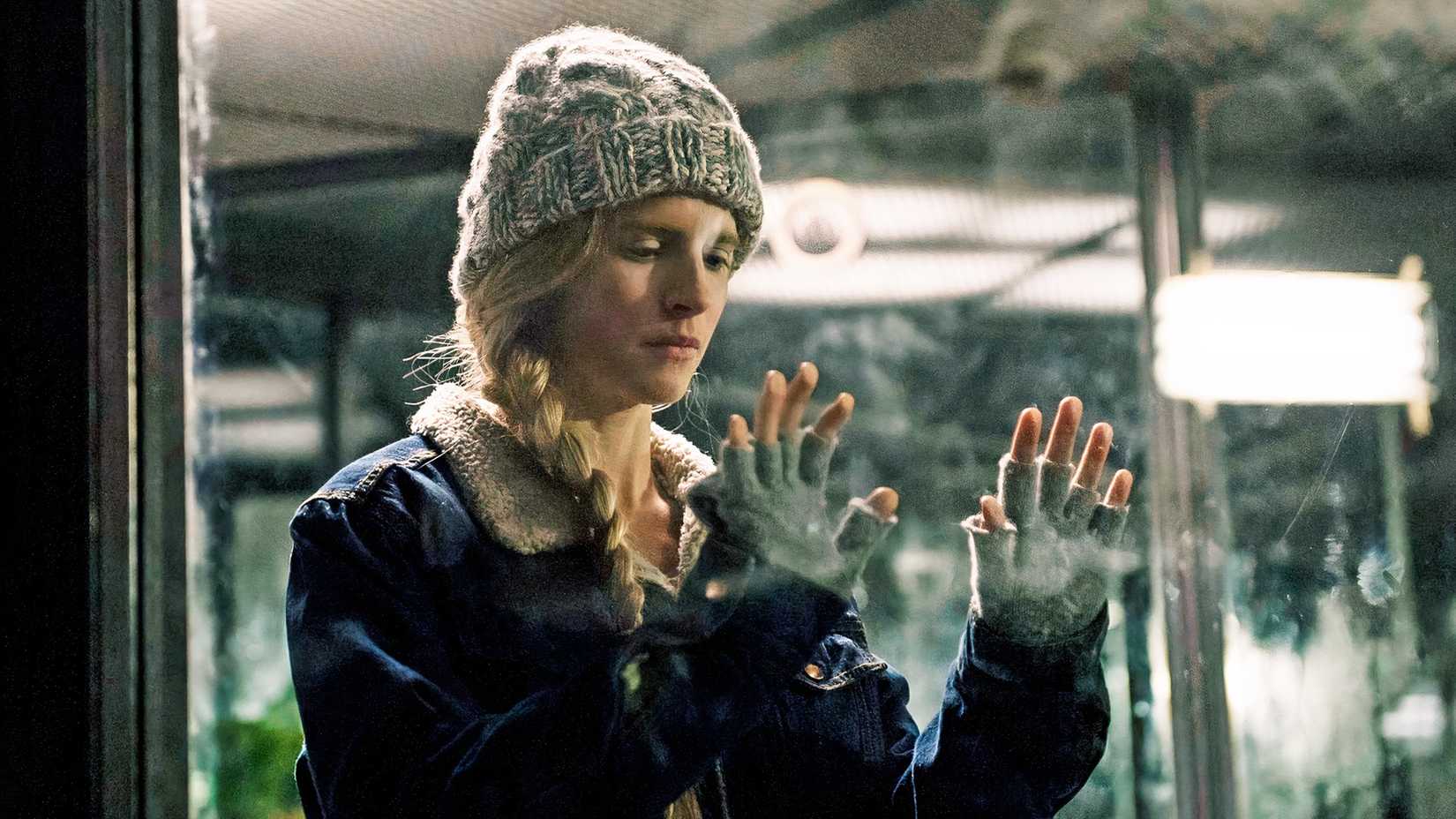
The OA resists easy categorization. It weaves science fiction together with psychological drama to ask about the nature of consciousness. Its center is Prairie Johnson, a blind young woman who disappeared for seven years. She returns to her adoptive parents able to see. She insists on being called the “OA” and refuses to explain where she has been or how she recovered her sight. Those oddities form the base of a mystery that stretches beyond ordinary reality.
The series begins with shaky cellphone footage of Prairie running across a bridge and jumping into the water below. The sequence is brief, disorienting, and short on context. It leaves viewers wondering what drove her to such an extreme act and what it means for the larger story. Her return, with her sight restored and her past shrouded in uncertainty, deepens those mysteries. Few premieres make asking questions feel so central to the experience, and The OA turns that uncertainty into its main strength.
2. Arcane (2021)
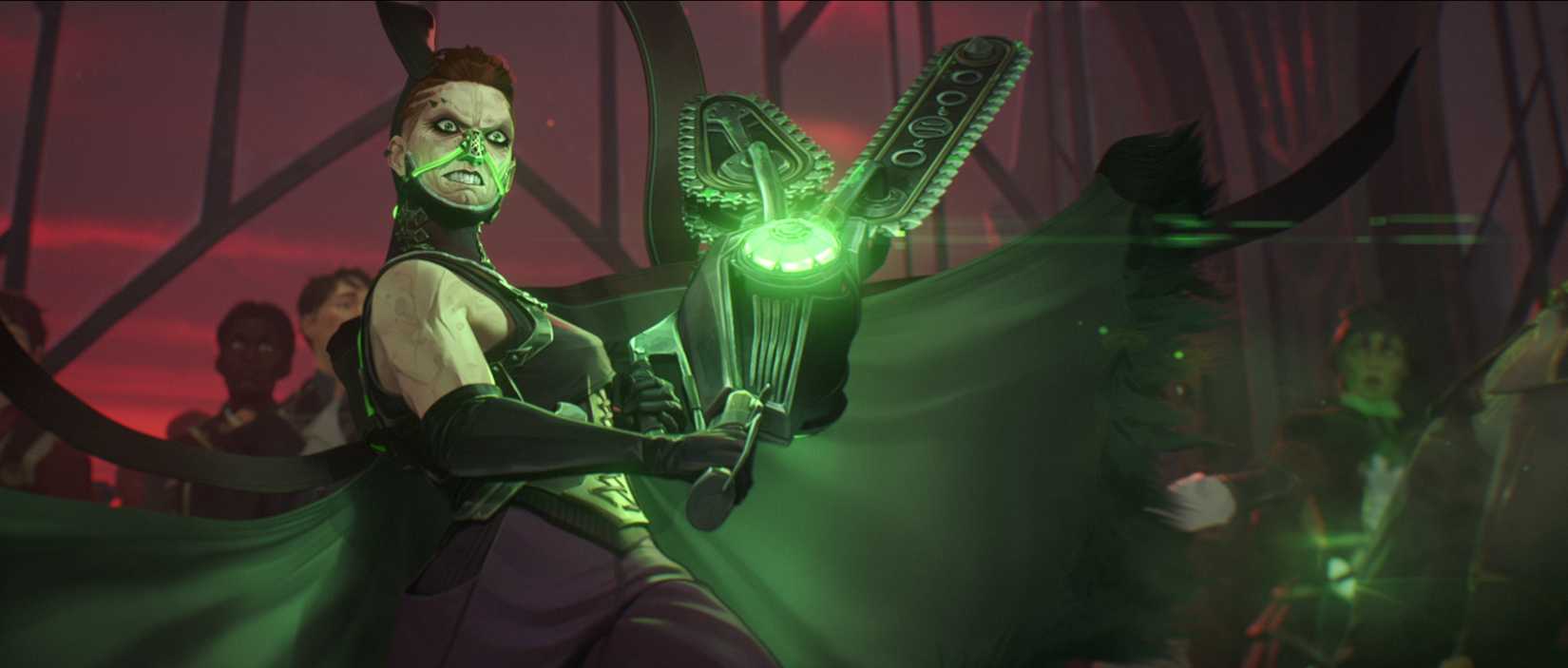
Riot Games developed Arcane, and the French studio Fortiche animated it. It is one of the best shows on Netflix. The series expands the world of League of Legends through an emotionally rich story about class conflict, political ambition, and fractured family bonds. The central tension lies between Piltover, a prosperous city embracing technological advancement, and Zaun, the neglected undercity struggling beneath its wealth and influence. Violence and inequality shape the two communities. Sisters Vi and Powder end up on opposite sides of a brewing war as Hextech magic and the street drug Shimmer threaten to destroy both cities.
The premiere opens with a haunting image of the sisters walking across a bridge strewn with bodies after a violent uprising. Smoke hangs in the air and a mournful melody plays as the young girls struggle to grasp the world left to them. The sequence conveys the human cost of the conflict before the series explores its political and personal consequences. Fortiche’s painterly animation gives the scene a storybook beauty, which makes the brutality it depicts hit harder.
1. Dark (2017)
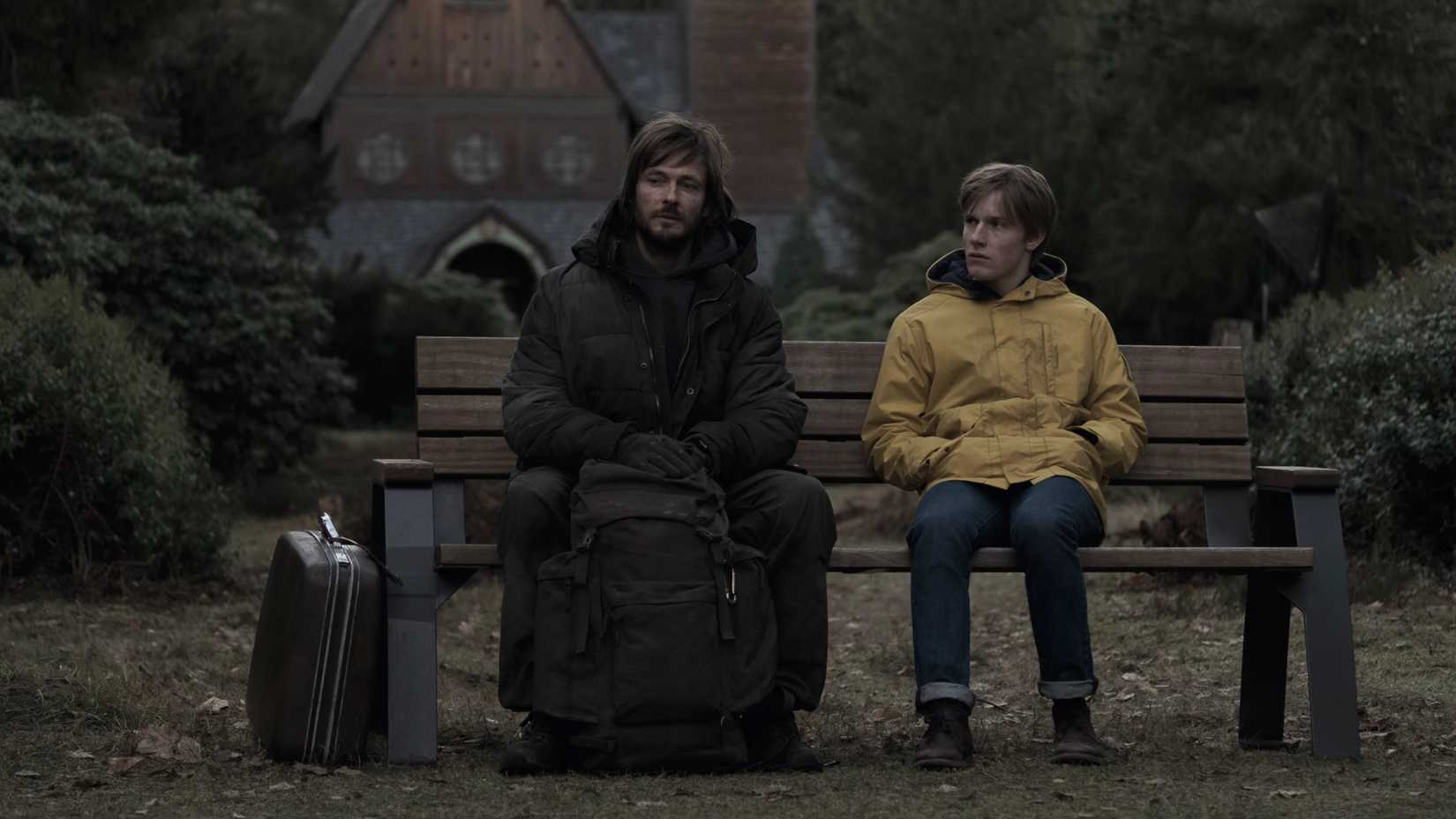
Dark begins like many great mysteries, with a small-town tragedy. A missing child case then unravels into a web of temporal paradoxes, and Winden becomes one of television’s most intricate science fiction puzzles. The disappearances expose generations of buried secrets and tangled family histories. Characters must face anomalies that shatter their understanding of cause and effect. The mythology is dense and can be demanding, but the series grounds its mind-bending scope in human fears. Those include losing loved ones, repeating past mistakes, and realizing that the people closest to us can be total strangers.
The pilot sets its tone before the central mystery begins. A voiceover meditates on the nature of time while the camera moves through a dimly lit room where a man named Michael Kahnwald has died by suicide. The unsettling imagery and somber narration establish a world weighed down by the pull of the past. Dark then plants clues that eventually connect Winden’s missing children to a much larger mystery, one as mind-boggling as it is emotionally gripping. Its opening works less as a conventional hook than as an invitation into a world where every answer creates another burning question.
Source: Polygon
Related articles
 Switch 2 Cartridge Manufacturer Exits the Market
 Microsoft’s Alligator Xbox May Be a GTA VI Marketing Workaround
 Analysts Say Gran Turismo 7 Is Not on PS Plus Because It Has Earned Sony Hundreds of Millions of Dollars
 Mike Flanagan Hints at Unexpected Approach to Warhammer 40,000 Series Starring Henry Cavill
 The Legend of Zelda: Ocarina of Time – Shadow Temple Dungeon Walkthrough
 Ganondorf’s Castle Walkthrough in The Legend of Zelda: Ocarina of Time
 The Legend of Zelda: Ocarina of Time — Spirit Temple Dungeon Walkthrough
 Bottom of the Well Dungeon Walkthrough for The Legend of Zelda: Ocarina of Time