Laika Calls ‘Wildwood’ a Risky Film, as ‘Coraline’ Was 20 Years Ago
What was the last thing you did that took 16 years? Director Travis Knight has more persistence than most of us.
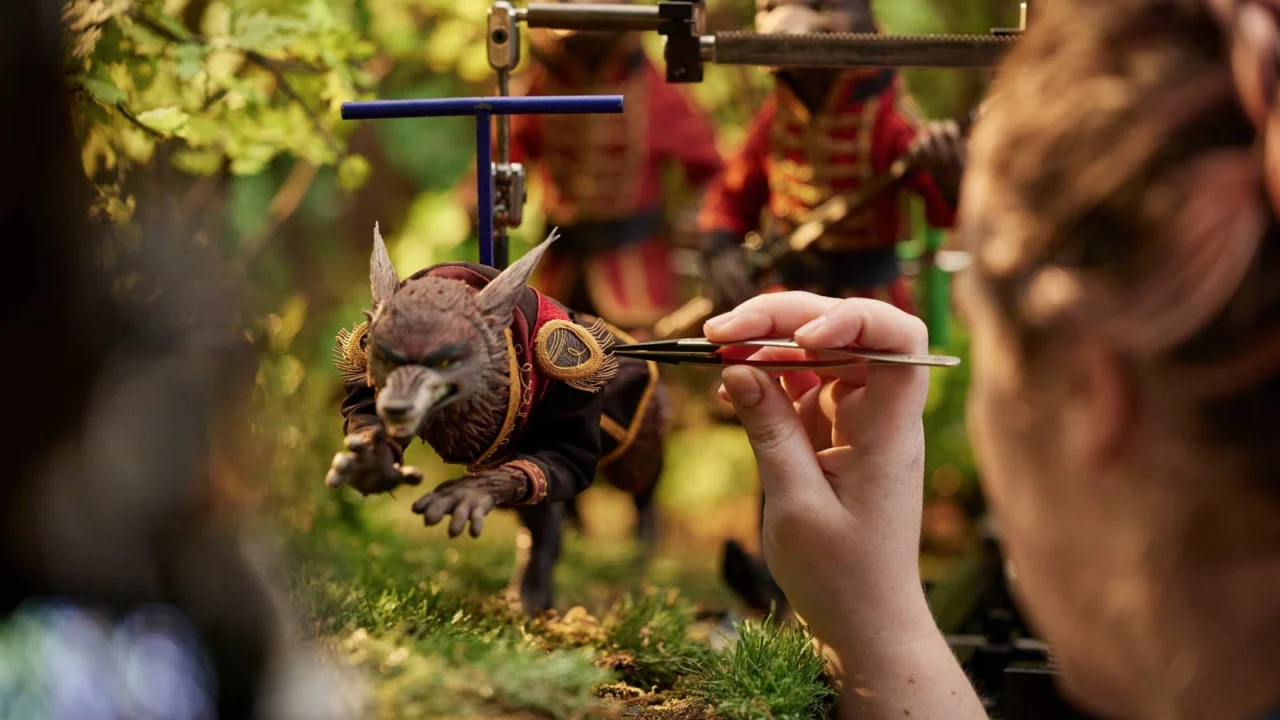
Knight and his stop-motion animation studio Laika needed nearly two decades to finish Wildwood, their latest film. Even then, the studio behind Coraline wasn’t fully prepared for its most ambitious movie yet. Knight also directed an entire He-Man movie during that stretch. He says the dark fantasy pushed his team to invent new technologies, rethink old techniques, and take risks that Hollywood studios tend to avoid.
Polygon talked with Knight about the long road to Wildwood, the film’s complicated animation work, and why he took an unusual route to theaters after years with the major studios.
Sixteen years in the making
Wildwood is a marvelous film, and it took a long time to come together. You acquired the rights in 2010. What were the bumps in the road?
Sixteen years. Coraline came out in 2009, and Knight says it marked a seismic shift in what stop-motion animation could do. The team made many technological and process advances on that film. A year later he came across Colin Meloy’s book and fell in love with it.
“It was right up my alley,” he says. It felt almost bioengineered in a lab just for him. At the same time, he had no idea how Laika could make it. The story was too challenging, too ambitious and too sweeping in scale. It had so many set pieces, so much world building and so many characters. Laika had no way to bring that world to life the way the book demanded.
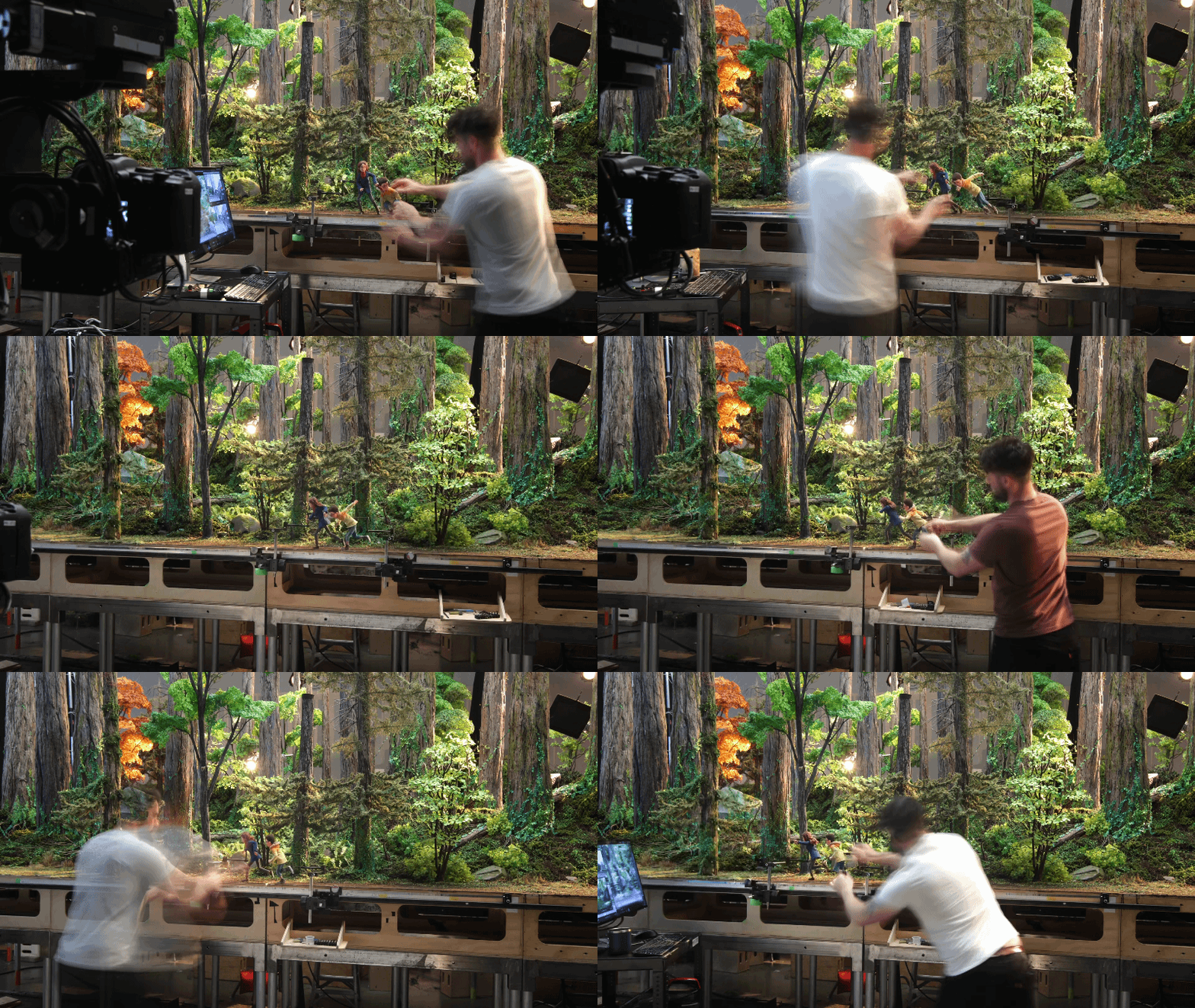
So the studio took its time. It developed tools, tricks and technologies, and hopefully improved its craftsmanship along the way. It designed the story, the world, the characters and the themes. Seven years ago, Knight moved the film into pre-production. He felt Laika was finally ready to make the movie, and he now says the studio was absolutely not ready. The team had to develop new tools and technologies while it was shooting. Knight calls it by far the most difficult thing he has ever done, and the thing he is most proud of.
Building a golden eagle
What is one specific thing you invented to make this movie?
Knight says the list is endless. He points to the General, a giant golden eagle puppet with a five-foot wingspan. Flight is very hard in stop-motion. Gravity and inertia work against you, and the puppets have no life of their own. The only life they have is what the animator gives them. Gravity pulls things toward the earth, so if a puppet has to be suspended and fly, the team has to figure out how it will move.
Laika developed technology for a motion base to solve that problem. The technology started on Kubo and the Two Strings, and the studio built a new process for it. The puppet itself needed a new approach too. Laika usually makes puppets from silicone because it most closely resembles skin. A silicone General would have been so big and heavy that no animator could have moved it. So the team made the puppet out of fabric, which Knight admits is kind of insane when you think about it. He calls it one example of the many innovations the team needed.
Handmade imperfection
The production is so slick. Do you feel you need to remind the audience that they’re watching stop-motion and not computers imitating the art form?
Knight says imperfection is everywhere because the film was crafted by hand. Laika aims for perfection, but everything is human, so the studio never reaches it. That doesn’t stop the team from trying.
He thinks reminding people of technique runs against Laika’s storytelling approach. The studio works in stop-motion, hand-drawn animation and CG animation, and blends them, hopefully in an artful way. Knight believes making art leaves fingerprints on the art itself. The process gives what you’re watching a certain feeling, beauty and charm.
Laika’s films play differently because of how they were made and the artistic choices behind them. Still, Knight says technique is just a way to tell a story. He wants people to engage with the characters, go on the journeys, feel and think something, and leave enriched. He doesn’t want them wondering how a scene was done while they watch. He wants them to enjoy the movie.
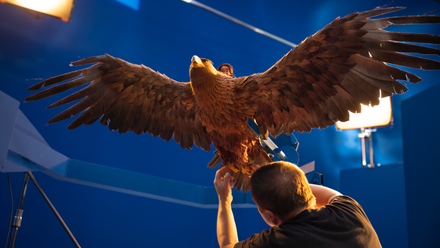
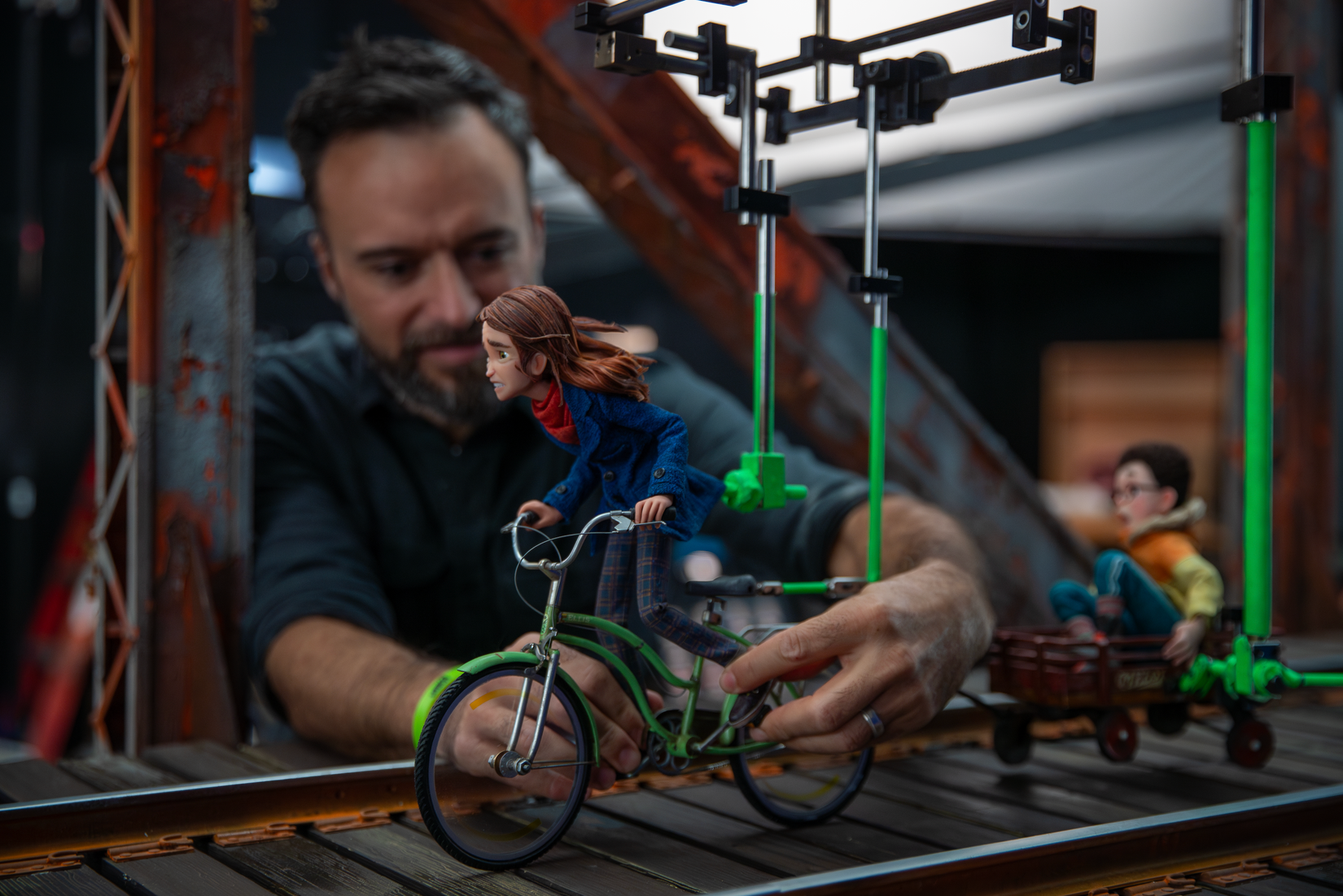
At the end of every Laika film, though, the studio peels the curtain back for a moment and shows how the magic trick was done. That choice is deliberate. For some viewers, it enriches the experience.
This whole thing that you just saw, this thing that felt alive and magical, this was all done through hard work and human craftsmanship and human artistry and human effort.
Knight thinks that makes the film more beautiful for some people. It certainly does for him.
For more on the production, read Inside Laika’s Wildwood: 140,000 faces, 3000 coyotes, 1 giant eagle, and a magical forest.
Why Fathom, and not a major studio
After 16 years, the movie is coming out in a nontraditional way. A major distributor isn’t releasing it. Fathom is, the company known for event screenings and for re-releasing Coraline during spooky season. Why this route? Were studios not interested in a PG-13 stop-motion fantasy that edges toward more mature entertainment?
Knight says we live in an interesting time in cinema. Hollywood has always been risk-averse, for good reason. He feels great empathy for the people who make these decisions, because these are hard businesses to run. Studios invest a lot of time and money and want to mitigate risk. Wildwood is a risky movie. So was Coraline.
He takes the Wayback Machine back 20 years, when Laika was looking for distribution partners for Coraline. Nobody was banging down the door. Executives explained why the movie was impossible to make. A girl protagonist meant boys wouldn’t see it. It was scary, so girls wouldn’t want to see it and parents wouldn’t want to take their kids. One executive called it “a Roman Polanski art film for kids,” which Knight notes is not what you want on a poster.
Laika kept at it anyway. The team believed in what it was doing, and eventually it found partners who understood the film in Focus and Universal. The same applies to Wildwood. Knight calls it challenging material. It doesn’t tick the usual boxes, and no comparable movies prove it will succeed. He understands why studios want to limit their risk.
Laika has had great success with Fathom, its domestic distributor. Fathom creates event cinema, and Knight feels that’s what Wildwood is. He says the film deserves the biggest screen possible, in the biggest rooms, with the best projection and sound. A group of fellow dreamers should watch it unfold together. He believes it is an event, and says it shouldn’t be watched on your phone. It belongs in a beautiful cinema.
Wildwood is out now in theaters.
Source: Polygon
Related articles
 Famitsu Gives The Legend of Zelda: Ocarina of Time Remake 37 out of 40 in First Review
 Switch 2 Cartridge Manufacturer Exits the Market
 Microsoft’s Alligator Xbox May Be a GTA VI Marketing Workaround
 Analysts Say Gran Turismo 7 Is Not on PS Plus Because It Has Earned Sony Hundreds of Millions of Dollars
 Mike Flanagan Hints at Unexpected Approach to Warhammer 40,000 Series Starring Henry Cavill
 The Legend of Zelda: Ocarina of Time – Shadow Temple Dungeon Walkthrough
 Ganondorf’s Castle Walkthrough in The Legend of Zelda: Ocarina of Time
 The Legend of Zelda: Ocarina of Time — Spirit Temple Dungeon Walkthrough