
It Follows Fans Can’t Miss This Terrifying Spanish Horror Film

David Robert Mitchell’s 2014 psychological horror It Follows rapidly attained cult status. Critics praised its uncanny atmosphere and the spare, methodical way it dramatizes an inescapable supernatural menace. Made on a modest $1.3 million budget, the film’s roughly $23 million global haul only amplified how strikingly effective its minimalist approach was.
Viewers and critics continue to debate the film’s central threat. Some interpret the relentless “It” as an allegory for HIV and other sexually transmitted infections — a consequence tied to sexual encounters — while others read the film as a commentary on sexual violence and a culture that too often disbelieves survivors. The protagonist Jay (Maika Monroe) repeatedly struggles to persuade those around her that something is hunting her, a disbelief that escalates the harm she and others suffer. Read one review, or consider broader cultural readings of the film’s themes, such as this discussion in The Guardian and fan analyses on Reddit.
Pedro Martín-Calero and Isabel Peña’s The Wailing (El Illanto) — now streaming on Shudder — explores a similar, uncompromising premise: a predatory supernatural force that persistently pursues its victims. Where It Follows frames the threat as a transmissible curse tied to sexual contact, The Wailing expands that concept into a generational trauma, treating sexual violence as a recurring, entrenched scourge.
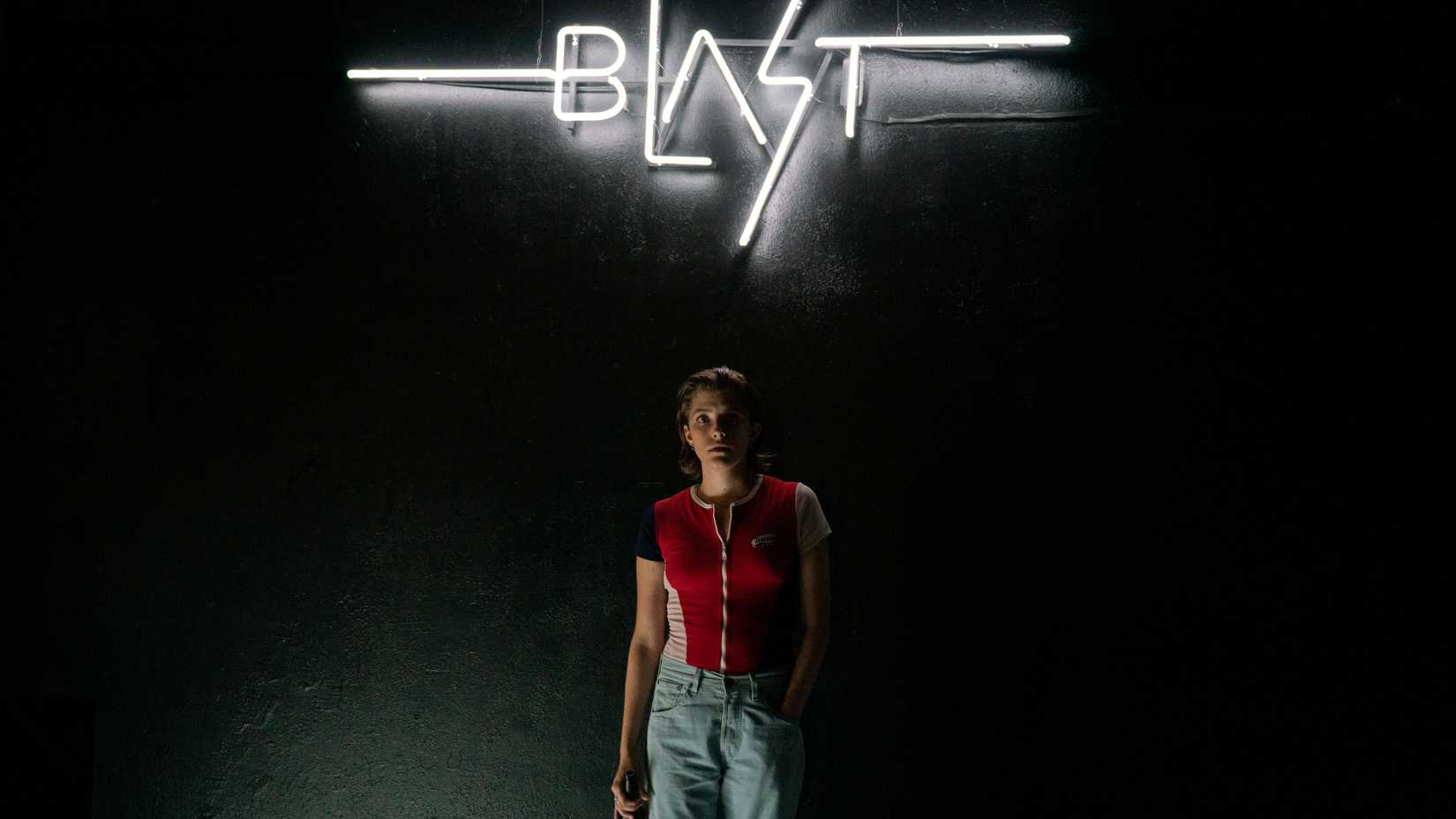
The Wailing interweaves three women’s stories across two decades. In the present timeline, Andrea (Ester Expósito), a university student in Madrid, leans on a long-distance relationship with her boyfriend Paulo after discovering she is adopted. Two decades earlier in La Plata, Argentina, film student Camila (Malena Villa) becomes obsessively fixated on Marie (Mathilde Ollivier), a free-spirited partygoer who becomes Camila’s muse — and, eventually, a target.
All three women are stalked by the same uncanny apparition: a gaunt, elderly-looking man who materializes only through phone and video recordings. Each character also hears an unshakable, mournful wailing that seems to emanate from an identical apartment block near their homes, despite the stories taking place in different places and eras.
Like It Follows, The Wailing interrogates how sexual and physical violence are often dismissed or minimized. When Andrea reports an assault by the entity and grows afraid to sleep alone, her friends and family initially attribute her fear to delusion or trauma — a response that leaves her exposed and enables further violence. That erasure of the survivor’s experience mirrors Jay’s struggle in It Follows, where disbelief and inaction only magnify the danger.
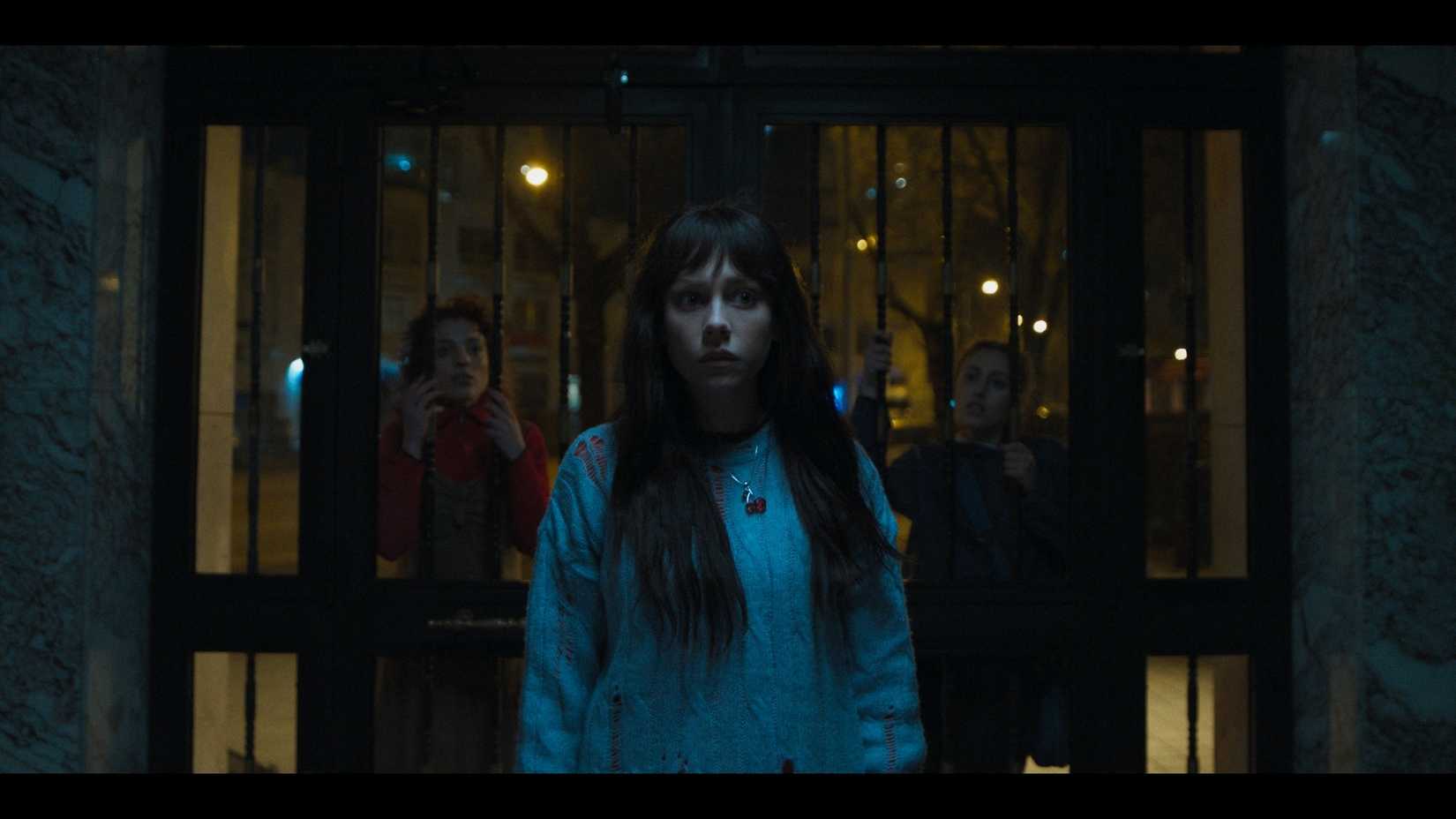
Peña and Martín-Calero push the metaphor further by treating the supernatural assault as repetitive and inheritable rather than isolated. The same malevolent figure appears in multiple generations, implying that sexual violence is embedded in social structures as deeply as heredity. The comparison to It Follows is apt: both films present a predator that moves slowly and inexorably, surviving attempts to outrun or outwit it. When characters try to offload the danger — by sleeping with someone else, or by diverting attention — the violence ultimately returns, contagious and indifferent to intent.
Both films also examine the cruel calculus some characters employ, implicitly or explicitly, when deciding who is “deserving” of harm. In It Follows, attempts to evade the curse sometimes involve passing it along to marginalized people. In The Wailing, Marie’s assaults are initially minimized by friends and a judgmental father who read her behavior as moral failing rather than violence. Camila’s intervention only comes after she witnesses the abuse directly — and even then, her actions further isolate her socially.
Camila’s marginalization amplifies the film’s bleak assessment of social dynamics: as one of the few women in her filmmaking class, she faces indifference and leverage from male classmates who offer help only at the price of sexual favors. When she tries to draw attention to the entity captured in her footage, no one listens, and the supernatural predator punishes that silence.
Ultimately, both It Follows and The Wailing depict sexual violence not as a private misfortune but as a communal wound that devours relationships and ruptures communities. Survivors do not simply recover as individuals; entire social fabrics must be mended around the void left by violence. That widescreen sense of devastation is what gives both films their emotional punch.
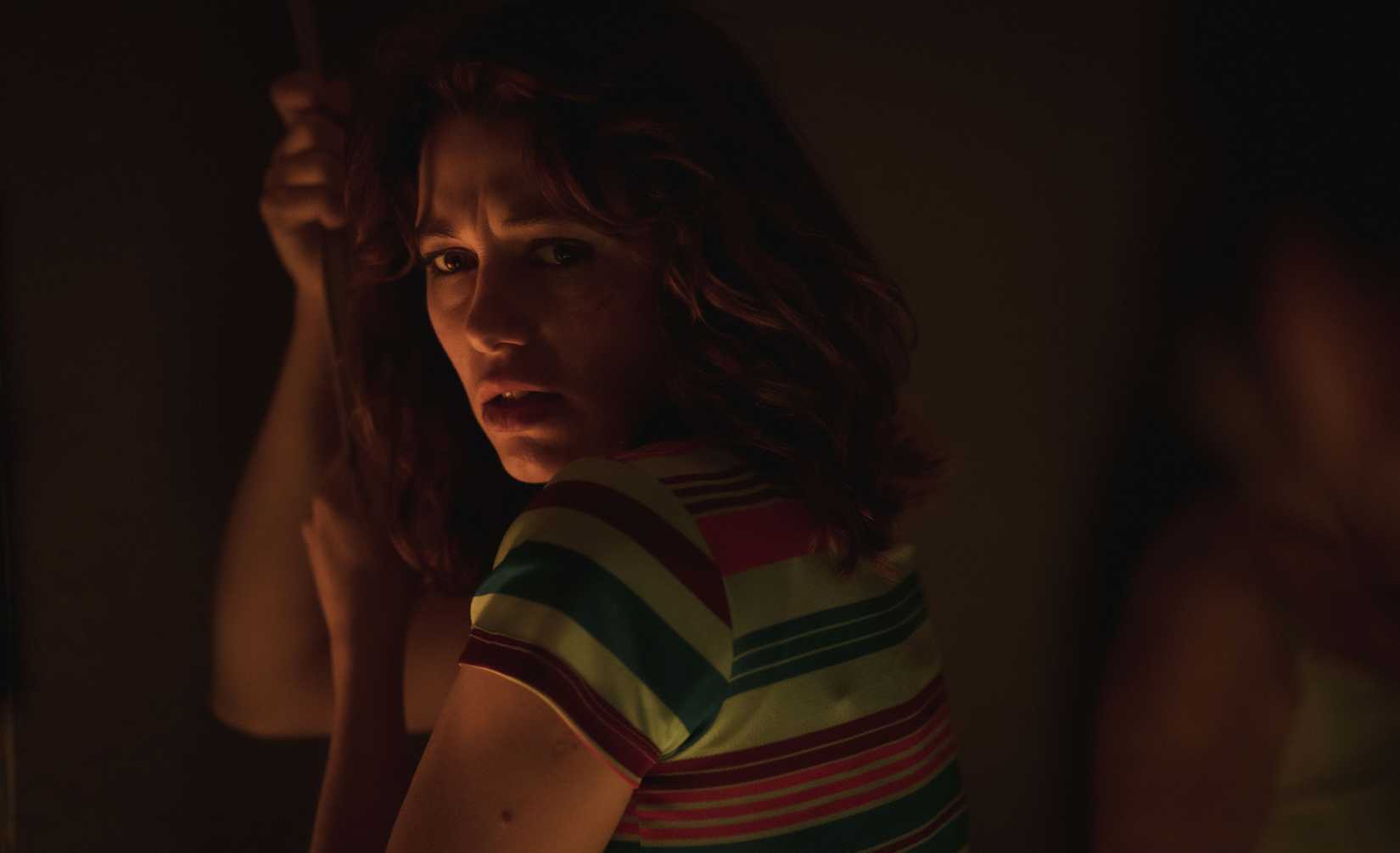
Both narratives show how survivors and their allies endure loss and rupture: relationships are severed, protectors are harmed, and communities are left to reckon with the aftermath. The films’ insistence that sexual violence destroys far more than individual lives — that it corrodes trust, safety, and social bonds — is what makes them resonate long after the credits roll.
Editor’s note: This article contains spoilers for It Follows.
The Wailing is streaming on Shudder now.
Source: Polygon
Related articles
 “Gangsterland” starring Tom Hardy renewed for a third season
 Martin McDonagh Presents “Wild Horse” Starring Malkovich and Rockwell in Venice
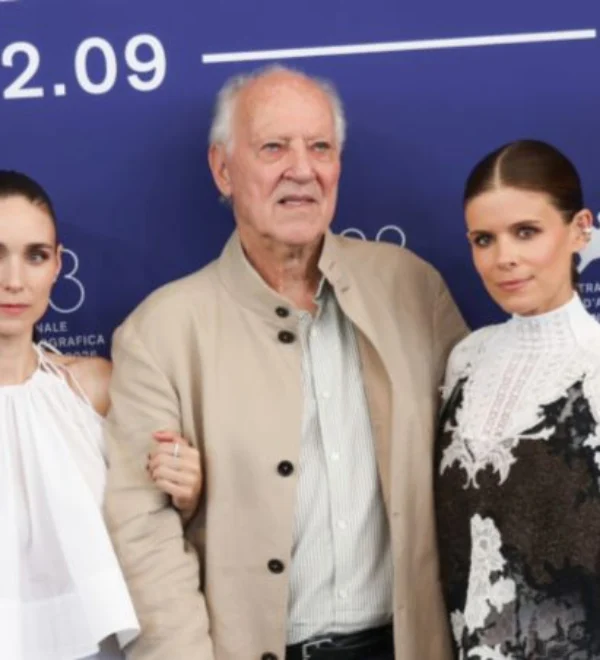 Werner Herzog dedicates the film “Bad Lieutenant” to David Lynch
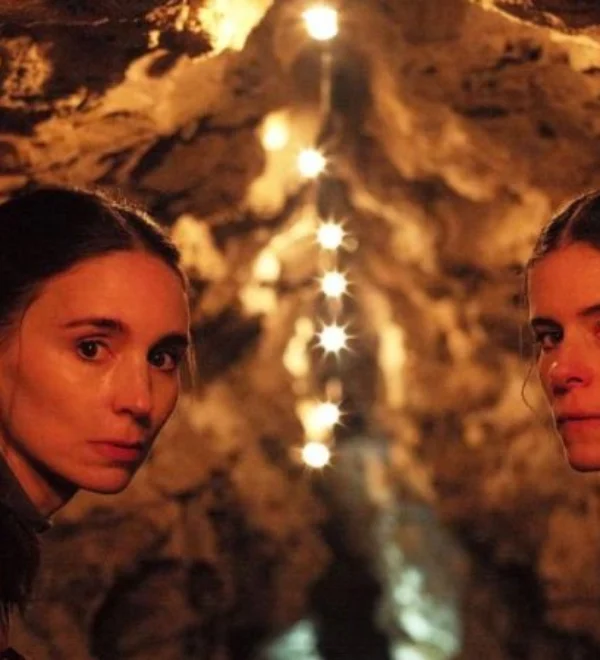 First still from the film “The Luckiest Girl Alive” featuring Kate and Rooney Mara
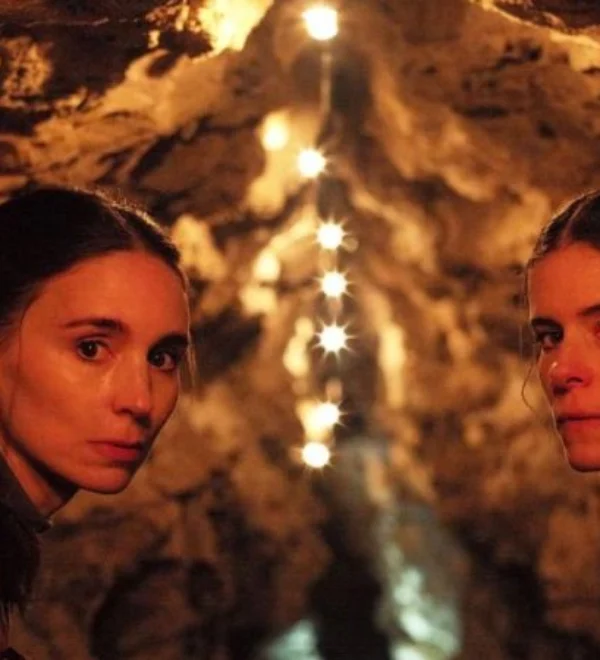 First still from the film “The Luckiest Girl Alive” featuring Kate and Rooney Mara released
 Friday the 13th Screenwriter Victor Miller Dies
 “Borat” screening cancelled due to racist jokes
 «Obsession» Star Inde Navarrette to Be Submitted for Oscar Consideration