How Star Trek’s Rejected Original Pilot Shaped the Franchise
Star Trek began with a failure.
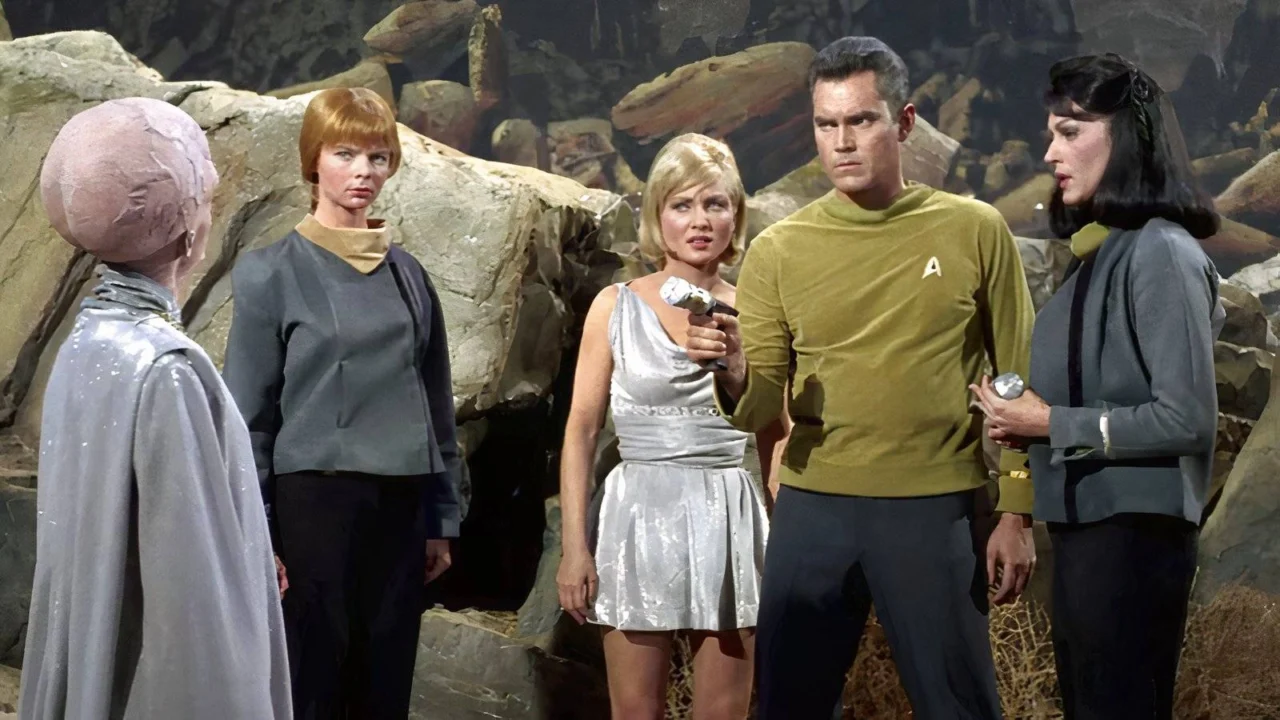
Before Captain Kirk ever sat in the Enterprise center seat, Gene Roddenberry tried to launch his strange new science-fiction series with “The Cage,” a pilot starring Jeffrey Hunter as Captain Christopher Pike. NBC rejected it in 1965. Among the network concerns was that the episode was “too cerebral,” which is a funny criticism considering Star Trek would eventually build an entire franchise around making people think.
Normally, NBC passing on “The Cage” would have been the end of Star Trek. Instead, the network made the unusual decision to give Roddenberry another shot. His second pilot, “Where No Man Has Gone Before,” brought in William Shatner as Captain Kirk to lead a different Enterprise crew, although Leonard Nimoy’s Spock survived the transition.
Star Trek had to change before NBC was willing to put it on television. Six decades later, what is remarkable about “The Cage” is how much of the franchise defining qualities were already right there in the scrapped pilot.
Star Trek exists because “The Cage” failed
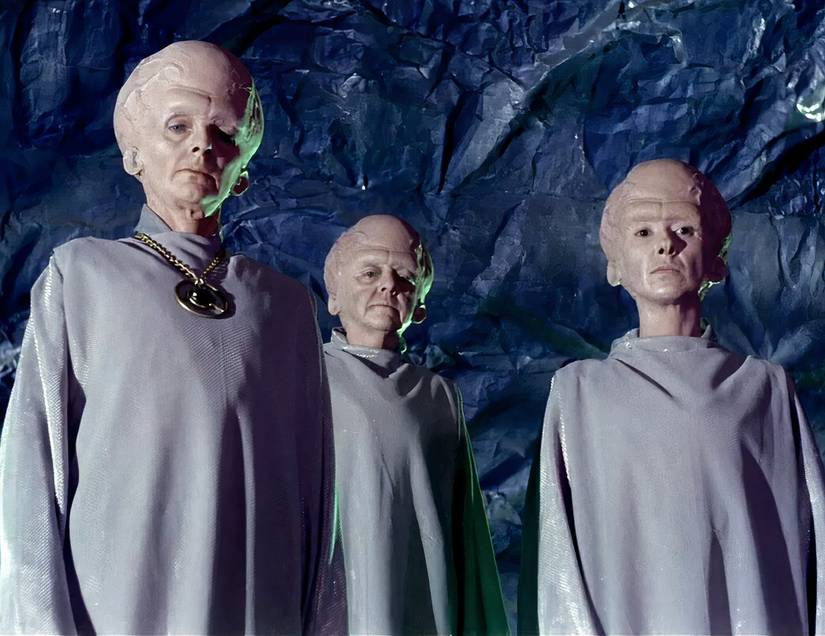
“The Cage” does not feel like the original Star Trek series that followed it. The episode is slower and more somber, and its captain seems miserable at times. When we first get to know Pike, he tells the ship doctor that he is tired of being responsible for 203 lives and is considering walking away from Starfleet entirely. That is a far cry from the swaggering introduction Kirk would eventually receive.
The story surrounding Pike feels familiar. After being captured by the Talosians on the episode first away mission, he discovers they can create convincing illusions. They are not interested in conquering the Enterprise or blowing up Earth. They are studying Pike, probing his desires, and offering him the life he thinks he wants.
That turns “The Cage” into a story about something bigger than escaping aliens with enormous heads. Pike has to decide whether happiness means anything if none of it is real. The Talosians have become so dependent on their illusions that they have lost the ability to sustain their own civilization. Their mental abilities have allowed them to entertain themselves into extinction.
That is where the NBC criticism becomes ironic. Aliens who challenge humanity intellectually rather than physically in a story that questions reality and free will starring a captain forced to examine his own life sounds extremely Star Trek in retrospect. The franchise spent the next six decades returning to variations of these same ideas.
“The Cage” is a good Star Trek story, but NBC had a point. It is an awfully strange way to introduce a weekly network television series. It is slow, philosophical, and more interested in challenging its captain perception of reality than showing viewers what a typical adventure aboard the Enterprise might look like. Roddenberry had figured out what Star Trek could be. He just needed another chance to figure out how to turn those ideas into a television series.
Spock is the evolutionary link
If Pike feels unfamiliar in “The Cage,” Spock can feel like somebody doing an impression of Spock after receiving bad instructions.
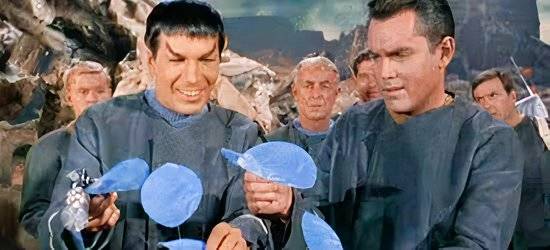
Leonard Nimoy was the only cast member to survive the transition from “The Cage” to the second pilot, but his character was a work in progress. Spock actually smiles while examining some singing plants on Talos IV. He is also more emotional than the cool, logical Vulcan who became one of television most recognizable characters.
Part of the reason is that the familiar Spock did not exist yet. Majel Barrett’s Number One is the colder, more analytical presence aboard Pike Enterprise. Once that character disappeared, Spock took on some of those same qualities and responsibilities. Whether that was intentional or simply the result of Roddenberry and Nimoy continuing to shape the character, the Spock who emerged was different from the one wandering around Talos IV.
That makes watching “The Cage” fascinating. Almost everything around Spock changed, including his captain, much of the crew, and parts of his personality, yet he remained. Roddenberry was still figuring out what he wanted Star Trek to be. The guy smiling at singing plants became the character who helped define it.
Pike went from discarded to one of Star Trek’s central characters
Spock survived “The Cage.” Christopher Pike did not.
Jeffrey Hunter was gone by the second pilot, but the franchise never let him disappear. Footage from “The Cage” was repurposed for the two-part episode “The Menagerie,” which established Pike as Kirk predecessor and gave the rejected pilot a place in Star Trek canon. It also gave Pike a tragic future. He was horribly injured in an accident and rendered unable to communicate beyond flashing a light on his wheelchair. He was returned to Talos IV, where the Talosians gave him the illusion of the healthy life he had lost.
For decades, that was Pike place in Star Trek history. He was the captain before the captain everyone knew, an intriguing glimpse at the version of Star Trek that might have existed if NBC had said yes the first time. Then Star Trek started going backward.
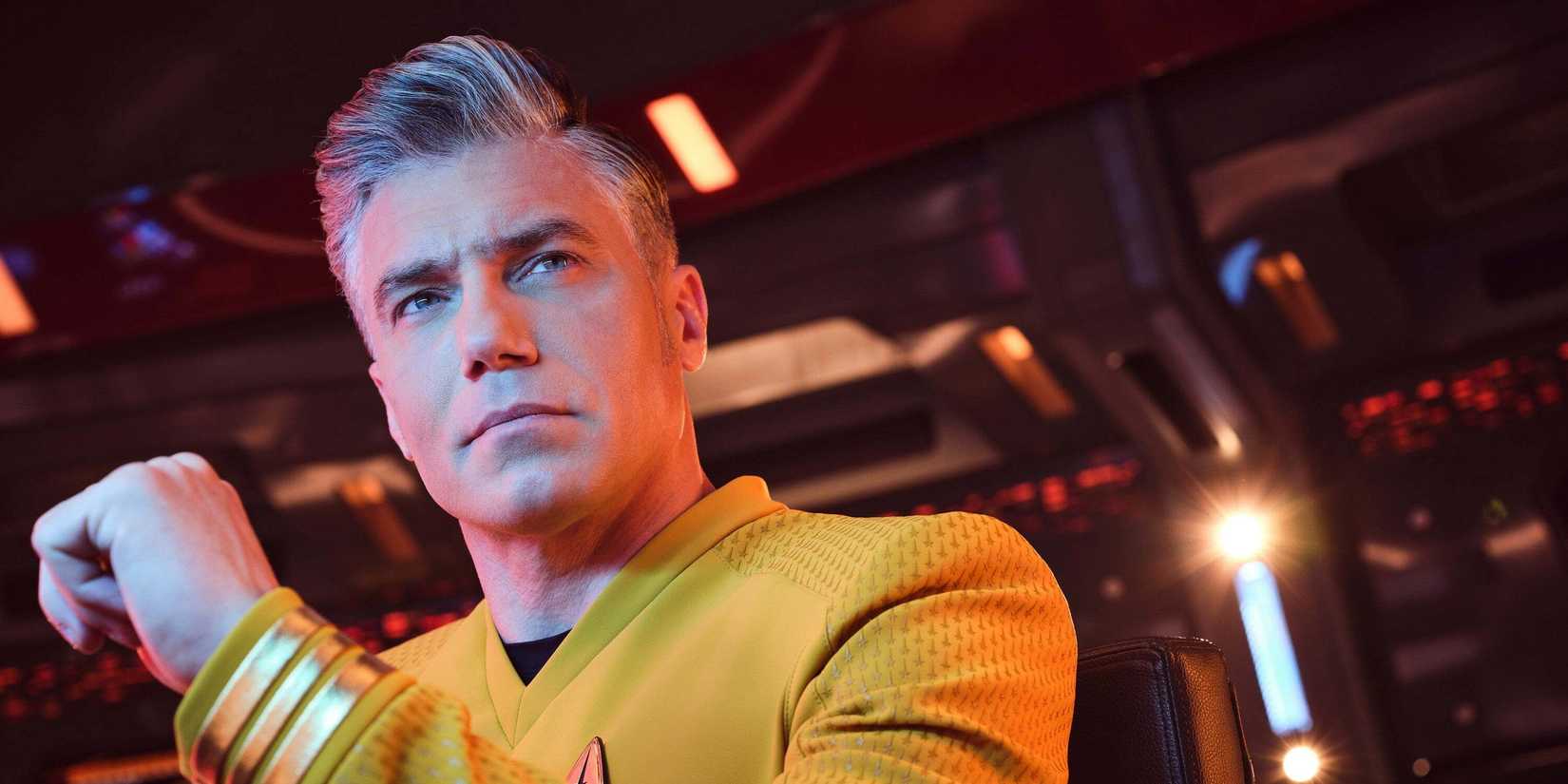
Bruce Greenwood played Pike in J.J. Abrams 2009 reboot, giving audiences a version of the character who served as Kirk mentor. Anson Mount then took over the role in Star Trek: Discovery before becoming the captain of his own series, Star Trek: Strange New Worlds.
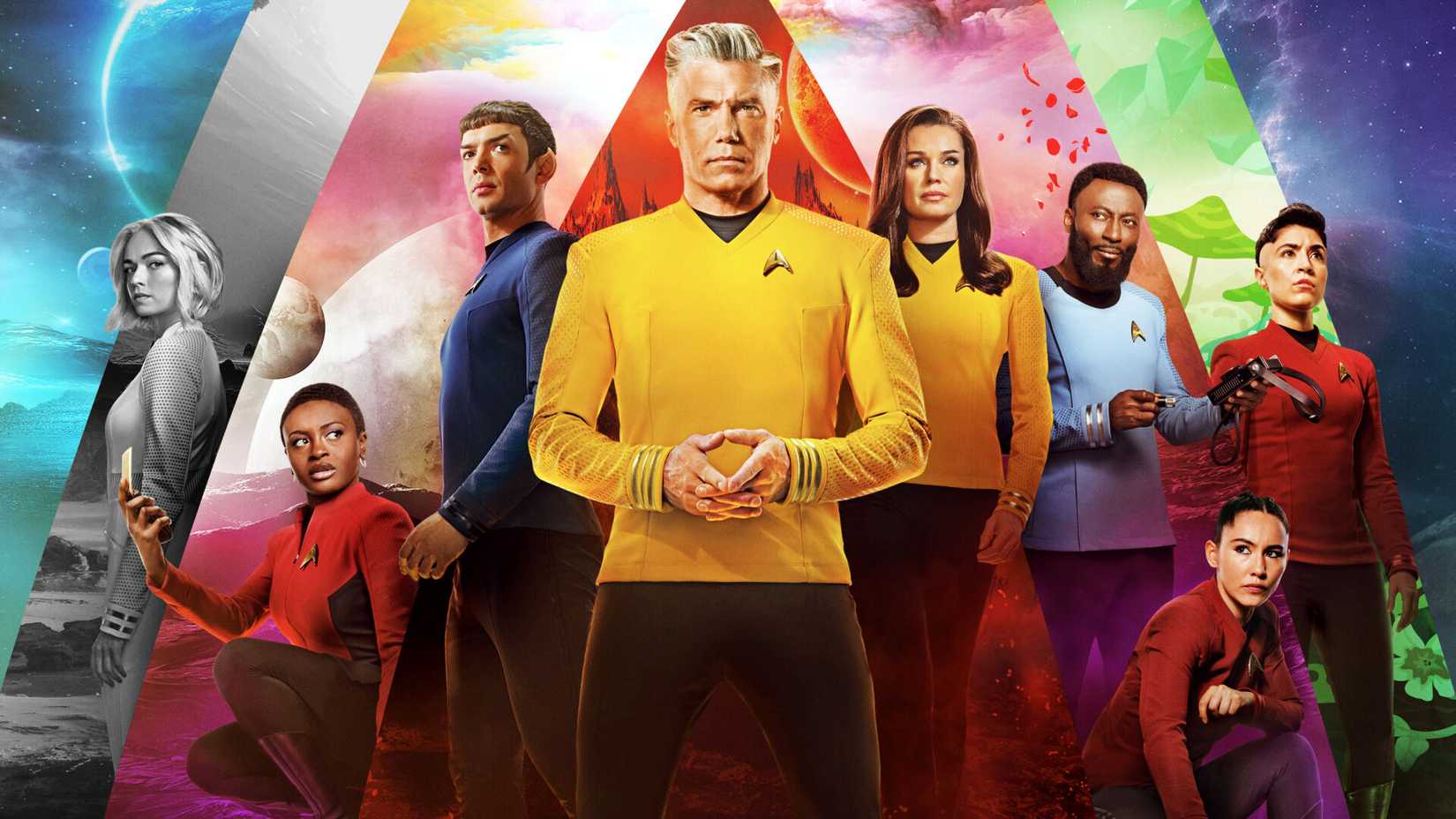
Suddenly, the guy Star Trek left behind was sitting in the Enterprise center seat once again. There is something fitting about that. Strange New Worlds is filled with philosophical dilemmas, strange aliens, and stories that ask its characters to confront difficult questions about themselves. Pike is once again a captain wrestling with his future, although now he knows what awaits him.
Nearly 60 years later, Star Trek returned to both the character and many of the ideas that were there at the beginning. Star Trek had to leave Christopher Pike behind to make it happen. Eventually, after several decades, it became big enough to come back for him because Starfleet never leaves a man behind.
Source: Polygon
Related articles
 Rockstar President Turns Down Major GTA VI Interview After Years of Planning
 Nintendo Highlights Controversial 3DS and Wii U Games
 Sonic Team Focuses on New Games Instead of Remakes and Remasters
 Reports: Microsoft Remains Committed to Cloud Gaming as Xbox Strategy Continues
 Yakuza Creator’s Nagoshi Studios Reportedly Shut Down
 Gears of War: E-Day Sets Franchise Record in Early Access
 Avengers Doomsday Poster Highlights Latverian Witches Mystery
 AION 2 Pre-Registrations Surpass 100,000 Players