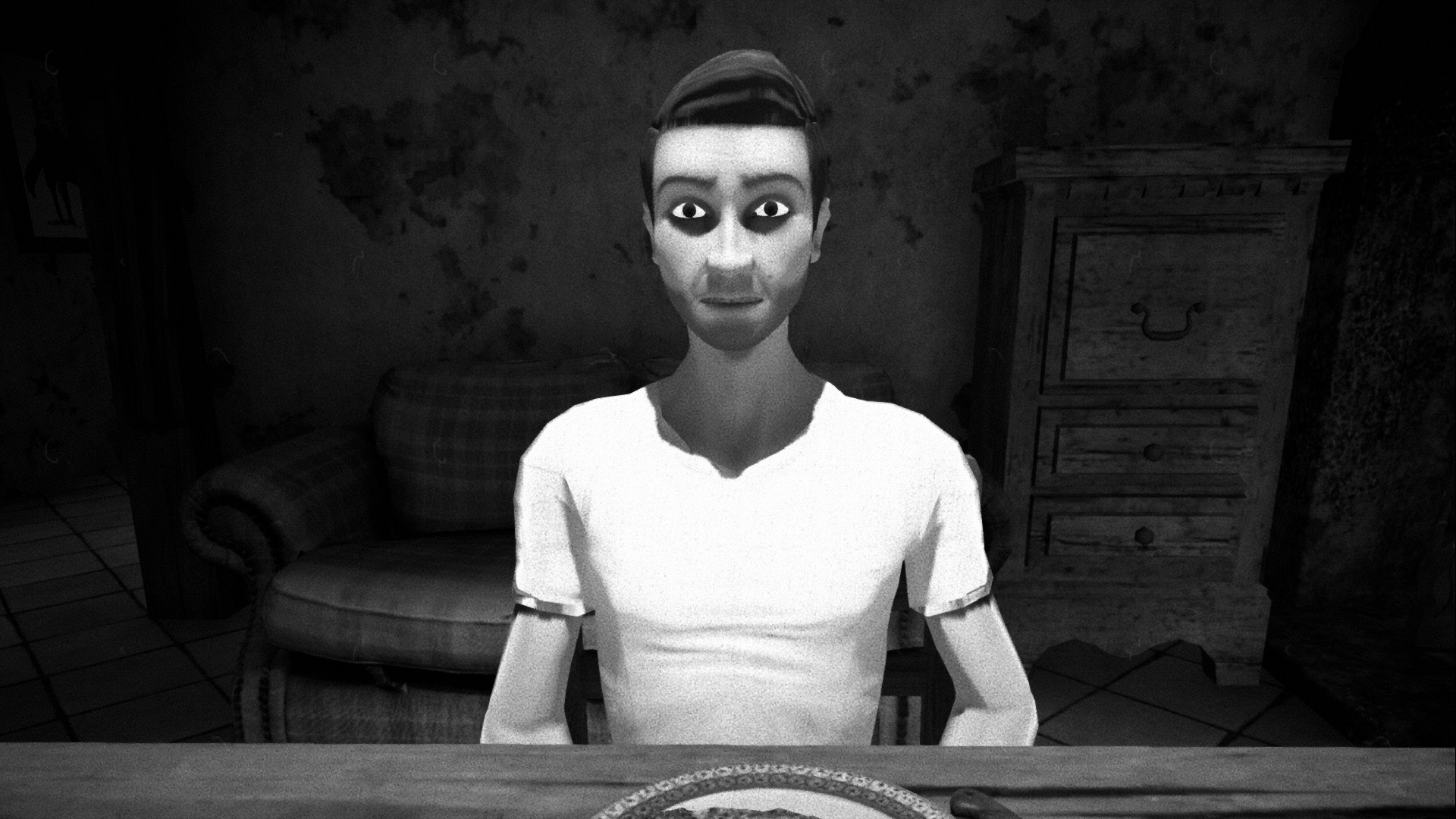
“Even with all the coverage, the reviews and the reporting,” Riva added, “this still doesn’t match the audience reach we would have had on Steam.”
That shortfall is precisely the issue: Steam’s removal of Horses, and the studio’s account that Valve declined to reverse the decision despite repeated appeals and content adjustments, has serious financial ramifications for a small developer. If your PC game isn’t on Steam, you miss out on the platform’s largest share of buyers and many of its promotional tools. Acceptance to Steam isn’t a guarantee of success, but exclusion can be a major setback.
Without Steam, Horses has still managed to recover a portion of its roughly $100,000 production costs, but Santa Ragione acknowledges the studio would be in a much stronger position had the title remained available on Valve’s storefront or never been removed in the first place. Beyond different conversations around the game, it would simply reach far more players.
Looking forward, Riva worries the ban — coming amid a broader wave of PC game censorship influenced by payment providers and external reports — could chill creative risk-taking and narrow the kinds of games that get made.
“I think there will be, in my case and in others’, a certain level of self-censorship,” he said. “It’s frightening, and it will push people to make safer, less challenging games — myself included.”
In its public support for Horses, GOG argued that “we’ve always believed players should be free to choose the experiences that resonate with them.”
Horses, banned from some major PC stores, is now climbing GOG’s bestseller ranks amid a wider censorship debate — and it has returned to Humble while Steam and Epic still refuse to list it.
Source: gamesradar.com