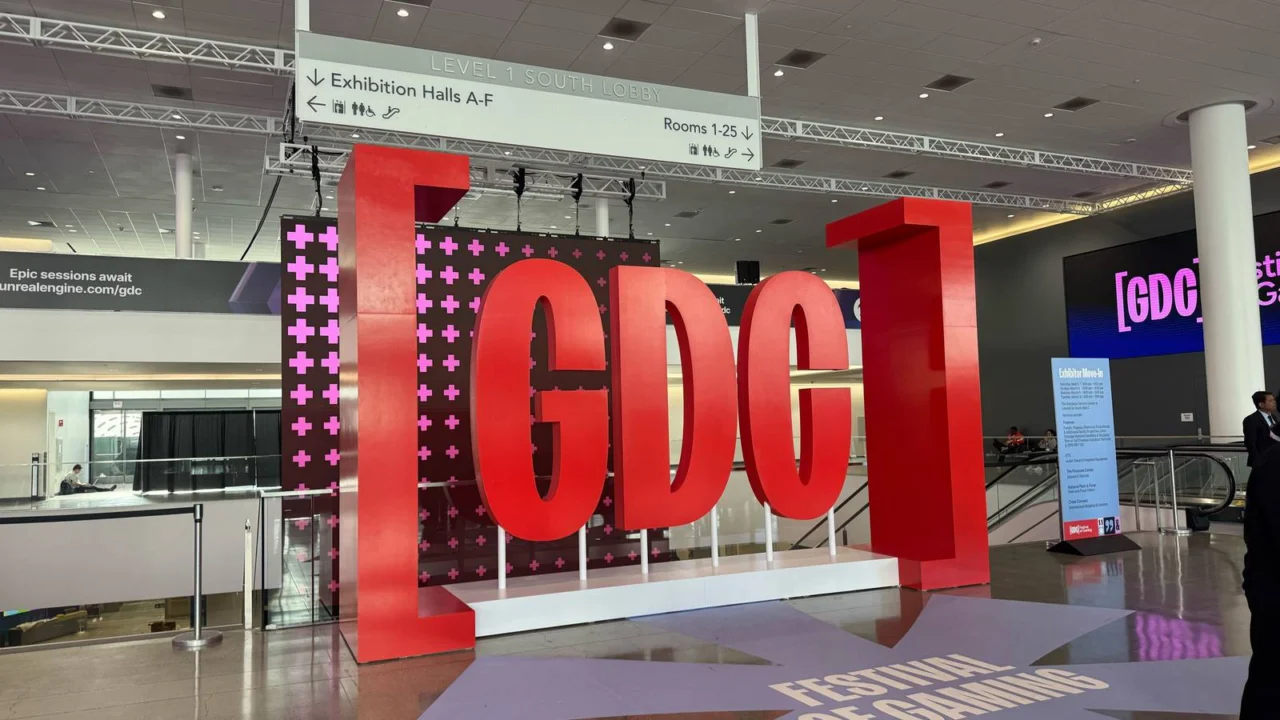
Gaming Rushes Toward AI, but GDC Highlights a Lack of Clear Direction
To truly gauge the pulse of the interactive entertainment industry, one need only look at the Game Developers Conference. This annual pilgrimage to San Francisco serves as a global crossroads where creators showcase their latest innovations, exchange philosophies, and diagnose the systemic hurdles facing their craft. It is also a high-stakes arena for tech giants vying to dictate the trajectory of development. While the 2023 event was saturated with Web3 proponents evangelizing for the Metaverse and digital scarcity, 2024 saw that fervor shift toward artificial intelligence. Firms like Inworld secured expansive floor space, signaling an aggressive push for a generative revolution.
Fast-forward to the present, and the narrative remains largely unchanged. AI continued to dominate the conversation at this year’s GDC, with industry titans like Nvidia and Google asserting their influence throughout the Moscone Center’s cavernous halls. Between standing-room-only seminars and a sea of startups peddling automated toolsets, it was evident that the generative AI obsession still holds a firm grip on an industry desperate for structural evolution. Yet, a definitive roadmap for this technology remains frustratingly opaque. The conference felt like a fragmented mosaic of competing interests, where a lack of unified vision highlighted exactly why generative AI is so polarizing—and why many veteran developers are choosing to stay out of the fray entirely.
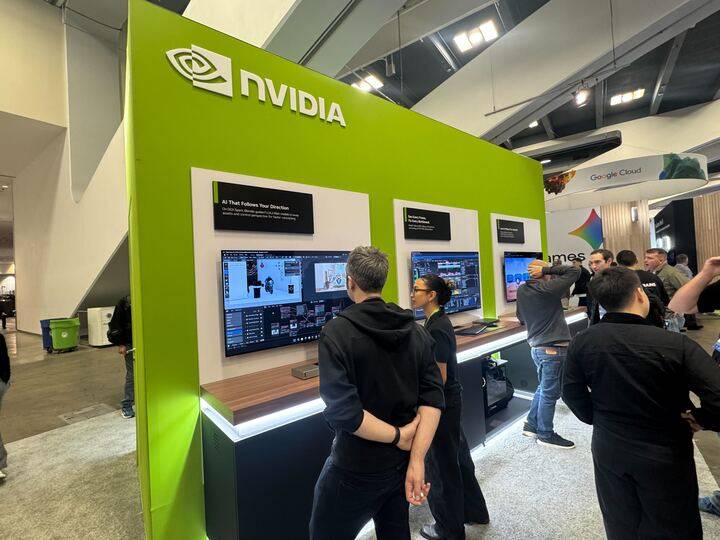 Image: Polygon
Even before the exhibition doors officially swung open, the presence of AI was inescapable. The Moscone Center was adorned with banners promoting algorithmic solutions, and the West Hall featured a gauntlet of vendors pitching practical utility for these tools. Google took a particularly prominent stance, cordoning off a significant section of the second floor—traditionally home to indie initiatives like Day of the Devs—to highlight projects integrated with their Gemini architecture.
The applications on display were as varied as they were experimental. One demo featured a rudimentary top-down shooter accompanied by an AI-voiced tactical assistant. This digital companion offered constant, robotic directives, behaving more like an intrusive GPS than a dynamic ally. Another exhibit focused on AI-driven NPCs within a generic fantasy village. While I could type free-form queries to any inhabitant, the responses were sluggish and lacked narrative flavor. In one instance, after noticing a roast chicken on a table, I asked a barkeeper if he could prepare a quail instead. He flatly refused, claiming the establishment didn’t serve “fowl”—a glaring failure in contextual logic.
A more compelling implementation appeared in You vs. Zombies, an upcoming roguelike that utilizes generative AI for bespoke character creation. By inputting specific prompts, I manifested the “Baja Blaster,” a caffeinated protagonist with a soda-bottle head. The game intelligently adjusted my attributes (prioritizing speed over vitality) and even generated thematic spells like “Mountain Due-Over.” The resulting dialogue and boss encounters were tailored to my specific character concept, offering a glimpse into how AI might genuinely enhance player agency.
 Image: Polygon
On the main expo floor, the sheer variety of AI utilities was dizzying. Nunu.ai presented an automated quality assurance platform, allowing developers to generate bug tests using natural language—akin to a specialized version of Selenium. Conversely, Arcade AI pitched an all-in-one engine designed to synthesize environments, assets, and game logic from simple prompts. In practice, however, the results were underwhelming; a wave-defense demo felt more like an unpolished student project than a professional product. Despite this, the corporate interest was palpable; I witnessed representatives from major players like Epic Games inquiring about integration possibilities.
Whether it was 3D asset generation, Blender plugins, or algorithmic coding assistance, every booth offered a different “silver bullet” for the development pipeline. The actual games powered by these technologies were less than convincing. A Sherlock Holmes mystery from Gamecury AI allowed me to interrogate Dr. Watson via voice or text, even letting me swap the underlying LLM on the fly. It was a jarring experience characterized by wooden delivery and inconsistent behavior. When I asked Watson for tea, he enthusiastically agreed before immediately admitting he lacked the capability to do so. Elementay, it was not.
 Image: Polygon
This scattershot approach makes it difficult to assess the technology’s actual maturity. Most demos functioned more as small-scale proofs of concept than viable consumer experiences. This lack of refinement mirrors the sentiment from GDC 2024, where tech giants showcased similarly unpolished NPC interactions. The deluge of low-effort tools often obscures the more pragmatic applications that could genuinely assist developers. It feels as though tech firms are casting a wide net, hoping that at least one generative use case will finally validate the immense hype.
While social media was quick to ridicule some of the more egregious displays, there was no denying the underlying curiosity at the event. A presentation by Google DeepMind was so heavily attended that hundreds were reportedly turned away. The industry is clearly looking for answers, even if the sales pitches have remained stagnant for several years.
For the average consumer, the confusion is understandable. The terminology has become a linguistic minefield, with “AI” being used interchangeably to describe both traditional game logic and modern generative models. While some proponents blame this on online “witch hunts,” the reality is that the industry’s own marketing is contributing to the muddle. Much like the way Web3 and NFTs became toxic buzzwords that poisoned subsequent tech conversations, generative AI suffers from a messaging crisis. If tech companies want to move beyond the gimmick phase, they must first clarify exactly what problem they are trying to solve.
 Image: Polygon
This climate explains why many creatives were eager to distance themselves from the trend. When interviewing the writers behind Zero Parades (from Disco Elysium studio ZA/UM), they were preemptively adamant that no generative tools were being utilized. They went even further, noting that their project eschews even standard AI for its characters. Other studios echoed this sentiment, with PR representatives frequently offering follow-up statements to reinforce their “human-only” credentials. In a public setting, the shields are up.
Yet, behind closed doors, the dialogue is more nuanced. Some developers expressed frustration over the inability to discuss the technology’s potential as a legitimate tool without inviting backlash. However, those productive conversations are often drowned out by the hyperbolic visions of companies like Nvidia, which often overlook the human cost and the soul of the medium. The industry has been stuck in this cycle for years, and the signal-to-noise ratio is only worsening. While niche applications like Nunu.ai might offer genuine value for the QA process, it’s hard to hear the message when AI-voiced avatars are constantly shouting over the substance.
Many at GDC are convinced that AI is the inevitable future of this medium. I just suspect that not everyone is occupying the same reality.
Source: Polygon
Related articles
 Battlefield 6 Is Temporarily Free, and a New UFO Easter Egg Has Drawn Criticism From Many Players
 Studio Behind Crime Action Game Samson Reportedly Goes Bankrupt, Leaving Employees Unpaid
 Modder Restores Cut Mass Effect 3 Multiplayer in Mass Effect Legendary Edition
 Video Memory Leaks Fixed in Bloodborne on PC, Improving Performance
 Viral She-Wolf Life Sim Family Time Reaches Steam’s Top 50 Most Wishlisted Games, Gets Cloned as Friendslop
 Pokémon Pokopia: Guide to the “Pumpkaboo’s Sweet Surprises” Event
 Musicians Talk About Vampire: The Masquerade – Bloodlines Remake, but Fans Remain Skeptical
 Battlefield 6 Developers Respond to Memes About Paid “AI Slop” Skins and Explain Design Choices