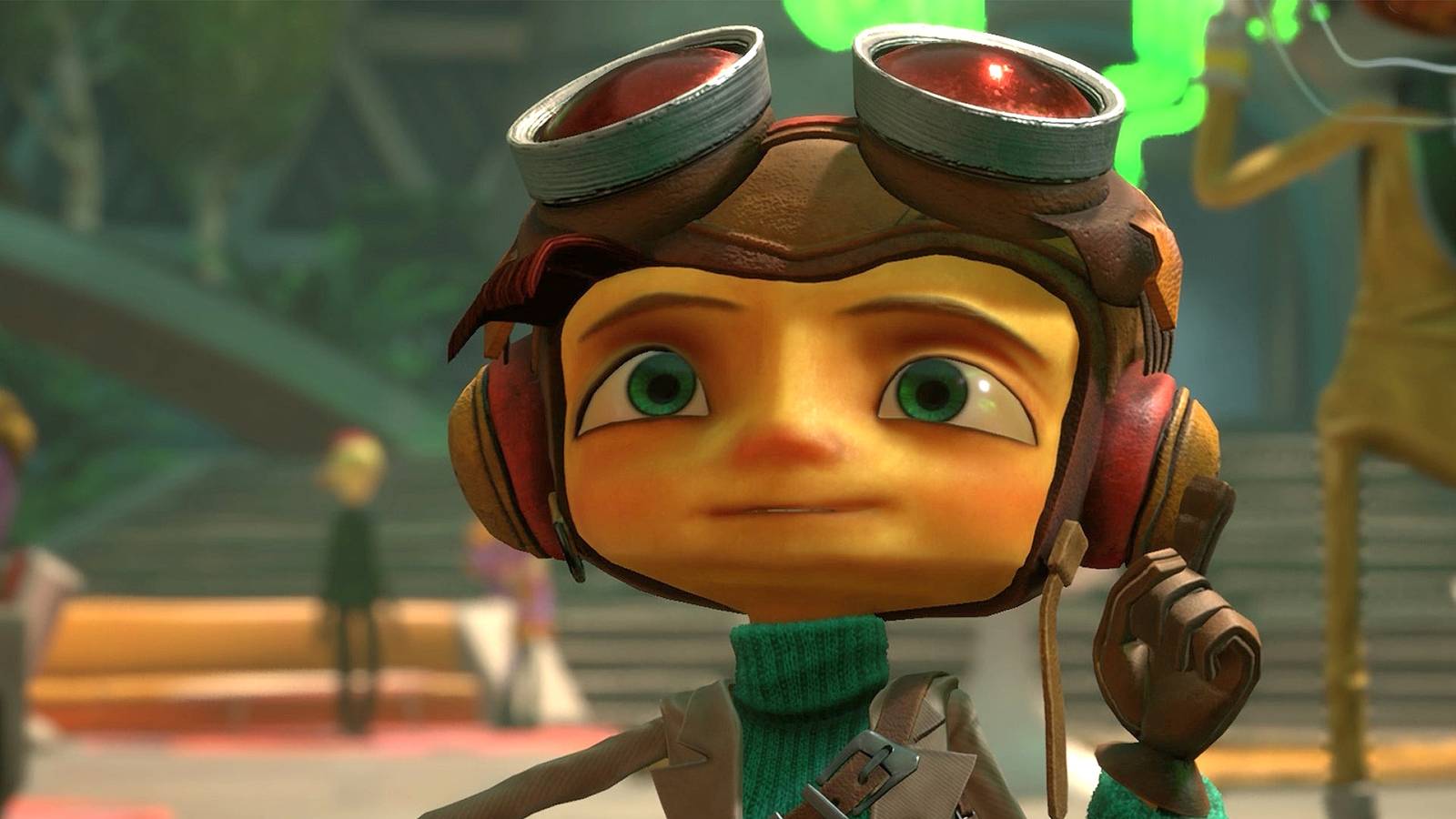
Five Years Ago, Double Fine Dared to Reinvent the AAA Industry
Marking its fifth anniversary this month, Psychonauts 2 stands as a monumental achievement whose legacy remains intricately woven with Xbox’s tumultuous ecosystem. While Microsoft’s financial backing undeniably rescued the project from development purgatory, the ensuing corporate volatility and studio divestments eventually pushed Double Fine back into independence. This structural turbulence reflects a profound industry shortsightedness. Double Fine’s magnum opus represents an inspired, imaginative blueprint for big-budget game development—one that industry titans continue to disregard in favor of safe, homogenized formulas.
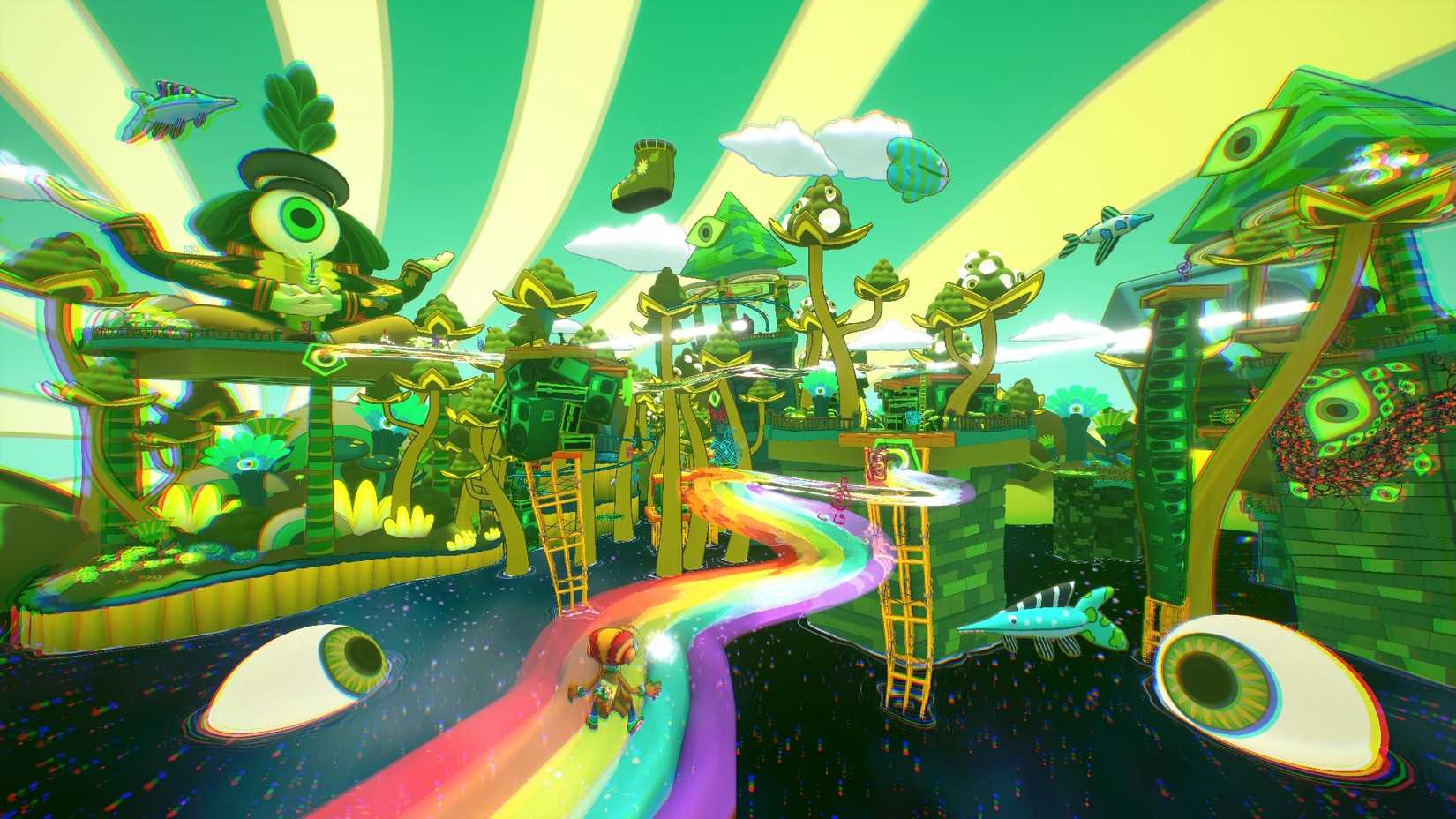
At its core, Psychonauts 2 excels through brilliant narrative architecture and evocative environmental design. While its eccentric wit frequently earns praise, the spatial storytelling is often unfairly dismissed as mere psychedelic flair. In reality, the game’s surrealist aesthetics serve as a masterclass in purposeful level design, demonstrating how thematic depth can be directly integrated into core mechanics.
The true essence of memorable interactive entertainment does not lie in relentless pixel scaling or uncanny attempts at photorealism—an ambition made painfully evident by recent, awkward experiments in algorithmic character reconstruction. Instead, transformative game design uses modern hardware to heighten ludic joy and kinetic expression. Psychonauts 2 embraces its medium without apology. Double Fine repurposes traditional tropes—such as platforming gauntlets and ubiquitous collectibles—into deeply thematic extensions of the human psyche.
Consider the visceral horror of navigating platforms fashioned from realistic human teeth. Mechanically, they function like standard jumping surfaces, yet their grotesque presentation immediately communicates the sheer terror of dental phobia. Similarly, the frantic grind rails and culinary chaos of Compton’s Cook-Off transform a timed obstacle course into a palpable simulation of executive dysfunction and sensory overload. You do not merely observe Compton’s chronic anxiety; the gameplay forces you to endure its suffocating pressure firsthand.
This harmonious blend of style and substance is Double Fine’s signature, yet it echoes a broader philosophical divide in modern development. Nintendo’s design ethos follows a similar path; hardware iterations exist not to render hyper-realistic textures in native 4K, but to provide adequate processing headroom for audacious, physics-driven creativity that would otherwise buckle underpowered systems.
This devotion to creative identity is why distinctive titles secure critical acclaim, why franchise outliers defy sales expectations, and why experimental projects like Fuse Games’ upcoming Star Wars Galactic Racer generate genuine anticipation. By injecting punishing, roguelike permanence into a dormant arcade racing framework, developers prove that high-budget gaming can still innovate. Treating interactive worlds as expressive sandboxes rather than frictionless cinematic tours offers a refreshing antidote to creative stagnation.
This contrast makes the risk-averse strategies of modern platform holders increasingly dispiriting. High-end production has largely settled into a repetitive cycle of cinematic, over-the-shoulder action epics, with rare anomalies like Astro Bot standing alone against a sea of creative uniformity.
Five years on, Double Fine deserves celebration for realizing its uncompromised vision and retaining its creative sovereignty. Yet, looking back at Psychonauts 2 is an inherently bittersweet experience—a stark reminder of how little mainstream gaming executives have learned from a title that mapped out a far more vibrant future for the medium.
Related articles
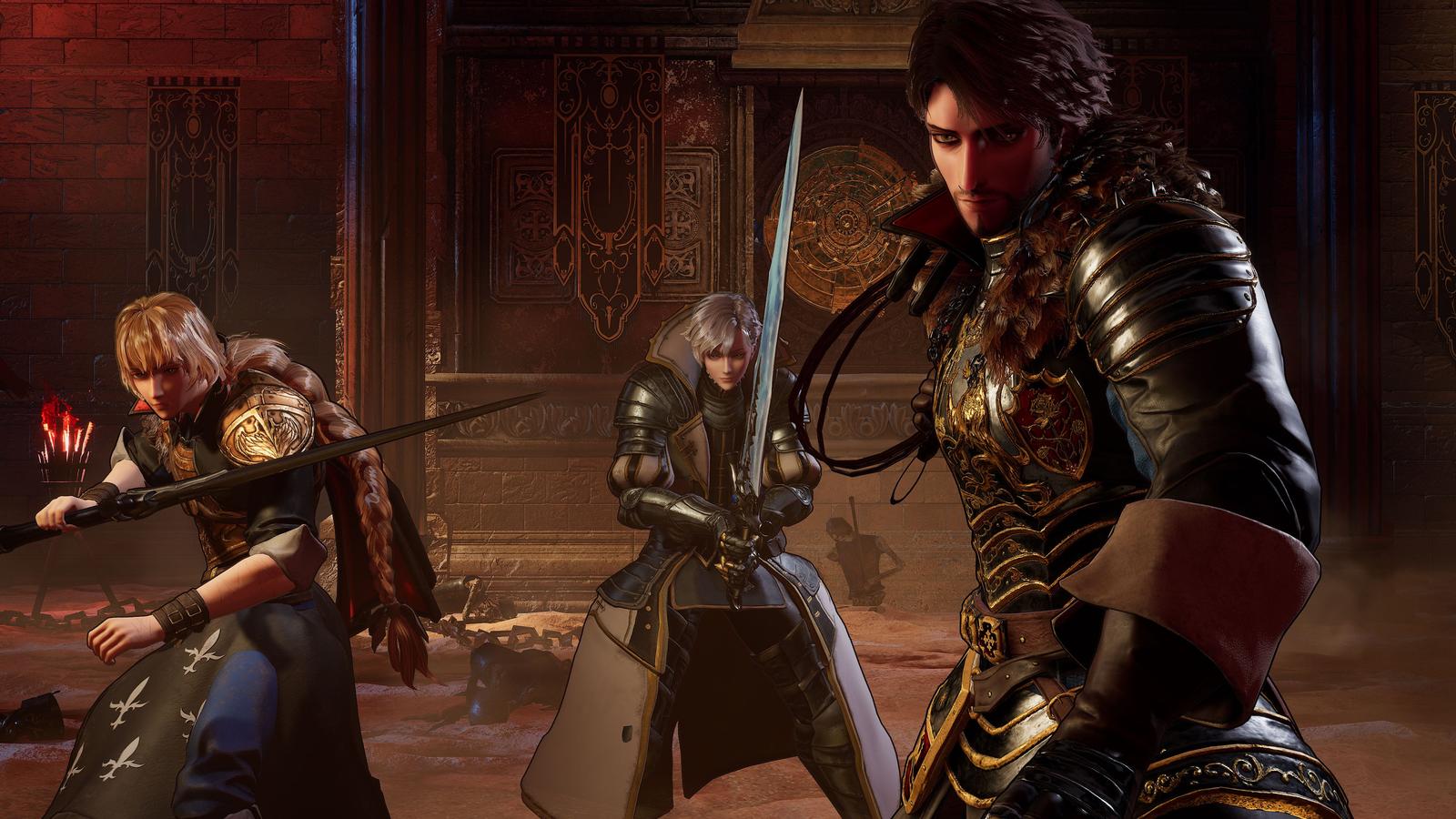 Bloodstained: The Scarlet Engagement Delayed to 2027
 New Grand Theft Auto VI Trailer Delivers In-Depth Look at Gameplay, Story, and Side Activities
 Chinese WWII Shooter The Defiant Gets New Trailer
 GTA 6’s Relationship System Will Let Players Friendzone Jason and Lucia
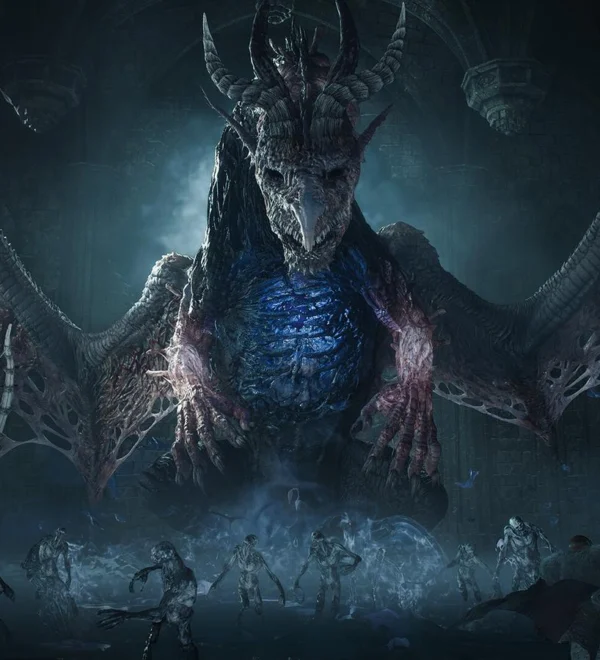 Journalists Showcase Switch 2 Version of Dragon’s Dogma 2: Dark Arisen
 Xbox Officially Introduces Disc-to-Digital Program
 Finji Sets October Release Date for Supernatural Action Game Usual June
 Microsoft Asks $900 for Its Anniversary Console