Five Post-Apocalyptic Books About The End Of The World
Stories about the end of the world are rarely just about watching civilization collapse. They ask what people try to save, what they will do to survive, and whether anything better can grow from the ruins. Apocalyptic fiction can be harrowing, absurd, or even comforting. However inhospitable the setting, the human struggle at its center stays recognizable. These five books explore the end of the world in very different ways.
In several of these books, Earth has become a wasteland, and the story of human resilience is what makes them worth reading. Even the ones that look toward distant planets carry the same weight, because the human experience is what readers connect with. Here are five of the best books about the end of the world.
1. Lucifer’s Hammer (1977) by Larry Niven and Jerry Pournelle
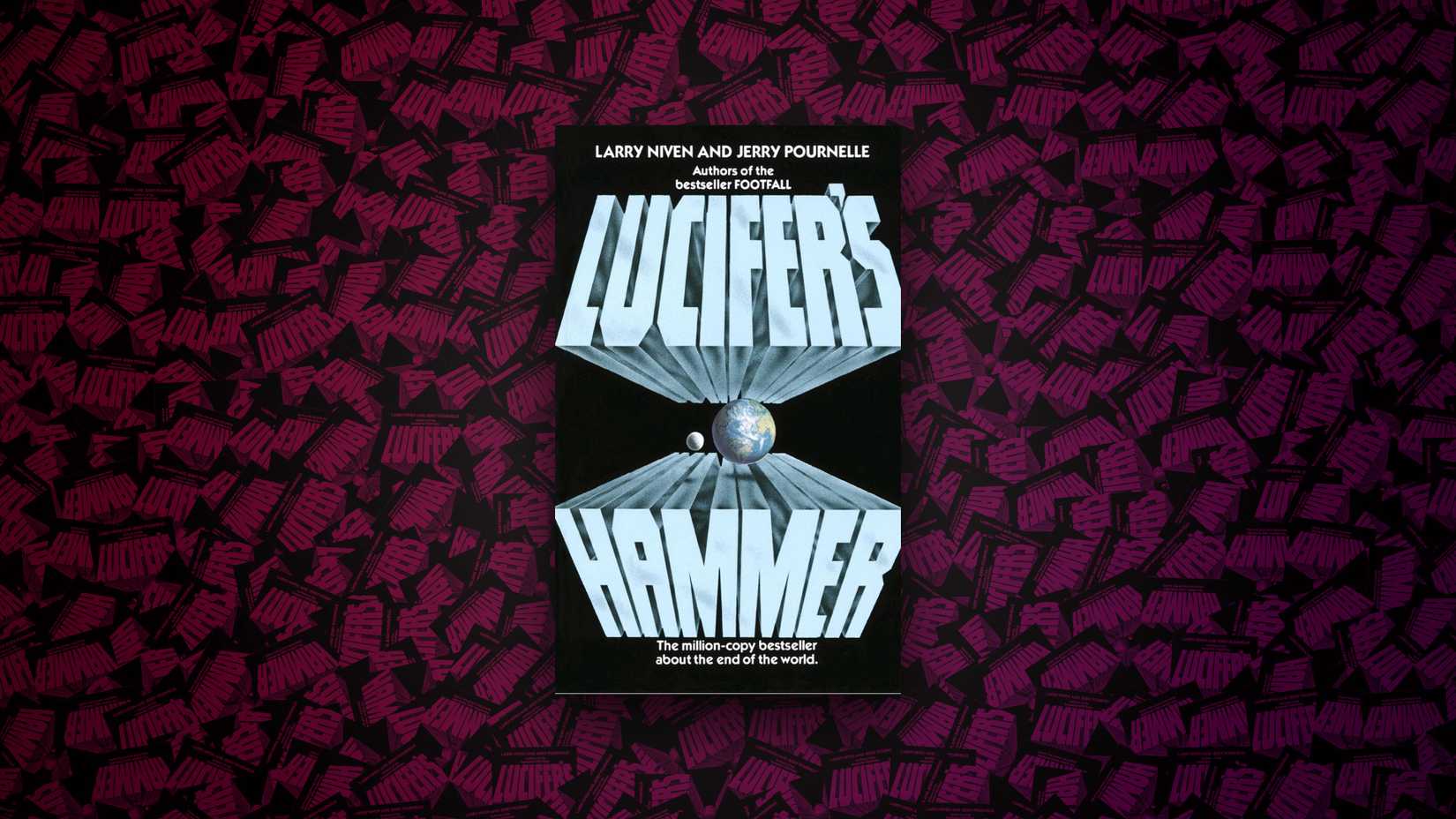
A post-apocalyptic classic, Lucifer’s Hammer centers on a comet racing toward our Solar System. Astronomer Tim Hamner co-discovers the comet, and a mission to study its trajectory is approved. The comet is first believed to pass close to Earth without any chance of collision. Then its nucleus breaks apart, and the shards strike several parts of the world. Catastrophic earthquakes and other natural disasters follow, along with a harsh Ice Age that destroys modern civilization.
The novel follows a large cast as they struggle to survive. With society collapsing, a group of survivors clashes with a religious militia over the fight to preserve technology, or what is left of it. The authors take a detail-heavy approach to the apocalypse and explore the fallout of environmental devastation caused by an accident. As the world freezes, some factions stay in denial, while others take a harsh, utilitarian view of who deserves to be saved. The book portrays human civilization at the brink of ruin and shows how easily people can destroy themselves when things go wrong.
2. The Road (2006) by Cormac McCarthy
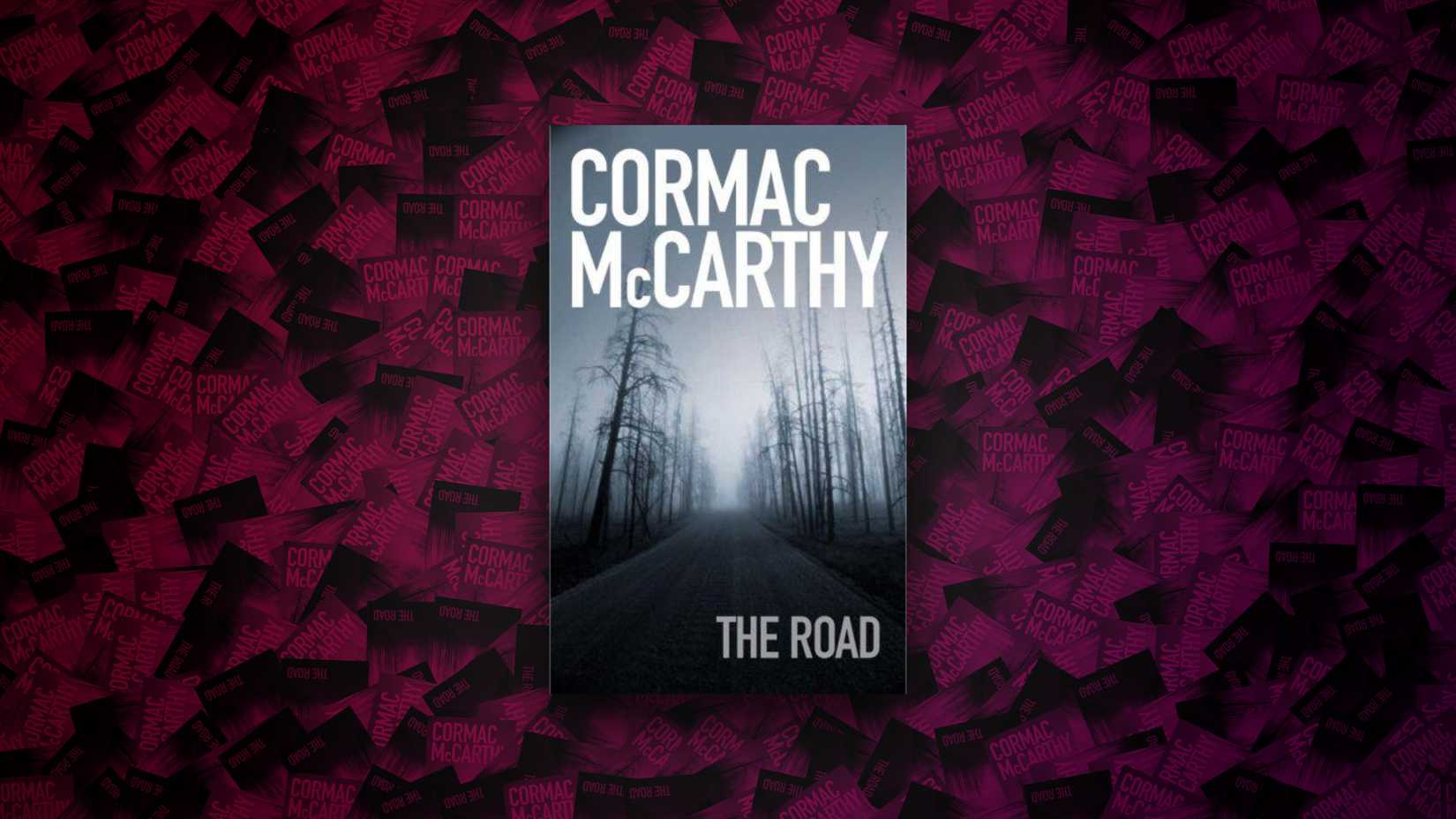
In Cormac McCarthy’s The Road, an unspecified cataclysm turns the world into a wasteland. A father and his young son cross the harsh landscape, hoping to survive in a warmer location. They have limited rations and only two bullets in a revolver. They may also run into cannibals and marauders, who exploit the lawlessness to prey on other survivors.
McCarthy spends little time on the why and how of the apocalypse, since those details matter less than the present. The pair face no zombies or monsters. Their concerns stay painfully realistic, and the freezing cold and hunger are the most dangerous threats. The father clings to the “fire” of compassion and draws comfort from his duty to protect his child from human brutality. The story is harrowing and heartbreaking, yet it refuses to give in fully to nihilism despite every reason to.
3. The Stand (1978) by Stephen King
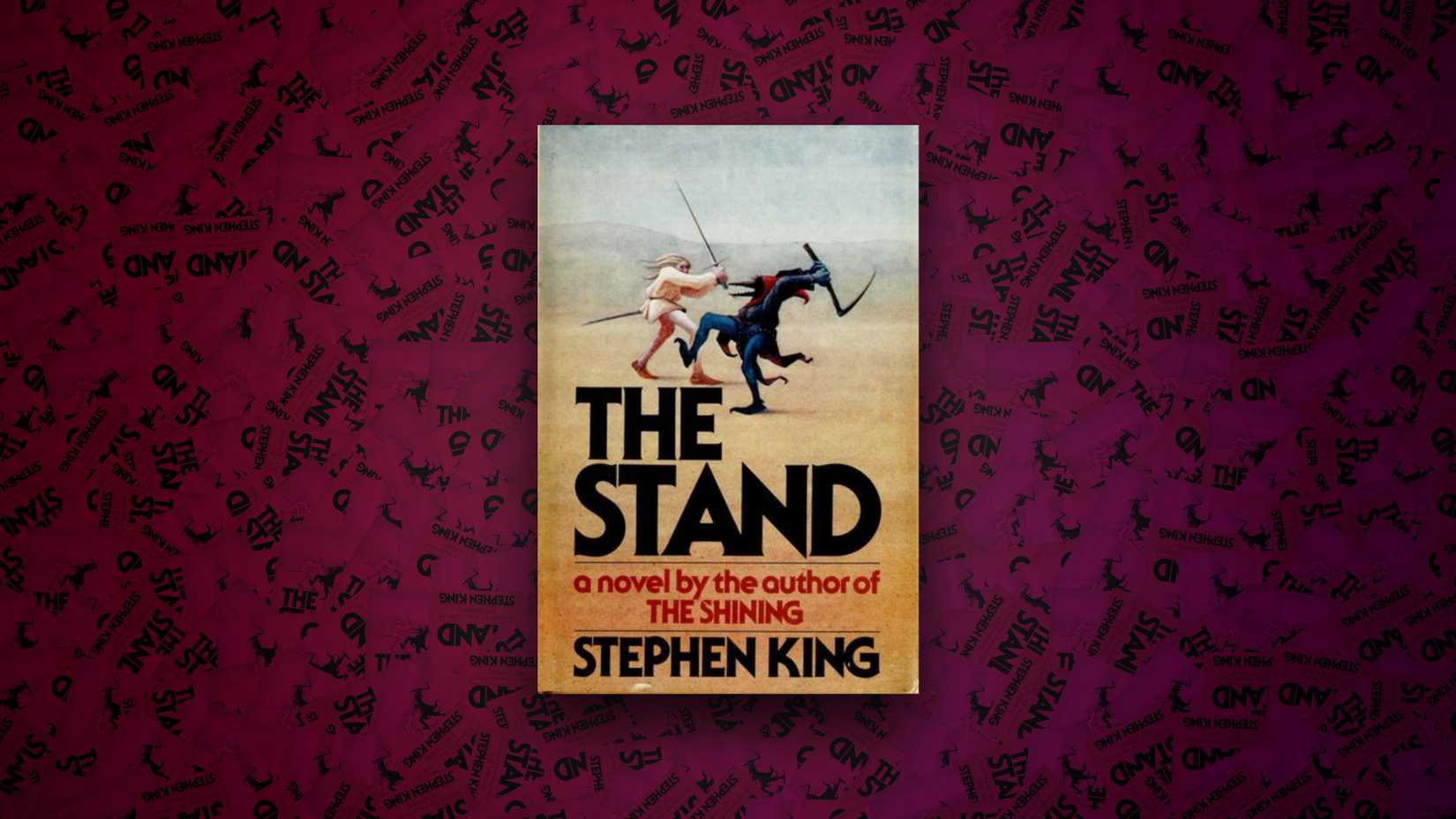
Arguably Stephen King’s magnum opus, The Stand is an epic post-apocalyptic tale about a deadly pandemic and its aftermath. The survivors form factions that personify good and evil, and a clash between them seems inevitable. Some, like Stuart Redman, turn out to be immune to the virus, which adds another layer to the motivations of those who live.
The Stand is a saga about human morality after civilization collapses completely. King doesn’t rush to the aftermath of the man-made pandemic. Instead, he details the breakdown of civil society. Masses panic, governments scramble to cover up the truth, and life comes to a permanent halt on a random weekday. The survivors are well drawn, as King introduces people from different walks of life and follows their flawed attempts to rebuild. Randall Flagg, an enduring antagonist, looms over the events like the embodiment of pure evil.
4. Parable of the Sower (1993) by Octavia E. Butler
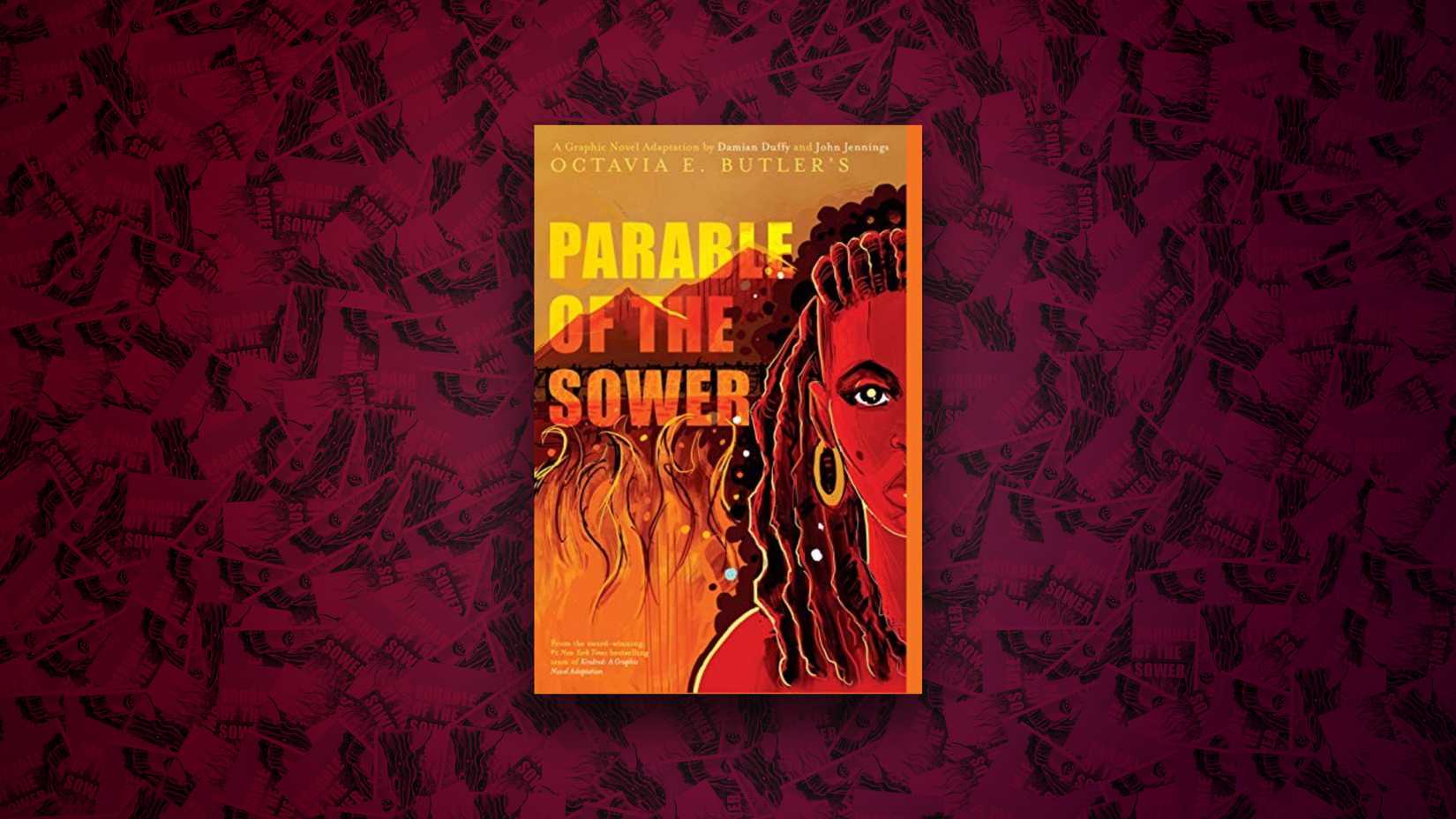
Octavia E. Butler’s Parable of the Sower takes place on an Earth radically changed by climate change. Wealth inequality is more extreme than ever, driven largely by capitalist corporations that have pushed the planet past the point of no return. A teenager named Lauren Olamina feels “hyper-empathy” for those around her, a condition she developed because her mother took performance-enhancing drugs while pregnant. Sensing the pain of others, Lauren sets out on a journey that many others join, and she creates a religion called Earthseed. Its central tenet is the belief that humans are destined to colonize other planets.
Butler brings a great deal of realism to the novel, which takes a slow-burn approach to the end of the world. Basic necessities like water have become overpriced products, emergency services are heavily privatized, and people have no choice but to become indentured laborers to survive. Amid the bleakness, Lauren emerges as a ray of hope, since her religion holds that humans must adapt instead of resisting change. A climate crisis cannot be reversed, but humanity can survive if it forms communities rooted in empathy and agency. The proclamation is hopeful, yet it feels flawed, because the coercive aspects of any religious doctrine also apply to Earthseed and its tenets.
5. Cat’s Cradle (1963) by Kurt Vonnegut
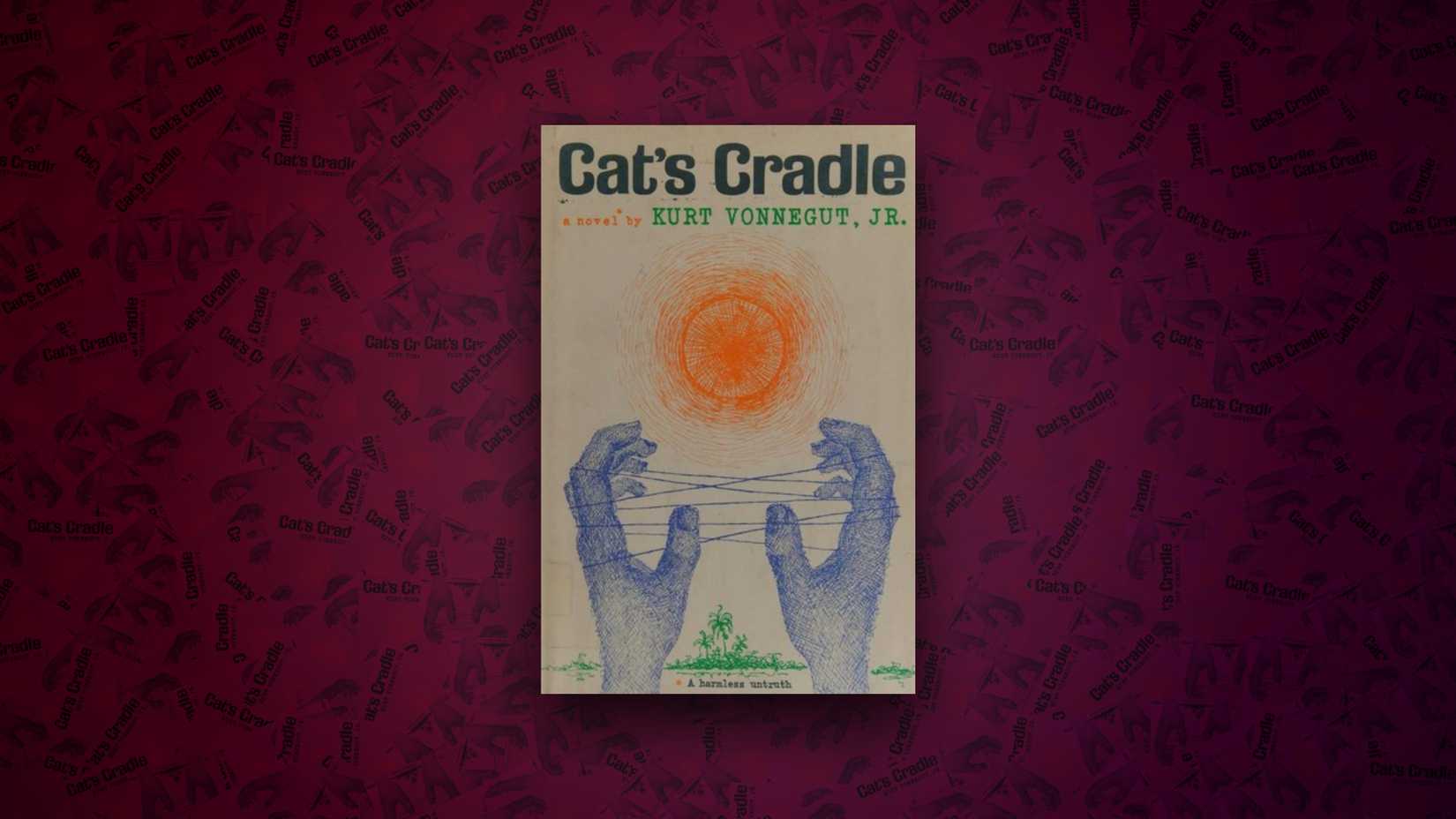
Most post-apocalyptic settings are somber, but Kurt Vonnegut wrote Cat’s Cradle as a satirical parable that exposes human limitations. The tone is flippant and morbidly humorous. The first-person narrator covers everything from the minutiae of human behavior on the day of an atomic bombing to passages from a religious scripture called “The Books of Bokonon.” The end of the world also arrives casually, brought about by Ice-9, a polymorph of water that freezes any body of liquid it touches.
Vonnegut critiques the highs and lows of scientific progress and the way nations weaponize science for their own agendas, such as the Cold War and the absurd nuclear arms race. Religion becomes dangerous, feeding baseless lies to humanity to make life bearable in a world doomed to fail. Cat’s Cradle offers no true salvation, because humanity cannot make sense of life’s chaotic unpredictability. Vonnegut strips human existence of cosmic significance and grandeur, and our desperate efforts look dumb and meaningless.
Source: Polygon
Related articles
 Switch 2 Cartridge Manufacturer Exits the Market
 Microsoft’s Alligator Xbox May Be a GTA VI Marketing Workaround
 Analysts Say Gran Turismo 7 Is Not on PS Plus Because It Has Earned Sony Hundreds of Millions of Dollars
 Mike Flanagan Hints at Unexpected Approach to Warhammer 40,000 Series Starring Henry Cavill
 The Legend of Zelda: Ocarina of Time – Shadow Temple Dungeon Walkthrough
 Ganondorf’s Castle Walkthrough in The Legend of Zelda: Ocarina of Time
 The Legend of Zelda: Ocarina of Time — Spirit Temple Dungeon Walkthrough
 Bottom of the Well Dungeon Walkthrough for The Legend of Zelda: Ocarina of Time