
Five Nights at Freddy’s 2 Gets Lost in Its Own Complex Lore

We’re deep into an era of video game adaptations — some that thrill and welcome new viewers, others that falter. Shows like Prime Video’s Fallout and upbeat franchises such as the Sonic the Hedgehog films demonstrate how to translate game worlds into crowd-pleasing entertainment. Yet recent missteps — from criticism surrounding The Last of Us season 2 to the uneven Uncharted adaptation — remind us that success isn’t guaranteed. The 2023 movie Five Nights at Freddy’s got a lot right; its sequel, regrettably, falls short of that standard.

The sequel loosely adapts the 2014 game Five Nights at Freddy’s 2 and resumes soon after the first film’s events. Security guard Mike (Josh Hutcherson), his charge and sister Abby (Piper Rubio), and officer Vanessa (Elizabeth Lail) are still wrestling with the fallout from the original, where animatronics created by Vanessa’s serial-killer father, William Afton (Matthew Lillard), were revealed to be inhabited by the souls of his victims. Now Abby grieves the loss of her mechanical companions and becomes obsessed with restoring them.
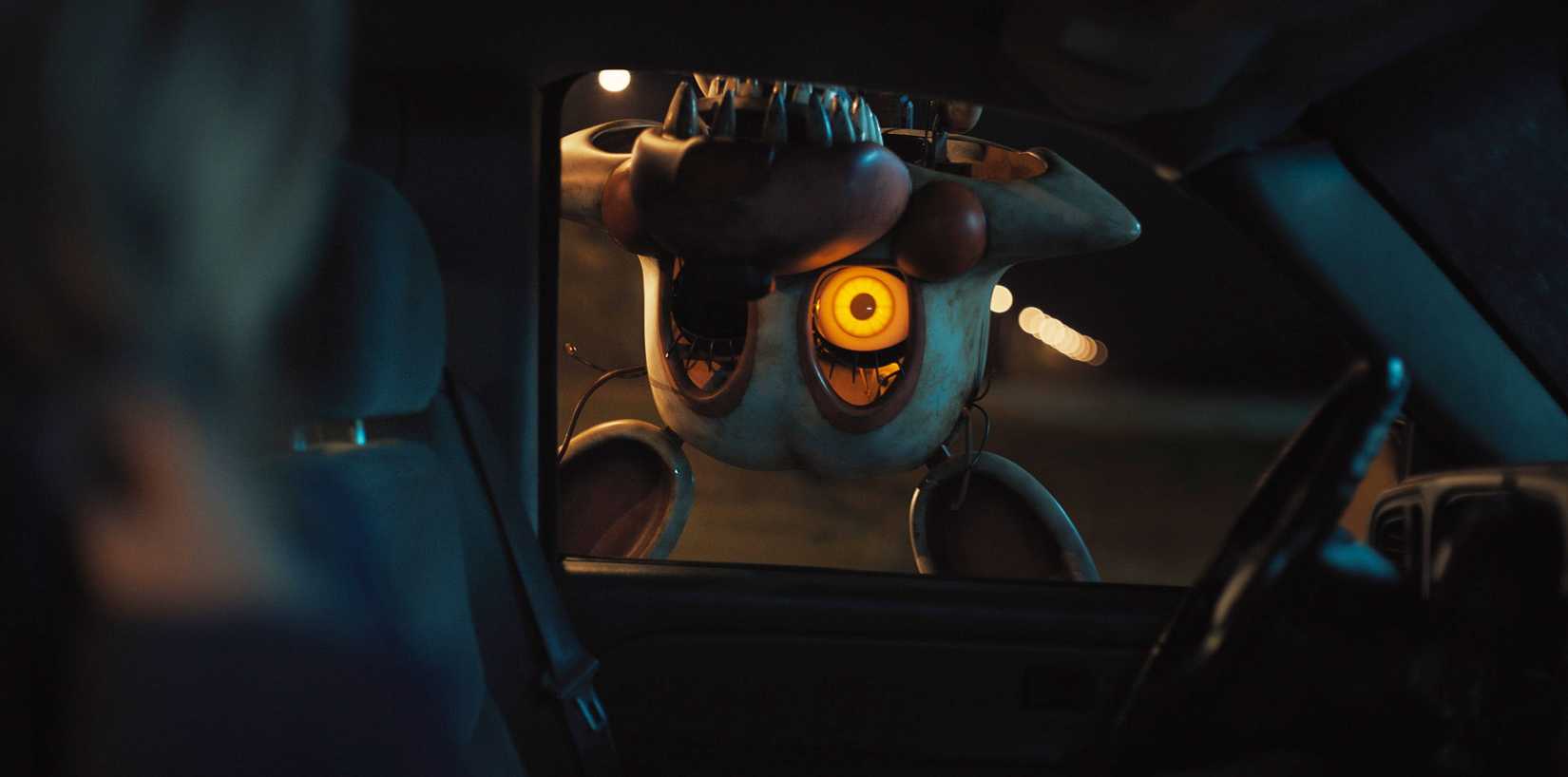
Early in the film we’re taken to the original Freddy Fazbear’s Pizza, where the franchise introduces a chilling newcomer: the Marionette, or the Puppet. In the games, the Marionette is a terrifying presence tied to a child named Charlotte; the movie expands that mythology, positioning the Marionette as a force desperate to escape the Fazbear location. She fixates on Abby, who already trusts the animatronics and therefore becomes central to the Puppet’s plans.
I enjoyed the first Five Nights at Freddy’s despite never having played the games — it explained its own lore gradually and in an approachable way, and the nostalgic pizzeria setting felt familiar to anyone who grew up in similar family restaurants. The sequel abandons much of that accessibility: it amplifies scale — more robots, more mysticism, more murders — but it also piles on franchise-specific detail that feels unexplained to newcomers. The Marionette’s design is striking and genuinely unsettling, yet much of its importance is lost on viewers unfamiliar with the source material.
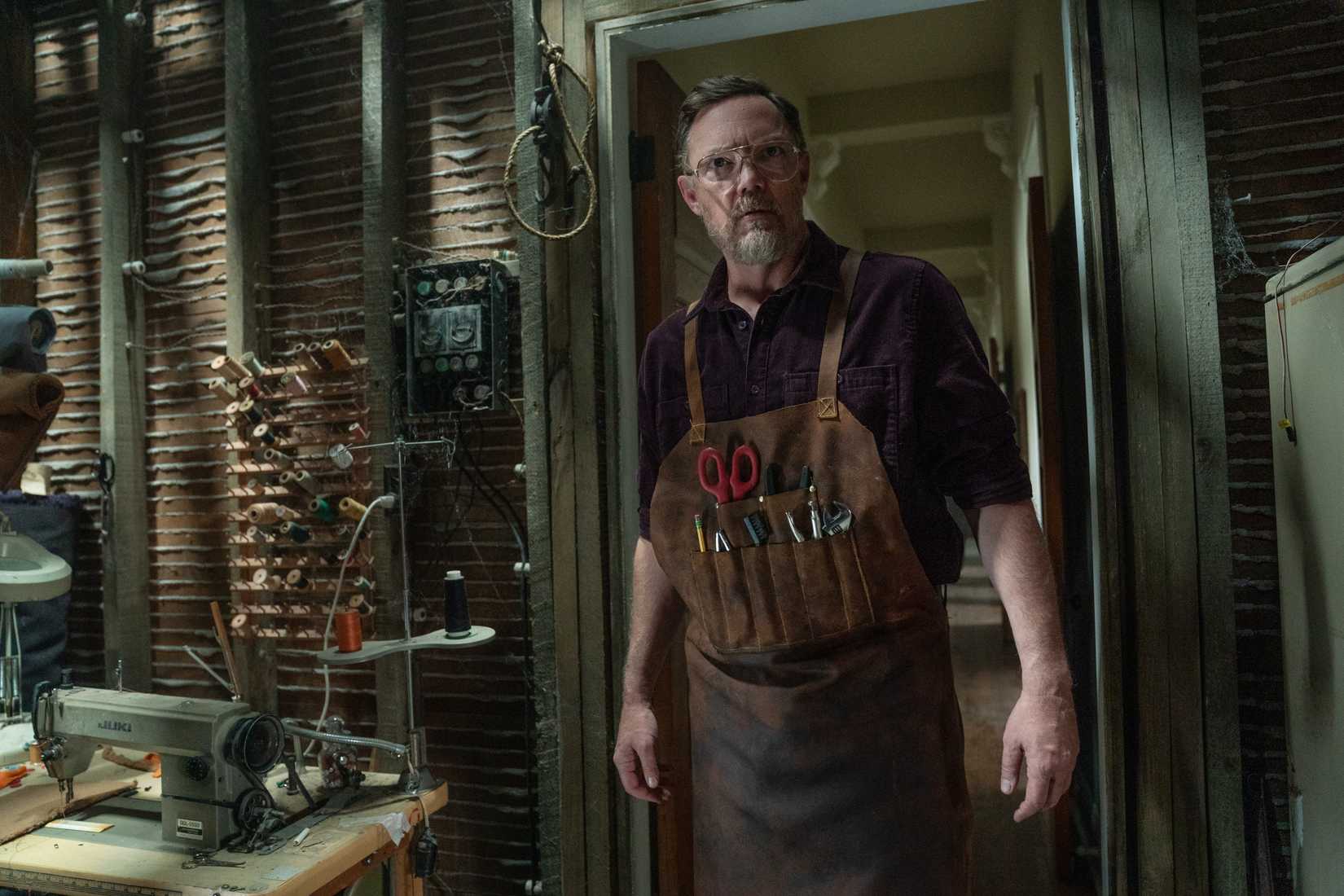
The flaws here largely stem from the screenplay. Whereas the first movie was a collaborative effort — with creator Scott Cawthon, director Emma Tammi, and others shaping the script — the sequel is written solely by Cawthon with Tammi directing again. That concentrated authorship results in a script that leans heavily on established lore and assumes viewers already understand it. Key background information is delayed until late in the runtime, which leaves uninitiated audience members struggling to follow the stakes.
At my screening, die-hard fans’ audible reactions helped signal which moments mattered — gasps and nervous laughter filled in gaps the script didn’t. But a movie aiming for broader appeal should not rely on fans in the room to carry the narrative. Instead, Five Nights at Freddy’s 2 often feels like an insiders-only event.
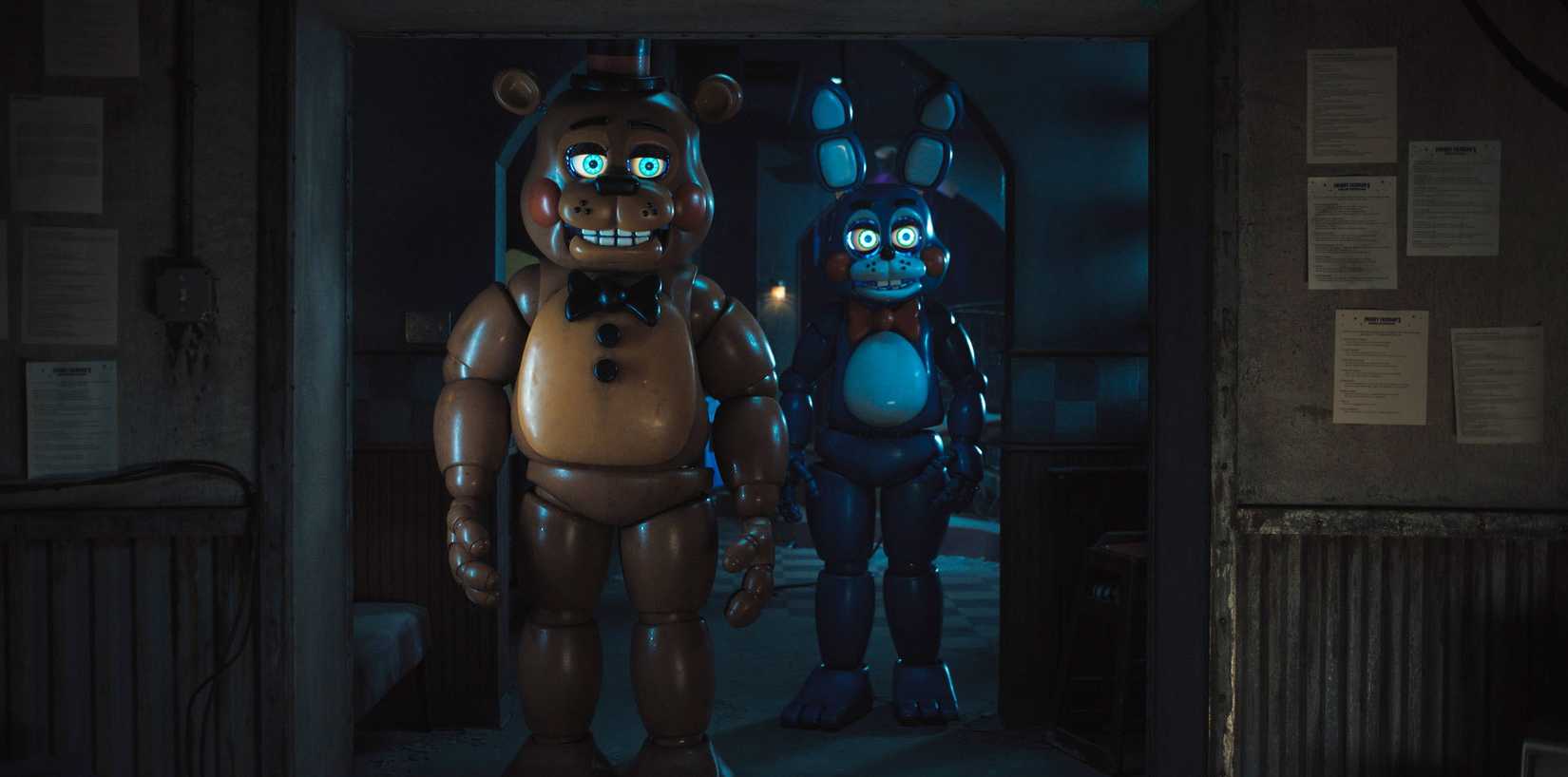
A recurring motif — the Marionette’s music box — is introduced early but its significance isn’t fully explained until the film’s climax. Fans steeped in the games will instantly recognize the connection to Charlotte and the Puppet’s motivations; casual viewers might be left confused until the final reveal. That delay weakens the emotional payoff and makes the narrative feel needlessly obscure.
As a horror entry, the sequel is also underwhelming. It remains PG-13, and while the original used atmosphere and restraint to build tension effectively, the follow-up struggles to recreate that suspense. The first movie delivered more memorable scares and a stronger sense of dread; here, set pieces land with less impact.
Piper Rubio returns as one of the film’s highlights. Her portrayal of 11-year-old Abby — raw with grief but resolute in her mission to resurrect her animatronic friends — is heartfelt and convincing. Rubio consistently sells the character’s vulnerability and stubborn bravery, often carrying emotional threads the script neglects to fully support.
Unfortunately, Rubio’s strength is sometimes undercut by one of the film’s most jarring choices: a subplot featuring Wayne Knight as a petty, cruel teacher who humiliates Abby and deliberately sabotages her robotics project at a science fair. The behavior is mean-spirited and unrealistic for a public setting, and it derails the film’s tone rather than adding levity.
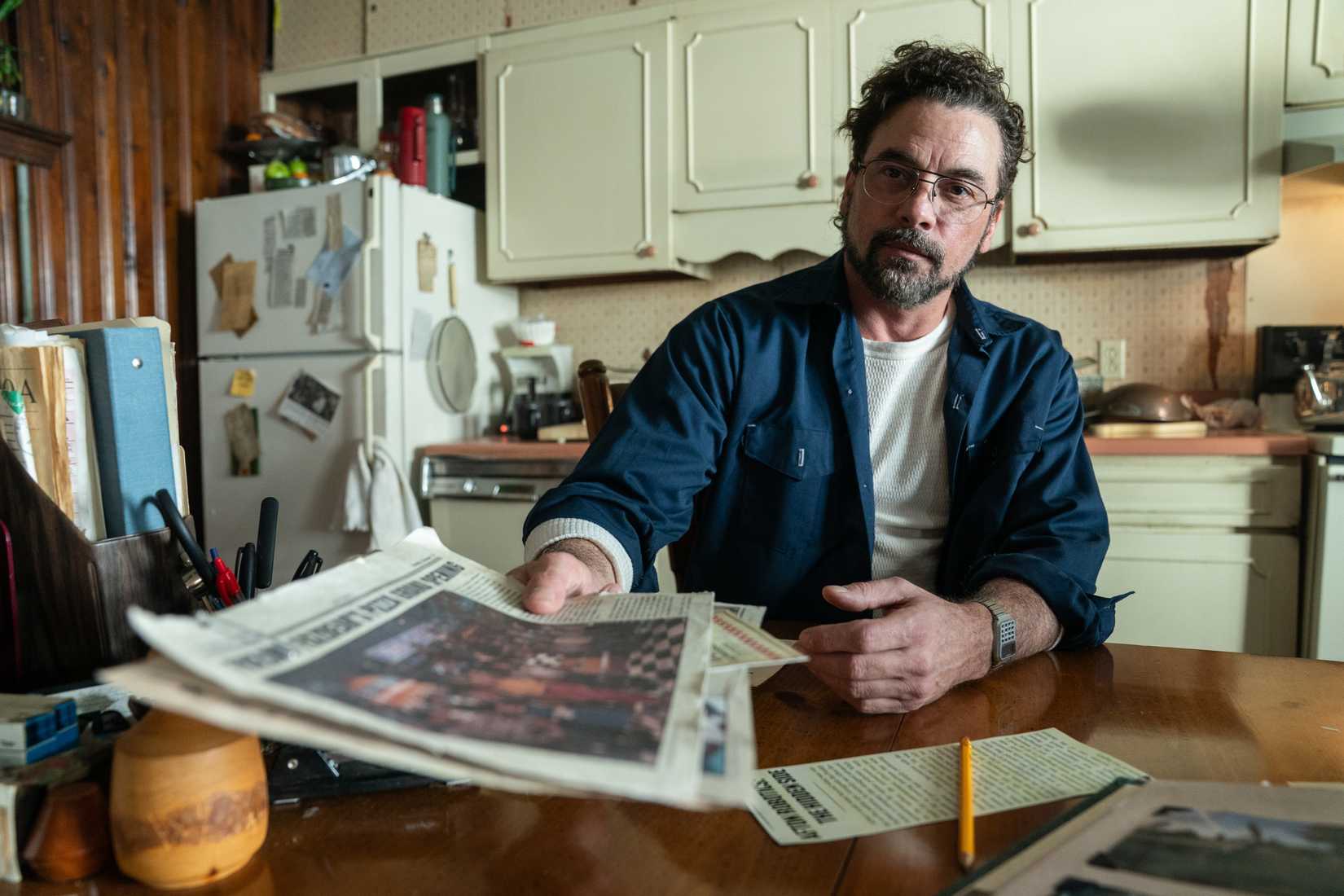
By contrast, Skeet Ulrich delivers a brief but powerful turn as Henry, the grieving father of one of Afton’s earliest victims. Though his screen time is limited, Ulrich captures a haunted, broken quality that suggests deeper stakes in future installments. His scene catalyzes one of Josh Hutcherson’s more effective moments in the movie, as Mike confronts new revelations about the Fazbear legacy.
Overall, Hutcherson and Lail feel uneven here. Hutcherson’s Mike seems emotionally muted much of the time, which dulls the impact of scenes that should carry weight. Vanessa, played by Elizabeth Lail, shows little development from the first film — still plagued by visions of her father and reacting in the same breathy register that worked elsewhere but feels strained in this supernatural context.
Between an overloaded plot, diminished scares, and inconsistent performances, Five Nights at Freddy’s 2 rarely reaches the inclusive, audience-friendly tone of its predecessor. Fans will find plenty to enjoy and will likely relish callbacks and expanded lore, but newcomers may feel left behind by a story that presumes prior knowledge rather than bringing everyone along.
Five Nights at Freddy’s 2 opens in theaters on Friday, December 5, 2025.
Source: Polygon
Related articles
 “Gangsterland” starring Tom Hardy renewed for a third season
 Martin McDonagh Presents “Wild Horse” Starring Malkovich and Rockwell in Venice
 Werner Herzog dedicates the film “Bad Lieutenant” to David Lynch
 First still from the film “The Luckiest Girl Alive” featuring Kate and Rooney Mara
 First still from the film “The Luckiest Girl Alive” featuring Kate and Rooney Mara released
 Friday the 13th Screenwriter Victor Miller Dies
 “Borat” screening cancelled due to racist jokes
 «Obsession» Star Inde Navarrette to Be Submitted for Oscar Consideration