
Five Netflix Psychological Thrillers With Consistently Strong Episodes
A good psychological thriller lives or dies by its ability to sustain tension. Whether slow-burn or fast-paced, these immersive kinds of stories examine the human condition by filtering it through thrill and suspense. Some, like Hannibal, artfully dissect the inner workings of serial killers, while others, like Terror in Resonance, explore the fallout of psychological abuse. There is great variety to be discovered, especially if you want a series that can be binge-watched over the weekend.
Psychological thrillers that are also Netflix Originals fit neatly into this requirement. As Netflix shows usually mimic a binge-worthy momentum, this dictates how tension is built or distributed over the course of a few episodes. In most cases, the result is a taut and well-written story that makes great use of twists, red herrings, and complex characters.
Here are five Netflix psychological thrillers that do not have any bad episodes.
Mindhunter
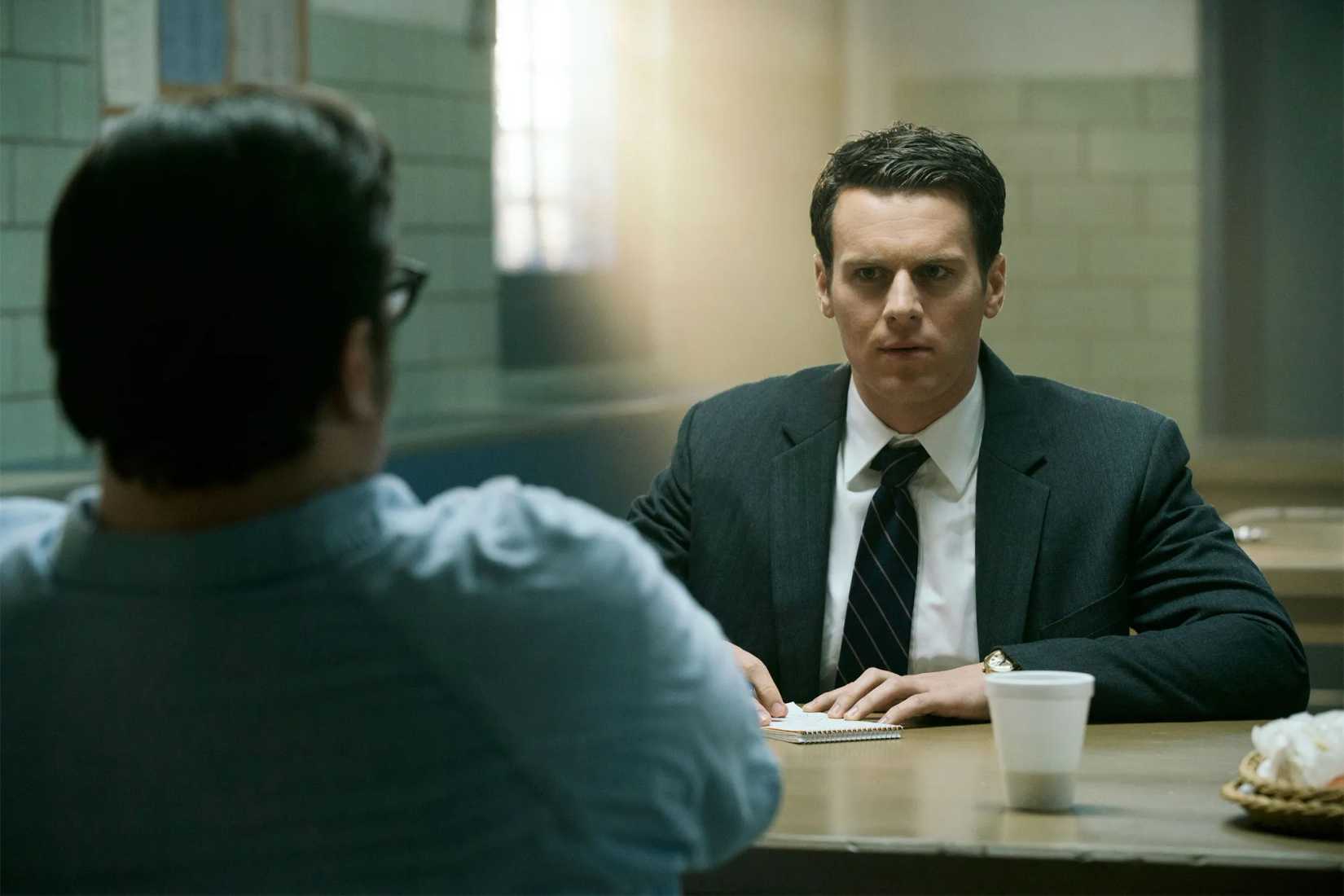
David Fincher knows a thing or two about psychological thrillers, with Se7en and Zodiac being stellar examples. His Mindhunter, which was abruptly canceled by the streaming platform after two brilliant seasons, is still the gold standard for what a competent Netflix Original should be like. Based on the true-crime book Mindhunter: Inside the FBI’s Elite Serial Crime Unit, the show follows FBI agents Holden Ford (Jonathan Groff) and Bill Tench (Holt McCallany), who spearhead the Behavioral Science Unit. They are joined by psychologist Wendy Carr (Anna Torv) in their mission to understand criminal psychology by interviewing imprisoned serial killers and solving ongoing cases.
Mindhunter presents conversations as the primary source of tension, as Bill and Holden need to approach their interviews with great skill and tact. The reconstruction of real-life interviews with killers like Edmund Kemper and Jerry Brudos adds to the visceral anxiety, which takes a psychological toll on our FBI duo. David Fincher’s ability to convincingly portray grounded realism is on full display here, along with his penchant for creating tense atmospheres. The show is not interested in sensationalizing deviant psychology. Instead, Mindhunter asks why violence erupts and how this pattern recognition can advance the science of criminal profiling.
Ripley

Patricia Highsmith’s The Talented Mr. Ripley has already been made into a riveting thriller starring Matt Damon and Jude Law in 1999. Netflix’s eight-part limited series, Ripley, is also an outstanding adaptation, having received 14 Primetime Emmy nominations and winning four. The premise is the exact same as Highsmith’s crime novel, opening with a young Tom Ripley (Andrew Scott) working as a petty con man in New York. After a wealthy man hires him to convince his son, Dickie (Johnny Flynn), to return home from Italy, Ripley develops a complex obsession with the young man and his wealth.
Ripley stands out due to its suffocatingly foreboding tone. Its slow-burn nature allows us to inhabit Ripley’s mind, giving us time to understand his motivations. We see him making calculated moves like a game of chess, eavesdropping on people, and patiently waiting to strike his targets. As we share Ripley’s perspective firsthand, we are forewarned about Dickie’s fate and what might happen when Ripley finally decides to take off his polished, affable mask. This version of Ripley is less tragic and less charming than Matt Damon’s portrayal in the film, which is a deliberate choice to disorient audience expectations.
Baby Reindeer
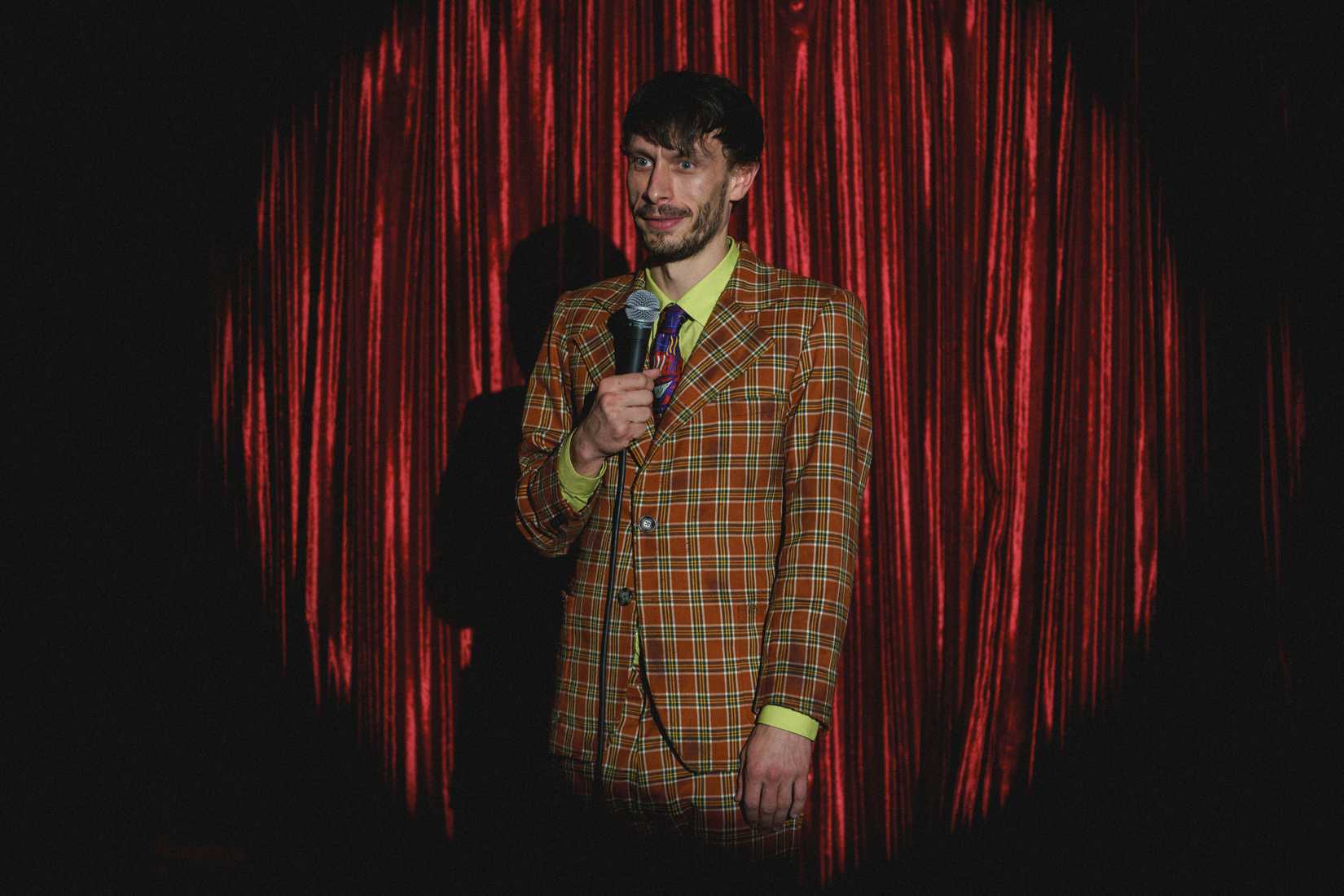
In Baby Reindeer, an aspiring comedian named Donny Dunn (Richard Gadd) offers a free cup of tea to an upset customer, Martha (Jessica Gunning). This act of kindness has lasting consequences once Martha starts stalking Donny online and in person, forcing Donny to reckon with uncomfortable aspects of his past. It is hard to put either character into neat boxes of good and bad, as Donny rejects the archetype of the perfect victim, and Martha’s problematic actions are fueled by mental illness and intense loneliness.
Baby Reindeer explores the grey areas inherent in messy power dynamics. Donny feeds into Martha’s obsession at some points, driven by a need for validation and a sense of being flattered by intense attention. These are real human flaws that anyone can end up exhibiting, much like how Martha does not perceive her actions to be creepy or malicious. Baby Reindeer takes things a step further by completely recontextualizing our understanding of these characters around the midway mark. Donny is not as blameless as we think he is, which explains why he feels so trapped in a loop of trauma and isolation. This is a show that is not afraid to ask uneasy questions while acknowledging that there are no neat answers to explain certain behaviors.
Pluto

Genco and Studio M2’s eight-episode anime, Pluto, is a perfectly subversive psychological thriller. The series follows Europol robot detective Gesicht, who is solving a case where both robots and humans have been murdered. Evidence suggests that a robot is responsible for these serial killings and that they seemingly want to dismantle a law that grants robots equal rights. Although framed as a tense murder mystery, Pluto has its roots in Osamu Tezuka’s Astro Boy and embraces a darker, more mature tone than its predecessor.
Pluto operates on the premise that robots are programmed to never harm humans, making Gesicht’s murder mystery feel like an implausible anomaly. This raises questions about free will and AI psychology, and whether robots can achieve sentience without human intervention. Pluto’s slow-burn procedural format is also the perfect foundation for asking intriguing philosophical questions. While humans can suppress trauma or heal from pain with time, a robot cannot, unless its memory is altered or completely wiped. Can an android develop PTSD? If so, should we extend empathy to such a machine as it feels just like we do? Pluto takes us on a wild ride, constantly challenging our perception of humans and machines.
Archive 81

While yet another example of a Netflix Original that was cut down in its prime, Archive 81 uses its singular season to tell a chillingly effective story. Built on the conventions of found-footage horror, Archive 81 takes on the shape of a tense psychological thriller that takes a pleasantly unexpected turn within the span of eight episodes. The story opens with archivist Dan (Mamoudou Athie), who is hired to restore video footage of grad student Melody (Dina Shihabi), who was documenting a mysterious apartment building in 1994. Although set in different timelines, Dan and Melody’s paths converge as soon as a horrifying mystery starts to unravel.
Analog found-footage can feel like an overused horror trope at times, but Archive 81 finds a very good reason to rely on this genre gimmick. The retro aesthetics of 1990s footage add to the eeriness of the events that unfold, exacerbating Dan’s paranoia in the present as he seems haunted by these recordings. Moreover, the secrets surrounding the Visser apartment feel compelling, adding a paranormal tint to an investigation that feels mundane at first glance. The series does an excellent job of juggling timelines to build tension and retain our curiosity, culminating in the most interesting cliffhanger that will never get resolved.
Source: Polygon
Related articles
 Russian Developers Release Platformer Gennady Inspired by Earthworm Jim
 Reports Warn PS6 and Next Xbox Risk Unaffordable Pricing Amid Industry Crisis
 Phantom Blade Zero Setting Adjustments Boost Performance Significantly
 NVIDIA Showcases RTX Remix Capabilities for Minecraft
 The Video Games And More You Should Play This Weekend – October 30, 2026
 Silent Hill: Townfall Receives Major Update with New Difficulty Mode and Graphic Enhancements
 Tomb Raider: Legacy of Atlantis to Offer Unusual Difficulty Customization
 Sega Shows New Virtua Fighter Crossroads Fighter with Possible Classic Character Connection