Five Controversial Star Trek Episodes That Hold Up Today
Not every Star Trek classic earned instant acclaim. Some episodes faced criticism for overreaching, sounding preachy, or leaning into strange concepts, while others posed questions audiences were not yet prepared to consider.
Decades later, many of those stories stand out for their foresight and sharp execution. Here are five Star Trek: The Original Series episodes that improved significantly with age.
5. “The Galileo Seven” (Season 1, Episode 15)
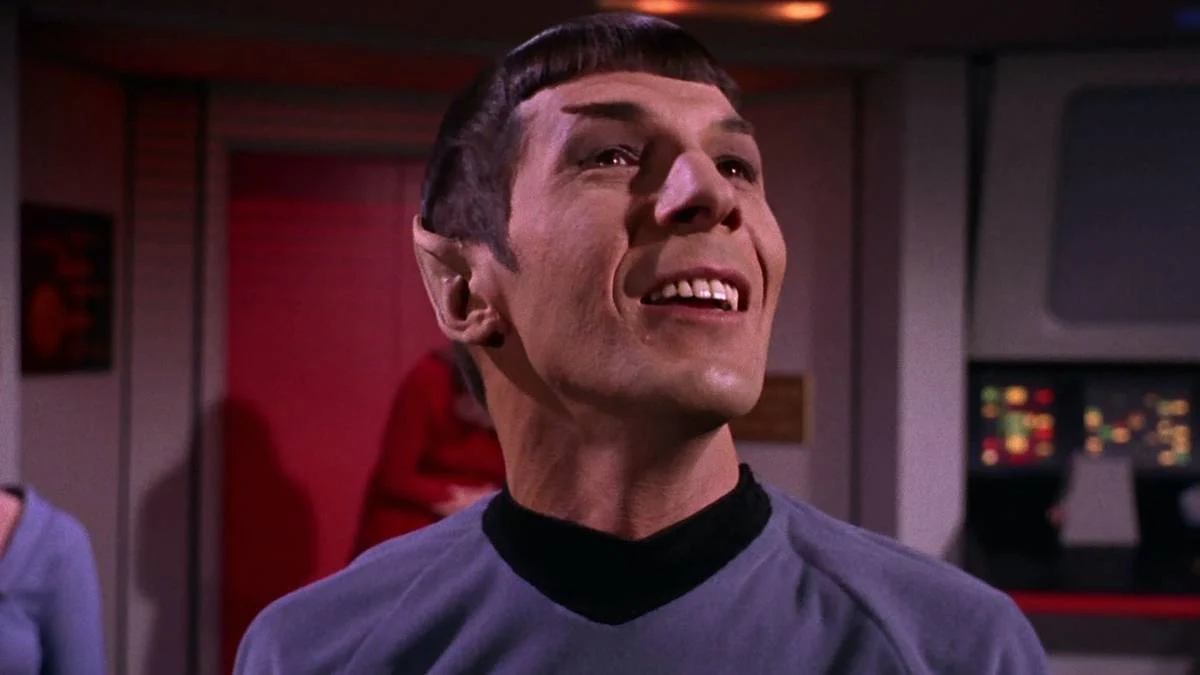
For a story centered on Leonard Nimoy’s Spock, “The Galileo Seven” spends considerable time watching him struggle. When a shuttlecraft carrying seven crew members crashes on an uncharted world, giant humanoids quickly kill two of them. Spock takes command of the five remaining survivors, but mounting friction leads Dr. McCoy (DeForest Kelley) to challenge his rigid adherence to logic. The narrative turns into an evaluation of whether the Enterprise’s first officer has the temperament needed to lead under pressure.
The story breaks away from portraying Spock as infallible. In a desperate final bid for survival, he discards his calculations and ignites the shuttle’s remaining fuel to create a massive signal flare. The Enterprise spots the burn and rescues the crew. This moment marks one of the earliest times the franchise showed Spock discovering that pure logic cannot solve every human dilemma.
4. “Let That Be Your Last Battlefield” (Season 3, Episode 15)
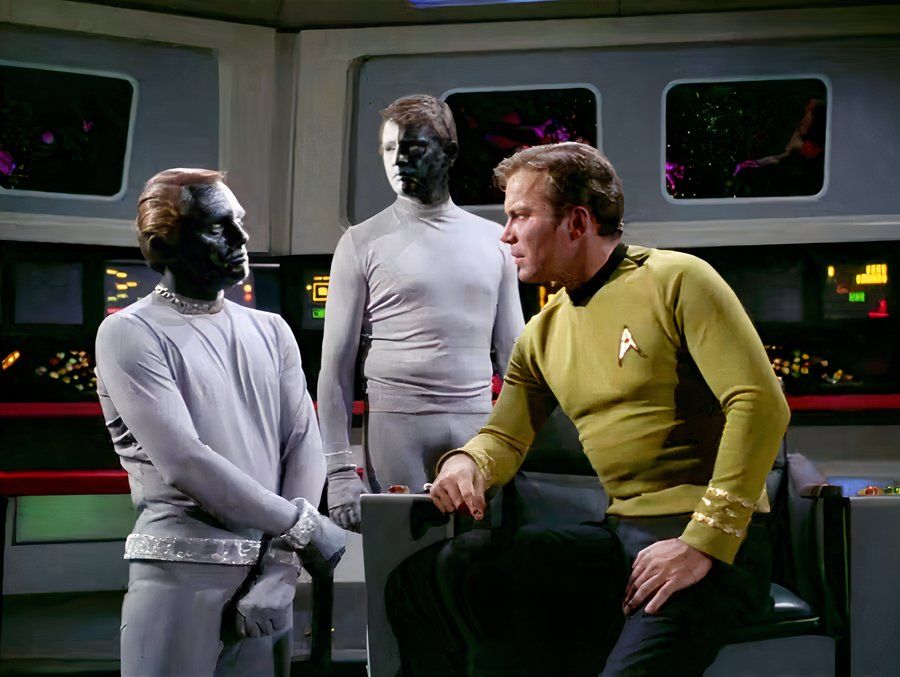
Critics have pointed out the blunt nature of “Let That Be Your Last Battlefield” since it first aired. Frank Gorshin, known for playing the Riddler on Batman ’66, portrays Bele, an alien whose skin is black on the right side and white on the left. Lou Antonio plays his rival Lokai, whose coloration is the exact reverse. The visual metaphor for racial hatred is overt, which led some viewers to dismiss the narrative as clumsy moralizing.
That lack of subtlety serves a clear dramatic purpose. Rather than burying the point behind allegorical nuance, the show forces audiences to look directly at the irrational foundation of bigotry. Gorshin brings an intense anger to the screen that keeps the tension high, turning a polarizing script into one of the most memorable social critiques in the original run.
3. “A Taste of Armageddon” (Season 1, Episode 24)
When “A Taste of Armageddon” debuted in 1967, some found its dialogue-heavy approach slow. The Enterprise arrives at Eminiar VII, a civilization locked in a 500-year computer-simulated conflict with neighboring Vendikar. The computers calculate casualties, and citizens chosen by the system voluntarily step into disintegration booths to keep the destruction tidy. Guest star Barbara Babcock delivers a standout performance as Mea 3 in a story that focuses on the ethics of combat rather than space battles.
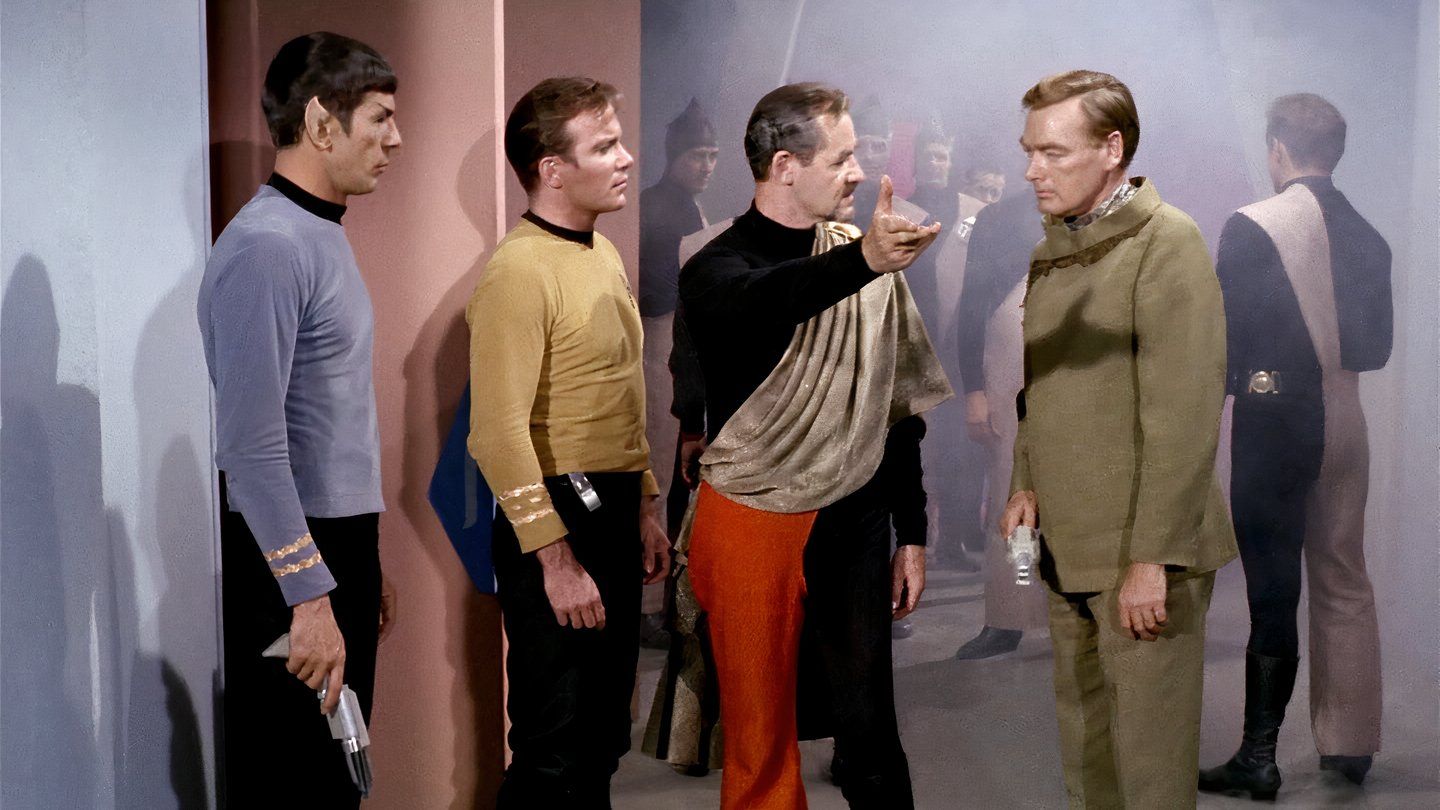
The episode feels remarkably prescient today. Written during the Cold War, it envisions a reality where warfare becomes so sanitary and automated that society loses any drive to broker peace. More than fifteen years before the film WarGames raised similar alarms, the episode argued that stripping conflict of physical horror only makes killing easier to sustain.
2. “The Cage” (Original Pilot)
No chapter of the franchise experienced a larger shift in reputation than “The Cage.” NBC executives rejected the 1965 pilot for being too slow, cerebral, and quiet. Instead of scrapping the project entirely, the network commissioned a second pilot. The full-color version of “The Cage” did not air on television until 1988.
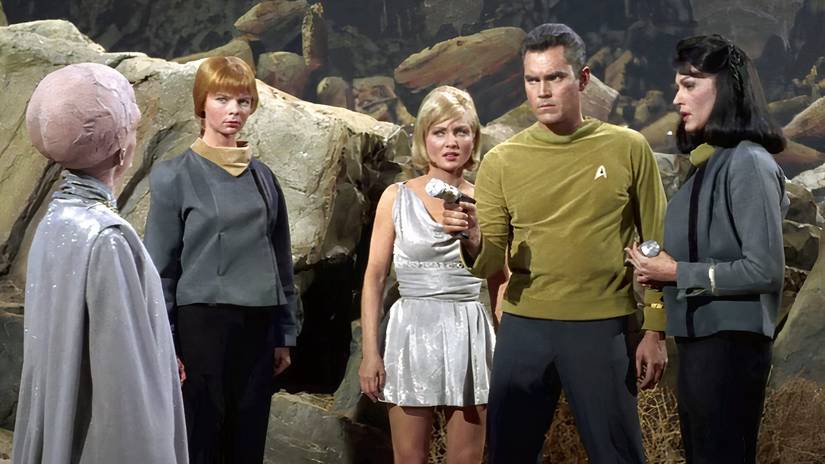
Leonard Nimoy was the only cast member retained in his original role for the subsequent series. Majel Barrett, Gene Roddenberry’s future wife who played the first officer Number One, returned to the franchise as Nurse Chapel before later voicing the ship computer and portraying Lwaxana Troi on Star Trek: The Next Generation.
The pilot feels strikingly modern in hindsight. Christopher Pike presents a more conflicted, introspective style of leadership than James Kirk, while the plot focuses on psychological traps rather than fistfights. The story introduced the green-skinned Orions through Susan Oliver’s performance as Vina. After Discovery and Strange New Worlds revitalized Pike’s crew, the rejected pilot gained new appreciation as a foundational piece of science fiction history.
1. “Patterns of Force” (Season 2, Episode 21)
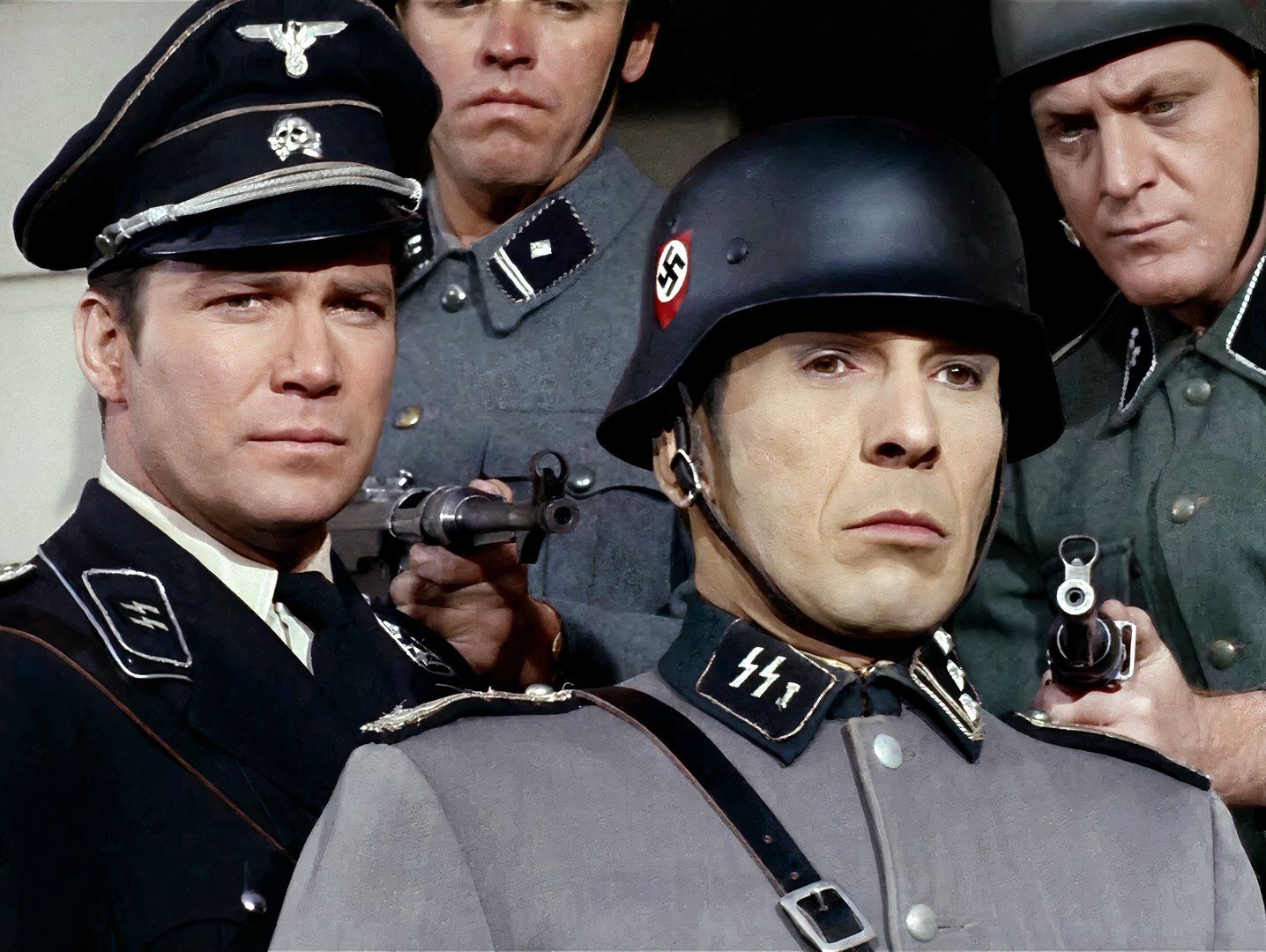
“Patterns of Force” remains one of the most jarring episodes in the original canon. The Enterprise crew finds a planet remodeled after Nazi Germany after a Federation historian breaches the Prime Directive to impose what he assumes would be an efficient social structure. The direct display of Nazi symbols proved so inflammatory that German television networks banned the episode until 1995.
Beneath the shocking imagery, the story offers a serious examination of societal manipulation. The narrative demonstrates how easily demagogues can exploit order and spread targeted misinformation to build an authoritarian state. The warning against trading liberty for efficiency makes the episode uncomfortably relevant.
Source: Polygon
Related articles
 Xbox to Unveil New Controller at Gamescom 2026, Insider Says
 Forza Horizon 6: Where to Find All Shimanoyama Heat Mascots
 Xbox Games to Be Shown at Gamescom 2026 Revealed
 Gran Turismo 7 Major Update Adds 4 New Cars Today
 Onimusha: Way of the Sword Spotlights One of Japan’s Most Influential Women
 Valor Mortis Won’t Be Delayed as Developers Complete Main Work on the Game
 Major Awards, Film Adaptations, and New Releases Highlight a Strong Year for Horror
 Mattel Opens Pre-Orders for Full-Size Buildable Microsoft Xbox Console with Interactive Features