Eight Sci-Fi Books With Opening Chapters That Grab Readers Immediately
Most sci-fi books take their time. They ease you into unfamiliar worlds with original characters and rules, and it can take several pages before you’re hooked. Others grab you on the first page with sharp dialogue, intense action, or a jolt you can’t ignore. Their mysteries press hard, whether they stretch across the far reaches of the known universe or down into the dark ocean.
It’s no surprise that the most gripping sci-fi books have also become hit films. On the page, they offer a spectacle you can’t find anywhere else. Whether you want a cerebral look at humanity’s place in the universe or a time-twisting adventure, these eight sci-fi books show that a single chapter is enough to pull you into a strange new world.
8. Sphere (1987) by Michael Crichton
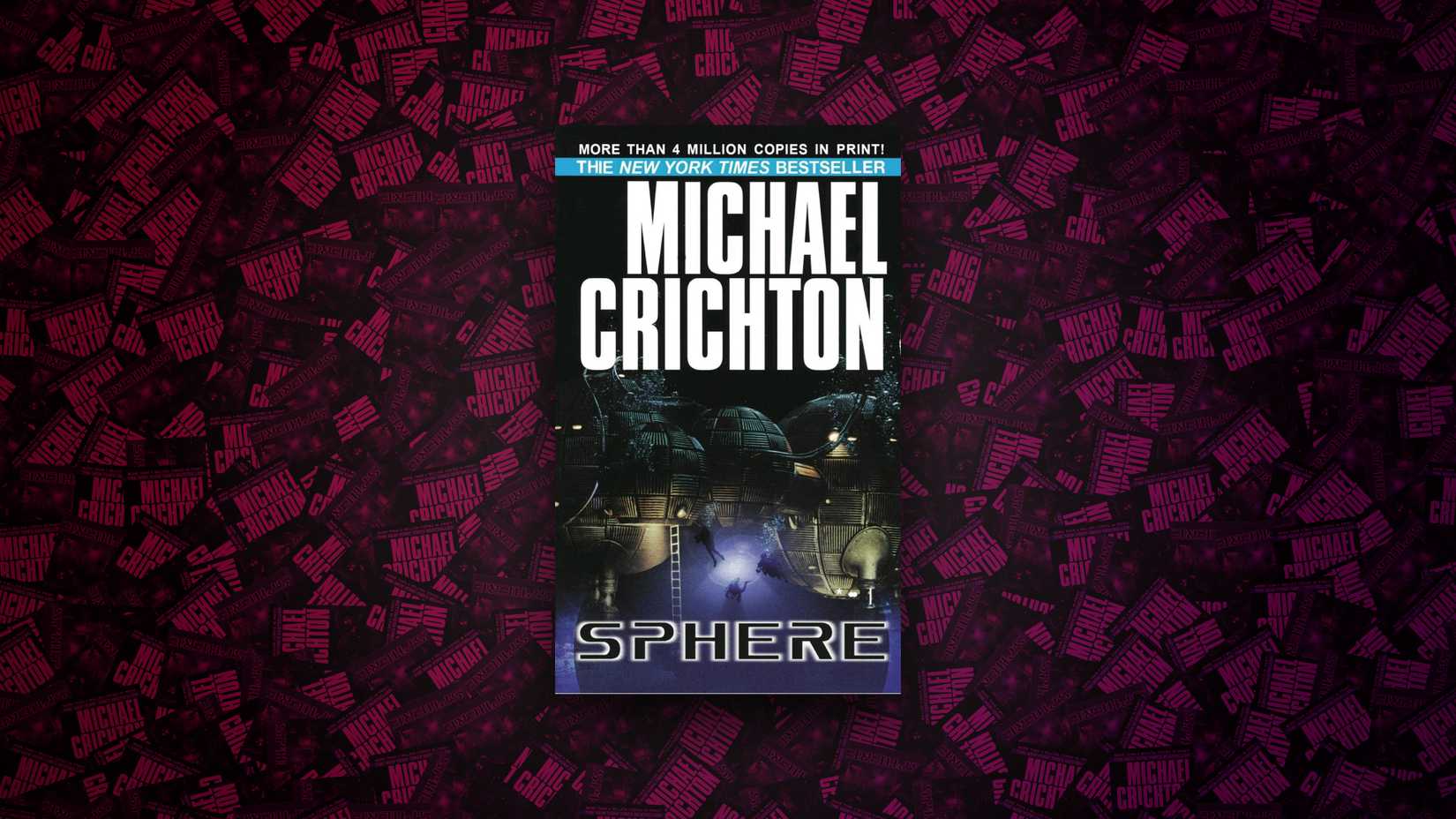
Michael Crichton has a knack for turning scientific discoveries into nightmares when they go wrong. Many readers know him for Jurassic Park and Westworld, but his 1987 descent into the deep remains one of his best. The U.S. Navy summons psychologist Norman Johnson to investigate a mysterious object on the ocean floor. He expects something extraordinary. The 300-year-old object turns out to be an alien spacecraft, and Johnson and his team face an unfathomable intelligence that turns their deepest fears against them.
Crichton hooks readers early with high-concept intrigue rather than immediate action. For fans of hard sci-fi and technical thrillers, the opening scenes of military personnel sweeping Johnson away start that intrigue. His dense breakdown of deep-sea logistics can get numbing, though. Readers who want immediate velocity or visceral horror may find the story bogs down early, because Crichton likes to lay the scientific groundwork first. Once the team reaches the 300-year-old wreckage, that patient setup turns into a claustrophobic nightmare.
7. The Lathe of Heaven (1971) by Ursula K. Le Guin
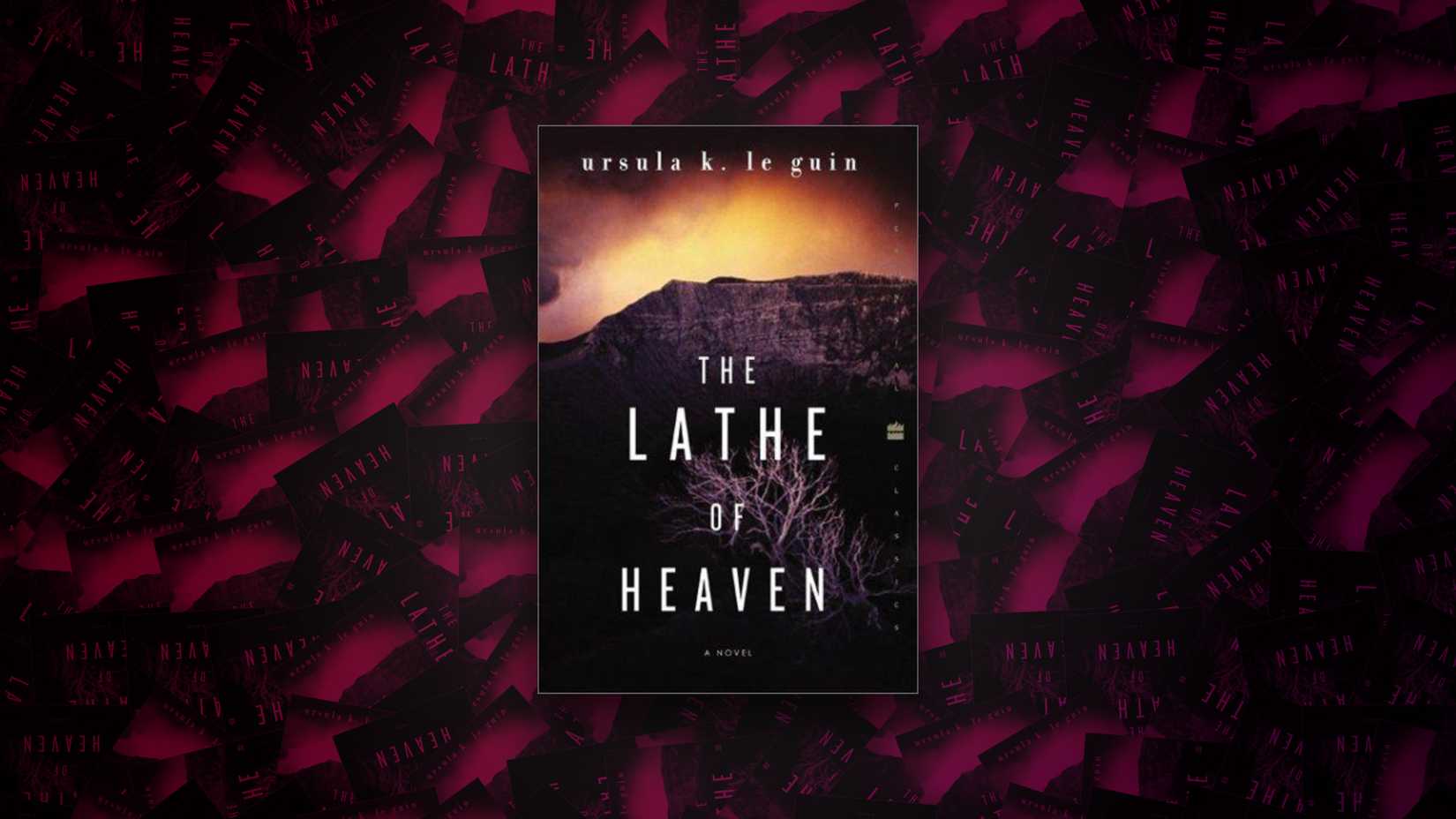
What if your dreams could change the world, and you were the only person who knew it? Ursula K. Le Guin’s The Lathe of Heaven follows George Orr, a man whose dreams alter reality. He fears what might happen when he falls asleep, so he turns to a psychiatrist. The doctor sees George’s condition as a chance to reshape humanity’s future. As their sessions continue, the doctor’s attempts to engineer a utopia through George’s mind set off increasingly unpredictable consequences that threaten the fabric of reality.
The setup is wonderfully unnerving, partly because Le Guin has no interest in making George a conventional superhero. His strange condition lets her explore the dangers of good intentions and the arrogance of believing willpower can perfect the world. The opening is quietly disorienting rather than explosive, but its central idea is hard to shake.
6. Wool (2011) by Hugh Howey
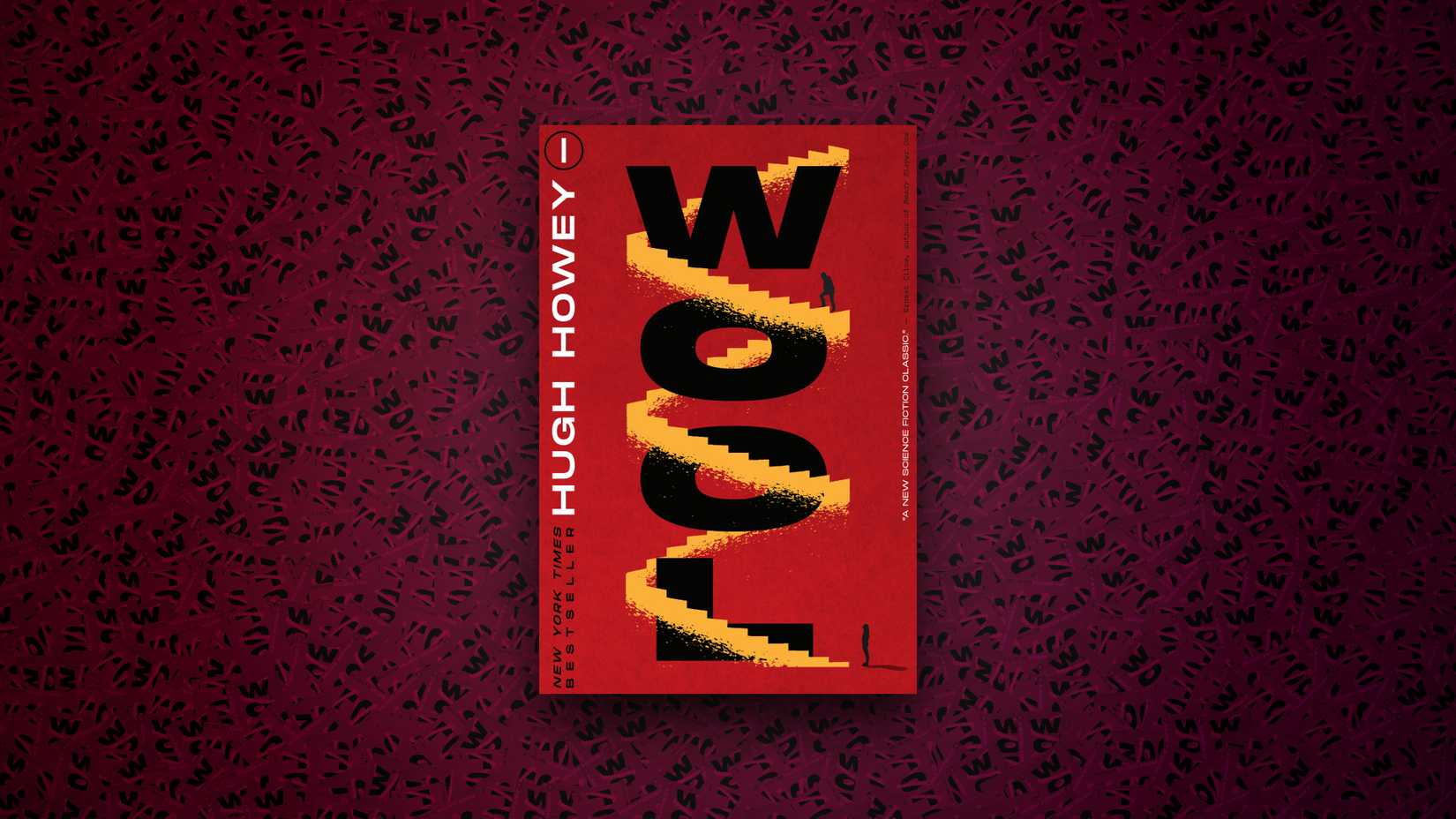
The first line of Hugh Howey’s Wool reads: “That always amazed him: how centuries of bare palms and shuffling feet could wear down solid steel.” It gets straight to the point, conveying the years of grit and hardened existence at the center of his dark future. Generations of civilians live in an enormous underground silo, convinced the world outside is toxic and uninhabitable. Holston has accepted that truth all his life, but he starts to question it after his wife willingly steps outside to die.
Howey makes the ritual feel both horrifying and strangely ordinary, and that is why the opening works. The mystery branches almost at once. Can humanity survive outside, and why would anyone walk willingly to their death? It’s a hell of a way to introduce a dystopia. It’s no wonder Silo has quickly become one of Apple TV’s most gripping sci-fi shows.
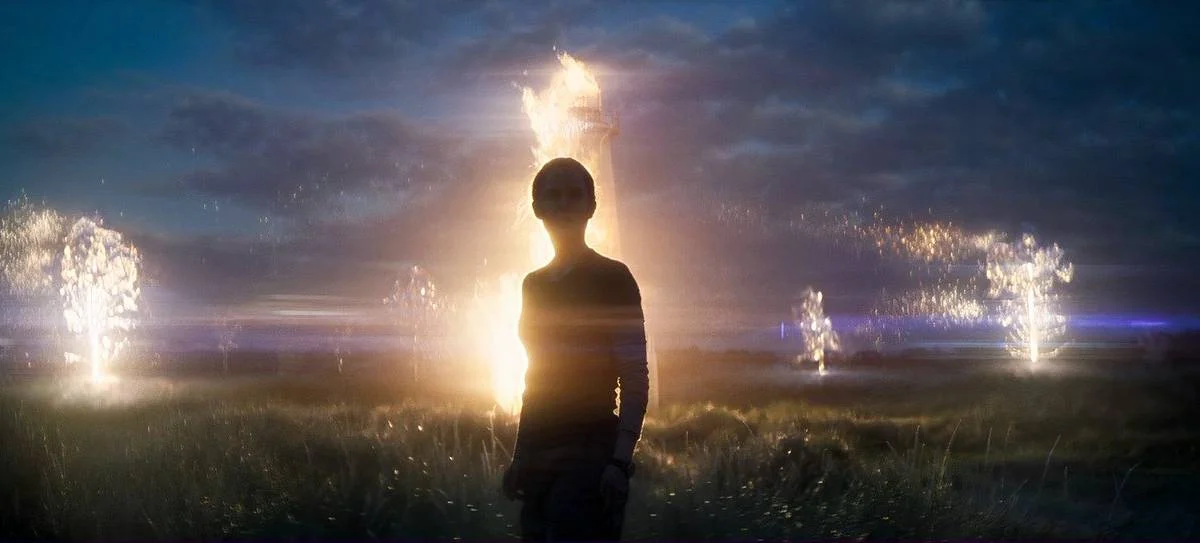
5. Annihilation (2014) by Jeff VanderMeer
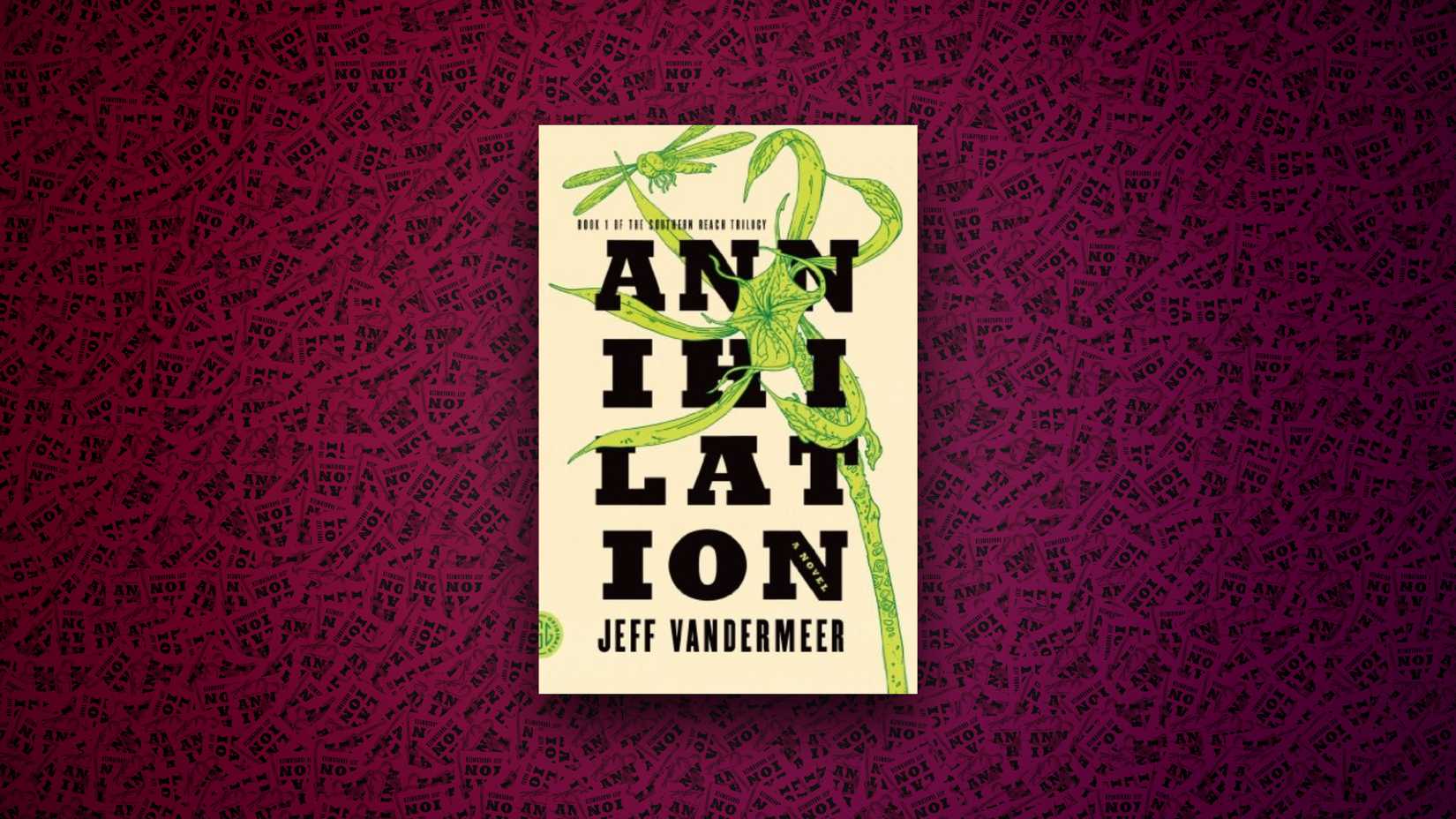
In Annihilation, an expedition descends into Area X, a mysterious region cut off from the rest of the world. Jeff VanderMeer’s 2014 sci-fi epic begins with the twelfth expedition into this unknown pocket realm, not the first. The team must document an environment that has resisted every attempt to understand it. Four women make up the group: a biologist, an anthropologist, a surveyor, and a psychologist. As they trek deeper into the mutated wilderness, they find that the surreal terrain is dangerous, but the silent transformations happening within themselves are worse.
VanderMeer gives readers just enough rope to make the setting feel alien, while the biologist’s measured narration hints that something is deeply wrong beneath the surface. No monster needs to leap out of the trees when the landscape itself feels like a threat. The characters also share an illusion of comradeship that slowly dissolves under the weight of the void. The opening creates a creepy unease that makes every discovery feel dangerous and every unanswered question worth pursuing.
4. Snow Crash (1992) by Neal Stephenson
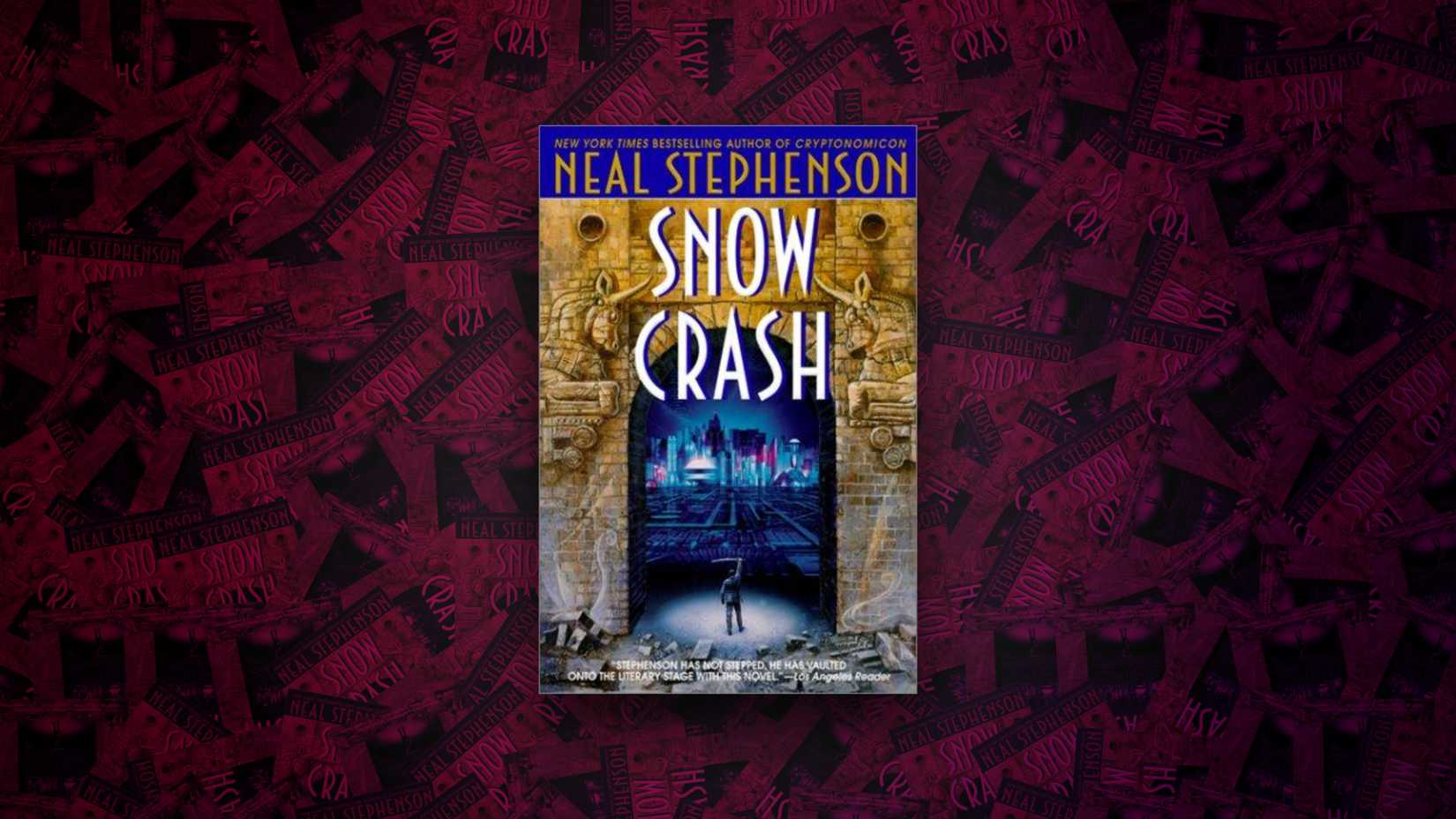
Domino’s might boast about fast delivery times today, but they have nothing on Hiro Protagonist. He works as an elite “Deliverator” for the Sicilian Mafia. He drives a high-tech armored vehicle along the corporate-controlled highways of a fractured Los Angeles and risks everything to deliver orders on time. Pizza delivery is only his day job. In the digital realm known as the Metaverse, Hiro is a master hacker and an unmatched freelance swordsman, and he ends up unraveling a lethal cyber-virus that threatens to rewrite human consciousness.
Neal Stephenson uses the chaos of a botched delivery to introduce a world that is equal parts cyberpunk nightmare and gleeful satire. The premise is ridiculous in the best possible way, and the novel’s breakneck energy makes its dense world-building feel like part of the fun. There’s a lot to absorb, from the corporate fiefdoms to the strange digital culture, but Stephenson’s confidence is infectious. Fans of Cyberpunk 2077 will feel at home in his vision of a future society where just about everything has a price.
3. The Martian (2011) by Andy Weir
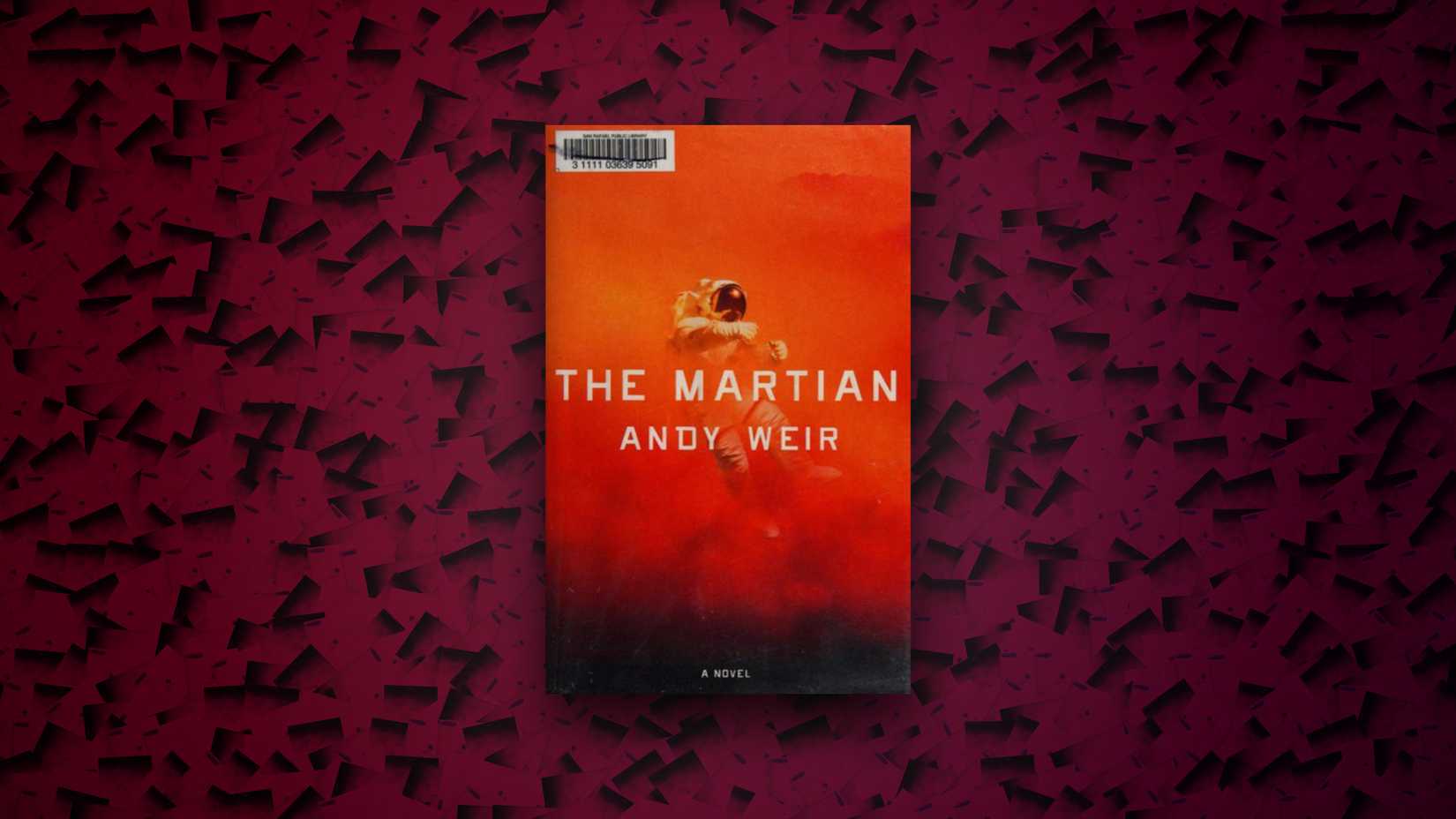
Mark Watney is stranded on Mars. His crewmates have left him for dead, and his odds are practically nonexistent. Andy Weir opens on Watney’s surprisingly casual attitude toward his plight. Dwindling supplies and an unforgiving planet become a series of engineering problems to solve rather than a reason to despair.
Weir establishes the central conflict on page one, then makes you want to stay for every ingenious workaround. Sarcastic narration keeps the high-stakes tension grounded without making the story grim. The result is an irresistible urge to watch one guy try to outthink an environment that is actively trying to kill him.
2. The Gone World (2018) by Tom Sweterlitsch
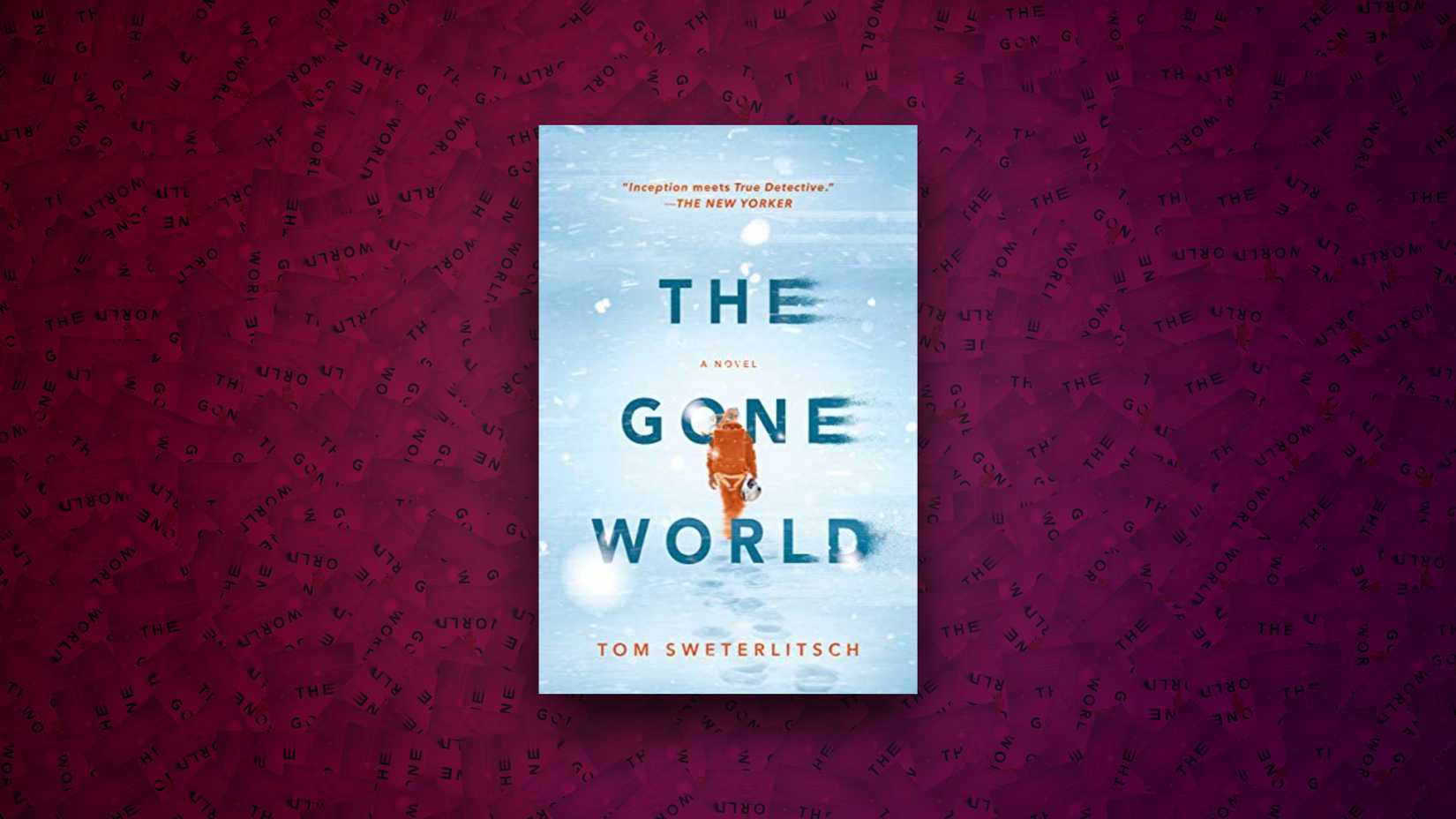
Time travel usually offers a chance to rewrite history or glimpse the future. Tom Sweterlitsch’s The Gone World opens instead with a door to a timeline that should never have existed. NCIS investigator Shannon Moss is assigned to look into the brutal murder of a Navy SEAL’s family and the disappearance of his teenage daughter. The investigation quickly moves beyond conventional detective work. Moss uses classified deep-time technology to jump into potential futures in search of clues. She discovers that each potential timeline is shrinking, consumed by a cosmic threat known as the Terminus.
Sweterlitsch combines the mechanics of a procedural thriller with the cosmic dread of science fiction, and each new revelation makes the mystery bigger and more dangerous. The premise compels because the future is a broad collection of possibilities rather than a single destination, and some of those possibilities are almost too awful to contemplate. The opening sets up a gruesome murder investigation that bleeds into cosmic horror. It also sets an apocalyptic deadline that Moss must beat to save a missing girl and the future of humanity.
1. Dark Matter (2016) by Blake Crouch
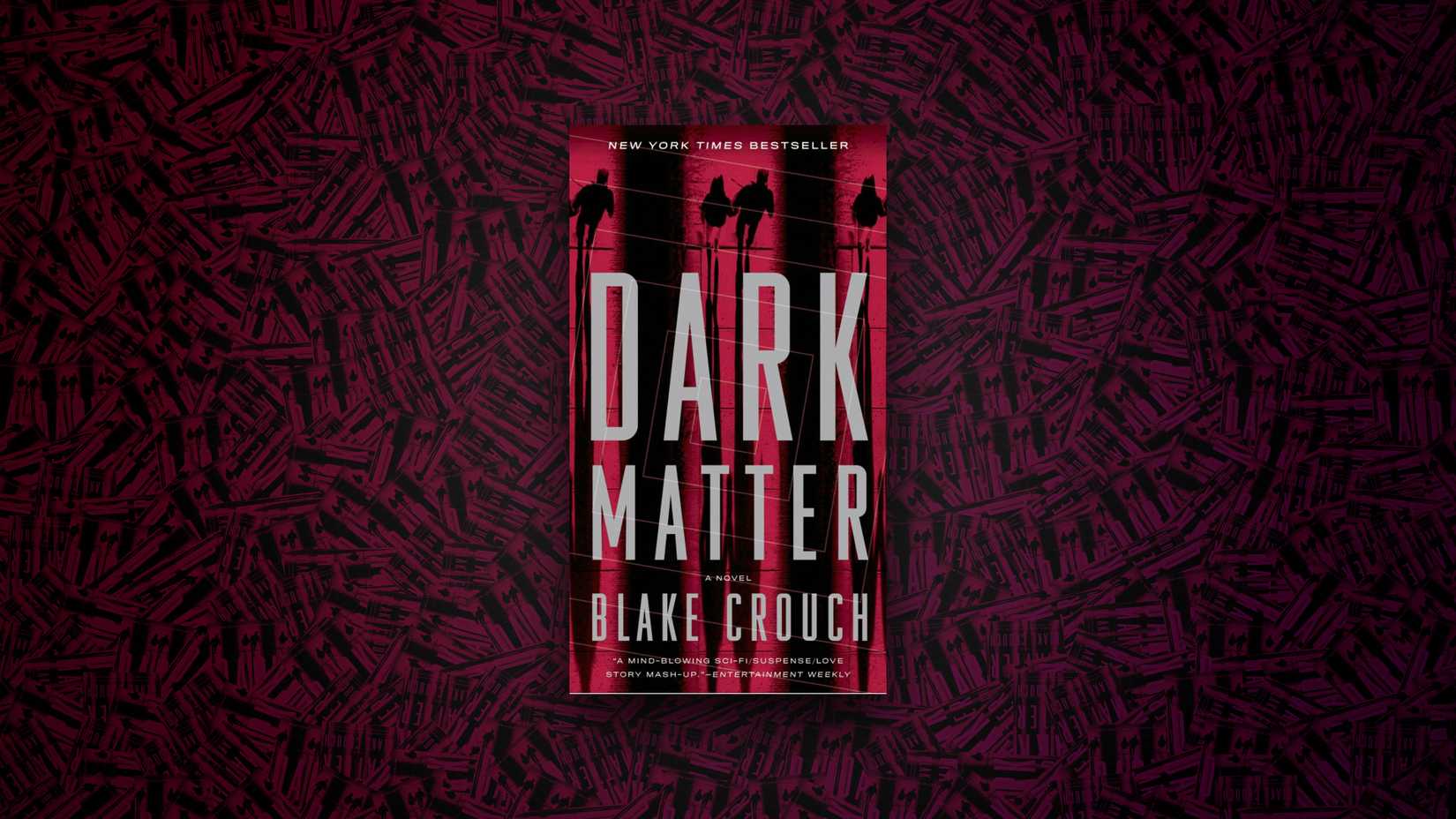
Jason Dessen is a brilliant quantum physicist. He traded groundbreaking academic ambition for a quiet life as a college professor, raising a family in Chicago with his artist wife, Daniela. His comfortable world collapses one night when a masked stranger ambushes him at gunpoint, injects him with an unknown drug, and knocks him unconscious. He wakes strapped to a gurney in a high-tech laboratory, where people greet him as a genius pioneer who has just achieved the impossible. In an alternate reality, one where he never married Daniela and his son was never born, his life’s work, a multidimensional transit gateway, has become a triumphant success.
Blake Crouch anchors complex multiverse theories in the tangible grief of a man stripped of his family, which makes the high-concept sci-fi feel intensely personal. Jason must navigate a labyrinth of dangerous parallel realities while he wages a desperate war against time. In a long struggle that pits him against his own alternate selves, he must claw his way back to the exact life he chose. It’s a razor-sharp hook, driven by a kinetic urgency that grips you from the first page.
Source: Polygon
Related articles
 Switch 2 Cartridge Manufacturer Exits the Market
 Microsoft’s Alligator Xbox May Be a GTA VI Marketing Workaround
 Analysts Say Gran Turismo 7 Is Not on PS Plus Because It Has Earned Sony Hundreds of Millions of Dollars
 Mike Flanagan Hints at Unexpected Approach to Warhammer 40,000 Series Starring Henry Cavill
 The Legend of Zelda: Ocarina of Time – Shadow Temple Dungeon Walkthrough
 Ganondorf’s Castle Walkthrough in The Legend of Zelda: Ocarina of Time
 The Legend of Zelda: Ocarina of Time — Spirit Temple Dungeon Walkthrough
 Bottom of the Well Dungeon Walkthrough for The Legend of Zelda: Ocarina of Time