Ever been halfway through a run in Balatro and wished the stakes felt higher or the setting carried more weight? I hadn’t either—until I sank a bunch of hours into CloverPit and realized how much atmosphere can transform a repetitive loop into something genuinely compelling.
Where Balatro has Jimbo, the taunting clown who tutors and jeers in equal measure, CloverPit trades whimsy for menace. An invisible, authoritative figure—less a friendly dealer and more a sinister game-master with a hint of Jigsaw—traps you in a dank cell and forces you to spin a slot machine until you either reach the required score or exhaust your allotted rounds. Fail, and the floor collapses beneath you, dropping you into an uncertain void.
 Image: Panik Arcade/Future Friends Games via Polygon
CloverPit sustains a steady, oppressive dread that makes it the perfect “one more spin” game for Halloween. Its visual style leans into PS1-era limitations—intentionally low-fi and uncanny in the way of Inscryption or Dusk. A single naked bulb swings overhead, illuminating a filth-ridden room where you can, disturbingly, use a shattered toilet and where an open recycling bin beneath the machine holds crude low-poly body parts—a gruesome set dressing that telegraphs the game’s bleak sensibility without beating you over the head.
Look down and the camera subtly warps into a fisheye lens, widening the field of view to heighten unease. Observant players will notice a large claw suspended in the ceiling above the toilet; its function becomes relevant later, but at first it’s just another unnerving detail. When you stare at the trap door underfoot, the perspective compresses instead, pulling you closer to the rusted aperture as if the environment itself is drawing your gaze.
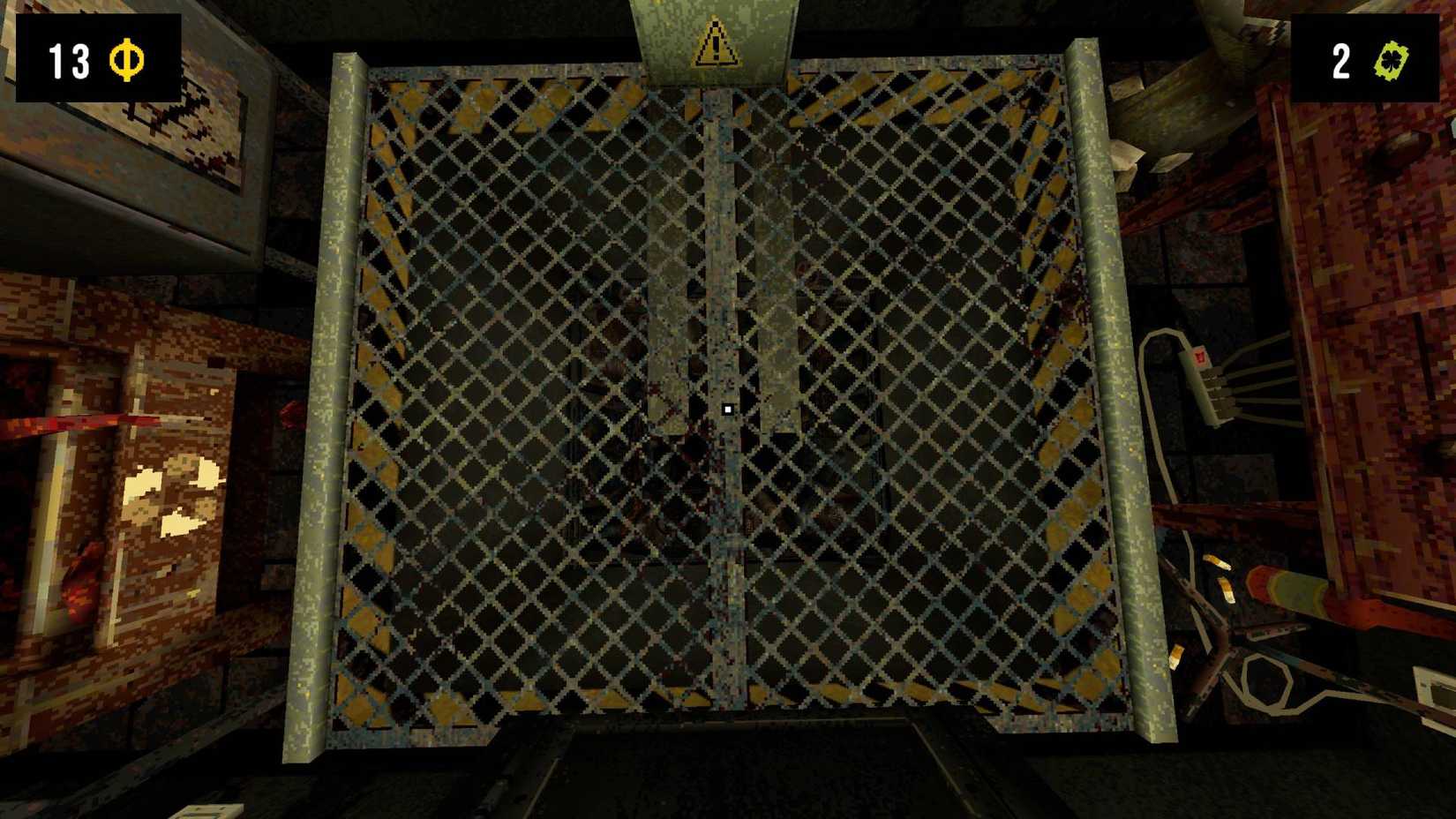 Image: Panik Arcade/Future Friends Games via Polygon
Your unseen captor amplifies the tension after each spin: the floor trembles, and the target score—called a “deadline” in CloverPit—must be met within three rounds. Beat the deadline and a vintage rotary phone shrieks to life, rattling the room like a reward and a threat all at once.
Victory grants a key to one of four drawers. These compartments let you stash charms—CloverPit’s equivalent of jokers—so you can deploy them later, and they sometimes contain dismembered body parts. These grotesque trinkets are optional modifiers that increase challenge for greater payoff, but they also function as grim storytelling devices, implying your captor is indifferent to dismemberment.
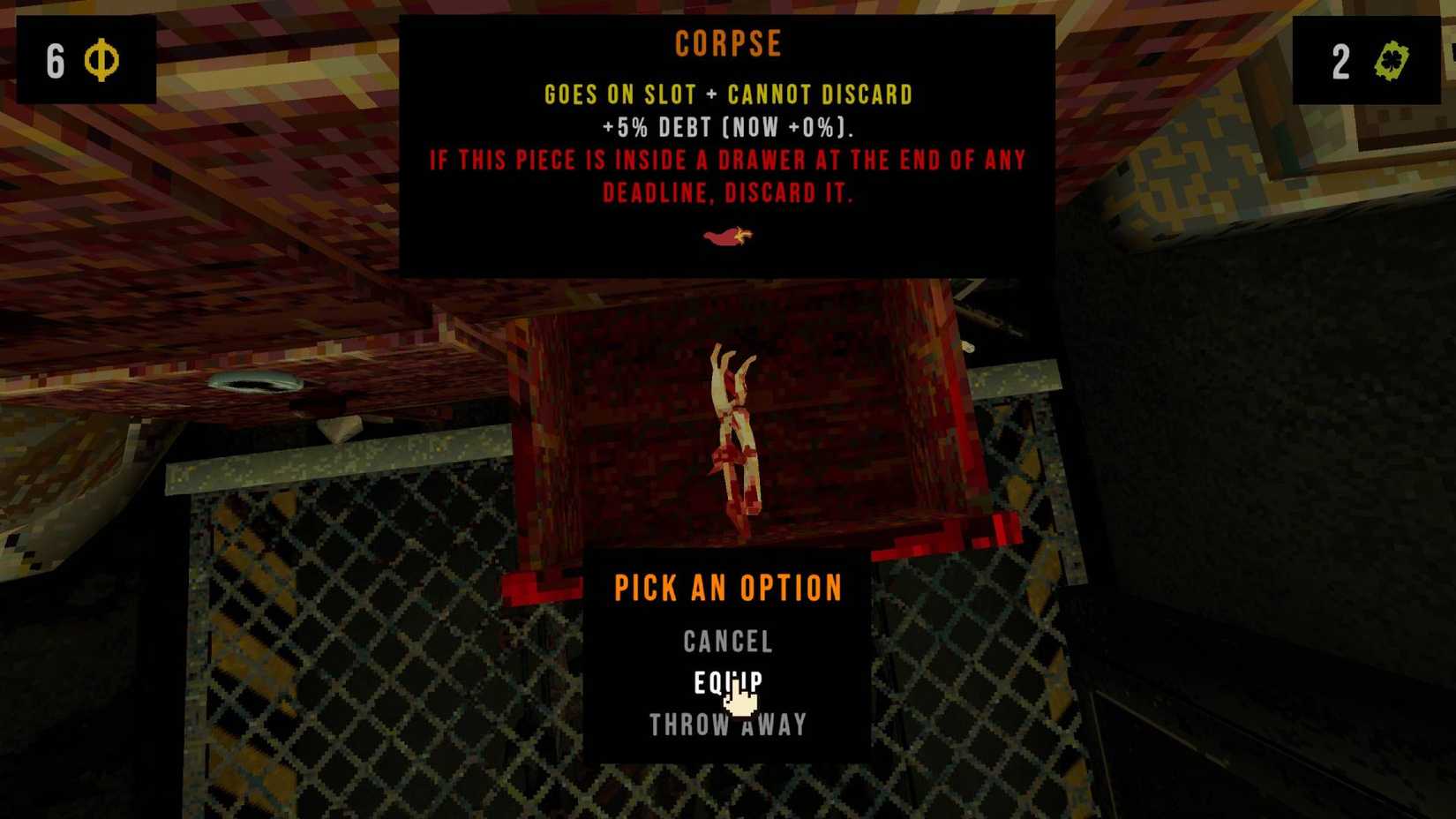 Image: Panik Arcade/Future Friends Games via Polygon
One small narrative tension: when you begin a new run the game’s Jigsaw-like host greets you again—raising the question of what actually happens to failed players. Is memory transferred? Is death illusory? Mechanically, the game preserves permanent unlocks between attempts, so each run builds on prior progress in the familiar way roguelikes do, which softens the finality of failure.
The sealed door beside the phone is another alluring mystery. Can you escape? Are endings genuine escapes or carefully staged illusions? CloverPit includes story-driven progression and multiple outcomes, but reaching them demands time, forensic attention, and following hints that are often deliberately oblique. The “true” ending, in particular, asks you to play against your instincts—intentionally handicapping yourself to unlock the deeper secret.
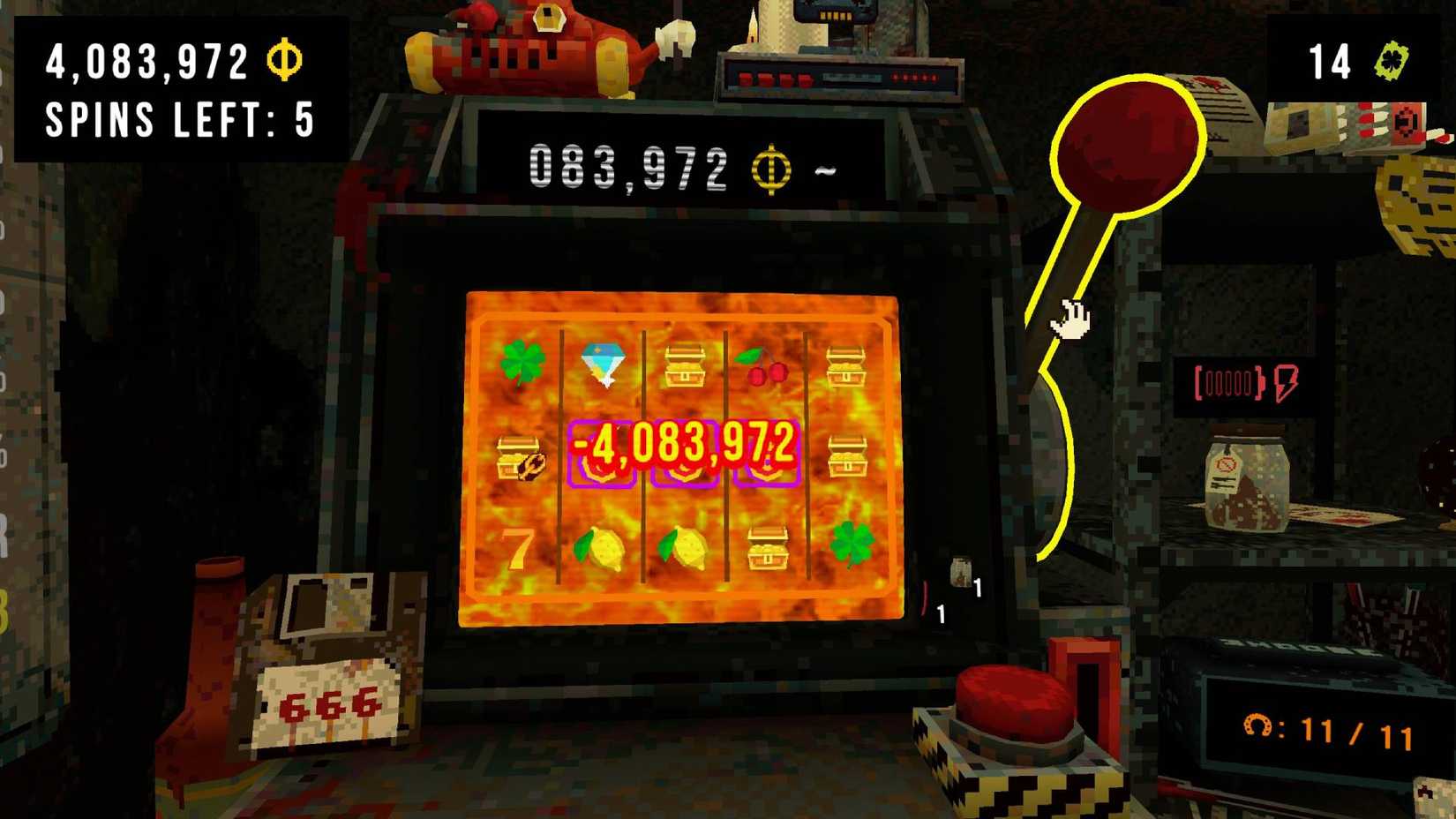 Image: Panik Arcade/Future Friends Games via Polygon
Gameplay-wise, CloverPit isn’t as mechanically deep as Balatro. The slot-based scoring grants you fewer meaningful choices than poker-style systems, placing you more in the hands of chance. That can make improvement feel less tangible and frustration easier to accumulate when luck isn’t on your side.
What CloverPit lacks in Ludic complexity it more than makes up for in atmosphere. If the gambling-roguelike field were judged solely on mood and design, it would be a strong contender. With Halloween approaching, it’s an ideal chill—boot it on a Steam Deck or laptop, dim the lights, queue up a horror movie and let the oppressive charm sink in. Also: a Switch release would be delightful.
Source: Polygon