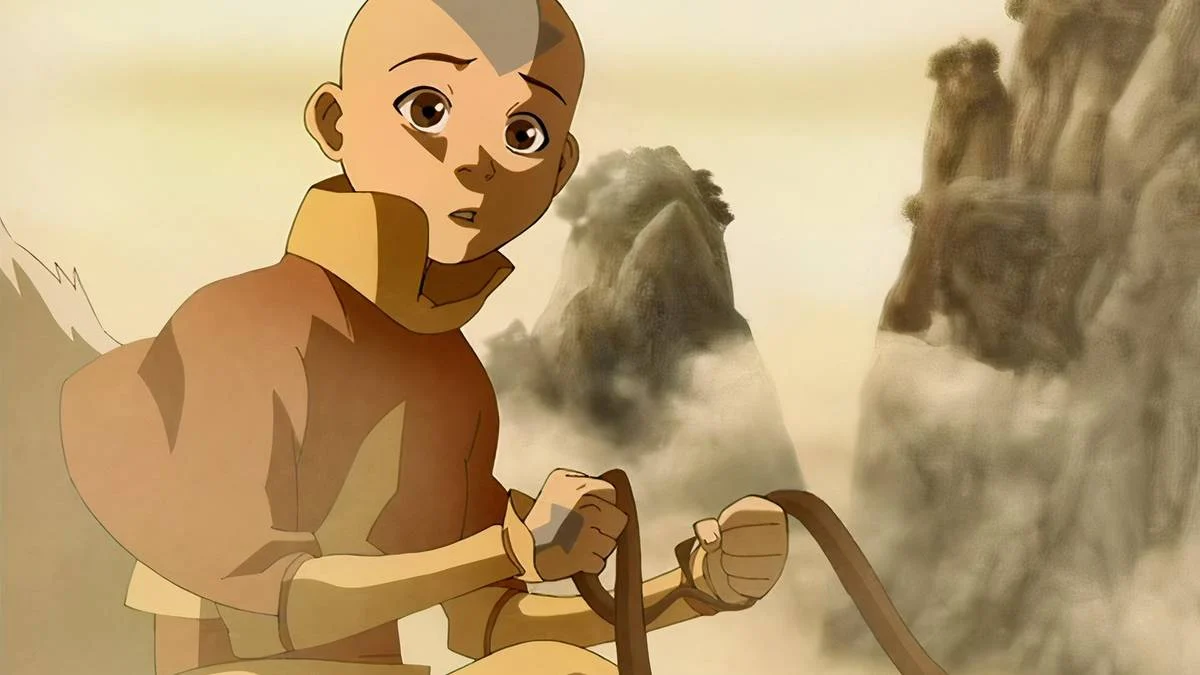
Avatar The Last Airbender Episode The Guru Examined 20 Years Later
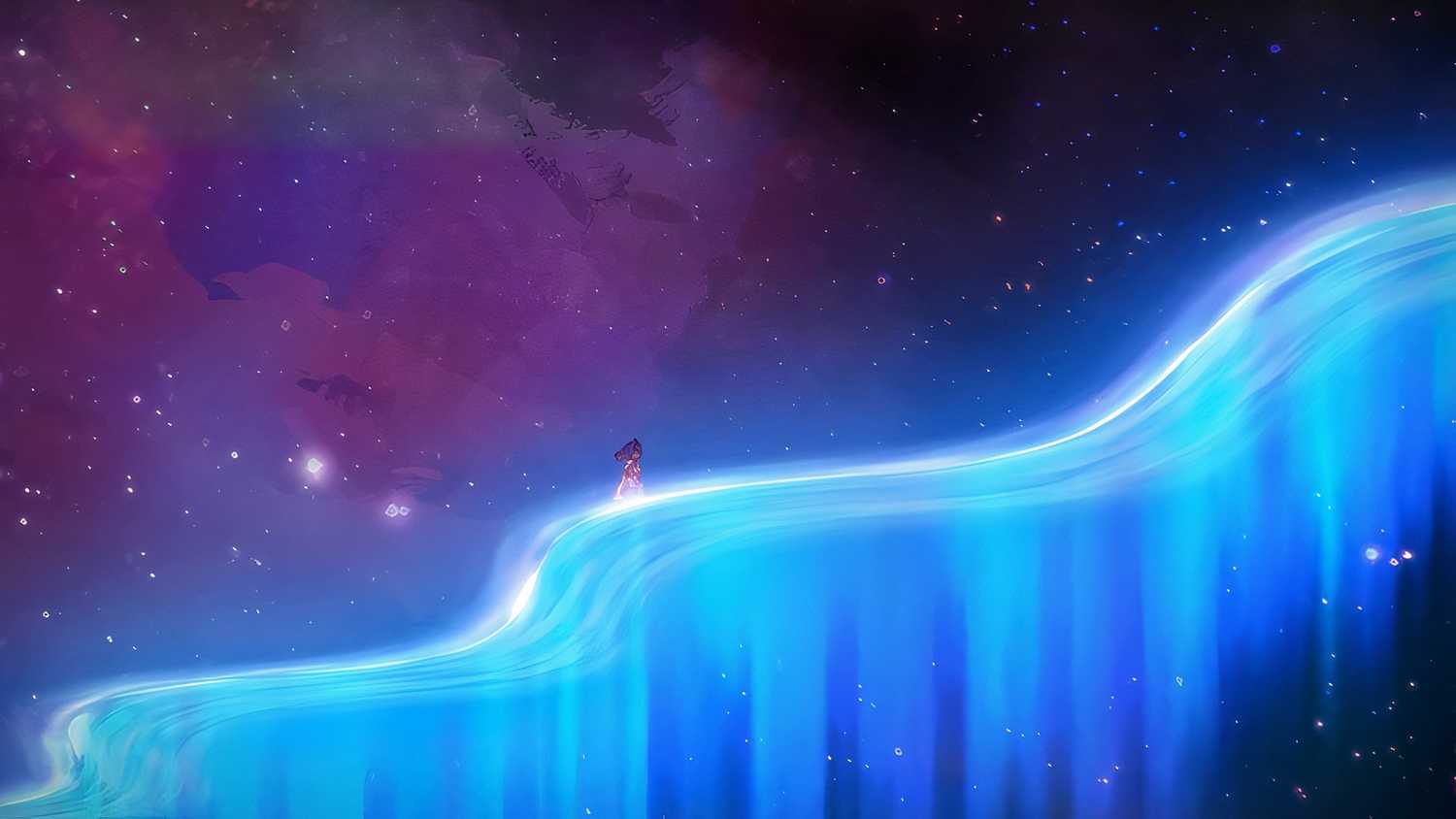
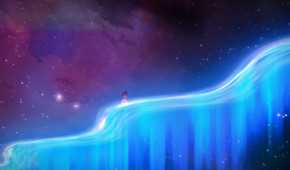
A glowing path suspended in space. Pockets of colored spiritual energy. A young Avatar trying to understand how any of this cosmic imagery connects to the physical world they are destined to save. The final moments of Avatar: Seven Havens episode 9 feel mysterious and important, but Avatar: The Last Airbender fans have been here before with Aang. To better understand what Pavi may have encountered in her vision, it is time to revisit an eccentric old man and his nasty banana-and-onion juice.
“The Guru” is the penultimate episode of Avatar: The Last Airbender Book 2, and it introduces Guru Pathik as Aang’s spiritual guide. After receiving an invitation via Appa, Aang visits the Eastern Air Temple hoping to learn how he can master the Avatar state. Instead, he gets an elaborate lesson on the nature of spiritual energy and its relationship to the chakras. Nearly two decades after its original release, “The Guru” feels relevant.
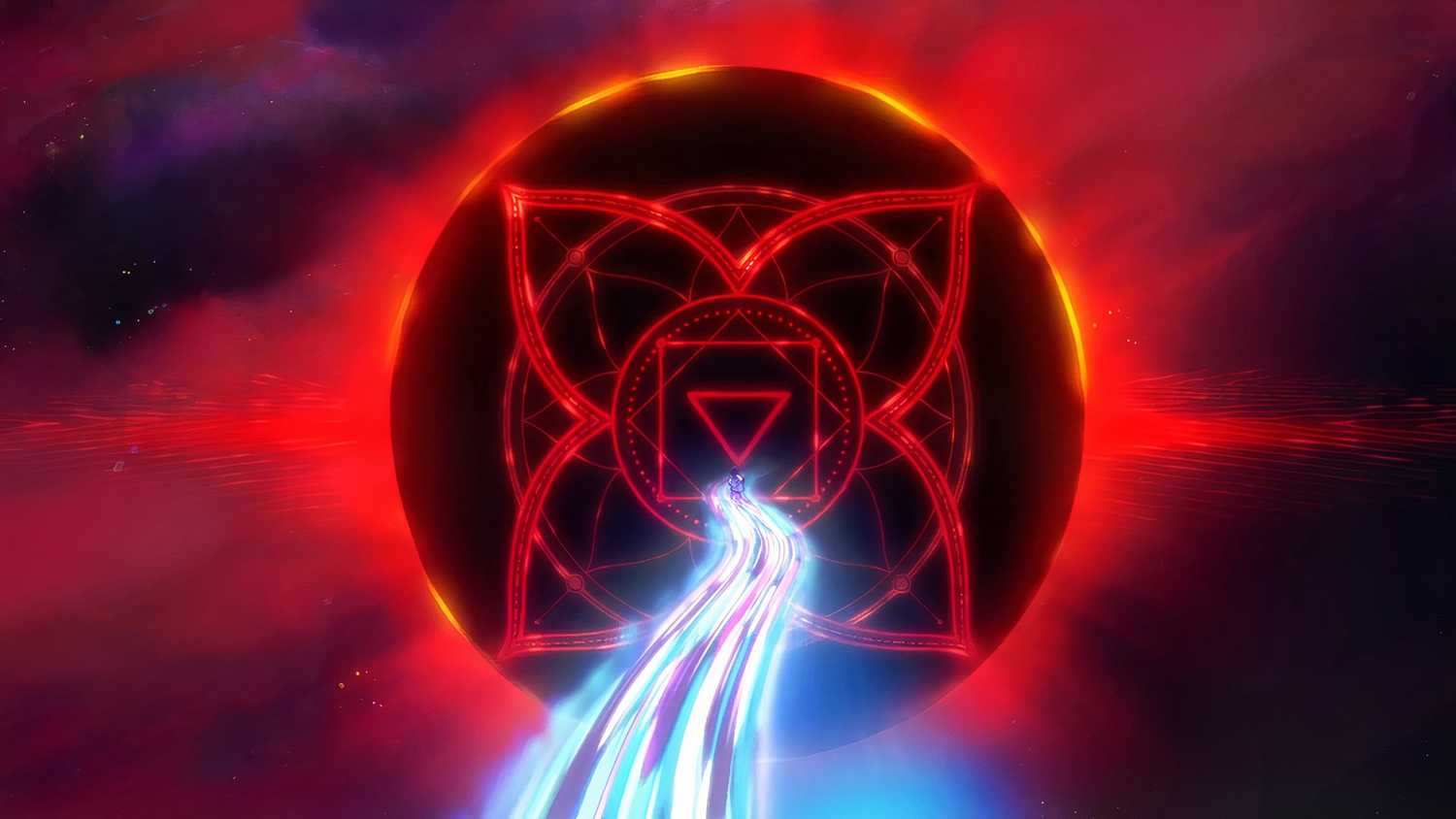
Pavi ends episode 9 walking along a path made of light in a cosmic void, approaching a red symbol that seems to be associated with Ellora. To anyone familiar with the concept of chakras, that connects Ellora itself with the root chakra, typically associated with the color red. As Guru Pathik tells Aang, the earth chakra governs survival, and fear blocks its flow. That sounds like an apt description of life in the Haven of Wind and Sand given the nature of the Anomaly, so Pathik’s other lessons might wind up being just as important.
Aang’s most unusual teacher makes the abstract feel simple
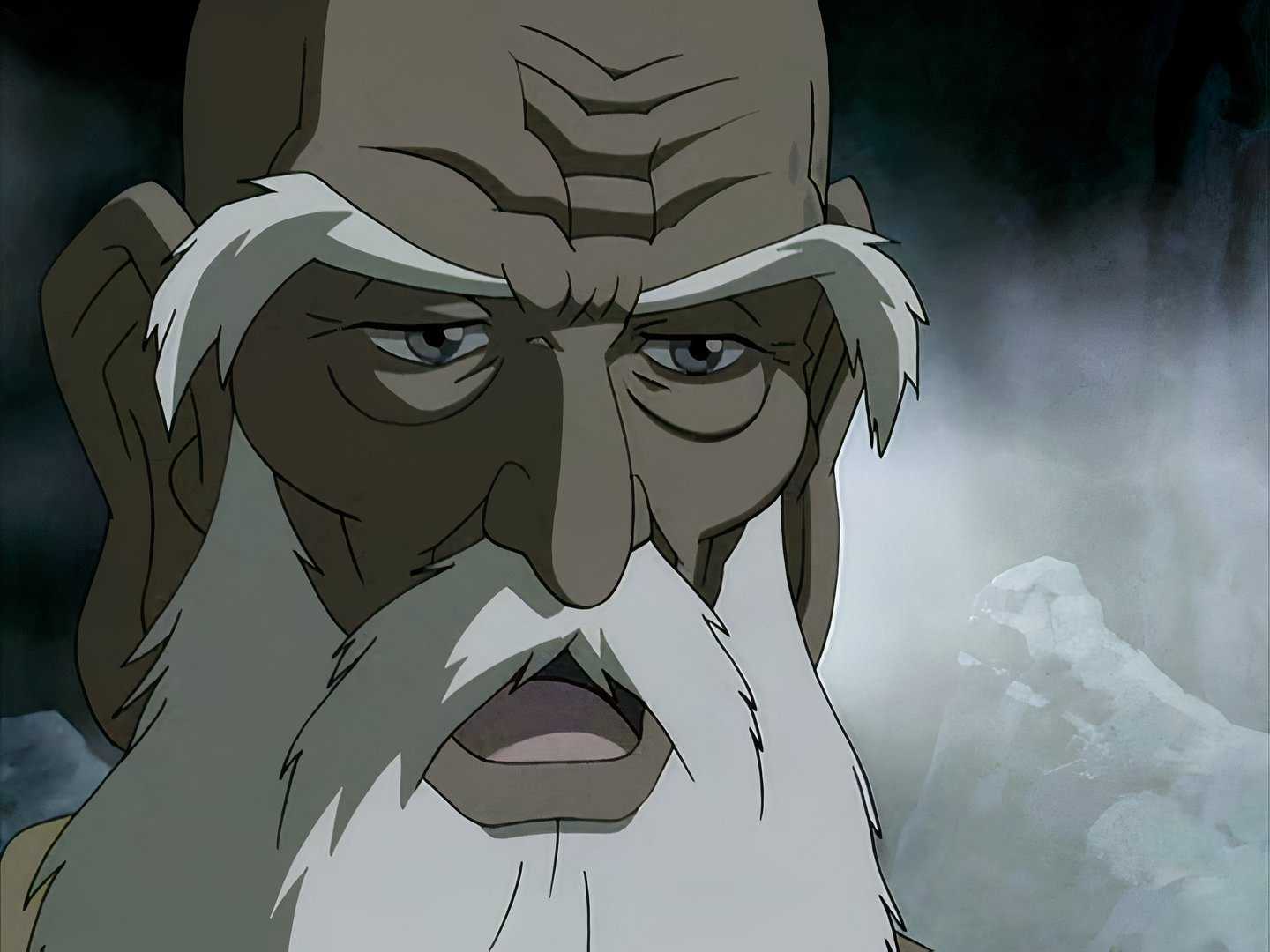
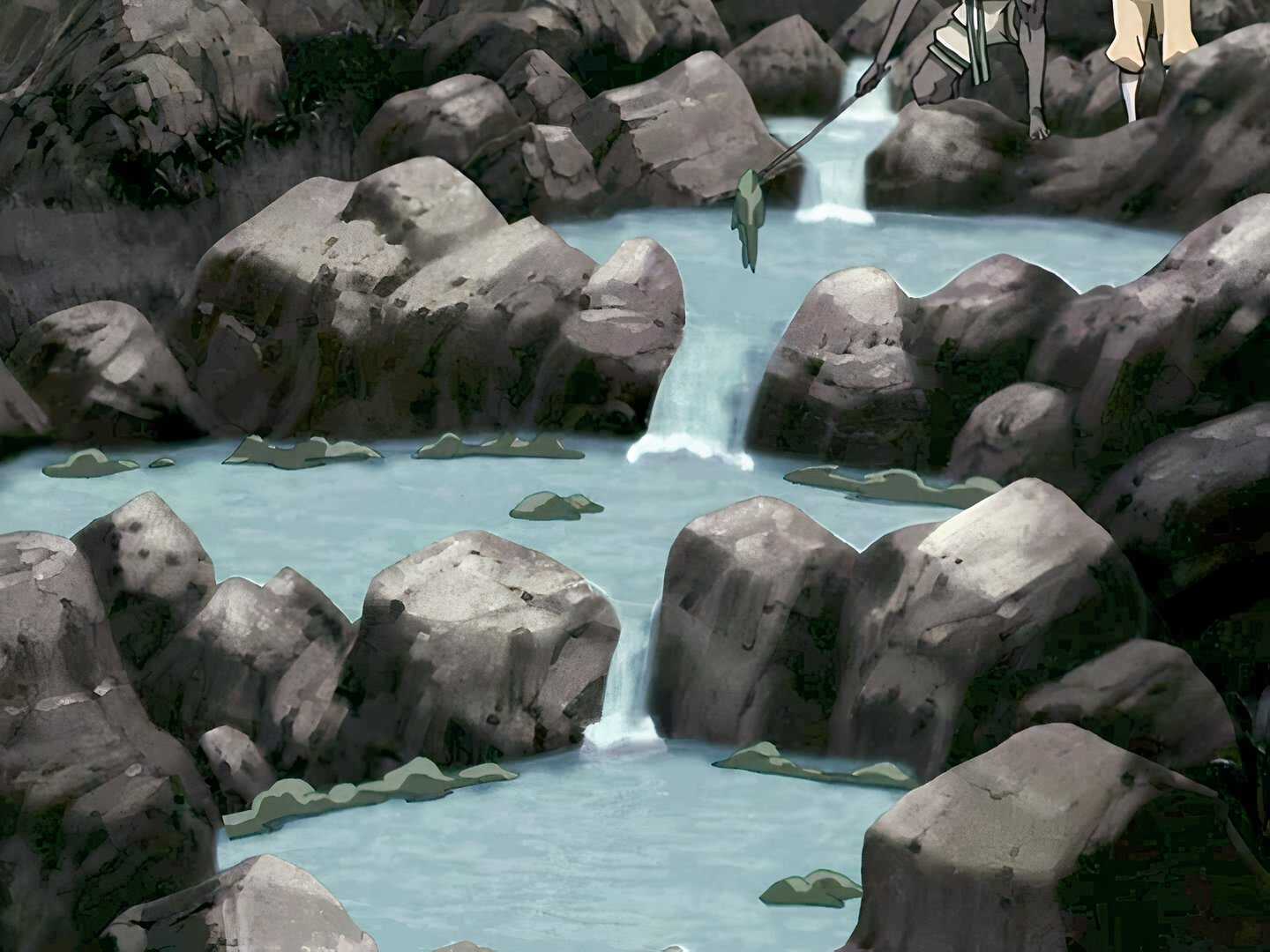
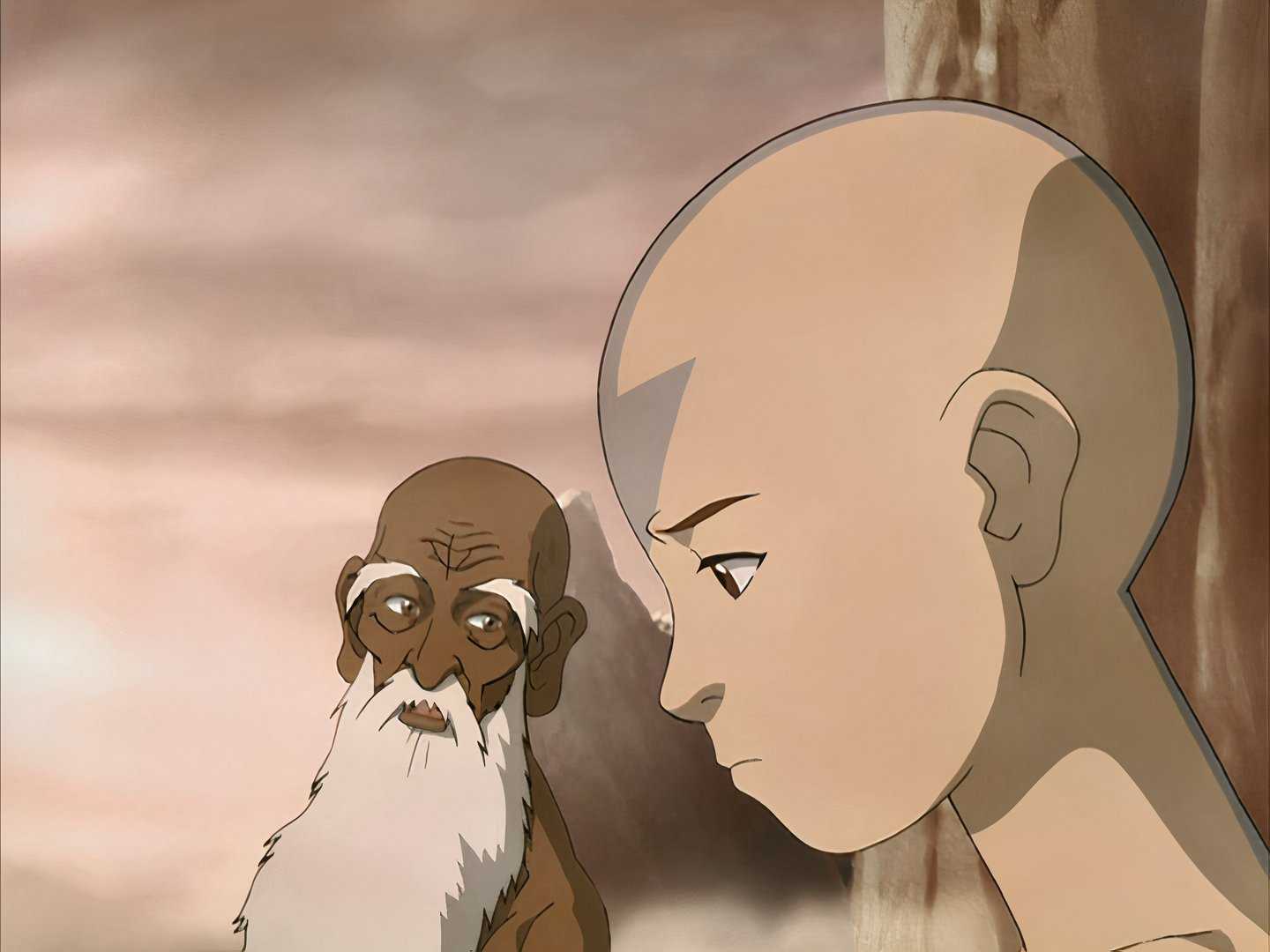
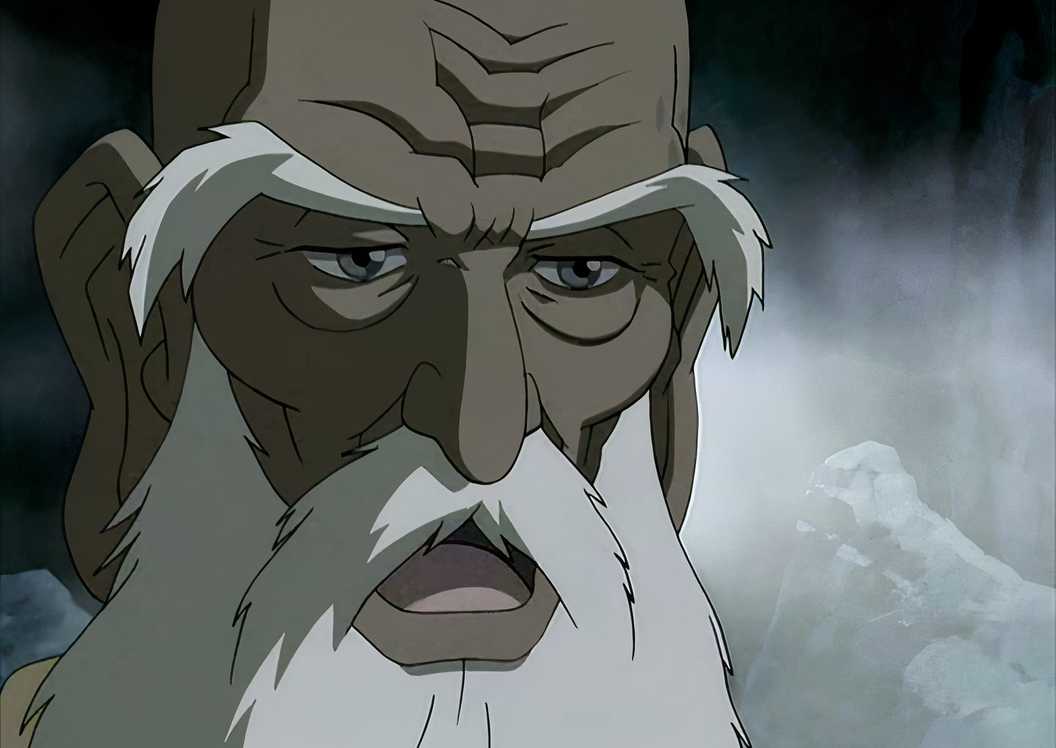
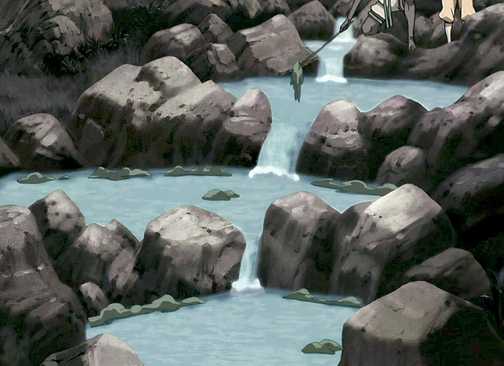
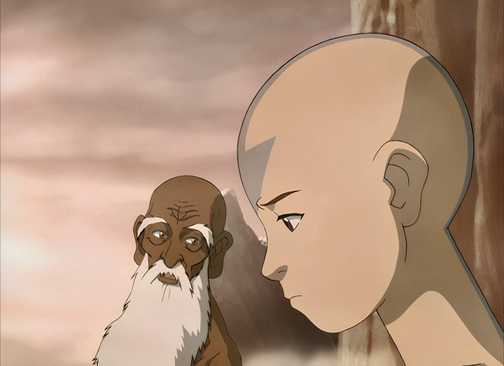
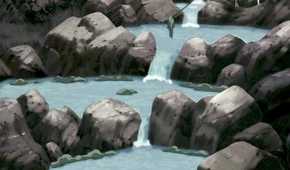
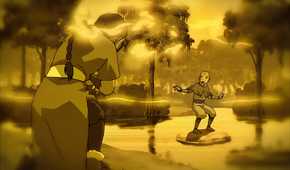
Aang arrives at the Eastern Air Temple expecting a lesson about mastering the Avatar State. Instead, he is told he must open the seven main chakras of his body so that spiritual energy can flow freely through him. Pathik takes Aang to a series of pools connected by a stream. Debris obstructs the flow of water. Clearing it restores the flow. Emotional burdens affect spiritual energy in much the same way.
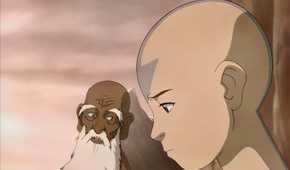
It is an elegant demonstration, and Pathik’s personality makes it approachable. He is patient, cheerful, and willing to let a bit of joy seep into an otherwise serious lesson. He gives Aang room to ask questions and resist ideas he does not understand. That warmth matters when the training involves asking a 12-year-old to confront his trauma.
As Pathik explains, each chakra has a purpose and can be blocked by a specific kind of emotional muck. As he proceeds through the seven chakras, Aang experiences visions, starting with everything he is afraid of as he opens the earth chakra.
“You are concerned for your survival, but you must surrender those fears,” Pathik says. “Let your fears flow down the creek.”
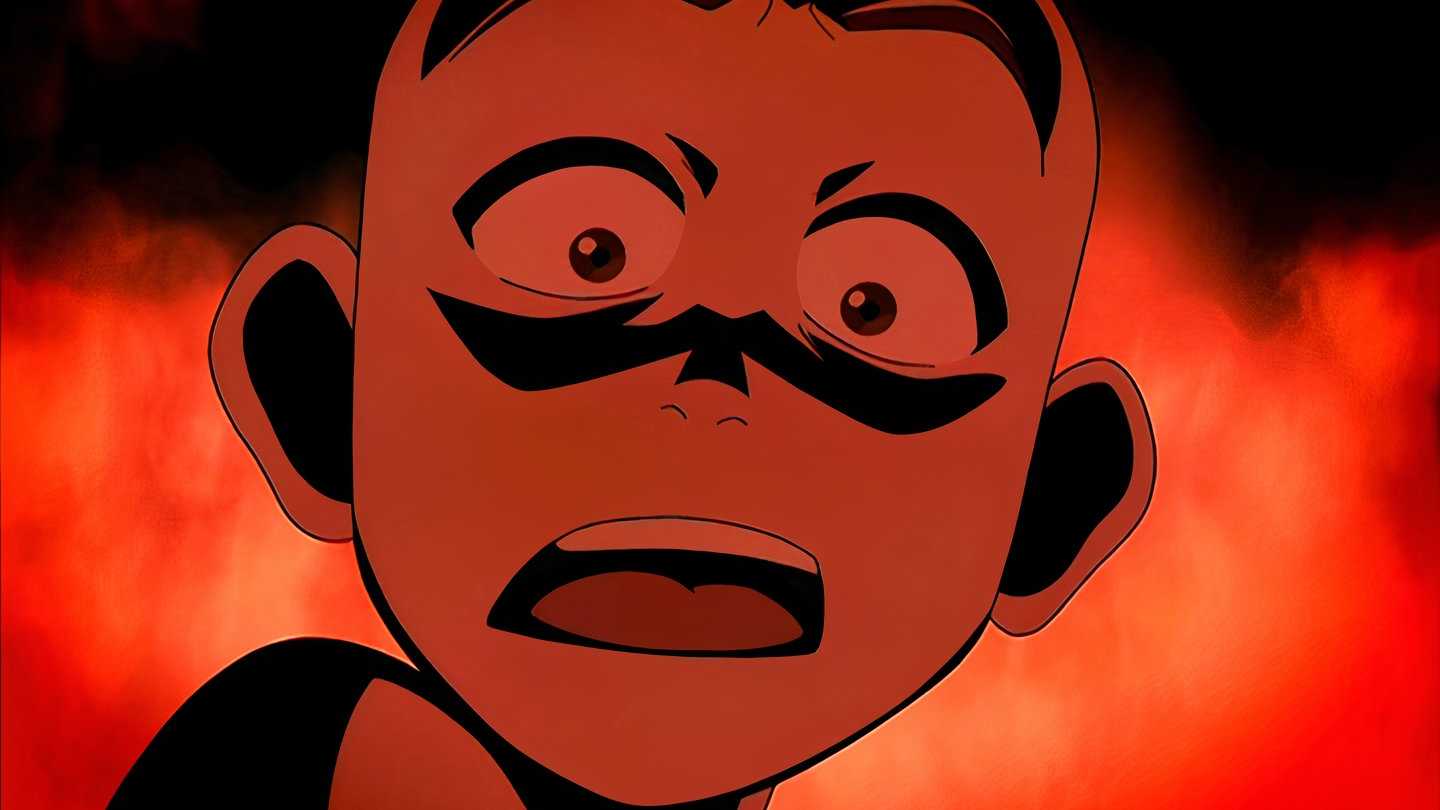
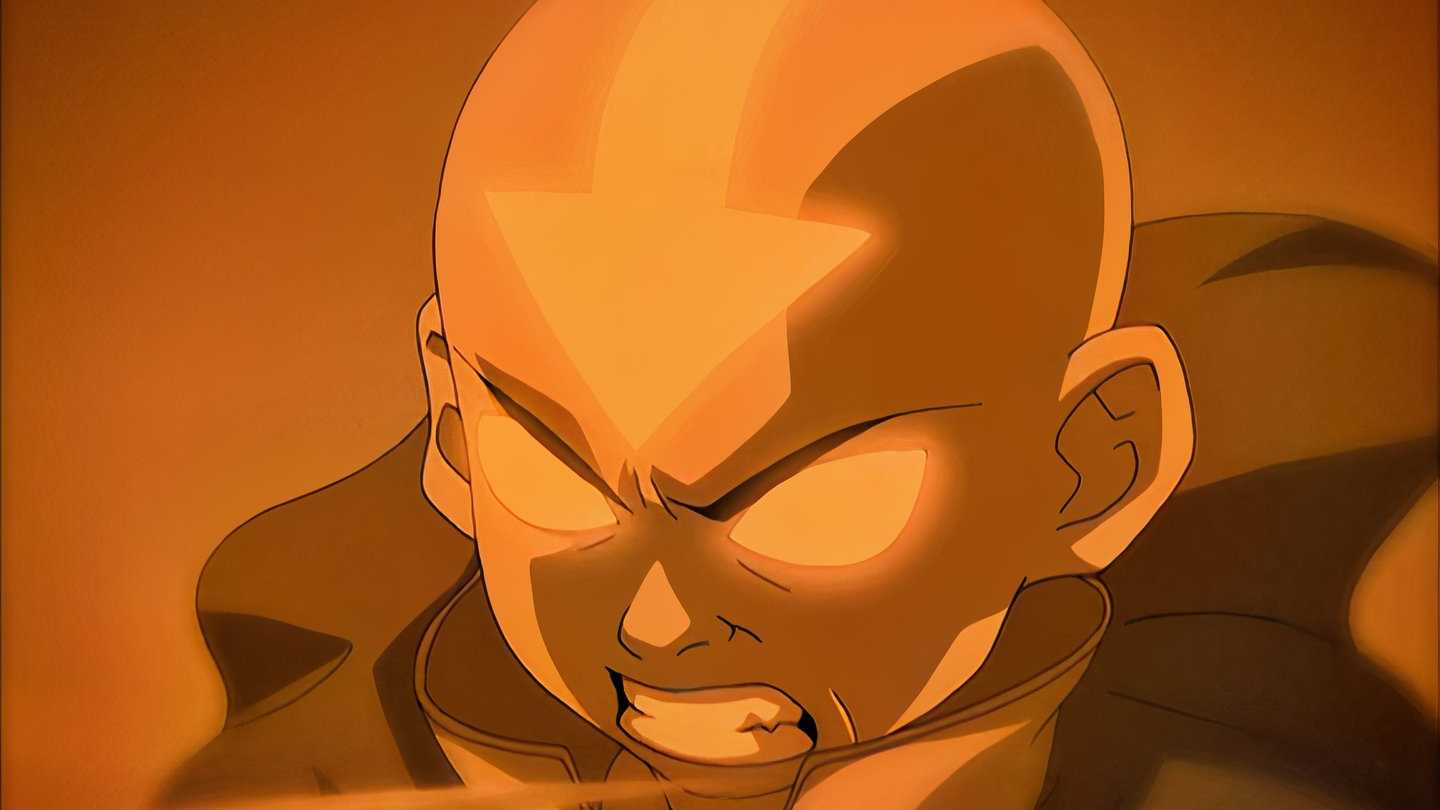
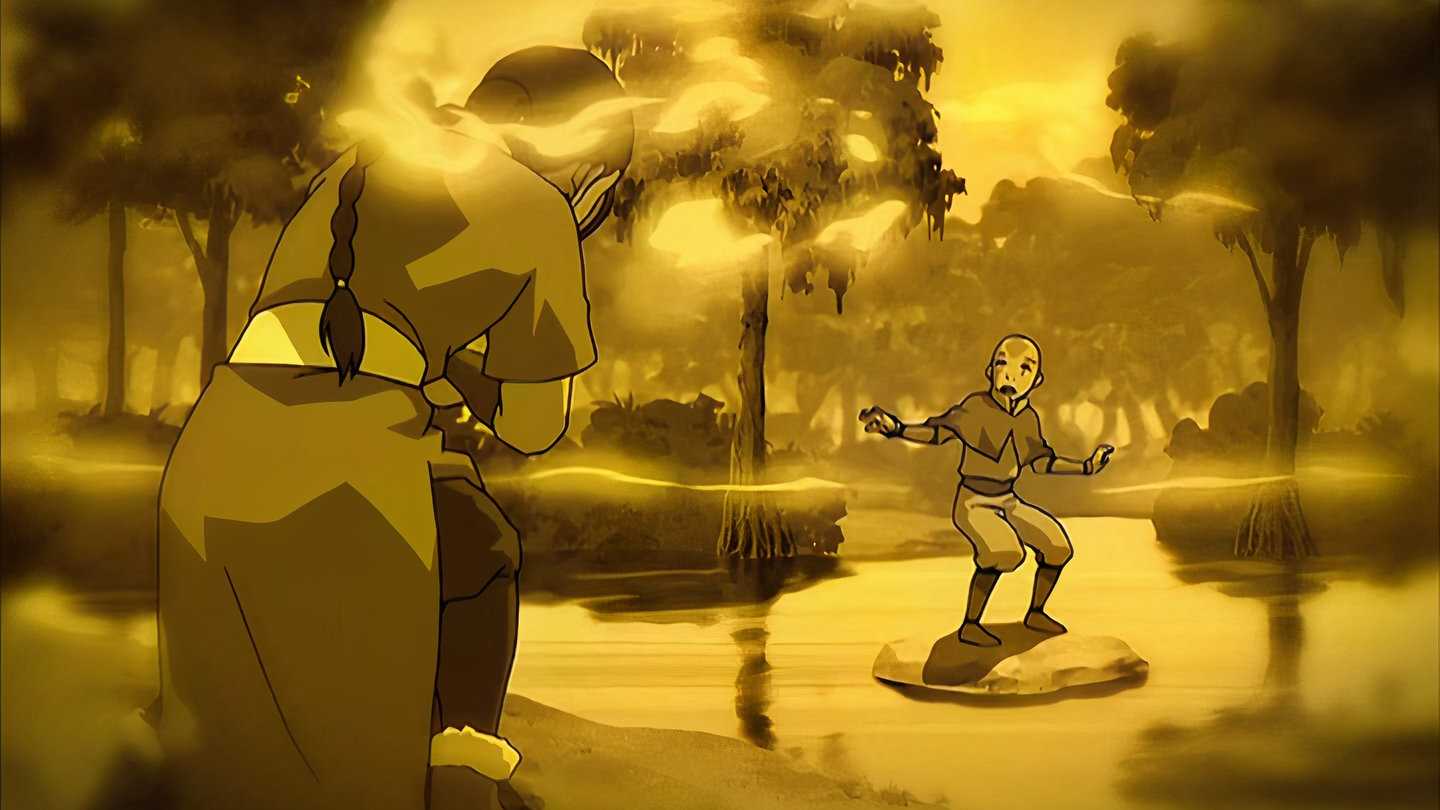
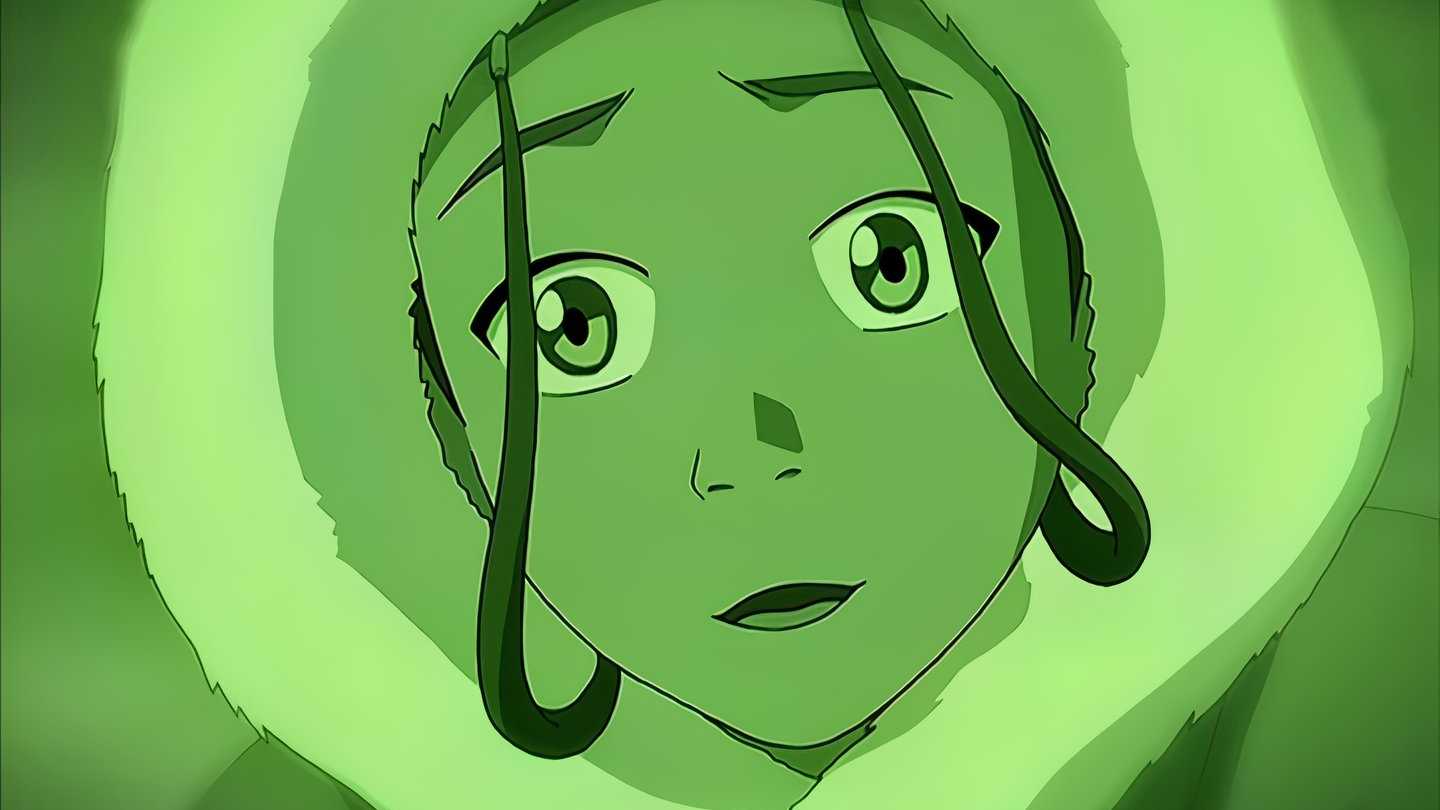
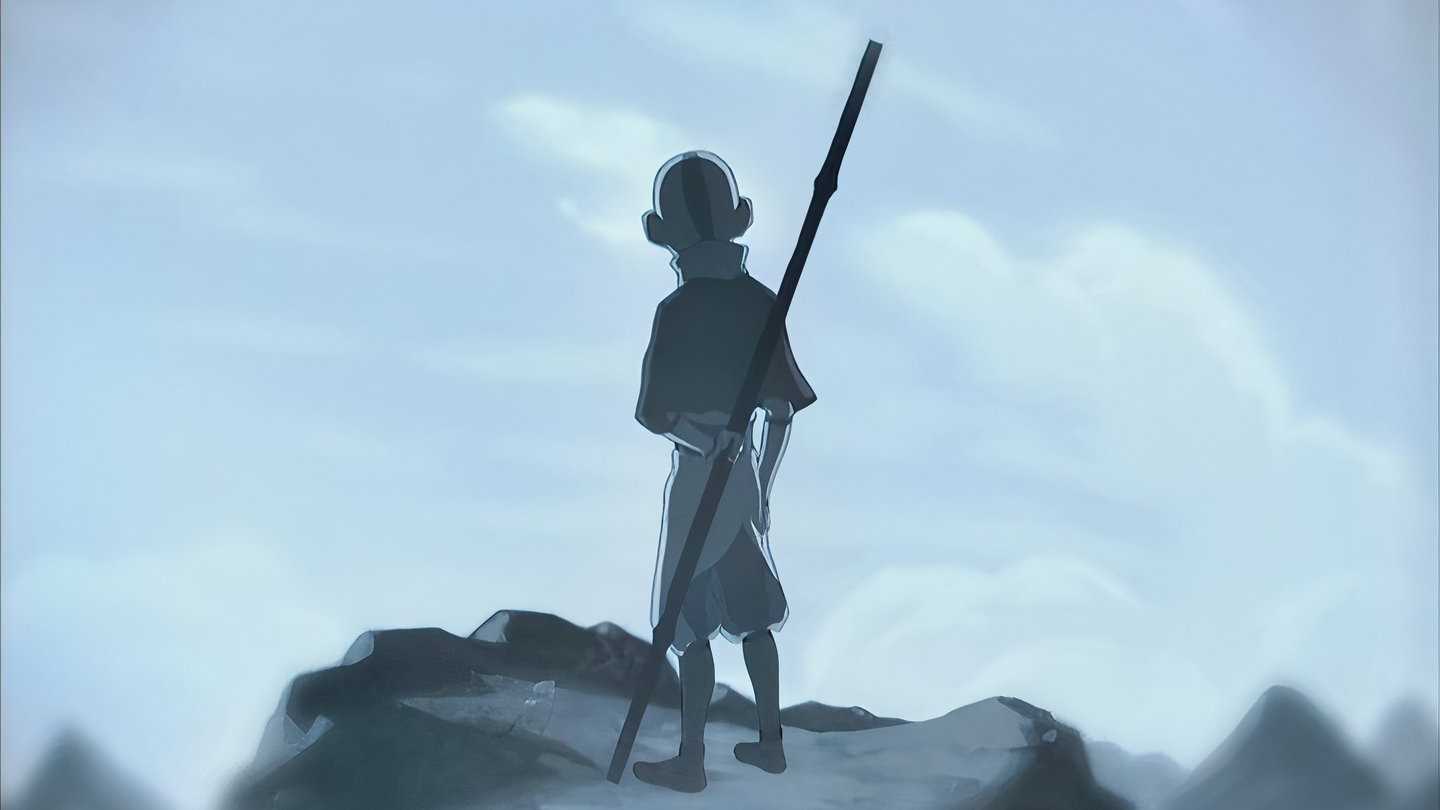
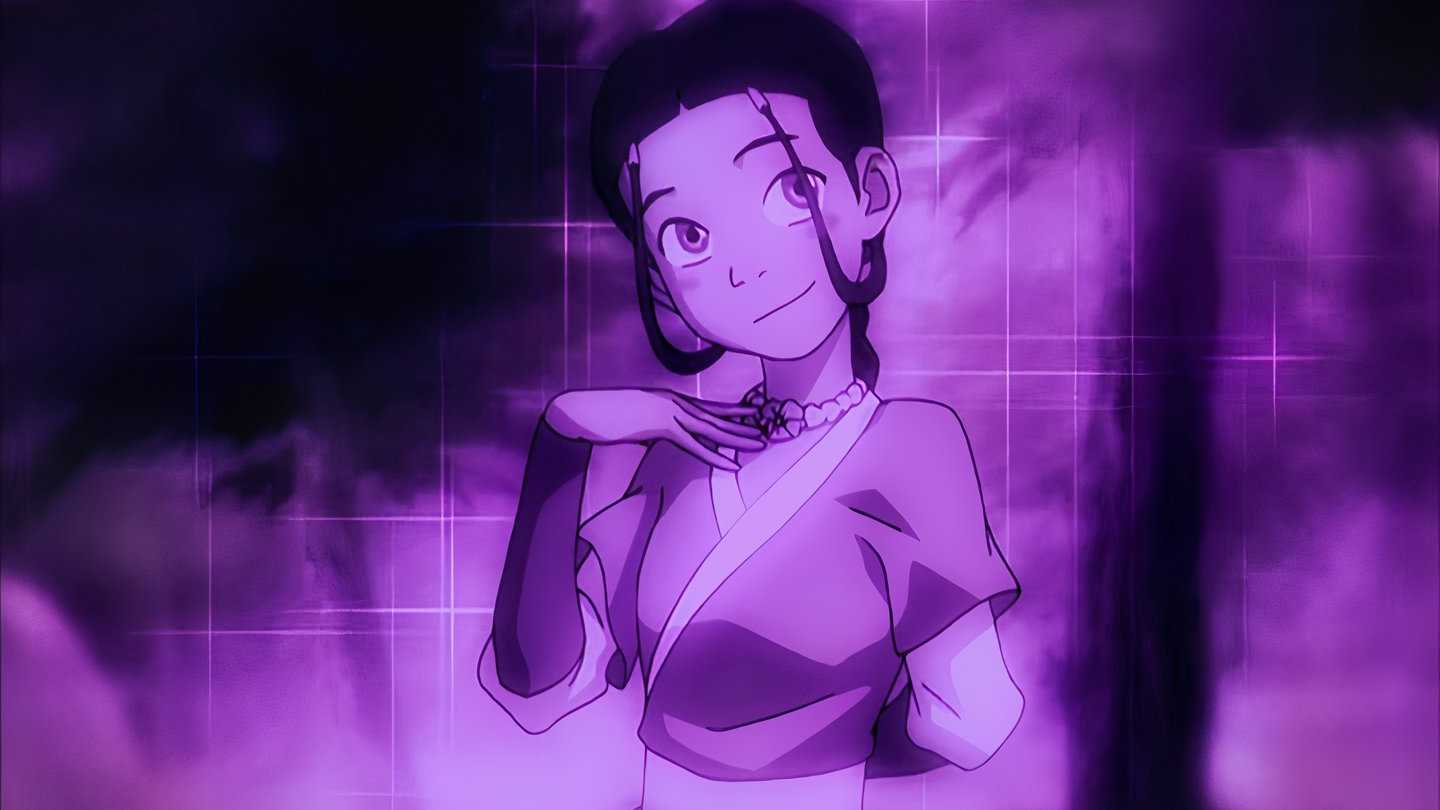
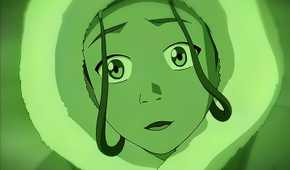
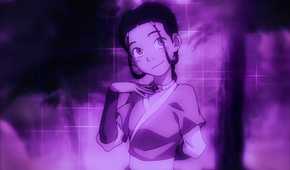
Each step in the process involves acknowledging that which blocks the chakra and letting it go; in other words, a certain degree of emotional detachment is necessary to open each chakra. Guilt makes Aang revisit running away before the Air Nomad genocide and all of the people he has hurt. Shame forces him to acknowledge his rejection of firebending after accidentally burning Katara. Grief returns Aang to the loss of his people, but Pathik reframes it as an expression of love that forever remains inside his heart.
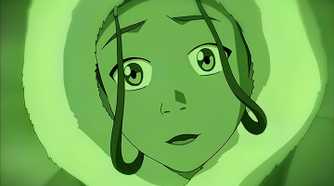

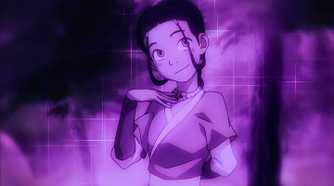
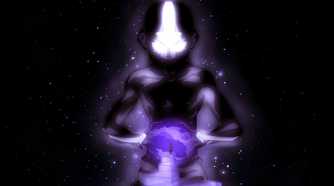
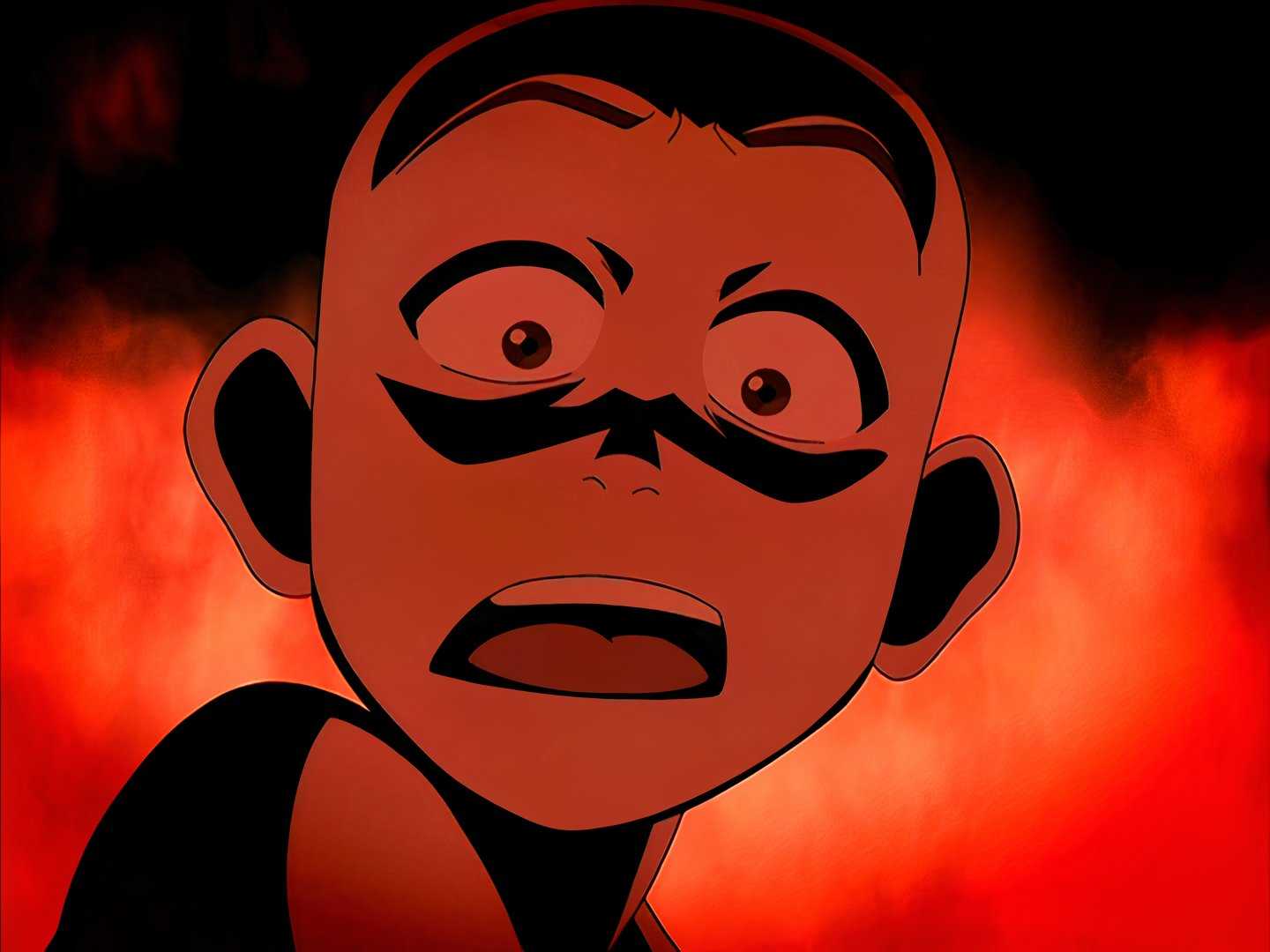
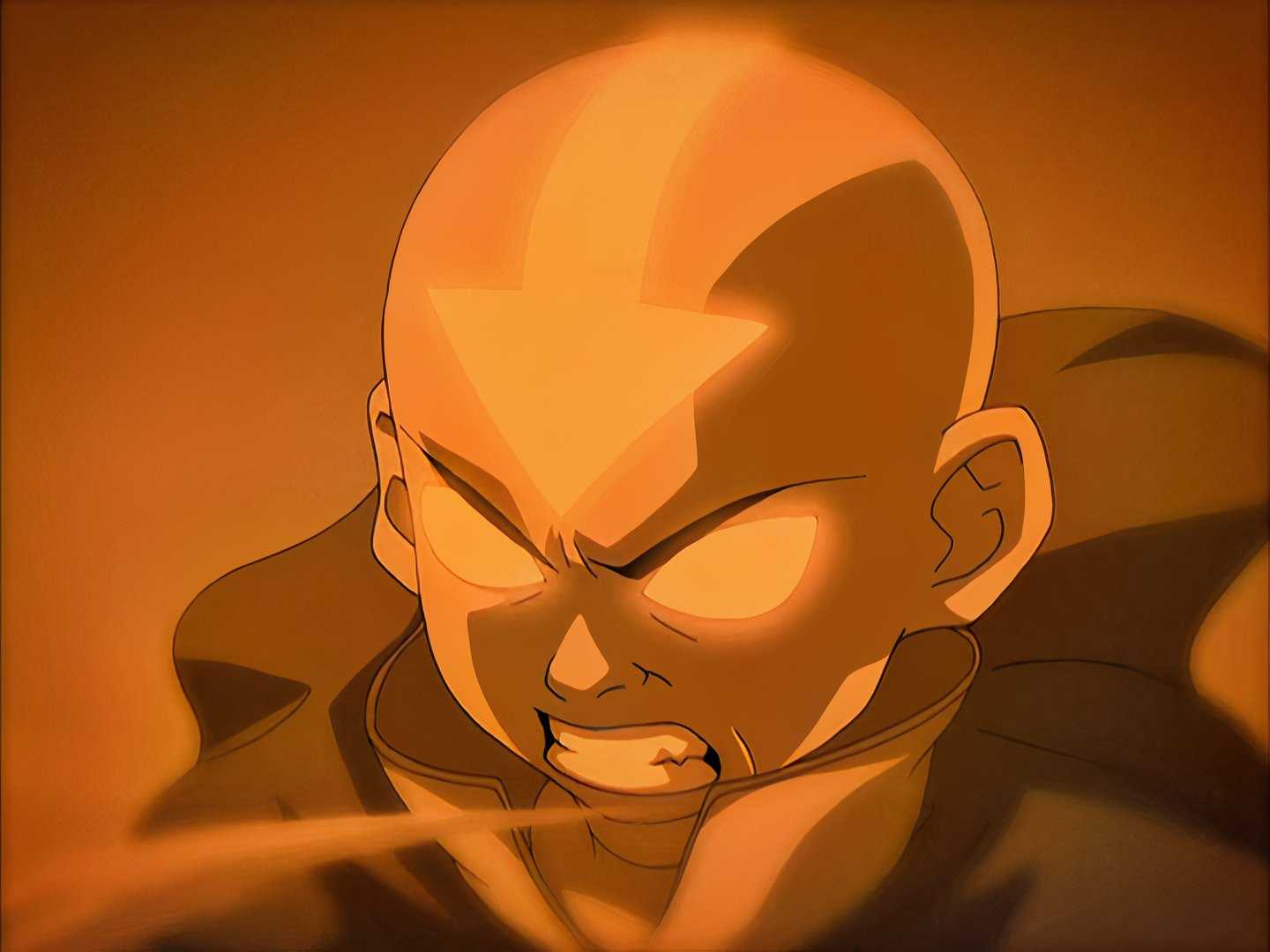
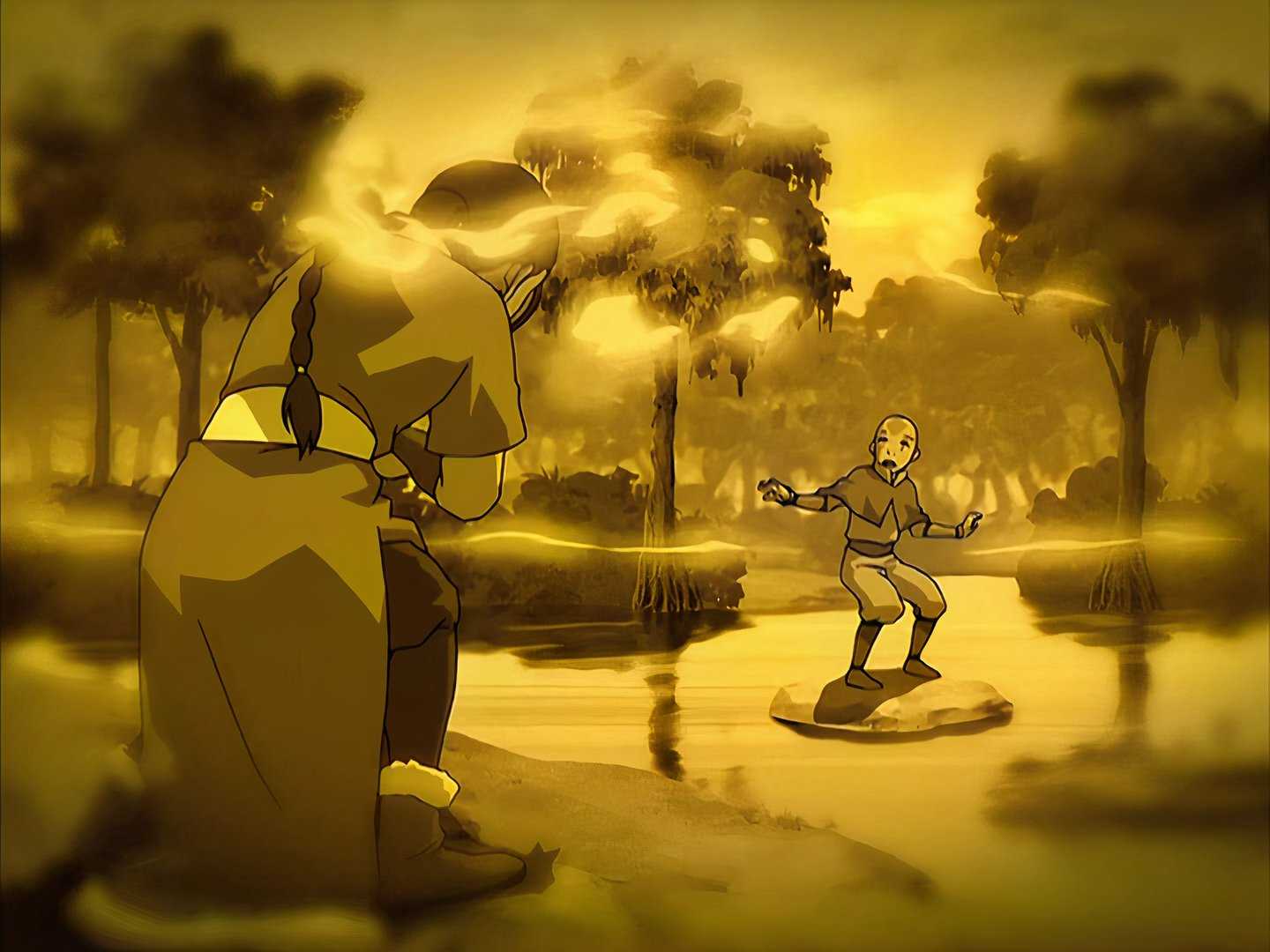
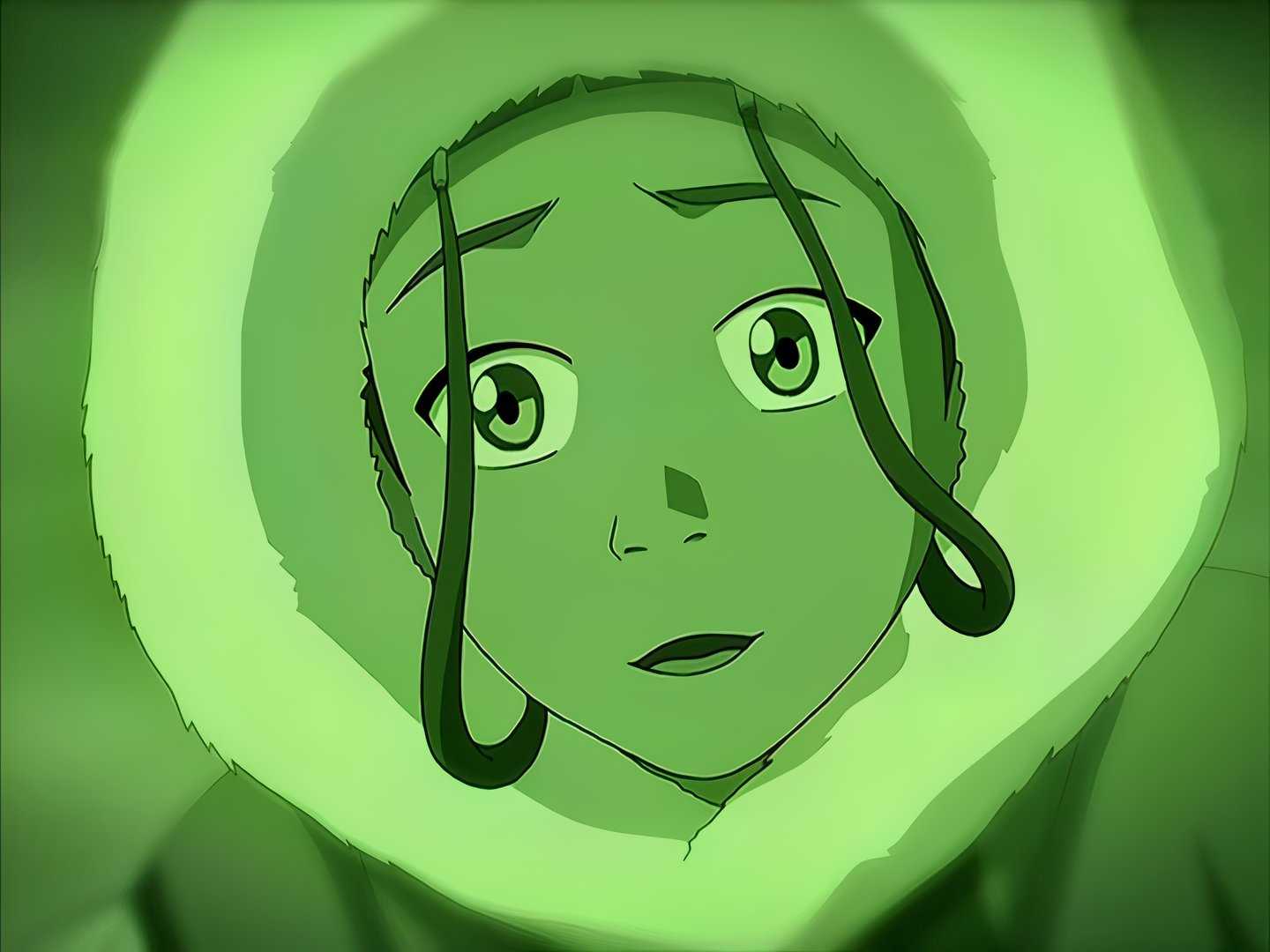
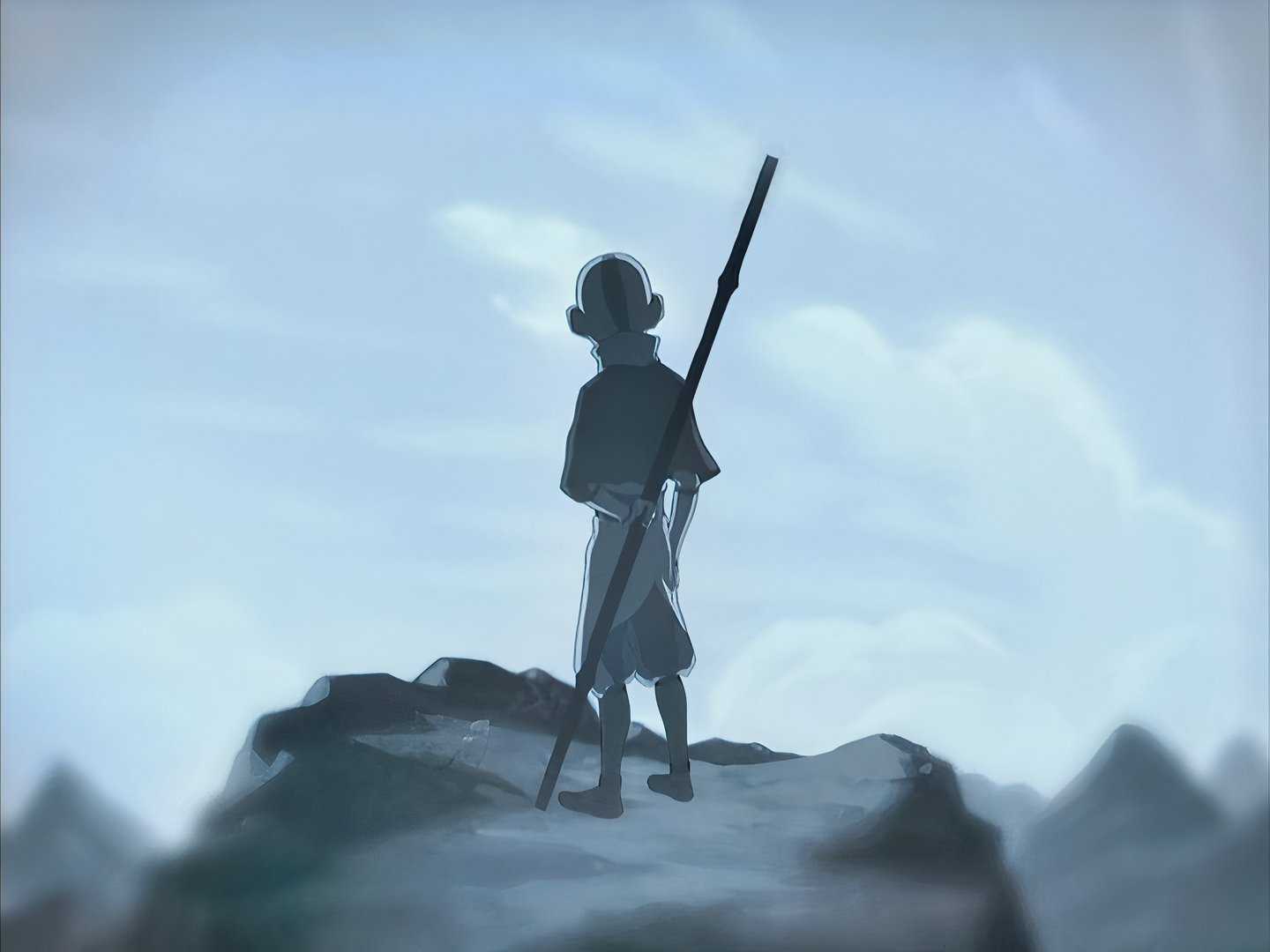
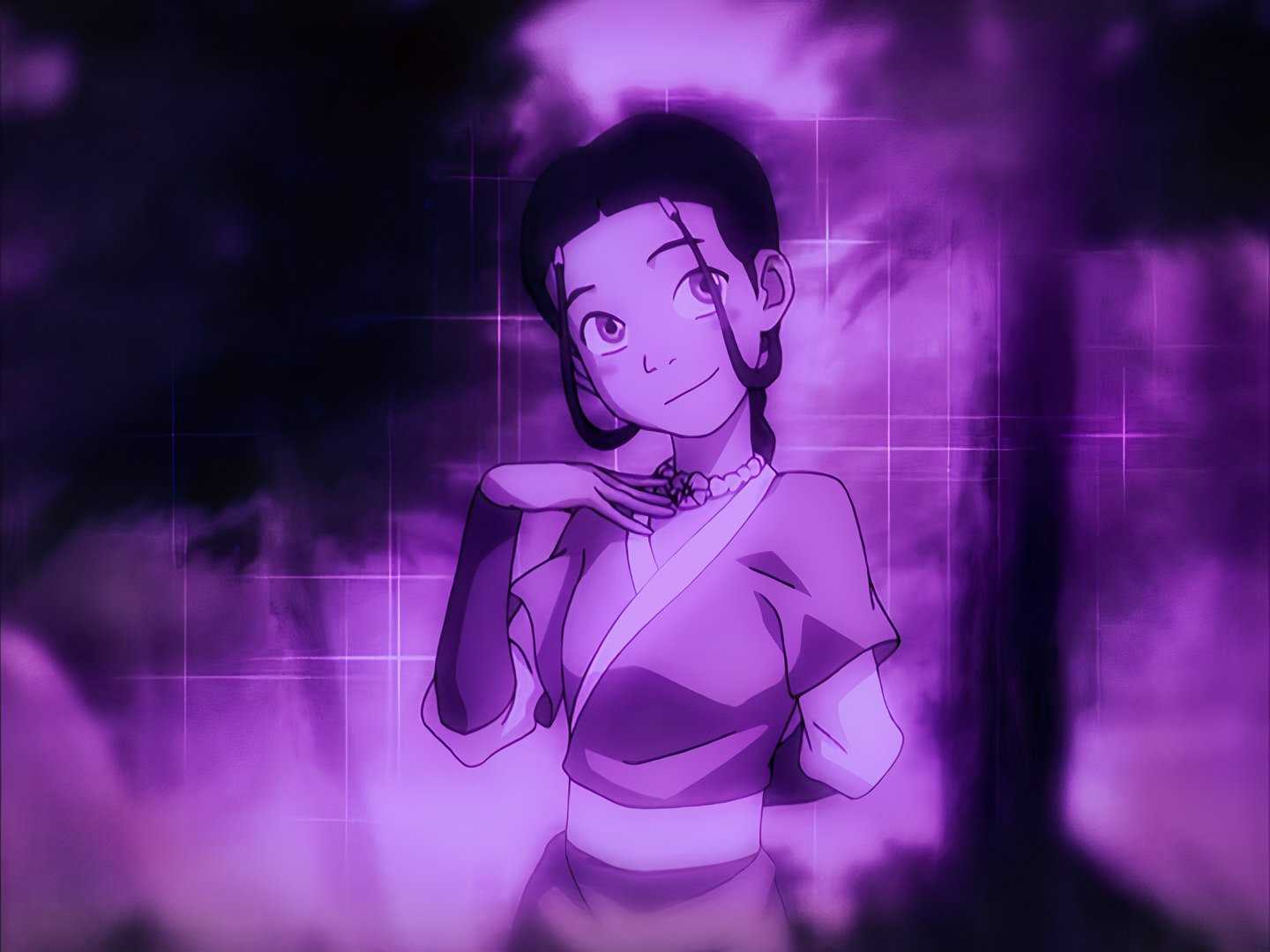
Aang’s memories turn each lesson into an examination of his character and a recap that revisits the emotional beats of the series. We have watched him carry these experiences for almost two seasons. Pathik finally asks him to sit with them and reflect. The fifth chakra represents the voice and is blocked by lies. The sixth is the light chakra that deals with insight and is blocked by illusion, chief among them the illusion that everything is disconnected when it is united.

The chakra lesson fundamentally changes how bending works
“The Guru” finds a way to make this philosophy matter outside Aang’s training. While Pathik explains that everything is connected even if we perceive them as separate, Toph is locked inside a metal box. Her captors assume they have found the perfect way to restrain an earthbender. This is the iconic moment when Toph Beifong discovers the particles of earth within the metal and invents metalbending. This dramatizes the exact point that Pathik is making, giving us a physical expression of the spiritual lesson.
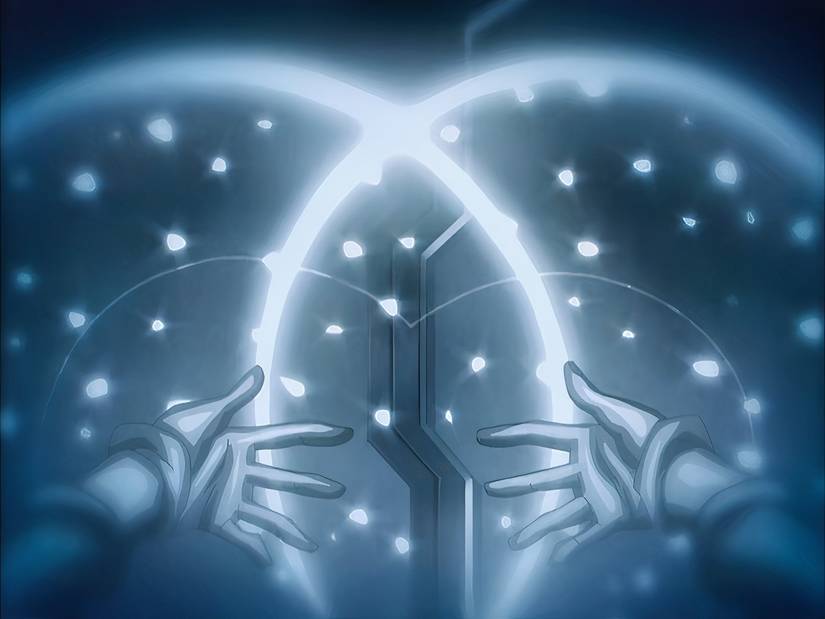
Aang interprets the idea in a straightforward way: while the four nations appear divided, they are all a singular people. Pathik compares it to the four elements as well. Though they appear different, they are each an expression of the same spiritual energy flowing through a person and expressed in the physical world.
Now think of the Seven Havens, which feel divided. The people of Ellora are ruled by fear of the storms rolling in from the Harshlands, and that fear grows with the arrival of the Anomaly. If we look at the energy flow of the entire world, we see a world broken by negative emotions that drive people apart.
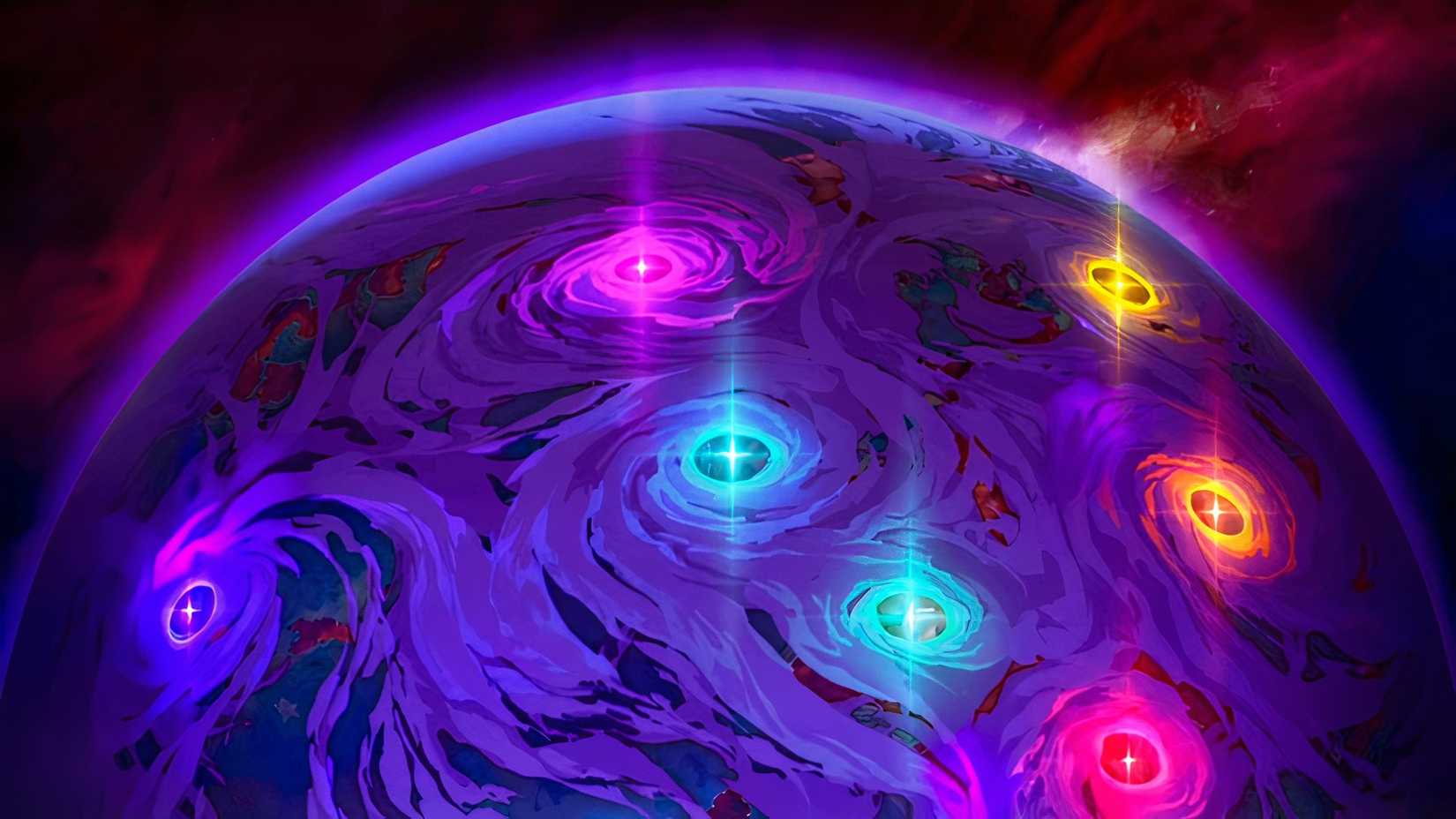
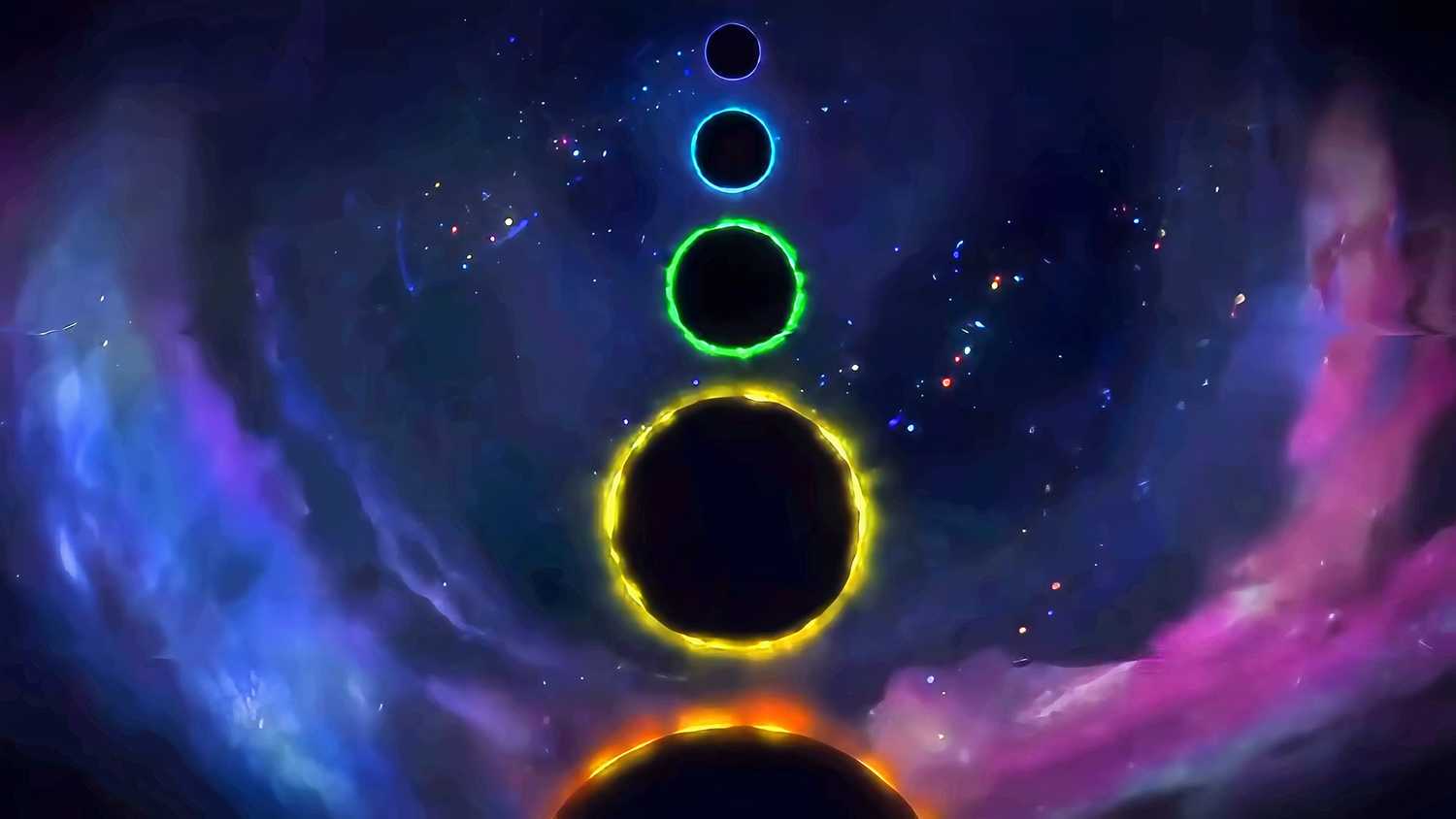
Pavi’s vision draws a direct relationship between the Avatar’s spiritual life and the wider world. “The Guru” supplies the framework for thinking about that relationship, even while Seven Havens has not made any of this explicit. When Pavi looks at chakras in the cosmos, are they hers or the world itself? Is Akasha plagued by lies and deceit? Do the people of New Ba Sing Se experience shame? Is the Anomaly purple in Republic Forest?
The hardest lesson is the one Aang cannot accept
The final chakra complicates everything Pathik has taught Aang up to this point. He promises Aang complete control and awareness over his actions. The thought chakra deals with pure cosmic energy and is blocked by earthly attachment. When he thinks about those attachments, all he sees is Katara. He immediately struggles with the contradiction: Why would training that helped him embrace love now demand that he let her go? “Three chakras ago, that was a good thing!” he says.
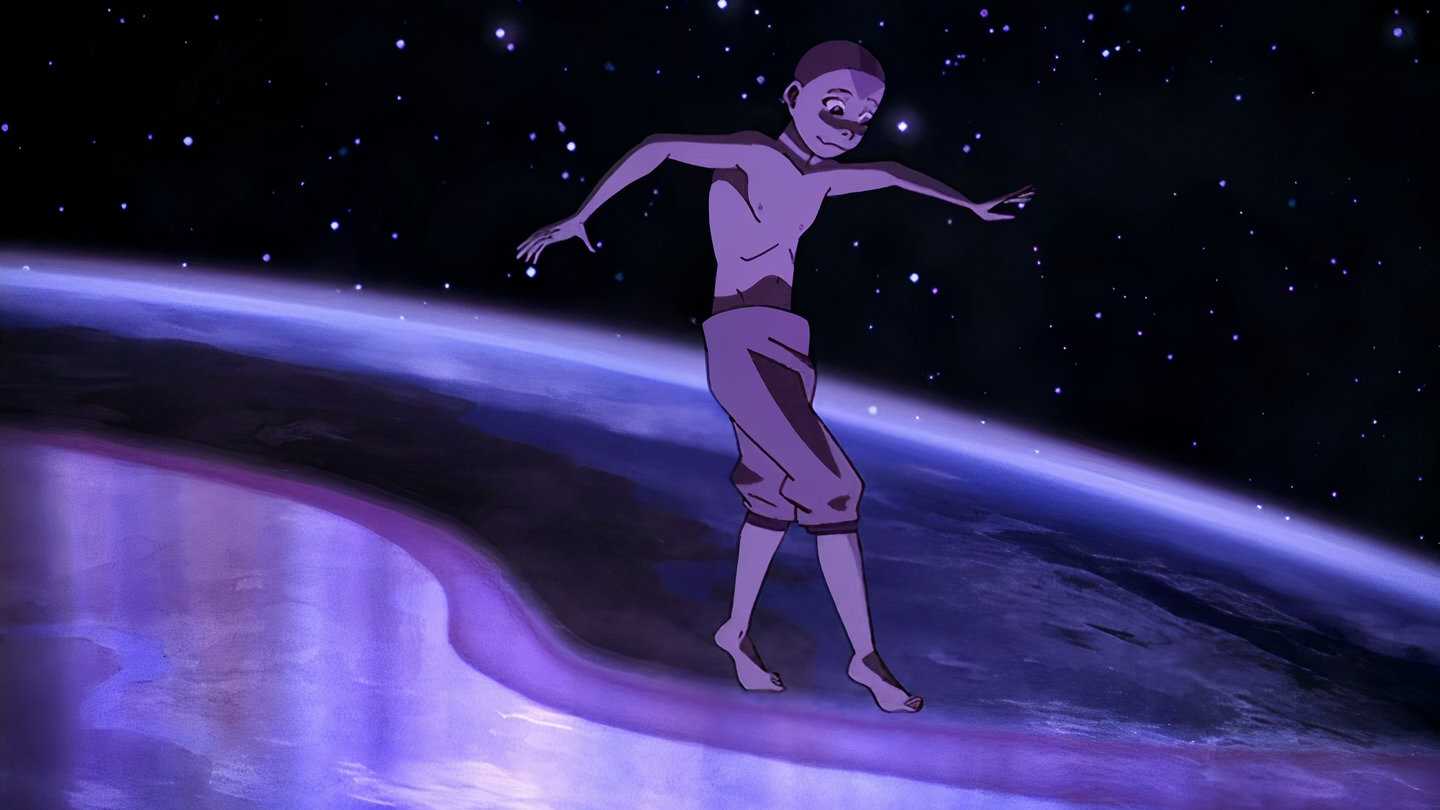
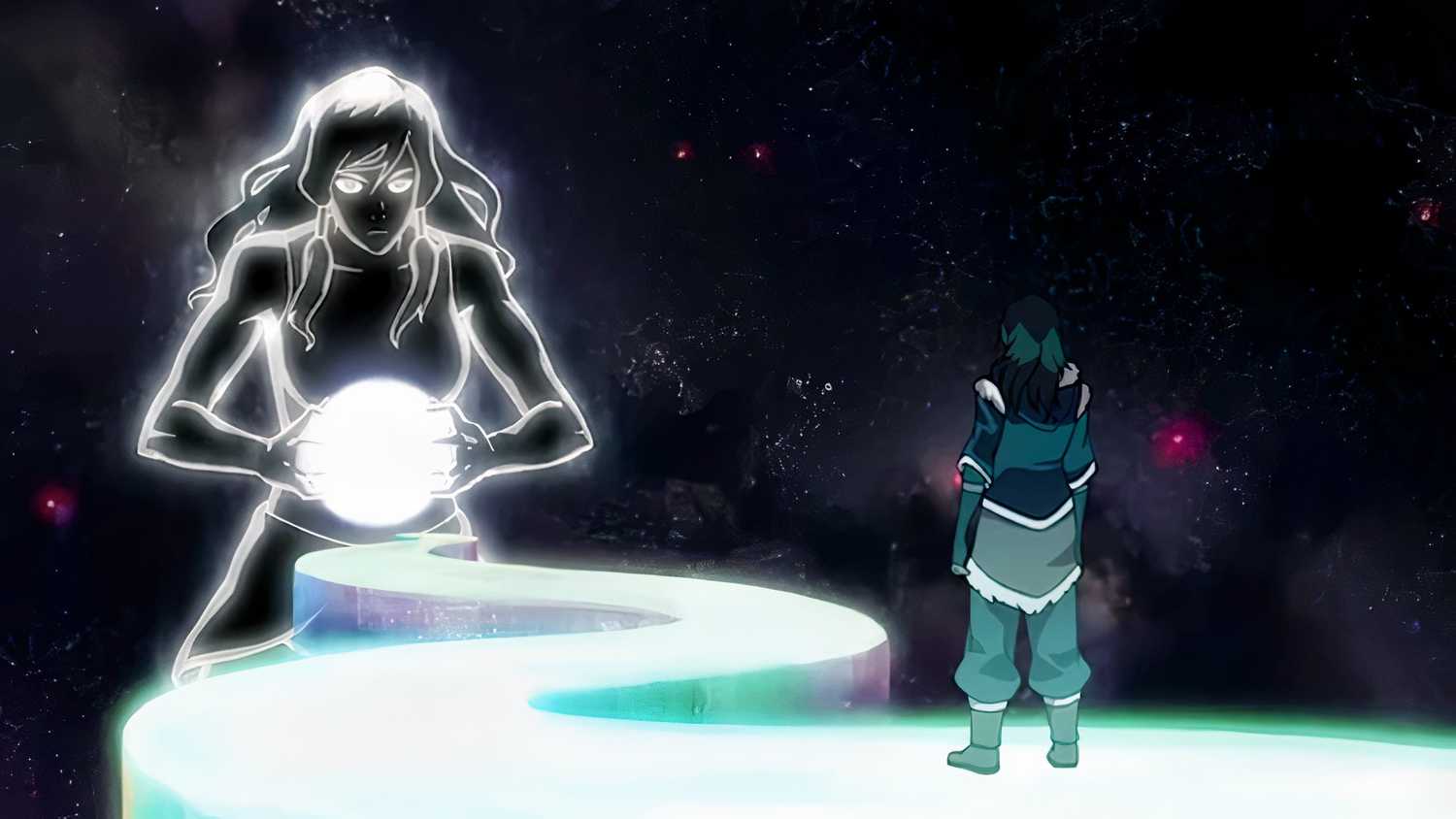
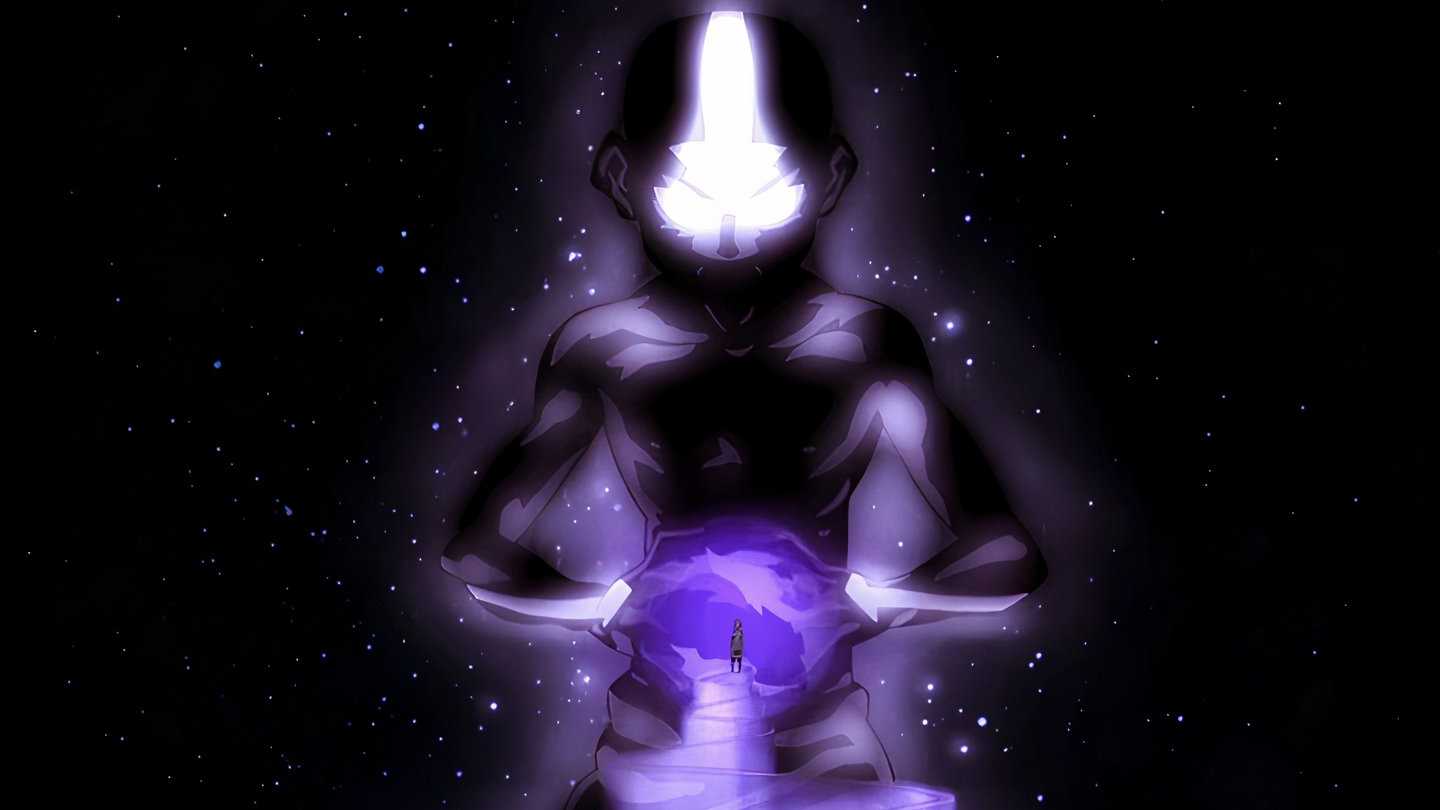
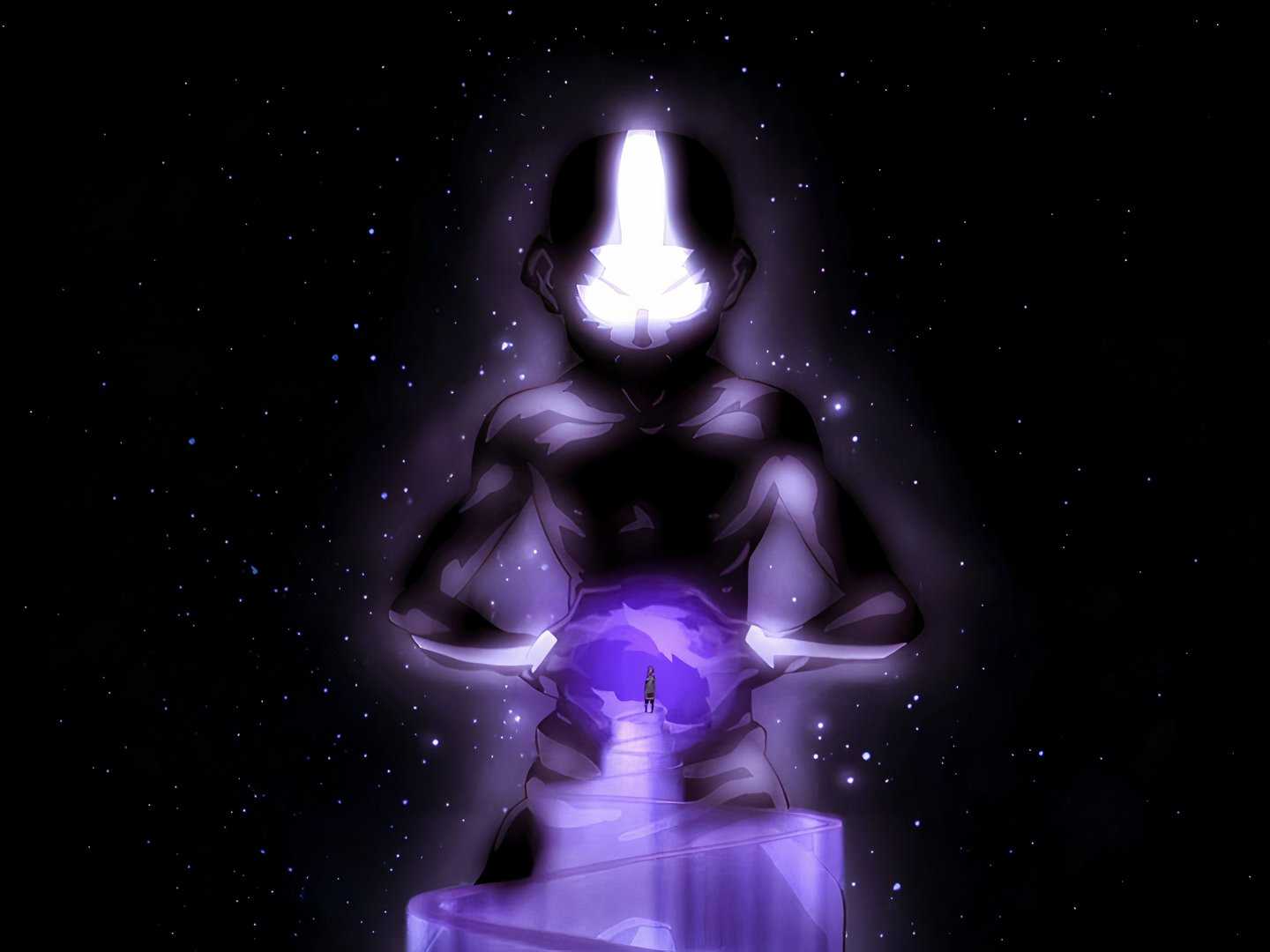
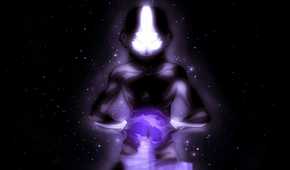
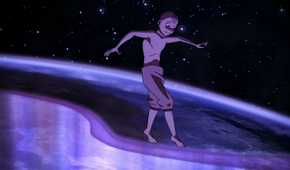
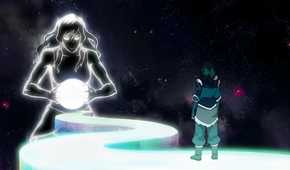
Aang desperately wants the ability to protect people, but the only way to let pure cosmic energy flow in is to let those attachments go. As Aang walks along a stream of light toward an enormous cosmic version of himself out in space, he senses that Katara is in danger. He turns away, the path collapses, and he abandons his training to help her.
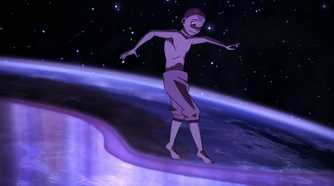
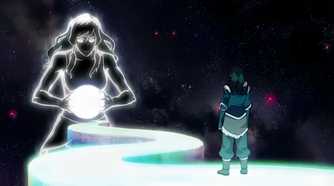

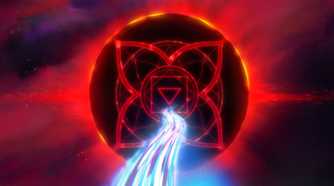
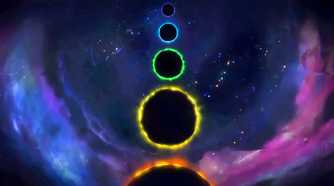
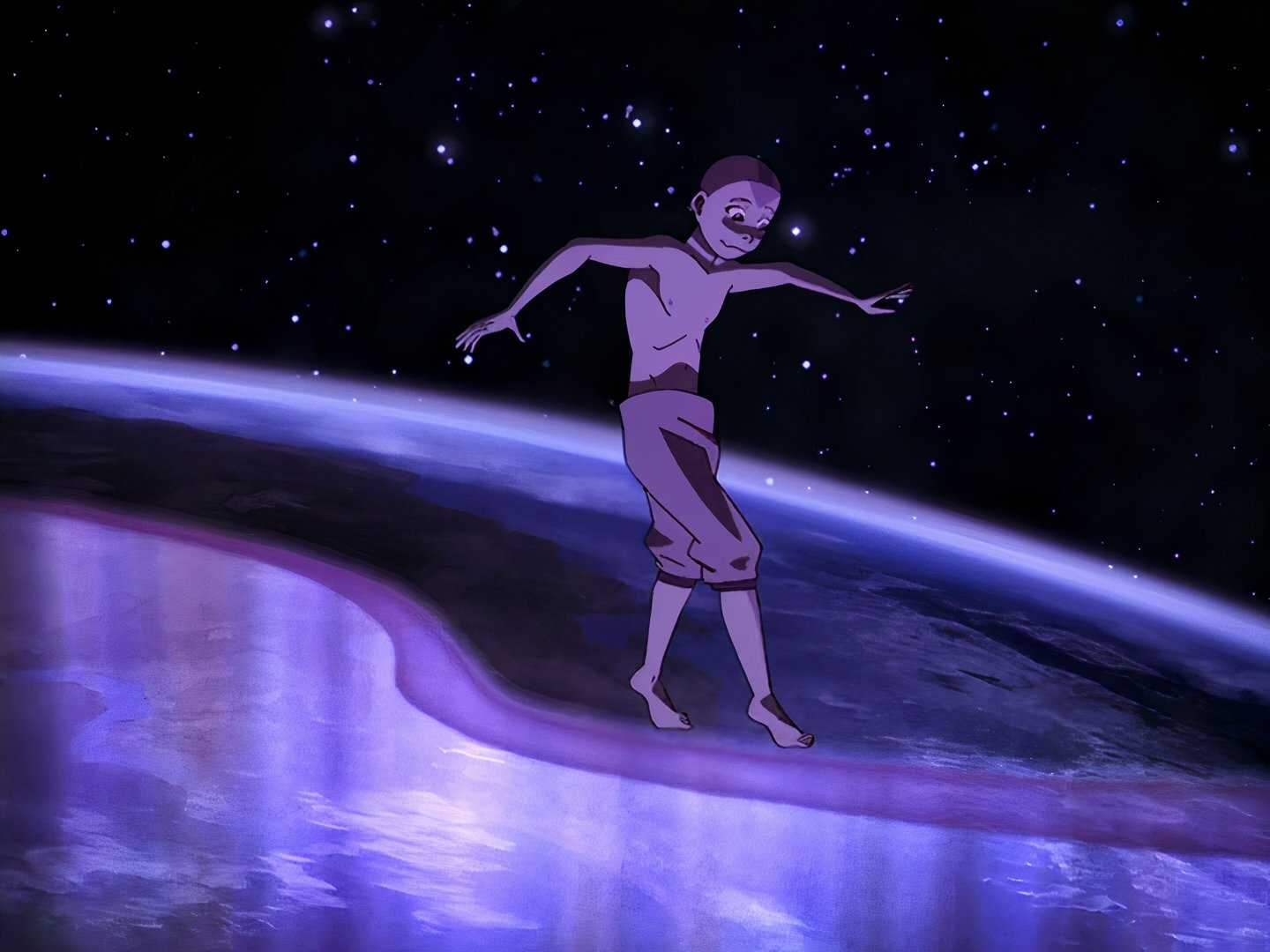
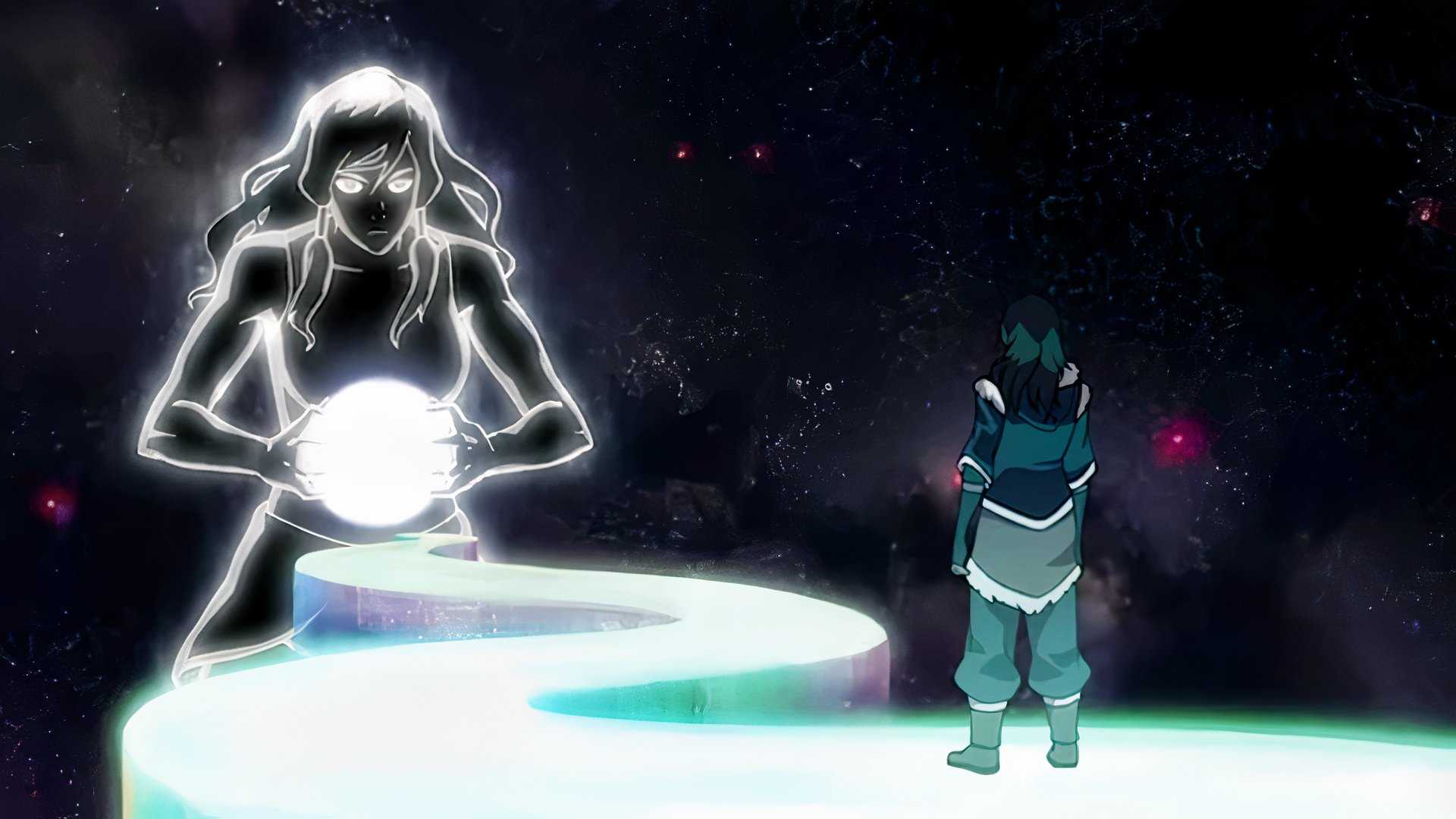
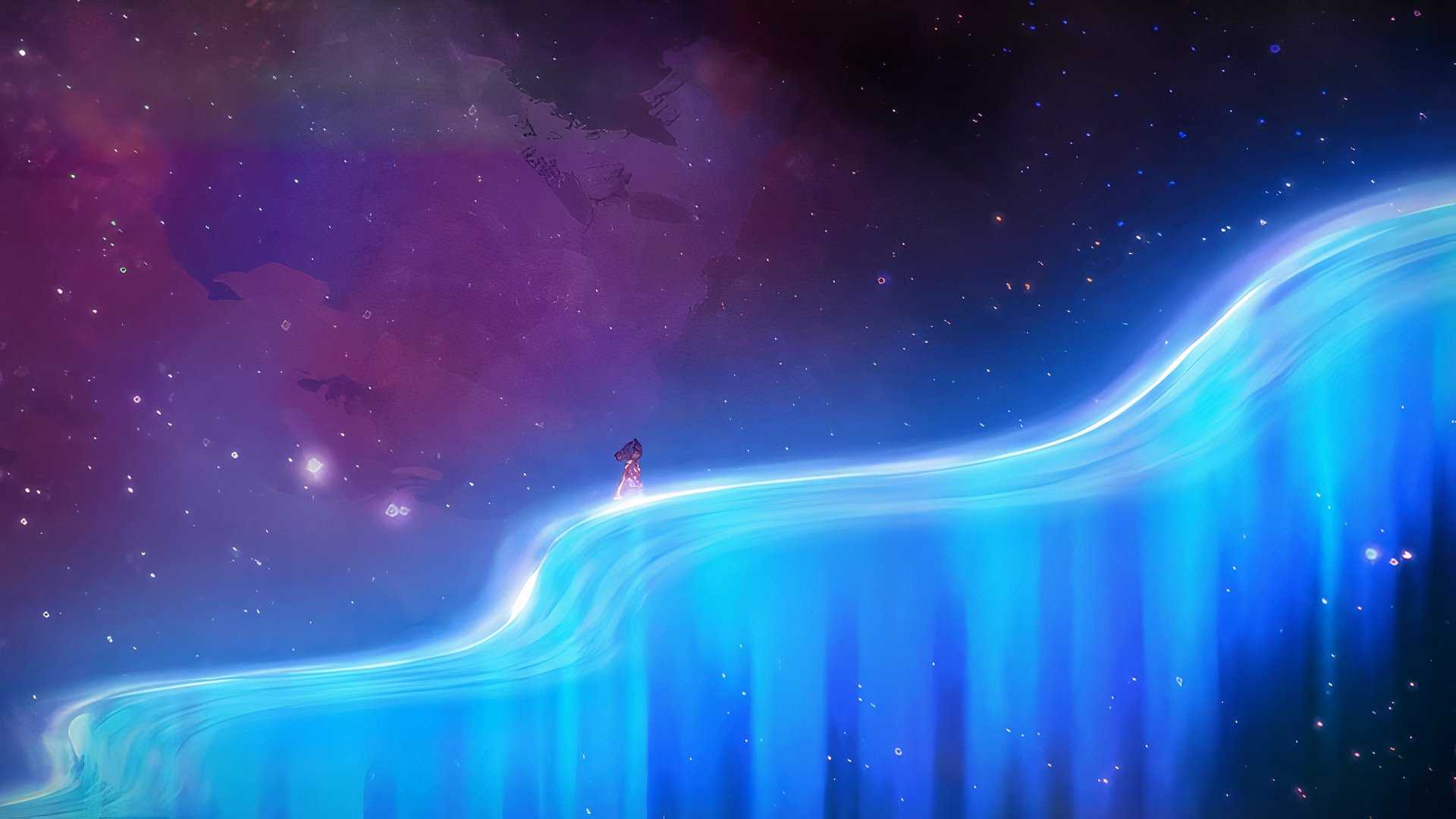
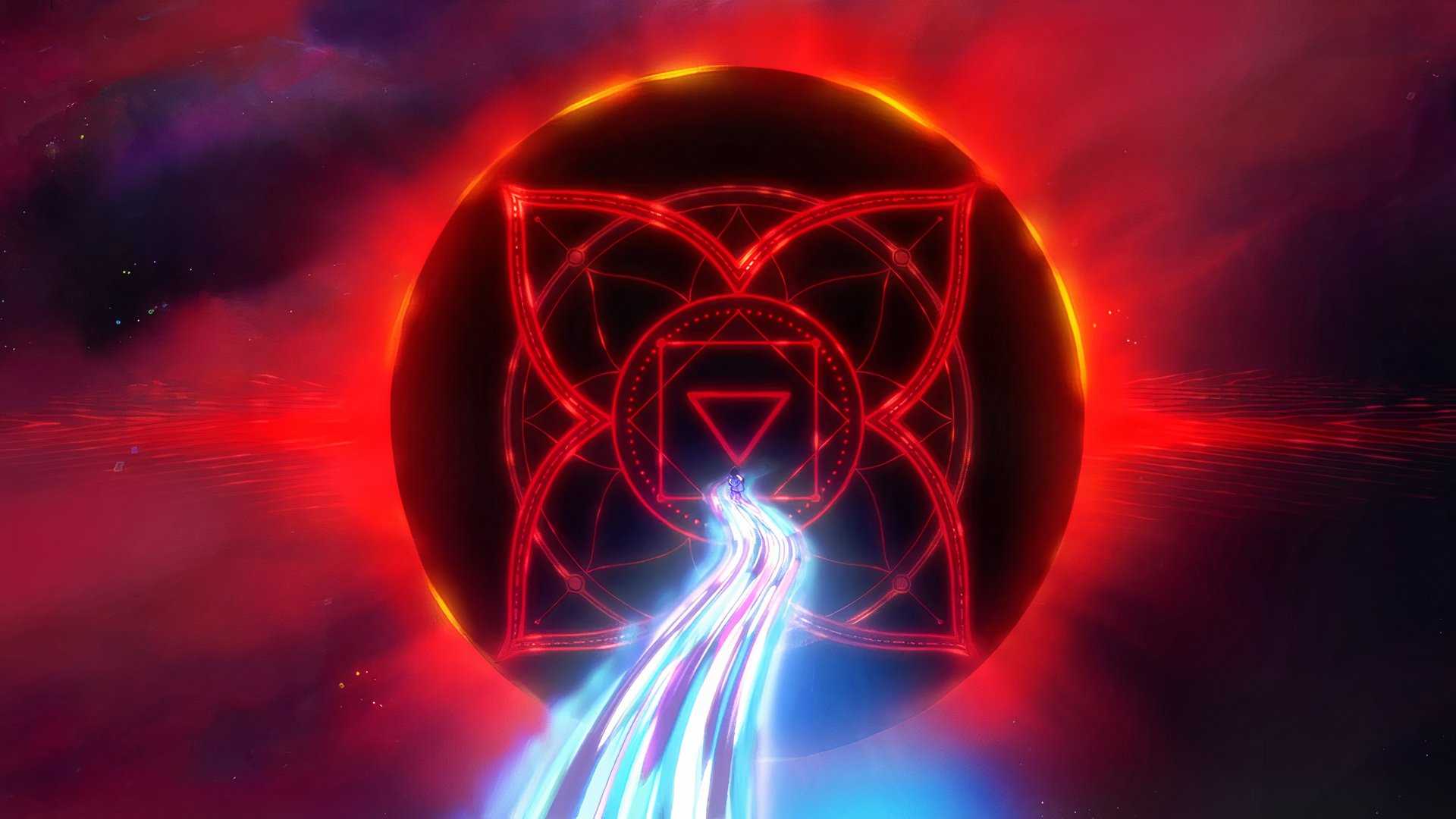
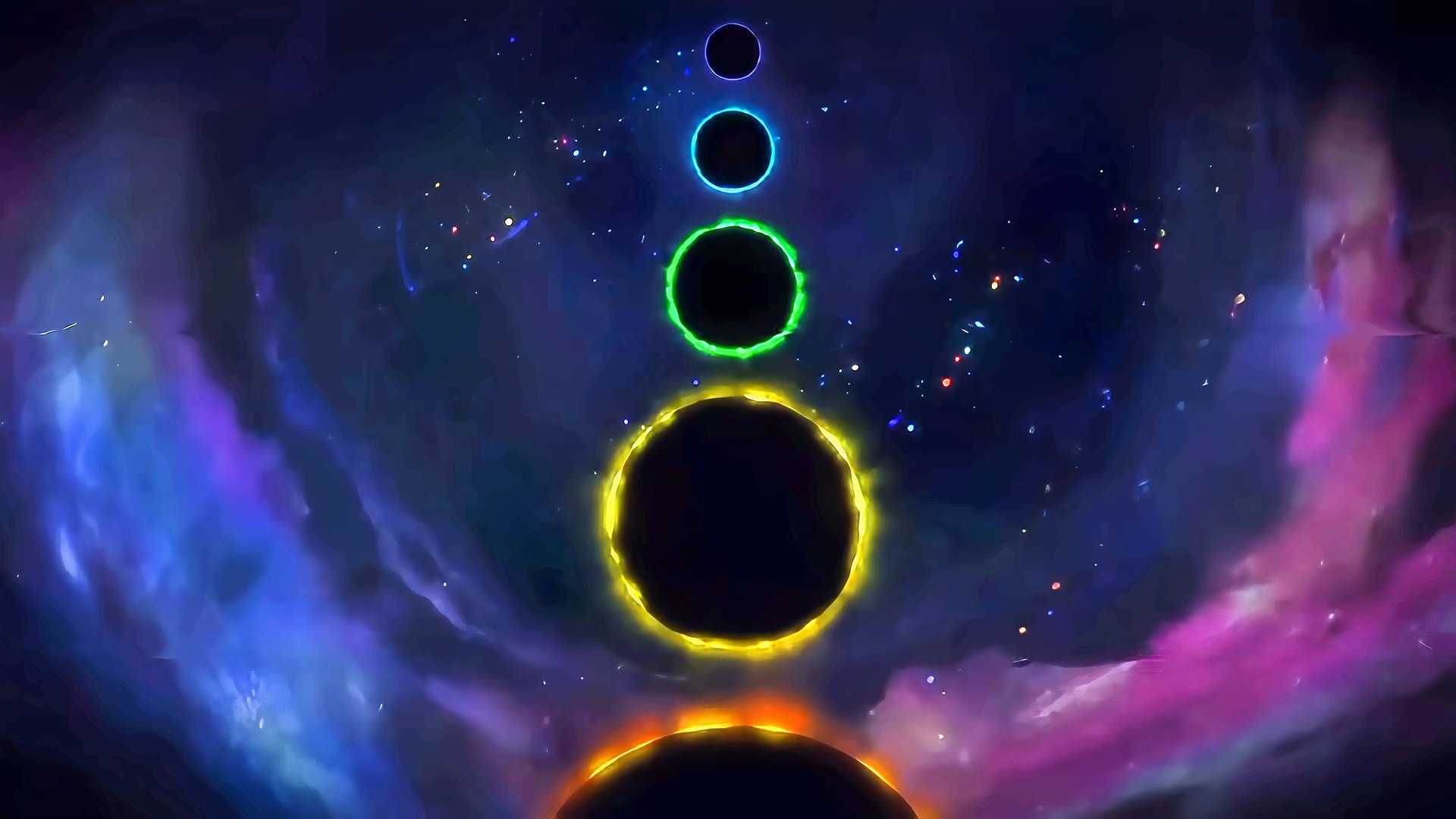
Pavi’s vision at the end of Seven Havens episode 9 is intended as a visual callback to this scene. But the emotional connection at the heart of it is important. If Aang saw a giant version of himself in the Avatar state, and Korra later walked a similar bridge to connect with an astral projection of herself, what does it mean for Pavi to instead see seven enormous chakras? Does the cosmos reveal to each Avatar what they desire, what they need to fulfill their mission, or the scope of their destiny?
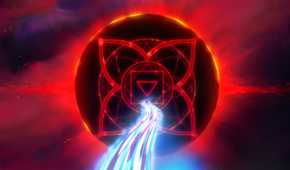
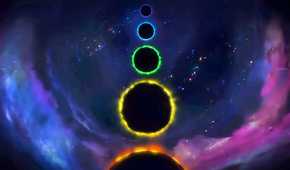
The imagery and themes associate Ellora with the root chakra, and the fact that there are seven Havens maps onto all of the chakras, meaning there is greater significance here. Whether or not we will get a clearer idea of what this means depends on the rest of Seven Havens season 1. Rewriting “The Guru” feels like essential homework for anyone who wants to understand what is going on in Seven Havens — and what is going to happen moving forward.
Avatar: The Last Airbender is currently available to stream on Paramount Plus and Netflix. The final four episodes of Avatar: Seven Havens season 1 will be released on Paramount Plus on Oct. 30.
Source: Polygon
Related articles
 Microsoft’s Alligator Xbox May Be a GTA VI Marketing Workaround
 Analysts Say Gran Turismo 7 Is Not on PS Plus Because It Has Earned Sony Hundreds of Millions of Dollars
 Mike Flanagan Hints at Unexpected Approach to Warhammer 40,000 Series Starring Henry Cavill
 The Legend of Zelda: Ocarina of Time – Shadow Temple Dungeon Walkthrough
 Ganondorf’s Castle Walkthrough in The Legend of Zelda: Ocarina of Time
 The Legend of Zelda: Ocarina of Time — Spirit Temple Dungeon Walkthrough
 Study Confirms Impact of Social Messaging on Video Game Sales
 Blue Eye Samurai Season 2 Gets Trailer and Release Date as Mizu Heads to London