When SAG-AFTRA staged its 2023 strike, performers demanded stronger minimum pay, improved streaming residuals and safeguards against technological threats — notably generative AI. Two years later, that AI concern has become more immediate.
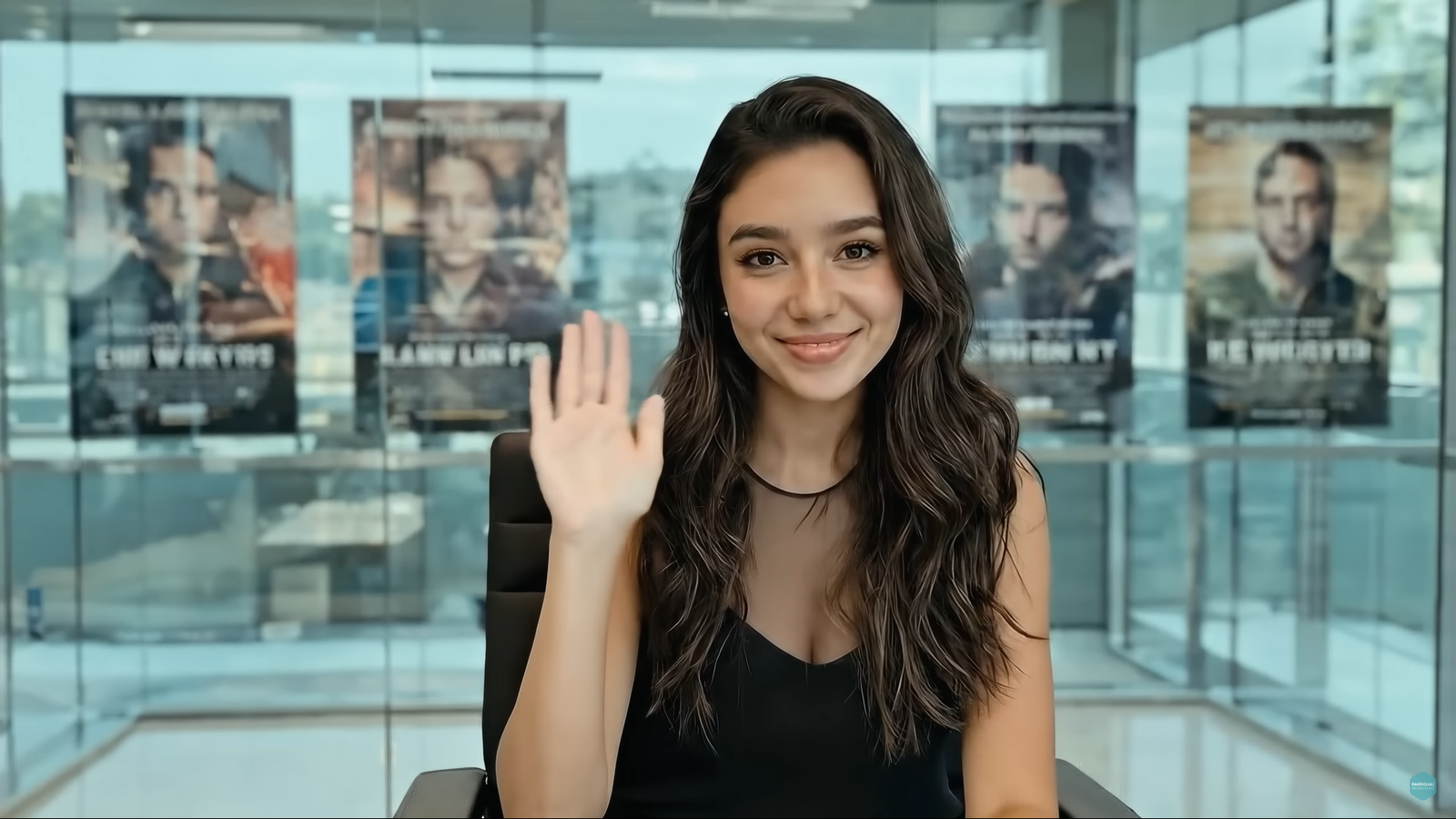
At the Zurich Film Festival’s Zurich Summit Conference last weekend, a studio called Xicoia unveiled its ambition to create AI-driven “talent” for films, television and social-media campaigns. The studio’s first public creation is an AI persona named Tilly Norwood, whom Xicoia’s founder Eline Van der Velden says the company is pursuing representation for — including talks to sign Tilly with an agency.
SAG-AFTRA moved quickly to denounce the project. In a statement released this week the union argued that “Tilly Norwood” is not a performer but a computer-generated character trained on the work of many professionals — allegedly without consent or compensation — and warned that such use of synthetic performers risks displacing real actors and eroding the value of human creativity.
Prominent actors voiced alarm as well. Emily Blunt, who appears in the forthcoming The Smashing Machine, told Variety that the development is “terrifying,” adding, “Good Lord, we’re screwed. That is really, really scary. Come on, agencies, don’t do that. Please stop. Please stop taking away our human connection.” Other performers, including Ralph Ineson, Melissa Barrera and Nicholas Alexander Chavez, have publicly criticized Xicoia’s move. Deadline collected several of those reactions.
Van der Velden responded on Sept. 28 via the Tilly Norwood Instagram account, framing the character as an artistic creation rather than a substitute for human actors. She compared AI performers to tools used in other creative media — CGI, puppetry, paintbrushes — but the post’s comments were largely hostile. Many demanded transparency about whose likenesses or performances were used to train the model and called for compensation for any contributors.
The controversy taps into broader legal and ethical battles over generative AI that have been playing out across industries. Creators have filed class-action suits alleging models were trained on their work without permission; for example, Anthropic agreed to a $1.5 billion settlement with a group of authors whose works its models allegedly used.
Whether Xicoia will introduce additional synthetic performers — or whether agencies and producers will embrace them despite widespread pushback — remains uncertain.
You can read SAG-AFTRA’s statement in full below.
“SAG-AFTRA believes creativity is, and should remain, human-centered. The union is opposed to the replacement of human performers by synthetics.
“To be clear, “Tilly Norwood” is not an actor, it’s a character generated by a computer program that was trained on the work of countless professional performers — without permission or compensation. It has no life experience to draw from, no emotion and, from what we’ve seen, audiences aren’t interested in watching computer-generated content untethered from the human experience. It doesn’t solve any “problem” — it creates the problem of using stolen performances to put actors out of work, jeopardizing performer livelihoods and devaluing human artistry.
“Additionally, signatory producers should be aware that they may not use synthetic performers without complying with our contractual obligations, which generally require notice and bargaining whenever a synthetic performer is going to be used.”
Source: Polygon