Why Are Modern Games So Big? – YouTube

Cain points out that optimization techniques often multiply storage needs, since developers store multiple LODs (levels of detail) and variants to preserve quality at different distances. Then there’s the push for ever-higher frame rates — the industry is moving from 120fps toward 240fps — which increases the number and complexity of animations and tightens timing demands in multiplayer environments.
“Higher frame rates demand denser, more detailed animation sets so motion looks natural at those speeds,” he notes. That doesn’t even cover in-game cinematics: modern titles commonly include multiple pre-rendered videos — sometimes an intro before the main menu in addition to opening cutscenes — and those assets add substantial megabytes or gigabytes.
Audio also swells game size. “There’s far more music, VO, and SFX now,” Cain says. “We used to rely on tiny, highly compressed mono samples; today developers include full musical tracks and vast libraries of dialogue — sometimes tens or hundreds of thousands of lines.”
Ultimately, Cain concludes, art assets are the single largest driver of modern game size: higher-resolution textures, detailed models, cinematics and extensive audio collections together create massive builds.
To illustrate, a player recently calculated that Larian’s Baldur’s Gate 3 contains roughly 236 hours of recorded dialogue, and Helldivers 2 at one point grew so large that Arrowhead had to aggressively trim content to reduce its install size. Call of Duty has also been plagued by ballooning file sizes in prior years. If games keep expanding, many players may find themselves buying additional storage sooner than they’d prefer.
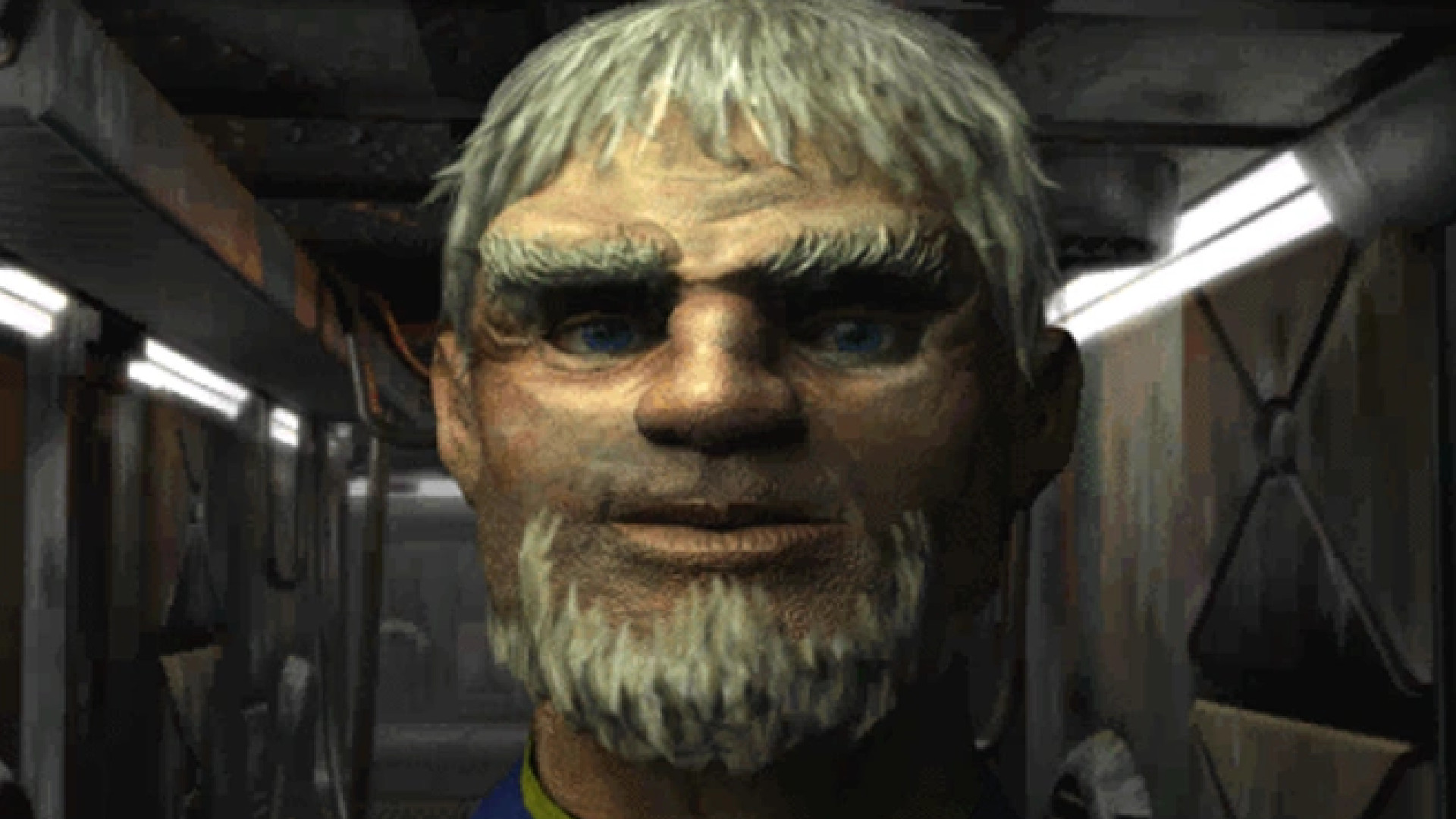
Fallout co-creator Tim Cain has returned to Obsidian and told fans not to bother guessing which game he’s on — “You won’t guess it.”
Source: gamesradar.com