8 Video Game Villains With Motives You Can’t Argue With
Prepare to preside: The court is now in session for eight of the most misunderstood antagonists in gaming history. Their offenses range from occupied worlds and erased masterpieces to submerged utopias turned to ruin, alongside staggering casualties. Yet, setting that destruction aside, what if these perceived villains actually held a compelling point? Look beyond the dramatic speeches, and you might discover that centuries of agonizing over a singular catastrophic error can serve as understandable motivation to dismantle the world and rebuild. Or perhaps not—the final judgment rests with you. Examine the case file for each adversary below before rendering your verdict, as the evidence may lead to unexpected conclusions.
[Ed. note: This article contains significant spoilers for the conclusions of several prominent AAA titles.]8
Renoir (Clair Obscur: Expedition 33, 2025)
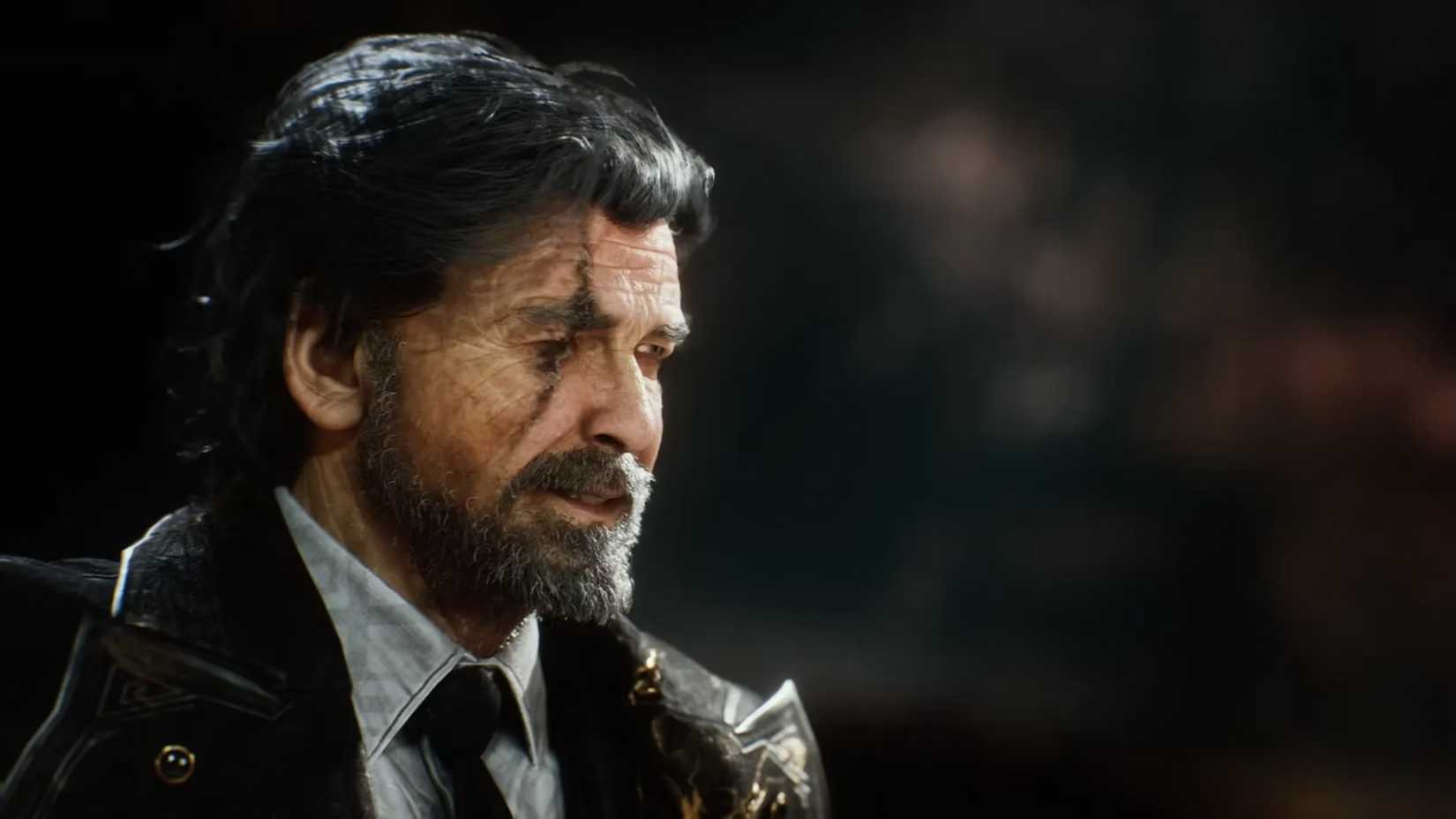 Image: Sandfall Interactive/Kepler Interactive
The case for him: The constructed Renoir fights to preserve a fragile illusion, while the flesh-and-blood original simply wants his family to break free from their endless sorrow.
Clair Obscur: Expedition 33 divides its central antagonist, Renoir, into two distinct entities: one illustrated, one genuine. The painted manifestation created by Aline fights alongside her to sustain the Canvas—alongside all its inhabitants whom the expedition has grown to cherish—ruthlessly eliminating any perceived threat to that existence. Conversely, the real Renoir, weathered by years of isolation and visibly aged beside his idealized double, desires the exact opposite: the total dissolution of the Canvas so that his estranged family might cease channeling their grief into an illusion and finally pursue healing in the real world. Choosing a side ultimately means deciding which grieving father’s heartbreak holds legitimate weight.
7
Andrew Ryan (BioShock, 2007)
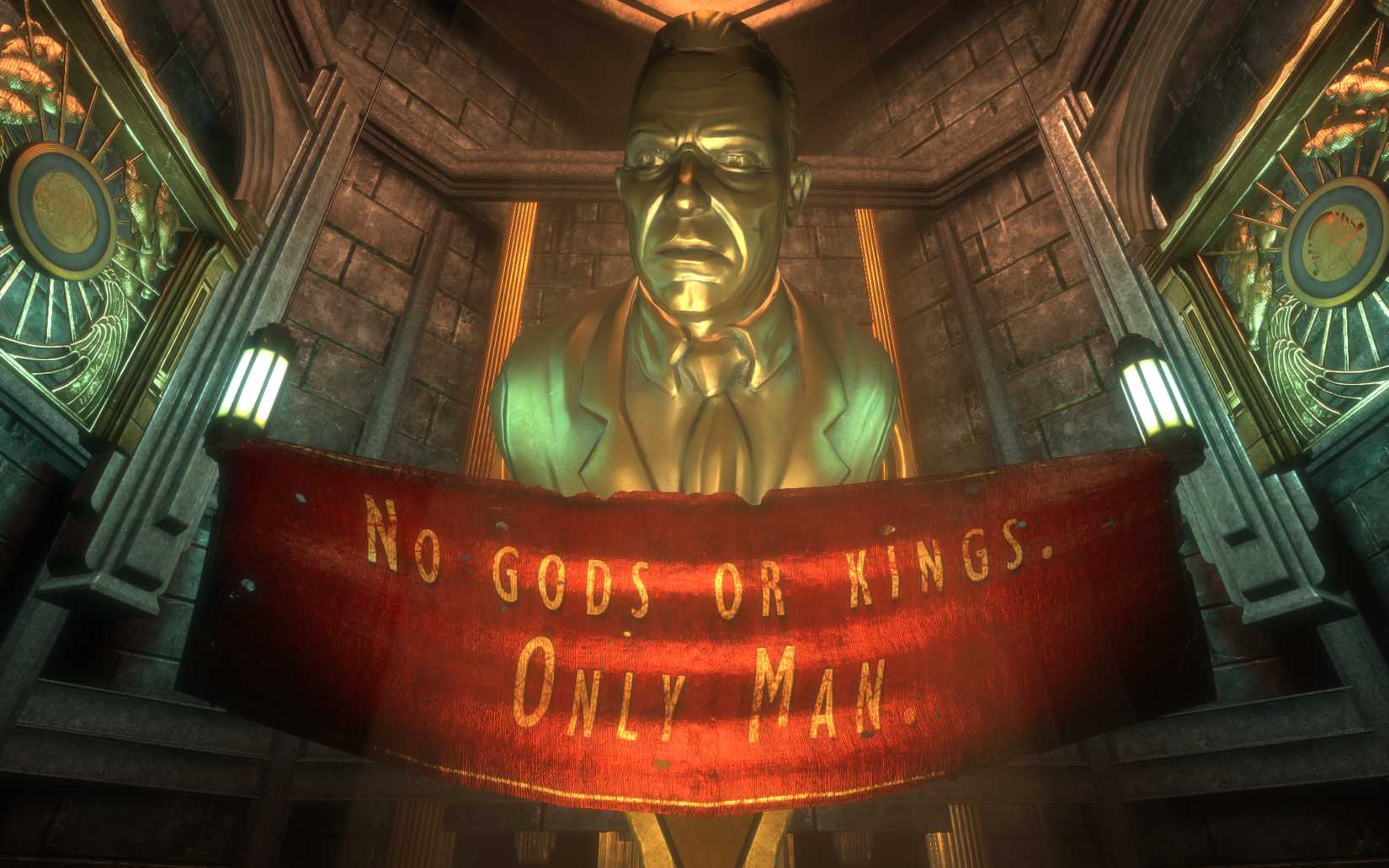 Image: Irrational Games/2K Games
The case for him: His core philosophy remained steadfast. What shifted dramatically was the lengths to which he would go when rival ambitions threatened his utopian dream.
Rapture—the subterranean metropolis constructed by Andrew Ryan at the depths of the Atlantic specifically to evade government regulation and religious interference—was founded upon a singular absolute: a person’s achievements belong to them alone. Ryan never wavers from this stance, maintaining his convictions even as he faces his ultimate demise at the hands of a golf club. By that juncture, many citizens had descended into severe addiction to ADAM, a mutagenic substance Ryan permitted to proliferate completely unchecked because regulation was, in his eyes, the ultimate evil. While his libertarian ethos never faltered, his methods for defending it certainly darkened, particularly once Frank Fontaine’s black market began outperforming him on his own turf.
6
Kreia (Star Wars: Knights of the Old Republic 2, 2004)
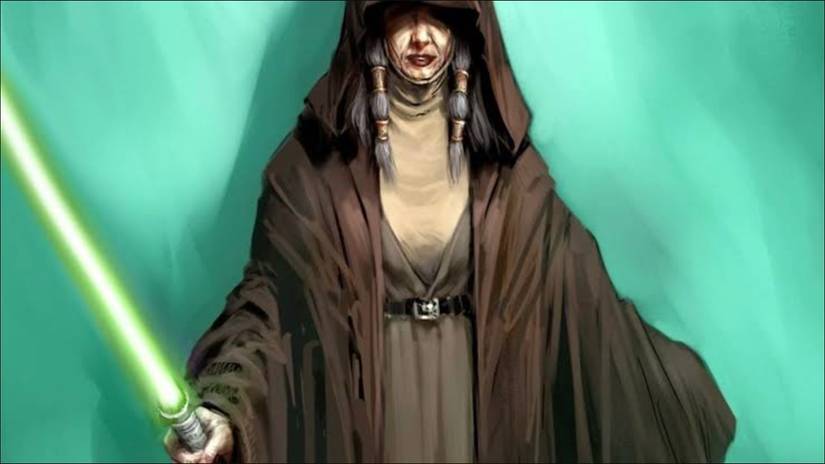 Image: Obsidian Entertainment
The case for her: Throughout the journey, she insists that both the Jedi and the Sith fundamentally misunderstand the exact same core truth—and neither faction manages to prove her wrong.
How should one treat a mentor who proves remarkably correct about nearly everything, yet seamlessly implicates you in her ruthlessness? Kreia, the sightless guide steering your protagonist through Knights of the Old Republic 2, possesses a clearer perspective than either the Jedi or the Sith regarding the galaxy’s warped dynamic with the Force. Her central premise is astute: absolute emotional detachment and unbridled hunger are simply opposing methods of evading the same uncomfortable reality regarding the Force. That said, her habit of draining life force directly from her companions without consent is somewhat harder to justify. It echoes the very brand of callous cost-benefit calculus that once guided her to help dismantle the very Jedi Order she purports to critique from a position of profound wisdom.
5
Emet-Selch (Final Fantasy 14: Shadowbringers, 2019)
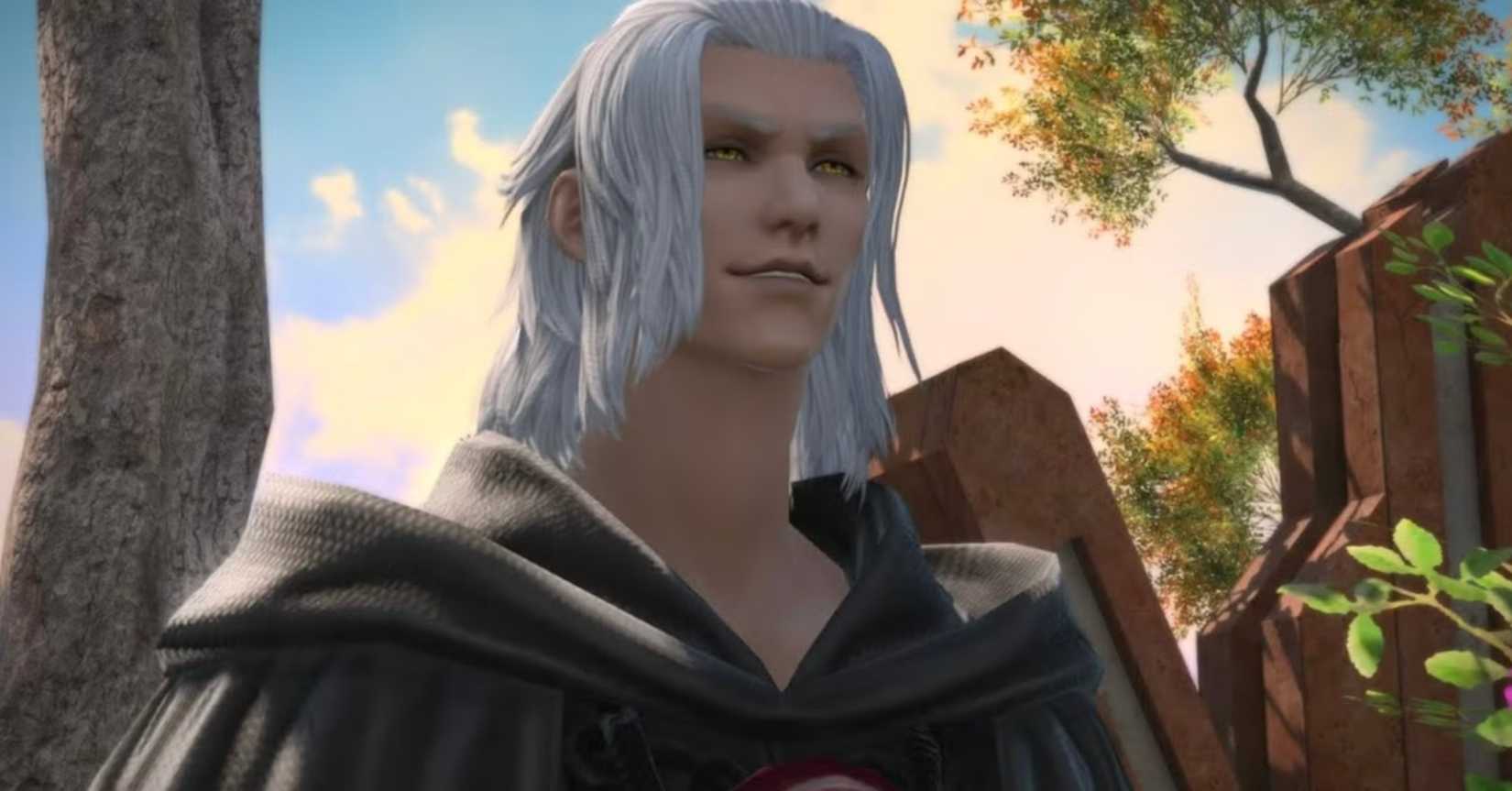 Image: Square Enix
The case for him: He will willingly debate the vulnerabilities of his own grand strategy with you face-to-face, earning a degree of intellectual transparency rarely displayed by conventional heroes.
Reverse a past apocalypse by instigating a localized one! Such is the pitch Emet-Selch champions throughout Shadowbringers, the monumental expansion for Final Fantasy 14. Remarkably, he genuinely believes this is a sound proposition. He is equally prone to spending an evening sharing wine and lighthearted banter over the planetary extinction he is engineering, only to conjure phantom souls of his fallen companions simply to spend another quiet night in their company. Clearly, he bears a profound burden. Unfortunately, executing his vision requires triggering catastrophic events that decimate the contemporary population of Eorzea—slaughtering living souls you have spent years bonding with—all to resurrect a civilization lost for millennia. To him, this equation represents a logical exchange, but the toll on you and your loved ones is immeasurable.
4
Solas (Dragon Age: Inquisition, 2014)
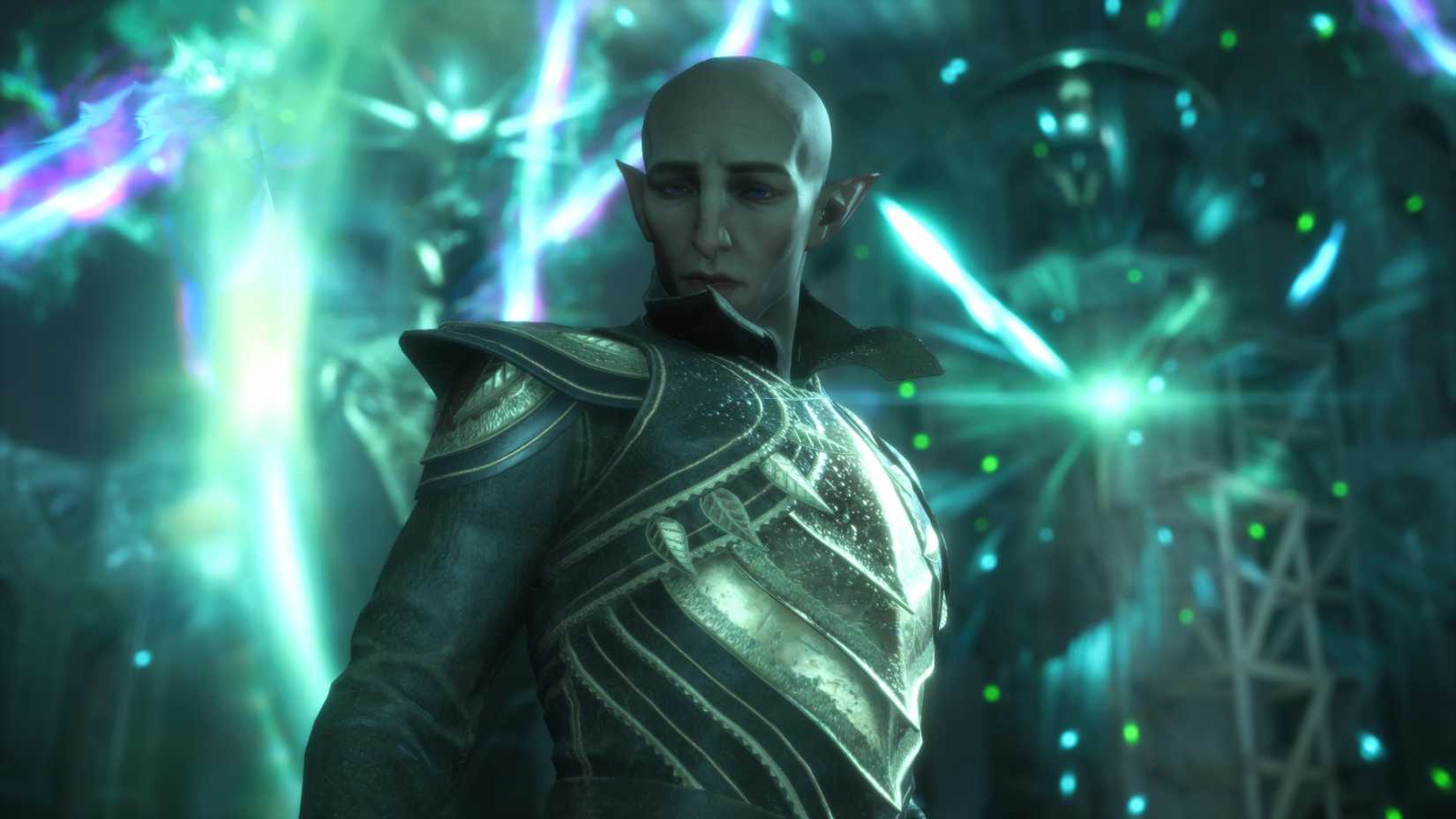
The case for him: He erected the very barrier that imprisoned his kin, and has spent centuries endeavoring to undo that monumental error.
Throughout Dragon Age: Inquisition, Solas masquerades as a modest elven apostate traveling alongside your Inquisitor. He acts as a trusted comrade, perhaps even a romantic partner. Yet, beneath that unassuming exterior lies Fen’Harel, the Dread Wolf of elven folklore. The Veil—the energetic boundary separating the physical realm of Thedas from the volatile spirit world—was crafted by his own hands millennia ago to halt a catastrophic war among ancient elven deities. To give him credit, the strategy succeeded. However, it simultaneously severed his people from their inherent immortality, condemning generations of elves to an impoverished decline their descendants can no longer recall. Solas sheds tears and offers remorse as his grand deception unravels, but does profound regret genuinely cleanse a slate stained by monstrosity?
3
Wallace Breen (Half-Life 2, 2004)
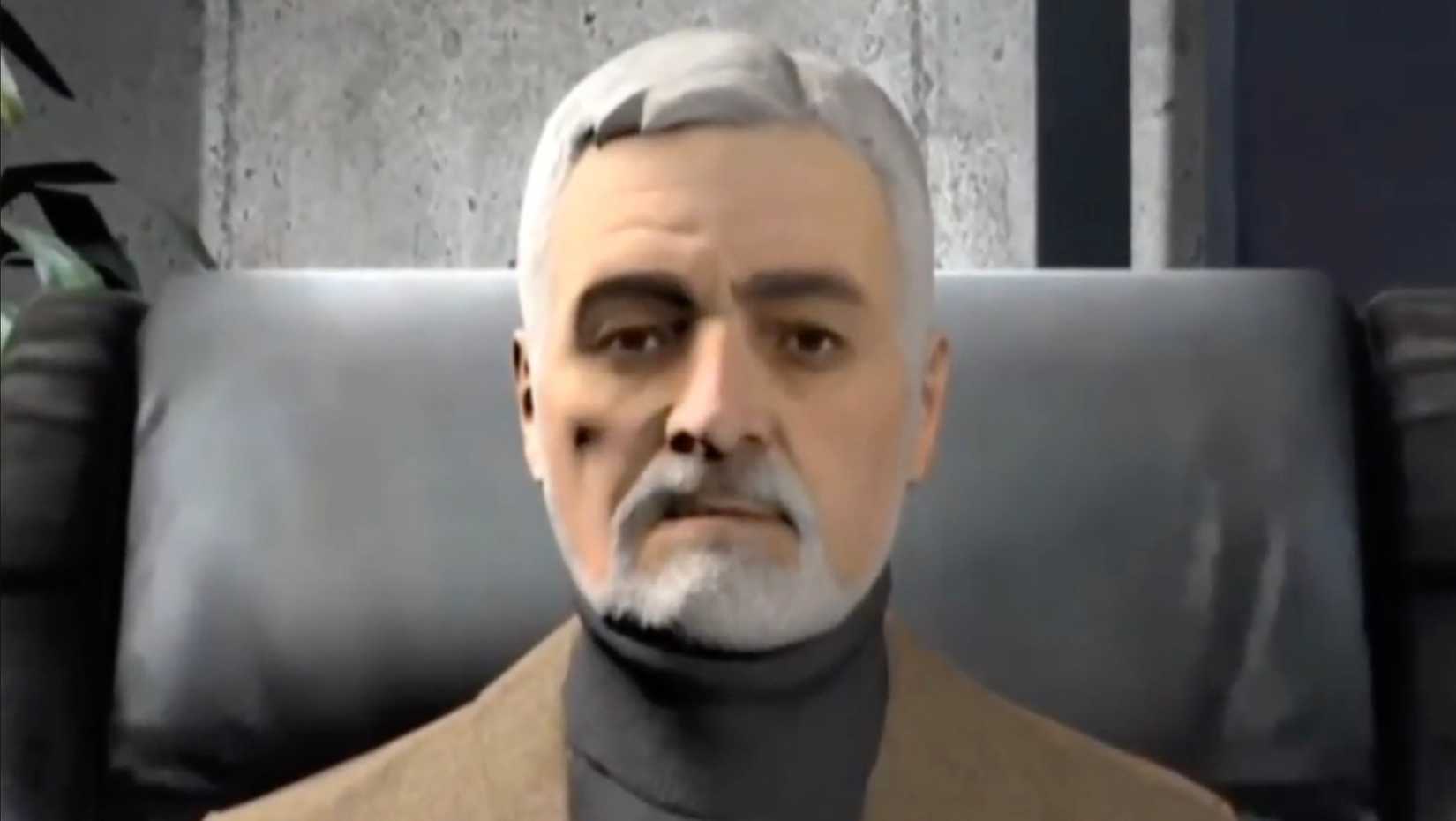 Image: Valve
The case for him: He surrendered humankind to an invading empire, yet he might single-handedly be the reason humanity still exists to resent him for it.
Half-Life 2 commences seven years following Earth’s defeat in a devastating conflict against the Combine, an extraterrestrial syndicate that subjugated the planet in mere hours. Wallace Breen, formerly a respected scientist, has spent those intervening years acting as Earth’s puppet administrator under brutal alien oversight. Under his regime, the citizens of City 17 endure suppressed reproduction alongside the unannounced disappearance of neighbors and loved ones.
That society is “refusing to stagnate” forms the cornerstone of Breen’s defense, and viewed through a certain prism, it holds an eerie logic. During one televised broadcast, he contends that human submission to the Combine is no more unnatural than an ancient lungfish crawling onto dry land instead of perishing in familiar waters. It serves as a rational argument for collaboration over total extinction—delivered conveniently by a man who remained exceptionally well-nourished while others enforced his decrees.

Free sign-up
Get Polygon’s Wishlister newsletter
A weekly cheat sheet to what you’ll eventually love to play. No buying, no commitment — just saving for later.
Free. Unsubscribe anytime.
2
Big Boss (Metal Gear Solid 5, 2015)
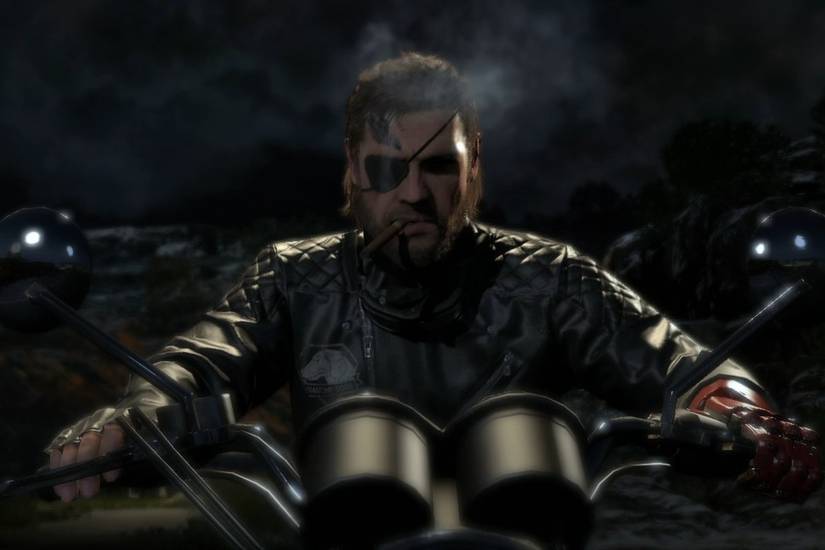 Image: Konami
The case for him: He forged a sanctuary for soldiers whom every traditional government had exploited and discarded.
Big Boss, originally known as Naked Snake, spent decades serving as an elite operative fighting for political powers that utilized and subsequently cast him aside. Metal Gear Solid 5 begins with Snake emerging from a nine-year coma brought on by that very betrayal, which cost him an eye, an arm, and the left side of his face. His response transcends mere vengeance against any individual regime; instead, he constructs a sanctuary that no government can strip away from the warriors who fight. Outer Heaven, the soldier-governed nation he establishes, stands as his ultimate answer to a lifetime of disposability—though this noble endeavor is somewhat tarnished by his unhesitating recruitment of child soldiers into his ranks.
1
The Illusive Man (Mass Effect 2, 2010)
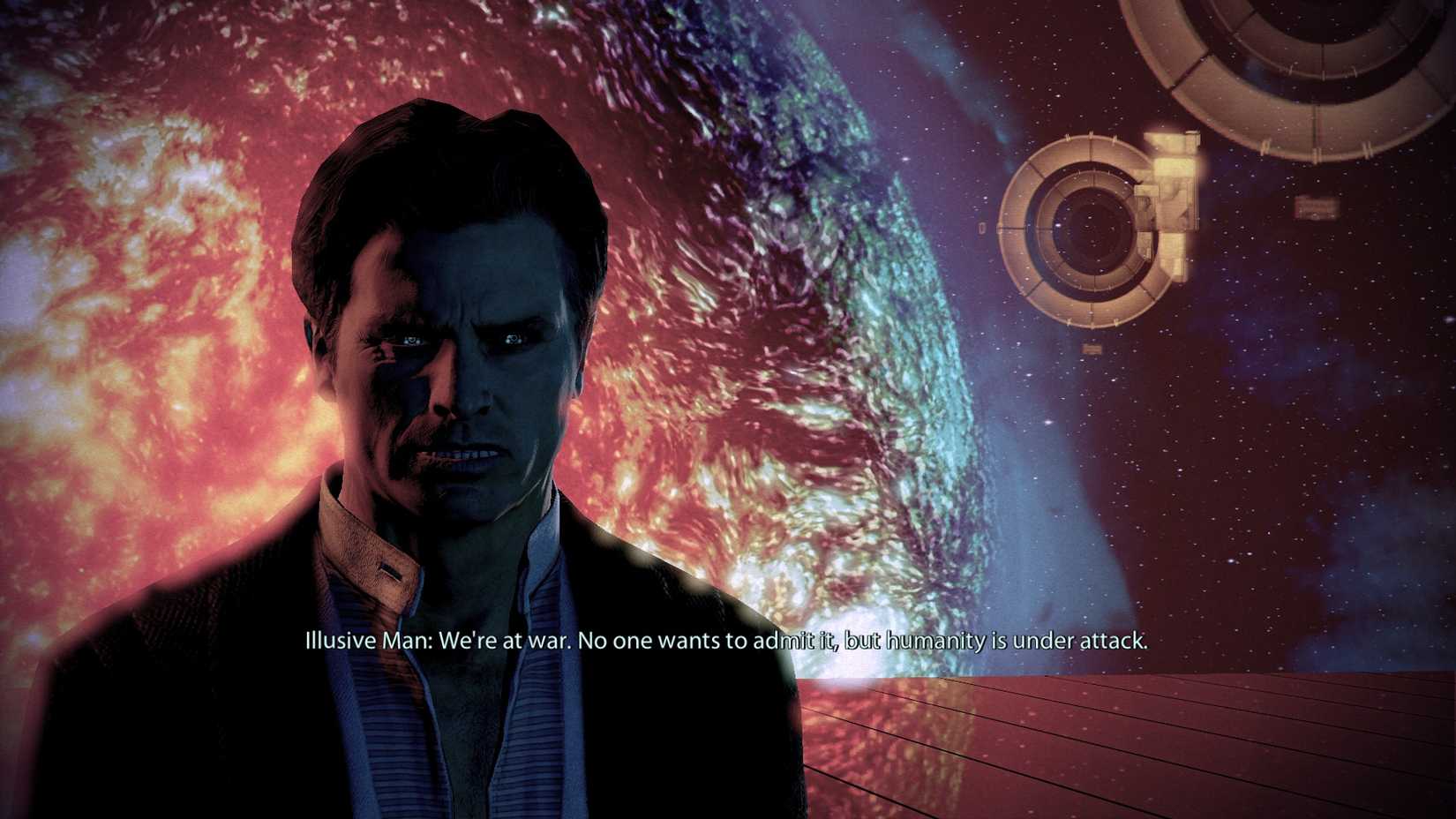
The case for him: He willingly bore the mantle of monstrosity to ensure humanity secured a fighting chance against a threat the wider galaxy refused to acknowledge.
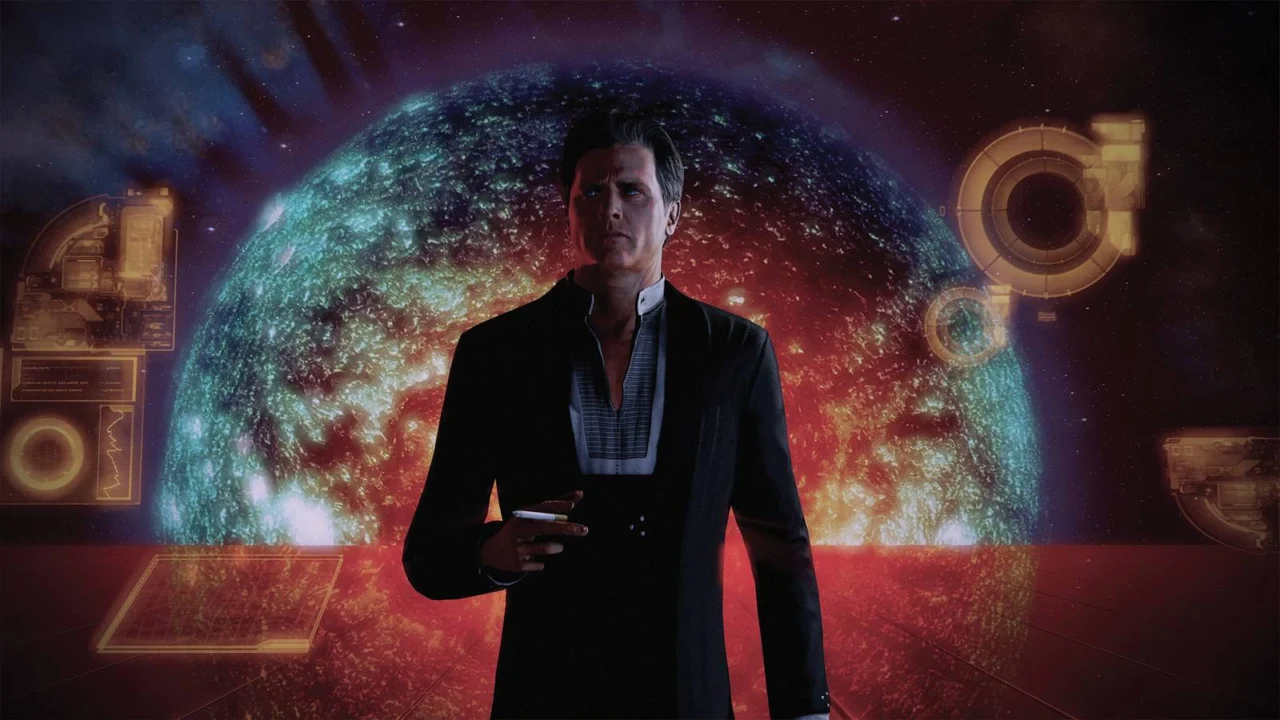
The Illusive Man from Mass Effect 2 directs Cerberus, a pro-human paramilitary outfit labeled a terrorist organization by galactic society. The faction is anchored by a singular conviction: the Reapers—an ancient mechanical armada that periodically annihilates advanced civilizations—are returning, and nobody else is treating the impending doom with appropriate urgency. The Illusive Man finances Commander Shepard’s harrowing resurrection precisely to place a capable leader back on the front lines. Yet, that uncompromising pragmatism also allows him to expend loyal operatives who trusted him implicitly. Ultimately, preparing for the worst often mirrors the very darkness one seeks to combat.
Related articles
 Russian Developers Release Platformer Gennady Inspired by Earthworm Jim
 Reports Warn PS6 and Next Xbox Risk Unaffordable Pricing Amid Industry Crisis
 Phantom Blade Zero Setting Adjustments Boost Performance Significantly
 NVIDIA Showcases RTX Remix Capabilities for Minecraft
 The Video Games And More You Should Play This Weekend – October 30, 2026
 Silent Hill: Townfall Receives Major Update with New Difficulty Mode and Graphic Enhancements
 Tomb Raider: Legacy of Atlantis to Offer Unusual Difficulty Customization
 Sega Shows New Virtua Fighter Crossroads Fighter with Possible Classic Character Connection