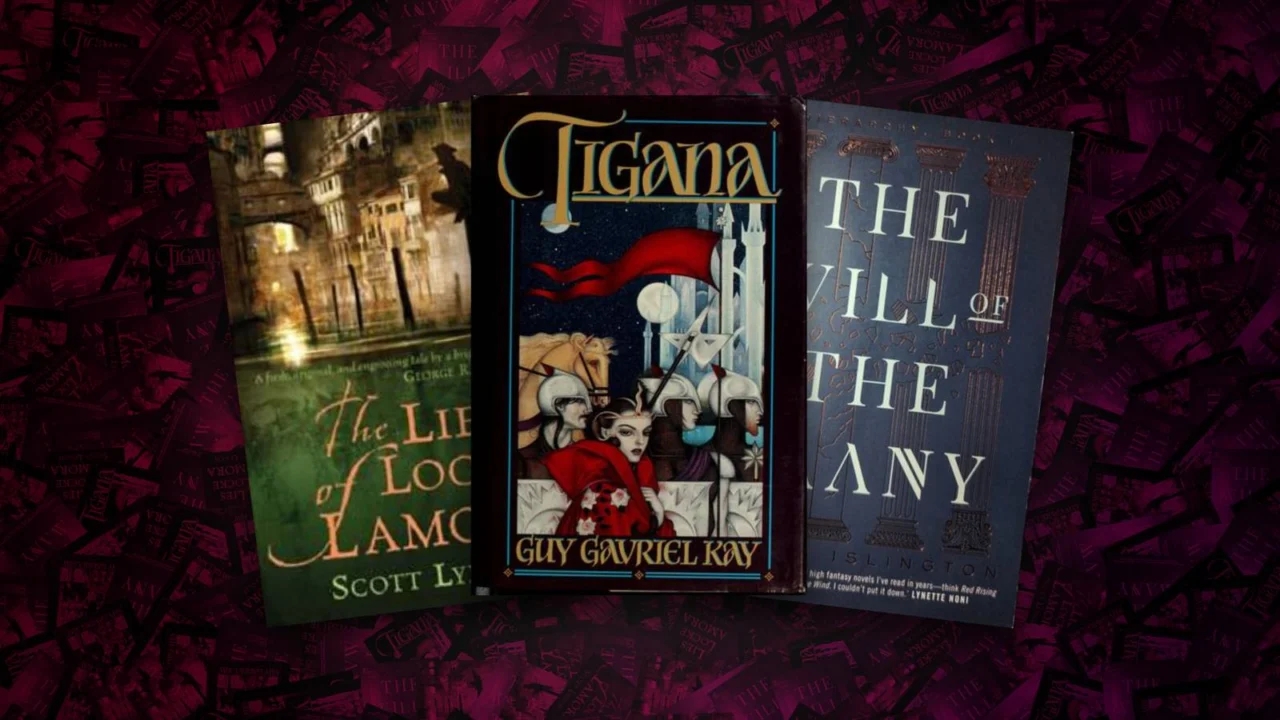
10 High Fantasy Books for Fans of Lord of the Rings and Game of Thrones
J.R.R. Tolkien helped define modern high fantasy through Middle-earth, creating an imaginary world with its own languages, lore, and apocalyptic conflicts in The Lord of the Rings. While some fantasy stories place supernatural elements into the real world or send ordinary people through portals into hidden realms, high fantasy takes place entirely within a secondary reality governed by distinct rules, histories, and political factions.
George R.R. Martin expanded the reach of the subgenre with A Song of Ice and Fire, showing that high fantasy does not require constant spells and overt magic. Most people in the Seven Kingdoms never expect to see a dragon or a giant, which makes those mythical encounters far more terrifying when they occur. Building these complex secondary realities often leads to massive multi-book sagas, though certain standalone novels also excel by grounding their settings in real historical periods. Readers looking for grand battles, intricate magic systems, or clever thieves will find plenty to explore in these ten high fantasy books.
Ursula K. Le Guin, A Wizard of Earthsea (1968)
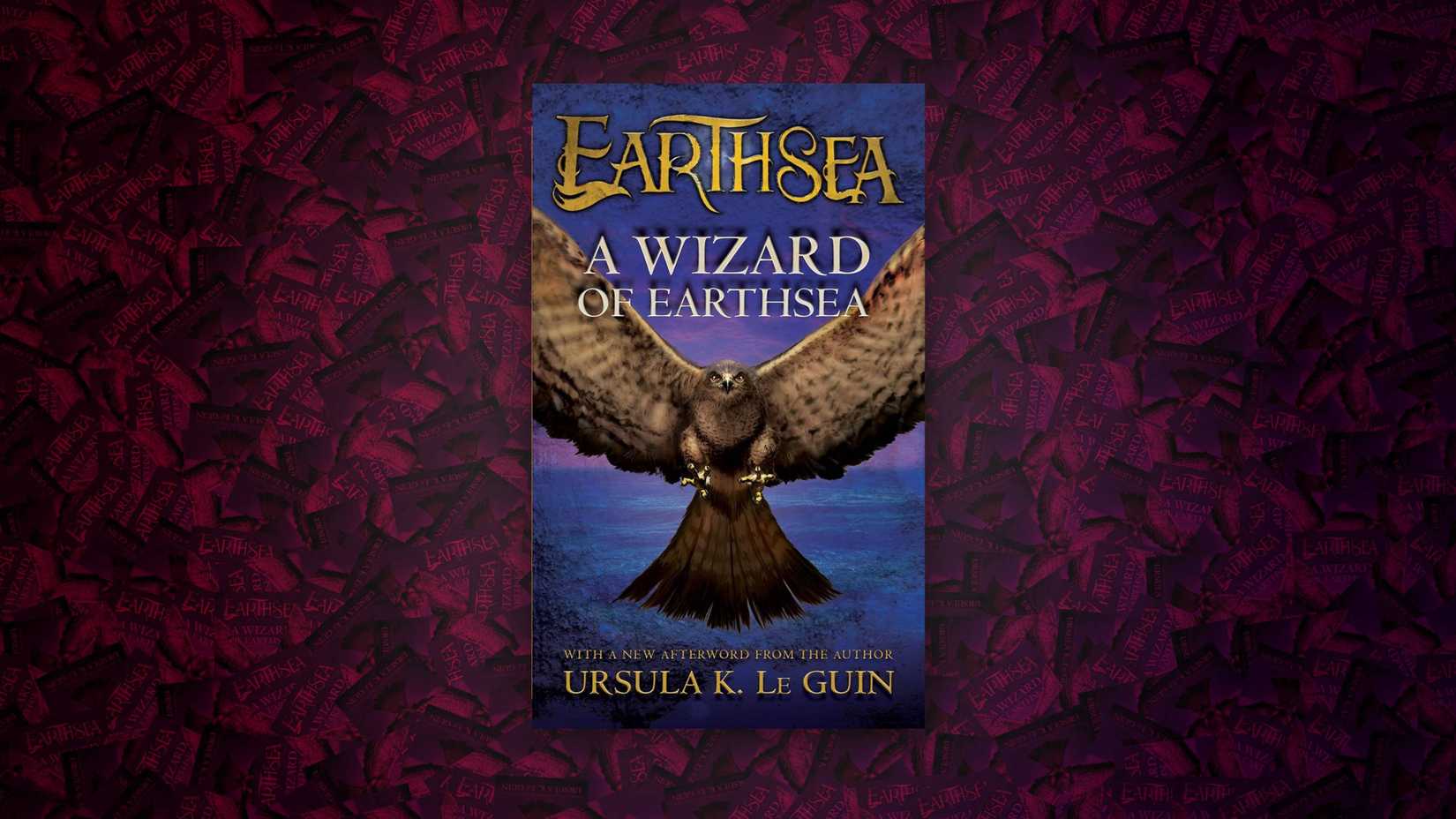
Ursula K. Le Guin helped reshape fantasy conventions with A Wizard of Earthsea. Instead of battling a traditional dark lord, the young protagonist Ged must confront the consequences of his own arrogance and impatience. While the concept of a young student attending a magic academy influenced later stories such as Harry Potter, Le Guin crafted a quiet, philosophical tale. Ged repeatedly faces the temptation of great power and must learn restraint to preserve balance in the world. The opening volume is short, and the remaining five entries in the Earthsea series expand on these reflective themes.
Guy Gavriel Kay, Tigana (1990)
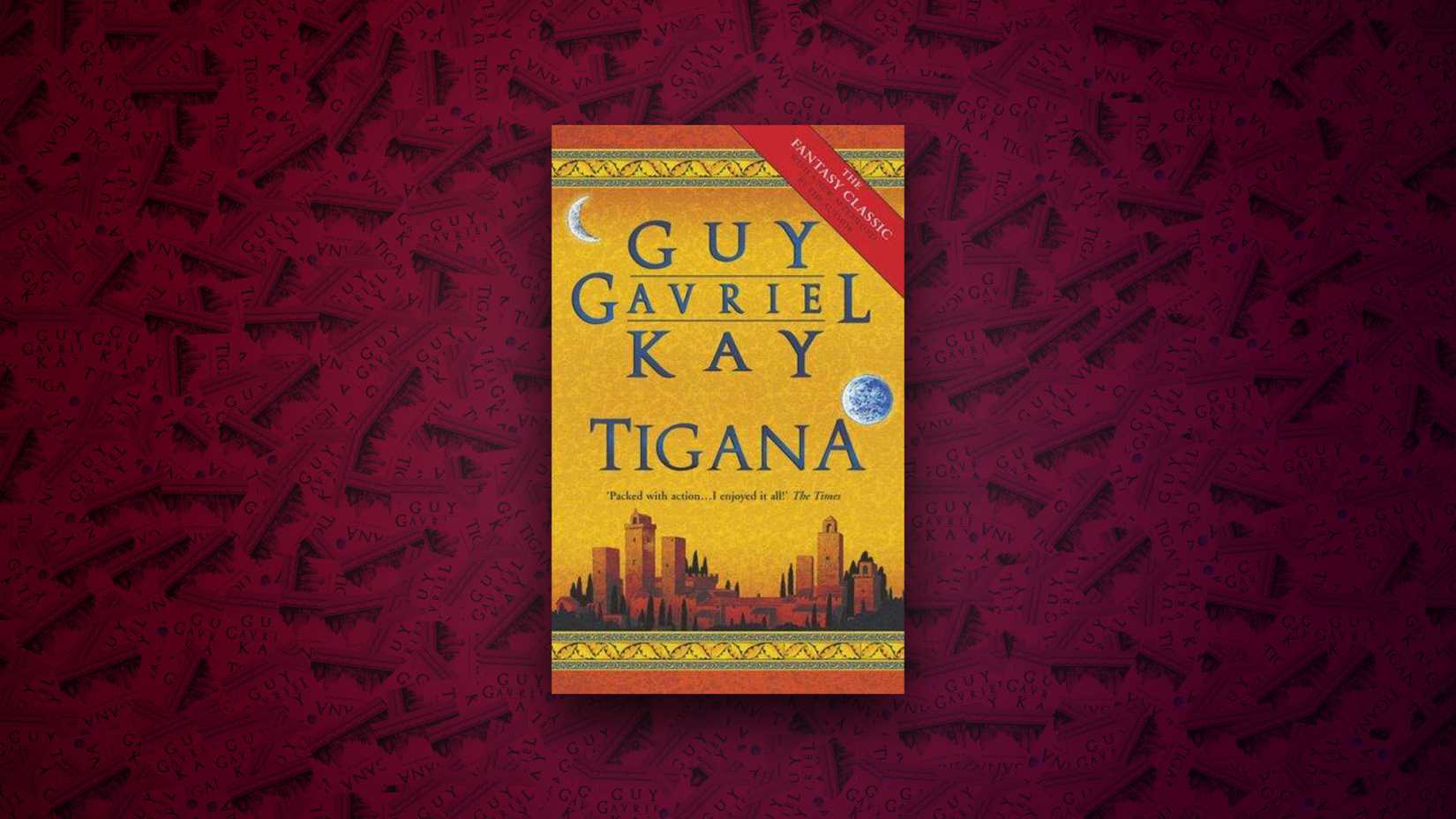
Guy Gavriel Kay frequently blends historical settings with speculative elements, including his Moorish Spain-inspired novel The Lions of Al-Rassan. While that book contained almost no supernatural elements, Tigana incorporates more traditional fantasy while drawing inspiration from Renaissance Italy. The vengeful sorcerer king Brandin conquers the province of Tigana and casts a spell that erases its very name from memory. The surviving natives must risk everything in a dangerous rebellion to keep their homeland from disappearing completely from history.
Robert Jordan, The Great Hunt (1990)
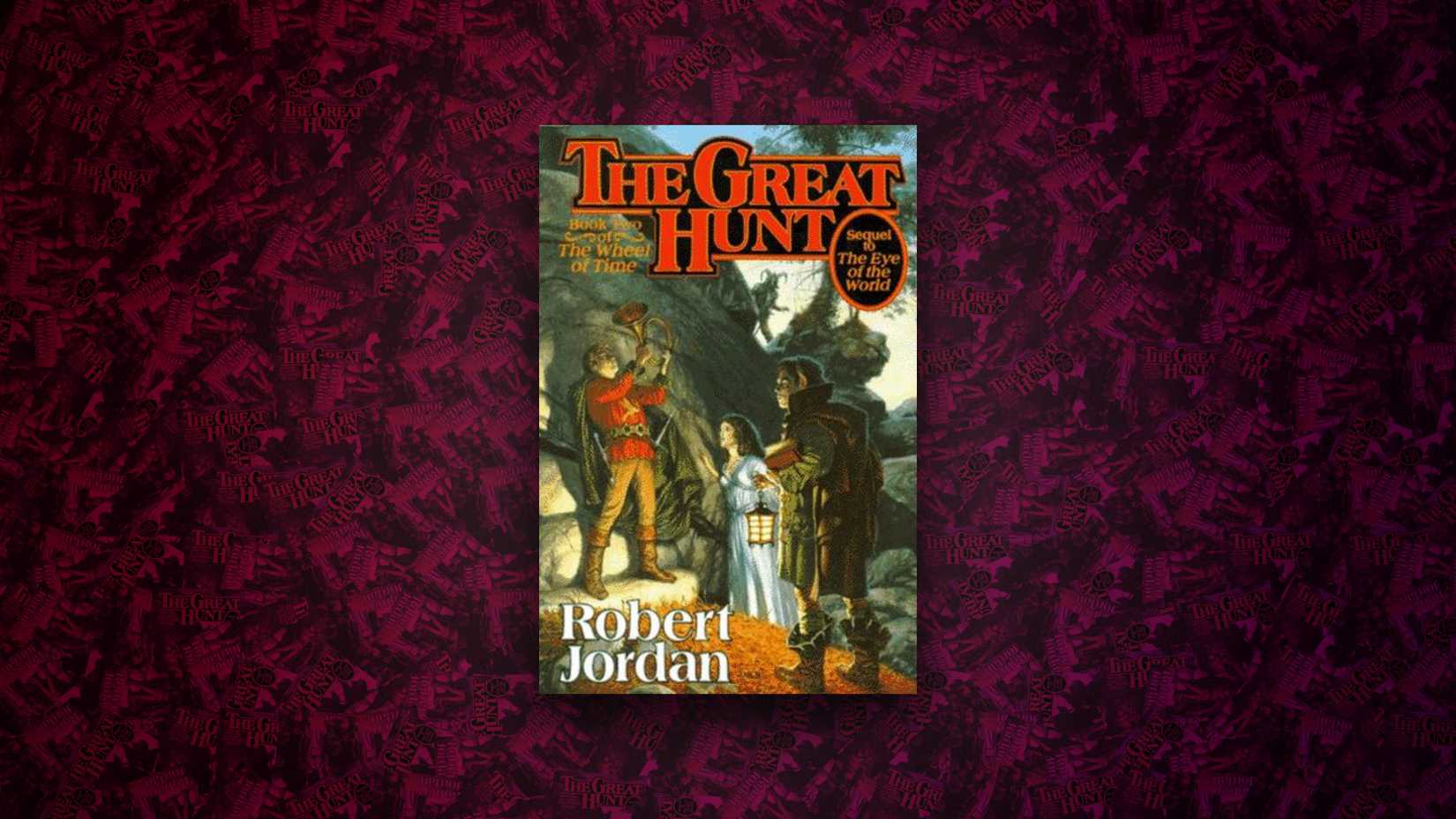
In The Great Hunt, the second entry in The Wheel of Time, the Dragon Reborn Rand al’Thor becomes trapped in an alternate world with a mysterious companion who conceals crucial knowledge. At the same time, a group of aspiring Aes Sedai suffers a betrayal and must repel an invading army. While the first volume, The Eye of the World, relied heavily on classic genre tropes and a hesitant protagonist, the sequel quickly raises the stakes. Robert Jordan gives the central cast space to develop as they confront ruthless threats across the continent.
Andrzej Sapkowski, The Last Wish (1993)
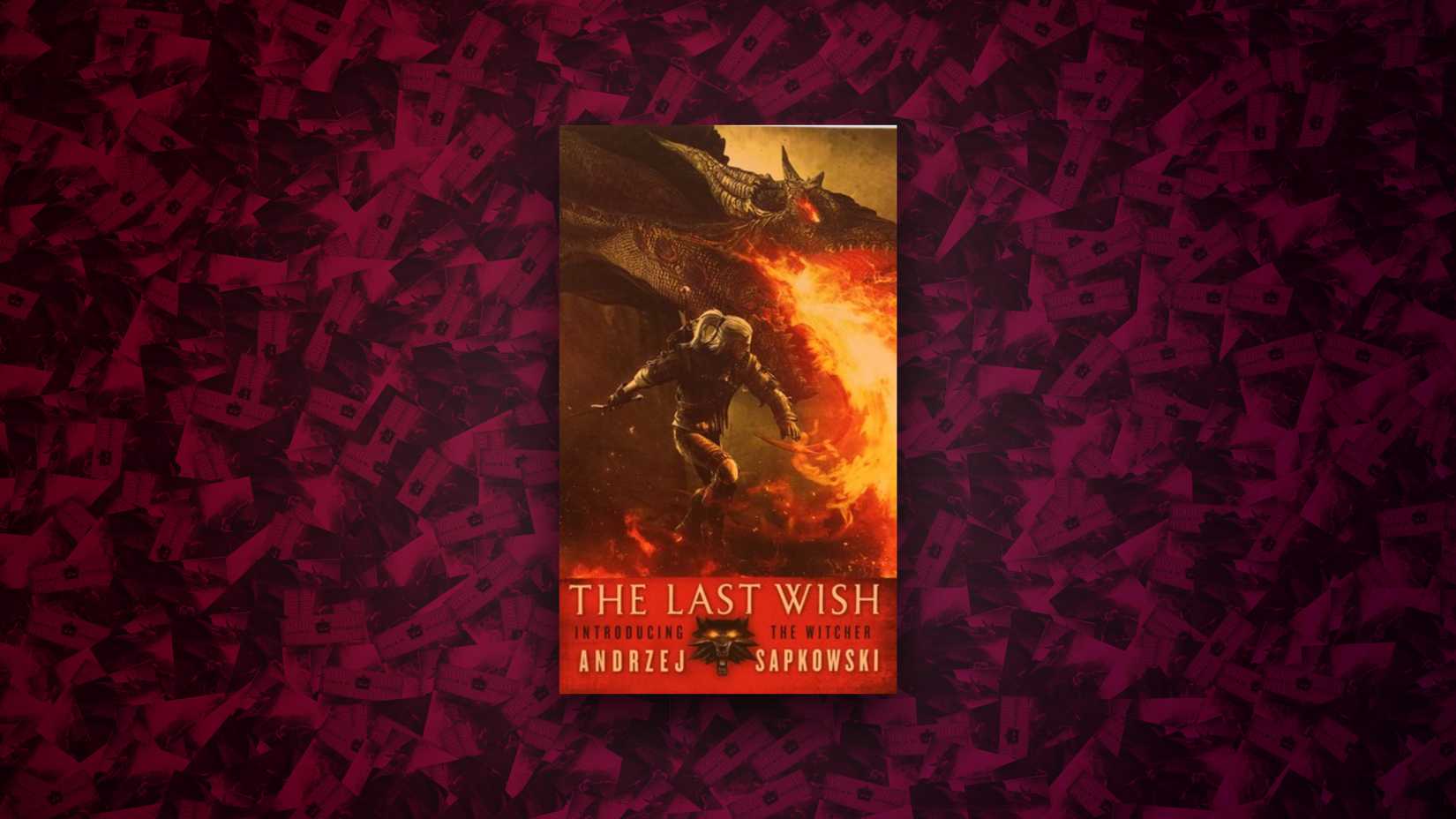
Andrzej Sapkowski introduced readers to the Continent in The Last Wish, a collection of short stories that puts dark spins on traditional fairy tales like Snow White and Beauty and the Beast. While the later novels in the Witcher series focus on the devastating fallout of large-scale war, this introductory collection balances sharp humor, tragedy, and combat. The monster hunter Geralt of Rivia battles dangerous beasts and corrupt humans while trying to avoid the messy politics of kings and sorcerers.
Steven Erikson, Gardens of the Moon (1999)
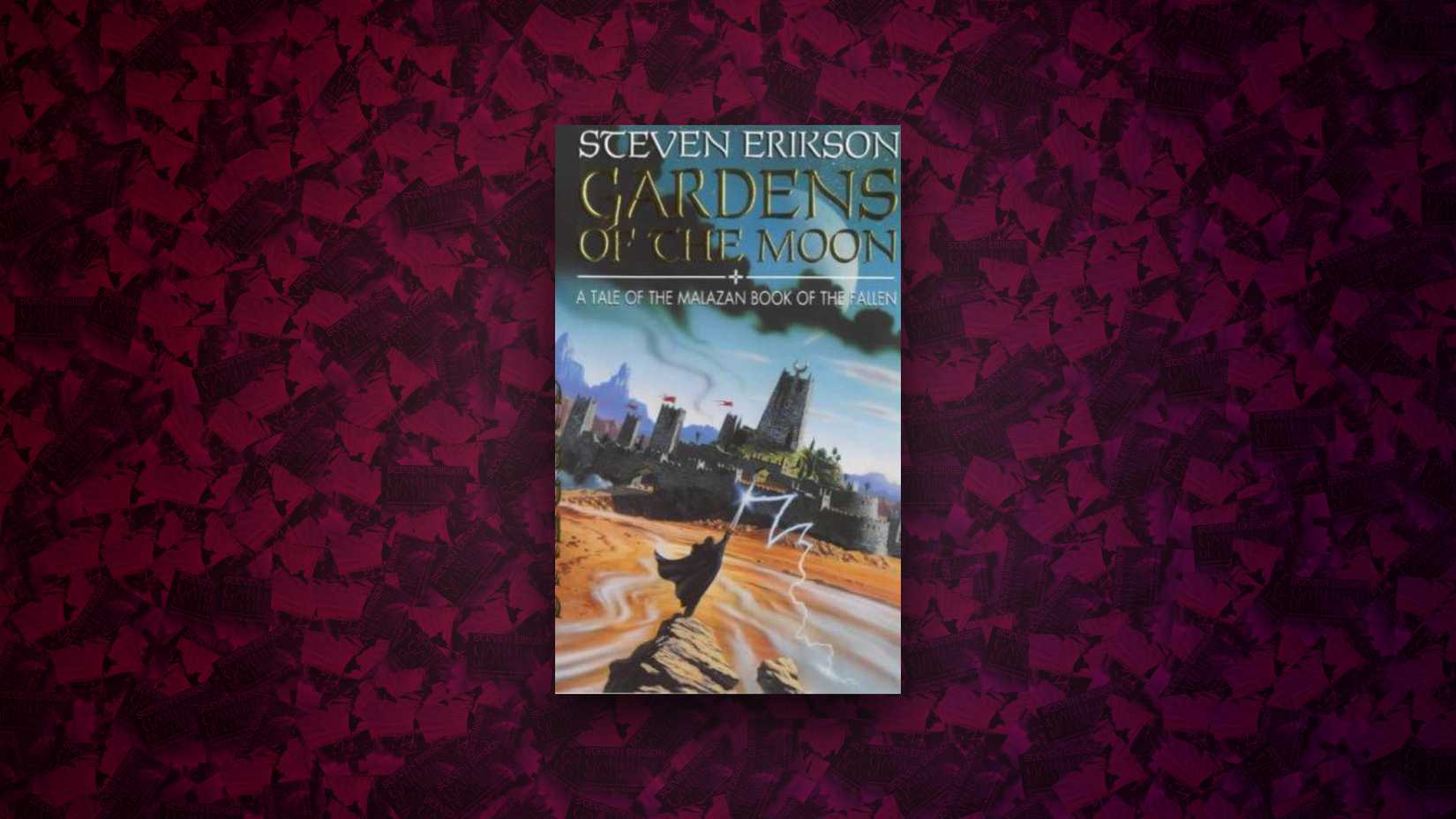
Gardens of the Moon opens the Malazan Book of the Fallen, an expansive military fantasy saga. The narrative follows the Malazan Empire as it attempts to finalize its conquest of the continent Genabackis, dragging deities, thieves, soldiers, and mages into the fray. Steven Erikson avoids hand-holding and drops readers directly into the conflict without heavy exposition. Readers who stay with the dense text are rewarded with nuanced characters and an epic narrative rooted in thousands of years of lore.
Robin Hobb, Fool’s Errand (2001)
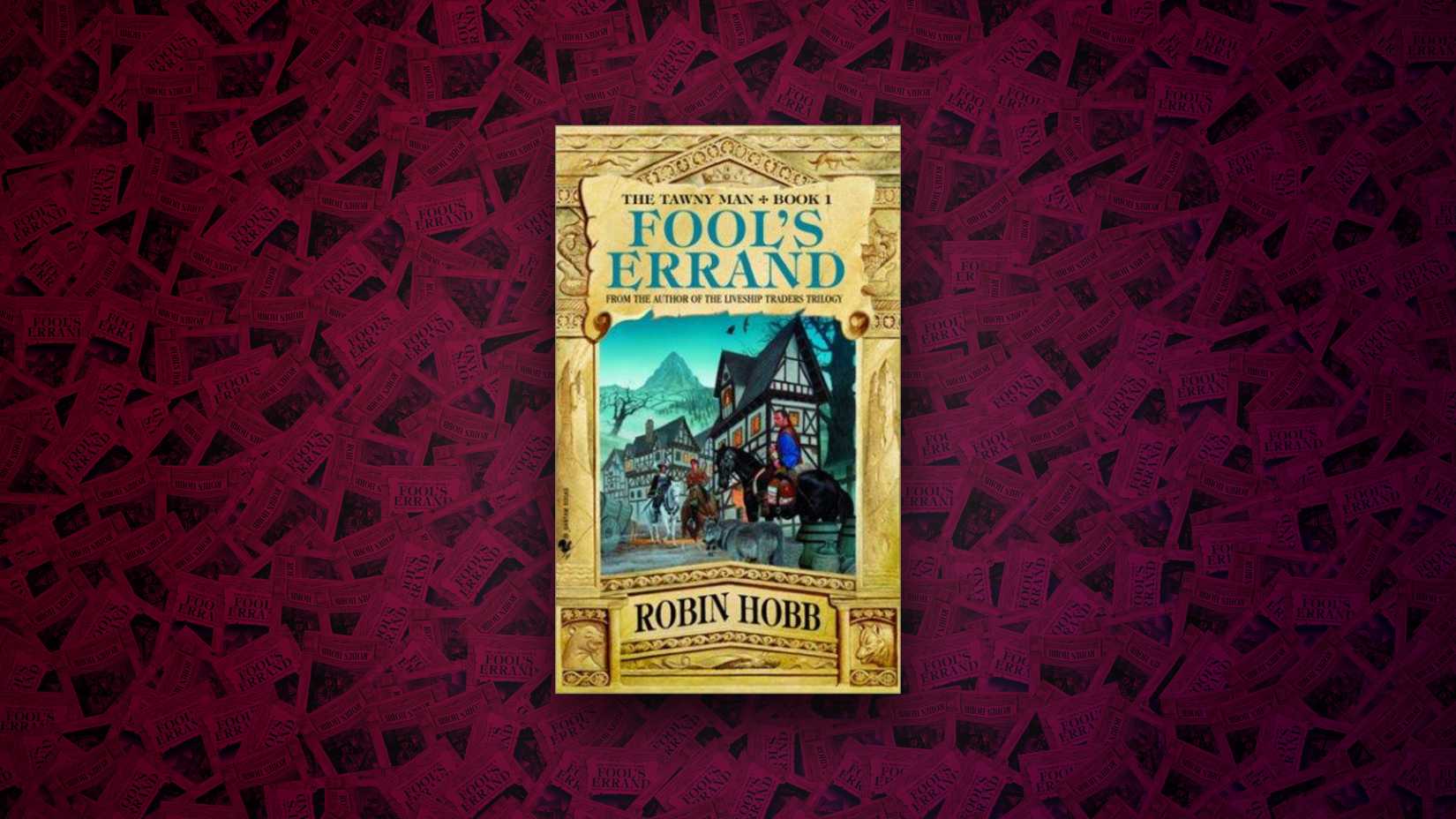
Robin Hobb first introduced FitzChivalry Farseer, a royal assassin with the magical ability to bond with beasts, in the Farseer Trilogy. Readers can jump directly into her strongest character work with Fool’s Errand, the first volume of the Tawny Man trilogy, which catches up with Fitz fifteen years later. The time skip allows the story to explore aging, isolation, and regret. Fitz must leave his quiet life behind and rely on his wits to locate a missing prince at an enigmatic country estate.
Lois McMaster Bujold, The Curse of Chalion (2001)
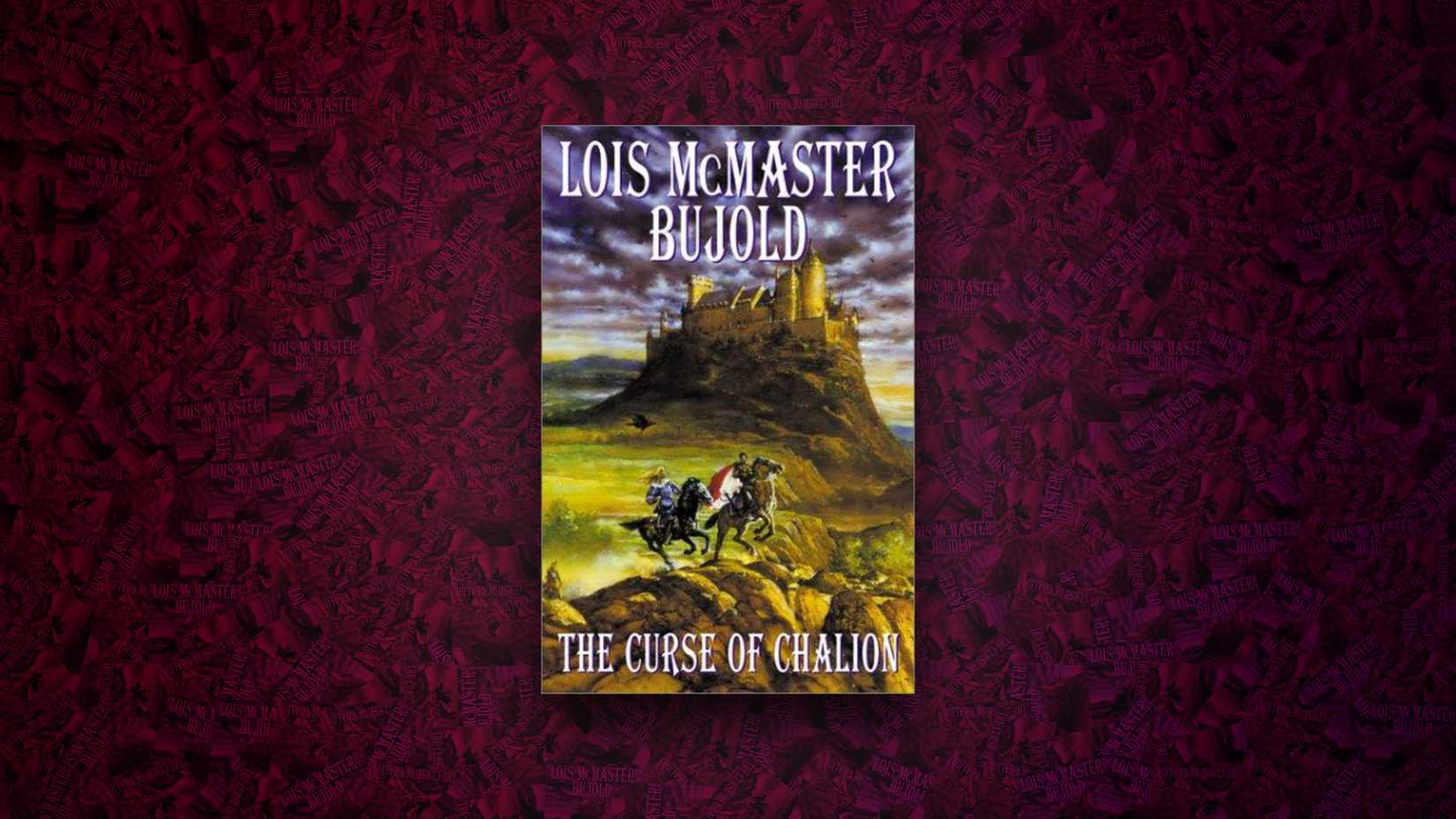
Drawing historical parallels from medieval Spain, The Curse of Chalion takes place in a setting shaped by dark magic, demonic possession, and active deities. Cazaril is a broken former soldier who returns home after enduring years of captivity and torture. Hired as a secretary and tutor for a royal household, Cazaril uncovers an ancient curse threatening the ruling family. Protecting the royals requires careful political maneuvering, personal sacrifice, and divine intervention.
Scott Lynch, The Lies of Locke Lamora (2006)
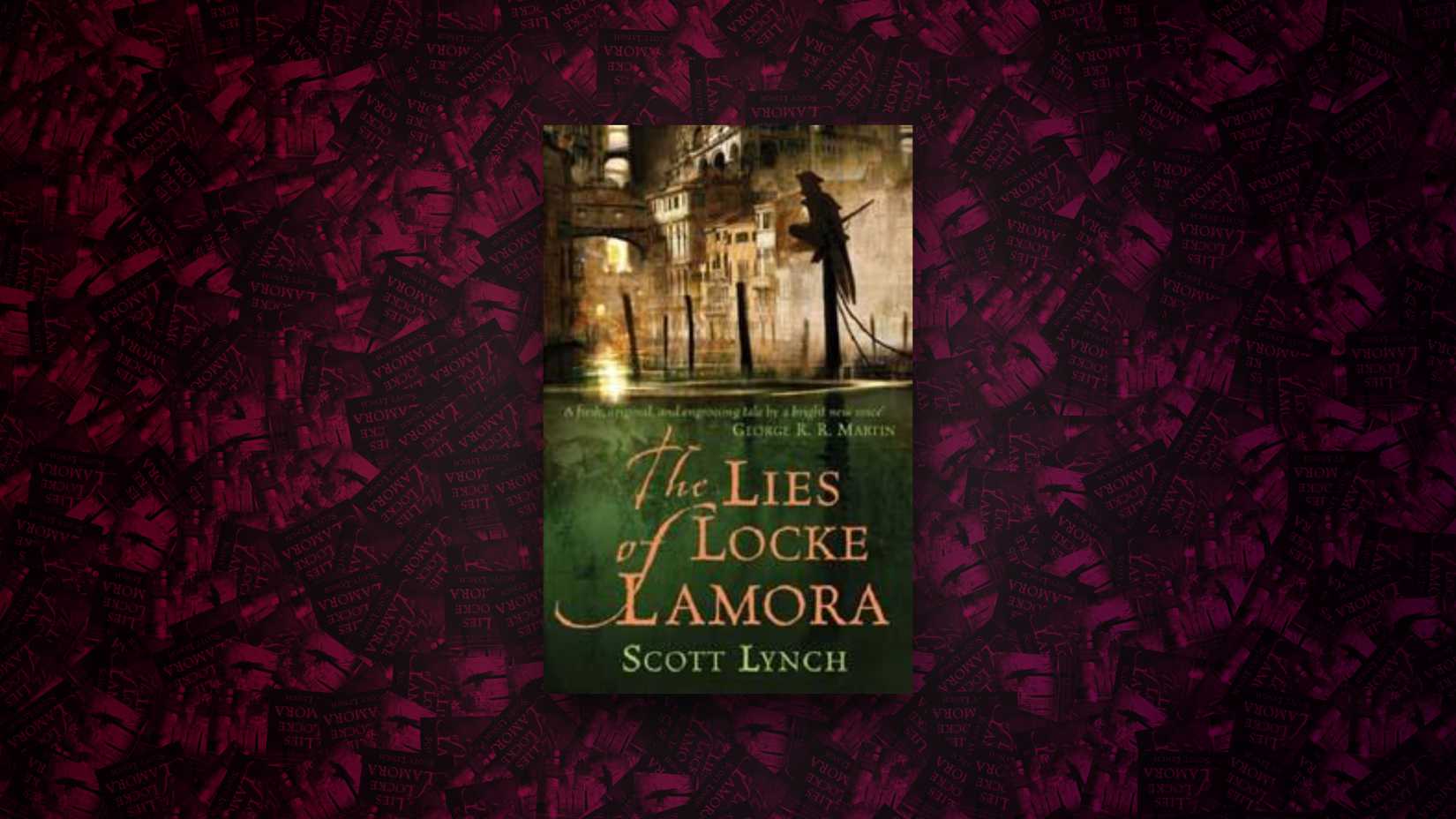
A key influence on the heist-themed tabletop roleplaying game Blades in the Dark, The Lies of Locke Lamora follows a crew of specialized con artists operating in a fantasy equivalent of Venice. The first entry in the Gentleman Bastard sequence tracks Locke Lamora and his companions as they attempt a massive fraud while a ruthless new crime lord terrorizes the city. Scott Lynch balances quick wit and engaging characters with sudden, brutal violence as competing factions fight for dominance.
Brandon Sanderson, Words of Radiance (2014)
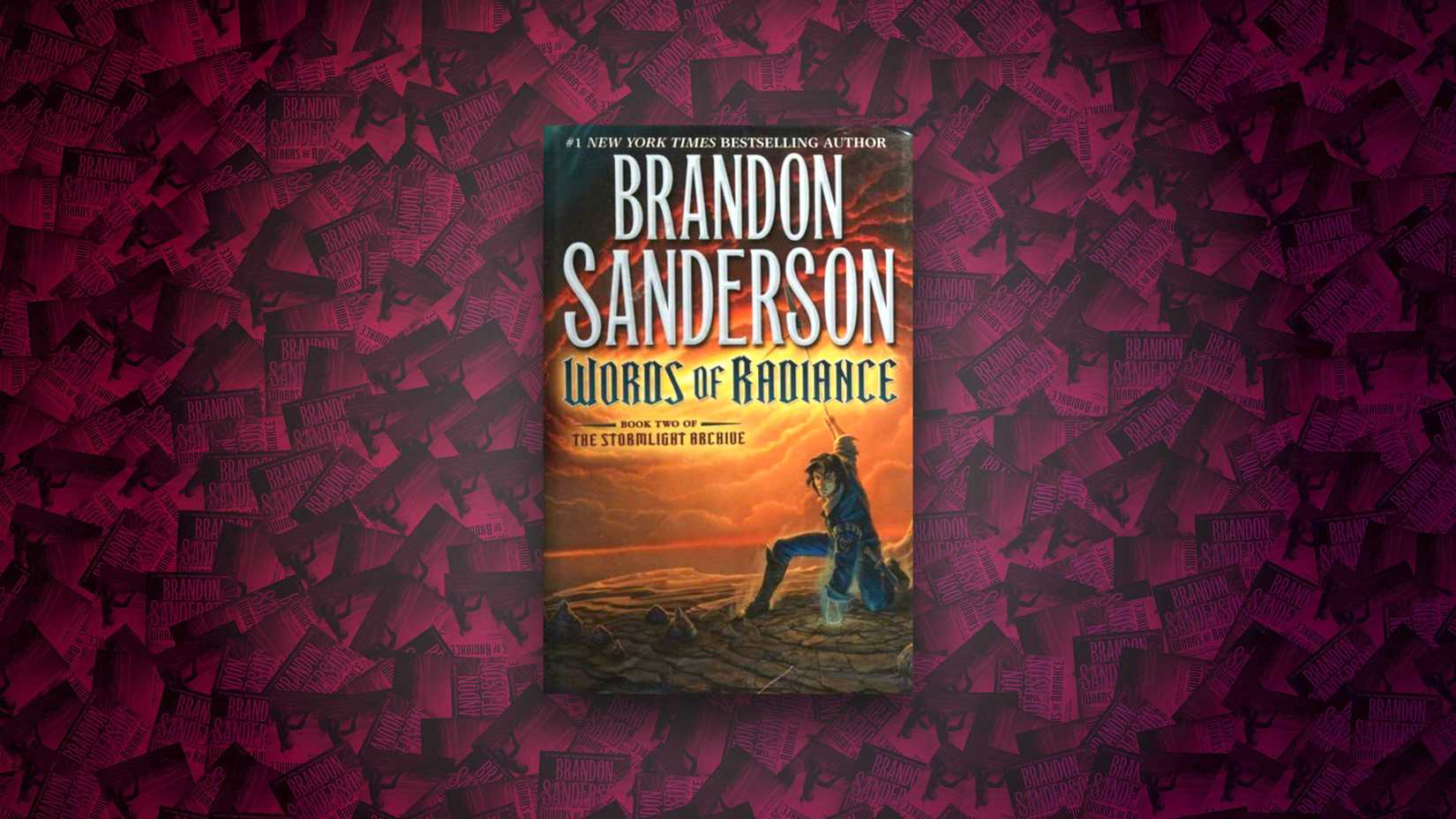
Brandon Sanderson is widely known for developing intricate magic systems across his connected Cosmere universe. While early standalone novels like Elantris and Warbreaker demonstrated his storytelling range, along with the evolving scope of the Mistborn series, The Stormlight Archive serves as his centerpiece project. Words of Radiance builds directly on the setup of The Way of Kings, focusing closely on Shallan Davar as the young scholar navigates hidden secrets and political peril. The novel delivers fast-paced battle scenes and massive world reveals across its thousand-page length.
James Islington, The Will of the Many (2023)
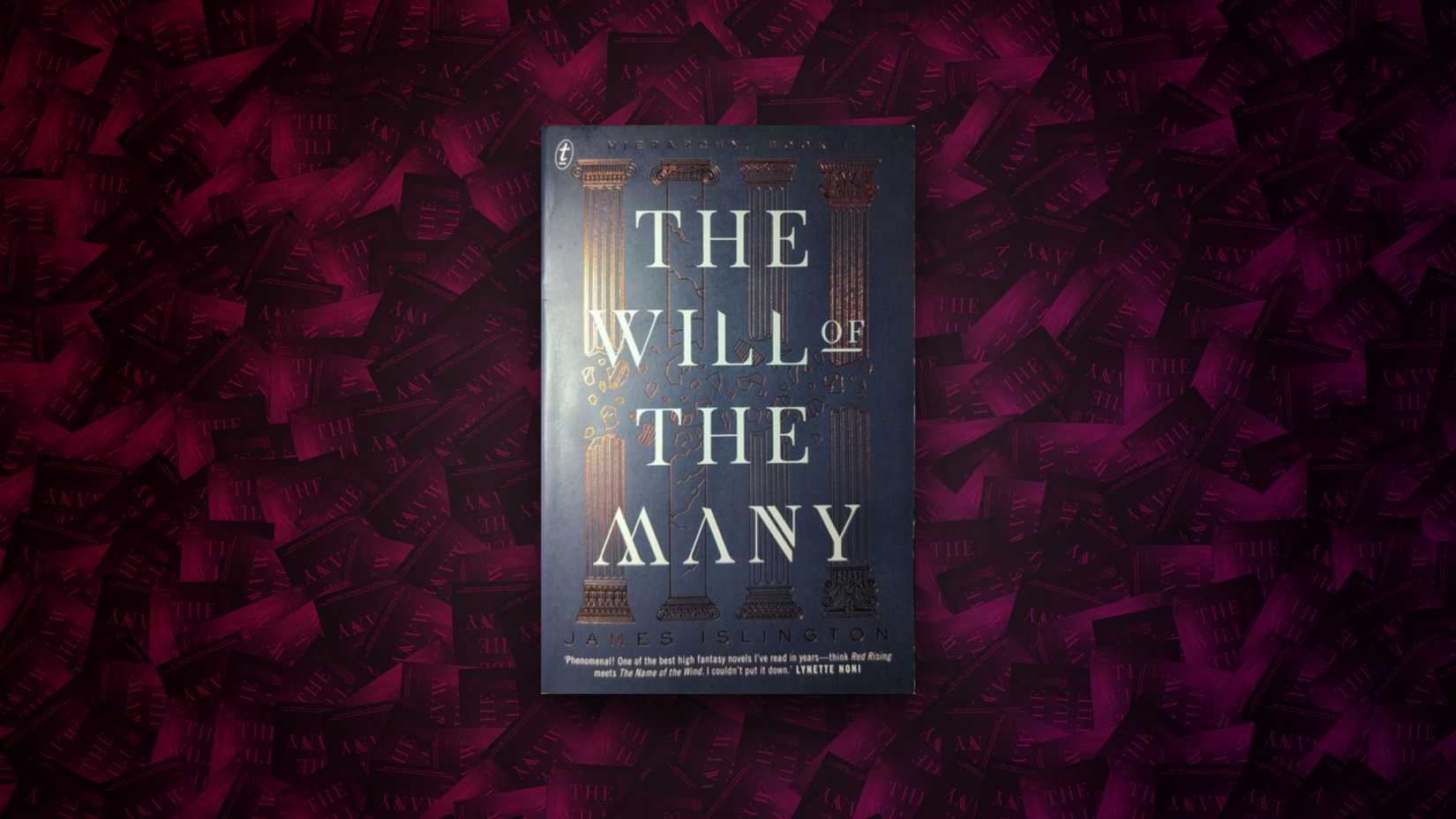
Drawing inspiration from authors like Robert Jordan and Brandon Sanderson, James Islington established a Roman-inspired setting for The Hierarchy series. In The Will of the Many, magic functions as a mechanism of social subjugation, where the ruling elite drain the mental and physical vitality of the lower tiers to power weapons and maintain societal control. Vis, a surviving prince from a conquered nation, is recruited to infiltrate the empire’s elite military academy as a spy. The dangerous assignment pulls him into an intricate network of political plots, deadly tests, and ancient secrets.
Source: Polygon
Related articles
 Roguelike City-Builder About Creating Tiny Metropolises Launches on Steam
 Tides of Annihilation Developers to Show First Story Trailer at Gamescom
 First Beta Weekend Brings Activision 400,000 Modern Warfare 4 Pre-Orders on Steam
 21 New Games Coming to PlayStation Store This Week
 Game Informer Launches International Print Subscriptions in Canada, the UK, Europe, and Beyond
 Ang Lee’s Hulk Is Now Streaming Free on YouTube
 Pokémon-Inspired RPG Dokimon Quest Is Free on Steam
 Activists Say PlayStation Boycott Will Be Indefinite Until Sony Admits Mistake